



Stone, Shadow, and Sacrifice: The Legend of Luanda Magere
Introduction
On a moonlit night in western Kenya, the Luo elders gather around a crackling fire to recount the tale of an immortal warrior. In Luo culture, storytelling is more than entertainment – it is a sacred inheritance, a living archive of history and values passed down through generations. Few tales are as spellbinding as the legend of Luanda Magere, the hero whose very name means “rock” and “the one that builds” or “fierce one,” evoking strength and foundation. In hushed tones, the storyteller invokes a time when men’s flesh could turn to stone, shadows held life, and a great warrior’s fate became a lesson etched into cultural memory. The world of the Luo people comes alive in this myth, reminding us that culture is infrastructure – built on stories that anchor identity and belief.
The Invincible Stone Warrior
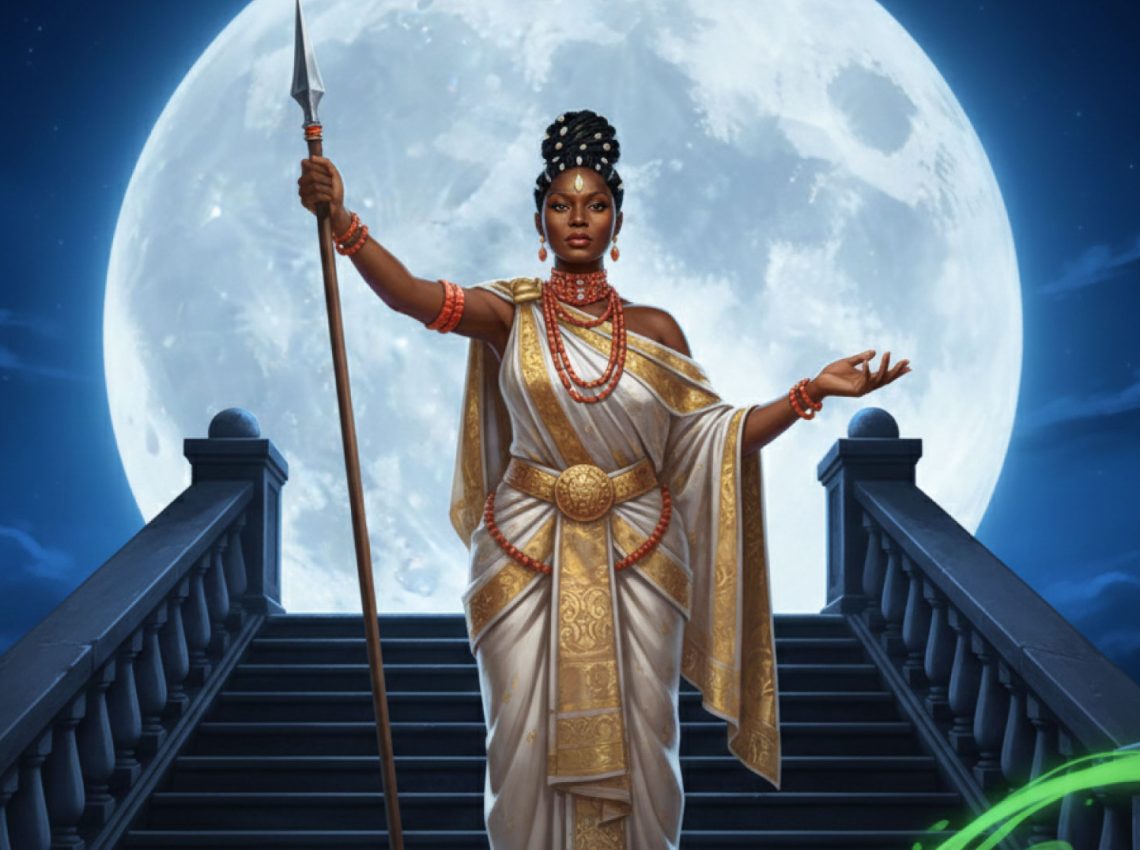
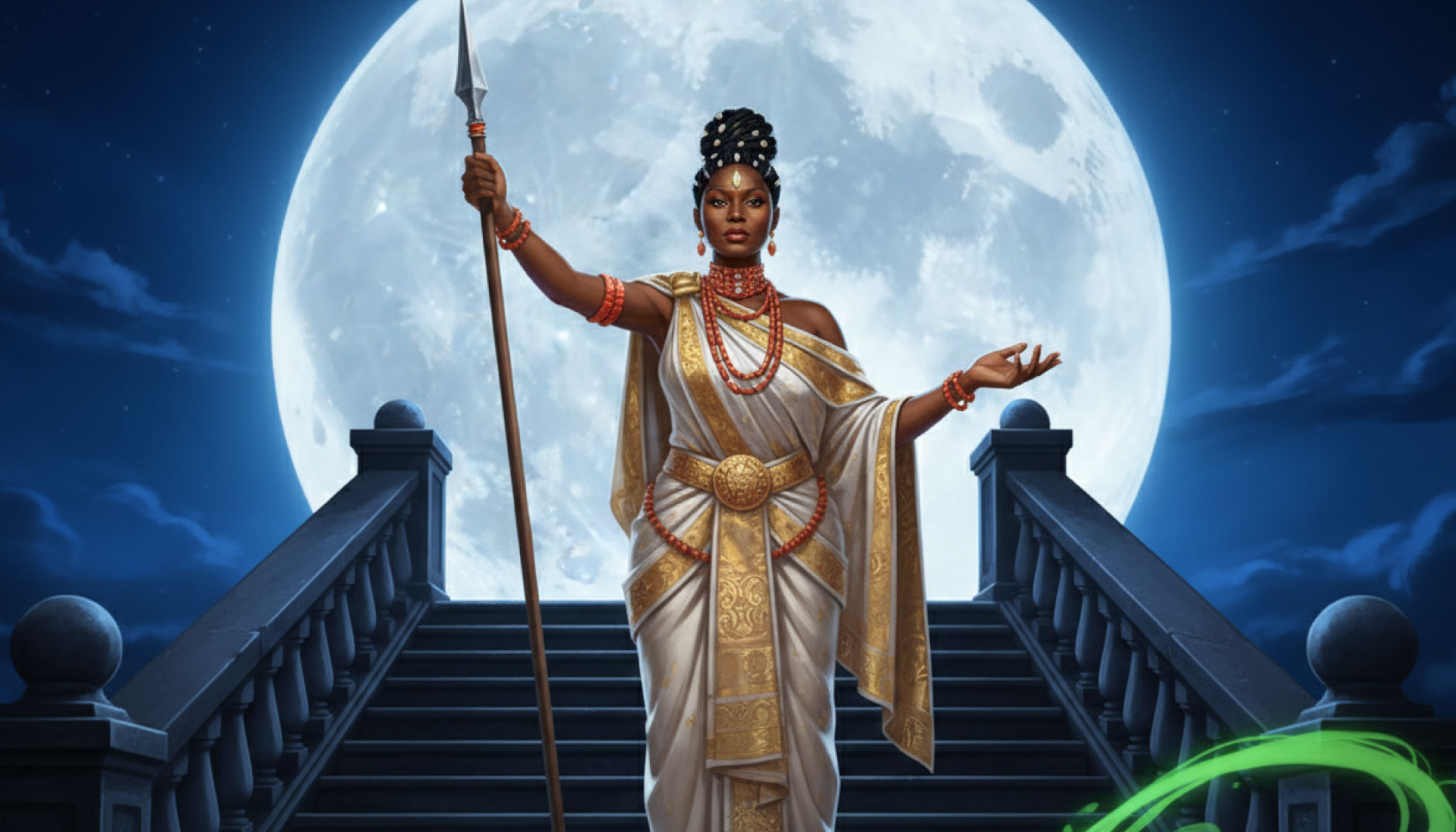
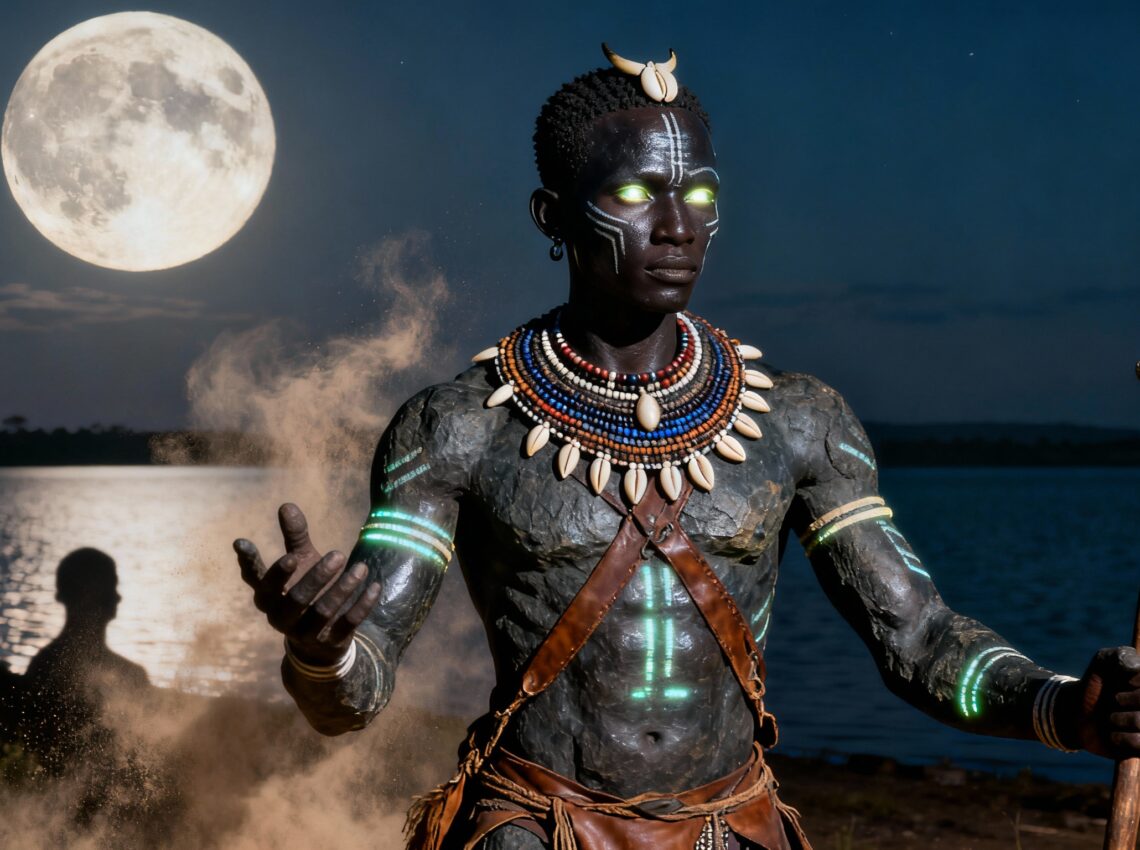
Folklore speaks of Luanda Magere as an unbeatable warrior of the Luo tribe, a man quite literally forged in stone. Born in the Sidho clan near the shores of Lake Victoria, he possessed unearthly powers. His skin was as hard as rock and weapons simply bounced off him, rendering him invincible in battle. The Luo and their neighbors, particularly the Nandi (traditional rivals of the Luo), told of how spears and arrows clattered harmlessly against Luanda Magere’s stony flesh, while he could tear entire armies apart singlehandedly. In every war raid, he was a living shield and sword for his people, an embodiment of supernatural strength and resilience. His very presence on the battlefield struck fear into enemies – so much that Nandi warriors would retreat at the mere rumor of Luanda’s arrival, knowing no mortal weapon could cut him down. Among the Luo he was more than a man; he was a symbol of unshakeable protection, a “fierce rock” on which a community could build its hopes.
The Secret in the Shadow
Yet even this mighty warrior carried a secret as dark and elusive as his own shadow. For years, enemies tried and failed to discover any weakness in Luanda Magere – he seemed a God’s miracle beyond harm. Desperate for a solution, the Nandi devised a cunning plan: they offered their most beautiful maiden to Luanda in marriage, pretending it was a gesture of peace after defeat. Despite warnings from Luo elders not to accept a wife from their rivals, Luanda’s pride and heart won out, and he took the Nandi woman as his second wife. In time, this wife gained his trust.
One day, the great warrior fell gravely ill when his first wife was away. Needing care, Luanda called on his Nandi wife to fetch medicine. He instructed her to take a knife and cut his shadow, then apply the herbal remedy to the shadow – and to her astonishment, the shadow bled with real blood. In that uncanny moment, the Nandi bride learned what no enemy on the battlefield ever could: Luanda Magere’s life force did not lie in his stone body, but in his shadow. The invincible man’s secret vulnerability was finally revealed. Under the cover of darkness, the wife slipped out and raced to her people, delivering the precious knowledge of how to defeat the stone warrior. The rock had shown its crack, and betrayal was set in motion.
Betrayal and the Fall of a Hero
Not long after the secret was out, the Nandi launched a stealth attack on the Luo under the veil of night. Secure in the false peace of kinship through marriage, the Luo were caught off guard. War cries pierced the night as Luanda Magere rose to defend his people once more. He fought with ferocity, cutting down wave after wave of Nandi warriors; even in ambush, the stone-bodied hero was nearly untouchable, and the enemy began to fall back. It seemed the Luo might still prevail. But as the Nandi retreated in fear, one warrior remembered the fatal secret – the shadow. From a distance, atop a hill under the first light of dawn, this warrior hurled his spear not at Luanda’s chest, but at the long shadow cast by his body. The spear pierced the shadow’s heart. In that instant, Luanda Magere collapsed to the ground and died, his stone flesh finally defeated by a weapon aimed at his spirit.
What followed was a scene of otherworldly sorrow and awe. As the legend goes, the moment Luanda Magere fell, his body turned into a great stone on the battlefield. A howling wind swept over the land of Kano and Nandi, and dark clouds draped the sky in mourning. The Luo warriors, stunned and heartbroken, carried the news home with wails of grief for the loss of their indomitable champion. The land itself seemed to share their pain: a drought blighted the fields for two full years after the hero’s death. Only later, the stories say, did Luanda’s spirit appear to elders in their dreams, guiding them to the very spot where his petrified body lay hidden near the banks of River Nyando. When the sacred stone of Luanda Magere was finally found, rain fell in torrents for three days and the community offered sacrifices at the site to honor his memory. The rock remains there to this day – a physical testament to a life larger than life, and a reminder that even legends can bleed.
Lessons of Trust, Vulnerability, and Sacrifice
Generations of Luo storytellers have drawn deep meanings from Luanda Magere’s rise and fall. His tale is often recounted to teach the value of bravery and loyalty – and the dire consequences of betrayal. At its heart, the legend is a cautionary narrative about trust: the great warrior’s only mistake was trusting an enemy in his most vulnerable moment. The betrayal by his Nandi wife underscores the vulnerability that comes with trust and the devastating impact of betrayal. In Luanda’s invincibility we see a symbol of overwhelming strength, yet in his secret weakness we are reminded that even the strongest among us have vulnerabilities. This paradox is a lesson in humility – a message that true courage includes acknowledging one’s hidden weaknesses.
The legend also carries the theme of sacrifice. Luanda Magere sacrificed the protection of his secret when he revealed it in an act of love and need, ultimately sacrificing his own life for his people’s continued awakening. The aftermath of his death – the drought, the rituals, the mourning – highlights how the community confronted the cost of that sacrifice. In the story, the Luo had to come to terms with the loss of their living “shield,” learning that no warrior, no matter how strong, is immortal. By honoring his stone remains with prayers and offerings, they cemented the idea that a hero’s true legacy is the wisdom and unity he leaves behind. Luanda’s story became a pillar of Luo cultural identity, teaching the young and old alike about the balance between strength and vulnerability, pride and caution, and the importance of guarding what is most precious.
An Enduring Legacy and Cultural Memory
Though centuries have passed, Luanda Magere’s name still reverberates in Kenyan culture as powerfully as a war drum. Among the Luo, he is celebrated as an undying symbol of strength and heroism. The rock said to be his transformed body rests in Sidho, near Lake Victoria, and is treated as a sacred site – people journey from far and wide to touch the stone, offer prayers, and feel the presence of the ancient warrior. To this day, Luo communities keep his memory alive through songs and dances performed in his honor. Folk songs recount how the “fierce rock” fell and rose again as real stone, ensuring that even children know the proud lineage of their people. Storytellers continue to pass on the tale around evening fires, preserving not just the details of the myth but the values it carries. This is cultural memory in action – a society using oral tradition as infrastructure to carry its collective identity forward.
Beyond the Luo heartland, the legend of Luanda Magere has taken on broader significance in Kenya’s national imagination. He stands alongside other legendary figures as a reminder of the rich tapestry of Kenyan folklore, each story a thread in the nation’s cultural fabric. The warrior of stone has even inspired modern creativity: his saga has been reimagined in illustrations, comics and even animated shorts, and his warrior spirit finds tribute in African art and fashion today. As a cultural symbol, Luanda Magere invites reflection on the ideals of masculinity and leadership. He embodied the traditional warrior masculinity – brave, unyielding, protective – yet his fate highlights the need for wisdom and humility. In a contemporary context, his story resonates with discussions about what true strength means (physical might tempered by honor and trust) and how communities choose their heroes. The legend’s endurance in popular culture and discourse demonstrates how mythic figures can become national symbols of resilience and caution. Luanda Magere’s stone might mark a specific place in western Kenya, but the idea of Luanda travels far, representing the notion that Kenya’s diverse cultures each contribute heroes and lessons to the nation’s identity.
Conclusion
The story of Luanda Magere continues to shape the identity of the Luo people and Kenyans at large, proving that a nation’s foundation is built as much on its stories as on its roads and monuments. Every retelling – whether by a village elder or in a modern classroom – breathes life into the values of trust, courage, and wisdom that the stone warrior’s saga imparts. In remembering Luanda Magere, the Luo honor their ancestors and remind each generation that strength without integrity and caution can crumble, just as stone can crack when its shadow is struck. Across Kenya, the legend reinforces a shared cultural pride, teaching that vulnerability acknowledged is not weakness but humanity. In the end, Luanda Magere’s tale lives on not only in books or archives but in the living hearts of the people – a testament to how culture is infrastructure, with stories like these as its pillars. As long as evening fires burn and voices speak of the great warrior who became a rock, the spirit of Luanda Magere will stand guard over the heritage of the Luo and the soul of Kenya.