
TOGO- EWE WEAVING TRADITIONS, TEXTILE
MARKETS, AND COMMUNAL HAIR ARTISTRY
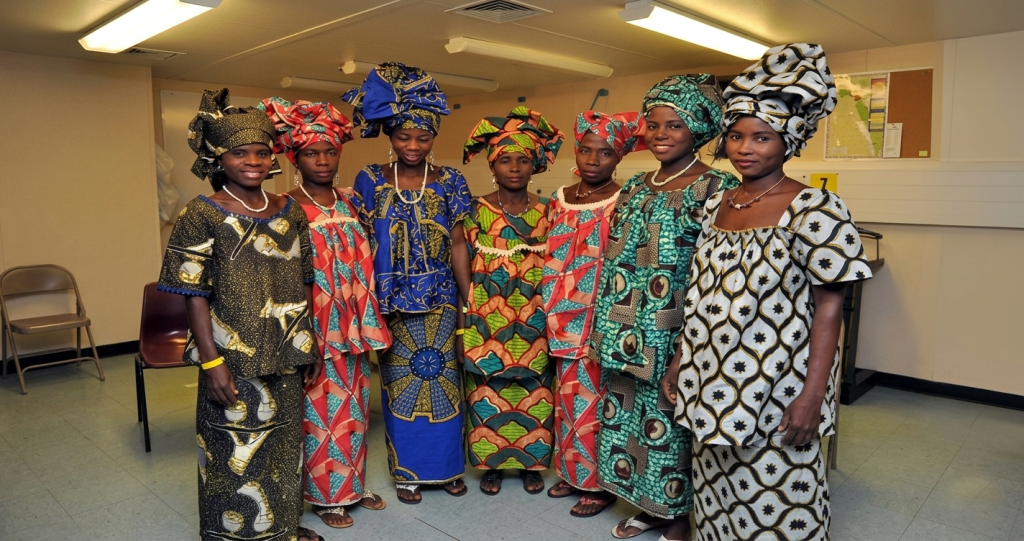
The fashion traditions of Togo reflect centuries of cultural exchange shaped by Ewe, Mina, Kabye, Tem, and other West African societies. Positioned along major Atlantic and regional trade routes, Togo developed a rich textile culture where weaving, beadwork, tailoring, and hair artistry became important expressions of identity, spirituality, and social prestige.
Togolese fashion evolved through the interaction of:
- Indigenous West African traditions
- Regional migration
- Atlantic commerce
- Islamic influence in northern regions
- European colonialism
- Urban market culture
Traditional clothing historically emphasized both practicality and visual elegance.
Women commonly wore:
- Wrappers
- Head ties
- Layered cloth garments
- Beaded jewellery
- Decorative accessories
Men traditionally wore:
- Embroidered tunics
- Woven cloth garments
- Flowing robes
- Tailored ceremonial attire
Textiles became one of the most respected forms of artistic and economic expression in Togolese society.
Handwoven strip textiles held especially high cultural value.
Weavers created narrow strips of cloth that were later sewn together into larger garments. This technique connected Togo to broader West African weaving traditions seen across neighbouring Ghana and Benin.
The Ewe people became particularly respected for weaving craftsmanship and symbolic textile aesthetics.
Patterns, colours, and fabric quality often communicated:
- Wealth
- Social status
- Cultural identity
- Ceremonial importance
- Family prestige
Some textiles were worn primarily during:
- Weddings
- Festivals
- Religious ceremonies
- Funerals
- Chieftaincy events
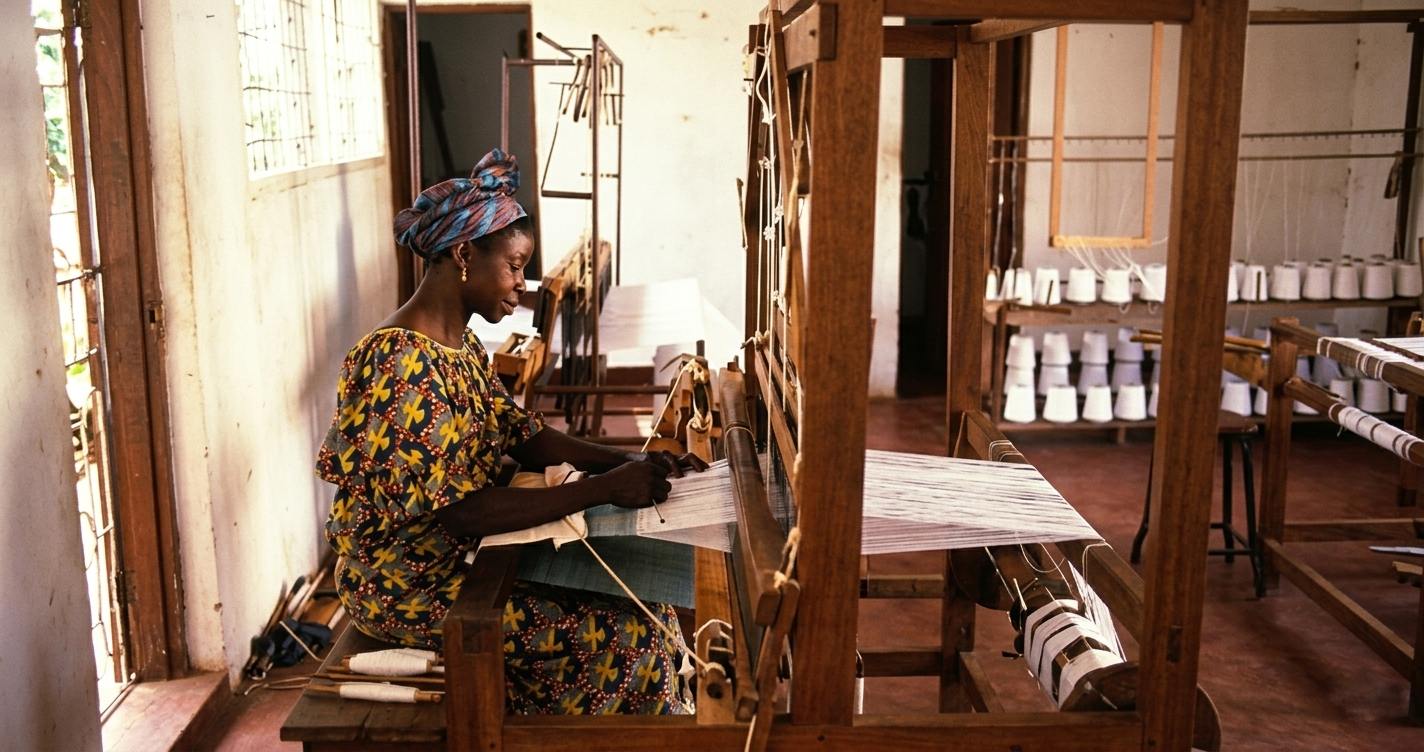
Weaving knowledge was frequently passed down across generations, making textile production both an artistic and cultural inheritance.
Hair traditions in Togo also carried deep social significance.
Braiding traditions historically represented:
- Beauty
- Maturity
- Ethnic belonging
- Readiness for marriage
- Community identity
Hairdressing functioned as a communal activity where women gathered socially while exchanging:
- Oral histories
- Songs
- Advice
- Family knowledge
- Cultural values
These gatherings transformed hairstyling into both artistry and social education.
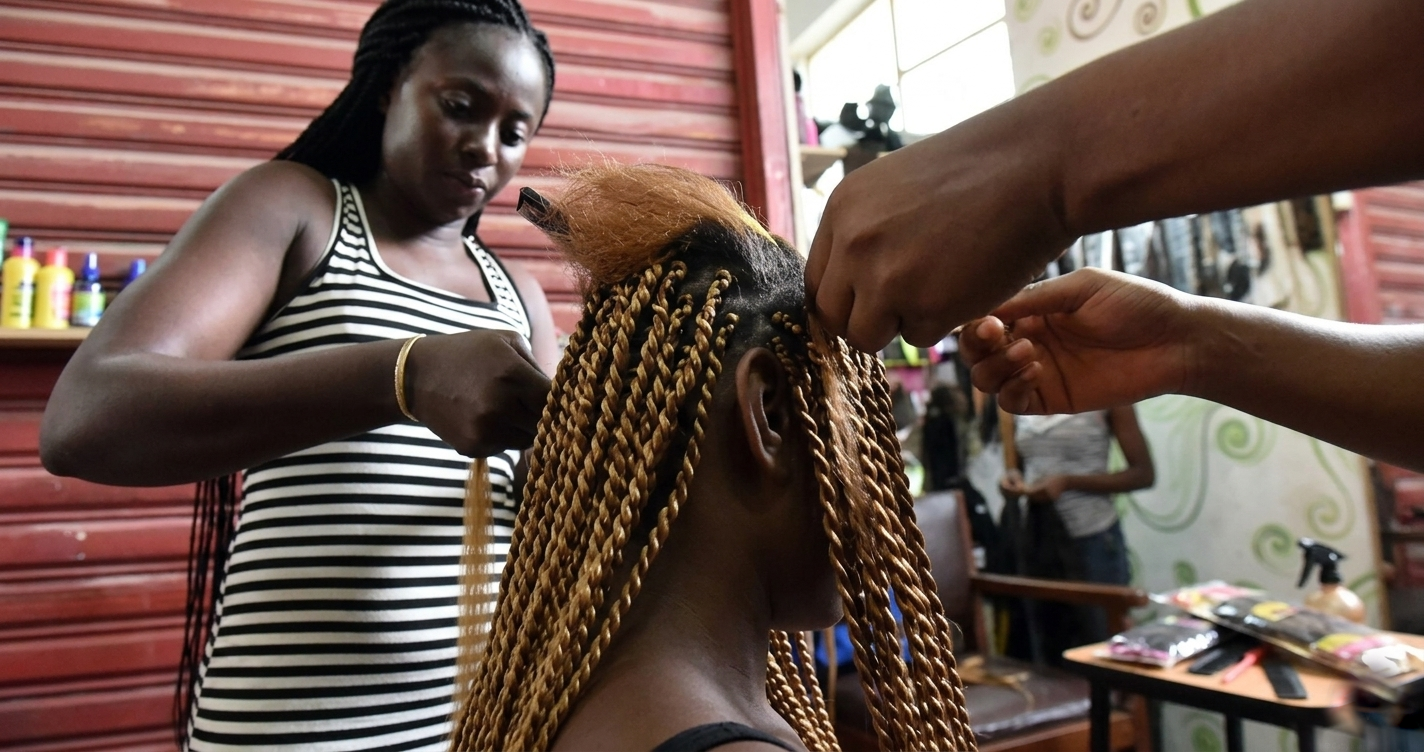
Natural oils, shea butter, and herbal mixtures were commonly used to maintain hair health in tropical climates.
Head ties and headwraps also became important fashion elements.
Women used elaborate tying styles to express:
- Elegance
- Creativity
- Respectability
- Occasion-specific identity
The visual sophistication of headwrap culture became one of the most recognizable aspects of West African fashion traditions.
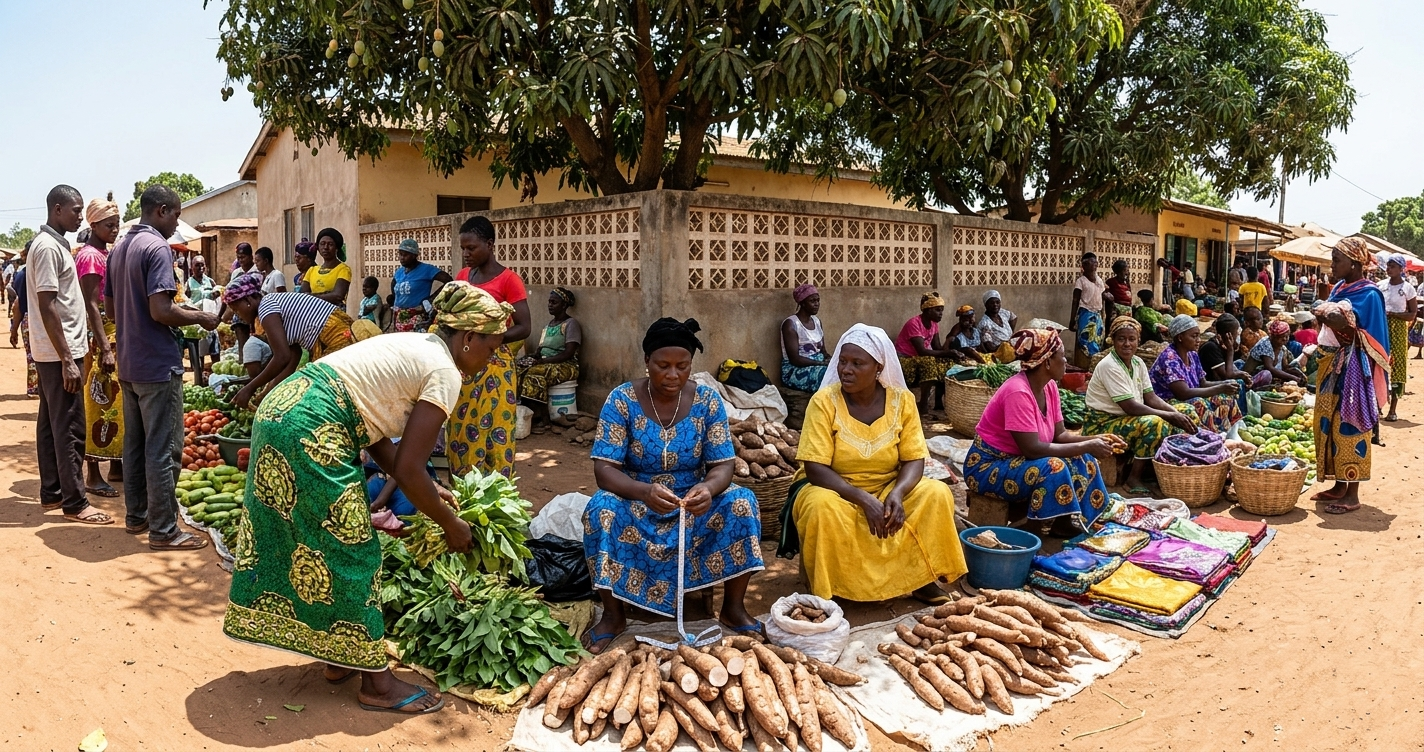
Togo’s position within regional trade networks strongly influenced its textile economy.
The city of Lomé became widely known for its vibrant market culture and textile commerce.
Fabric markets played major roles in:
- Regional trade
- Fashion entrepreneurship
- Textile circulation
- Economic independence for women traders
Imported wax prints, woven cloth, embroidery, and tailoring materials circulated through Togolese markets and influenced fashion across West Africa.
Women traders often became highly influential economic figures within urban market systems.
German and later French colonial rule introduced:
- European tailoring
- Missionary dress codes
- Imported fabrics
- Formal suit styles
However, Togolese communities adapted these influences into distinctly African aesthetics rather than simply replacing local traditions.
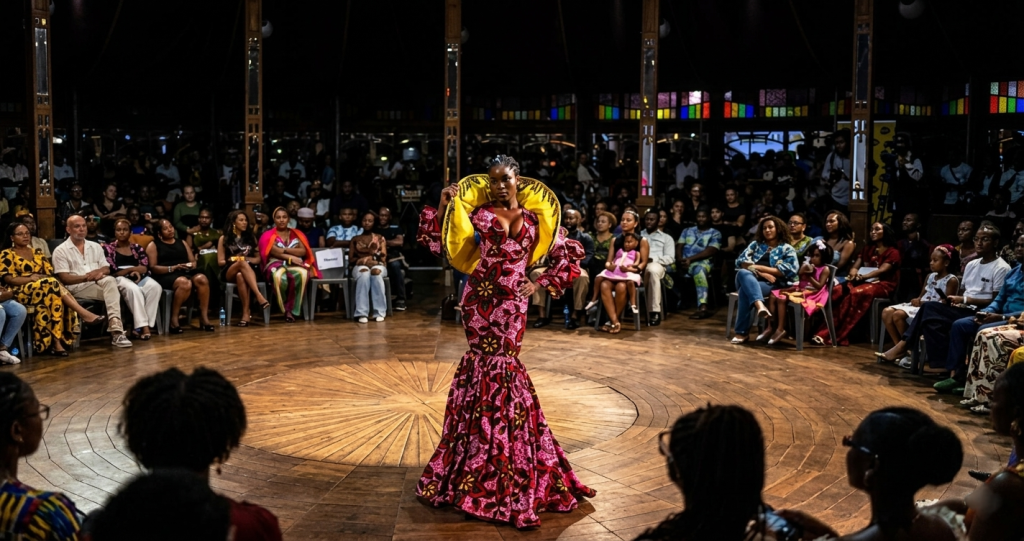
Modern Togolese fashion now combines:
- Wax prints
- Handwoven textiles
- Afro-modern tailoring
- Luxury-inspired silhouettes
- Streetwear influences
- Contemporary African couture
Young designers increasingly reinterpret traditional motifs through:
- Sustainable fashion
- Contemporary tailoring
- Cultural revival movements
- International runway aesthetics
Natural hair movements and Afro-modern beauty culture also became increasingly visible among Togolese youth.
Traditional beadwork remains culturally important as well.
Beads historically symbolized:
- Fertility
- Prosperity
- Spiritual protection
- Femininity
- Social achievement
Certain ceremonial ornaments carried meanings connected to ancestry and community belonging.
FASCINATING LESSER-KNOWN FACTS ABOUT TOGOLESE FASHION AND HAIR
- Handwoven strip textiles historically symbolized prestige and craftsmanship.
- Textile markets in Lomé helped shape fashion circulation across West Africa.
- Hair braiding gatherings functioned as important spaces for oral tradition and social bonding.
- Headwrap styles often communicated elegance and occasion-specific identity.
- Women traders played major roles in Togolese textile economies.
- Traditional beadwork frequently symbolized fertility and prosperity.
- Togolese communities adapted colonial tailoring into uniquely African aesthetics.
- Weaving traditions connected Togo to larger regional textile networks across West Africa.
SOURCES
Allman, J. (2004). Fashioning Africa: Power and the Politics of Dress. Bloomington, IN: Indiana University Press.
Eicher, J. B. (1995). Dress and Ethnicity: Change Across Space and Time. Oxford, England: Berg Publishers.
Picton, J., & Mack, J. (1989). African Textiles. London, England: British Museum Press.
Rovine, V. L. (2015). African Fashion, Global Style: Histories, Innovations, and Ideas You Can Wear. Bloomington, IN: Indiana University Press.
Ross, D. H. (2001). Wrapped in Pride: Ghanaian Kente and African American Identity. Los Angeles, CA: UCLA Fowler Museum of Cultural History.
Heath, D. (1992). The Arts of Togo. Munich, Germany: Prestel Publishing.