
DJIBOUTI-FASHION, HAIR, AND CULTURAL IDENTITY
The fashion history of Djibouti is deeply shaped by geography. Sitting along one of the world’s most important maritime crossroads near the Red Sea and the Gulf of Aden, Djibouti became a meeting point between East African, Arabian, Persian, Ottoman, and Indian Ocean cultures for centuries. Unlike many regions where fashion evolved mainly through agriculture or royal courts, Djiboutian clothing traditions were heavily influenced by trade, migration, desert survival, and Islam. Clothing needed to function in harsh heat while still signalling identity, spirituality, elegance, and social belonging.
Historically, the region’s two major cultural groups the Somali and the Afar peoples developed styles adapted to nomadic and semi-nomadic life. Fabrics had to be breathable, easy to transport, and practical for long-distance travel across arid landscapes. Loose silhouettes became common because they allowed airflow and reduced exposure to intense sun. This environmental adaptation is one reason flowing garments remain central to Djiboutian fashion even today.
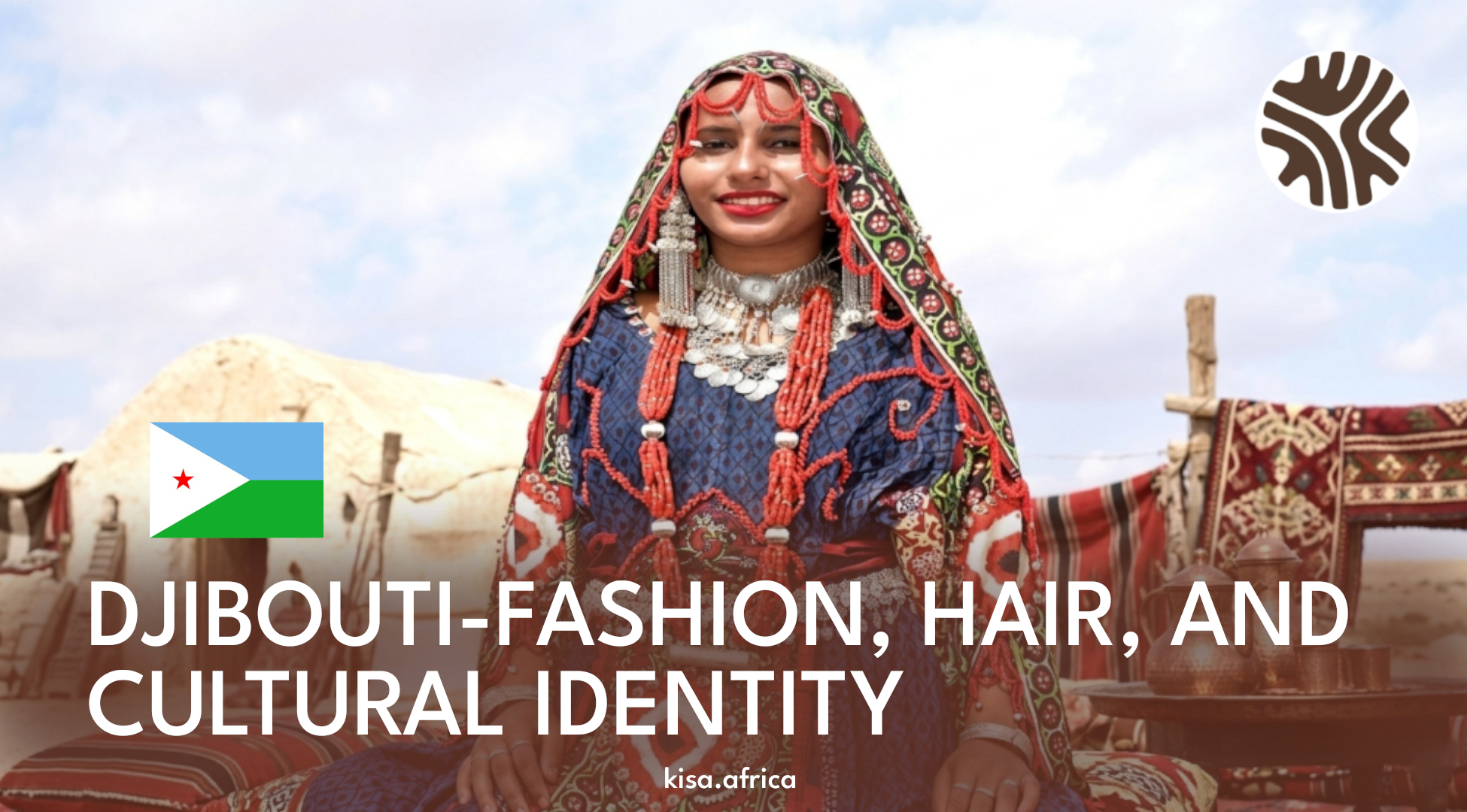
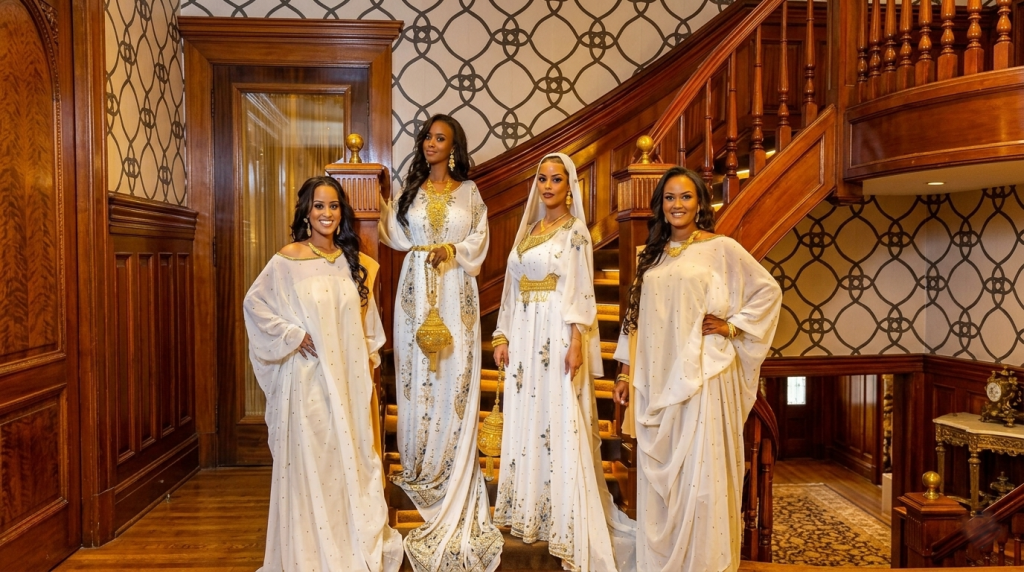
One of the most recognized garments associated with Somali women in Djibouti is the dirac. The dirac is a long, flowing dress usually made from lightweight fabrics such as cotton, voile, chiffon, or imported synthetic blends. Traditionally, it is worn over a full slip or skirt called a gorgorad. The popularity of the dirac grew because of its ability to combine modesty, beauty, and comfort in extremely hot climates. Bright colours and shimmering embroidery became especially important during weddings and celebrations, where women often wore gold jewellery imported historically through Red Sea trade networks.
What many people do not realize is that the dirac itself reflects centuries of cultural exchange. Historians believe aspects of the garment evolved through interactions between Somali coastal communities and traders from Yemen, India, and the Arabian Peninsula. Certain fabric choices and decorative embroidery patterns resemble Indian Ocean textile traditions rather than purely inland African styles. Djibouti’s ports allowed imported textiles to enter East Africa long before European colonial influence became dominant.
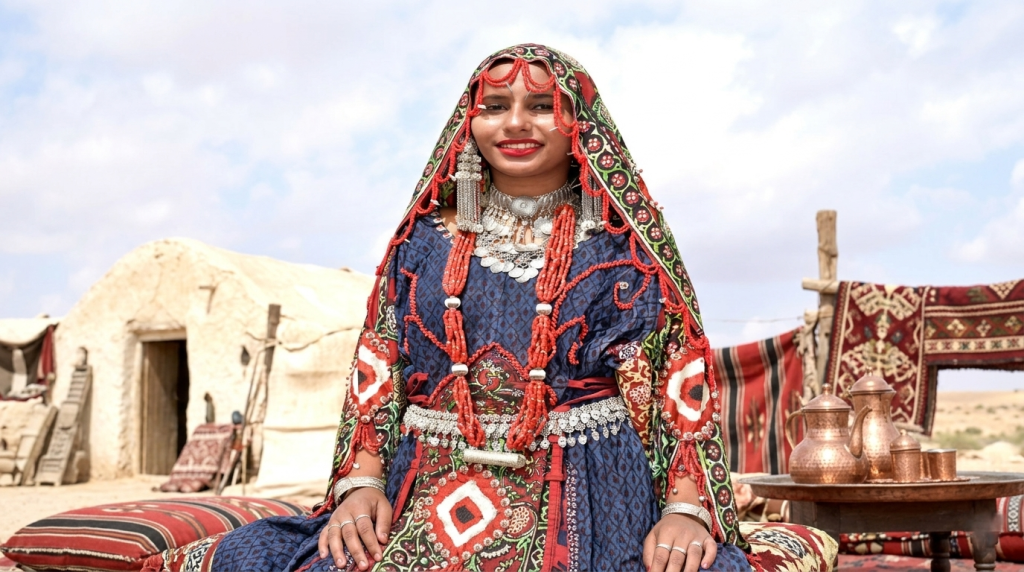
The Afar people developed a somewhat different clothing tradition due to their highly mobile pastoral lifestyle. Afar garments historically emphasized mobility and heat protection. Men frequently wore wrapped cotton cloths tied around the waist, while women wore practical draped fabrics suitable for travel and livestock herding. Jewellery often carried social meaning, indicating marital status, clan affiliation, or wealth. Silver ornaments became particularly valued because they were durable and could survive nomadic travel conditions.
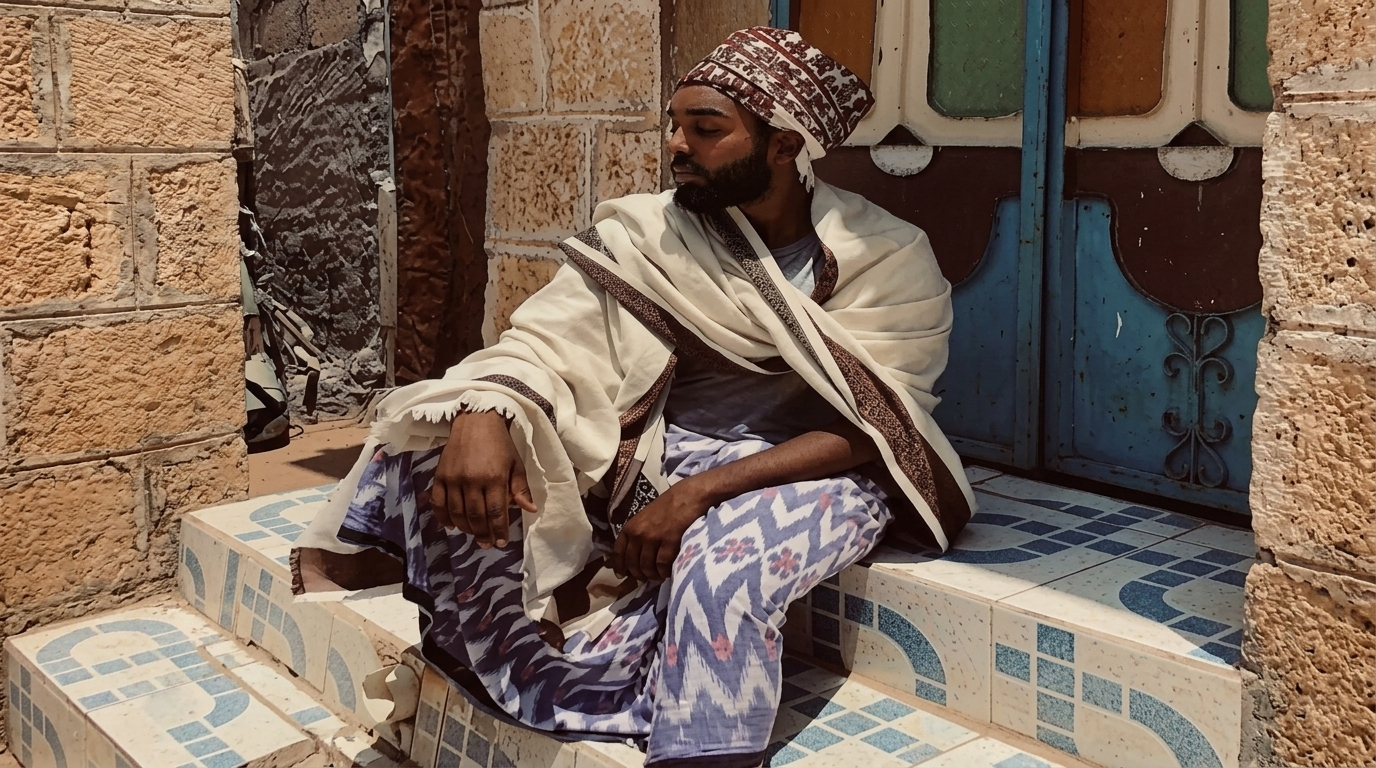
Men’s traditional clothing across Djibouti often includes the macawiis, a wrapped lower garment like a sarong. White robes and turbans also became widespread because lighter colours reflect sunlight and help regulate body temperature in desert climates. These garments were not only practical but also tied to Islamic identity and regional trade culture. Merchants traveling between the Horn of Africa and Arabia helped normalize long white robes as symbols of religious respectability and sophistication.
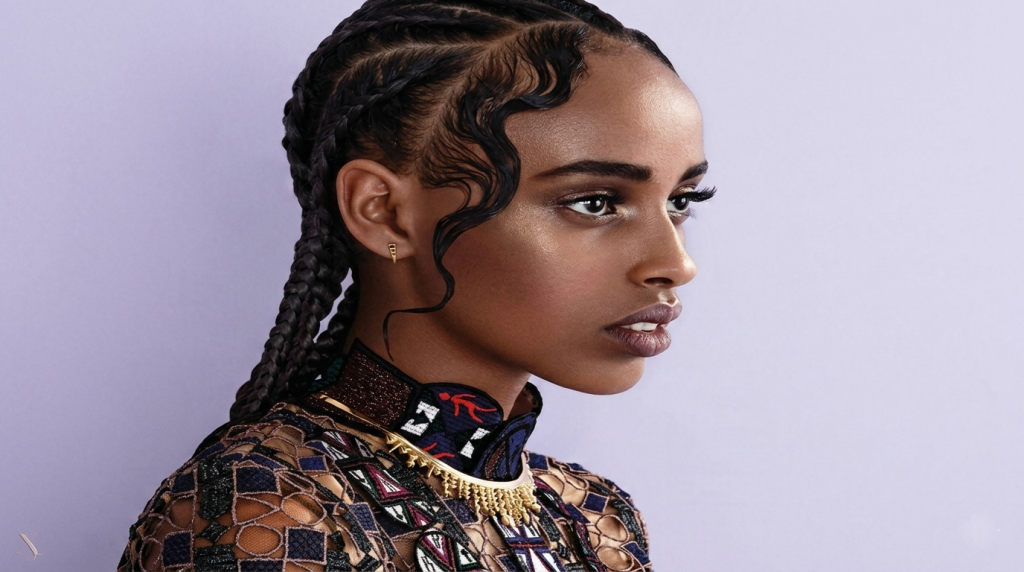
Hair traditions in Djibouti are equally significant and historically connected to both beauty and survival. Braiding has long served as one of the most important hairstyling practices among Somali and Afar communities. Braids protected hair from dust, heat, and dryness while also helping preserve moisture. Certain braid patterns historically indicated age, marital status, or readiness for adulthood. Girls often learned hair-braiding techniques from mothers and grandmothers, making hairstyling an important form of cultural transmission between generations.
Natural oils played a major role in hair care traditions. Oils derived from sesame, clarified butter, or locally traded aromatic ingredients were applied to the scalp to combat the dry climate. Frankincense and scented oils imported through trade routes occasionally became part of ceremonial grooming among wealthier families. Hair maintenance was often a communal activity, especially before weddings or religious festivals.
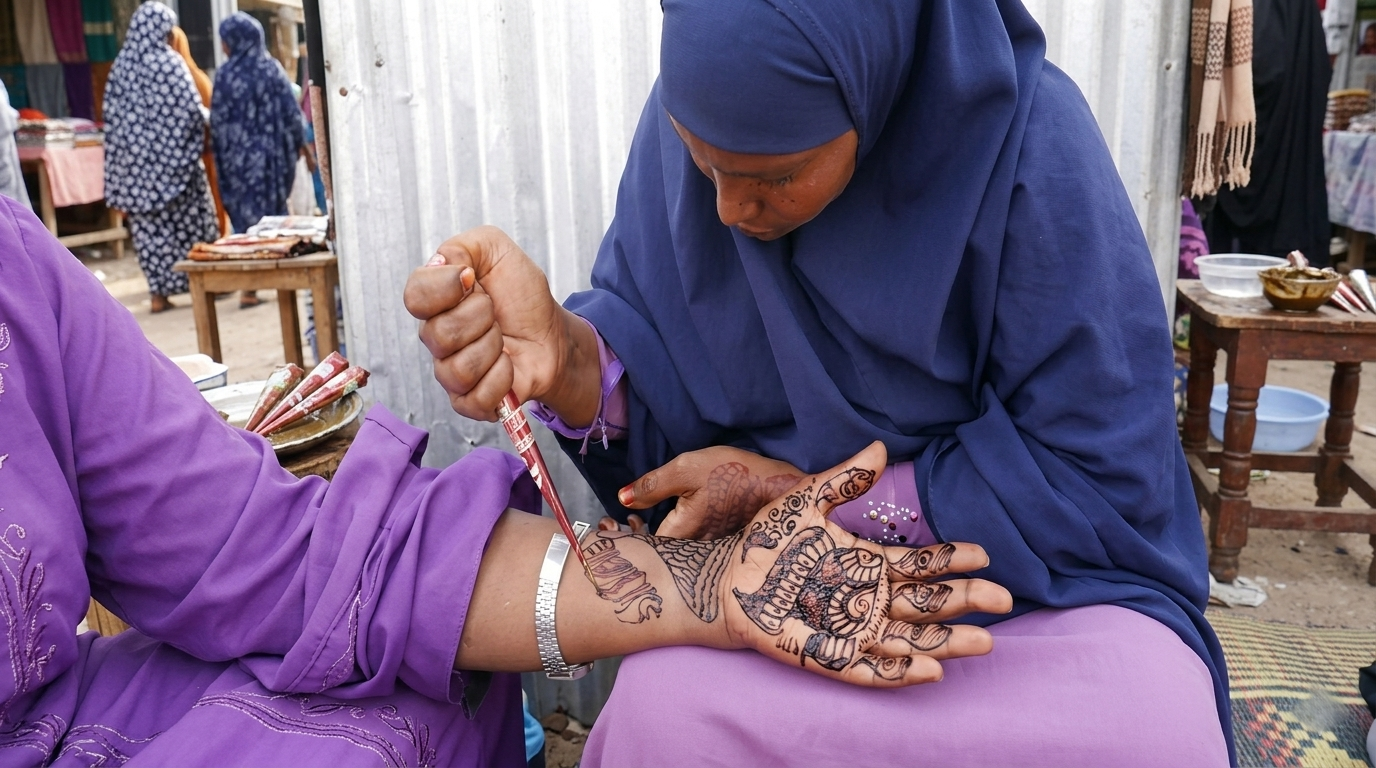
Henna culture also became central to Djiboutian beauty traditions. Although many people associate henna primarily with the Middle East or South Asia, henna practices spread extensively across the Horn of Africa through Islamic and trade connections. Women traditionally applied henna during weddings, Eid celebrations, and other important ceremonies. Intricate patterns on the hands and feet symbolized joy, fertility, femininity, and blessings. In some communities, henna was also applied lightly to hair for conditioning or colour enhancement.
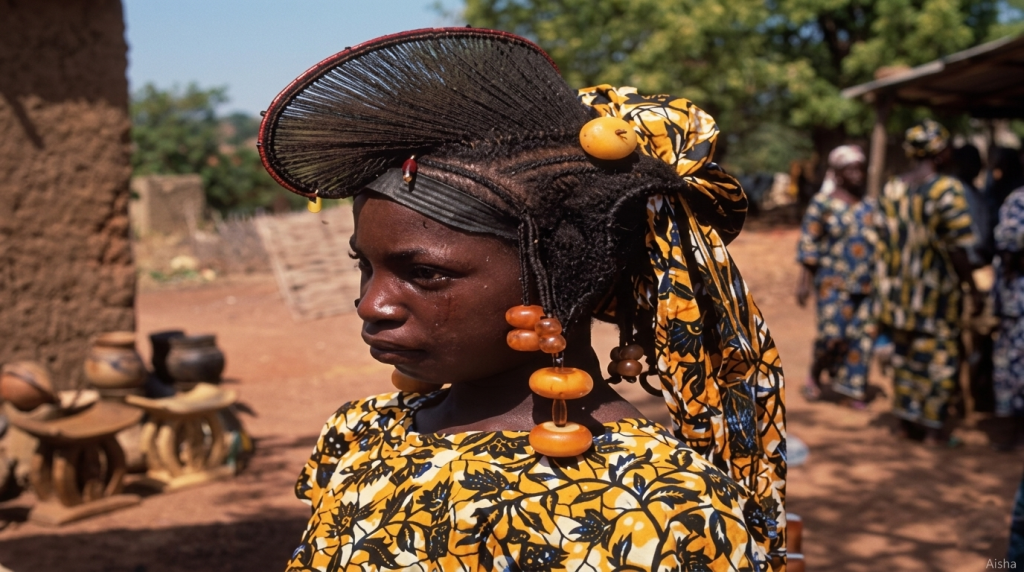
A fascinating aspect of Djiboutian fashion history is the role camel caravan routes played in shaping aesthetics. Long before modern shipping infrastructure, camel caravans transported textiles, perfumes, beads, incense, and jewellery across the Horn of Africa. Fabrics imported from India, Yemen, and Egypt were adapted into local dress styles rather than simply copied. This created a unique fusion culture where African silhouettes merged with Arab embroidery, Indian textiles, and Islamic modesty traditions.
During the French colonial period, urban fashion in Djibouti City began evolving differently from rural styles. European fabrics, tailored jackets, and imported accessories entered elite circles, but traditional garments remained dominant because they were far better suited to climate and cultural expectations. Over time, modern Djiboutian fashion developed as a hybrid system rather than a replacement of older traditions.
Today, younger generations in Djibouti creatively combine traditional modest wear with global fashion trends. It is common to see women pairing hijabs with designer handbags, sneakers, luxury sunglasses, or contemporary tailoring. Somali fashion influencers and Gulf Arab fashion trends have also strongly influenced urban aesthetics. Social media has accelerated these changes, allowing Djiboutian youth to merge local identity with international streetwear and luxury fashion culture.
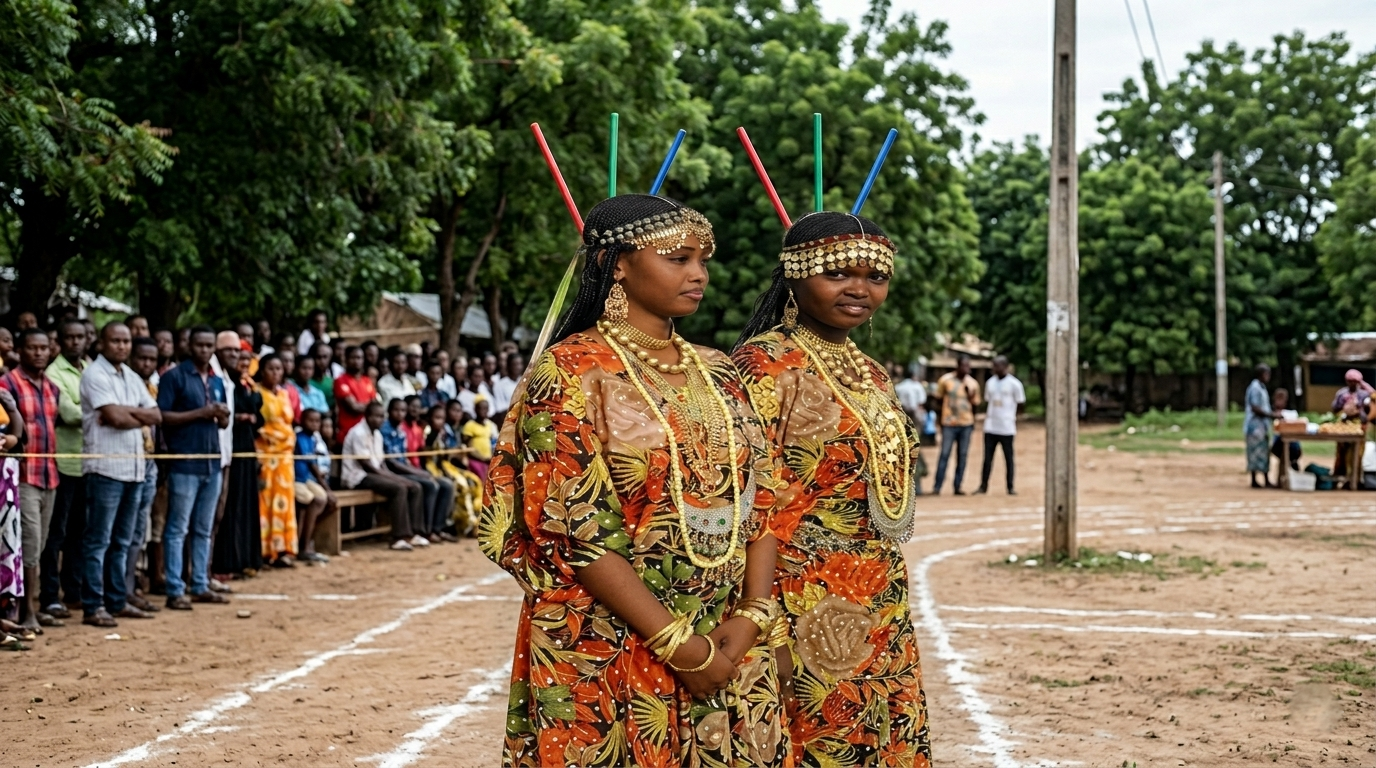
Another lesser-known fact is that Djibouti’s fashion identity is often overshadowed internationally by neighbouring countries despite having one of the most culturally interconnected clothing traditions in the Horn of Africa. Because Djibouti sits at the crossroads of Africa and Arabia, its fashion reflects multiple civilizations simultaneously. Many garments worn today preserve centuries-old adaptations to climate, religion, trade, and migration patterns.
INTERESTING LESSER-KNOWN FACTS ABOUT DJIBOUTIAN FASHION AND HAIR
- The flowing nature of the dirac was partly designed to maximize airflow in desert climates before modern cooling systems existed.
- Imported Indian and Yemeni fabrics historically influenced Djiboutian ceremonial clothing patterns.
- Camel caravans once functioned like moving fashion trade networks across the Horn of Africa.
- Hair braiding styles sometimes communicated social information such as age or marital status.
- Henna traditions in Djibouti spread through both Islamic influence and Indian Ocean trade.
- White clothing became common not only for religious reasons but because it reflects sunlight effectively in extreme heat.
- Some jewellery traditions among Afar communities were portable forms of wealth for nomadic families.
- Modern Djiboutian fashion is heavily influenced by Somali media, Gulf fashion industries, and global luxury branding simultaneously.
SOURCES
Spring, C., & Hudson, J. (1995). North African textiles and dress. British Museum Press.
Kapteijns, L. (2013). Clan cleansing in Somalia. University of Pennsylvania Press.
Mack, J., & Picton, J. (1989). African textiles. British Museum Publications.
UNESCO. (n.d.). Cultural traditions of the Horn of Africa and Red Sea trade networks.
Warsame, A. (2016). Fashion, Islam, and identity in the Horn of Africa. Journal of African Cultural Studies, 28(4), 415–430.