


-
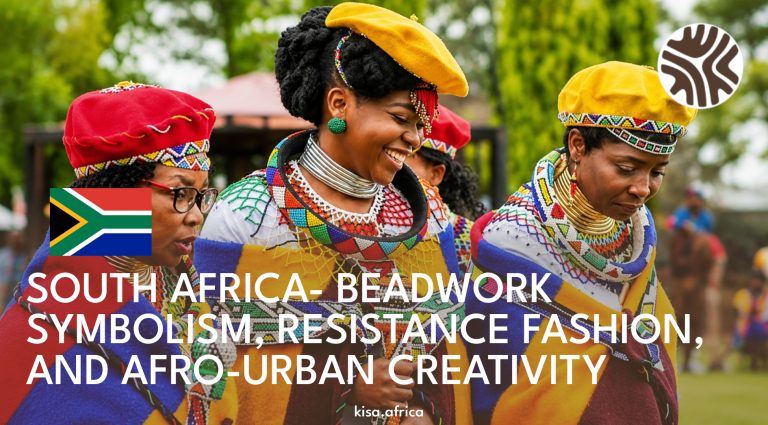
SOUTH AFRICA- BEADWORK SYMBOLISM, RESISTANCE FASHION, AND AFRO-URBAN CREATIVITY
The fashion traditions of South Africa are among the most diverse and historically layered on the African continent. Because South Africa contains numerous cultural communities.
-
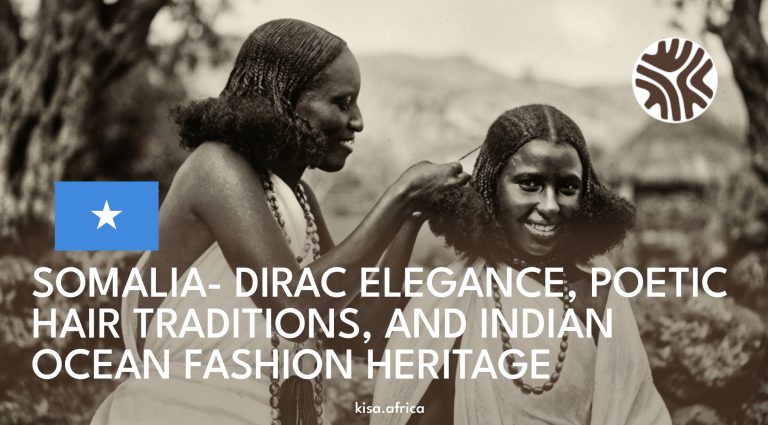
SOMALIA- DIRAC ELEGANCE, POETIC HAIR TRADITIONS, AND INDIAN OCEAN FASHION HERITAGE
The fashion traditions of Somalia reflect one of the oldest and most sophisticated cultural histories in the Horn of Africa. Positioned along major Indian Ocean.
-
WHEN DEATH ENTERS A COMMUNITY CULTURE HAS A RESPONSE.
Kenya has an age- standardized suicide rate of 11.0 per 100,000 compared to a global rate of 9.0. The country has about 100 psychiatrists for 54 million people, and.
-
KISA AFRICA- ANGOLA
INTRODUCTION ANGOLA’S PERSPECTIVE ON HAIR AND FASHION Angola's traditional fashion and hair practices offer a fascinating window into cultures that have preserved complex symbolic systems.
-
KISA AFRICA- ALGERIA
INTRODUCTION THE FASHION ANCIENT HISTORY OF ALGERIAN. The origin of Algerian traditional clothes dates to the pre-colonial period when the residents of the area donned.
-
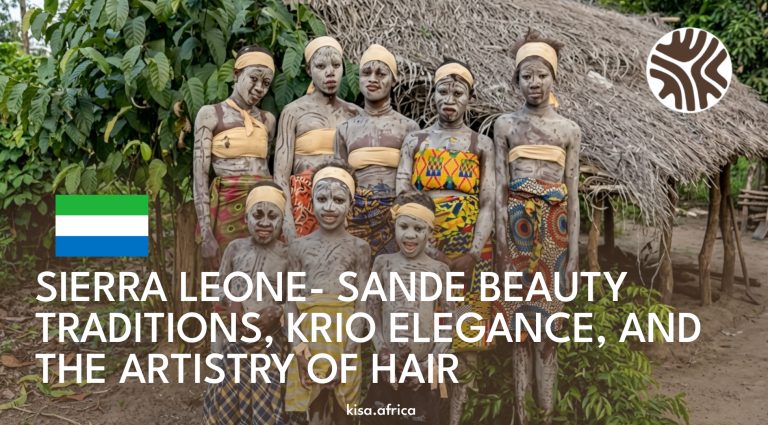
SIERRA LEONE- SANDE BEAUTY TRADITIONS, KRIO ELEGANCE, AND THE ARTISTRY OF HAIR
The fashion traditions of Sierra Leone developed through a rich interaction of Temne, Mende, Limba, Vai, Krio, and other cultural systems shaped by trade, spirituality,.
-
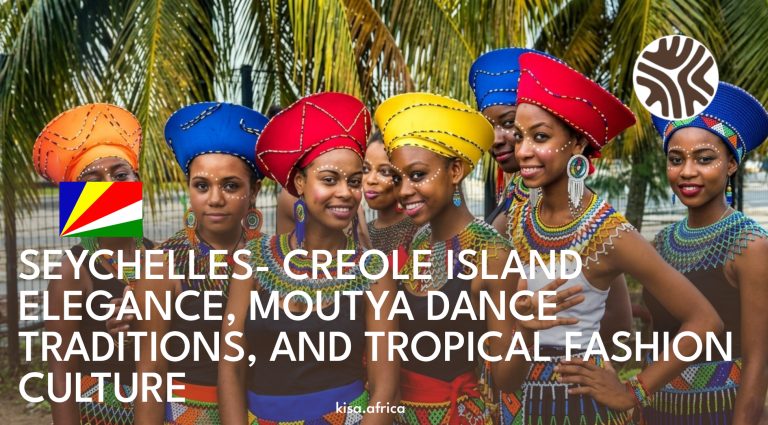
SEYCHELLES- CREOLE ISLAND ELEGANCE, MOUTYA DANCE TRADITIONS, AND TROPICAL FASHION CULTURE
The fashion traditions of Seychelles developed through one of the most multicultural cultural histories in Africa. Unlike many African societies with long-standing indigenous populations, Seychelles.
-
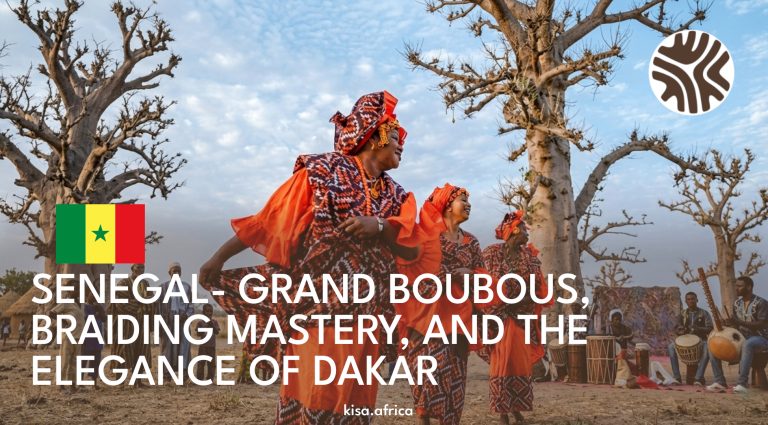
SENEGAL- GRAND BOUBOUS, BRAIDING MASTERY, AND THE ELEGANCE OF DAKAR
The fashion traditions of Senegal are among the most refined, influential, and globally admired in Africa. Senegalese aesthetics developed through the interaction of Wolof, Serer,.
-
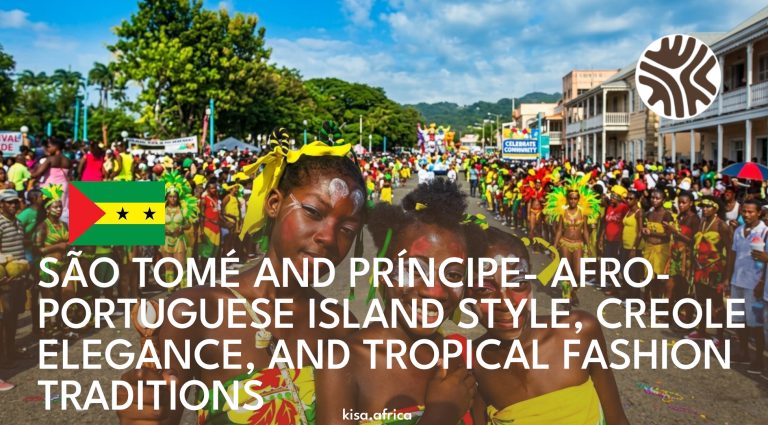
SÃO TOMÉ AND PRÍNCIPE- AFRO-PORTUGUESE ISLAND STYLE, CREOLE ELEGANCE, AND TROPICAL FASHION TRADITIONS
The fashion traditions of São Tomé and Príncipe developed through a unique blend of African heritage, Portuguese colonial influence, Atlantic trade networks and island life.
-
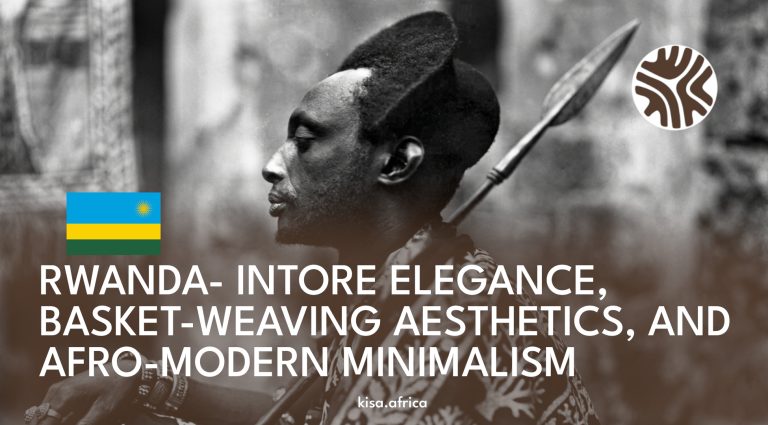
RWANDA- INTORE ELEGANCE, BASKET-WEAVING AESTHETICS, AND AFRO-MODERN MINIMALISM
The fashion traditions of Rwanda developed through centuries of pastoral culture, royal court traditions, craftsmanship, and community symbolism. Although Rwanda is geographically small, its cultural.
-
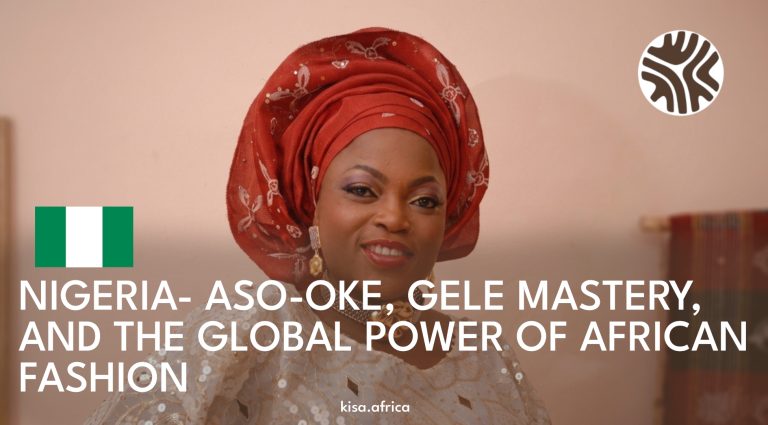
NIGERIA- ASO-OKE, GELE MASTERY, AND THE GLOBAL POWER OF AFRICAN FASHION
The fashion history of Nigeria is one of the most influential, diverse, and globally recognized in Africa. Home to hundreds of ethnic groups including the.
-
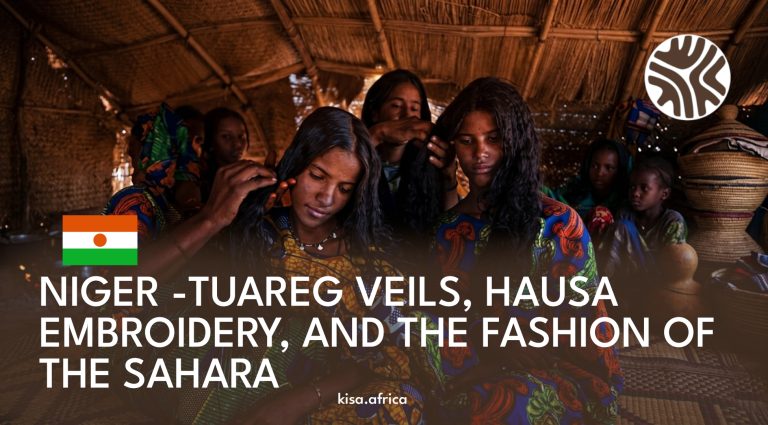
NIGER -TUAREG VEILS, HAUSA EMBROIDERY, AND THE FASHION OF THE SAHARA
The fashion traditions of Niger emerged from centuries of interaction among Saharan nomads, Islamic scholarship, trans-Saharan trade networks, and Sahelian kingdoms. Niger’s clothing culture reflects.
-
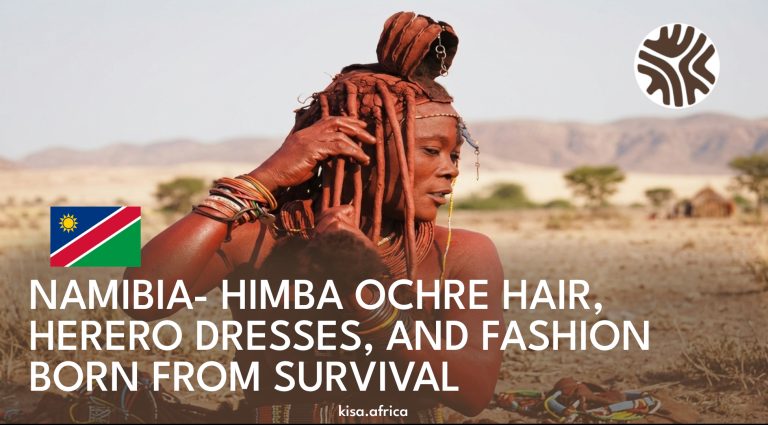
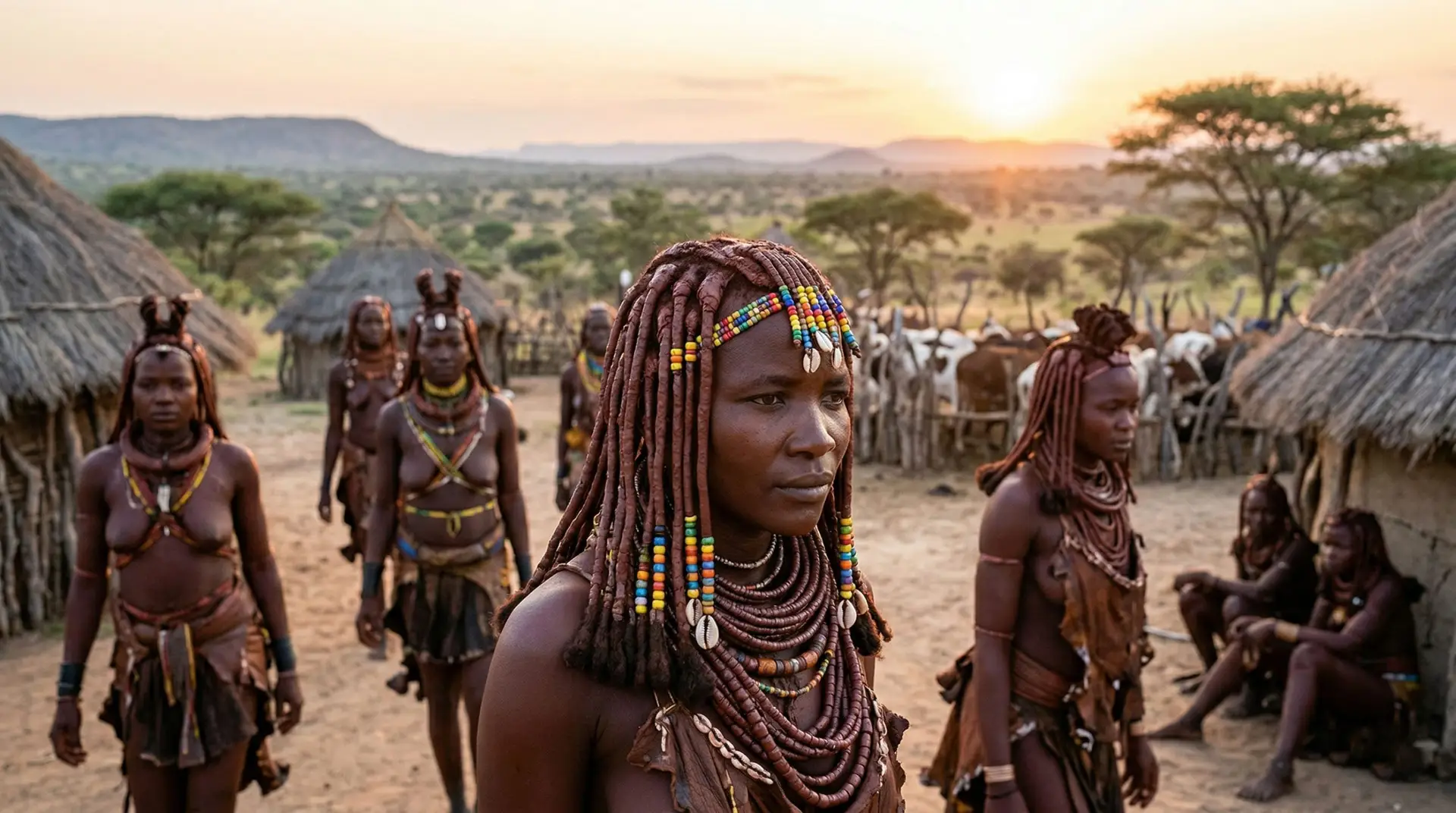
NAMIBIA- HIMBA OCHRE HAIR, HERERO DRESSES, AND FASHION BORN FROM SURVIVAL
The fashion traditions of Namibia are among the most visually distinctive and symbolically rich in Africa. Namibia’s clothing and beauty culture developed through the interaction.
-
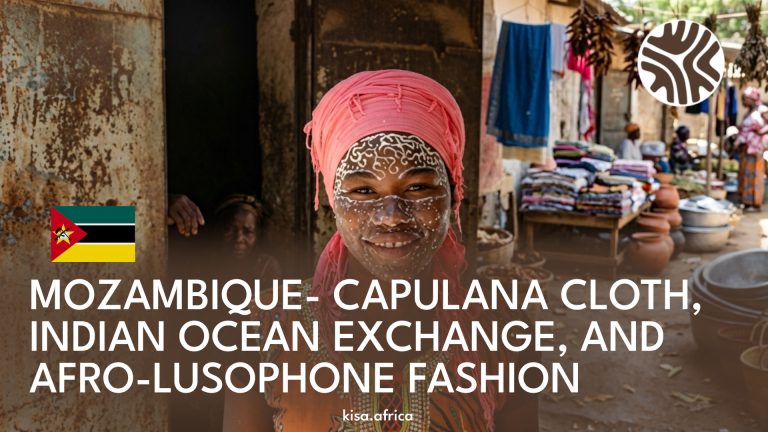
MOZAMBIQUE- CAPULANA CLOTH, INDIAN OCEAN EXCHANGE, AND AFRO-LUSOPHONE FASHION
The fashion history of Mozambique reflects centuries of cultural exchange shaped by Bantu civilizations, Swahili coastal trade networks, Portuguese colonialism, Indian Ocean commerce, and southern.
-
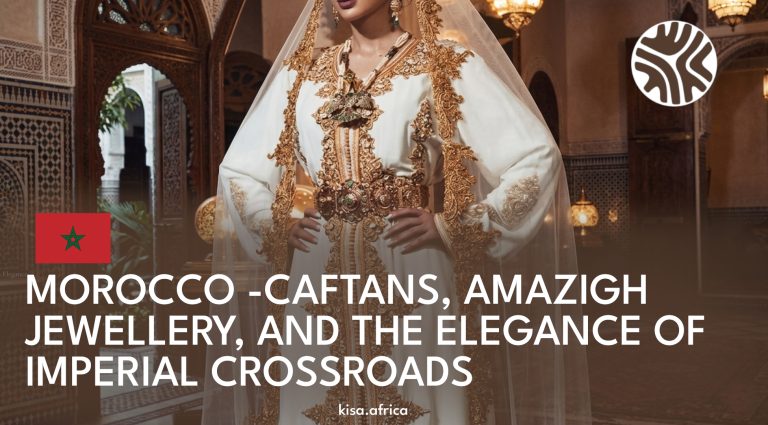
MOROCCO -CAFTANS, AMAZIGH JEWELLERY, AND THE ELEGANCE OF IMPERIAL CROSSROADS
The fashion history of Morocco is among the most sophisticated and influential in Africa and the Mediterranean world. Positioned between the Atlantic Ocean, the Sahara.
-
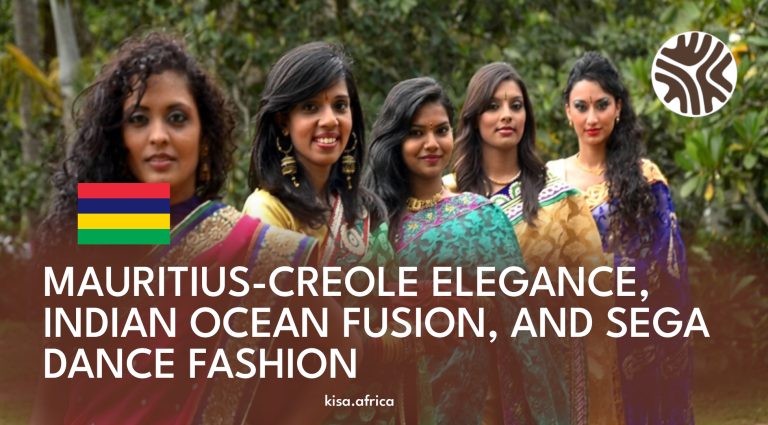
MAURITIUS-CREOLE ELEGANCE, INDIAN OCEAN FUSION, AND SEGA DANCE FASHION
The fashion history of Mauritius is one of the most multicultural and globally interconnected in Africa. Located in the Indian Ocean, east of Madagascar, Mauritius.
-
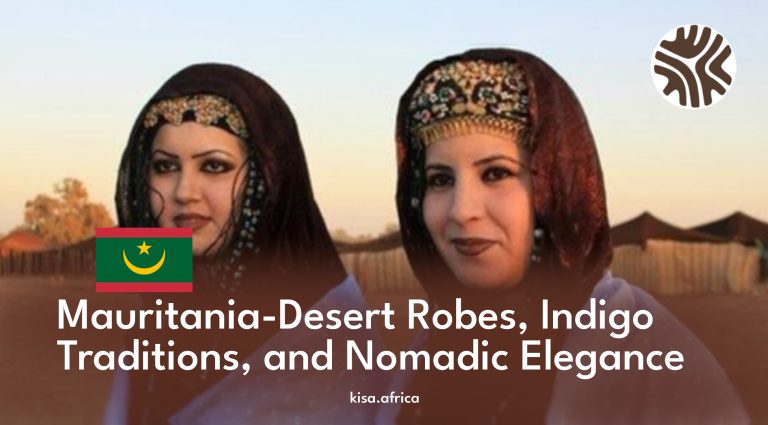
Mauritania-Desert Robes, Indigo Traditions, and Nomadic Elegance
The fashion traditions of Mauritania developed through centuries of interaction between Arab, Amazigh (Berber), West African, and Saharan nomadic cultures. Mauritania’s environment dominated largely by.
-
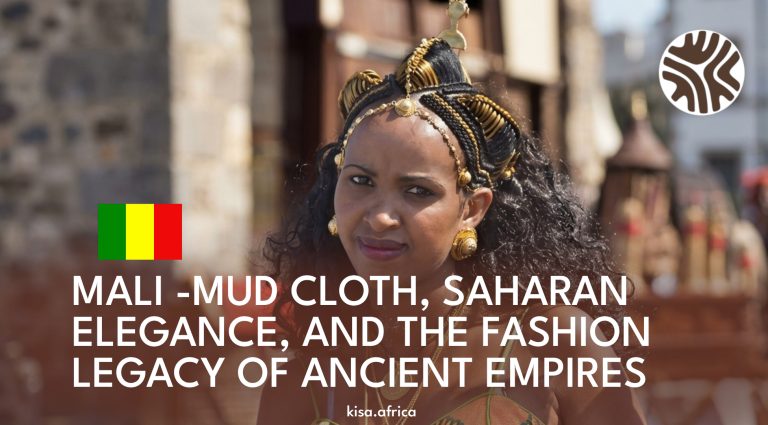
MALI -MUD CLOTH, SAHARAN ELEGANCE, AND THE FASHION LEGACY OF ANCIENT EMPIRES
The fashion history of Mali is among the most influential on the African continent because Mali stood at the centre of major historical empires, trans-Saharan.
-
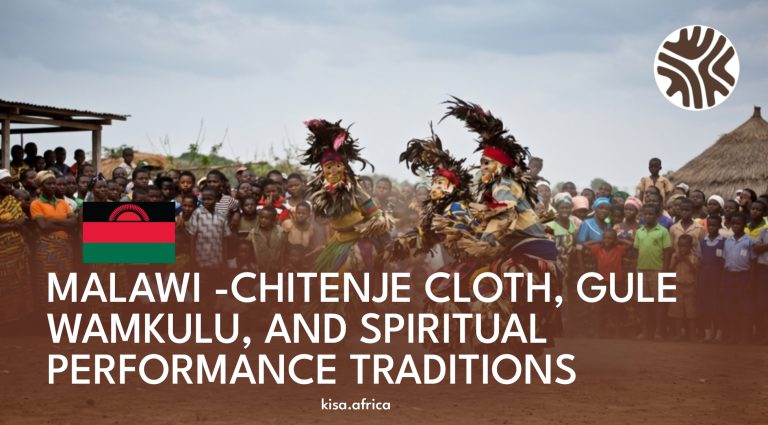
MALAWI -CHITENJE CLOTH, GULE WAMKULU, AND SPIRITUAL PERFORMANCE TRADITIONS
The fashion traditions of Malawi reflect a rich cultural history shaped by Chewa, Yao, Tumbuka, Ngoni, Lomwe, and other ethnic communities whose clothing systems evolved.
-
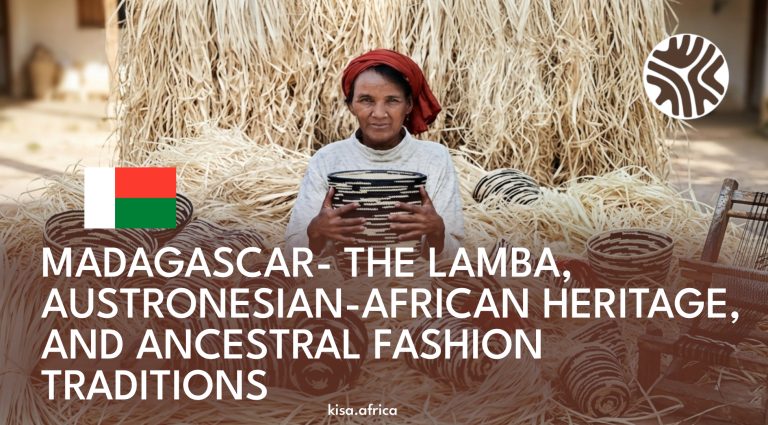
MADAGASCAR- THE LAMBA, AUSTRONESIAN-AFRICAN HERITAGE, AND ANCESTRAL FASHION TRADITIONS
The fashion history of Madagascar is one of the most distinctive in Africa because Malagasy culture emerged through a remarkable blending of African and Austronesian.
-
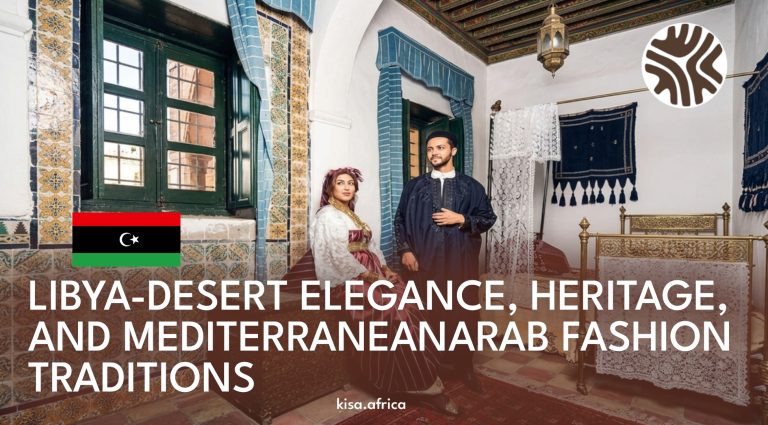
LIBYA-DESERT ELEGANCE, HERITAGE, AND MEDITERRANEANARAB FASHION TRADITIONS
The fashion history of Libya reflects thousands of years of interaction between Amazigh (Berber), Arab, Saharan, Mediterranean, Ottoman, and European cultural systems. Libya’s location between.
-
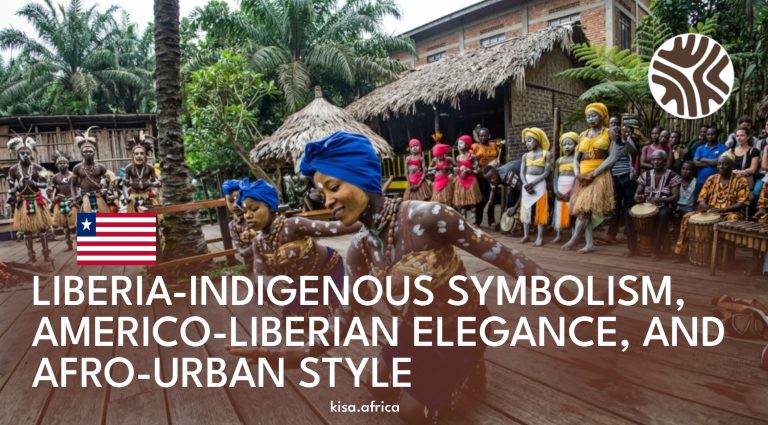
LIBERIA-INDIGENOUS SYMBOLISM, AMERICO-LIBERIAN ELEGANCE, AND AFRO-URBAN STYLE
The fashion history of Liberia is unlike that of almost any other African country because it developed through the interaction of Indigenous West African cultures.
-
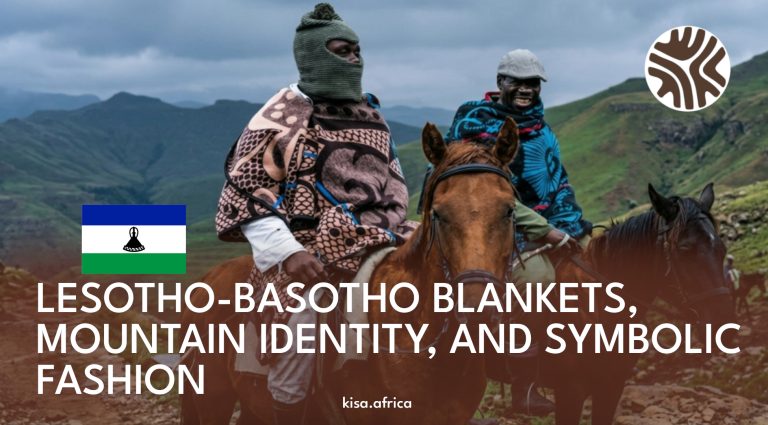
LESOTHO-BASOTHO BLANKETS, MOUNTAIN IDENTITY, AND SYMBOLIC FASHION
The fashion traditions of Lesotho are among the most visually distinctive in Africa because they developed within a high-altitude mountain environment where clothing needed to.
-
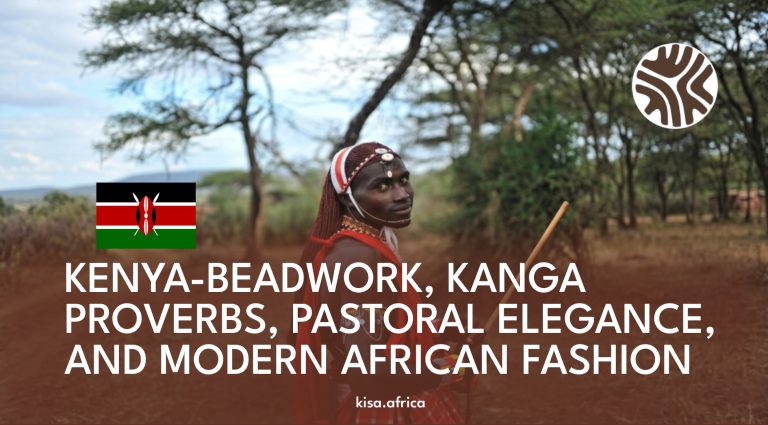
KENYA-BEADWORK, KANGA PROVERBS, PASTORAL ELEGANCE, AND MODERN AFRICAN FASHION
The fashion history of Kenya is one of the most diverse in the African continent because the country contains dozens of ethnic groups with radically.
-
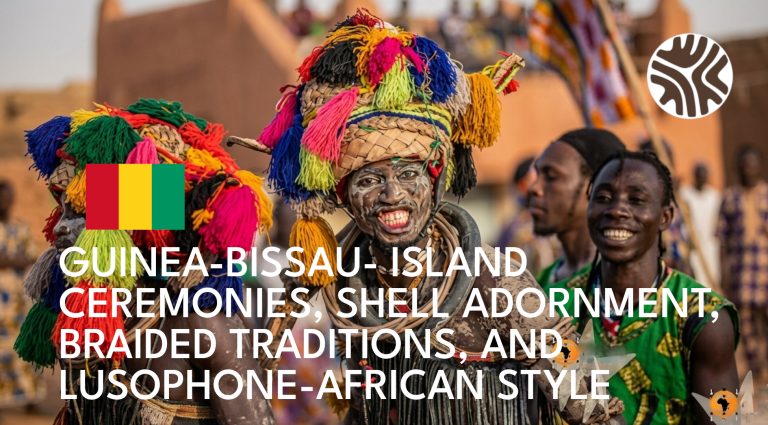
GUINEA-BISSAU- ISLAND CEREMONIES, SHELL ADORNMENT, BRAIDED TRADITIONS, AND LUSOPHONE-AFRICAN STYLE
The fashion traditions of Guinea-Bissau developed through a rich combination of mainland West African cultures, Atlantic coastal trade, island ceremonial systems, and Portuguese colonial influence..
-
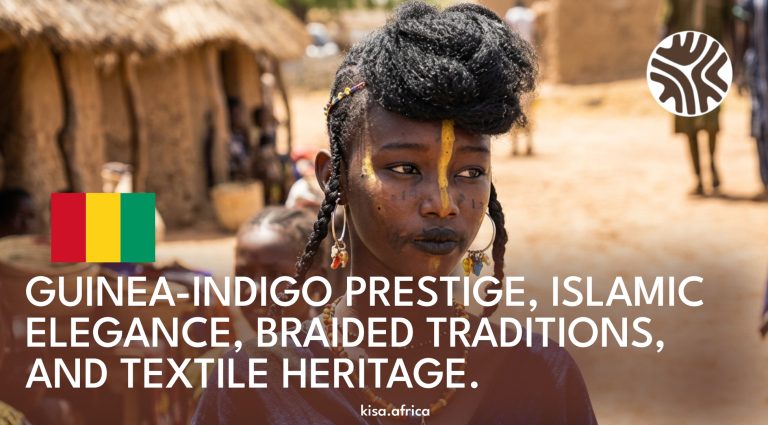
GUINEA-INDIGO PRESTIGE, ISLAMIC ELEGANCE, BRAIDED TRADITIONS, AND TEXTILE HERITAGE
The fashion traditions of Guinea emerged through centuries of interaction between Mandinka, Fula (Fulani), Susu, and forest-region cultural systems shaped by trade, Islamic scholarship, craftsmanship,.
-
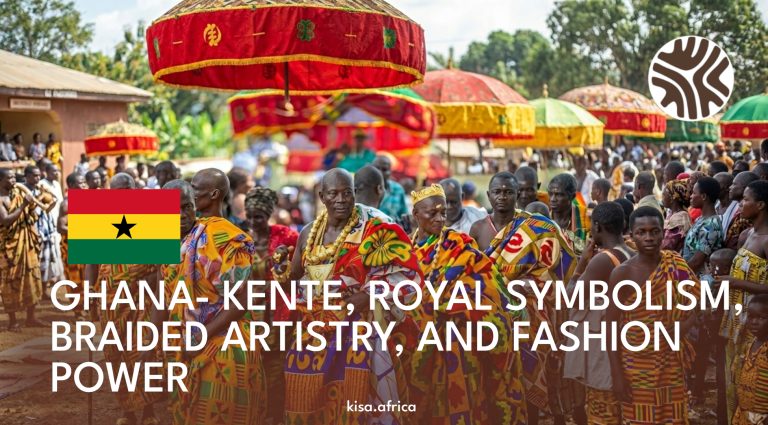
GHANA- KENTE, ROYAL SYMBOLISM, BRAIDED ARTISTRY, AND FASHION POWER
The fashion history of Ghana represents one of Africa’s most influential and intellectually sophisticated textile traditions. Across centuries, clothing among Akan, Ashanti, Ewe, Ga, Dagomba,.
-
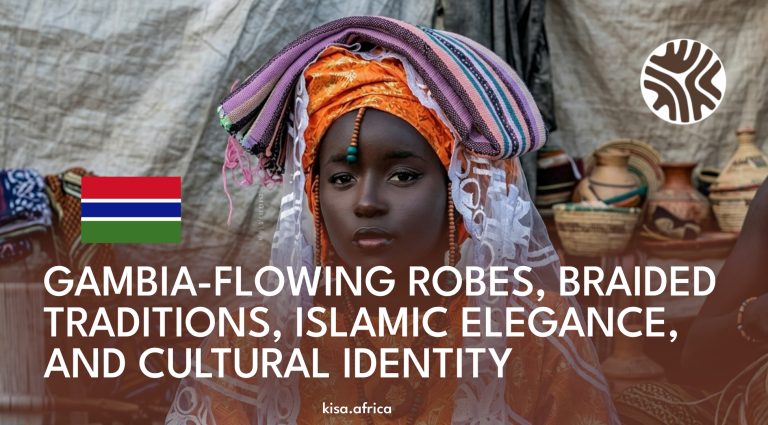
GAMBIA-FLOWING ROBES, BRAIDED TRADITIONS, ISLAMIC ELEGANCE, AND CULTURAL IDENTITY
Although Gambia is the smallest country on mainland Africa, its fashion and hair traditions reflect an extraordinarily rich cultural history shaped by centuries of trade,.
-
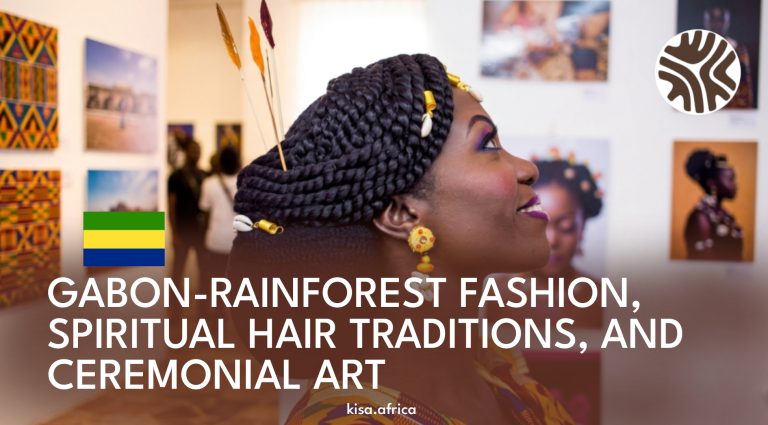
GABON-RAINFOREST FASHION, SPIRITUAL HAIR TRADITIONS, AND CEREMONIAL ART
The fashion traditions of Gabon emerged from some of Central Africa’s richest artistic and spiritual cultures. Gabon’s dense rainforests shaped societies where ceremonial performance, ancestral.
-
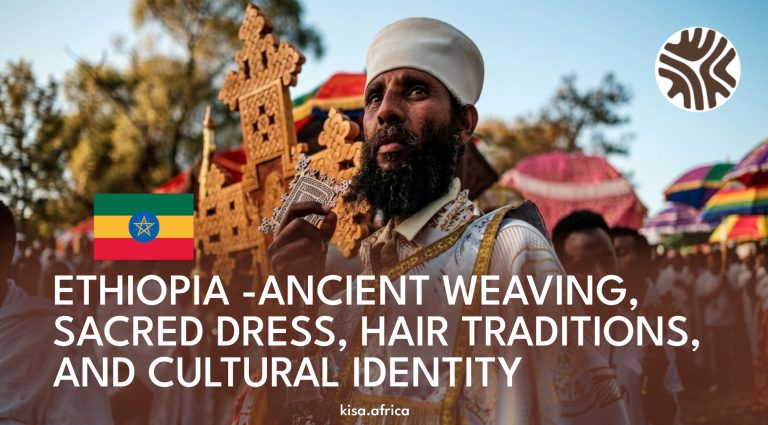
ETHIOPIA -ANCIENT WEAVING, SACRED DRESS, HAIR TRADITIONS, AND CULTURAL IDENTITY
The fashion history of Ethiopia is among the oldest and most sophisticated on the African continent. Ethiopia possesses one of the world’s longest continuous civilizations,.
-
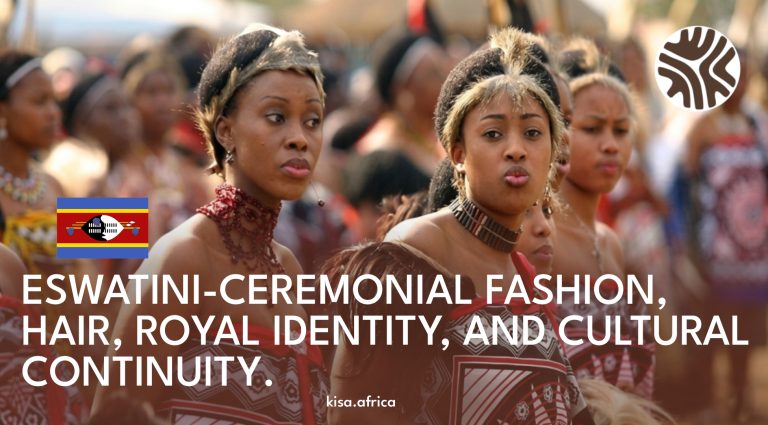
ESWATINI-CEREMONIAL FASHION, HAIR, ROYAL IDENTITY, AND CULTURAL CONTINUITY
The fashion traditions of Eswatini formerly known internationally as Swaziland are among the most visibly preserved ceremonial clothing cultures in Africa today. While many societies.
-
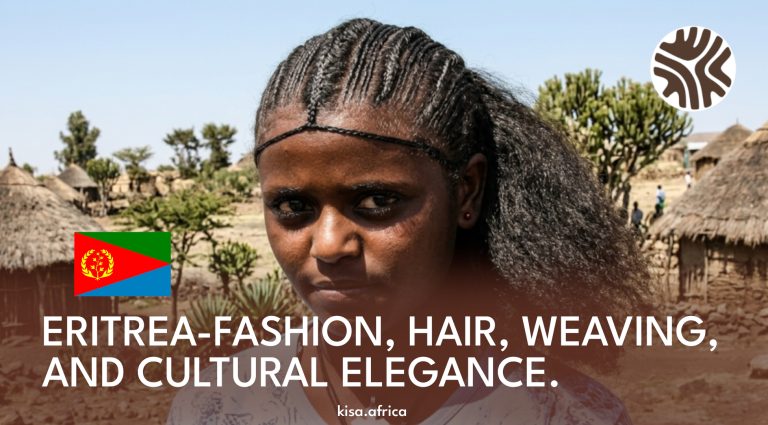
ERITREA-FASHION, HAIR, WEAVING, AND CULTURAL ELEGANCE
The fashion traditions of Eritrea are among the most visually refined and historically layered in the Horn of Africa. Eritrean clothing culture developed through centuries.
-
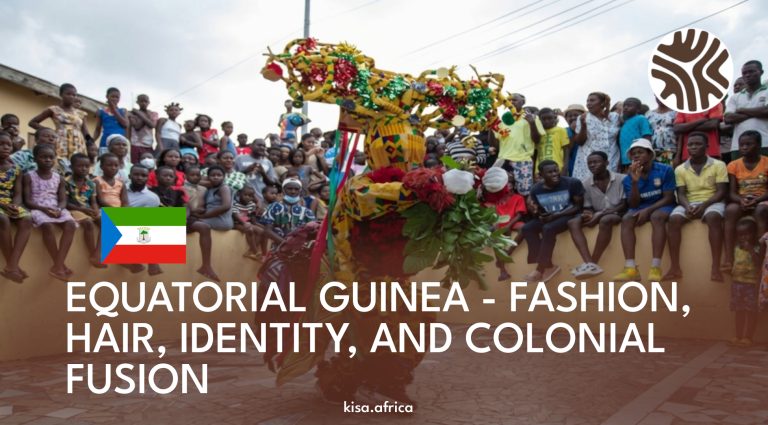
EQUATORIAL GUINEA - FASHION, HAIR, IDENTITY, AND COLONIAL FUSION
The fashion history of Equatorial Guinea is one of the most culturally distinctive in Africa because it developed through a rare combination of Bantu traditions,.
-
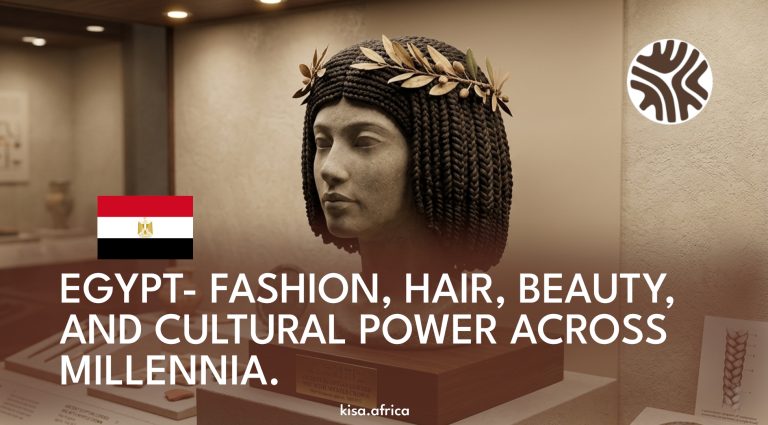
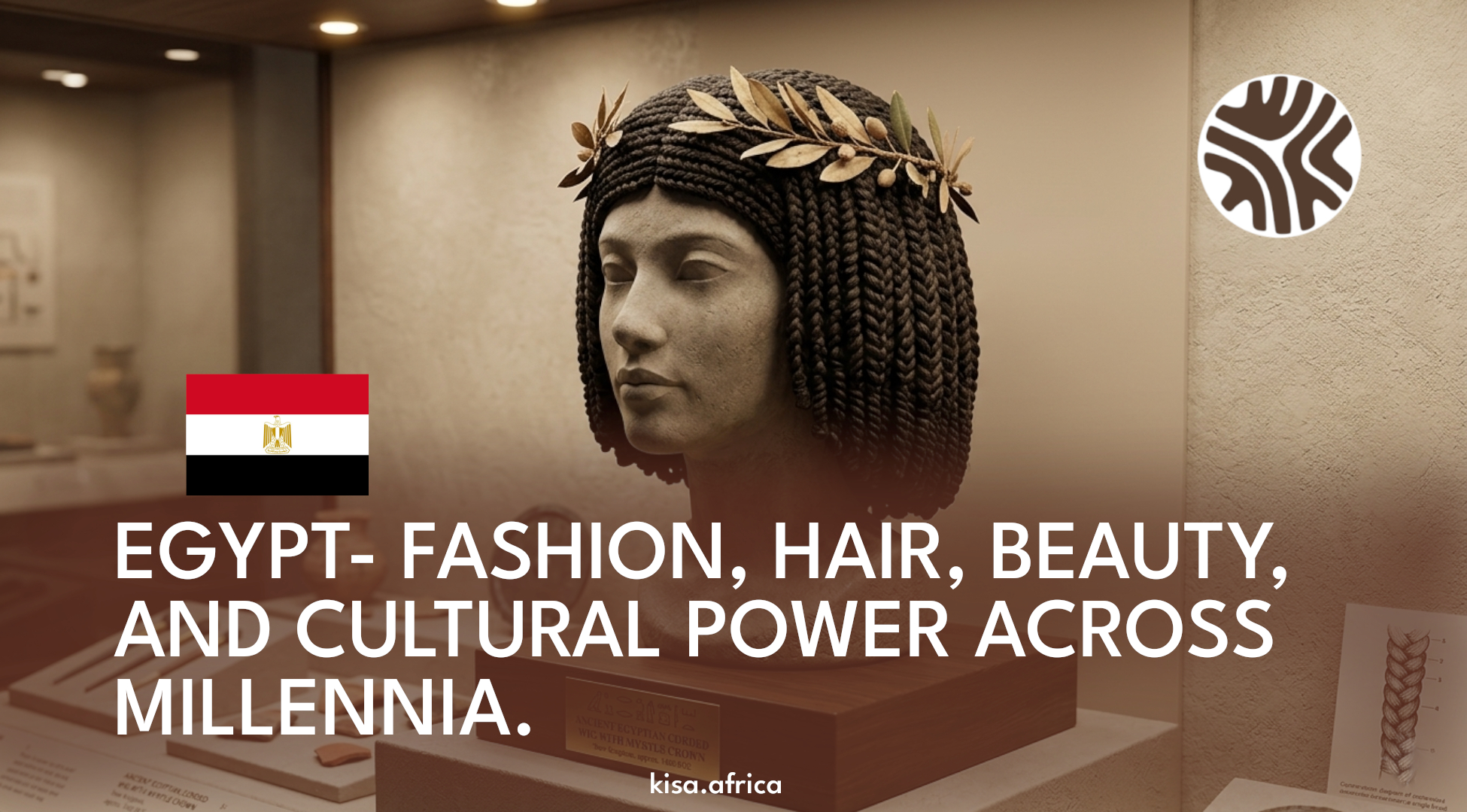
EGYPT- FASHION, HAIR, BEAUTY, AND CULTURAL POWER ACROSS MILLENNIA
The fashion history of Egypt is among the oldest and most influential in human civilization. Few societies documented beauty, hair, cosmetics, and clothing with as.
-
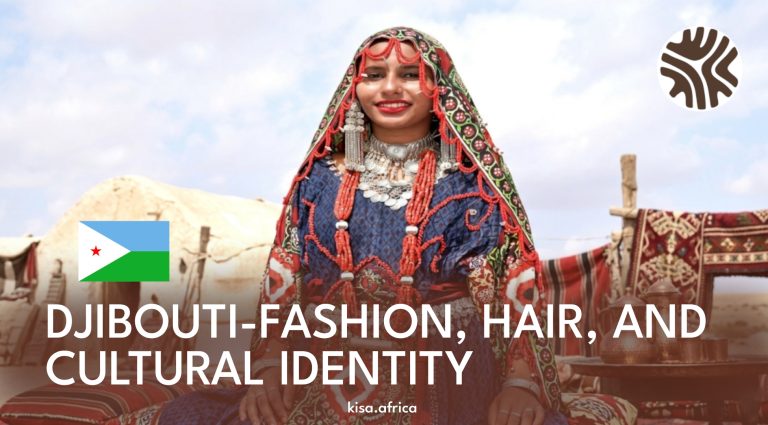
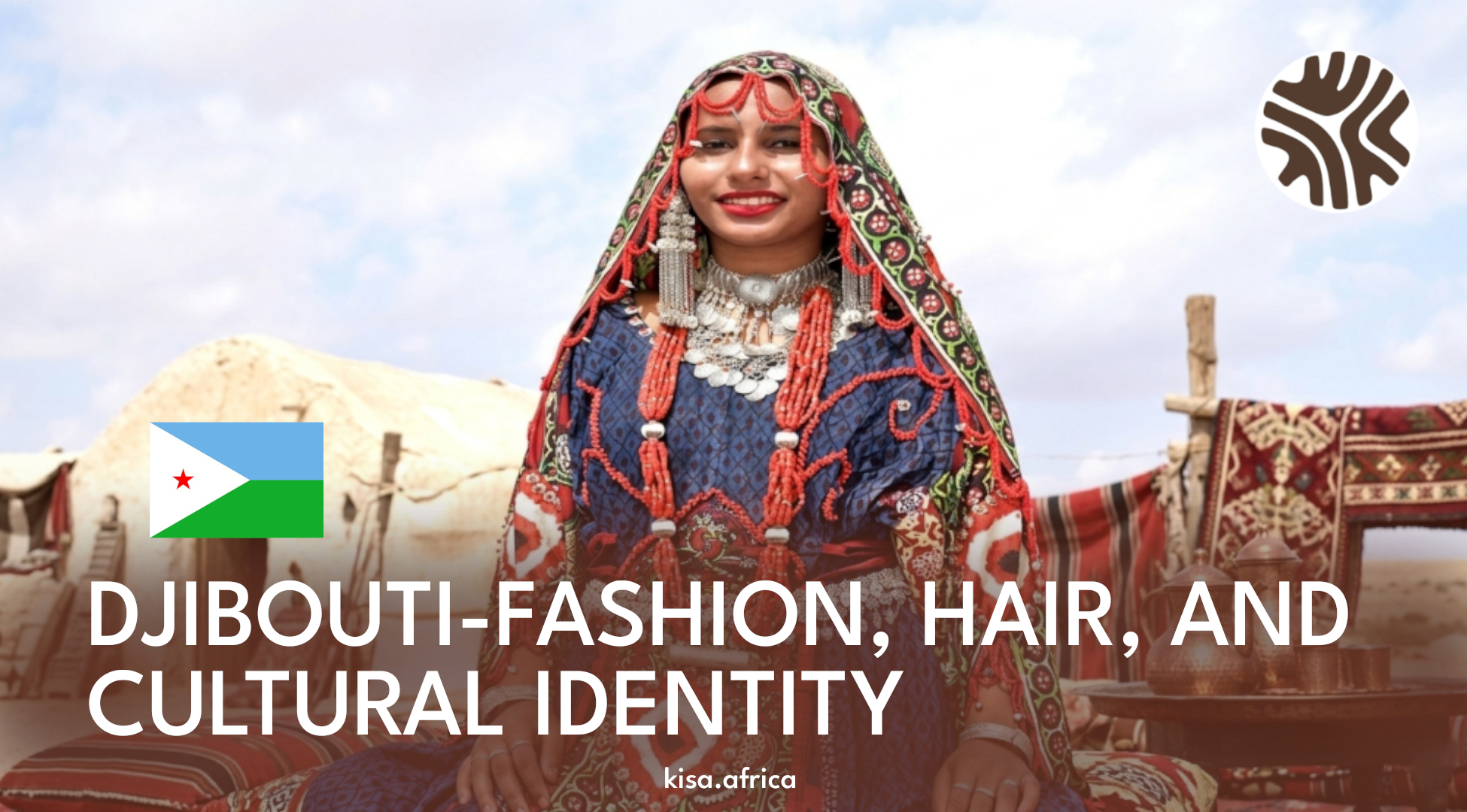
DJIBOUTI-FASHION, HAIR, AND CULTURAL IDENTITY
The fashion history of Djibouti is deeply shaped by geography. Sitting along one of the world’s most important maritime crossroads near the Red Sea and.
-
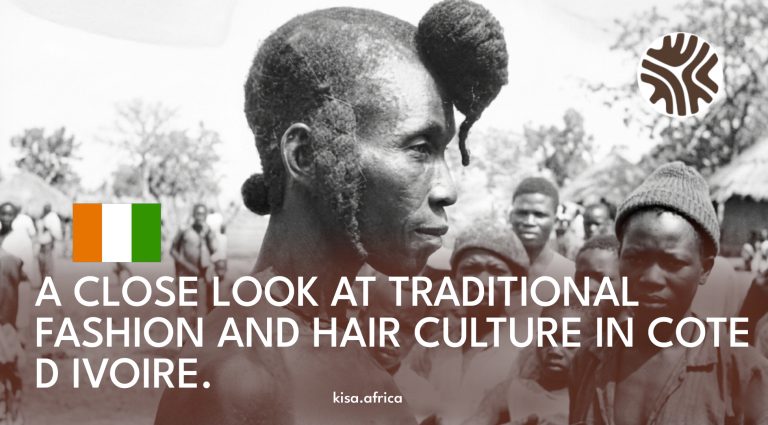
KISA AFRICA- IVORY COAST
INTRODUCTION THE LANGUAGE OF HAIR AND ADORNMENT: A CLOSE LOOK AT TRADITIONAL FASHION AND HAIR CULTURE IN COTE D IVOIRE. In Cote d Ivoire, hair.
-
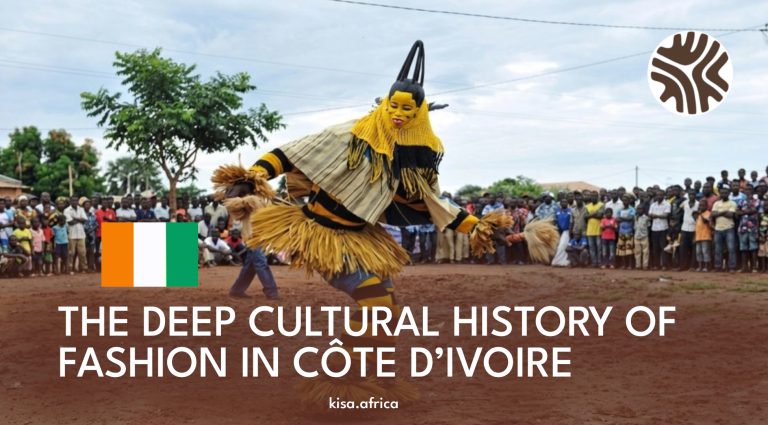
THE DEEP CULTURAL HISTORY OF FASHION IN CÔTE D’IVOIRE
Côte d’Ivoire possesses one of West Africa’s most artistically sophisticated fashion cultures, shaped by centuries of trade, royal courts, spirituality, migration, and craftsmanship. Fashion in.
-
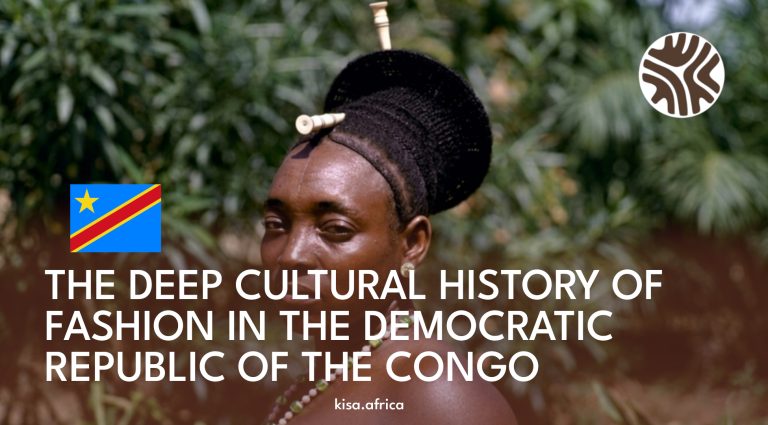
THE DEEP CULTURAL HISTORY OF FASHION IN THE DEMOCRATIC REPUBLIC OF THE CONGO
The Democratic Republic of the Congo possesses one of the most culturally diverse fashion histories in the world. With hundreds of ethnic groups, enormous ecological.
-
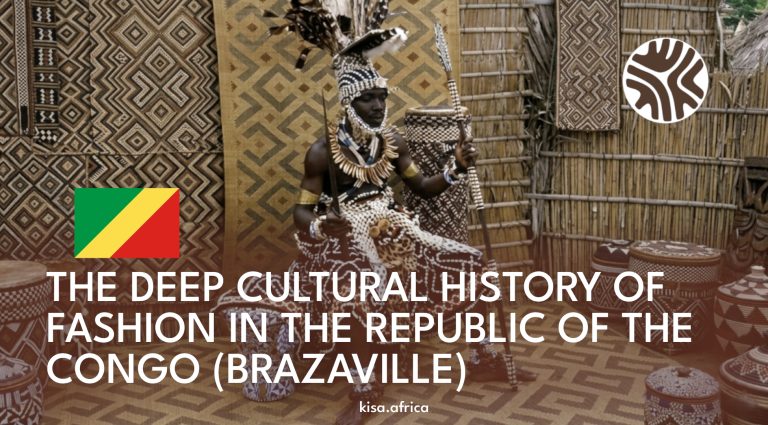
THE DEEP CULTURAL HISTORY OF FASHION IN THE REPUBLIC OF THE CONGO (BRAZAVILLE)
The Republic of the Congo possesses one of the richest fashion identities in Central Africa because its clothing traditions developed from a combination of Kongo.
-
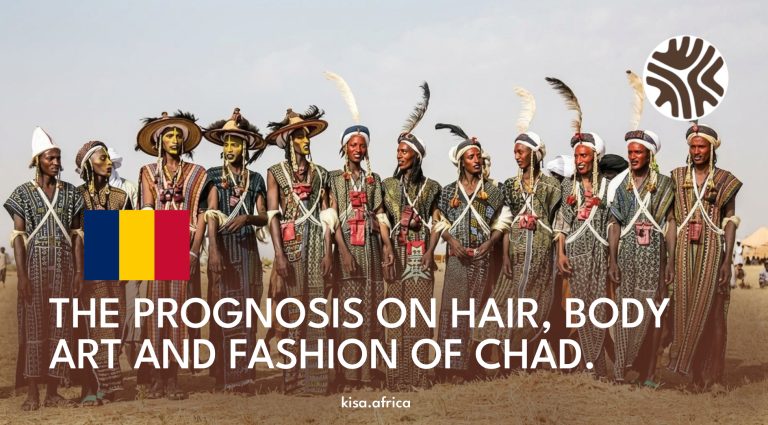
THE PROGNOSIS ON HAIR, BODY ART AND FASHION OF CHAD.
The Republic of Chad, the so-called Babel Tower of Africa, with immense ethnically mixed population, provides a very different experience. With more than 200 different.
-
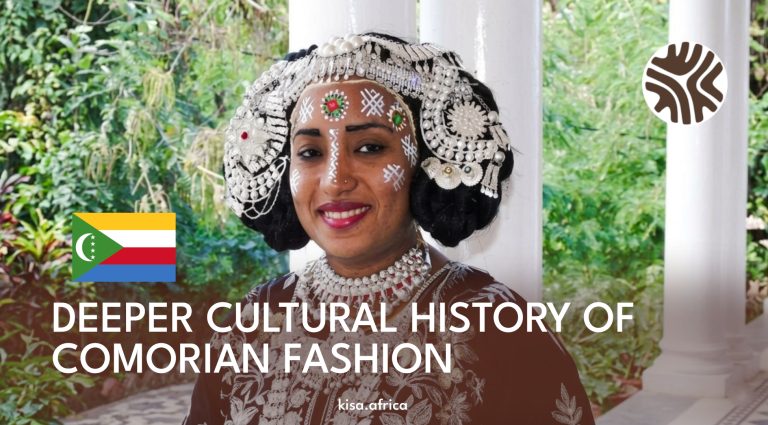
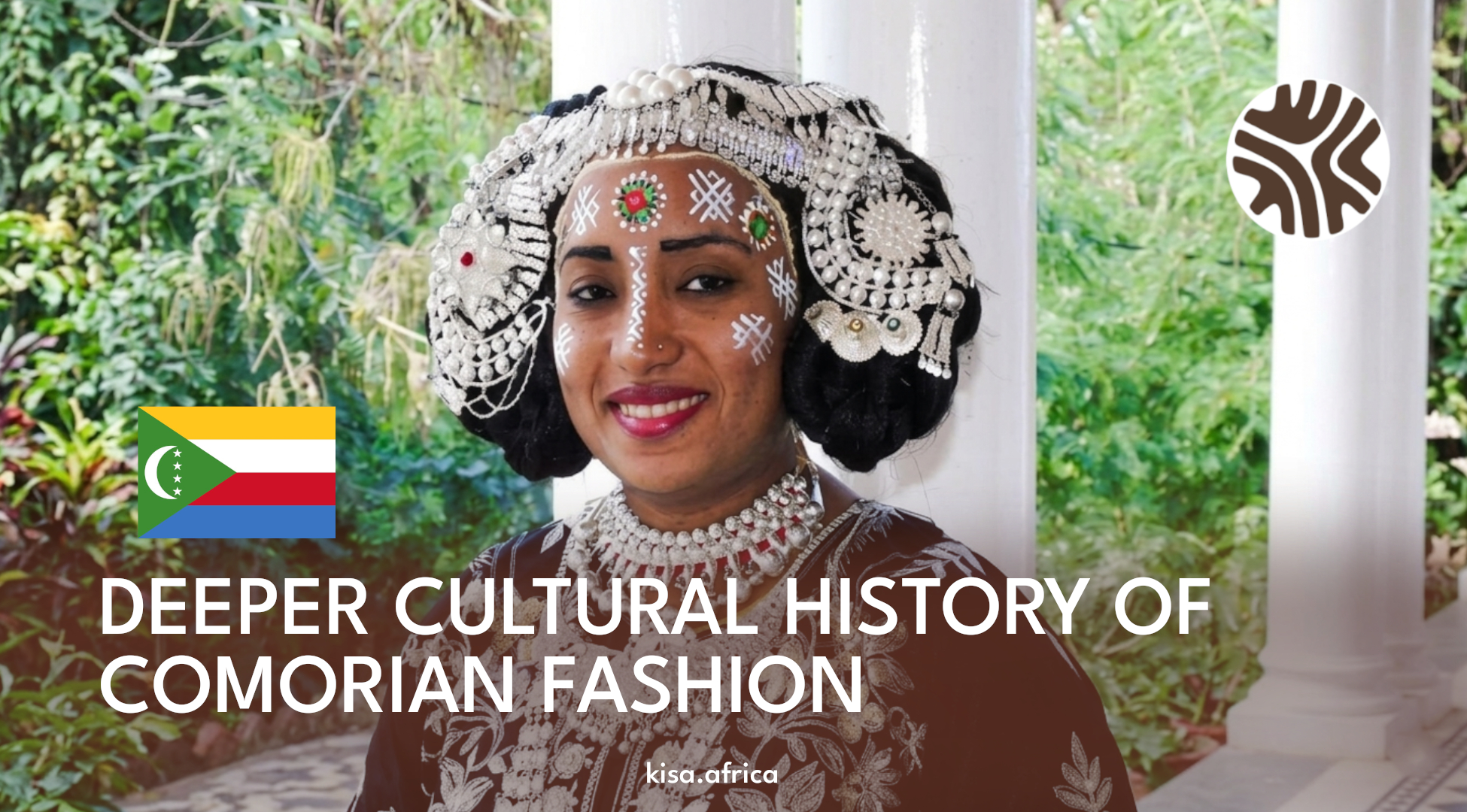
DEEPER CULTURAL HISTORY OF COMORIAN FASHION
The culture of the Comoros is often described as one of the most layered cultural identities in Africa because the islands absorbed influences from nearly.
-
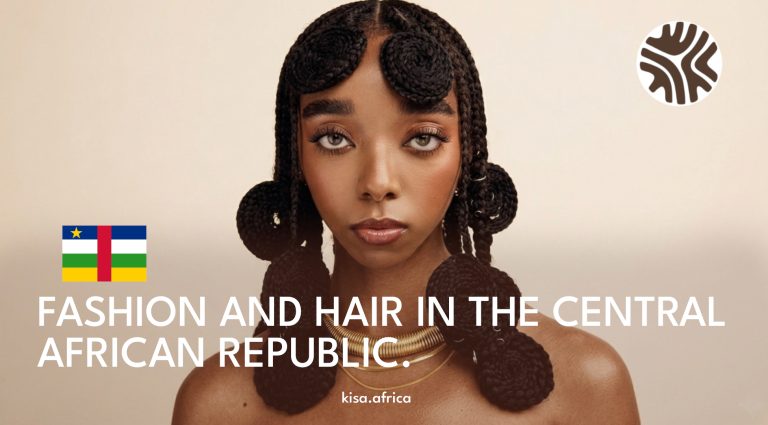
FASHION AND HAIR IN THE CENTRAL AFRICAN REPUBLIC.
THE PERSPECTIVE ON DECORATION IN THE CENTRAL AFRICAN REPULIC Communal identity, and oppression of the individuals are some the basis of the fashion of the.
-
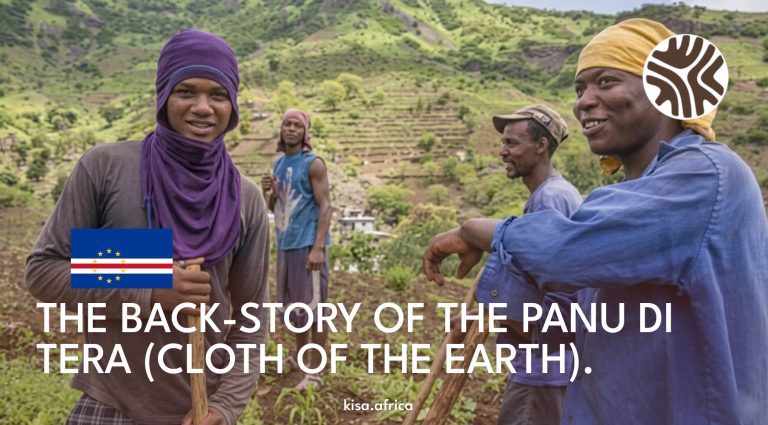
KISA AFRICA- CAPE VERDE
CAPE VERDE OVERVIEW OF HAIR AND FASHION THE BACK-STORY OF THE PANU DI TERA (CLOTH OF THE EARTH). Cape Verde founded its identity, with symbols.
-
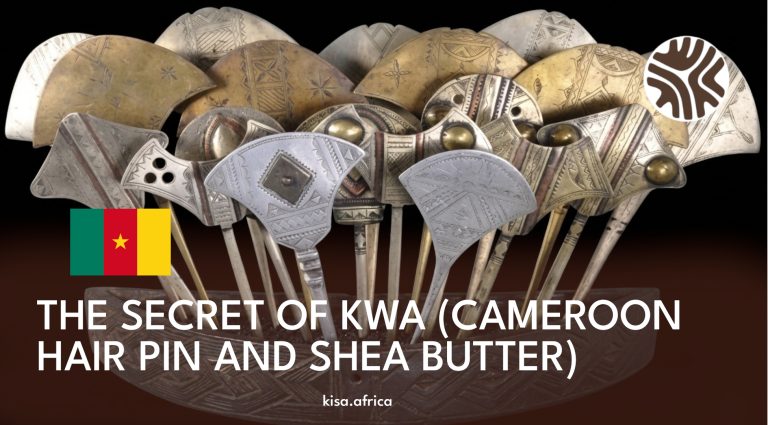
KISA AFRICA- CAMEROON
INTRODUCTION CAMEROON HAIR AND FASHION With a population of more than 250 ethnic groups, Cameroon, also known as the Africa in miniature, has a variety.
-
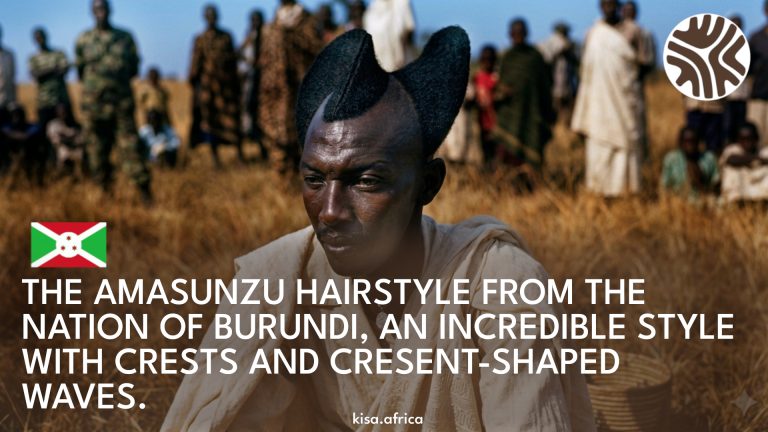
KISA AFRICA- BURUNDI
THE BURUNDI HAIR AND FASHION OUTLOOK. Burundi, a small landlocked African country in the Great Lakes, is a land of tradition, whose fashion and hairstyles.
-
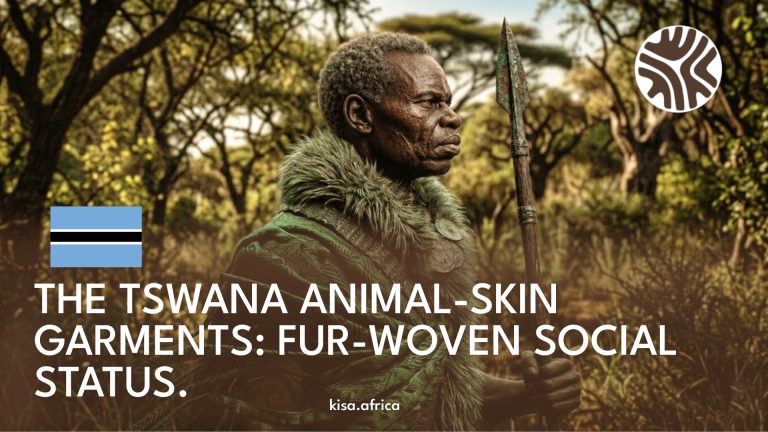
KISA AFRICA-BOTSWANA
BOTSWANA HAIR AND FASHION. The traditional fashion and hair culture of Botswana provides an incredible insight into cultures that have evolved in one of the.
-
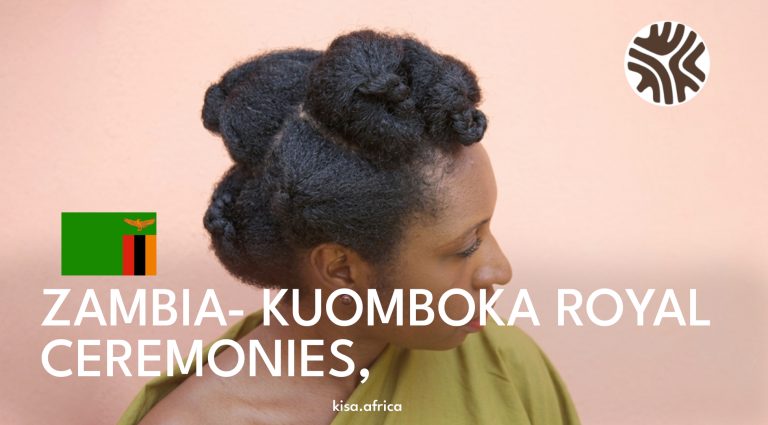
ZAMBIA- KUOMBOKA ROYAL CEREMONIES,
CHITENGE TEXTILES, AND CENTRAL AFRICAN CULTURAL ELEGANCE The fashion traditions of Zambia reflect the rich cultural diversity of Central and Southern Africa. Zambia’s clothing and.
-
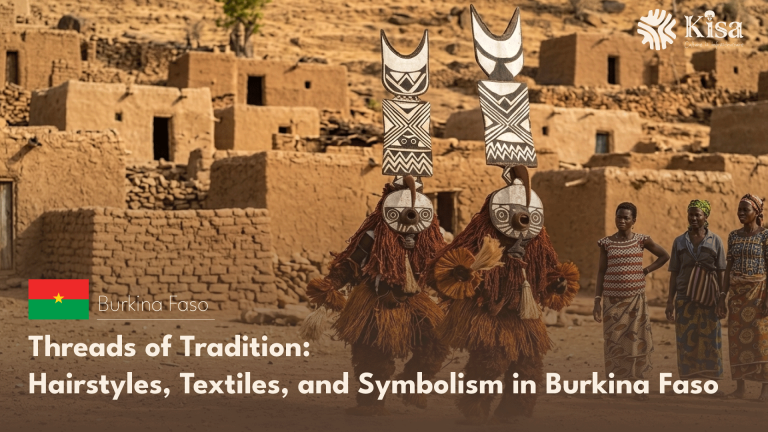
Threads of Tradition: Hairstyles, Textiles, and Symbolism in Burkina Faso
There are more than 60 ethnic groups in Burkina Faso, one of the landlocked countries in West Africa, such as majority Mossi, Bwa, Lobi, Fulani,.
-
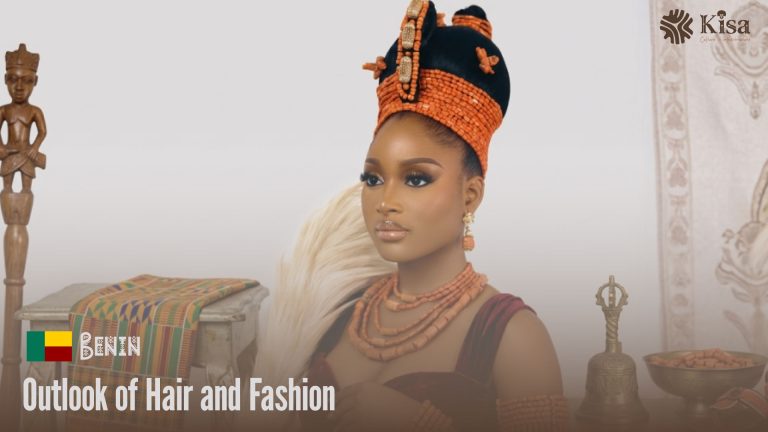
THE OUTLOOK ON HAIR AND FASHION OF BENIN.
The Benin Kingdom provides one of the richest documented visual cultures in Africa, covering the years of bronze casting history. In contrast to the semi-nomadic.
-
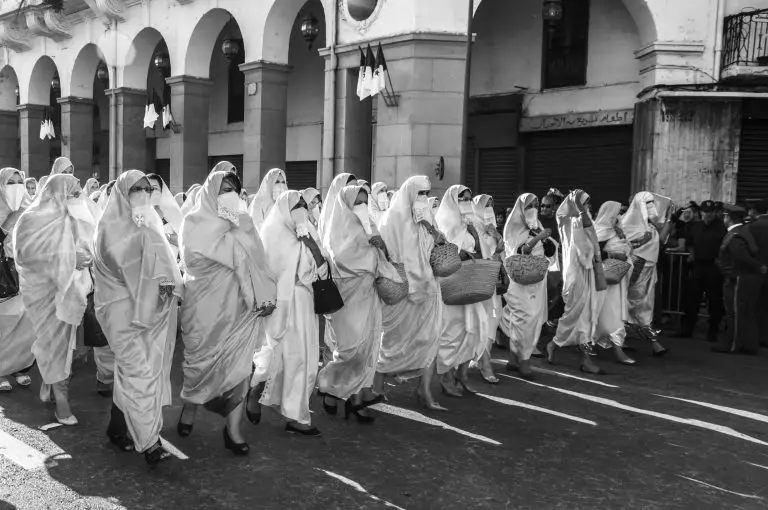
THE FASHIONABLE HISTORY OF ALGERIA
The origin of Algerian traditional clothes dates to the pre-colonial period when the residents of the area donned clothes made of animal skin covering the.
-
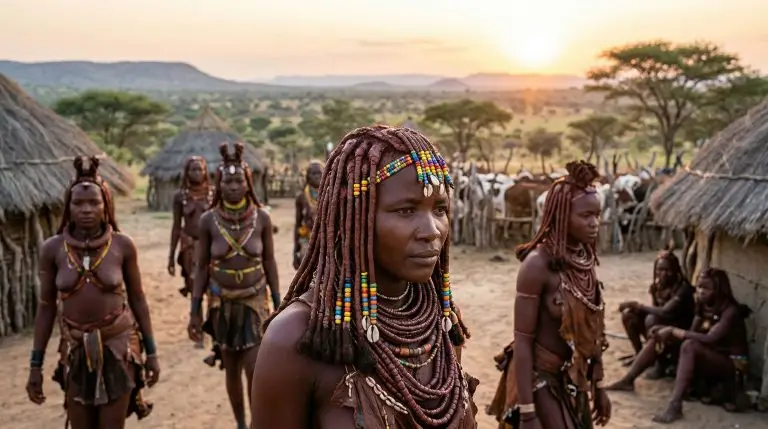
ANGOLA’S PERSPECTIVE ON HAIR AND FASHION
Angola's traditional fashion and hair practices offer a fascinating window into cultures that have preserved complex symbolic systems for centuries. Among the most striking and well- documented traditions are those of the Mwila (Mumuhuila) people,
-
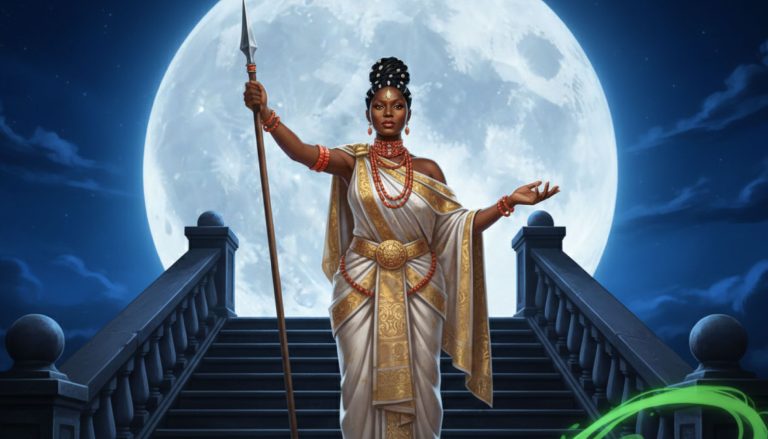
The Legend of Queen Moremi Ajasoro – Yoruba Heroine of Ile-Ife
Historical Background In 12th-century Ile-Ife, the cradle of the Yoruba people in what is now southwestern Nigeria, a dire threat loomed over the kingdom. Ile-Ife’s.
-
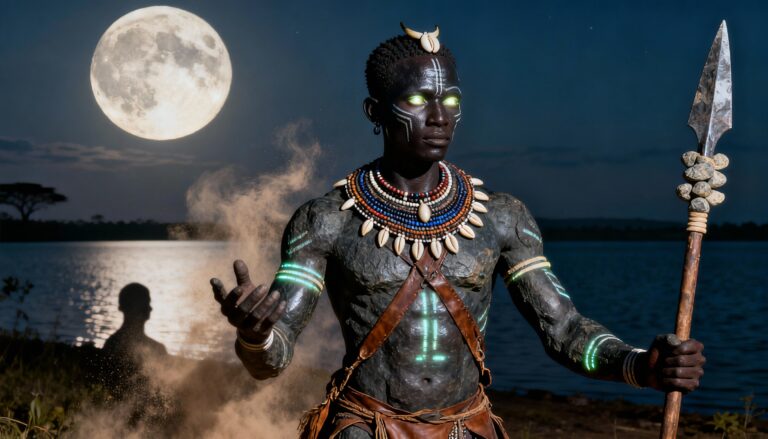
Stone, Shadow, and Sacrifice: The Legend of Luanda Magere
Introduction On a moonlit night in western Kenya, the Luo elders gather around a crackling fire to recount the tale of an immortal warrior. In.