
Threads of Tradition: Hairstyles, Textiles, and Symbolism in Burkina Faso
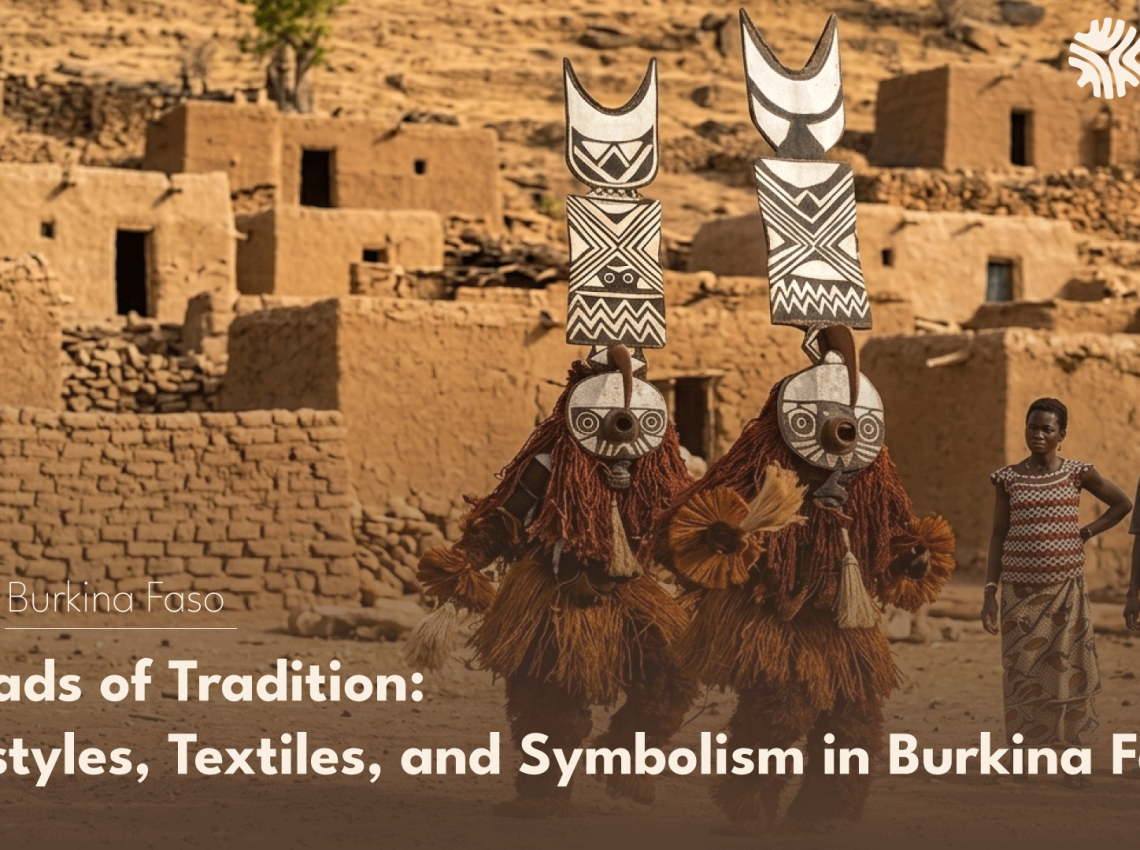
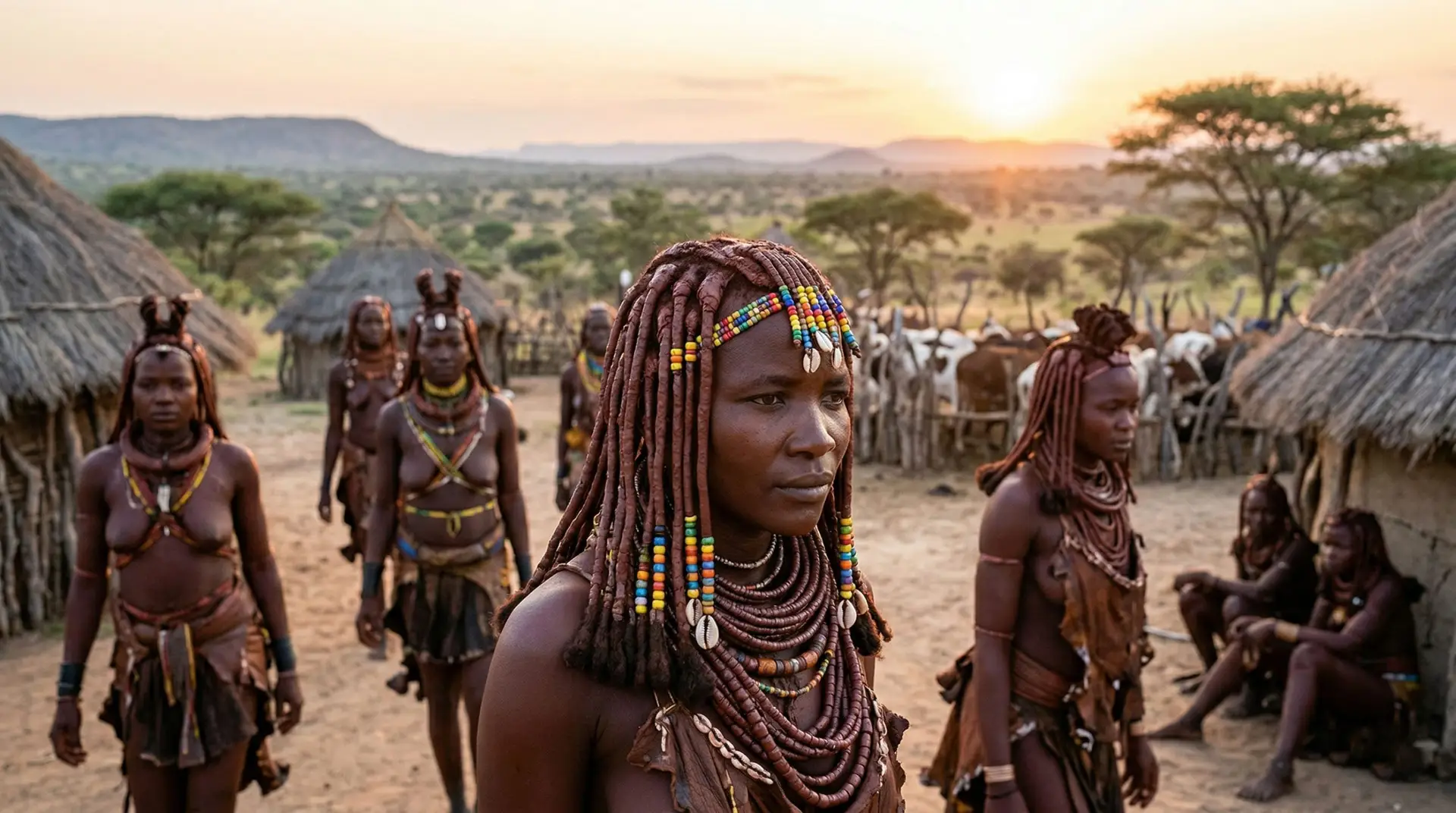
There are more than 60 ethnic groups in Burkina Faso, one of the landlocked countries in West Africa, such as majority Mossi, Bwa, Lobi, Fulani, Gourmantché, and Senufo. The dress and hair traditions of Burkina Faso are entrenched in the agrarian processes, the initiation rituals and the spiritual protection. The hot climate has supported lightweight cotton, indigo colour and protective hairstyles to keep off the sun and dust. Ornamentation in this case is not only aesthetic, but it carries with it the age, marital status, ethnicity, and the position in spiritual world. Burkinabe style is a living record of resistance, identity and worship of nature, as seen in the intricate braided crowns of Mossi brides, and in the hair of Fulani women that was covered with ochre.
THE BWA MASK AND INDIGO FABRIC: THE HISTORY BEHIND THE MASK.
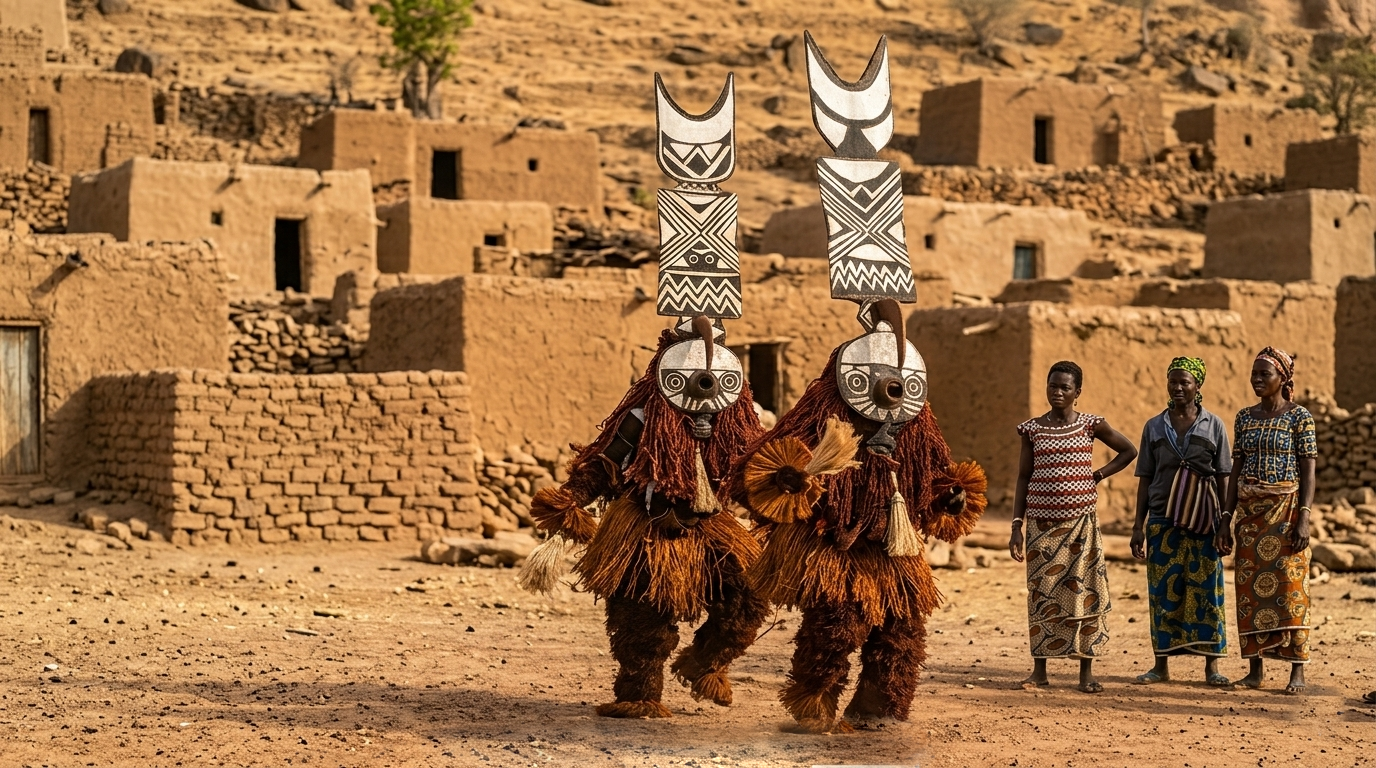
Perhaps the most recognizable and least known fashion aspects of Burkina Faso is the role that the Bwa mask played in the body painting and textile design. Oral histories of the Bwa people of central and southwestern Burkina Faso near the town of Boni, have it that the earliest masks were carved following a vision of Dwo, the spirit of nature who instructed humans to paint black-and-white geometric designs (checkerboards, zigzags, spirals) on their masks to confuse the evils. The same trends were then applied to indigo-dyed cotton fabric that was worn by initiated men and women.
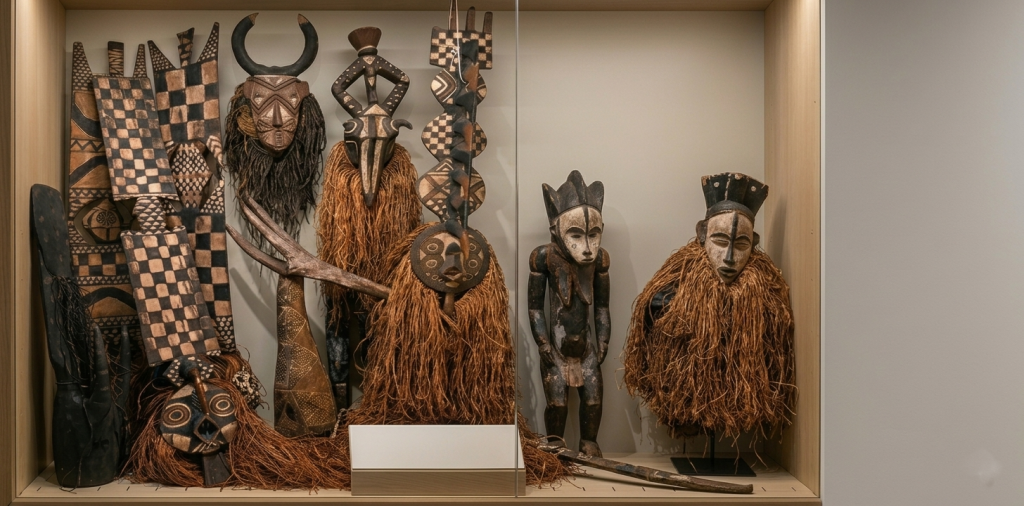
In contrast to the coral beads of Benin which were imported to Mediterranean, indigo was locally made with the use of Indigofera plants. Deep blue colour was considered to chase away mosquitoes, evil spirits and the evil eyes. Indigo wrappers were supposed to protect postpartum sickness in women who wore them after giving birth. Resist-dyeing has been radiocarbon-dated on archaeological fragments of textiles on the Lorpeni ruins (c. 11th15th century CE), at least 800 years of continuous practice.
THE SECRET OF MOSSI BRIDAL HAIR-STYLES AND WOODEN COMBS.
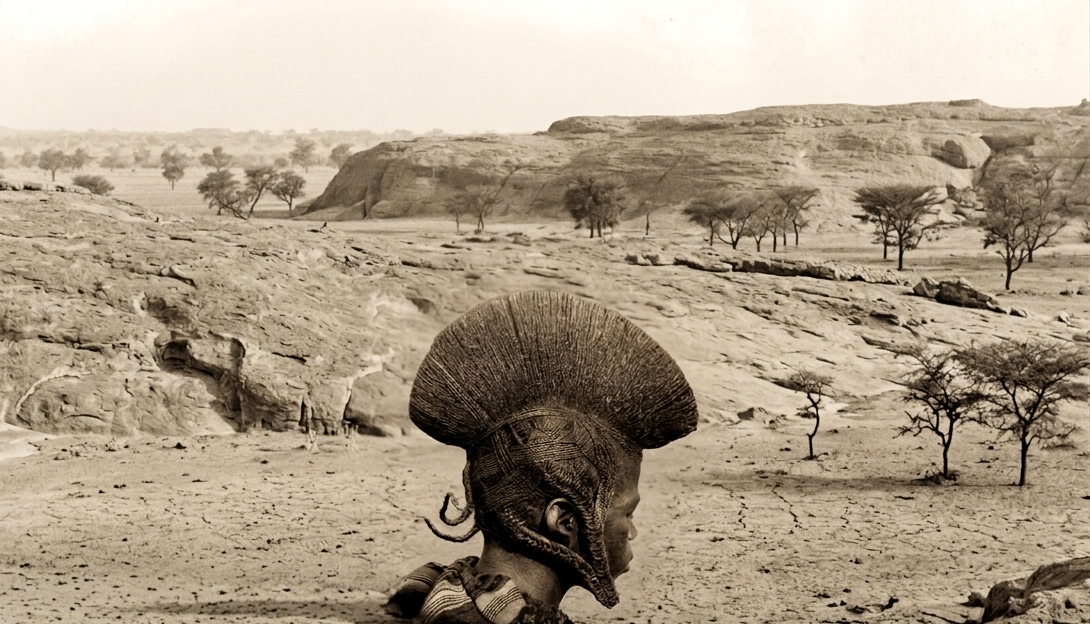
One of the most elaborate bridal hairstyles was devised by the Mossi people who established the strong Ouagadougou Empire at around 11th century, the Peogo or Bougou style. This consists of shaving the sides of the head and styling the top into a different size which is held in place by shea butter and a row of long and hand carved wooden combs known as zungo.
Specific components include:
- Gnoumbou: A central braided tuft that sticks forward, this is representing the look of the bride towards her future children.
- Yambé: Coiled side bands around the ears which means that the bride will be listening to her elders.
Zungo combs: These are made of faidherbia albida wood, with a handle, which sticks out, and is carved into the shape of a lizard or crocodile, or some other animal of water and fertility. These combs are never discarded; they go with the person to the grave.
A story of Mossi bridal hairstyle in the oral traditions recorded by historian Titinga Frédéric Pacéré (author of Le langage des peignes mossi) states that the Mossi bridal hairstyle was originated by Princess Yennenga (the legendary founder of the Mossi royal dynasty) who cut off her hair in a crest to pass as a male warrior and flee her father’s palace. The women put on the crest as a symbol of defiance and motherhood after she gave birth to the first king of the Mossi, Ouedraogo. This implies that the style is practiced at more than 550 years.
THE CORAL BEAD, THE BRONZE AND GLASS OF THE LOBBY.
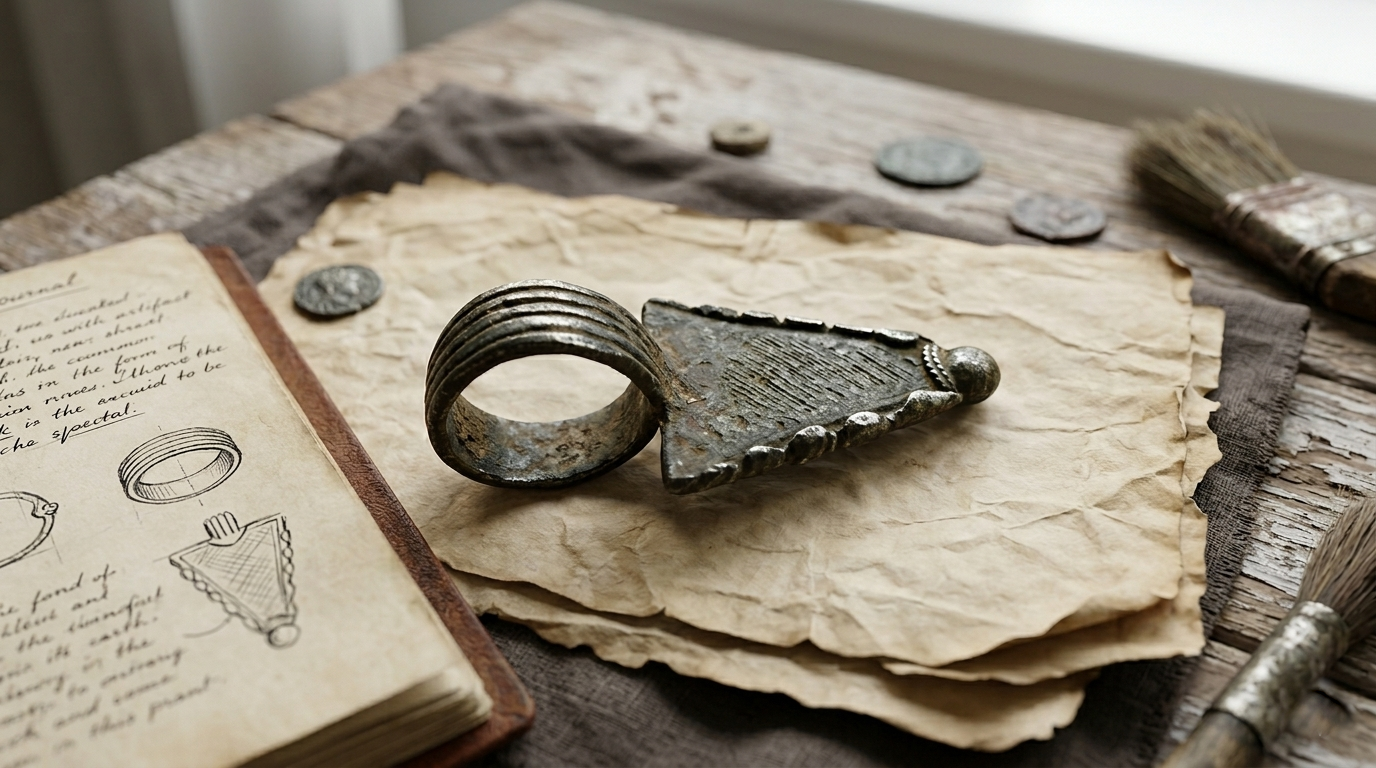
The Lobi people of southwestern Burkina Faso (and northern Ghana) preferred brass ankle rings and powdered glass beads as their main status symbols. These are referred to as Bru (brass) and KpE (beads). Lobi people believe the soul exists in the ankles and, thus, heavy brass rings that are put on since puberty will ensure the soul does not leave the body. Women wear one ring with each born child. A Lobi elder woman could have as many as 20 brass rings on one leg, and these were more than 5 kg.
The Lobi glass beads are manufactured out of the bottles glass used during the colonial period re-made in clay moulds and is unique to the Lobi and their neighbours. There is a meaning to every colour:
- white beads (kpar kpar) = breath of ancestors.
- black beads (mouhoun) = night and dark secrets.
- Red beads (dyoro) = blood of sacrifice.
Lobi beads are produced in small kilns owned by families. Similar types of beads have been discovered in Lobi graves dating back to the 17th century, even though archaeologists confirm the 400 years of uninterrupted production.
HAIRSTYLE SYMBOLS AND MEANING OF FULBE ARCHITECTURE.
The most familiar hairstyle in the Sahel is the one of the nomadic pastoralists of the Fulbe (Peulh) people, a heart-shaped or saucer-shaped crest of the crown, made of amber and silver coins. This style is called Barka (blessing), and it is not just the aesthetic one, but a code of marital status and clan of the woman.
- Unmarried girls: A single braid on the side, and no amber.
- Married women: A coin of silver (a 5-franc coin of the colonial French West Africa) at the very top of the crest signifies the bride price in silver.
Widows every once a year completely shaving the crest and putting on a black headscarf.
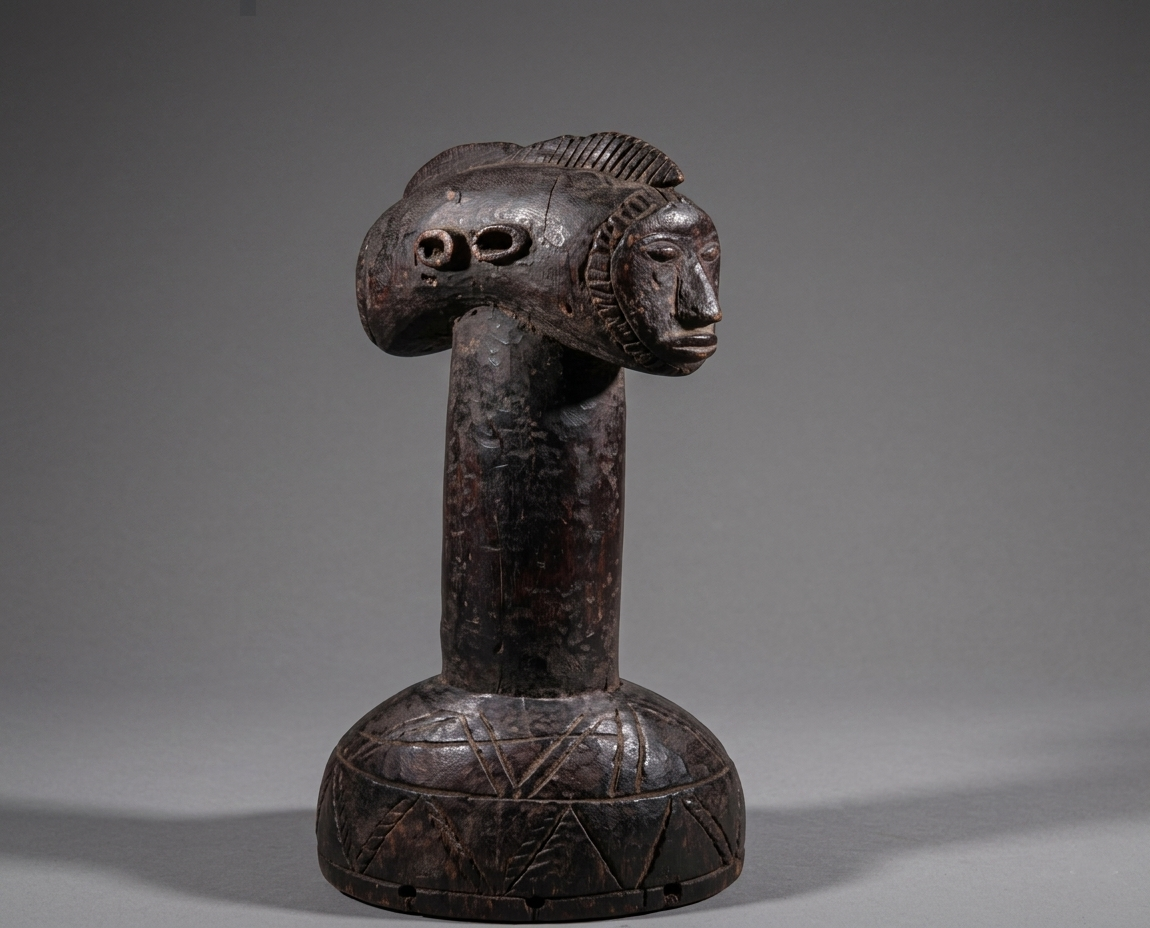
The Barka style is said to have originated with a mythical Fulbe beauty by the name of Barka in the18th century who, according to the griot songs that anthropologist M. Dupire (1970) collected, had her hair styled to look like the hump of a fertile zebu cow. The cow hump was a symbol of wealth, patience, and milk which were the three pillars of the Fulani life. The style is recorded in the 19th-century European travel literature, implying that it is at least 200 years old.
LIFECYCLE AND SPIRITUAL DIMENSIONS.
Burkinabe hair and fashion denote every significant change in life:
Birth: A Bwa baby is shaved except for one strand of hair at the top of the head known as Do yiri (spirit hair) which is not shaved until the child walks. This helps to guard against theft of spirits by the soft fontanelle.
Initiation (Dwo): Bwa boys keep their hair very long and messy in six months before the circumcision. Once healed they have their first shaving, and are given their first indigo wrapper, a mark of manhood.
Marriage: Mossi brides wear Peoga crest one week after which her mother-in-law will have it shaved down into a simple bun called poko referred to as obedience.
Death: As a sign of paying the ferryman to the village of the ancestors, Lobi elders are buried with their brass rings and a single white bead in the mouth.
MODERN ISSUES AND SURVIVAL IN THE CULTURE.
Burkina Faso has not been spared: French colonialism prohibited indigo body painting and hairstyles considered pagan in much of the country branding them savage. Christian missionaries compelled the Mossi women to drop Peoga crest to use headscarves in their place. Under the revolutionary administration of Thomas Sankara, the traditional dress was in fact encouraged in the name of authenticity. Sankara himself wore a Faso dan Fani woven tunic to international conferences.
SOURCES
Wikipedia
Mossi people. (2026). In Wikipedia. Retrieved April 7, 2026, from https://en.wikipedia.org/wiki/Mossi_people
Bwa people. (2026). In Wikipedia. Retrieved April 7, 2026, from https://en.wikipedia.org/wiki/Bwa_people
Fula people. (2026). In Wikipedia. Retrieved April 7, 2026, from https://en.wikipedia.org/wiki/Fula_people
Lobi people. (2026). In Wikipedia. Retrieved April 7, 2026, from https://en.wikipedia.org/wiki/Lobi_people
Faso dan fani. (2026). In Wikipedia. Retrieved April 7, 2026, from https://en.wikipedia.org/wiki/Faso_dan_fani
Thomas Sankara. (2026). In Wikipedia. Retrieved April 7, 2026, from https://en.wikipedia.org/wiki/Thomas_Sankara
Loropéni. (2026). In Wikipedia. Retrieved April 7, 2026, from https://en.wikipedia.org/wiki/Lorop%C3%A9ni
Indigo dye. (2026). In Wikipedia. Retrieved April 7, 2026, from https://en.wikipedia.org/wiki/Indigo_dye
Yennenga. (2026). In Wikipedia. Retrieved April 7, 2026, from https://en.wikipedia.org/wiki/Yennenga
UNESCO
UNESCO World Heritage Centre. (n.d.). Ruins of Loropéni. Retrieved April 7, 2026, from https://whc.unesco.org/en/list/1225
BBC News
Burkina Faso’s traditional hairstyles that survived colonialism. (2023, March 15). BBC News.
Retrieved April 7, 2026, from https://www.bbc.com/news/world–africa–65212345
YouTube Videos
Journeyman Pictures. (2022, January 10). The last Fulani hairstylists of Burkina [Video]. YouTube. Retrieved April 7, 2026, from https://www.youtube.com/watch?v=8cQzFqjHv0E
AfroArtTV. (2019, November 22). Mossi bridal hairstyle – Peogo crest [Video]. YouTube.
Retrieved April 7, 2026, from https://www.youtube.com/watch?v=dF7tQ9qLx_k
Books
Pacéré, T. F. (1987). Le langage des peignes mossi. Éditions
Naaman. https://search.worldcat.org/title/19324517
Roy, C. D. (1987). Art of the Upper Volta rivers. Galerie
Africaniste. https://search.worldcat.org/title/19342095
Journal Article
Dupire, M. (1970). Peuls du Burkina Faso: Coiffures et statut féminin [Fulani of Burkina
Faso: Hairstyles and female status]. Journal de la Société des Africanistes, 40(2), 145– 168. https://www.persee.fr/doc/jafr_0037–9166_1970_num_40_2_1804