
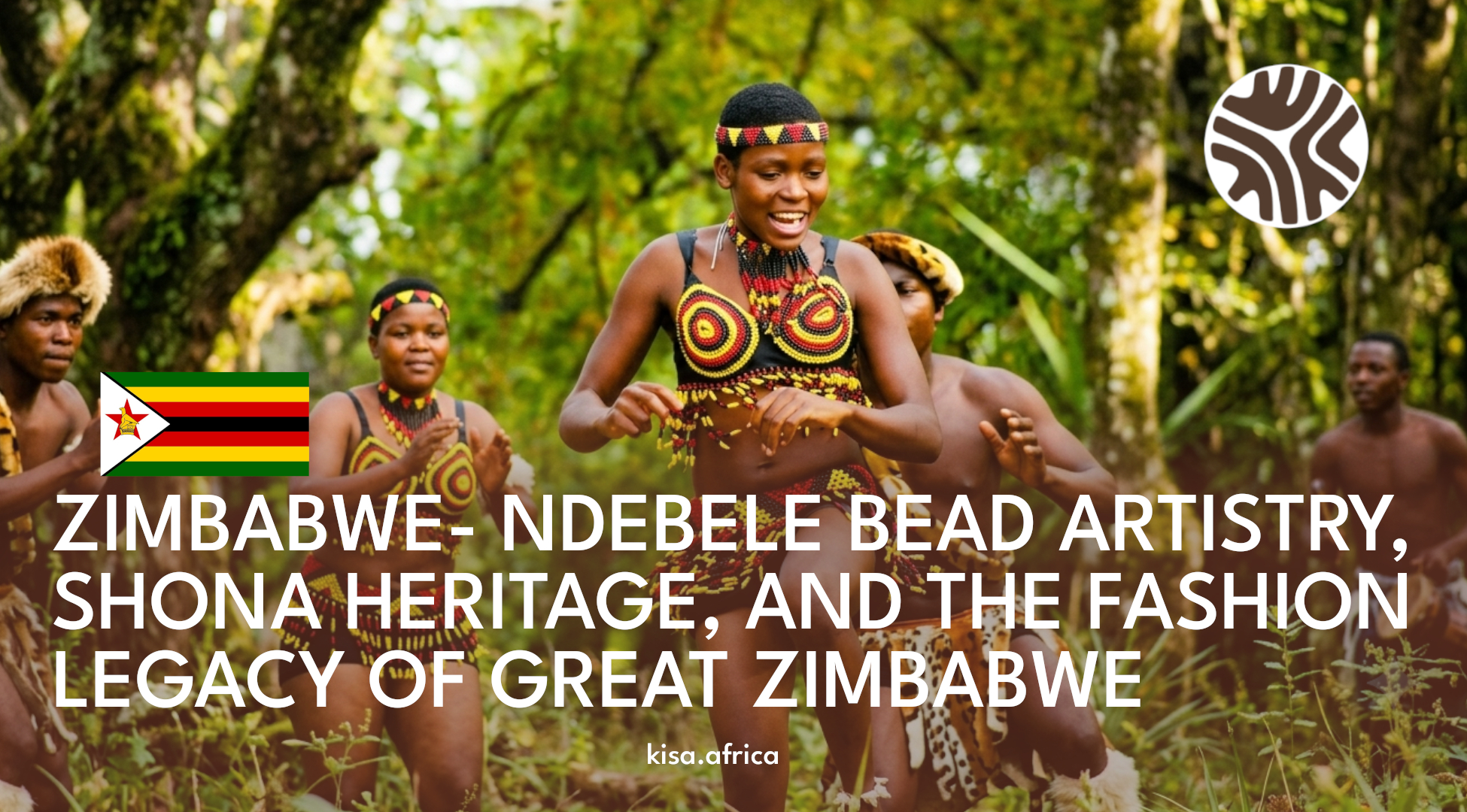
ZIMBABWE- NDEBELE BEAD ARTISTRY, SHONA HERITAGE, AND THE FASHION LEGACY OF GREAT ZIMBABWE
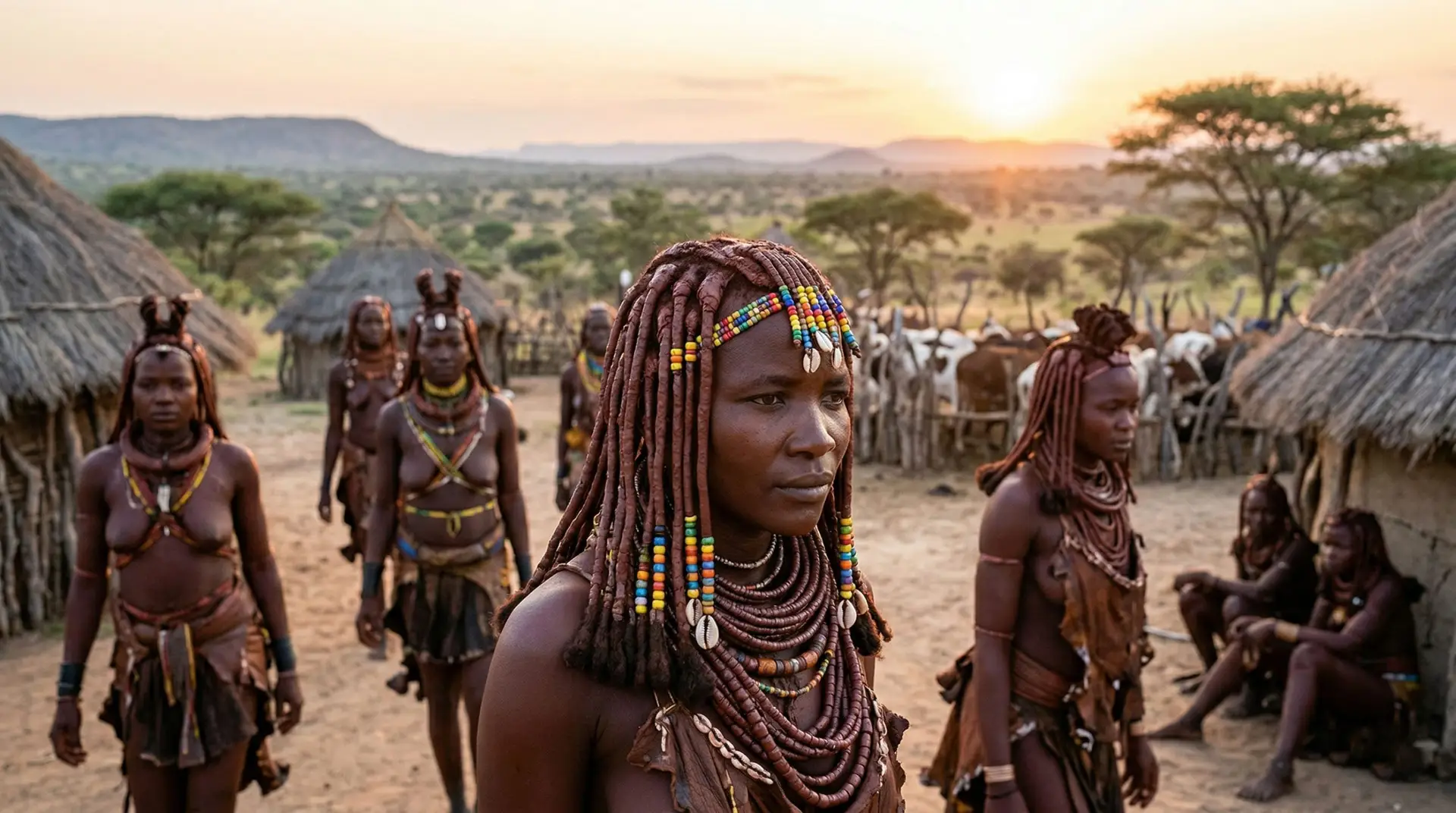
The fashion traditions of Zimbabwe reflect centuries of cultural development among Shona, Ndebele, Tonga, Rozvi, Kalanga, and other societies whose identities were shaped by trade, agriculture, cattle culture, spirituality, and royal kingdoms.
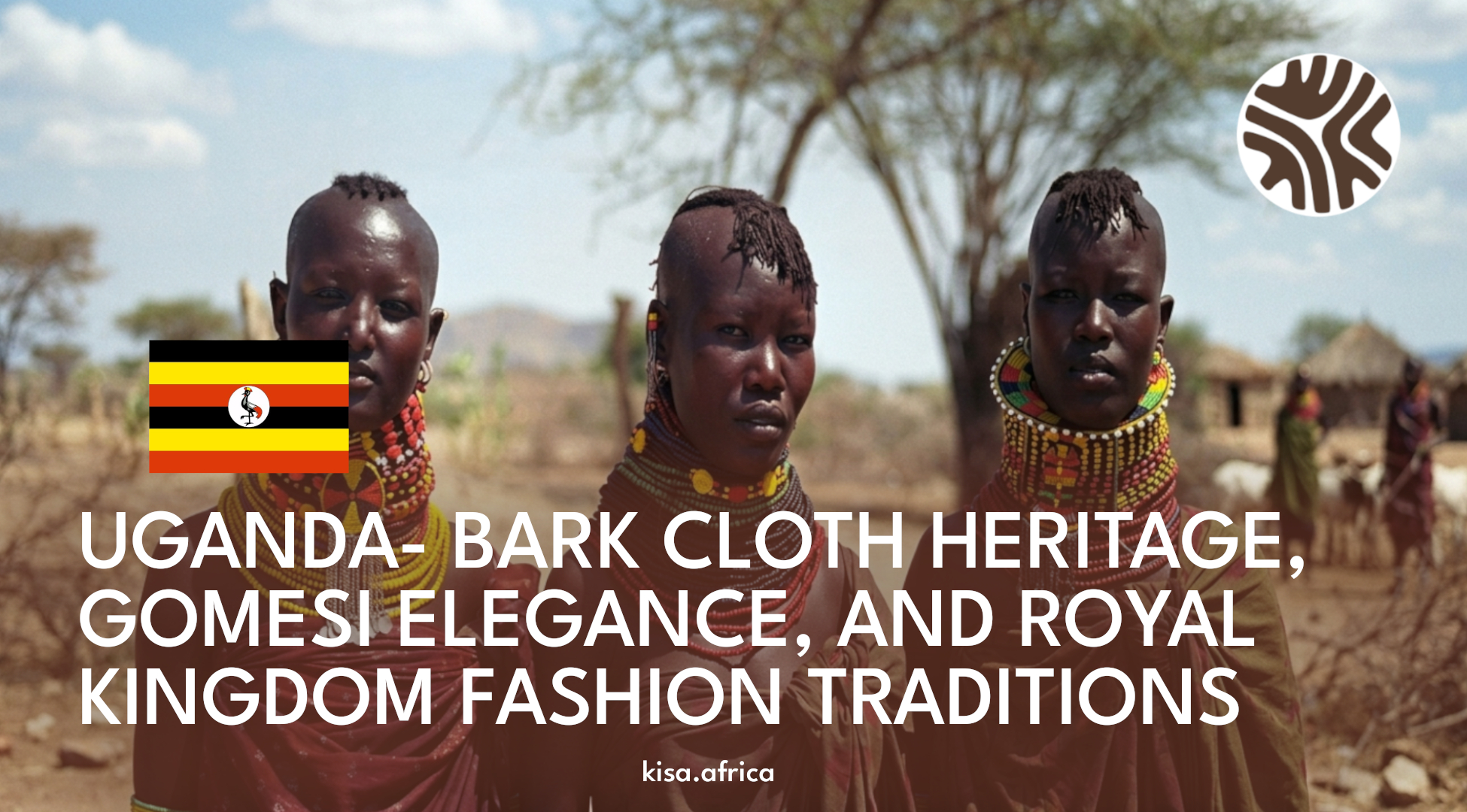
UGANDA- BARK CLOTH HERITAGE, GOMESI ELEGANCE, AND ROYAL KINGDOM FASHION TRADITIONS
The fashion traditions of Uganda reflect the cultural diversity of kingdoms, pastoral societies, agricultural communities, and regional trade networks that shaped the Great Lakes region for centuries. Uganda’s clothing and beauty traditions
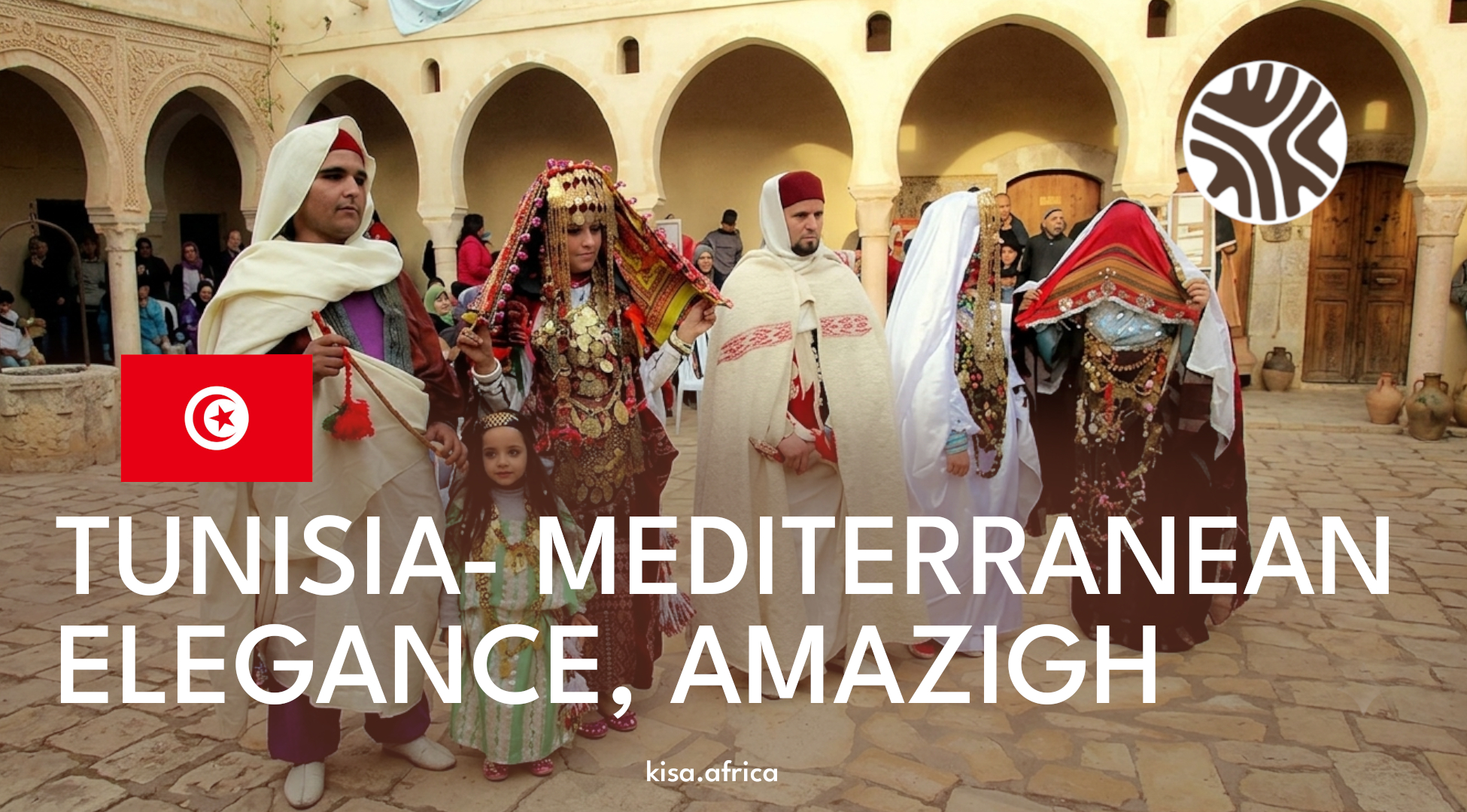
TUNISIA- MEDITERRANEAN ELEGANCE, AMAZIGH
JEWELLERY, AND OTTOMAN TEXTILE HERITAGE The fashion traditions of Tunisia reflect one of the Mediterranean world’s oldest and most sophisticated cultural histories. Situated at the crossroads of Africa, Europe, and the Middle
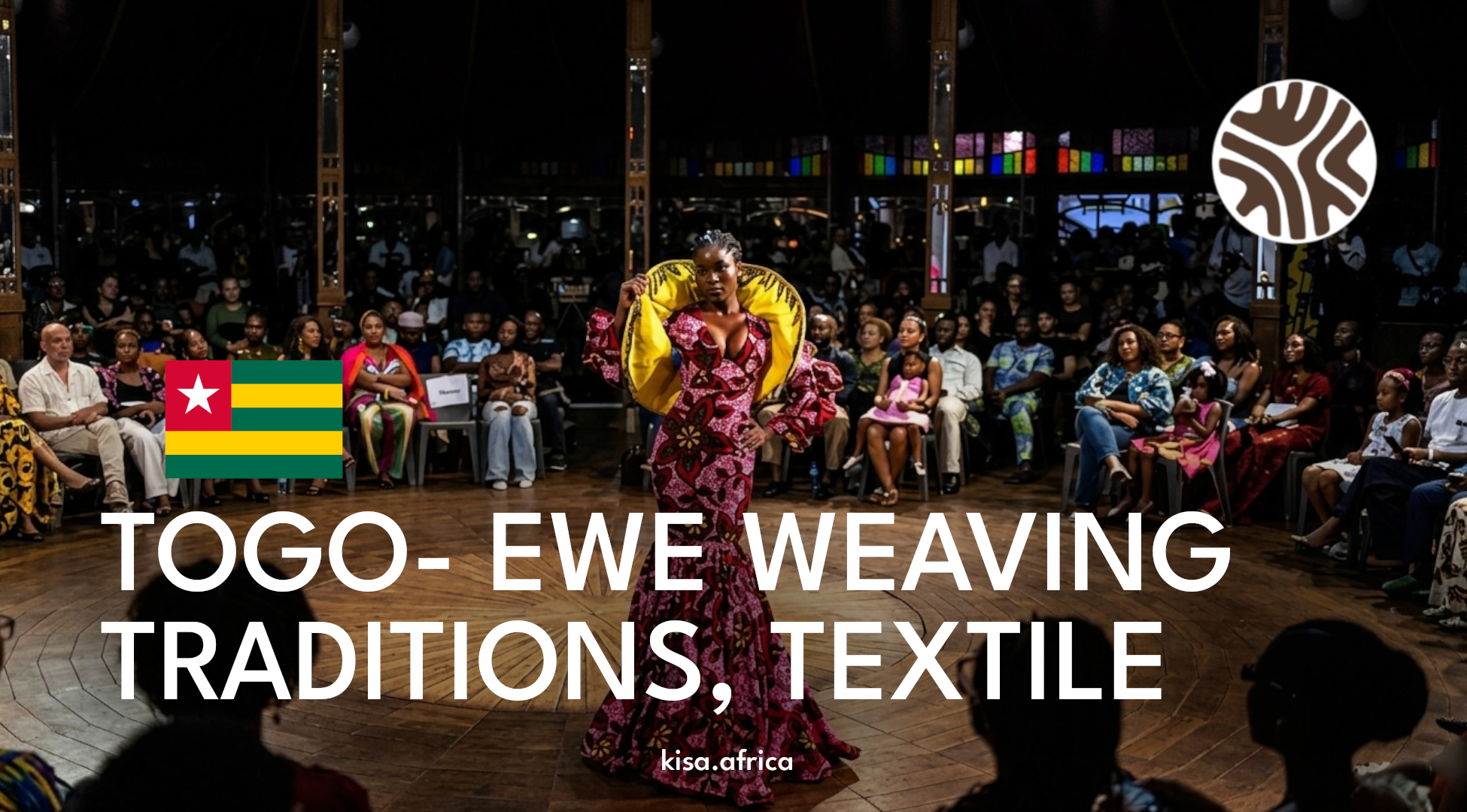
TOGO- EWE WEAVING TRADITIONS, TEXTILE
MARKETS, AND COMMUNAL HAIR ARTISTRY The fashion traditions of Togo reflect centuries of cultural exchange shaped by Ewe, Mina, Kabye, Tem, and other West African societies. Positioned along major Atlantic and regional
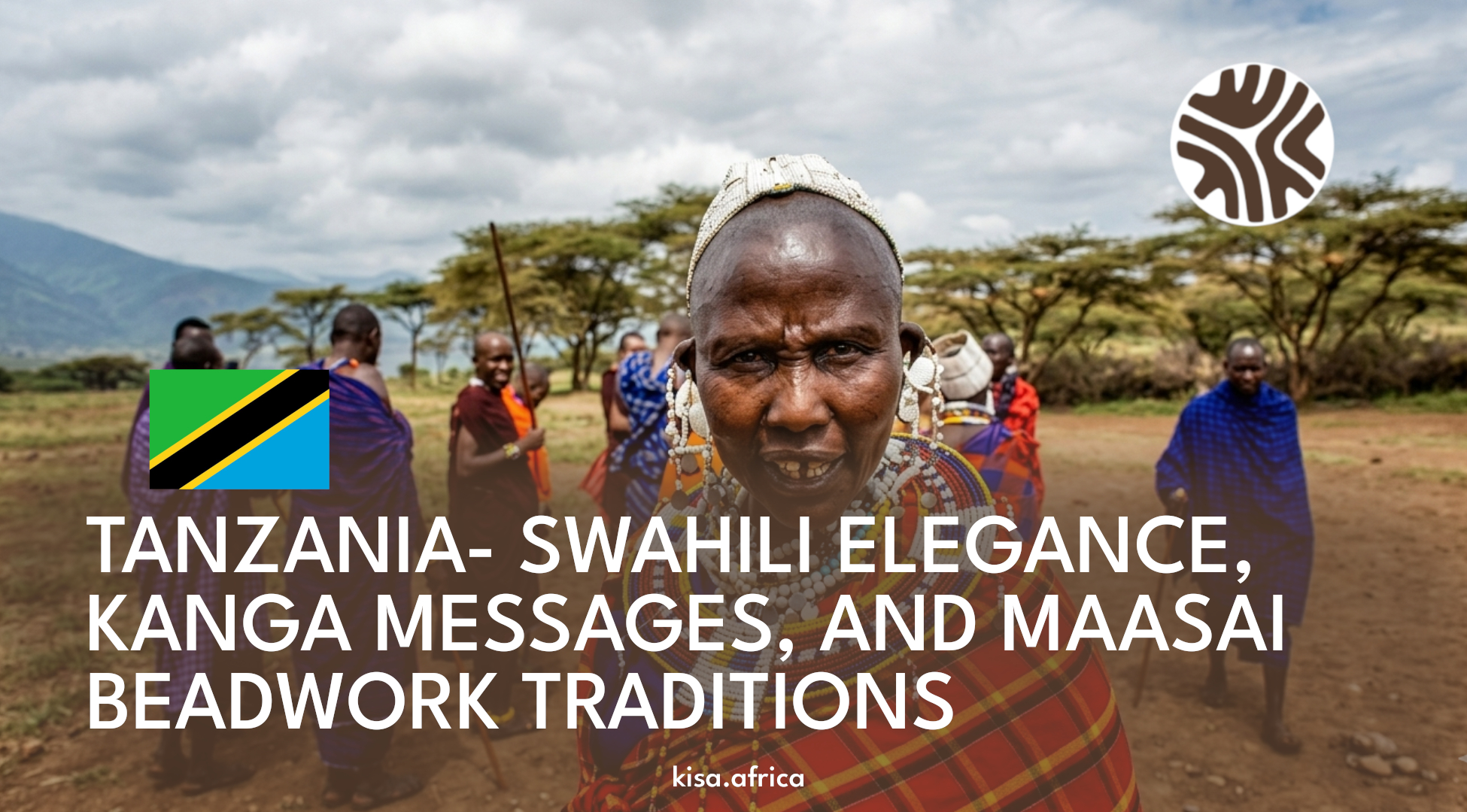
TANZANIA- SWAHILI ELEGANCE, KANGA MESSAGES, AND MAASAI BEADWORK TRADITIONS
The fashion traditions of Tanzania reflect one of East Africa’s richest cultural crossroads. Tanzania’s clothing and hair traditions developed through the interaction of Swahili coastal civilization, Maasai pastoral culture, inland agricultural societies,
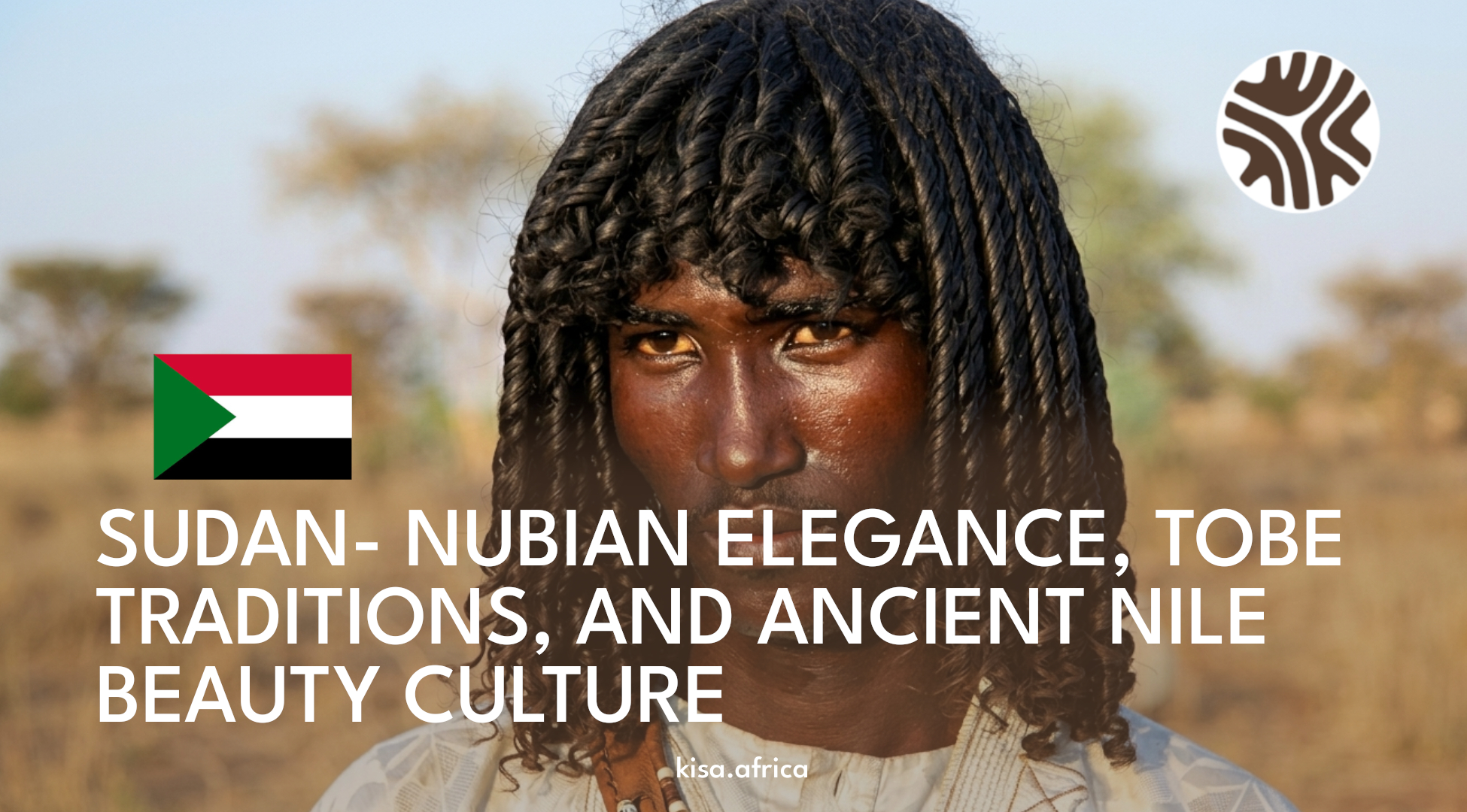
SUDAN- NUBIAN ELEGANCE, TOBE TRADITIONS, AND ANCIENT NILE BEAUTY CULTURE
The fashion traditions of Sudan reflect one of Africa’s oldest and most historically layered cultural civilizations. Positioned along the Nile and connected to the Sahara, the Red Sea, and the broader Islamic
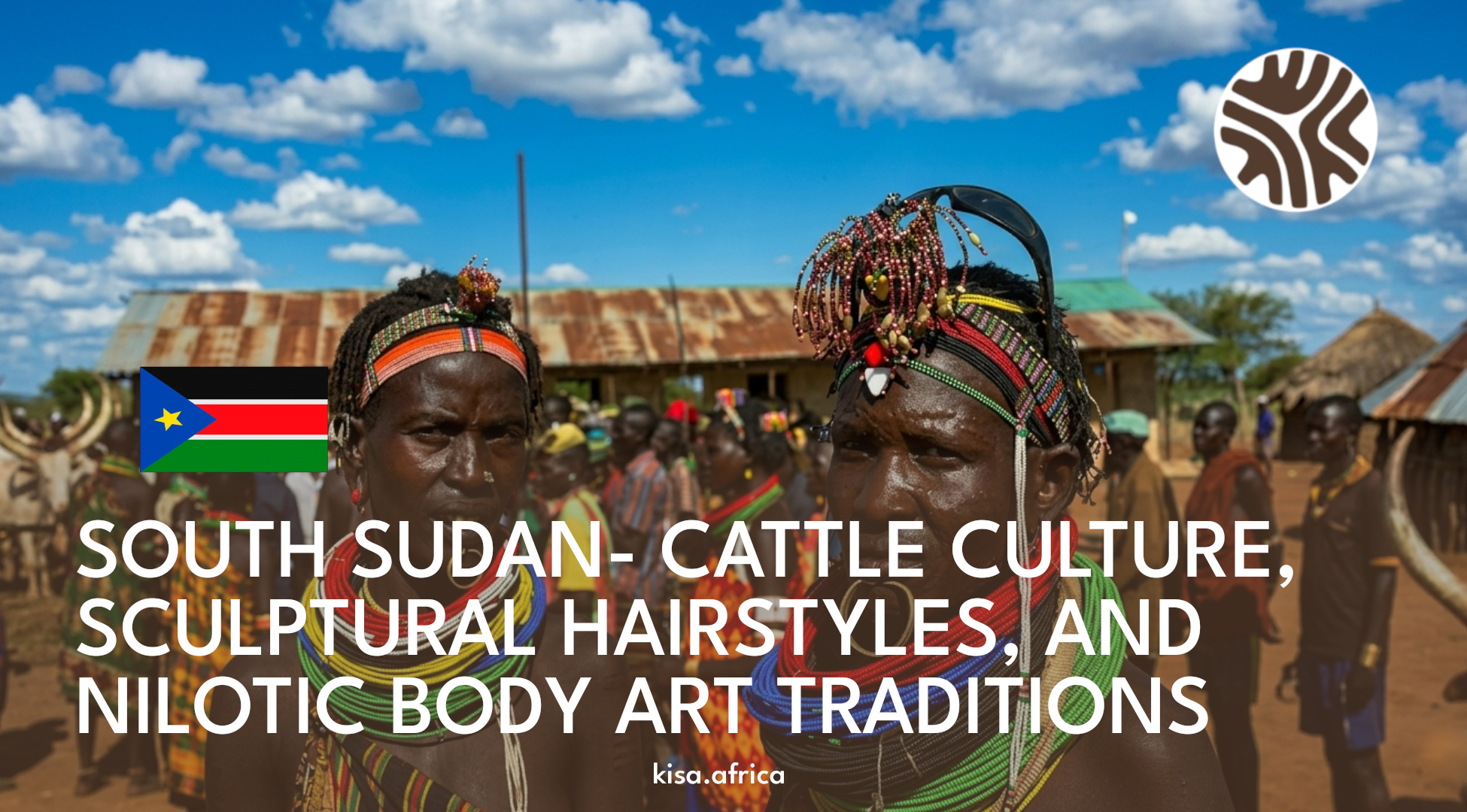
SOUTH SUDAN- CATTLE CULTURE, SCULPTURAL HAIRSTYLES, AND NILOTIC BODY ART TRADITIONS
The fashion and beauty traditions of South Sudan reflect the rich cultural heritage of Nilotic pastoral societies including the Dinka, Nuer, Shilluk, Bari, Mundari, and many other communities. South Sudan possesses some
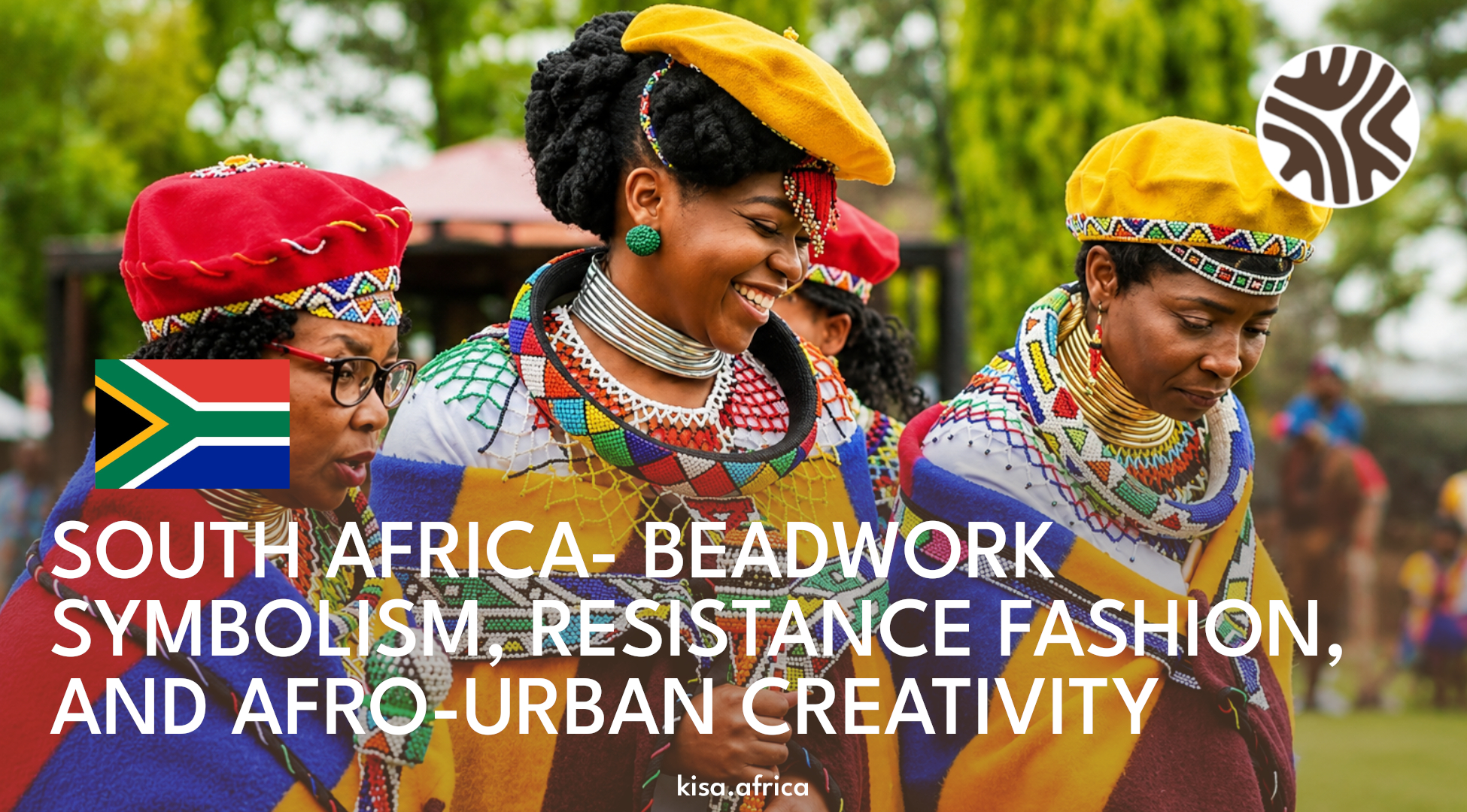
SOUTH AFRICA- BEADWORK SYMBOLISM, RESISTANCE FASHION, AND AFRO-URBAN CREATIVITY
The fashion traditions of South Africa are among the most diverse and historically layered on the African continent. Because South Africa contains numerous cultural communities including Zulu, Xhosa, Sotho, Tswana, Ndebele, Venda,
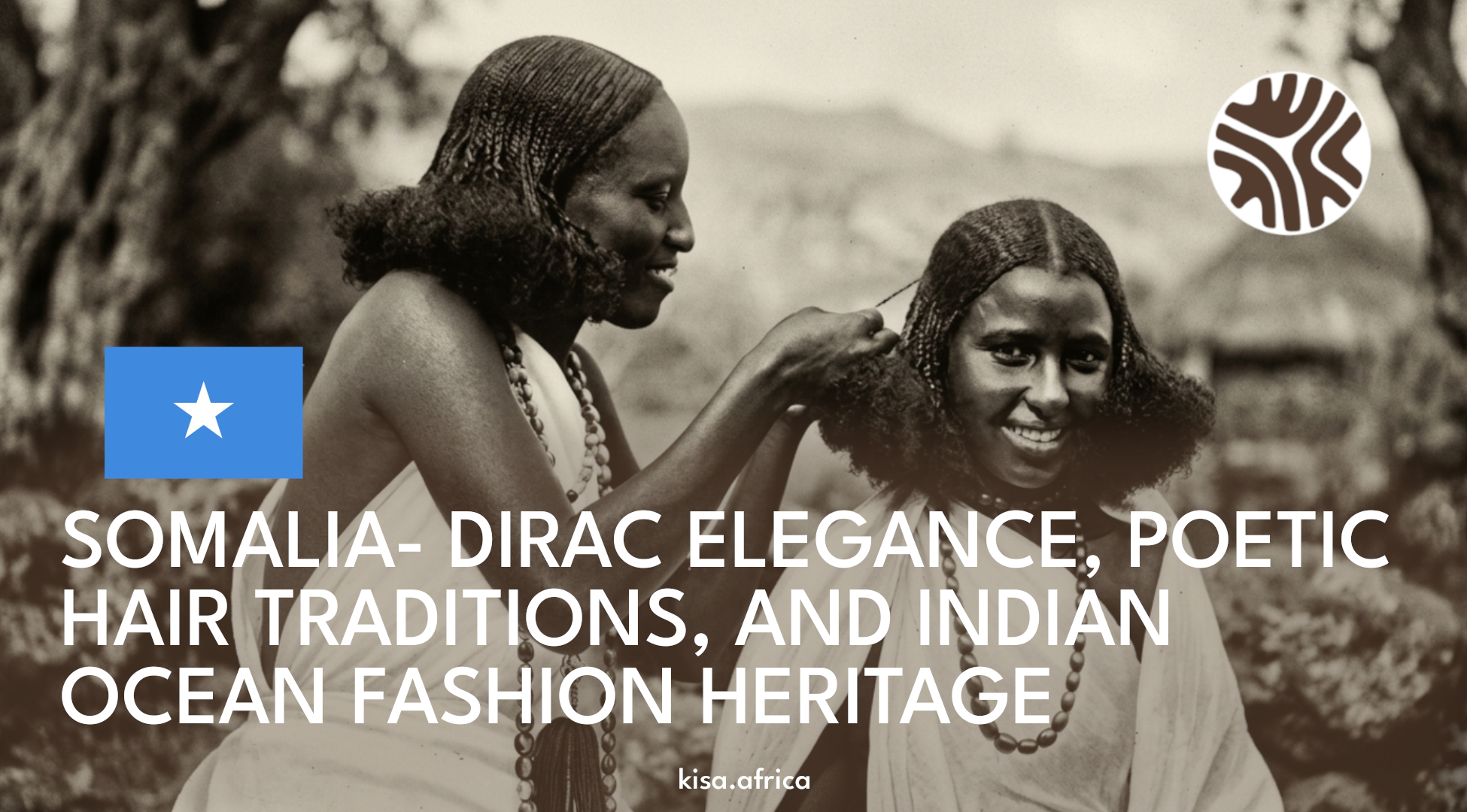
SOMALIA- DIRAC ELEGANCE, POETIC HAIR TRADITIONS, AND INDIAN OCEAN FASHION HERITAGE
The fashion traditions of Somalia reflect one of the oldest and most sophisticated cultural histories in the Horn of Africa. Positioned along major Indian Ocean trade routes for thousands of years, Somalia
WHEN DEATH ENTERS A COMMUNITY CULTURE HAS A RESPONSE.
Kenya has an age- standardized suicide rate of 11.0 per 100,000 compared to a global rate of 9.0. The country has about 100 psychiatrists for 54 million people, and mental health services 0.01% of its national