

SUDAN- NUBIAN ELEGANCE, TOBE TRADITIONS, AND ANCIENT NILE BEAUTY CULTURE
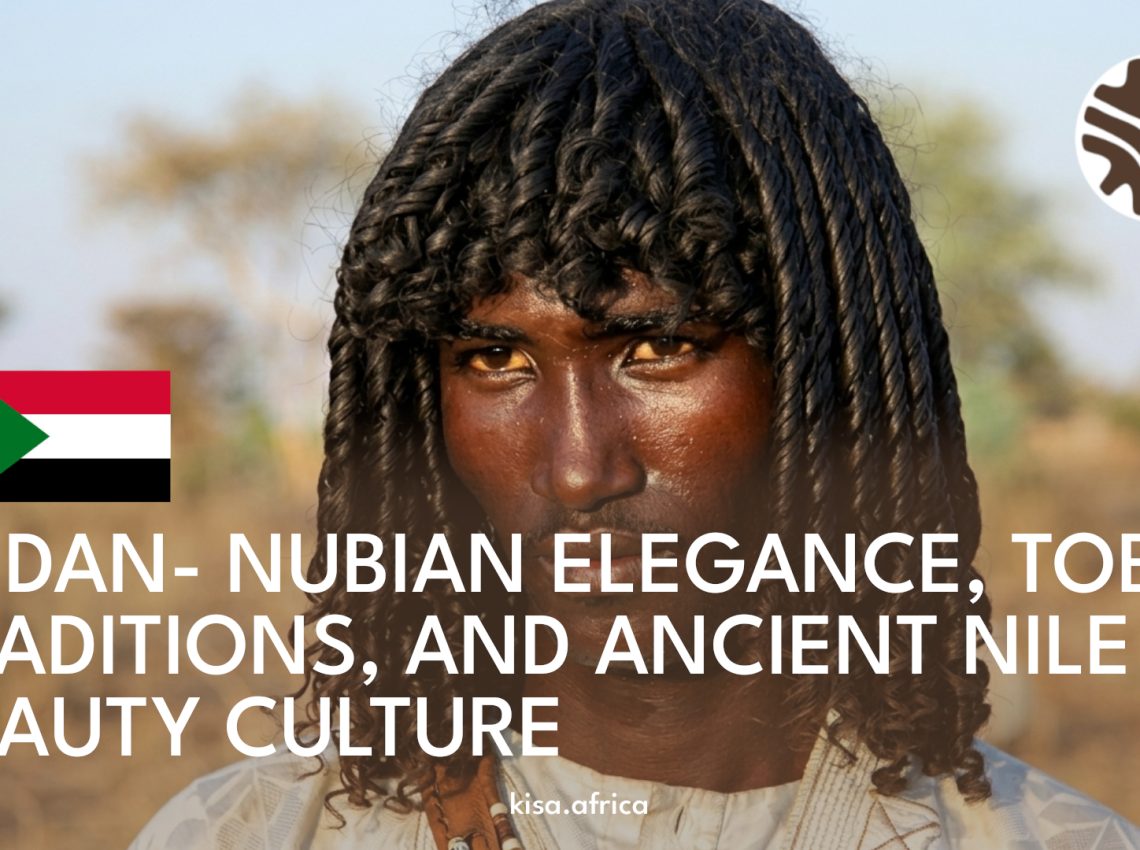
The fashion traditions of Sudan reflect one of Africa’s oldest and most historically layered cultural civilizations. Positioned along the Nile and connected to the Sahara, the Red Sea, and the broader Islamic world, Sudan developed through the interaction of Nubian kingdoms, Arab migration, African pastoral cultures, Islamic scholarship, and trans-Saharan trade networks.
For thousands of years, Sudan functioned as a cultural crossroads linking:
- North Africa
- East Africa
- The Middle East
- The Nile Valley
- The Sahel
This produced a fashion culture combining African and Arab aesthetics while maintaining deeply rooted Nubian heritage and uniquely Sudanese forms of elegance.
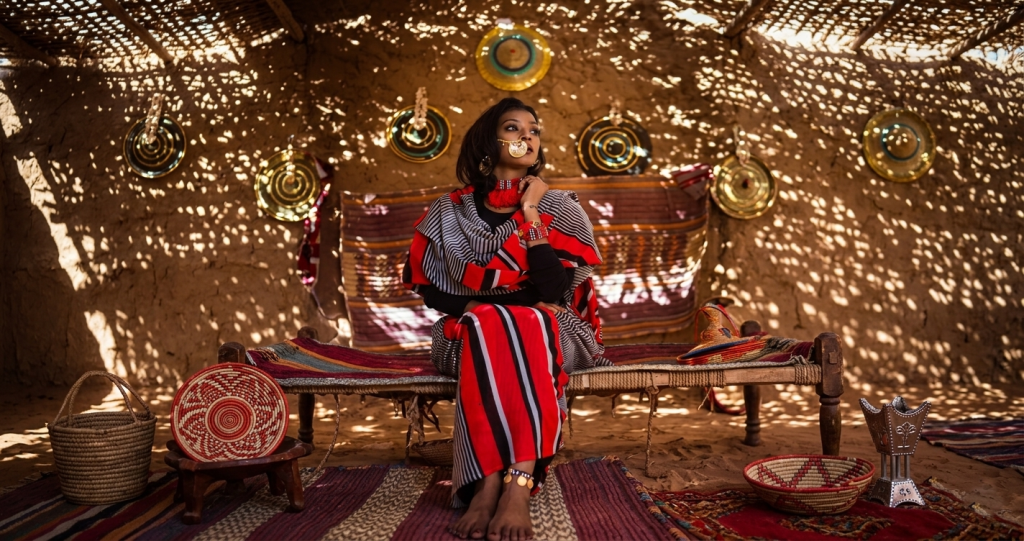
Fashion in Sudan historically emphasized:
- Modesty
- Grace
- Social dignity
- Climate adaptation
- Spiritual identity
- Textile artistry
- Ceremonial beauty
Among the most recognizable garments in Sudanese culture is the tobe.
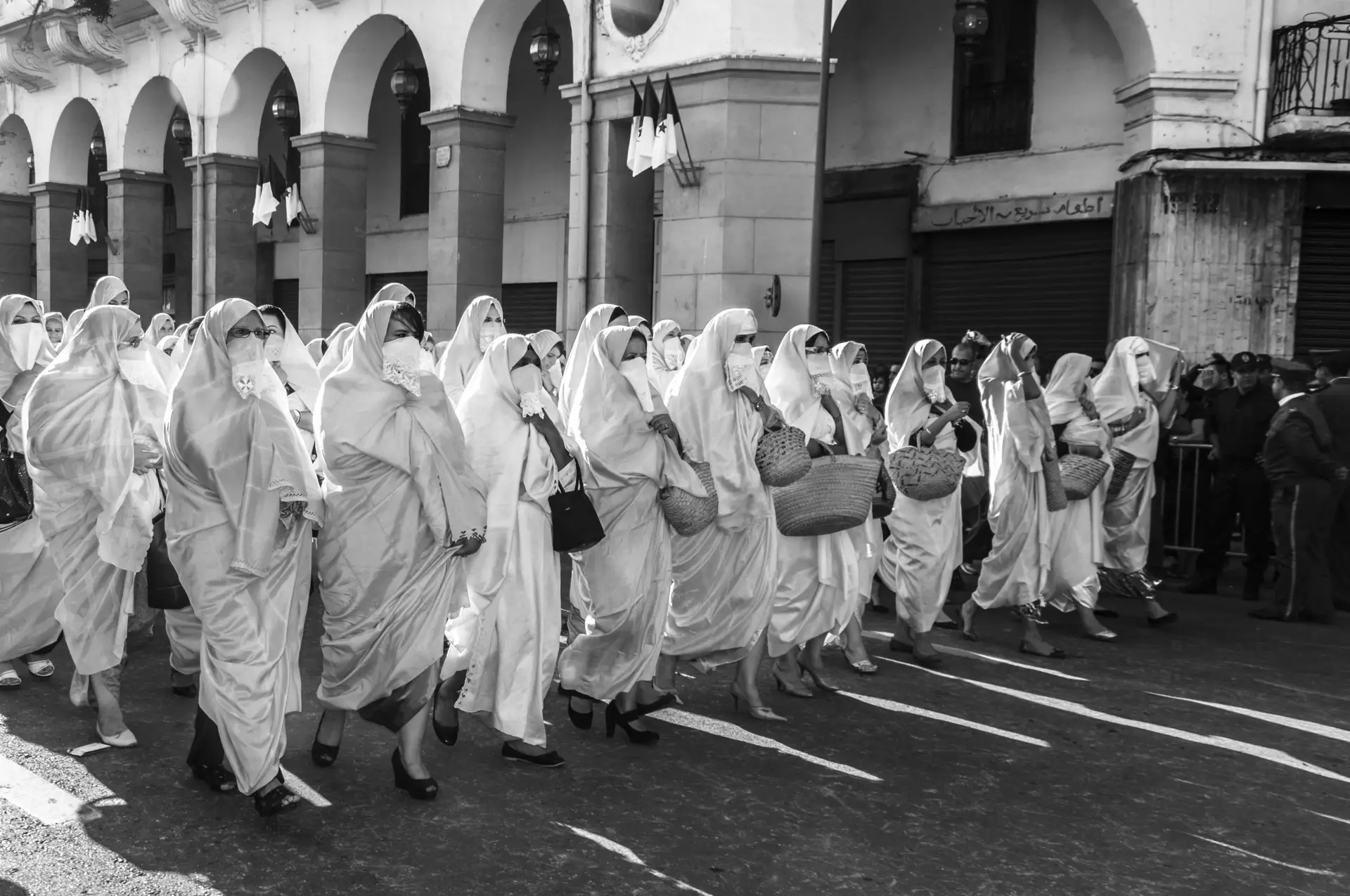
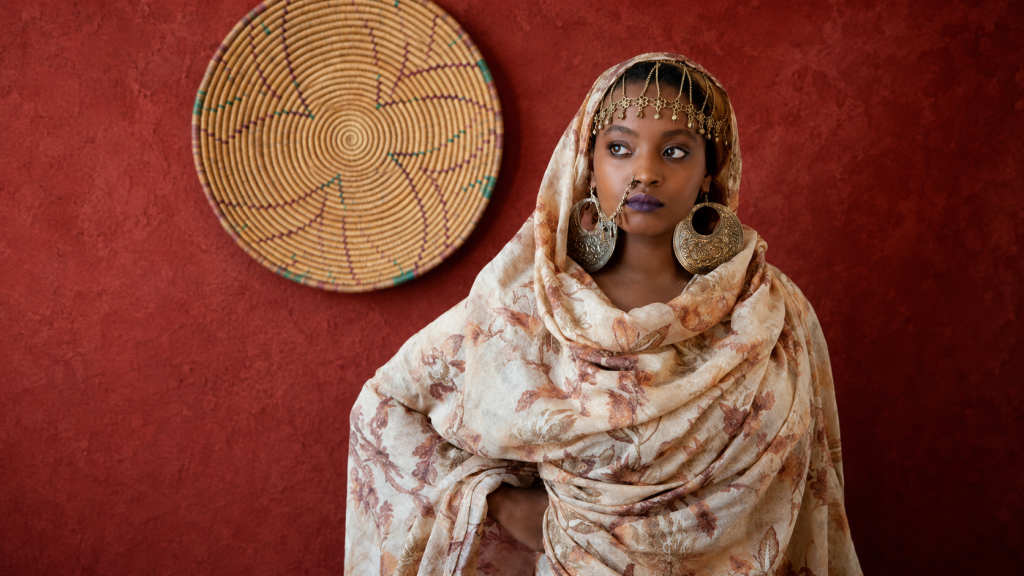
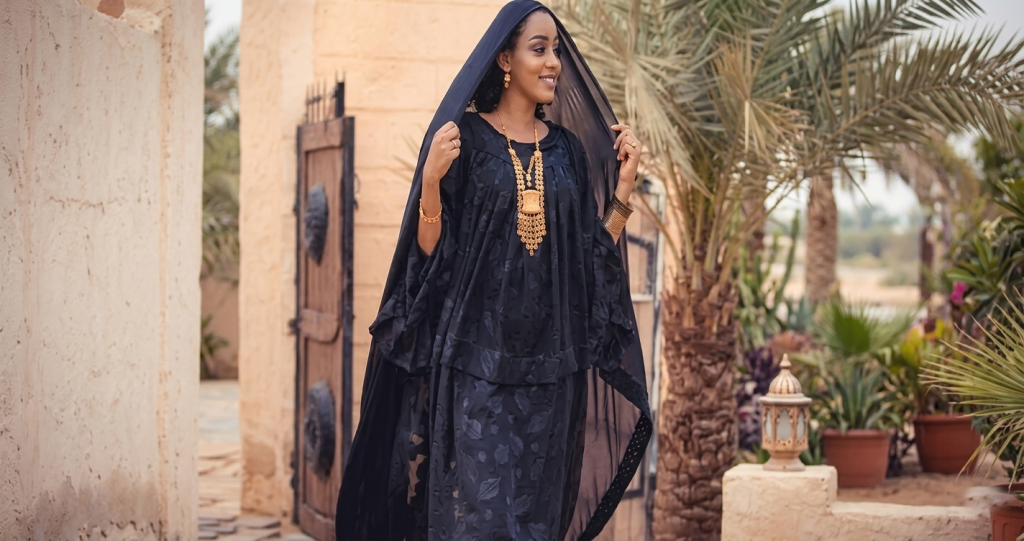
The tobe is a long, elegant cloth wrapped around the body and head, traditionally worn by Sudanese women.
The garment became strongly associated with:
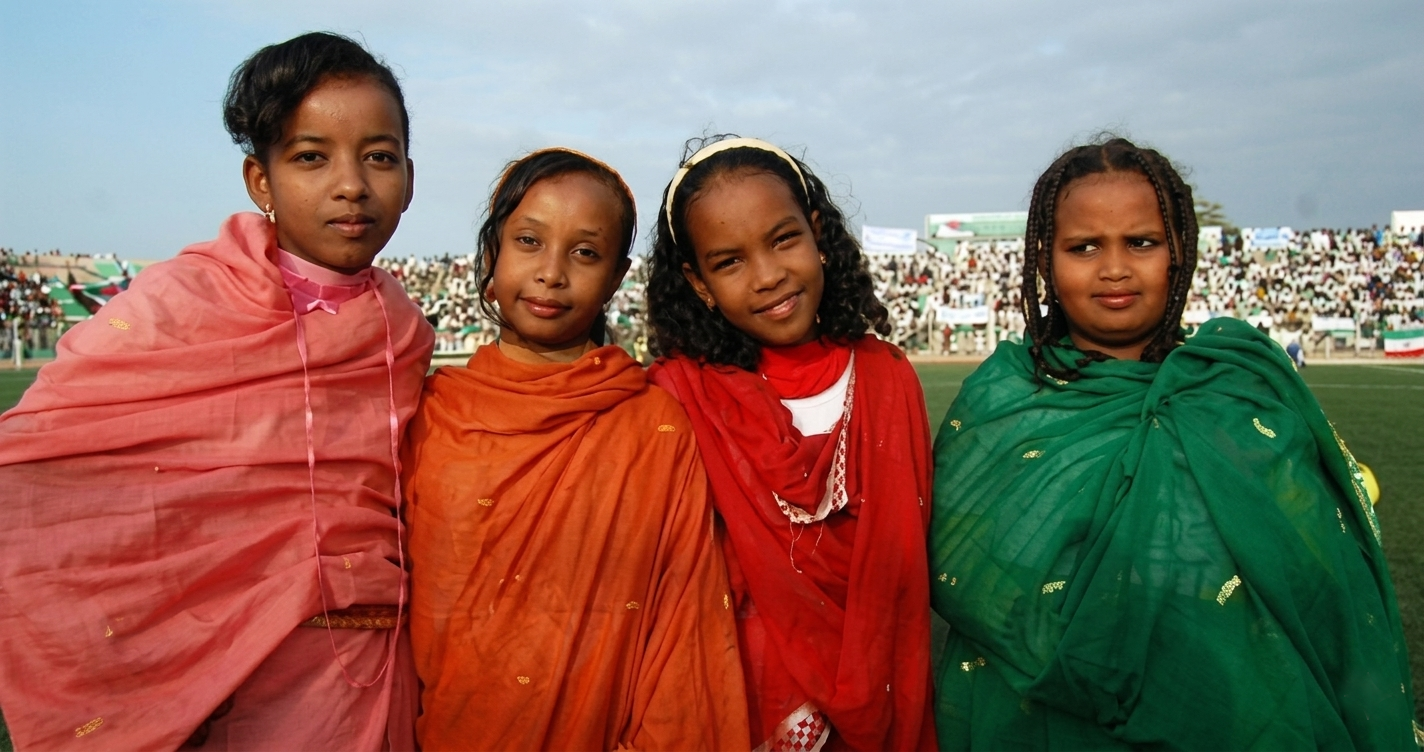
- Sophistication
- Femininity
- Respectability
- Hospitality
- Modesty
- Social prestige
Tobes are often made from lightweight fabrics suitable for Sudan’s climate and may feature:
- Embroidery
- Bright colours
- Transparent layering
- Floral designs
- Metallic thread work
The style of wrapping and fabric choice can communicate:
- Age
- Social class
- Occasion
- Personal elegance
- Regional identity
Sudanese women became internationally admired for the graceful and highly refined presentation associated with tobe fashion.
Men’s traditional clothing also reflects Sudan’s Islamic and desert heritage.
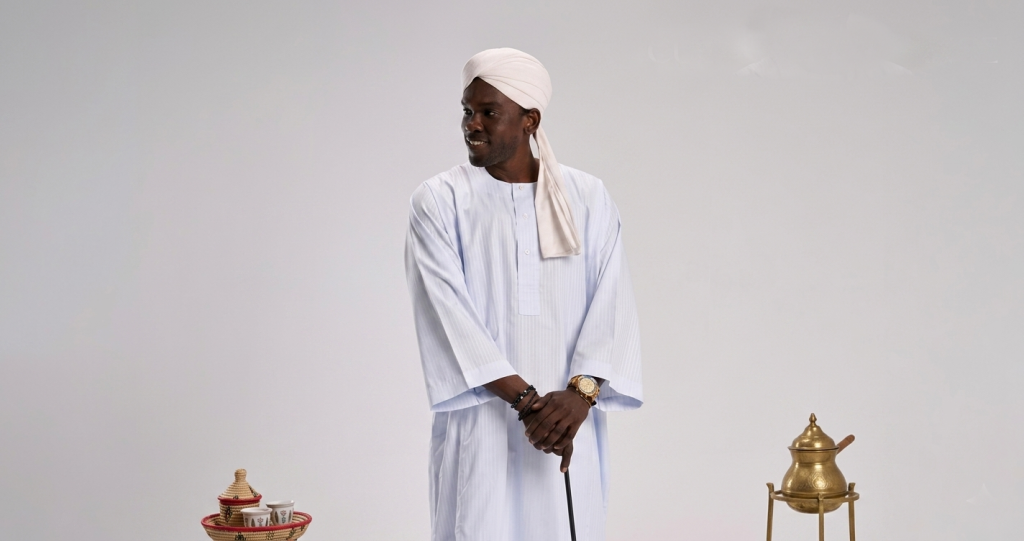
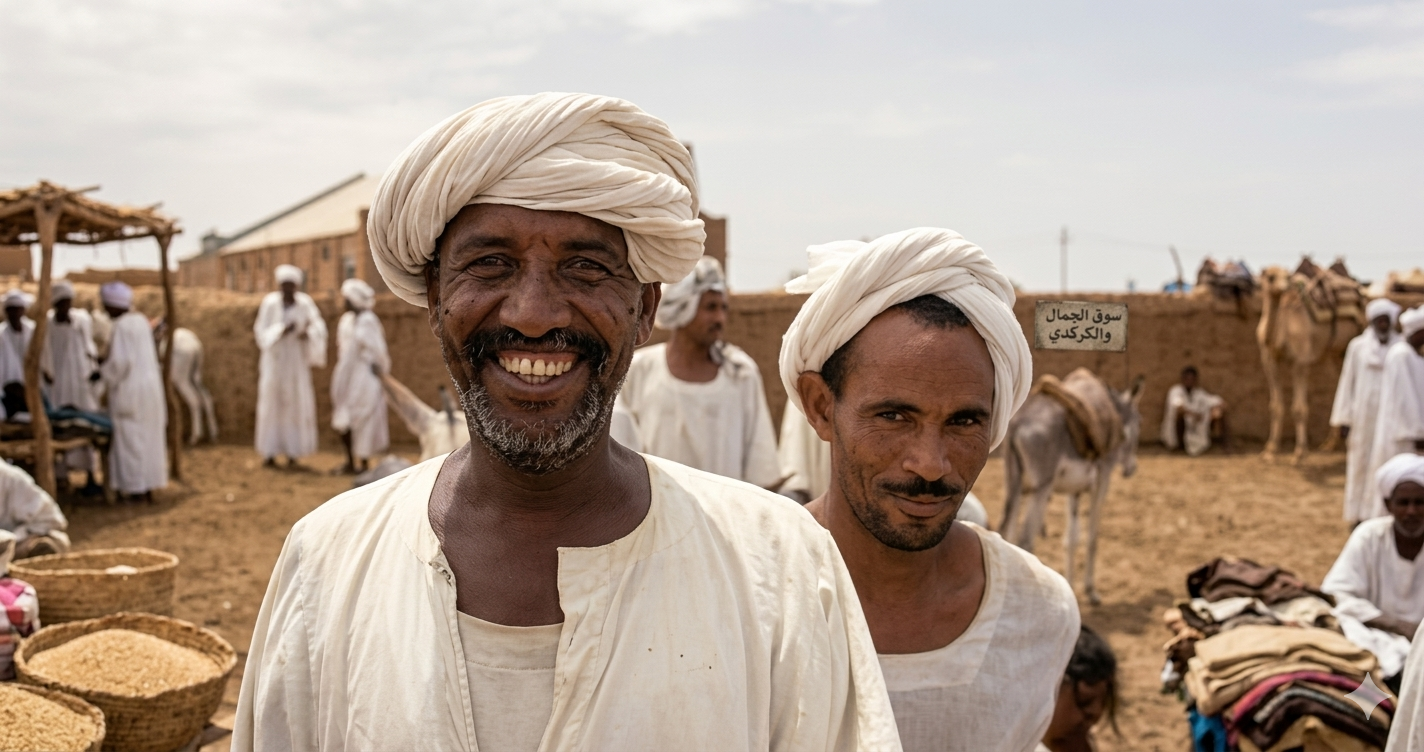
Many Sudanese men traditionally wear:
- Jalabiyas
- Flowing robes
- Turbans
- White cotton garments
- Embroidered caps
These garments evolved for practical adaptation to heat, sunlight, and desert conditions while also reflecting Islamic traditions emphasizing modesty and cleanliness.
White fabrics became especially valued because they reflect sunlight and remain cooler in hot climates.
Nubian civilization profoundly shaped Sudanese beauty and adornment traditions.
The ancient Nubian kingdoms of Kush and other Nile civilizations preserved highly sophisticated traditions involving:
- Gold jewellery
- Beadwork
- Braided hairstyles
- Textile decoration
- Ceremonial adornment
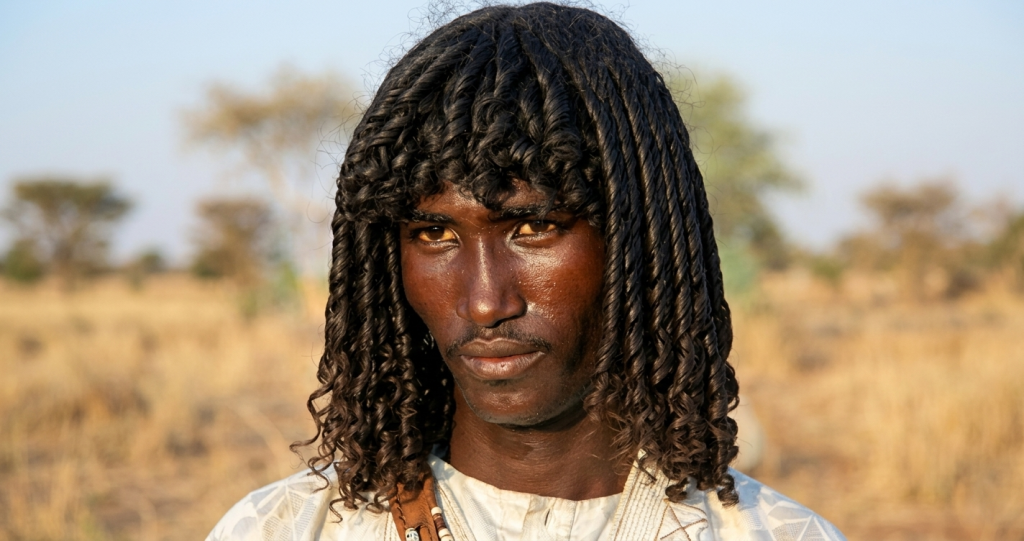
Gold held enormous symbolic importance in Nubian culture and historically represented:
- Wealth
- Royal authority
- Spiritual power
- Heritage
- Prestige
Nubian jewellery traditions became influential across neighbouring Nile civilizations for centuries.
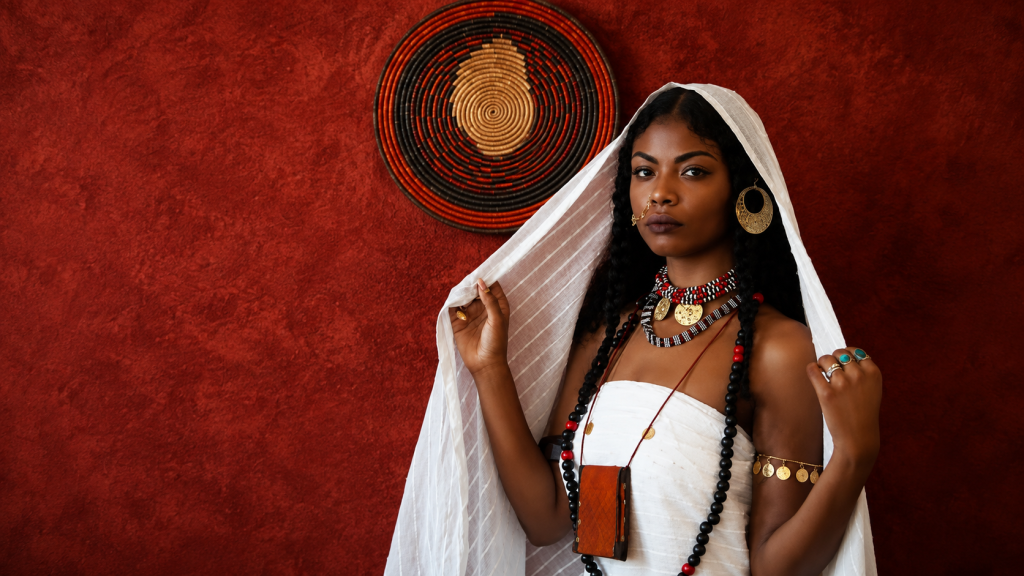
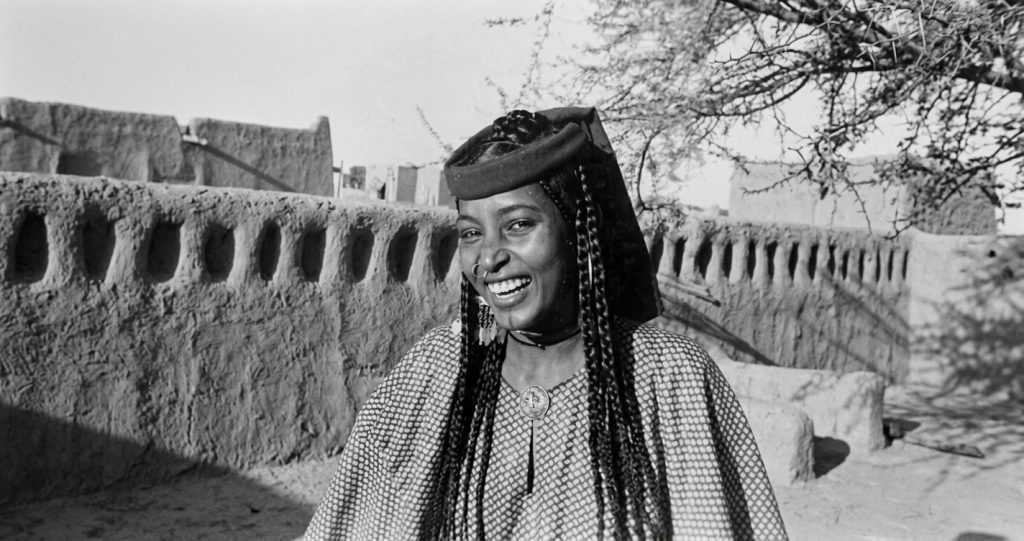
Hair traditions throughout Sudan historically emphasized grooming, braiding, and perfumed beauty culture.
Haircare traditions often included:
- Braiding
- Scented oils
- Henna treatments
- Decorative adornments
- Perfumed smoke rituals
Women commonly used natural oils and fragrances to maintain hair in Sudan’s dry climate.
Hair styling frequently functioned as both personal artistry and communal social activity.
Henna became especially important in Sudanese ceremonial life.
Henna traditions were widely used during:
- Weddings
- Religious celebrations
- Family ceremonies
- Bridal preparation rituals
Intricate henna patterns decorated:
- Hands
- Feet
- Occasionally hair
- Ceremonial accessories
One of the most fascinating aspects of Sudanese beauty culture involves perfume traditions.
Sudanese bridal beauty rituals historically involved elaborate fragrance ceremonies using:
- Incense
- Aromatic woods
- Scented smoke
- Oils
- Traditional perfumes
Women sometimes sat over perfumed smoke baths known in some traditions as dukhan, which scented the skin, clothing, and hair.
These rituals symbolized:
- Beauty
- Purification
- Preparation for marriage
- Sensual refinement
- Hospitality
Sudanese perfume culture became highly respected throughout the region.
Islamic scholarship also strongly shaped Sudanese fashion history.
For centuries, Sudan became an important centre of Islamic learning and Sufi religious traditions.
This influenced:
- Modest dress
- Turban culture
- Robe styles
- Textile aesthetics
- Ceremonial attire
Yet Sudanese communities blended these influences with older African and Nubian traditions, creating distinctly Sudanese forms of elegance.
Modern Sudanese fashion now combines:
- Gulf Arab modest fashion
- African textile aesthetics
- Contemporary tailoring
- Luxury fabrics
- Diaspora fashion influence
- Afro-modern design
The city of Khartoum developed an increasingly vibrant fashion and beauty culture before recent conflicts, especially in:
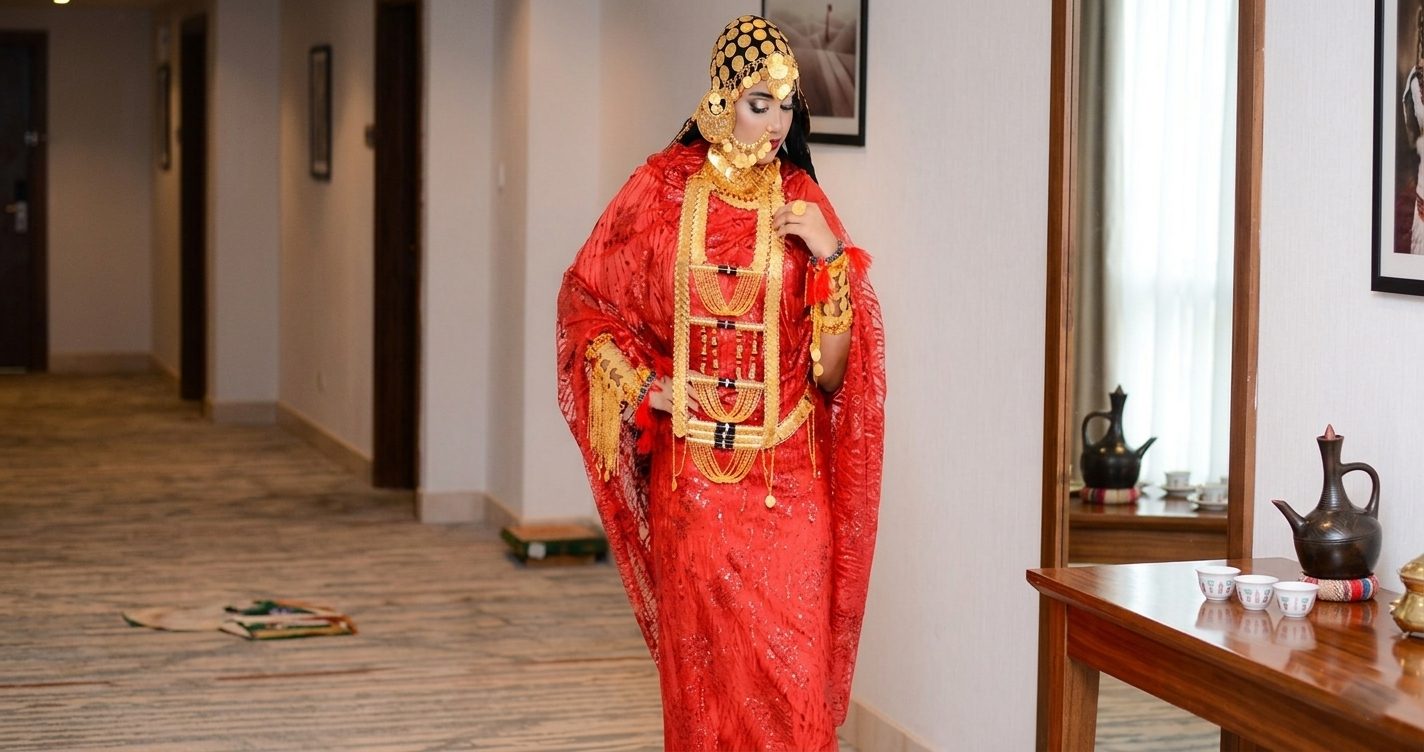
- Bridal fashion
- Modest couture
- Beauty entrepreneurship
- Perfume industries
- Afro-Arab luxury aesthetics
Sudanese diaspora communities also helped spread Sudanese beauty traditions internationally through fashion, music, social media, and contemporary design.
FASCINATING LESSER-KNOWN FACTS ABOUT SUDANESE FASHION AND HAIR
- Sudan possesses some of Africa’s oldest perfume and incense beauty traditions.
- The tobe became a symbol of sophistication and feminine elegance.
- Nubian gold jewellery traditions influenced neighbouring civilizations for centuries.
- Bridal smoke-perfume rituals remain culturally important in many Sudanese communities.
- White garments evolved partly for practical adaptation to extreme heat.
- Sudanese fashion blends Arab, African, and ancient Nubian influences simultaneously.
- Henna traditions hold deep ceremonial and spiritual significance.
- Braided hairstyles historically symbolized beauty and cultural continuity.
- Ancient Nile civilizations helped shape Sudanese beauty culture over thousands of years.
SOURCES
Edwards, D. N. (2004). The Nubian Past: An Archaeology of the Sudan. London, England: Routledge.
Boddy, J. (1989). Wombs and Alien Spirits: Women, Men, and the Zar Cult in Northern Sudan. Madison, WI: University of Wisconsin Press.
Eicher, J. B., & Ross, D. A. (1992). Dress and Identity. New York, NY: Fairchild Publications.
Rovine, V. L. (2015). African Fashion, Global Style: Histories, Innovations, and Ideas You Can Wear. Bloomington, IN: Indiana University Press.
Lobban, R. A. (2004). Historical Dictionary of the Sudan. Lanham, MD: Scarecrow Press.
Picton, J., & Mack, J. (1989). African Textiles. London, England: British Museum Press.