
SOUTH SUDAN- CATTLE CULTURE, SCULPTURAL HAIRSTYLES, AND NILOTIC BODY ART TRADITIONS
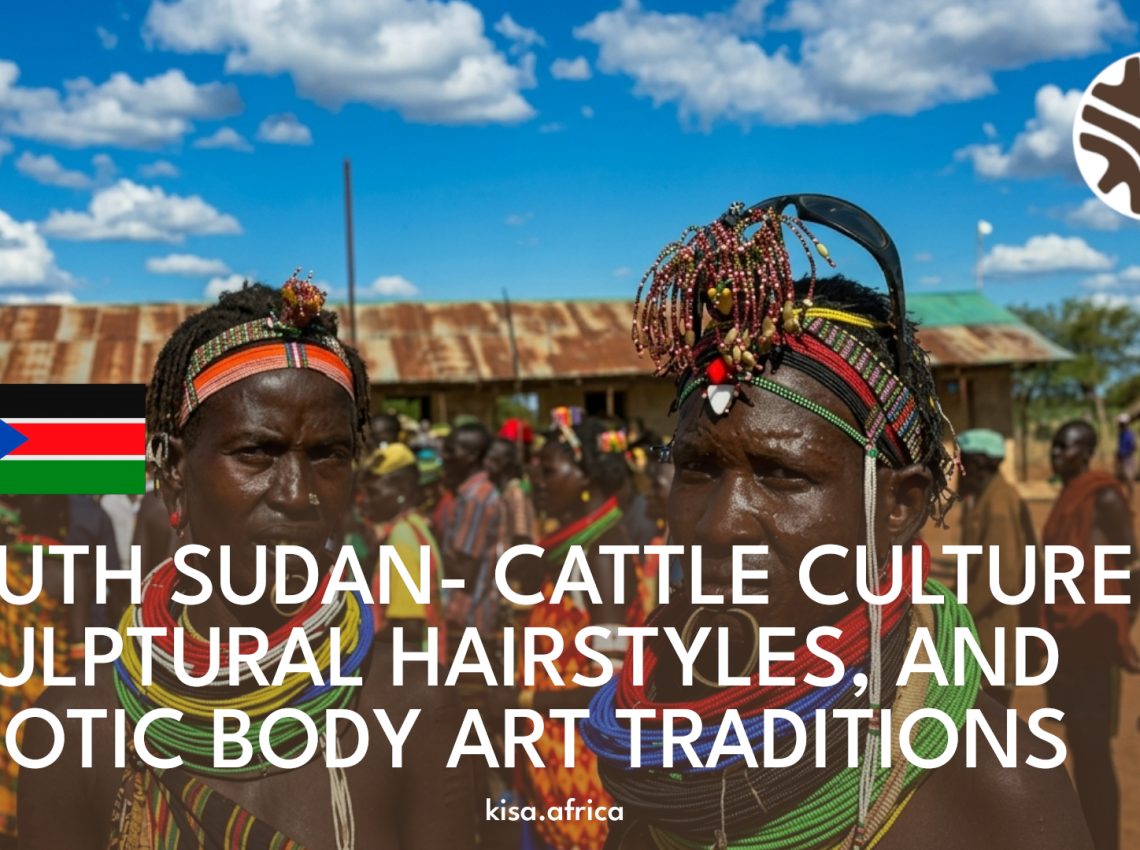
The fashion and beauty traditions of South Sudan reflect the rich cultural heritage of Nilotic pastoral societies including the Dinka, Nuer, Shilluk, Bari, Mundari, and many other communities. South Sudan possesses some of Africa’s most visually striking traditions of body decoration, hair artistry, scarification, and ceremonial adornment.
Historically, fashion in South Sudan developed around:
- Pastoral cattle culture
- Hot tropical climates
- Community identity
- Spiritual traditions
- Ceremonial life
- Age-grade systems
- Warrior culture
Unlike societies where textiles dominated appearance traditions, many South Sudanese communities historically emphasized the human body itself as a major artistic and cultural canvas.
Body decoration became one of the most important systems of identity and visual communication.
Before imported fabrics became widespread, communities used:
- Scarification
- Beadwork
- Ochre application
- Ash decoration
- Hairstyles
- Jewellery
- Body painting
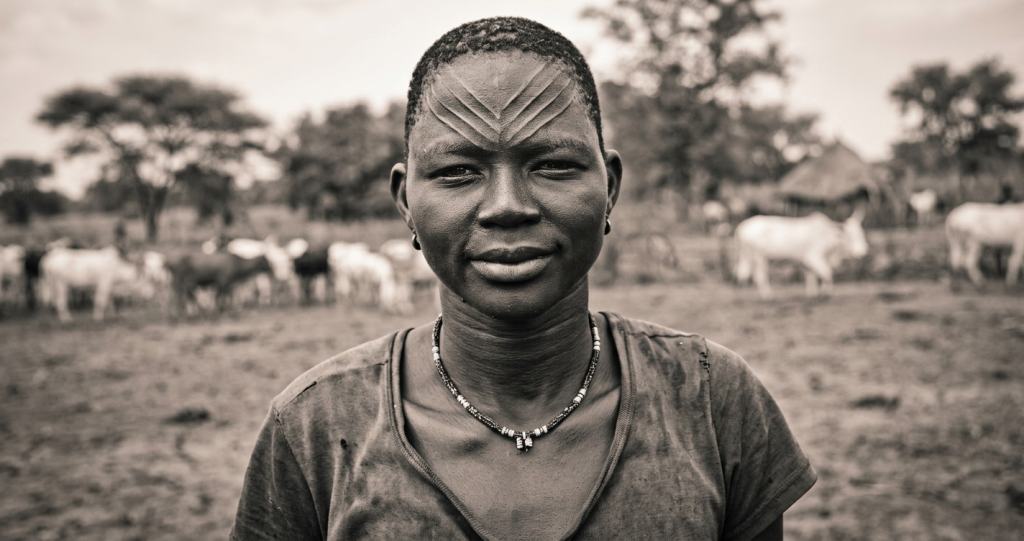
These artistic systems communicated:
- Age
- Clan identity
- Courage
- Beauty
- Spiritual belonging
- Marital status
- Readiness for adulthood
Body aesthetics often reflected ideals of endurance, discipline, maturity, and connection to cattle-cantered life.
Scarification traditions held especially deep significance in several Nilotic societies.
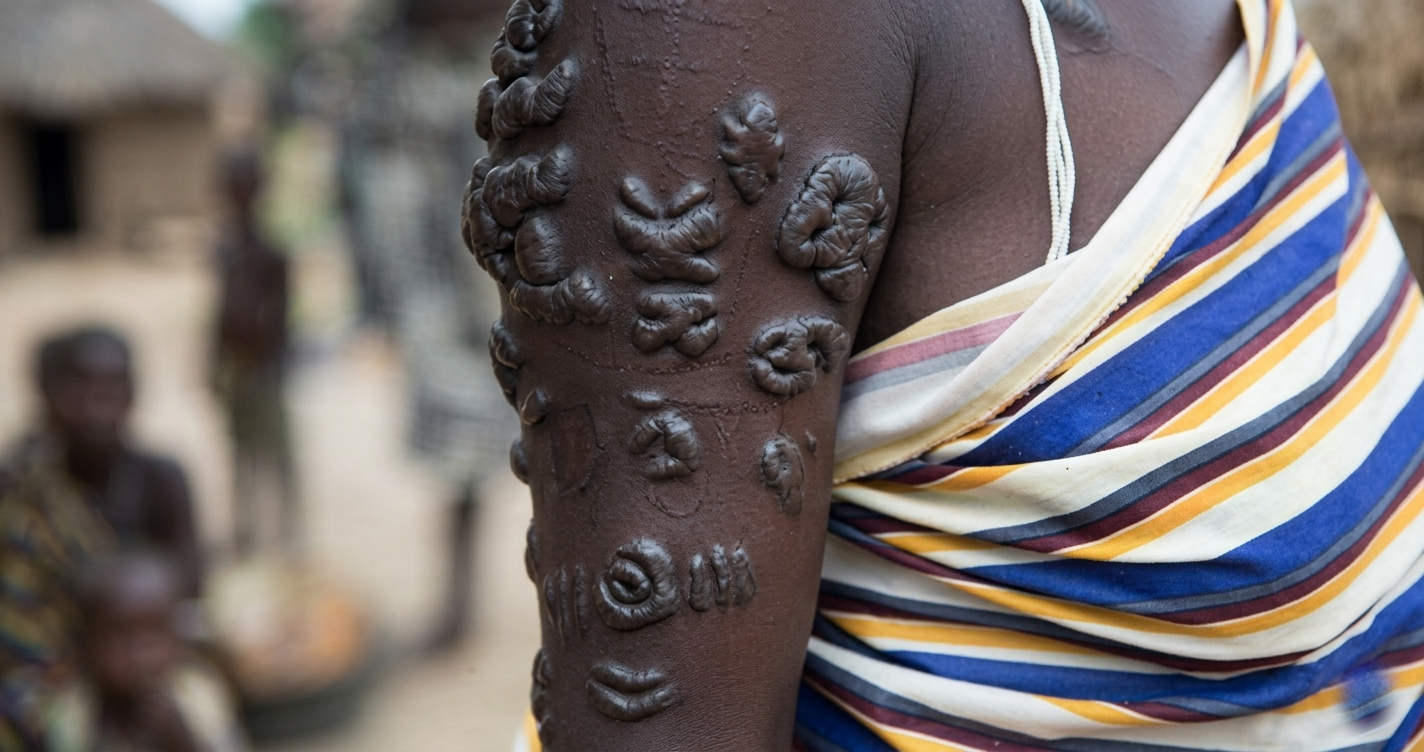
Among some communities, scar patterns marked major life transitions and initiation into adulthood.
These markings symbolized:
- Responsibility
- Bravery
- Community membership
- Social maturity
- Spiritual identity
The process itself often demonstrated endurance and courage, qualities highly valued in pastoral warrior cultures.
Hair traditions in South Sudan became internationally recognized for their sculptural artistry.
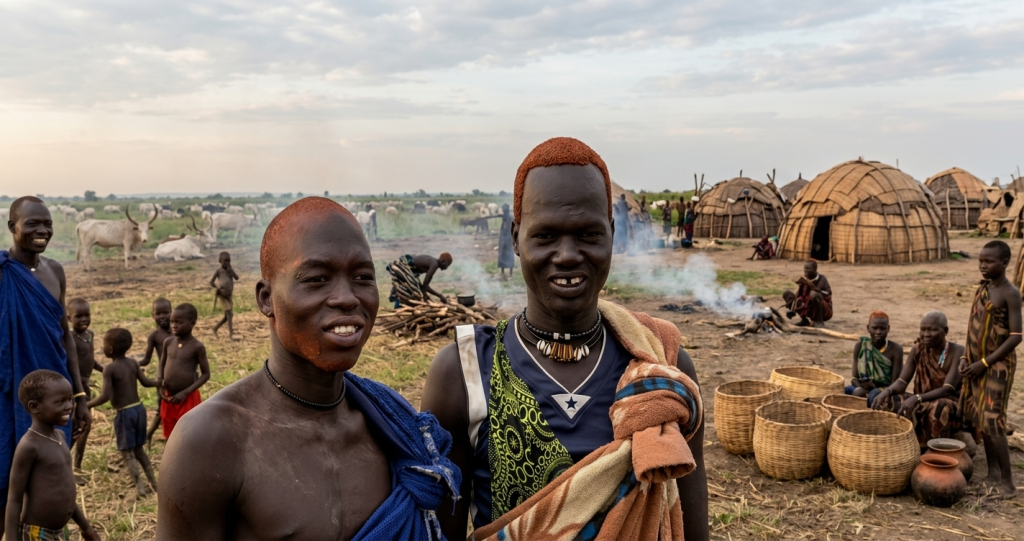
Dinka and Mundari communities especially developed highly sophisticated hairstyles involving:
- Intricate shaving patterns
- Sculptural shaping
- Ash application
- Ochre treatments
- Carefully designed contours
Some hairstyles required extensive time and skill to create.
Hair often communicated:
- Age-group status
- Readiness for marriage
- Warrior identity
- Social maturity
- Community belonging
Cattle culture strongly influenced beauty ideals and appearance traditions.
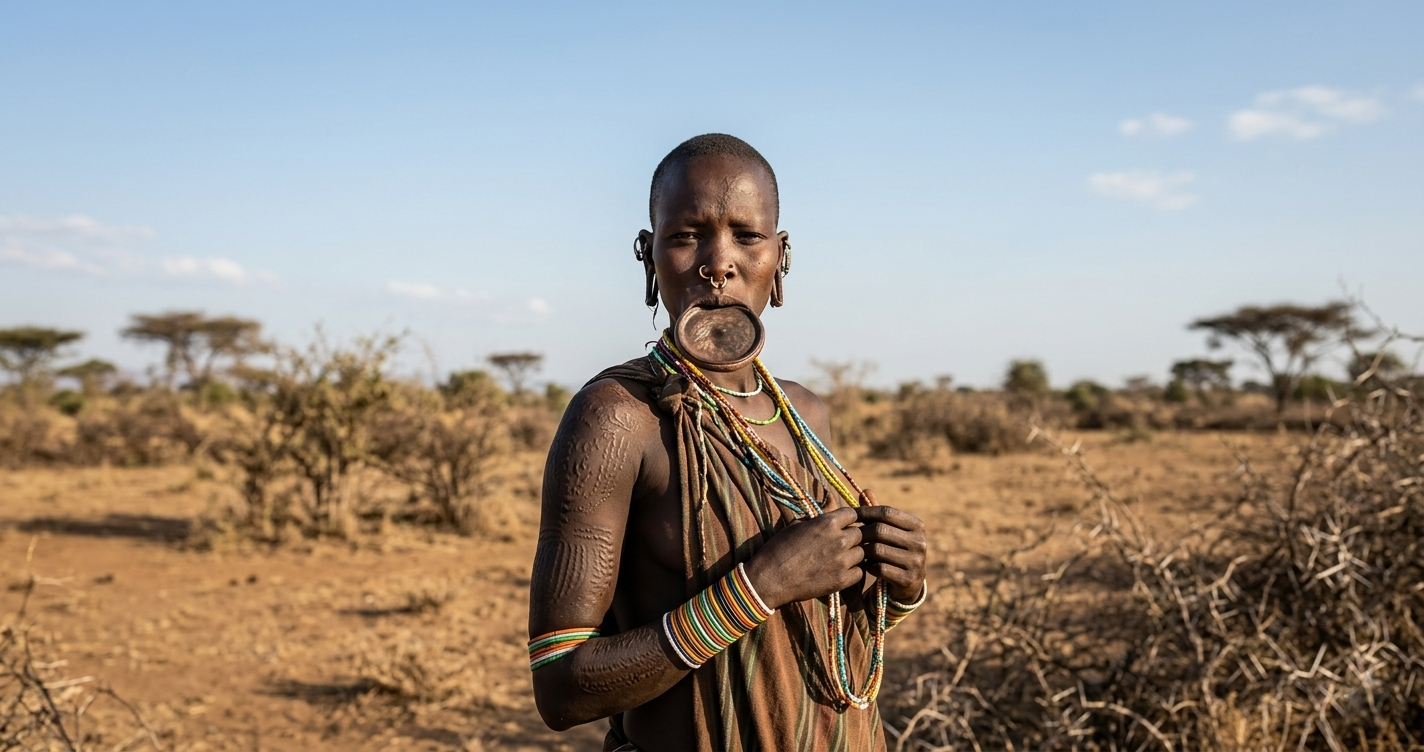
In many South Sudanese societies, cattle are not merely economic resources; they symbolize:
- Wealth
- Spiritual connection
- Family identity
- Social prestige
- Marriage alliances
- Poetry and song traditions
This influence extended into fashion and grooming practices.
Ash from cattle camps was frequently used in hairstyling and body decoration.
Ash served several practical and symbolic purposes:
- Protection from insects
- Skin preservation
- Sun protection
- Aesthetic enhancement
- Ritual symbolism
Ochre and ash mixtures also created visually dramatic appearances connected to ideals of beauty, endurance, and pastoral identity.
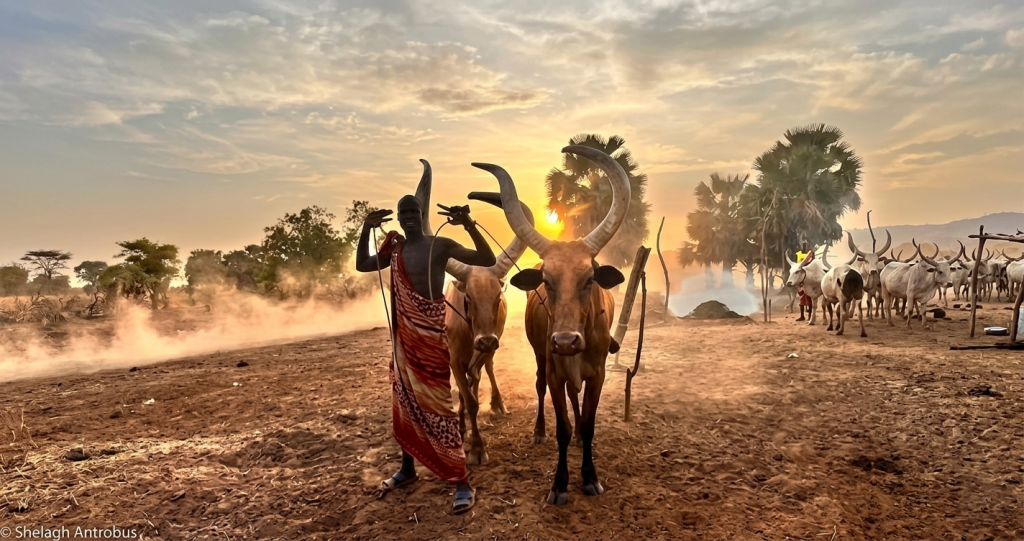
Cattle imagery became deeply embedded in:
- Hairstyles
- Songs
- Poetry
- Dance
- Ceremonial identity
Some hairstyles were even shaped to resemble cattle horns or reflect admired cattle characteristics.
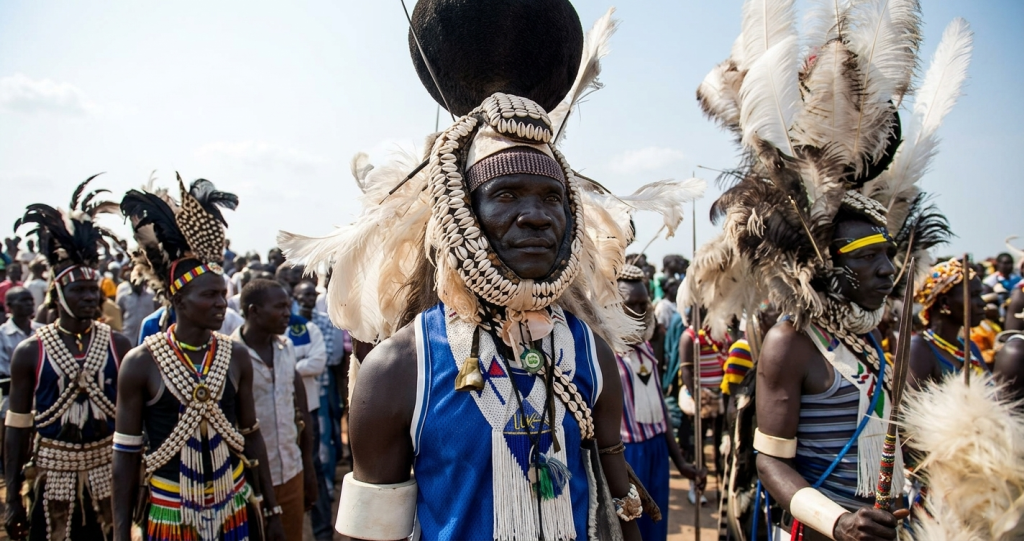
Ceremonial attire historically varied between communities but often included:
- Beaded ornaments
- Leather garments
- Decorative belts
- Feather adornments
- Body paint
- Shell jewellery
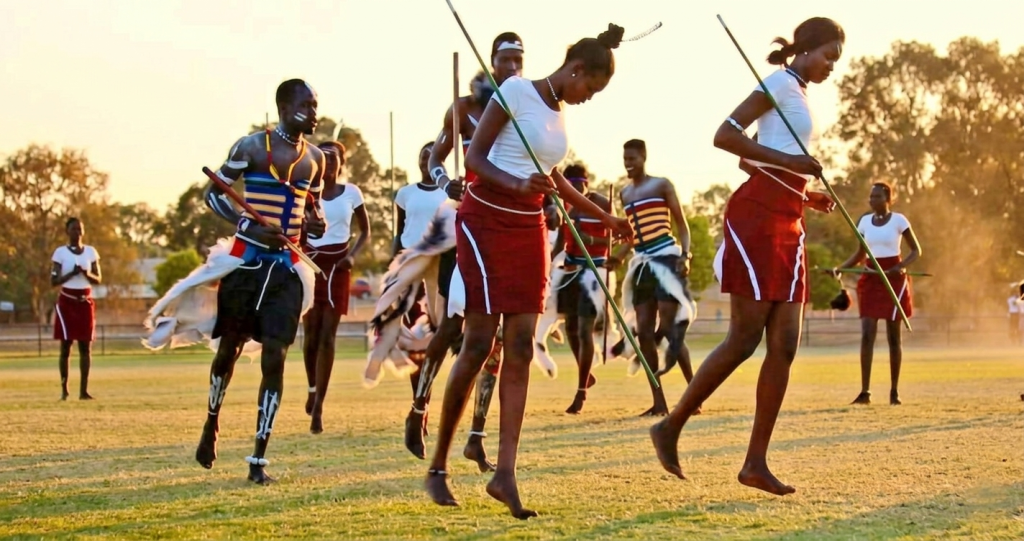
Adornment became especially important during:
- Weddings
- Initiation ceremonies
- Cattle rituals
- Dance performances
- Community gatherings
Colonialism, civil wars, displacement, and modern borders disrupted many traditional cultural systems across South Sudan.
However, ceremonial dress and traditional beauty practices remain culturally significant despite these disruptions.
Modern South Sudanese fashion increasingly blends traditional symbolism with urban global aesthetics.
Young South Sudanese artists, designers, and diaspora communities now combine:
- Streetwear
- Contemporary tailoring
- Beadwork traditions
- Natural hairstyles
- Nilotic symbolism
- Global Afro-fashion influences
Diaspora communities in East Africa, Europe, Australia, and North America helped introduce South Sudanese beauty aesthetics to broader international audiences.
South Sudanese models, photographers, and creatives became especially influential in global fashion industries because of the striking visual aesthetics associated with Nilotic beauty traditions.
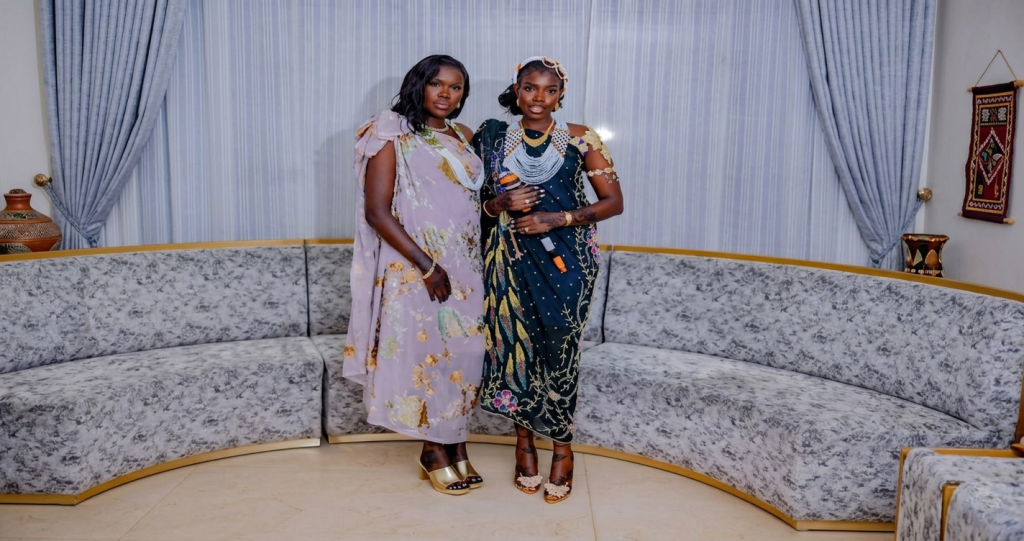
Today, modern South Sudanese fashion reflects both cultural preservation and contemporary reinvention.
FASCINATING LESSER-KNOWN FACTS ABOUT SOUTH SUDANESE FASHION AND HAIR
- Many South Sudanese societies historically viewed the body itself as a major artistic canvas.
- Hairstyles sometimes reflected cattle imagery and horn shapes.
- Ash from cattle camps was commonly used for hairstyling and body decoration.
- Scarification traditions often marked transition into adulthood and social responsibility.
- Cattle culture influenced songs, poetry, hairstyles, and concepts of beauty.
- Sculptural hairstyles required advanced skill and long preparation times.
- Body decoration often communicated clan identity and spiritual belonging.
- South Sudanese diaspora communities helped popularize Nilotic beauty aesthetics internationally.
- Ceremonial beadwork and adornment remain central during weddings and cultural dances.
SOURCES
Beswick, S. F. (2004). Sudan’s Blood Memory: The Legacy of War, Ethnicity, and Slavery in South Sudan. Rochester, NY: University of Rochester Press.
Evans-Pritchard, E. E. (1940). The Nuer: A Description of the Modes of Livelihood and Political Institutions of a Nilotic People. Oxford, England: Clarendon Press.
Deng, F. M. (1972). The Dinka of the Sudan. New York, NY: Holt, Rinehart and Winston.
Eicher, J. B., & Ross, D. A. (1992). Dress and Identity. New York, NY: Fairchild Publications.
Rovine, V. L. (2015). African Fashion, Global Style: Histories, Innovations, and Ideas You Can Wear. Bloomington, IN: Indiana University Press.
Llewellyn-Jones, R. (2006). African Body Adornment. London, England: British Museum Press.