

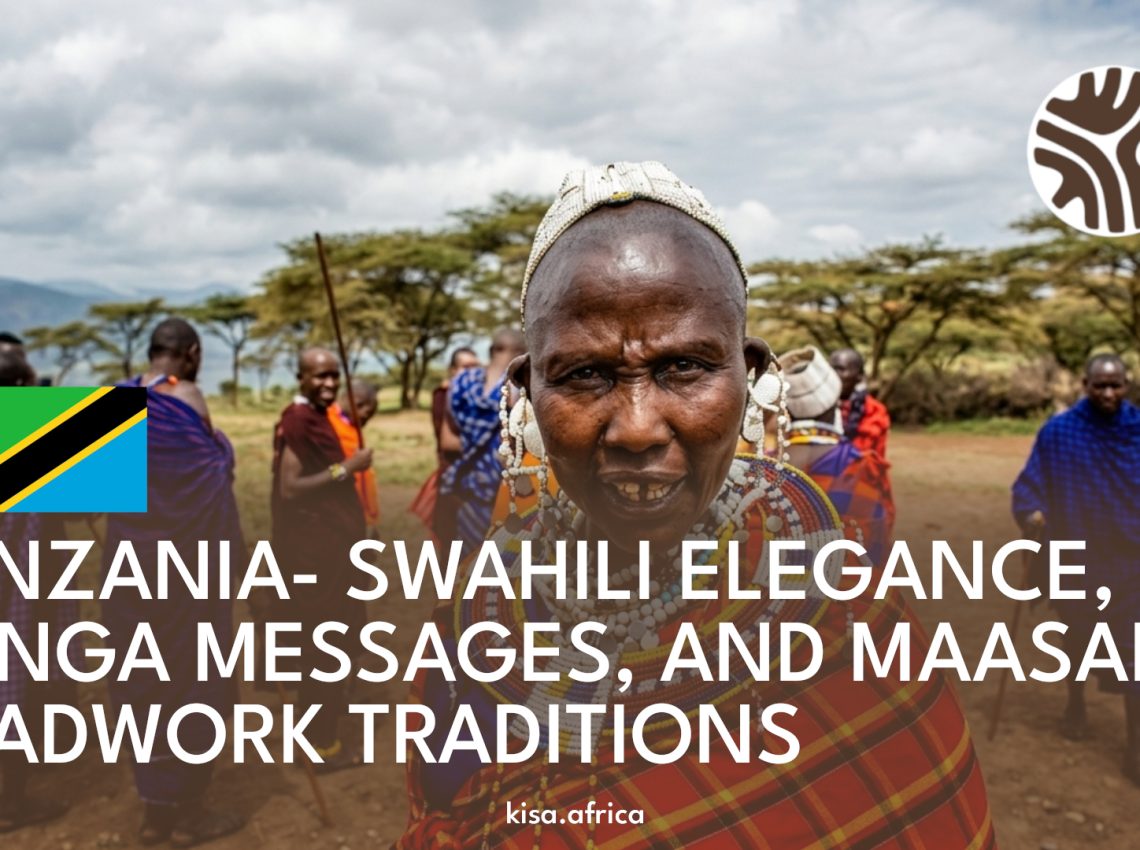
TANZANIA- SWAHILI ELEGANCE, KANGA MESSAGES, AND MAASAI BEADWORK TRADITIONS
The fashion traditions of Tanzania reflect one of East Africa’s richest cultural crossroads. Tanzania’s clothing and hair traditions developed through the interaction of Swahili coastal civilization, Maasai pastoral culture, inland agricultural societies, Arab and Indian Ocean trade networks, and later German and British colonial influence.
Because Tanzania sits along the Indian Ocean and contains dozens of ethnic communities, its fashion history became extraordinarily diverse.
Traditional Tanzanian aesthetics were shaped by:
- Trade and migration
- Climate adaptation
- Spiritual traditions
- Social identity
- Pastoralism
- Coastal cosmopolitanism
- Textile craftsmanship
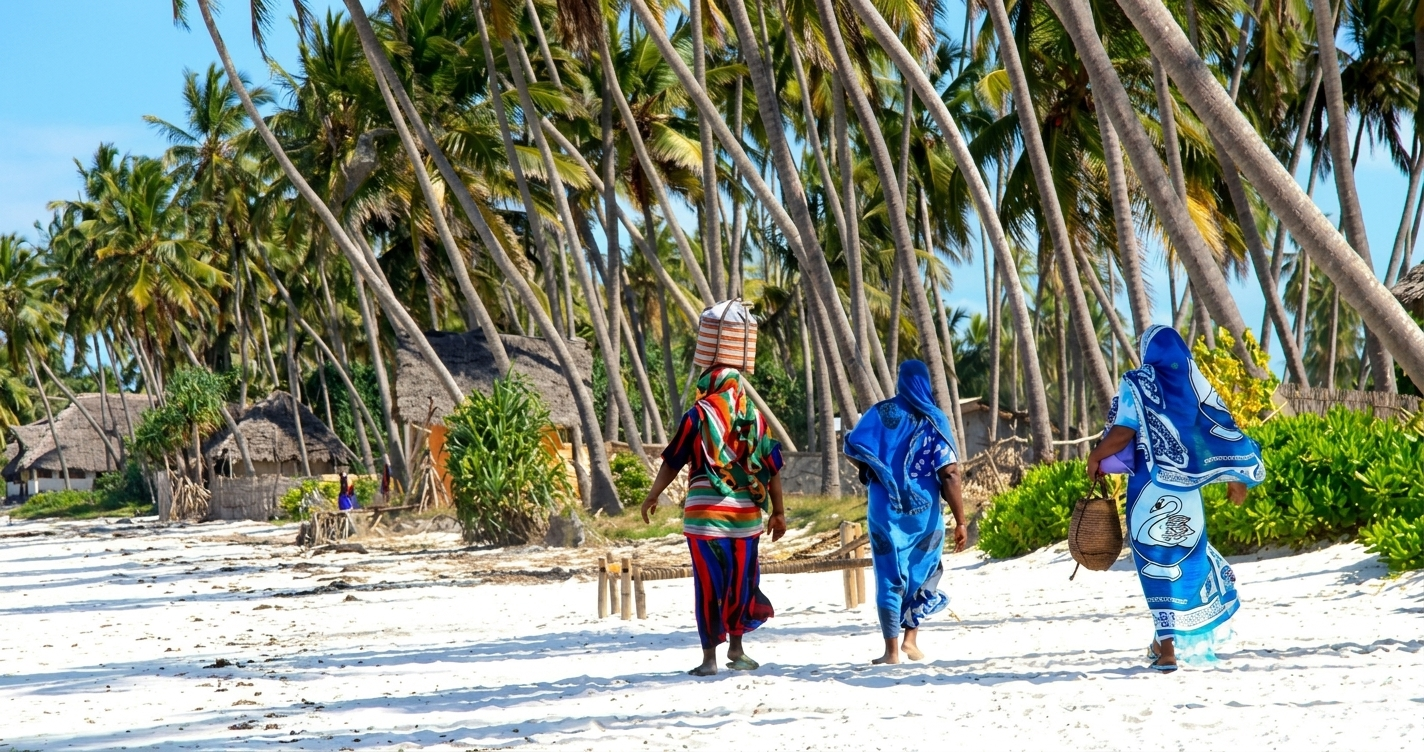
Among Tanzania’s most internationally recognized fashion traditions are kanga and kitenge fabrics.
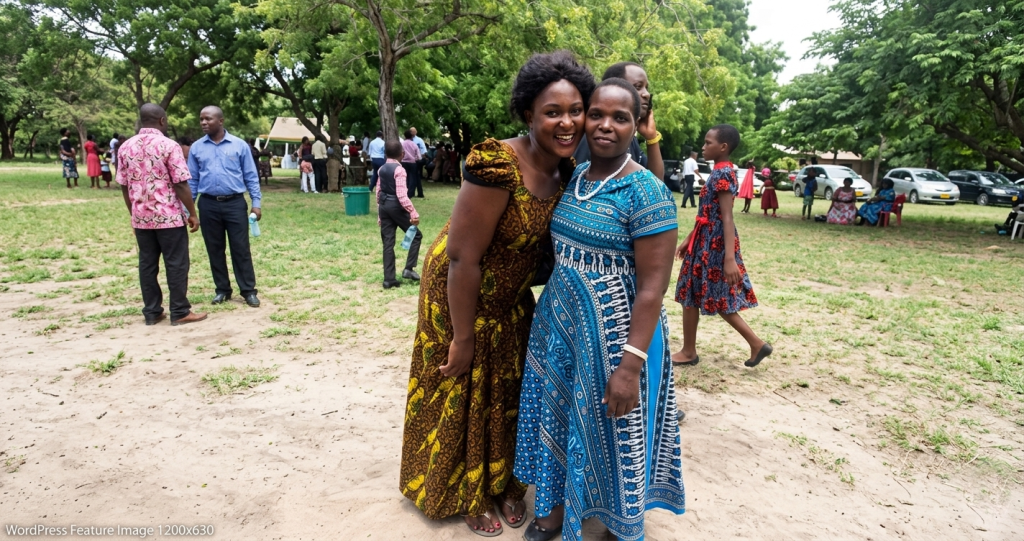
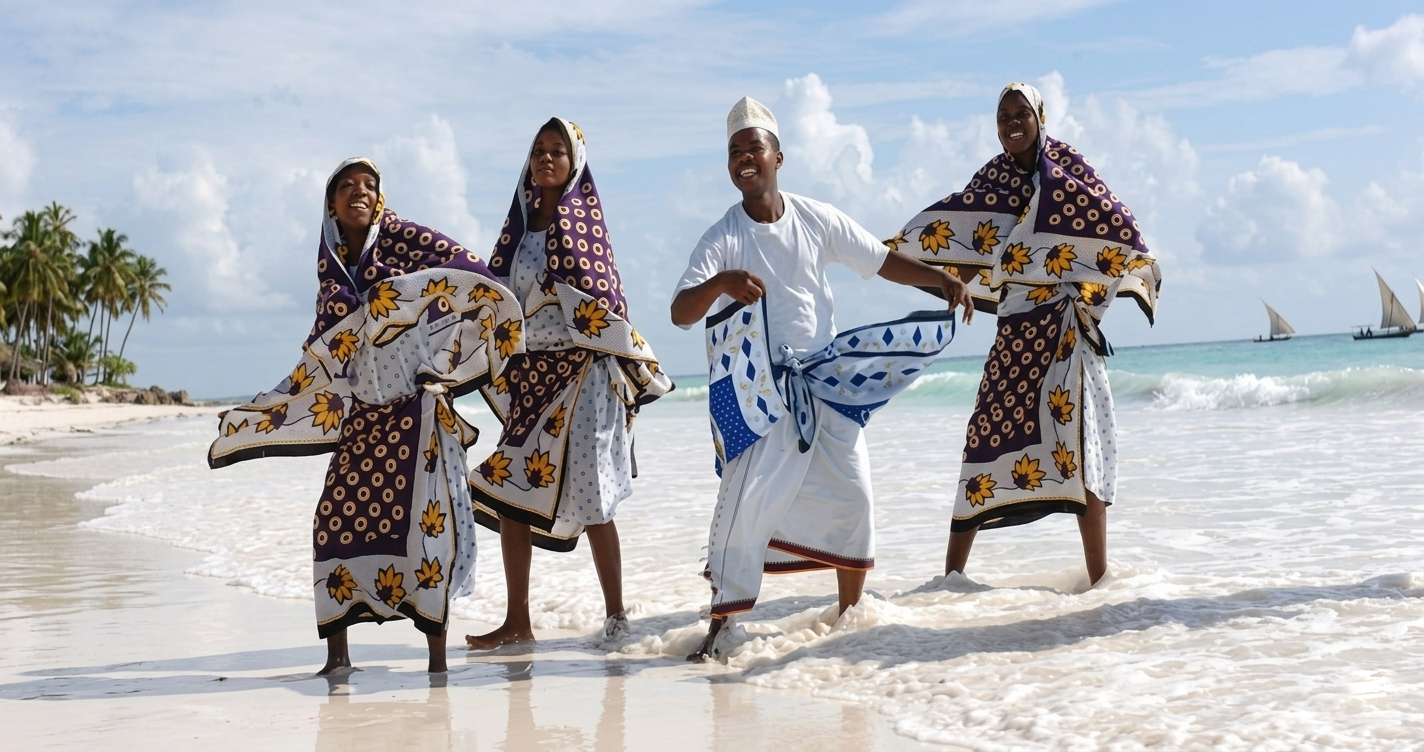
The kanga became one of the most culturally important garments in East Africa.
A kanga is a lightweight rectangular cloth traditionally worn by women as:
- A wrap skirt
- Shawl
- Head covering
- Baby carrier
- Ceremonial garment
- Household textile
What makes kangas especially unique is that many contain printed Swahili sayings directly woven or printed onto the fabric.
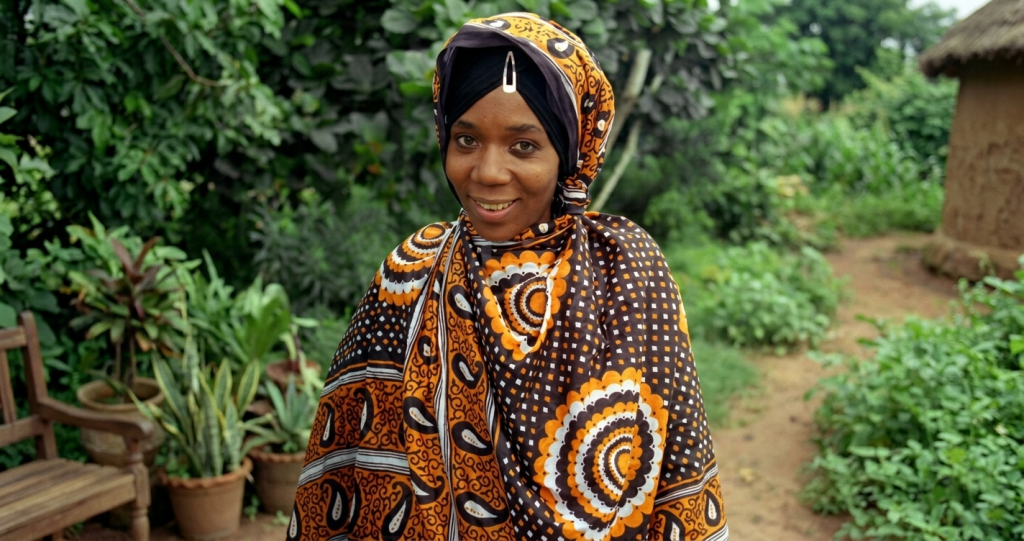
These sayings function almost like social communication systems.
Kanga messages may express:
- Advice
- Humour
- Warnings
- Love
- Jealousy
- Religious wisdom
- Social commentary
- Emotional frustration
In many communities, women historically used kanga sayings to communicate indirectly without public confrontation.
A person could send a social message simply through the cloth they chose to wear.
This made kangas not only fashion items but also cultural storytelling devices.
The visual design of kangas often includes:
- Floral motifs
- Geometric borders
- Bright colours
- Political imagery
- Religious phrases
- Symbolic patterns
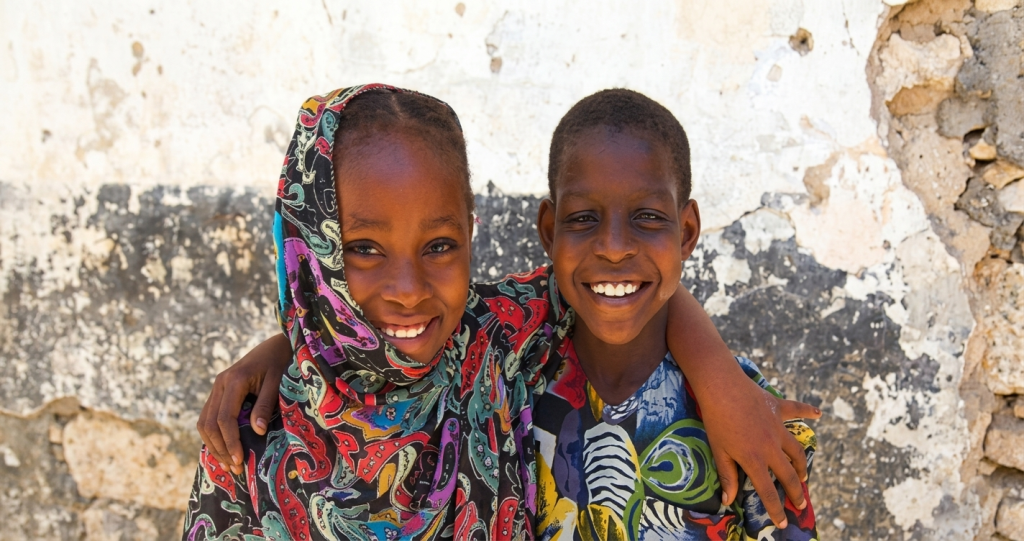
Swahili coastal civilization strongly influenced Tanzanian fashion.
For centuries, Swahili city-states along the East African coast connected Tanzania to:
- Arabia
- Persia
- India
- China
- The broader Indian Ocean world
These trade networks introduced:
- Luxury fabrics
- Embroidery styles
- Perfumes
- Jewellery traditions
- Islamic modest fashion
- Tailoring techniques
Cities such as Zanzibar City became major cultural and commercial centres where African and Indian Ocean aesthetics blended into sophisticated Swahili fashion traditions.
Swahili women historically emphasized elegance through:
- Flowing garments
- Headscarves
- Layered fabrics
- Scented oils
- Jewellery
- Intricate braiding
Perfumed hair oils became especially important in coastal beauty culture.
Hair traditions across Tanzania vary enormously between ethnic groups.
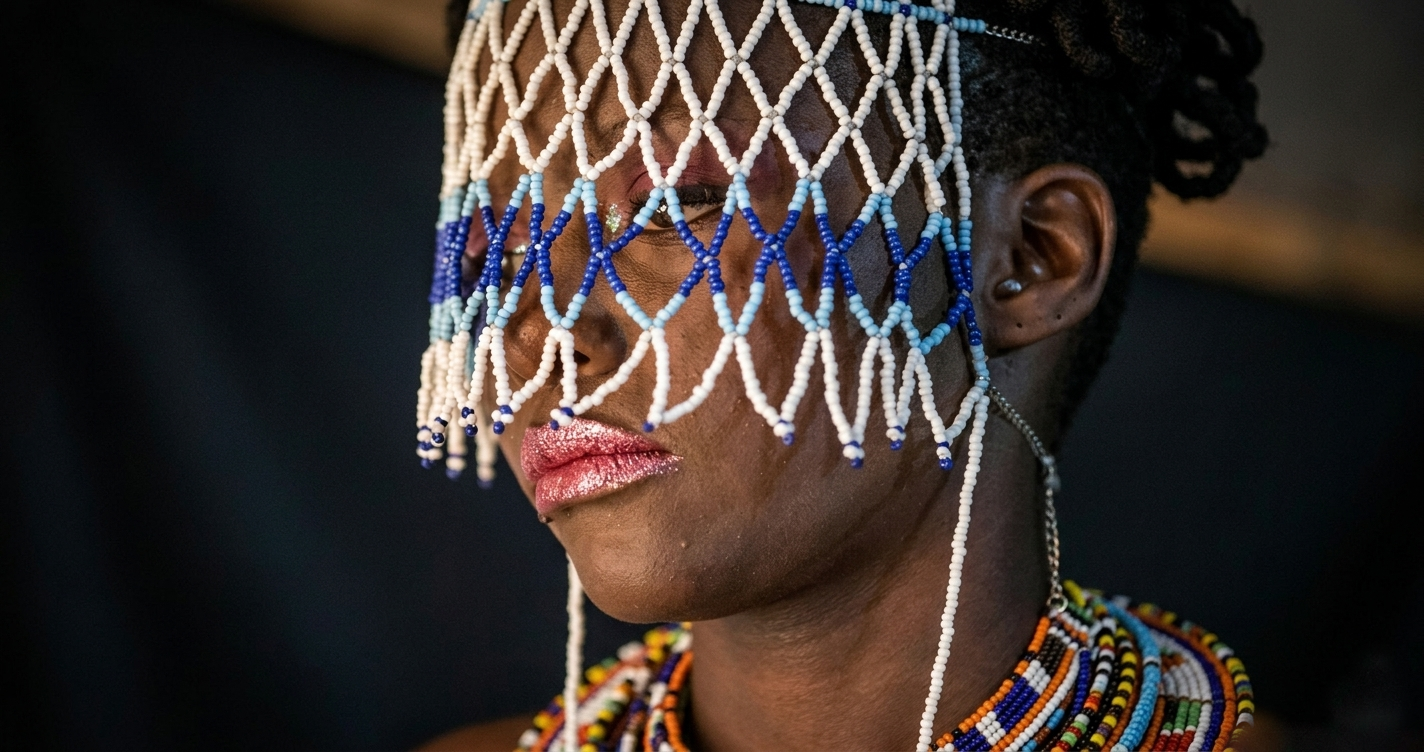
Swahili communities historically valued:
- Braiding artistry
- Perfumed hair care
- Protective styling
- Decorative adornment
Natural oils and fragrances helped protect hair from coastal humidity and heat.
Meanwhile, inland communities developed entirely different appearance traditions adapted to pastoral or agricultural lifestyles.
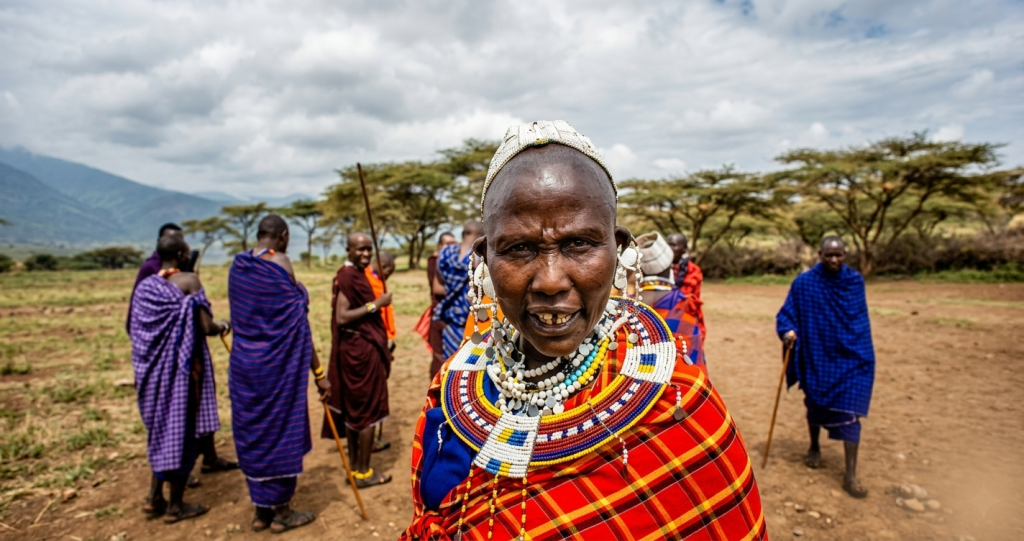
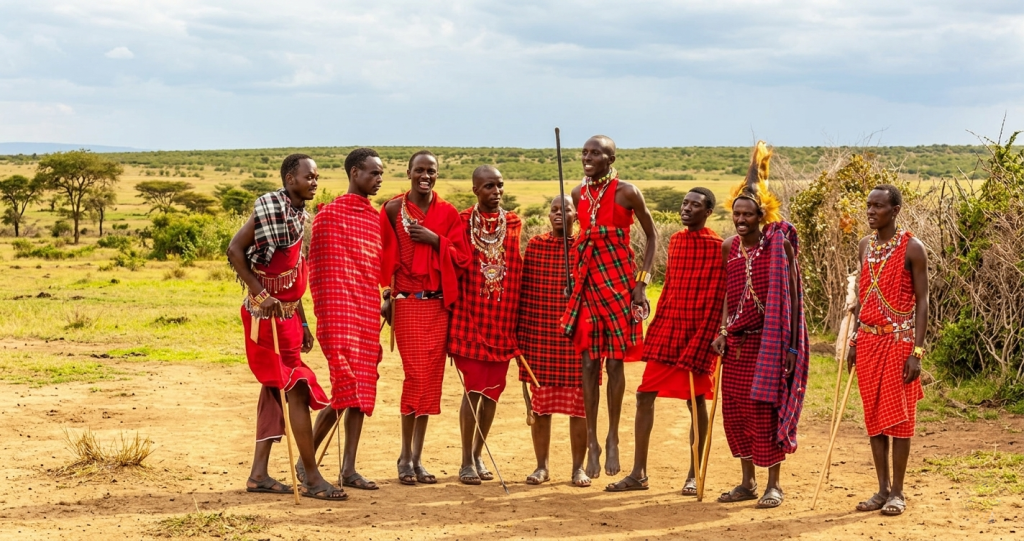
The Maasai of northern Tanzania became globally recognized for their vibrant beadwork traditions.
Shared with neighbouring Kenya, Maasai fashion traditions emphasize:
- Red Shuka’s
- Elaborate bead jewellery
- Sandals
- Layered adornment
- Symbolic colour systems
Each bead colour traditionally carried meaning:
- Red symbolized bravery and unity
- Blue represented the sky and rain
- White symbolized purity and cattle
- Green represented land and health
Jewellery patterns historically communicated:
- Age-set identity
- Marital status
- Social achievement
- Spiritual belonging
The Datoga people also became known for highly distinctive adornment traditions involving:
- Brass jewellery
- Leather garments
- Decorative scarification
- Sculptural hairstyles
Meanwhile, the Hadza, one of the world’s last hunter-gatherer societies, preserved highly practical appearance traditions adapted to mobile lifestyles.
Colonialism later introduced European tailoring and imported textiles into Tanzania.
German and British rule influenced:
- School uniforms
- Missionary dress standards
- Formal tailoring
- Urban clothing culture
However, Tanzanians transformed imported fabrics into distinctly African forms of fashion expression.
Modern Tanzania now possesses a vibrant fashion industry cantered especially in Dar es Salaam.
Contemporary Tanzanian designers increasingly blend:
- Swahili aesthetics
- Kanga fabrics
- Modern tailoring
- Sustainable textiles
- Afro-modern couture
- International runway influences
Fashion industries connected to music, film, and social media helped popularize Tanzanian style across East Africa and the global diaspora.
Natural hair movements, Afro-fusion fashion, and cultural revival projects also became increasingly influential among younger generations.
FASCINATING LESSER-KNOWN FACTS ABOUT TANZANIAN FASHION AND HAIR
- Kangas often function like wearable social messages or indirect conversation.
- Swahili coastal fashion connected East Africa to Indian Ocean luxury trade for centuries.
- Some kanga sayings subtly communicate criticism, gossip, or emotional frustration.
- Maasai beadwork historically communicated detailed social information.
- Perfumed hair oils became central to Swahili beauty culture.
- Zanzibar developed one of East Africa’s most cosmopolitan fashion traditions.
- Kanga cloth can serve simultaneously as fashion, communication, and cultural storytelling.
- Tanzanian fashion blends African, Arab, Persian, and Indian influences.
- Traditional textiles remain deeply important even within modern urban fashion scenes.
SOURCES
Prestholdt, J. (2008). Domesticating the World: African Consumerism and the Genealogies of Globalization. Berkeley, CA: University of California Press.
Allman, J. (2004). Fashioning Africa: Power and the Politics of Dress. Bloomington, IN: Indiana University Press.
Eicher, J. B., & Ross, D. A. (1992). Dress and Identity. New York, NY: Fairchild Publications.
Glassman, J. (1995). Feasts and Riot: Revelry, Rebellion, and Popular Consciousness on the Swahili Coast, 1856–1888. Portsmouth, NH: Heinemann.
Rovine, V. L. (2015). African Fashion, Global Style: Histories, Innovations, and Ideas You Can Wear. Bloomington, IN: Indiana University Press.
Picton, J., & Mack, J. (1989). African Textiles. London, England: British Museum Press.