
UGANDA- BARK CLOTH HERITAGE, GOMESI ELEGANCE, AND ROYAL KINGDOM FASHION TRADITIONS
The fashion traditions of Uganda reflect the cultural diversity of kingdoms, pastoral societies, agricultural communities, and regional trade networks that shaped the Great Lakes region for centuries. Uganda’s clothing and beauty traditions developed through the interaction of Baganda, Banyankole, Acholi, Basoga, Karimojong, Bunyoro, Tooro, and many other societies, each contributing distinct aesthetics and ceremonial practices.
Historically, Ugandan fashion reflected:
- Royal authority
- Community identity
- Spiritual traditions
- Climate adaptation
- Agricultural lifestyles
- Pastoral culture
- Ceremonial prestige
Clothing often communicated:
- Social rank
- Gender roles
- Marriage status
- Clan belonging
- Cultural identity
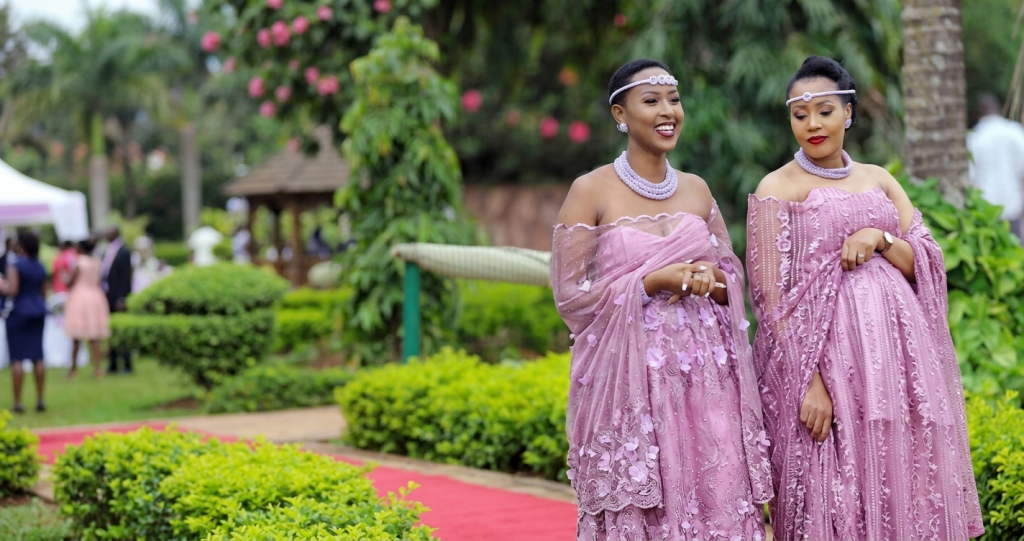
One of Uganda’s most internationally recognized garments is the gomesi.
The gomesi became especially associated with the kingdom of Buganda and later evolved into a national symbol of Ugandan femininity and elegance.
This brightly coloured dress is recognizable for its:
- Wide exaggerated shoulders
- Floor-length structure
- Sash tied around the waist
- Bold fabrics
- Dramatic silhouette
Although elements of the gomesi were influenced by Victorian missionary dress introduced during colonialism, Ugandan communities transformed the garment into something distinctly local and culturally meaningful.
The gomesi became associated with:
- Respectability
- Hospitality
- Formal ceremonies
- Weddings
- Religious celebrations
- Cultural pride
Women often wear gomesis during:
- Introduction ceremonies
- Traditional marriages
- Funerals
- Church services
- National celebrations
Fabric choice, tailoring quality, and accessories frequently communicate elegance and social prestige.
Uganda also possesses one of the world’s oldest continuously practiced bark-cloth traditions.
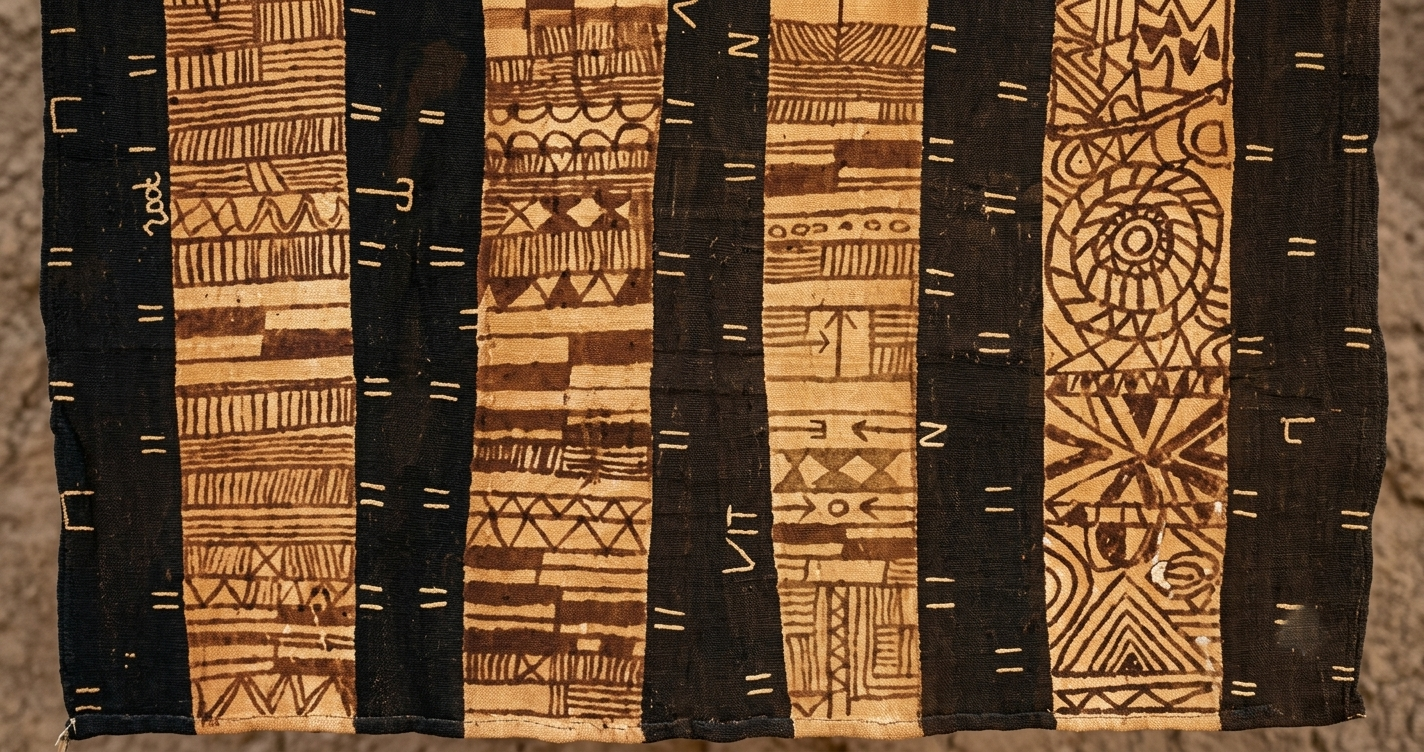
The Baganda people historically created cloth from the inner bark of the mutuba fig tree long before woven textiles became widespread in the region.
Artisans carefully harvested and softened the bark through beating techniques until it formed a flexible cloth.
Bark cloth held deep:
- Spiritual significance
- Ceremonial importance
- Royal symbolism
- Funerary value
Historically, bark cloth was used for:
- Royal garments
- Burial rituals
- Ceremonial attire
- Sacred cultural practices
Its rich reddish-brown colour became closely associated with Buganda cultural identity.
Uganda’s bark-cloth tradition became so historically important that it was recognized by UNESCO as Intangible Cultural Heritage.
Hair traditions across Uganda varied greatly between ethnic communities.
Traditional hairstyles historically included:
- Braiding
- Shaved patterns
- Sculptural forms
- Natural styling
- Ochre decoration
- Beaded adornment
Hair often communicated:
- Age
- Social maturity
- Beauty ideals
- Community belonging
- Readiness for marriage
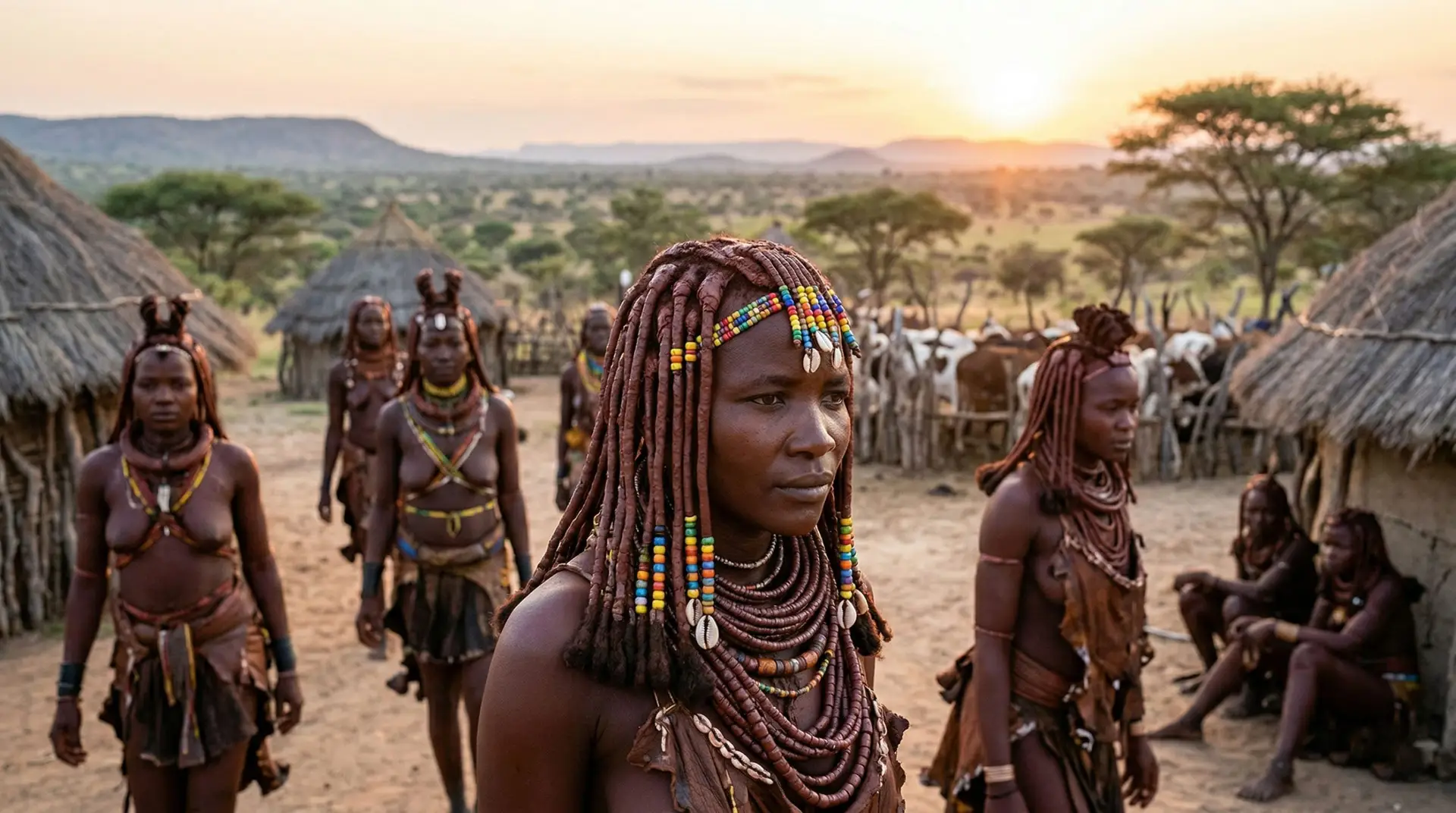
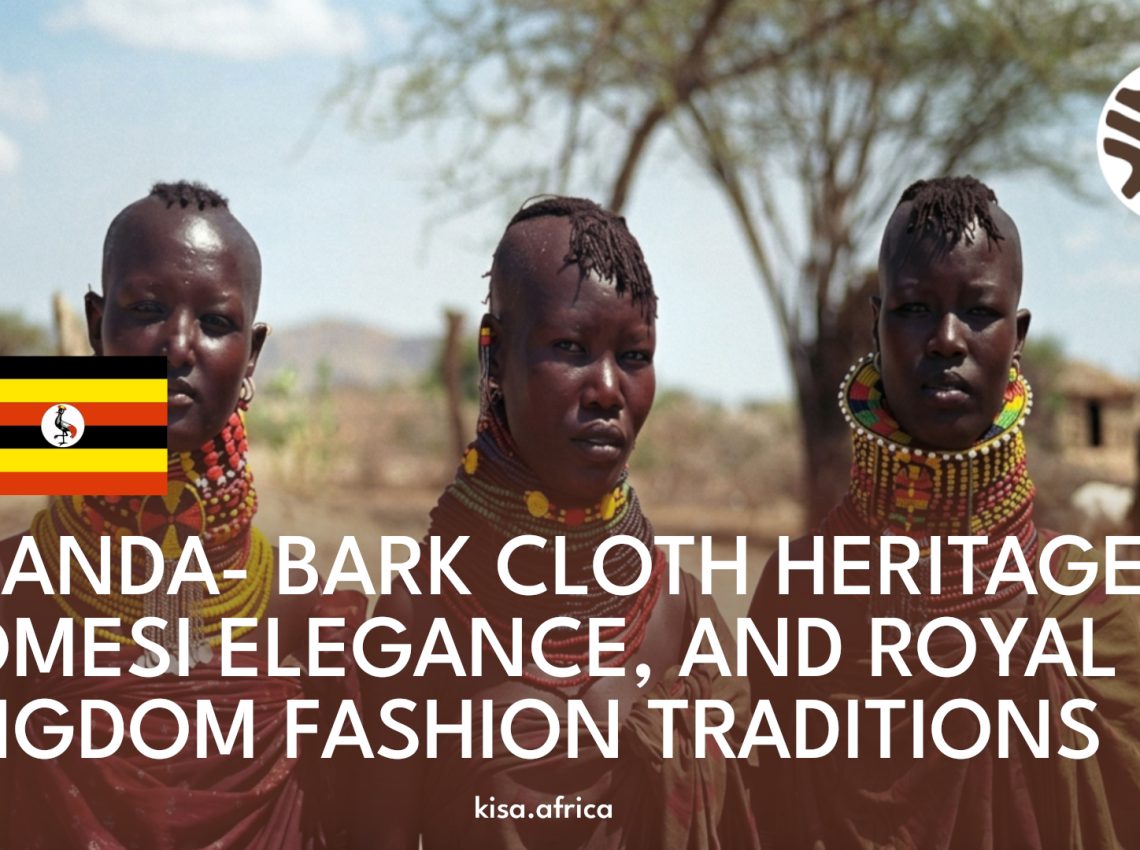
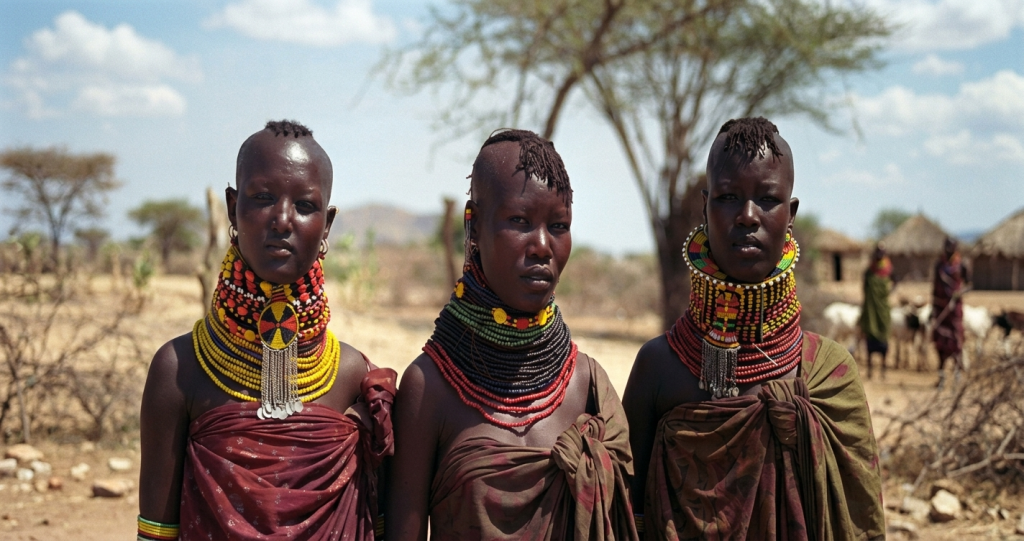
Among the Karimojong and related pastoral communities of northeastern Uganda, adornment traditions became especially elaborate.
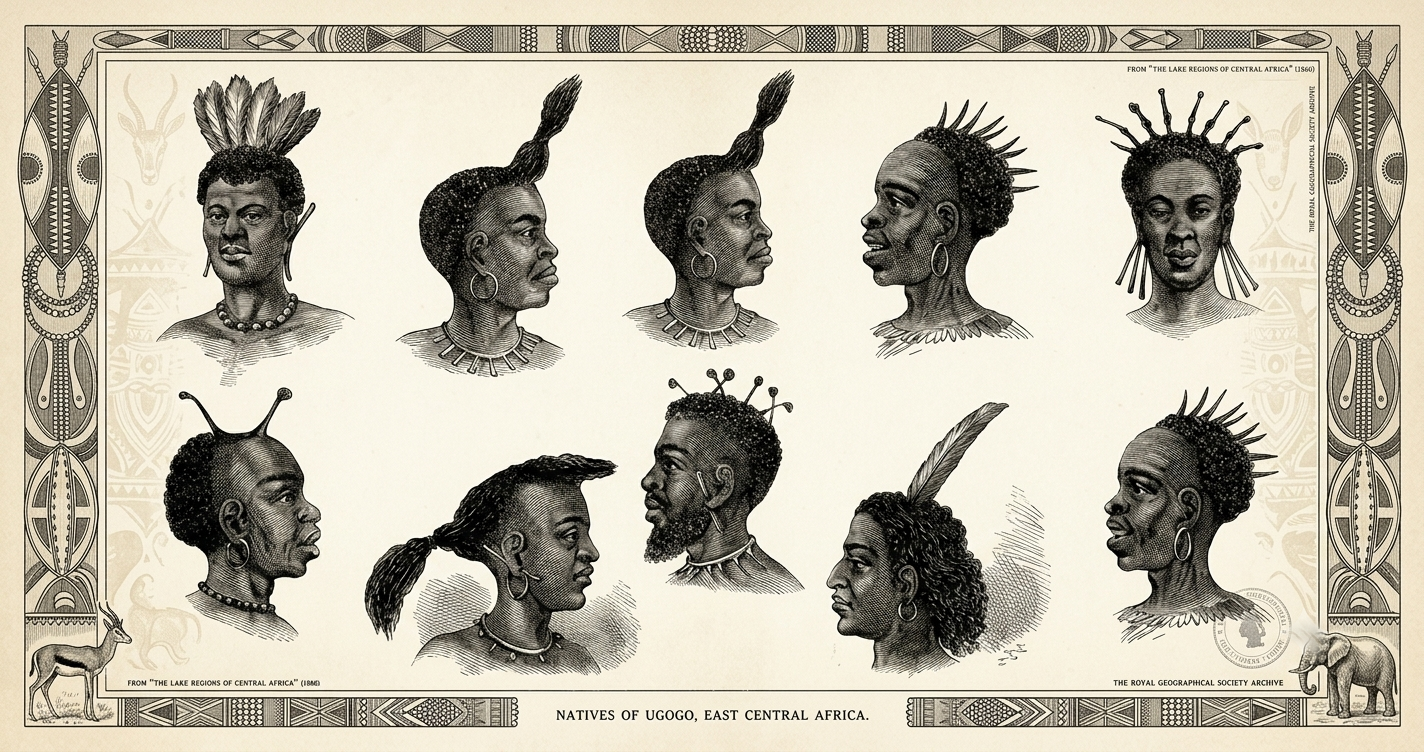
These traditions included:
- Layered beadwork
- Ochre application
- Leather accessories
- Decorative hairstyles
Jewellery and body adornment frequently symbolized:
- Courage
- Wealth
- Pastoral identity
- Social achievement
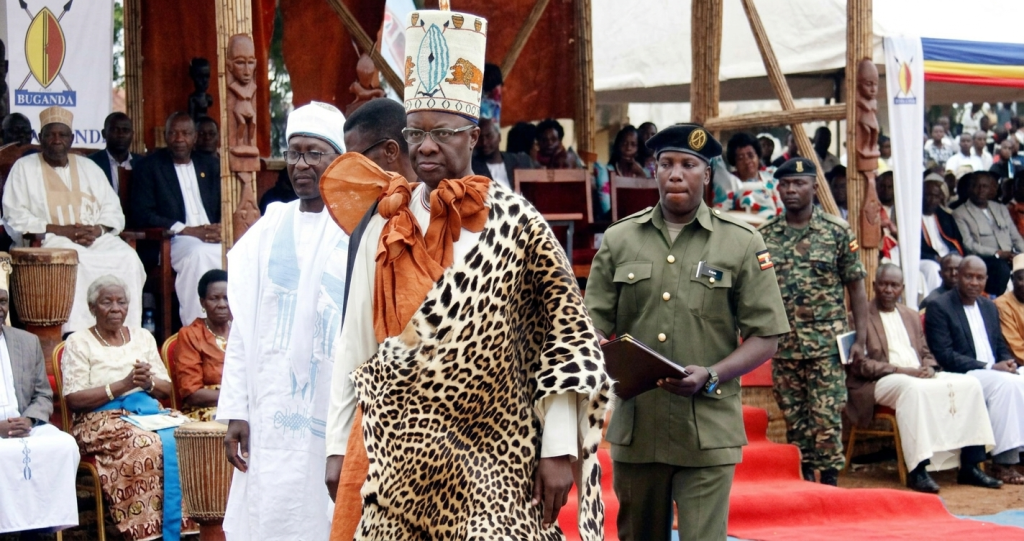
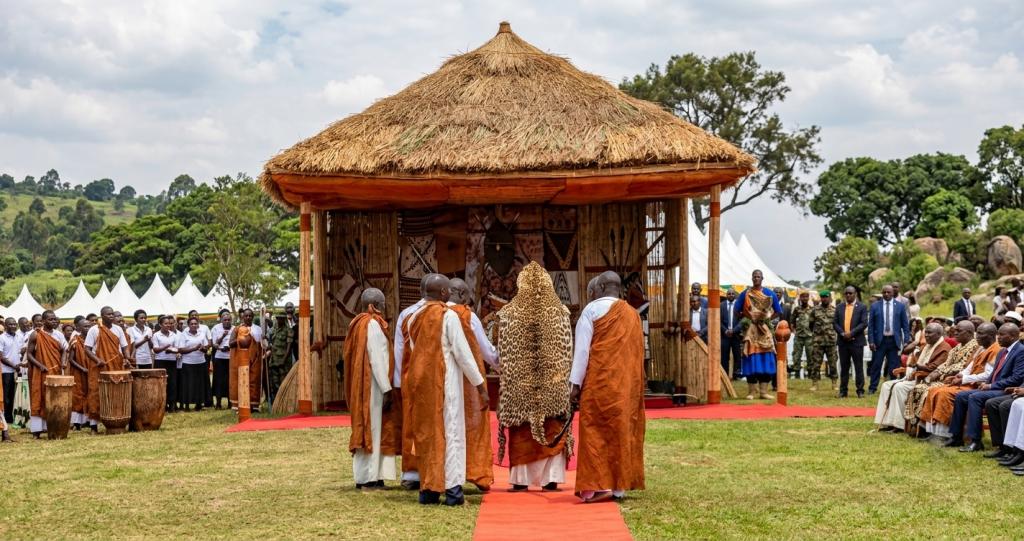
Uganda’s royal kingdoms also shaped clothing traditions for centuries.
Kingdoms such as Buganda, Bunyoro, and Tooro developed ceremonial dress traditions connected to:
- Kingship
- Court rituals
- Clan systems
- Political authority
Royal ceremonies often involved:
- Special fabrics
- Beaded regalia
- Ceremonial drums
- Symbolic colours
- Distinctive accessories
Colonialism later introduced:
- European tailoring
- Missionary dress codes
- School uniforms
- Victorian aesthetics
Yet Ugandans adapted these influences creatively, blending imported forms with local traditions.
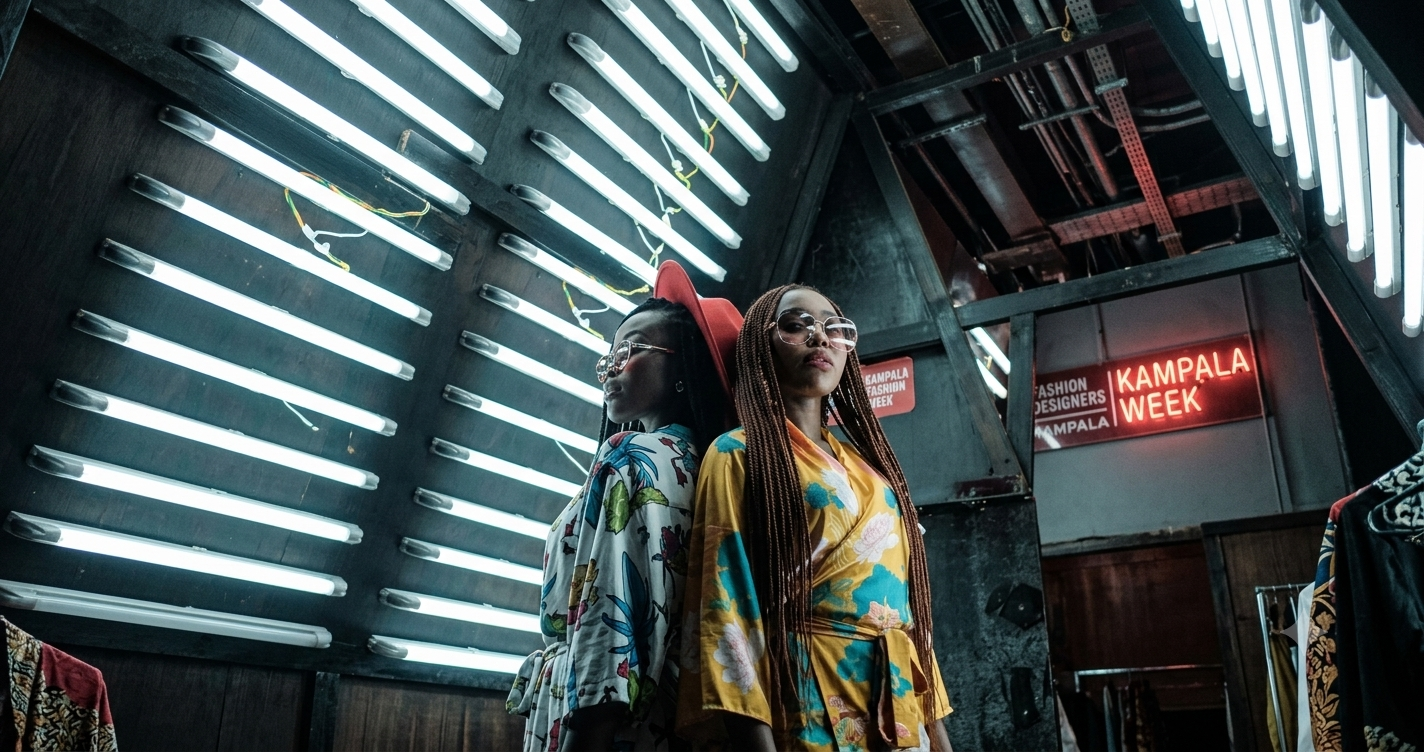
Modern Uganda now possesses a growing fashion industry cantered especially in Kampala.
Contemporary Ugandan designers increasingly combine:
- Bark-cloth innovation
- Traditional silhouettes
- Afro-modern tailoring
- Sustainable fashion
- Streetwear aesthetics
- East African textile traditions
Kampala became recognized as an emerging East African fashion centre supporting:
- Fashion entrepreneurship
- Contemporary African couture
- Textile revival projects
- Natural hair movements
Designers now reinterpret traditional materials like bark cloth for:
- Luxury fashion
- Runway garments
- Accessories
- Eco-fashion collections
FASCINATING LESSER-KNOWN FACTS ABOUT UGANDAN FASHION AND HAIR
- Uganda possesses one of the world’s oldest bark-cloth traditions.
- Bark cloth predates many woven textile systems in the region.
- The gomesi was influenced partly by Victorian missionary clothing but became uniquely Ugandan.
- Bark cloth held sacred and funerary significance in Buganda culture.
- Karimojong adornment traditions involved beads, ochre, and symbolic jewellery.
- Royal kingdoms strongly shaped ceremonial dress traditions.
- Ugandan designers now use bark cloth in sustainable global fashion.
- The exaggerated shoulders of the gomesi became symbols of elegance and prestige.
- UNESCO recognized Ugandan bark cloth as Intangible Cultural Heritage.
SOURCES
Byrnes, R. M. (1992). Uganda: A Country Study. Washington, DC: Library of Congress.
Spring, C., & Hudson, J. (1995). North African Textiles. Washington, DC: Smithsonian Institution Press.
Eicher, J. B., & Ross, D. A. (1992). Dress and Identity. New York, NY: Fairchild Publications.
Picton, J., & Mack, J. (1989). African Textiles. London, England: British Museum Press.
Rovine, V. L. (2015). African Fashion, Global Style: Histories, Innovations, and Ideas You Can Wear. Bloomington, IN: Indiana University Press.
UNESCO. (2005). Barkcloth making in Uganda. Paris, France: UNESCO Intangible Cultural Heritage Programme.