
ZIMBABWE- NDEBELE BEAD ARTISTRY, SHONA HERITAGE, AND THE FASHION LEGACY OF GREAT ZIMBABWE
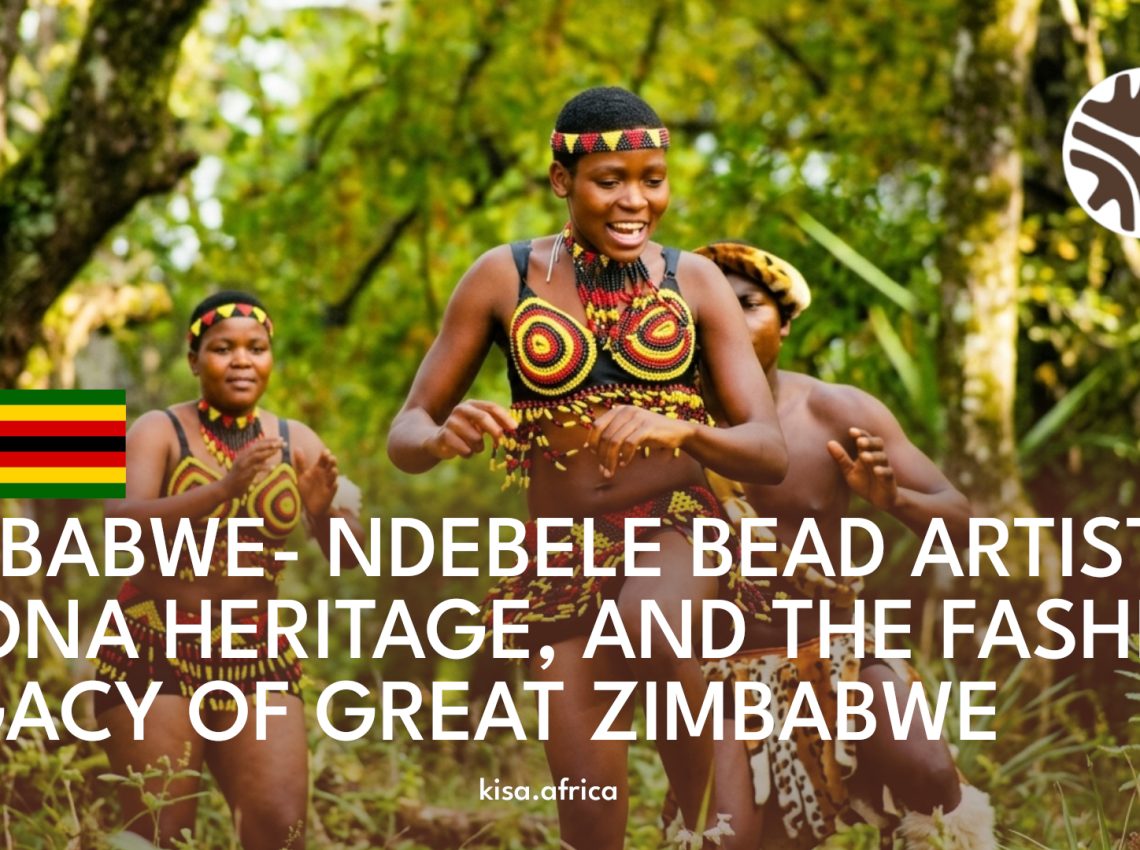
The fashion traditions of Zimbabwe reflect centuries of cultural development among Shona, Ndebele, Tonga, Rozvi, Kalanga, and other societies whose identities were shaped by trade, agriculture, cattle culture, spirituality, and royal kingdoms.
Historically, Zimbabwean fashion emphasized:
- Community identity
- Spiritual symbolism
- Royal prestige
- Artistic craftsmanship
- Ceremonial performance
- Social communication
Traditional clothing historically incorporated:
- Animal skins
- Beadwork
- Woven fibres
- Leather adornment
- Decorative jewellery
- Ceremonial garments
Fashion and body adornment frequently communicated:
- Age
- Marriage status
- Clan identity
- Social standing
- Spiritual belonging
One of Zimbabwe’s most visually recognizable traditions comes from Ndebele artistic culture.
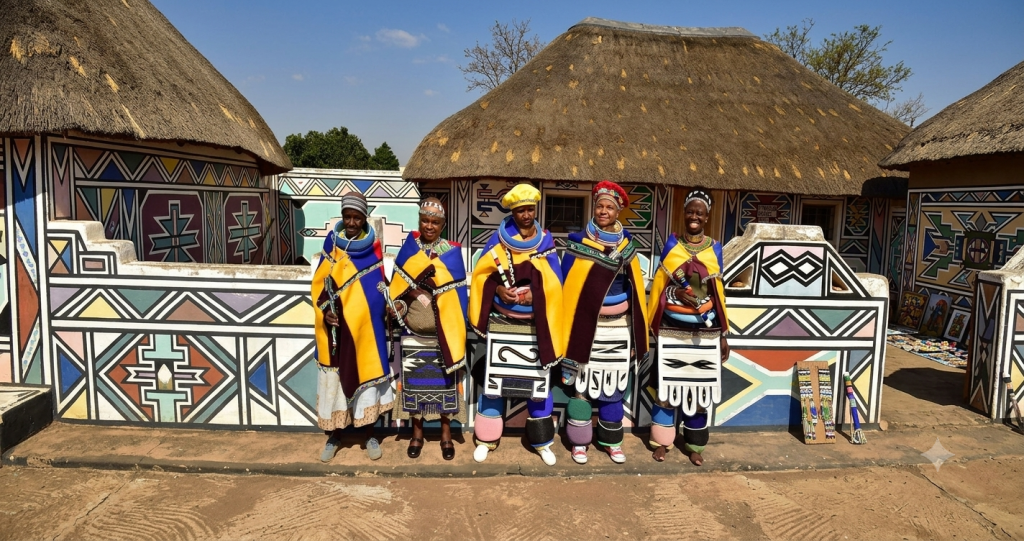
Zimbabwean Ndebele communities share strong artistic traditions with the Ndebele peoples of neighbouring South Africa.
Ndebele aesthetics became internationally admired for:
- Bold geometric patterns
- Colourful beadwork
- Structured garments
- Decorative symbolism
- Architectural artistry
Beadwork historically communicated highly detailed social information including:
- Marital status
- Age group
- Family identity
- Courtship messages
- Social position
Colours and patterns were carefully arranged to create visual language systems understood within the community.
Adornment often included:
- Neck rings
- Beaded aprons
- Bracelets
- Headpieces
- Layered jewellery
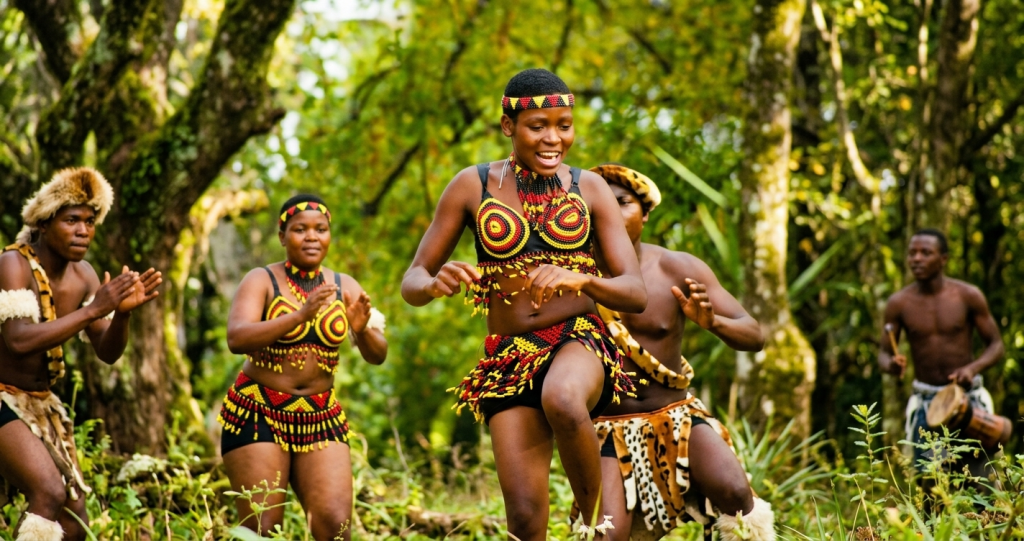
Ceremonial attire transformed dance and movement into living artistic performance.
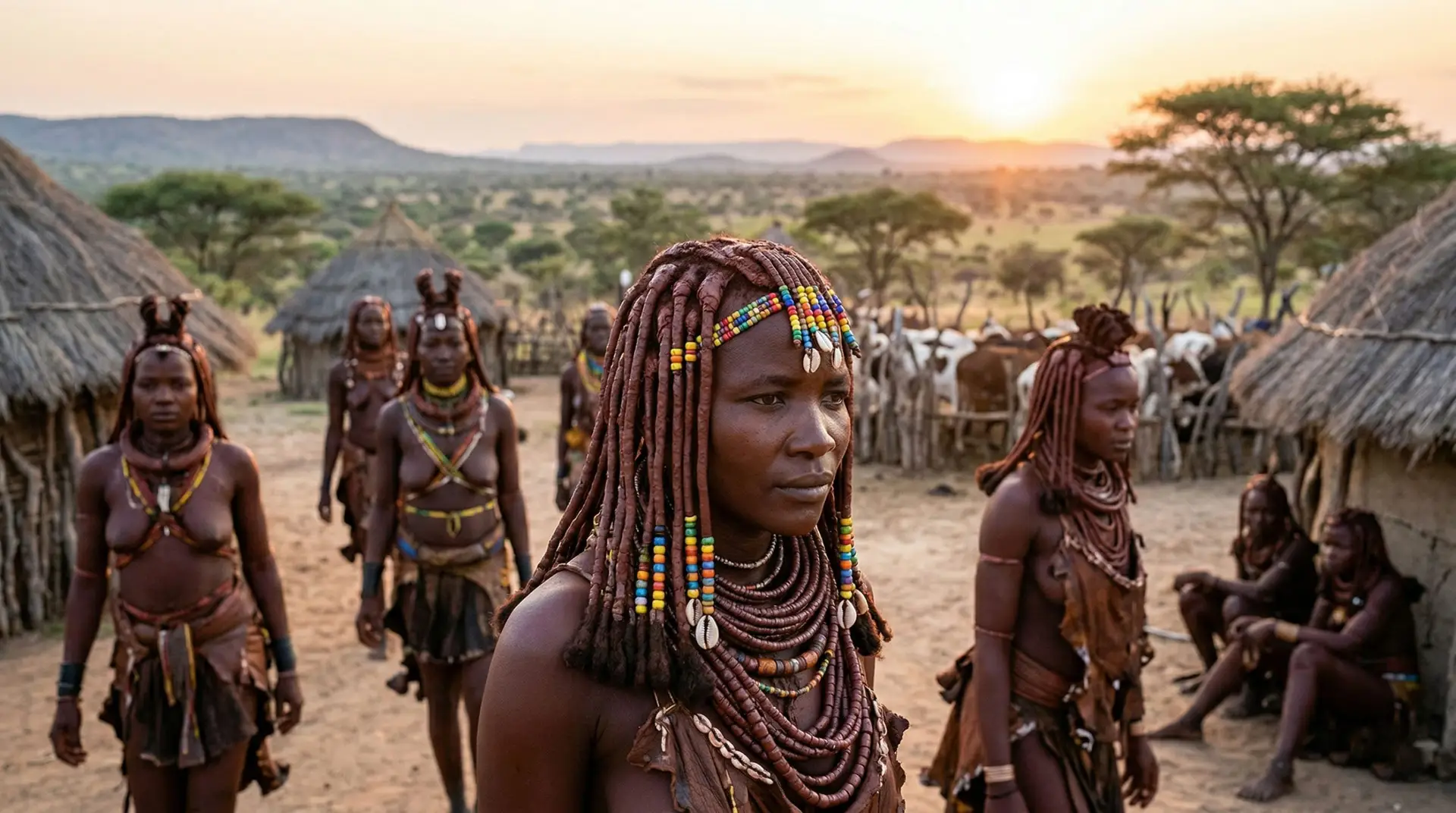
Hair traditions across Zimbabwe also carried important social meaning.
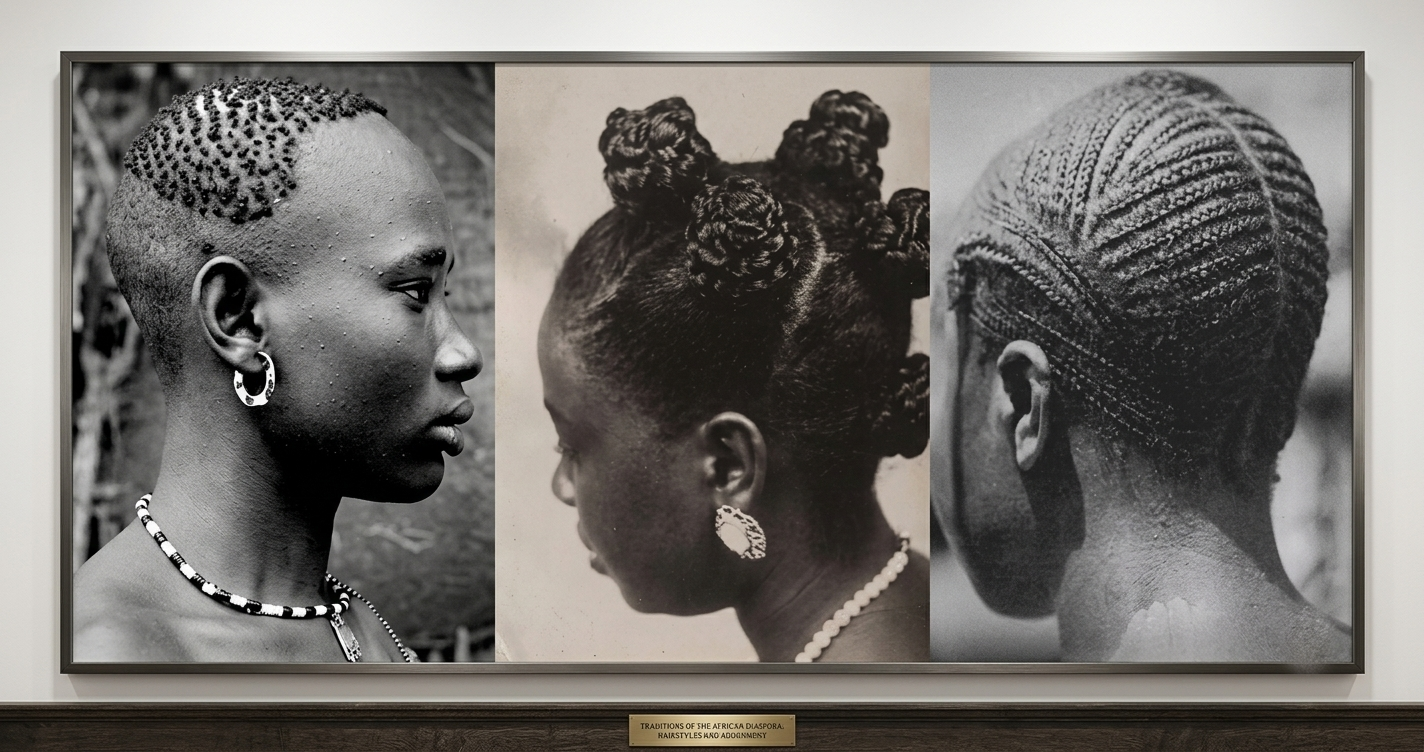
Historical hairstyles included:
- Braiding
- Shaved patterns
- Sculptural styling
- Beaded hair adornment
- Natural Afro traditions Hair frequently symbolized:
- Beauty
- Readiness for adulthood
- Social maturity
- Cultural belonging
- Spiritual identity
Hairdressing often functioned as:
- Artistic expression
- Community bonding
- Intergenerational teaching
- Cultural preservation
Women traditionally used:
- Natural oils
- Herbal treatments
- Clay mixtures
- Plant-based hair products to maintain healthy hair and protect it from environmental conditions.
Zimbabwe’s ancient kingdoms also played major roles in shaping material culture and luxury aesthetics.

The civilization of Great Zimbabwe became one of Africa’s most important precolonial urban centres.
Between the 11th and 15th centuries, Great Zimbabwe participated in extensive trade networks linking southern Africa to:
- The Swahili Coast
- Arabia
- Persia
- India
- China
These trade systems exposed local elites to:
- Imported textiles
- Beads
- Ceramics
- Luxury goods
- Decorative materials
Long before European colonization, Zimbabwean societies already possessed sophisticated systems of wealth display, craftsmanship, and ceremonial culture.
Among Shona communities, beadwork and adornment often carried spiritual significance connected to:
- Ancestors
- Leadership
- Fertility
- Protection
- Ritual practice
Colonialism later introduced:
- European tailoring
- Missionary modesty codes
- Western formalwear
- Urban dress systems
British colonial influence reshaped clothing expectations in schools, churches, and cities.
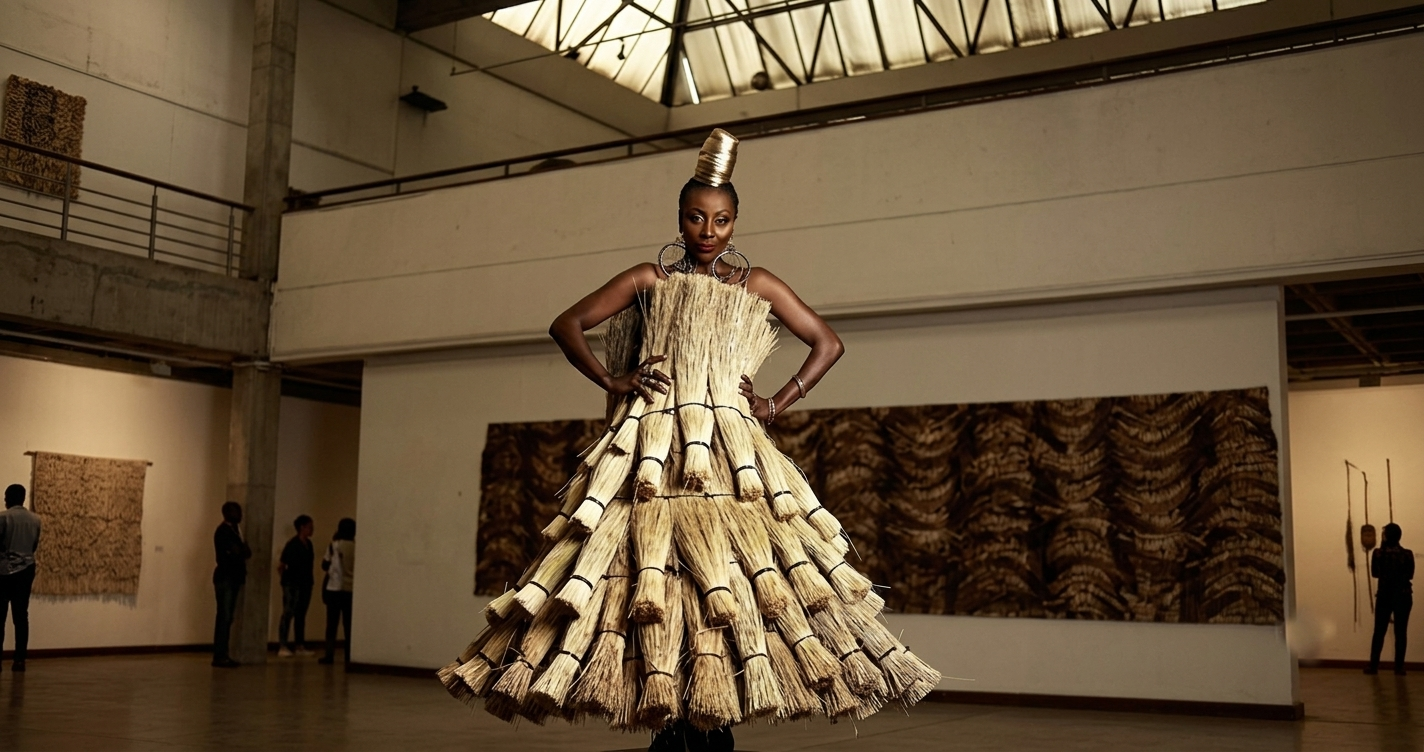
Yet traditional aesthetics survived strongly through:
- Ceremonies
- Dance traditions
- Weddings
- Rural cultural life
- Community celebrations
Modern Zimbabwe now blends heritage traditions with contemporary African fashion innovation.
Cities such as Harare and Bulawayo increasingly support:
- Afro-modern designers
- Textile innovation
- Fashion entrepreneurship
- Natural hair culture
- Contemporary African couture
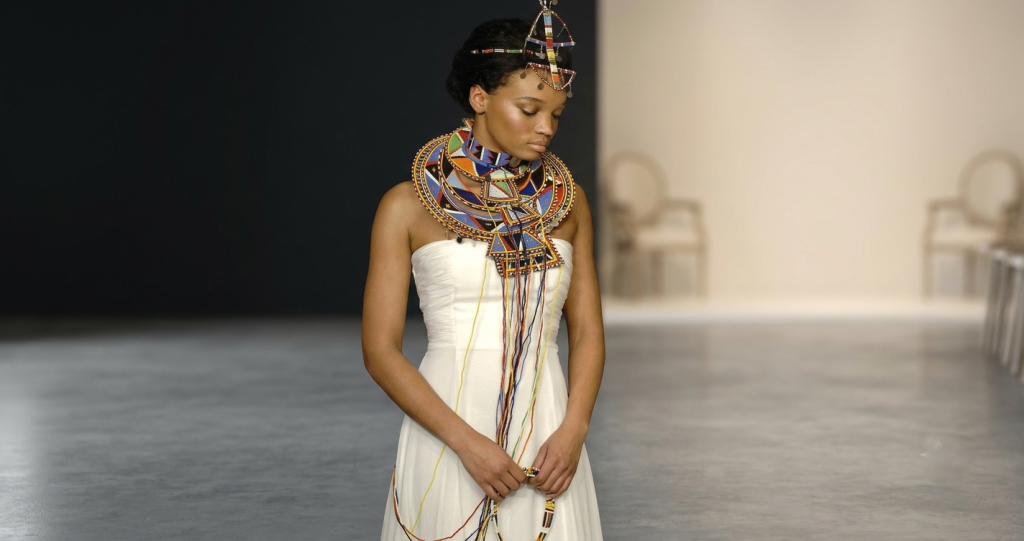
Modern Zimbabwean designers frequently reinterpret:
- Ndebele geometric motifs
- Traditional beadwork
- Indigenous textiles
- Heritage silhouettes through:
- Streetwear
- Couture fashion
- Sustainable design
- Contemporary runway collections
Natural hair culture has also grown significantly, with many Zimbabweans embracing:
- Afros
- Braids
- Locs
- Protective styling
- Afrocentric beauty movements
FASCINATING LESSER-KNOWN FACTS ABOUT ZIMBABWEAN FASHION AND HAIR
- Great Zimbabwe traded internationally centuries before European colonization.
- Imported beads and luxury goods influenced elite adornment traditions.
- Ndebele beadwork historically functioned as a complex communication system.
- Hair traditions often symbolized adulthood, spirituality, and beauty ideals.
- Geometric Ndebele artistry influenced not only clothing but also architecture and home painting.
- Traditional dance attire transformed movement into visual storytelling.
- Zimbabwe’s fashion industry increasingly blends heritage with Afro-modern innovation.
- Beadwork often represented family lineage and social belonging.
SOURCES
Beach, D. N. (1994). A Zimbabwean Past: Shona Dynastic Histories and Oral Traditions. Harare, Zimbabwe: Baobab Books.
Huffman, T. N. (2007). Handbook to the Iron Age: The Archaeology of Pre-Colonial Farming Societies in Southern Africa. Scottsville, South Africa: University of KwaZuluNatal Press.
Eicher, J. B., & Ross, D. A. (1992). Dress and Identity. New York, NY: Fairchild Publications.
Picton, J., & Mack, J. (1989). African Textiles. London, England: British Museum Press.
Rovine, V. L. (2015). African Fashion, Global Style: Histories, Innovations, and Ideas You Can Wear. Bloomington, IN: Indiana University Press.