

SOUTH AFRICA- BEADWORK SYMBOLISM, RESISTANCE FASHION, AND AFRO-URBAN CREATIVITY
The fashion traditions of South Africa are among the most diverse and historically layered on the African continent. Because South Africa contains numerous cultural communities including Zulu, Xhosa, Sotho, Tswana, Ndebele, Venda, Tsonga, Afrikaner, Cape Malay, Indian South African, and many others, its clothing and hair traditions developed through centuries of migration, cattle culture, trade, colonialism, mining economies, urbanization, apartheid resistance, and artistic innovation.
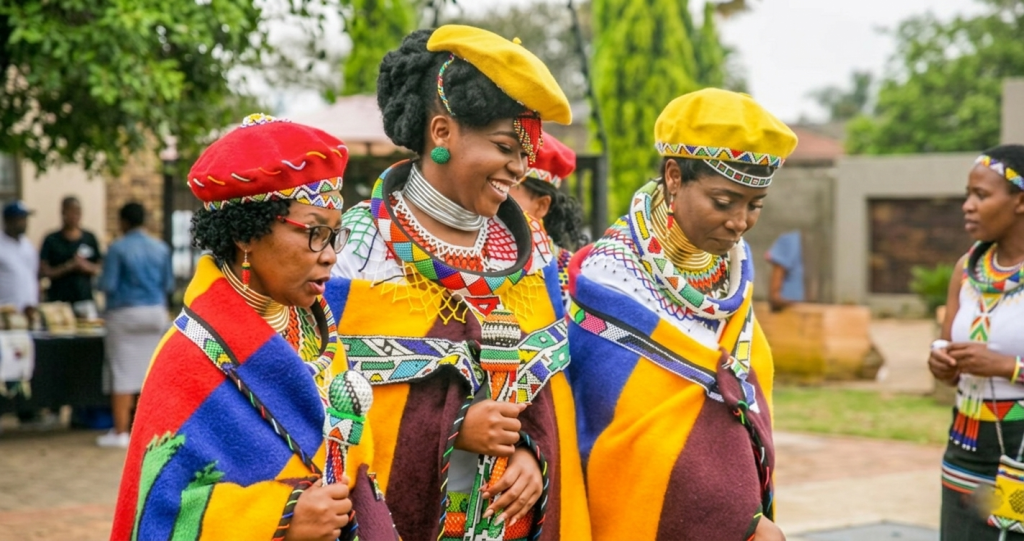
Fashion in South Africa historically communicated:
- Social identity
- Spiritual beliefs
- Gender roles
- Marital status
- Initiation stages
- Political resistance
- Cultural pride
Clothing, beadwork, hairstyles, adornment, and body decoration all became highly symbolic systems carrying meaning far beyond appearance.
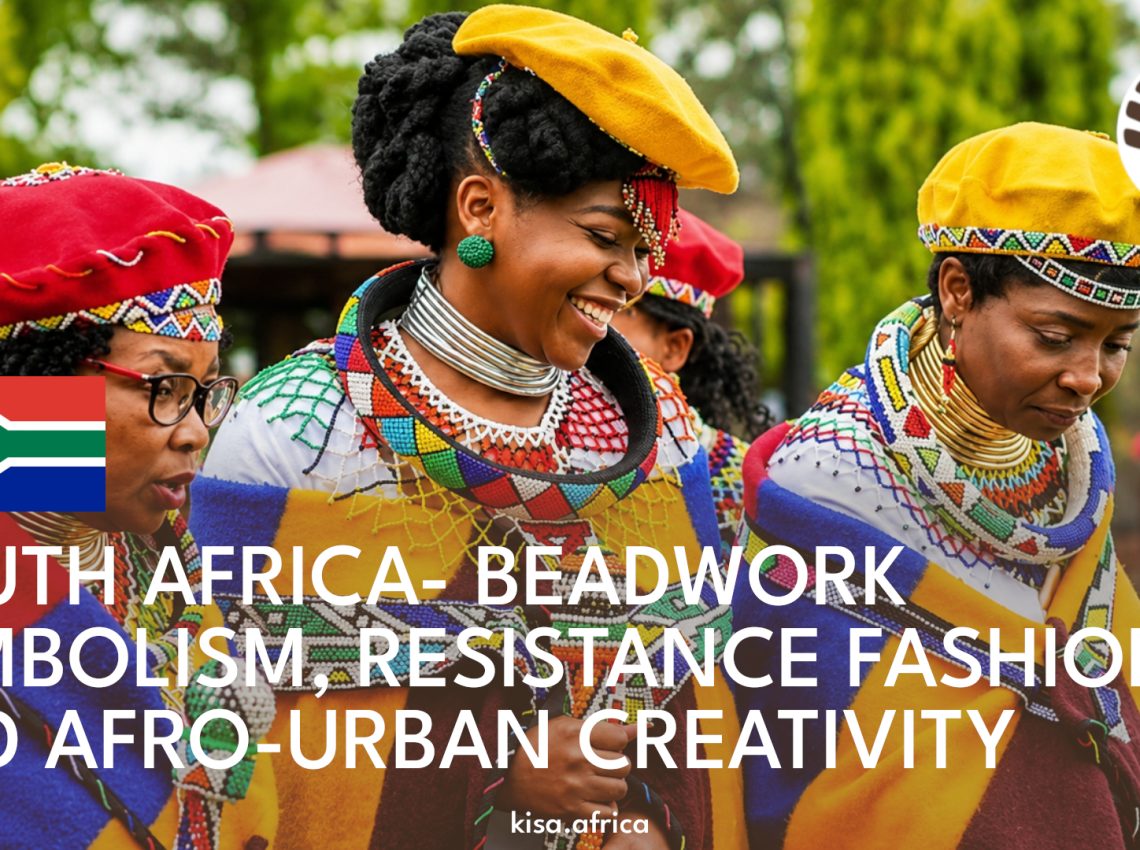
Among the most internationally recognized traditions is Zulu beadwork.
Zulu bead artistry became famous for its extraordinary complexity and symbolic language.
Historically, bead colours communicated emotional and social meanings:
- White represented purity and spirituality.
- Red symbolized strong emotion, love, or passion.
- Blue represented faithfulness and harmony.
- Green symbolized contentment and fertility.
- Yellow could represent wealth or abundance.
- Black sometimes symbolized marriage or hardship.
Beaded items often conveyed:
- Marital status
- Romantic intentions
- Family identity
- Social rank
- Age-group membership
In some cases, beadwork functioned almost like visual communication, allowing people to express emotions and messages nonverbally.
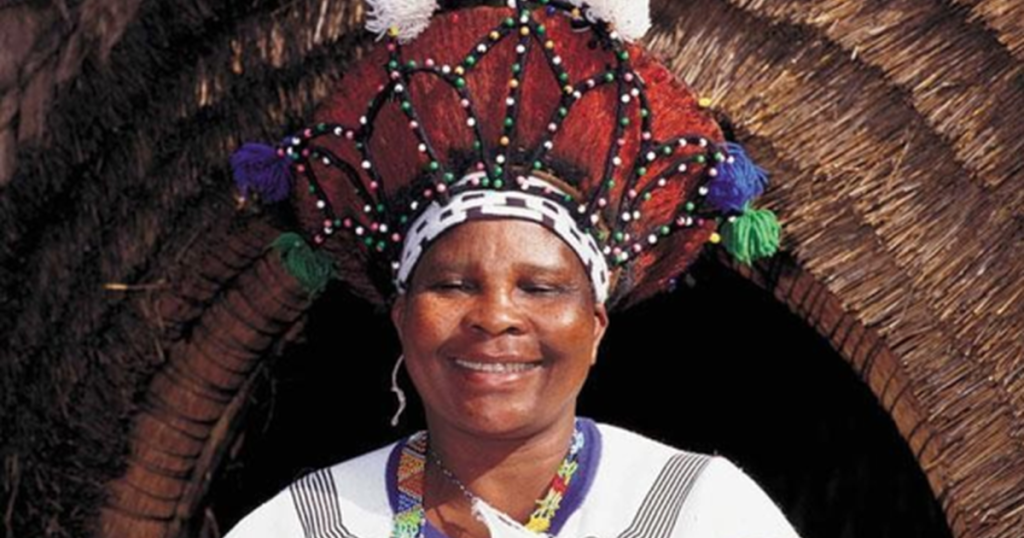
Zulu women became especially known for elaborately beaded necklaces, aprons, bracelets, and ceremonial adornments used during weddings, dances, and rites of passage.
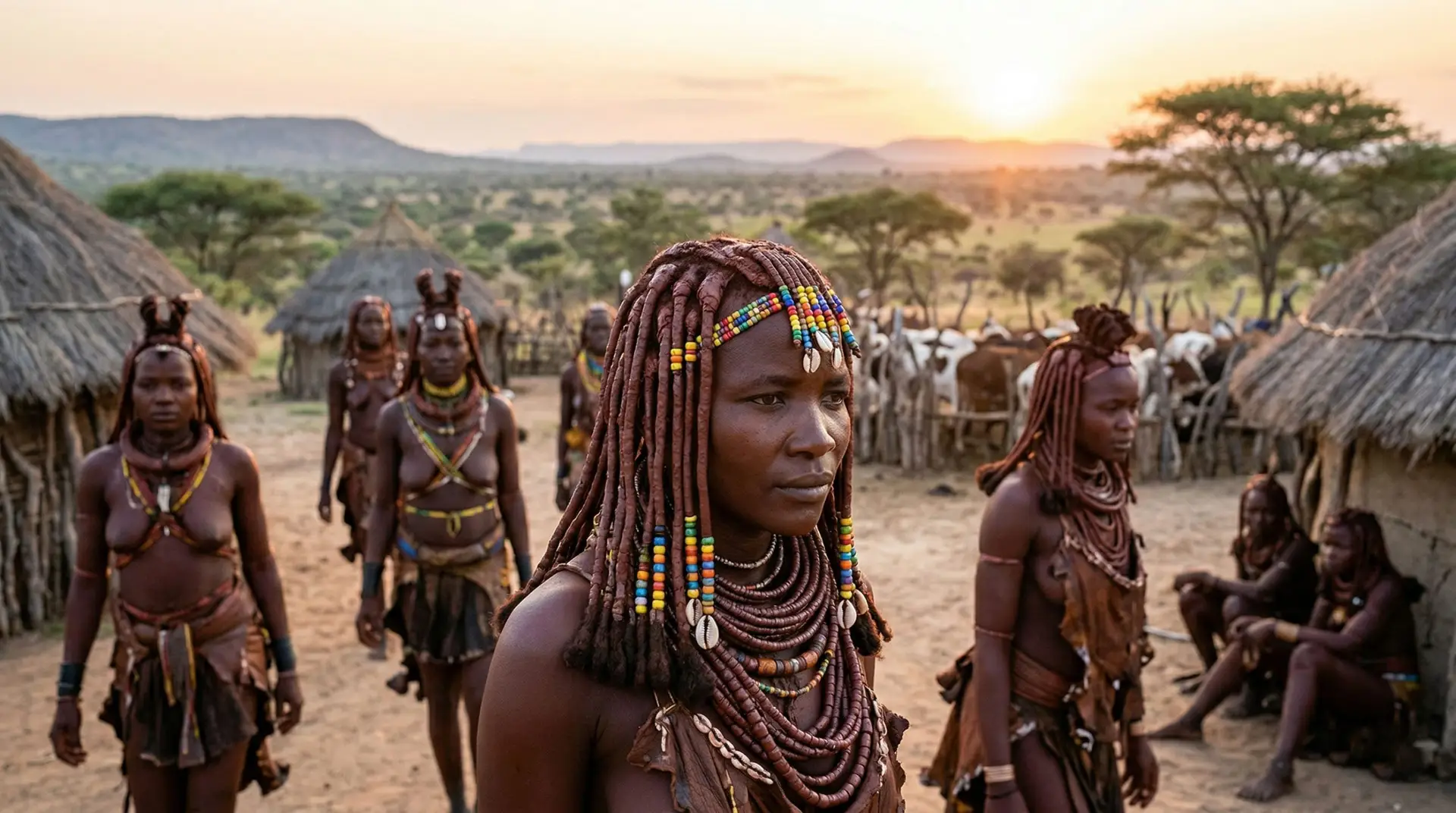
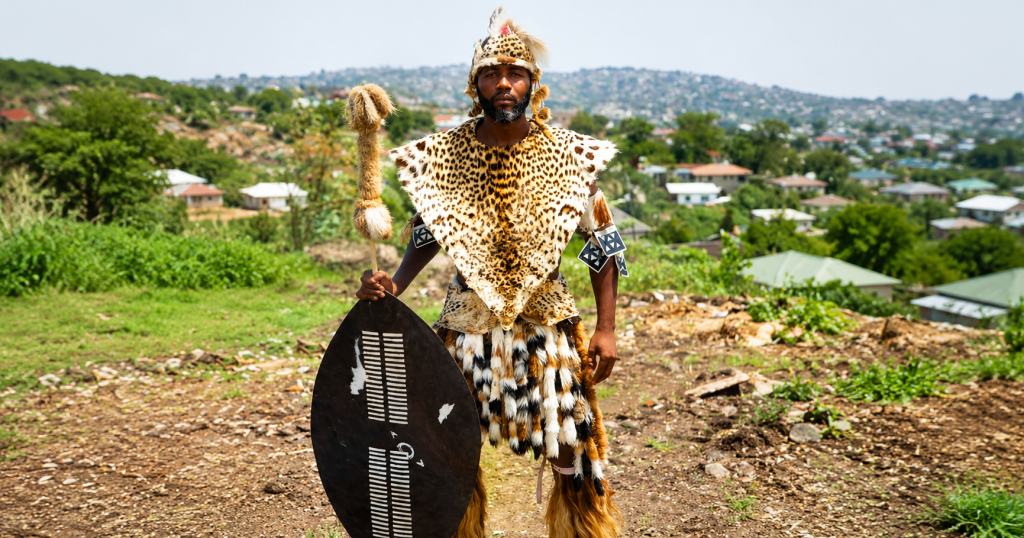
Cattle culture strongly shaped many South African fashion traditions.
Animal hides, leatherwork, and ceremonial garments historically reflected wealth because cattle represented major economic and social value in many Southern African societies.
Traditional attire often incorporated:
- Beads
- Leather
- Feathers
- Shells
- Metal ornaments
- Animal symbolism
Ceremonial dress became especially important during:
- Initiations
- Weddings
- Harvest celebrations
- Royal events
- Ancestral rituals
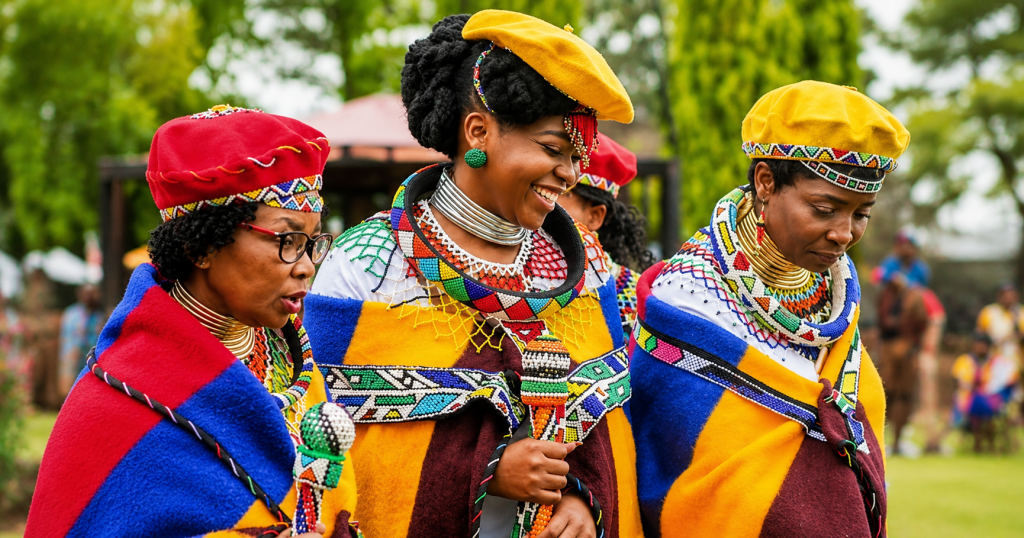
The Ndebele people developed one of Africa’s most visually distinctive artistic traditions.
Ndebele women became internationally recognized for:
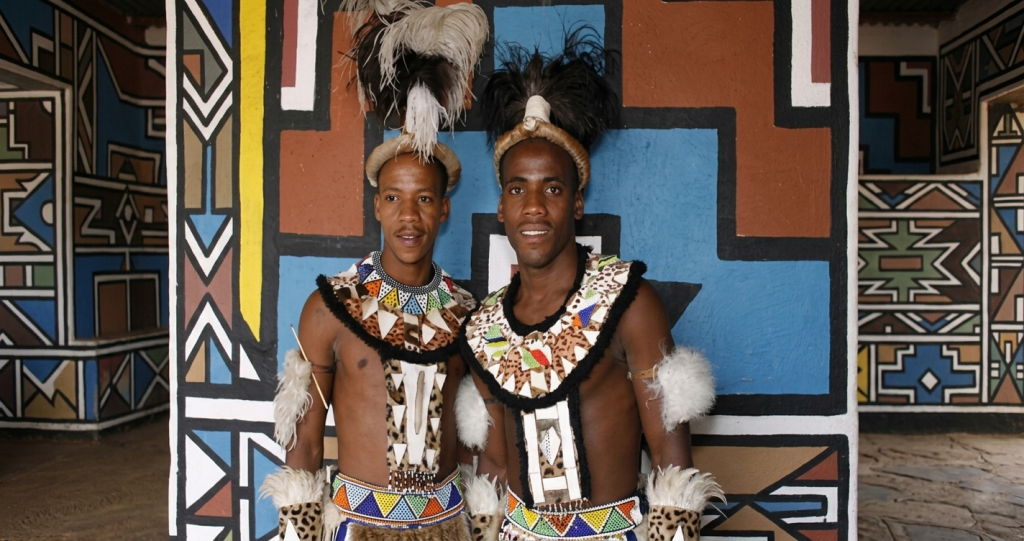
- Colourful geometric patterns
- Structured garments
- Beadwork
- Painted homes
- Brass and copper adornments
- Elaborate neck rings
The geometric aesthetic associated with Ndebele culture eventually became globally influential in design, fashion, and contemporary art.
One common misconception is that Ndebele neck rings were designed to permanently stretch the neck. In reality, the rings symbolized:
- Status
- Marriage
- Wealth
- Cultural identity
The visual effect came largely from compression of the shoulders and collarbone area rather than dramatic neck elongation.
Ndebele artistic traditions also became symbols of resilience during colonialism and apartheid because communities maintained strong cultural identity despite political oppression.
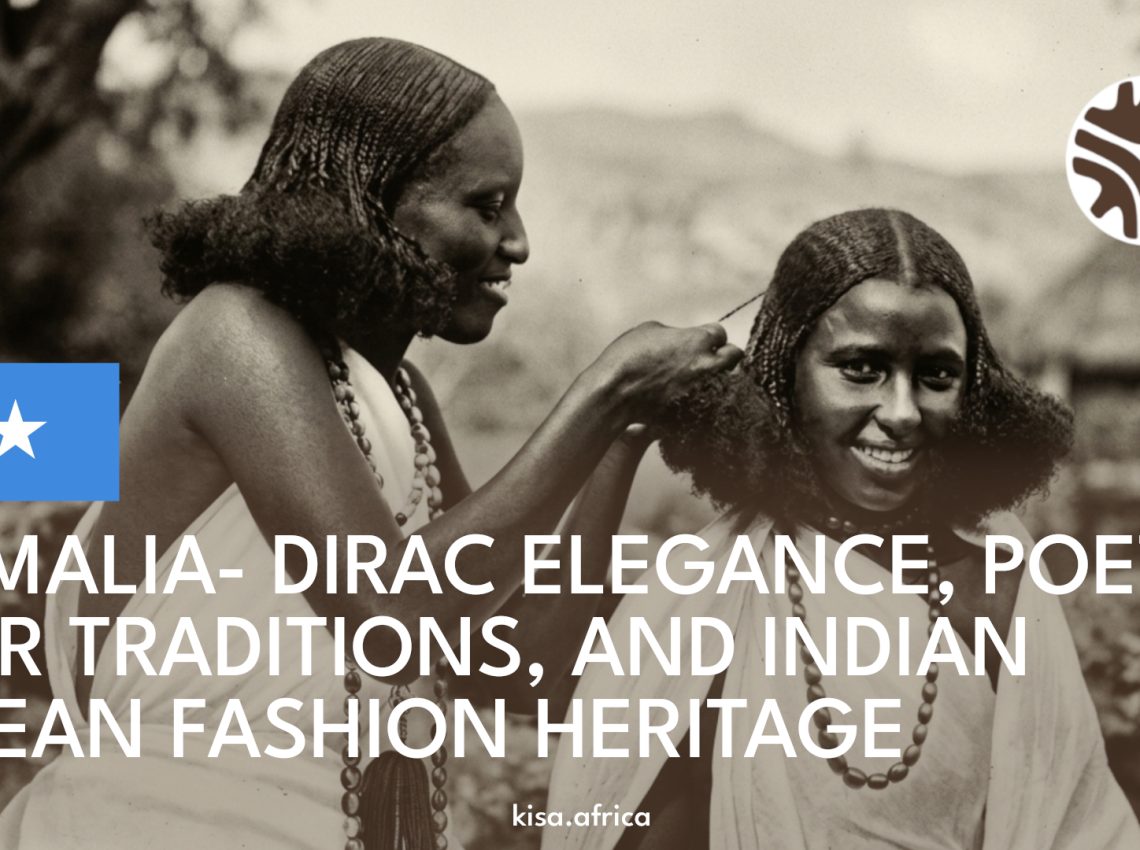
Hair traditions across South Africa varied enormously between communities.
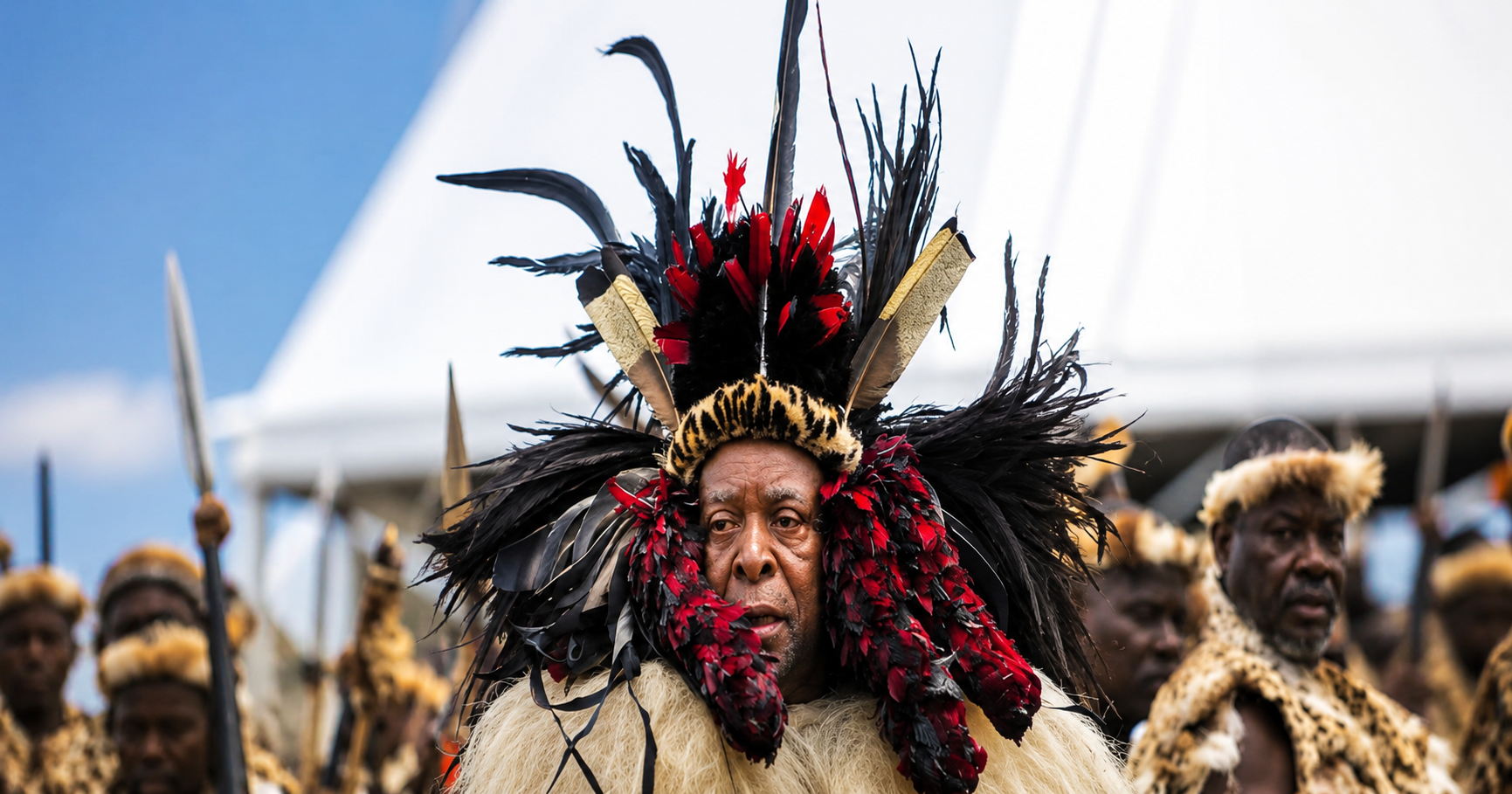
Historical hairstyles included:
- Sculptural braids
- Ochre-coated hair
- Shaved patterns
- Natural Afro styles
- Beaded hairstyles
- Threaded hair designs
Hair often communicated:
- Initiation status
- Readiness for adulthood
- Spiritual identity
- Gender roles
- Community affiliation
Some communities used ochre mixtures and oils to protect hair and skin while enhancing beauty and symbolism.
Haircare and styling also functioned as social rituals where families and communities exchanged knowledge, oral history, and cultural teachings.
Colonialism and apartheid dramatically reshaped South African fashion history.
European colonization introduced:
- Victorian dress styles
- Missionary clothing codes
- Industrial textiles
- Suits and formal tailoring
During apartheid, however, fashion became deeply political.
Afro hairstyles, natural hair movements, and African-inspired dress symbolized:
- Black pride
- Cultural resistance
- Political consciousness
- Rejection of imposed European beauty standards
Township fashion culture became especially influential.
Young people in urban areas developed highly creative styles combining:
- American music influence
- Local tailoring
- Workwear
- Jazz culture
- Political identity
- Street aesthetics
These urban youth cultures later helped influence global streetwear and Afro-urban fashion.
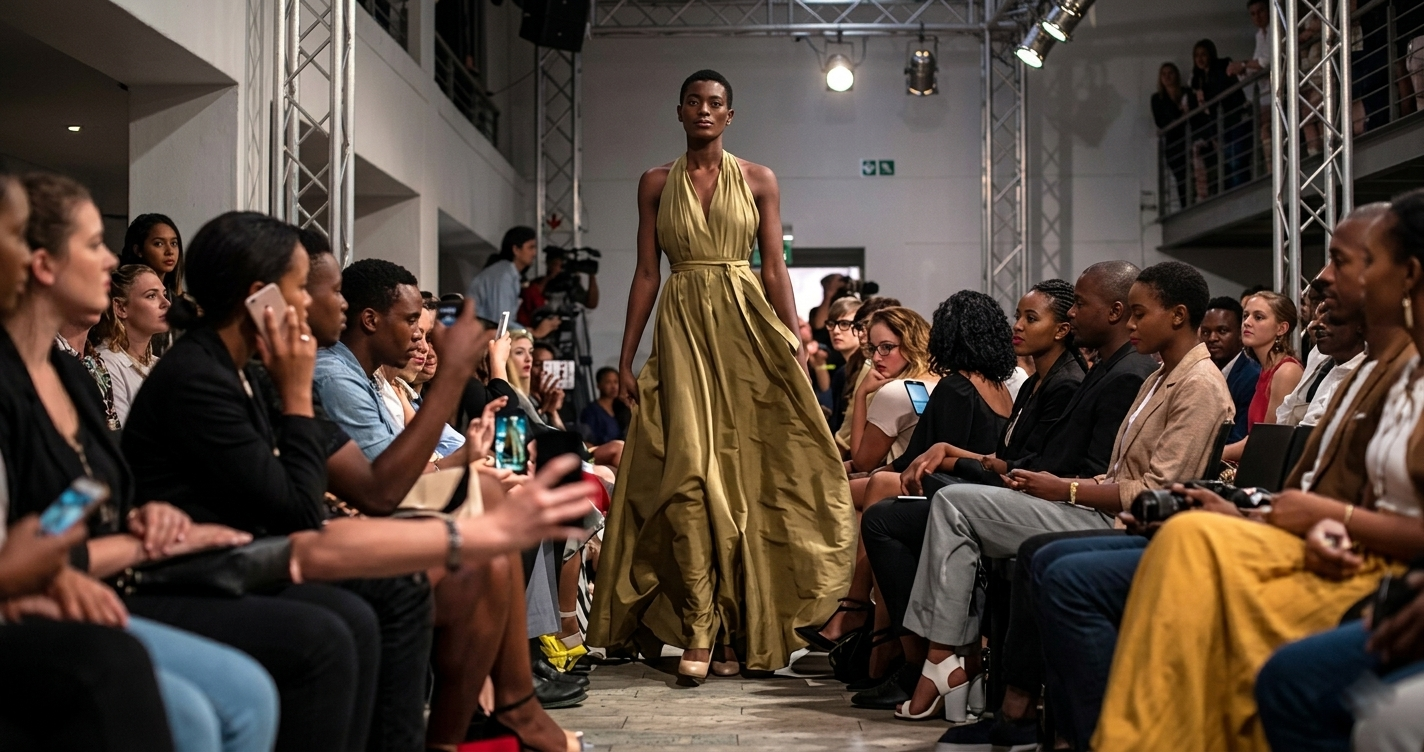
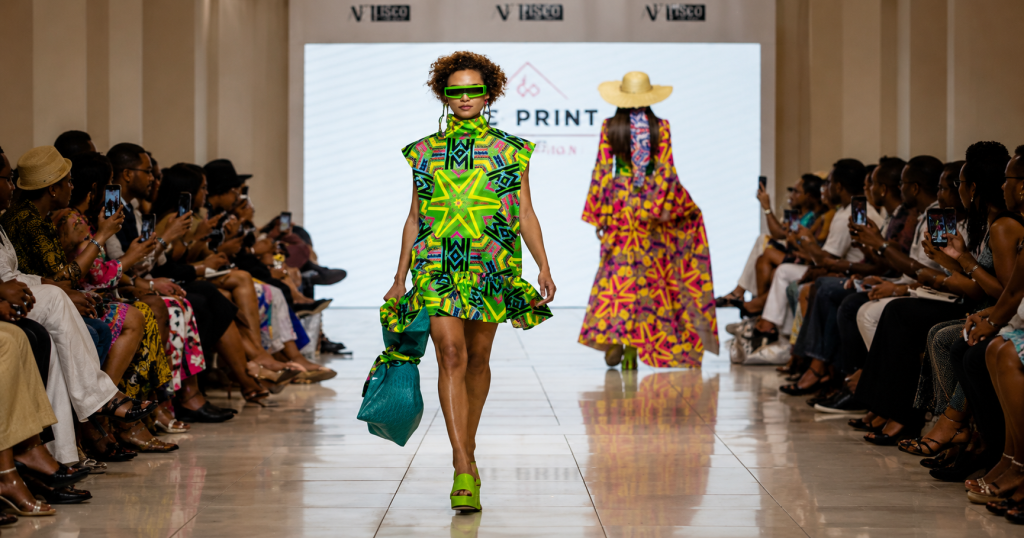
Modern South Africa became one of Africa’s largest fashion industries.
Cities such as Johannesburg and Cape Town emerged as major African fashion capitals.
Contemporary South African designers now influence:
- Luxury fashion
- Afro-futurism
- Sustainable fashion
- Streetwear
- Textile innovation
- Global African design
South African fashion today blends:
- Indigenous aesthetics
- Political history
- Contemporary art
- Urban culture
- Pan-African creativity
- Global runway influence
The country remains one of the continent’s most influential centres for music-driven fashion, photography, modelling, and youth style movements.
FASCINATING LESSER-KNOWN FACTS ABOUT SOUTH AFRICAN FASHION AND HAIR
- Zulu beadwork historically functioned as a symbolic communication system.
- Some bead colours conveyed romantic or emotional messages.
- Ndebele neck rings symbolized identity and status rather than dramatic neck stretching.
- Afro hairstyles became powerful political symbols during apartheid.
- Township fashion culture strongly influenced later global streetwear aesthetics.
- Hair historically communicated initiation status and adulthood.
- Ndebele geometric aesthetics became internationally influential in modern design.
- South Africa’s fashion industry became closely connected to music and youth activism.
- Contemporary South African fashion heavily influences Afro-futurist design worldwide.
SOURCES
Eicher, J. B., & Ross, D. A. (1992). Dress and Identity. New York, NY: Fairchild Publications.
Miller, J. (2013). Fashion and Music in South Africa. Johannesburg, South Africa: Jacana Media.
Nettleton, A. (1989). The Art of the Ndebele. Johannesburg, South Africa: Jonathan Ball Publishers.
Bryant, A. T. (1964). The Zulu People. Pietermaritzburg, South Africa: Shuter & Shooter.
Rovine, V. L. (2015). African Fashion, Global Style: Histories, Innovations, and Ideas You Can Wear. Bloomington, IN: Indiana University Press.
Picton, J., & Mack, J. (1989). African Textiles. London, England: British Museum Press.