
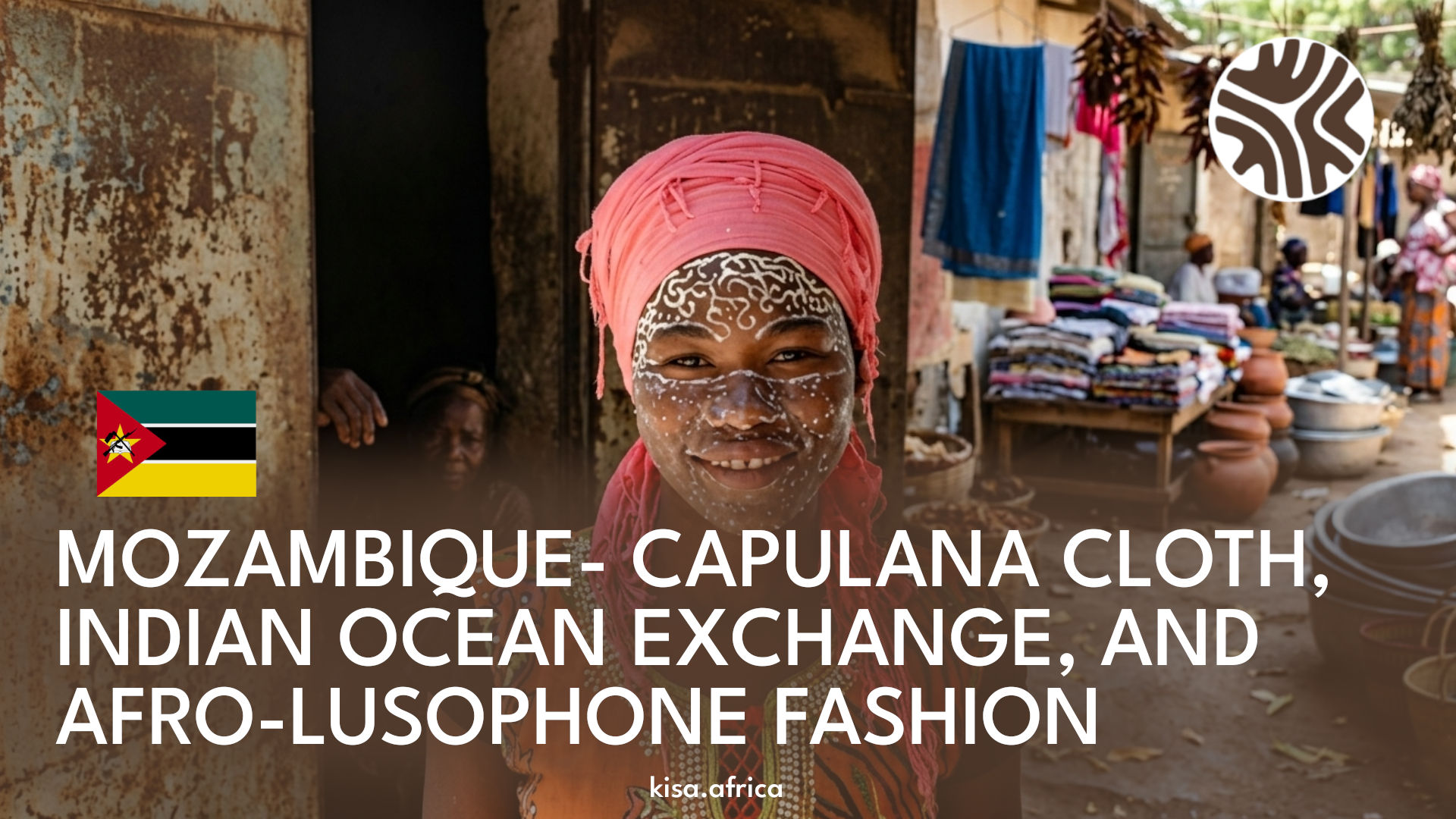
MOZAMBIQUE- CAPULANA CLOTH, INDIAN OCEAN EXCHANGE, AND AFRO-LUSOPHONE FASHION
The fashion history of Mozambique reflects centuries of cultural exchange shaped by Bantu civilizations, Swahili coastal trade networks, Portuguese colonialism, Indian Ocean commerce, and southern African artistic traditions. Positioned along the southeastern
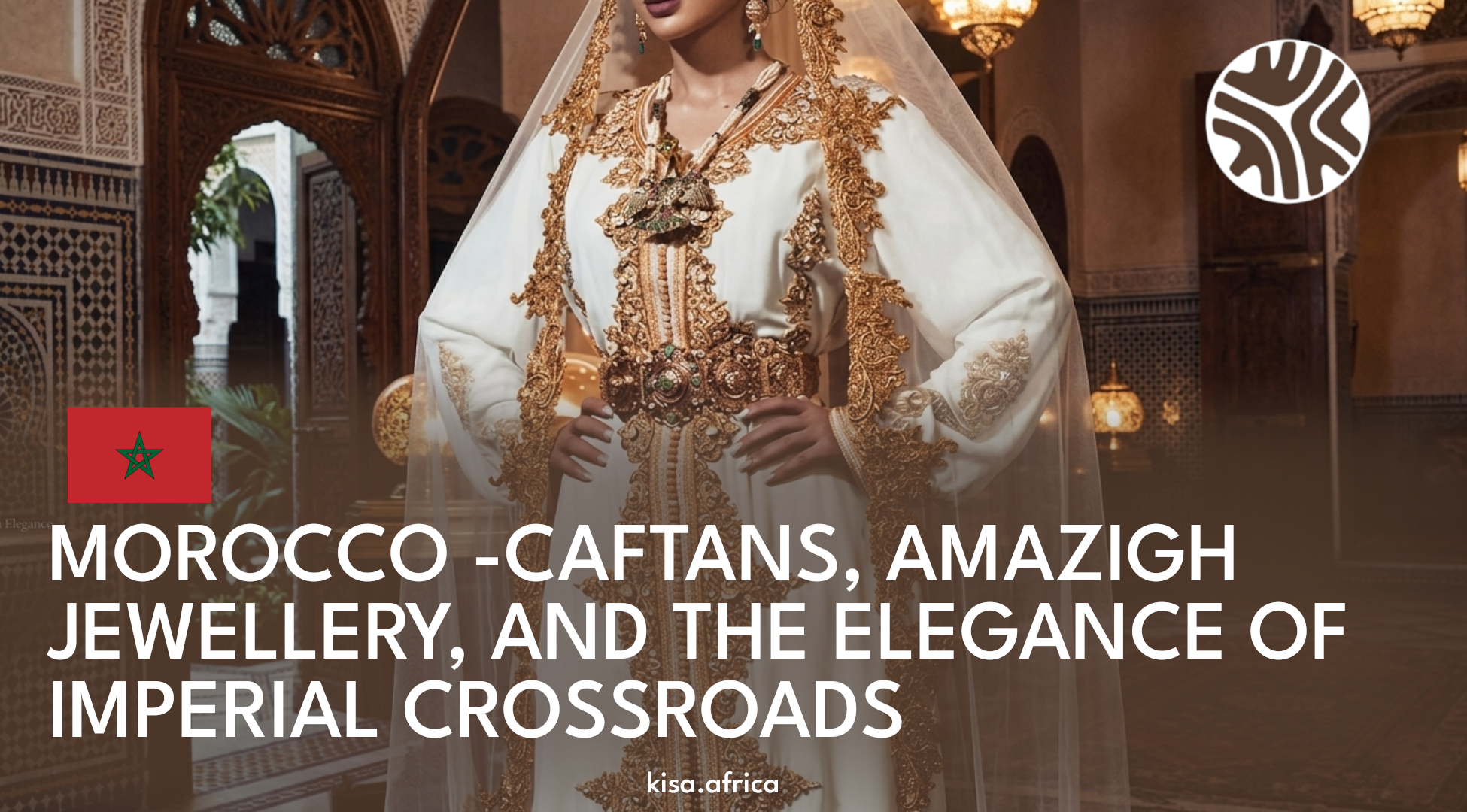
MOROCCO -CAFTANS, AMAZIGH JEWELLERY, AND THE ELEGANCE OF IMPERIAL CROSSROADS
The fashion history of Morocco is among the most sophisticated and influential in Africa and the Mediterranean world. Positioned between the Atlantic Ocean, the Sahara Desert, and Europe, Morocco became a major
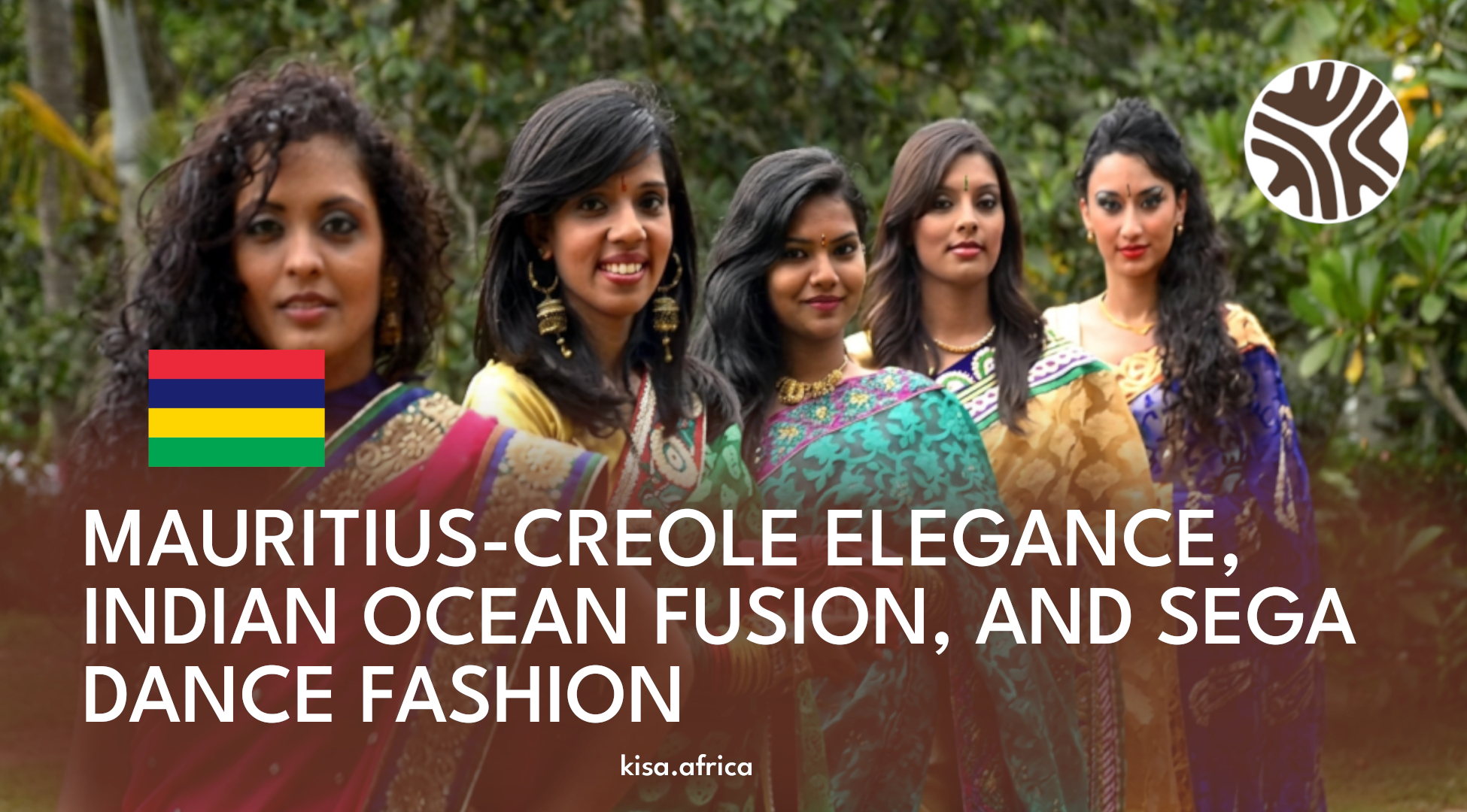
MAURITIUS-CREOLE ELEGANCE, INDIAN OCEAN FUSION, AND SEGA DANCE FASHION
The fashion history of Mauritius is one of the most multicultural and globally interconnected in Africa. Located in the Indian Ocean, east of Madagascar, Mauritius developed through centuries of migration, maritime trade,
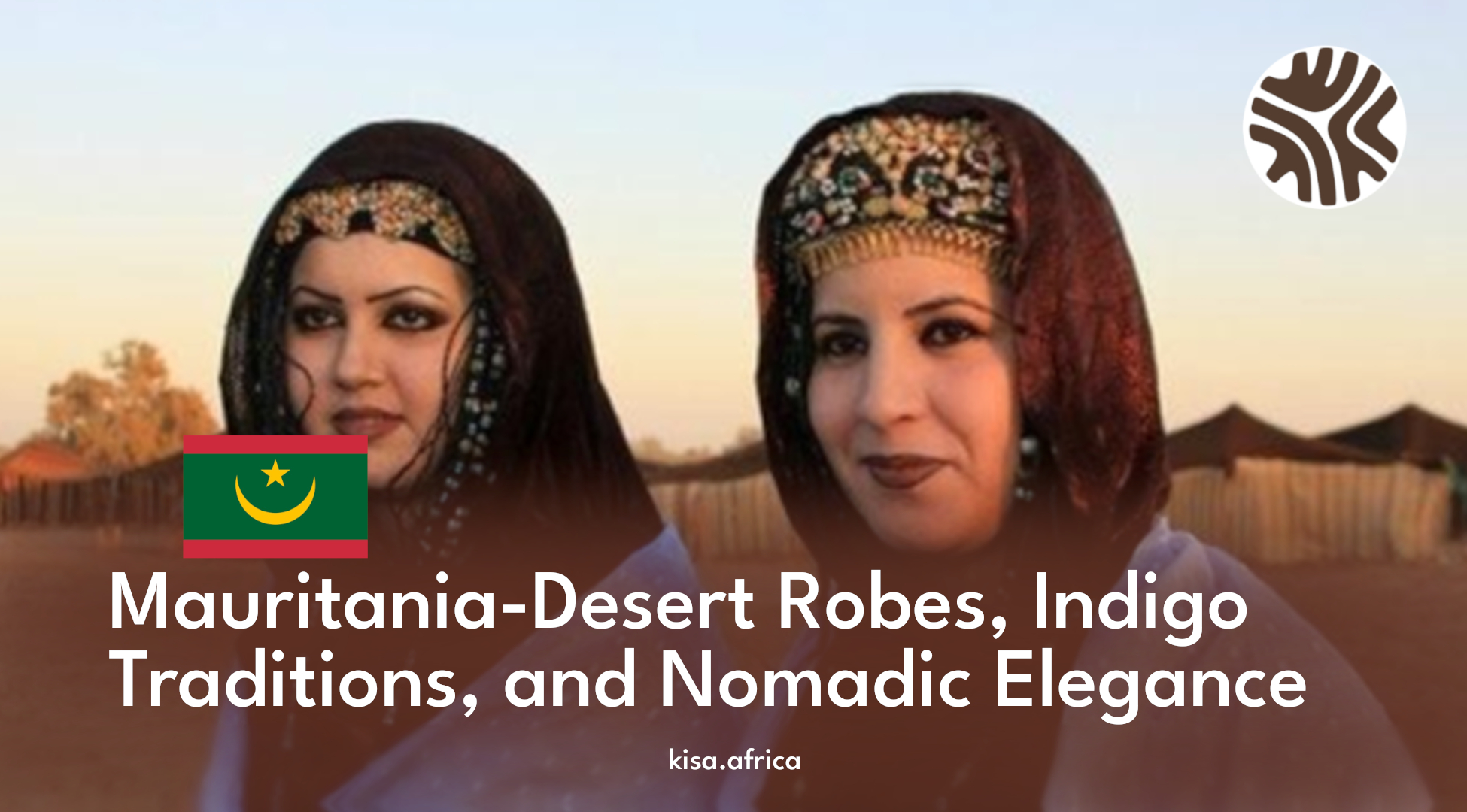
Mauritania-Desert Robes, Indigo Traditions, and Nomadic Elegance
The fashion traditions of Mauritania developed through centuries of interaction between Arab, Amazigh (Berber), West African, and Saharan nomadic cultures. Mauritania’s environment dominated largely by the Sahara Desert shaped clothing systems focused
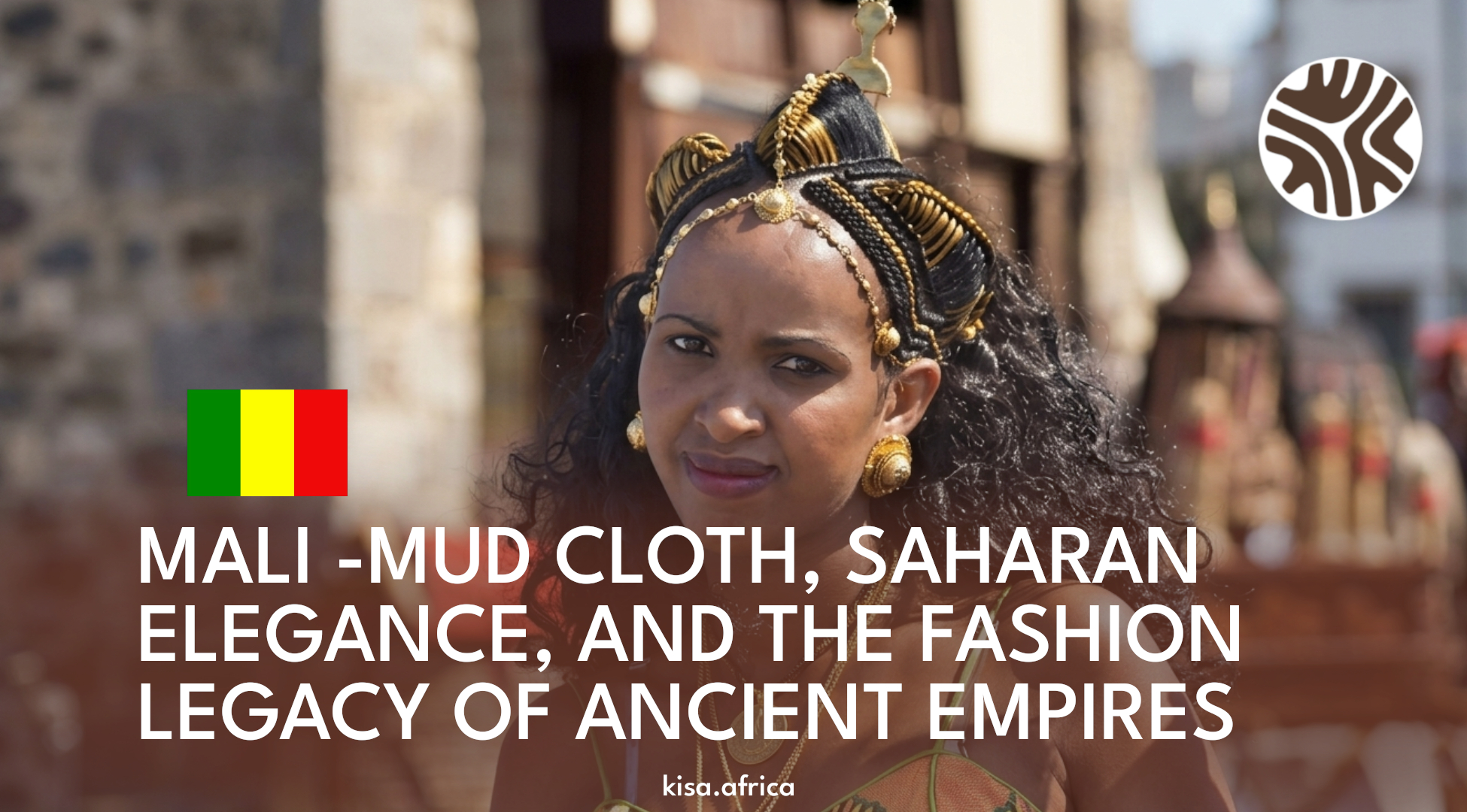
MALI -MUD CLOTH, SAHARAN ELEGANCE, AND THE FASHION LEGACY OF ANCIENT EMPIRES
The fashion history of Mali is among the most influential on the African continent because Mali stood at the centre of major historical empires, trans-Saharan trade routes, Islamic scholarship, artistic innovation, and
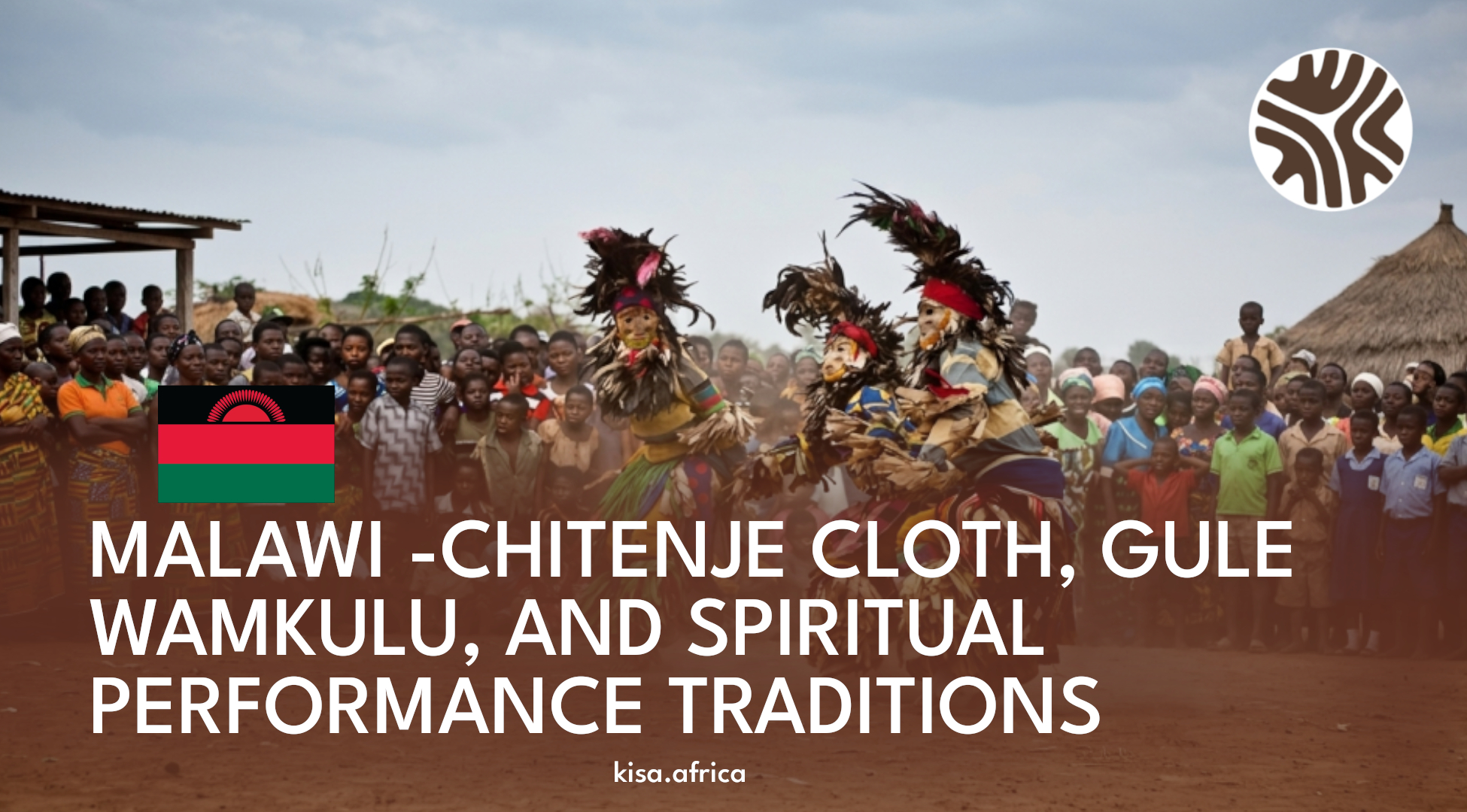
MALAWI -CHITENJE CLOTH, GULE WAMKULU, AND SPIRITUAL PERFORMANCE TRADITIONS
The fashion traditions of Malawi reflect a rich cultural history shaped by Chewa, Yao, Tumbuka, Ngoni, Lomwe, and other ethnic communities whose clothing systems evolved through spirituality, ceremony, trade, environment, and social
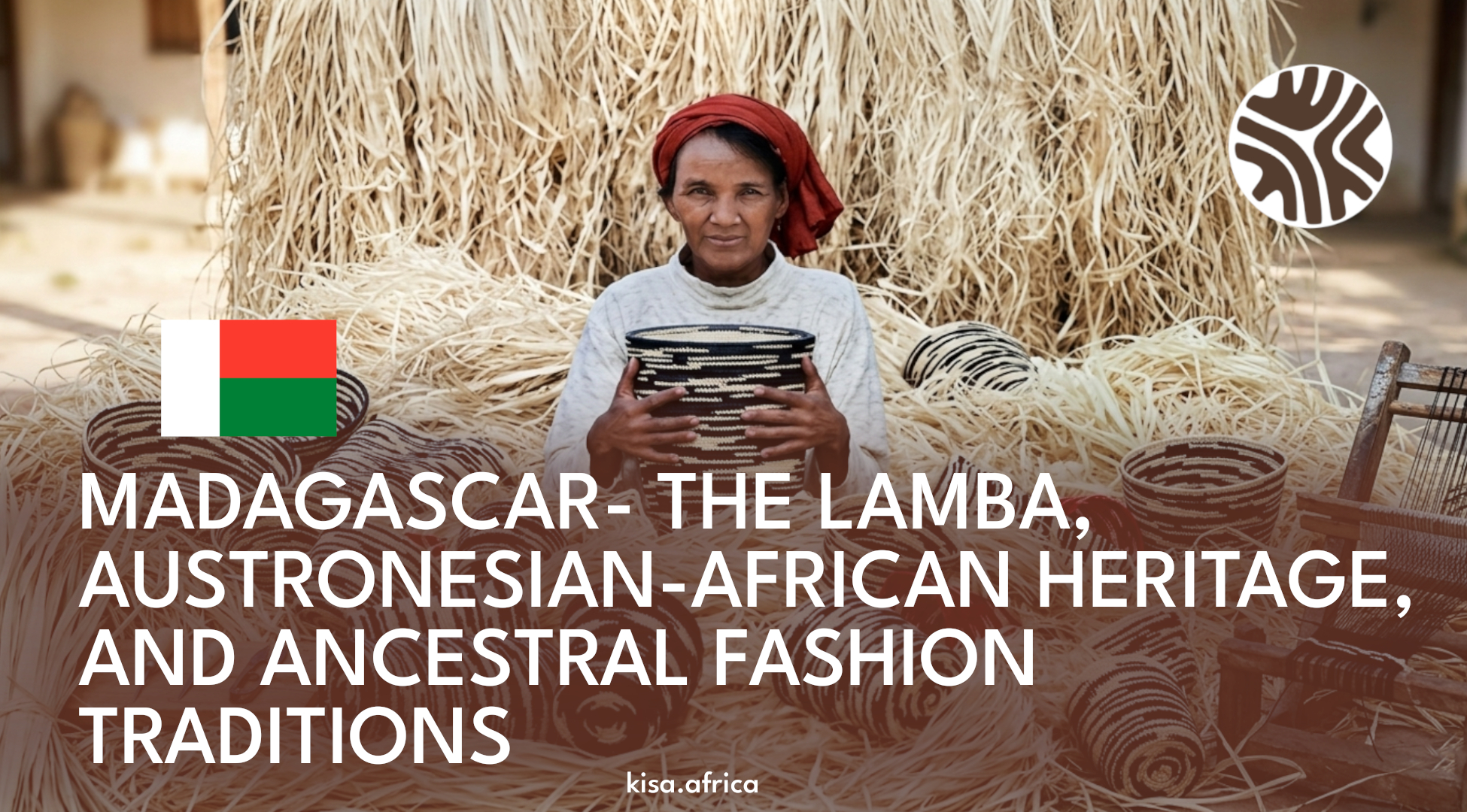
MADAGASCAR- THE LAMBA, AUSTRONESIAN-AFRICAN HERITAGE, AND ANCESTRAL FASHION TRADITIONS
The fashion history of Madagascar is one of the most distinctive in Africa because Malagasy culture emerged through a remarkable blending of African and Austronesian ancestry. Unlike most African countries, Madagascar’s population
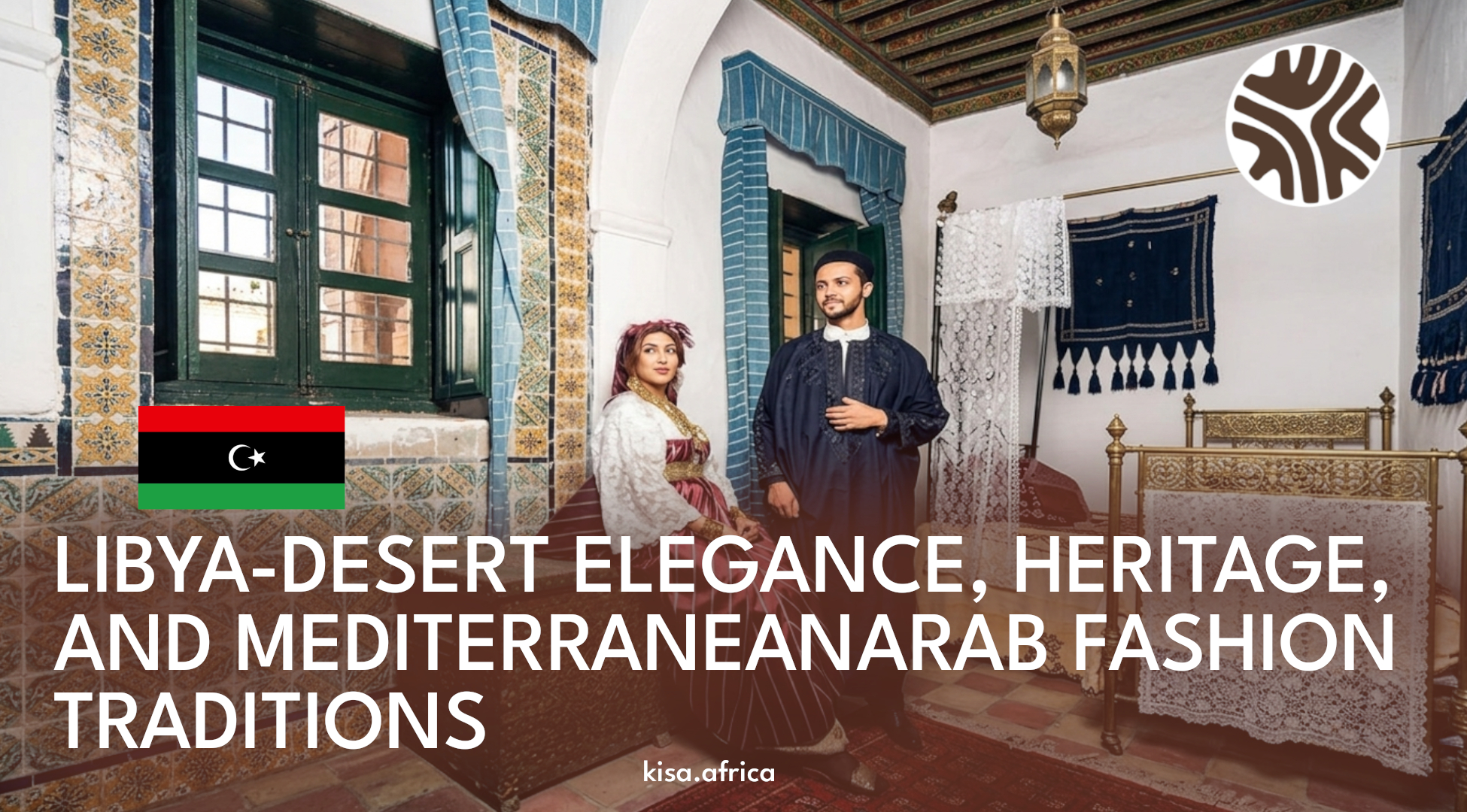
LIBYA-DESERT ELEGANCE, HERITAGE, AND MEDITERRANEANARAB FASHION TRADITIONS
The fashion history of Libya reflects thousands of years of interaction between Amazigh (Berber), Arab, Saharan, Mediterranean, Ottoman, and European cultural systems. Libya’s location between the Mediterranean coast and the Sahara Desert
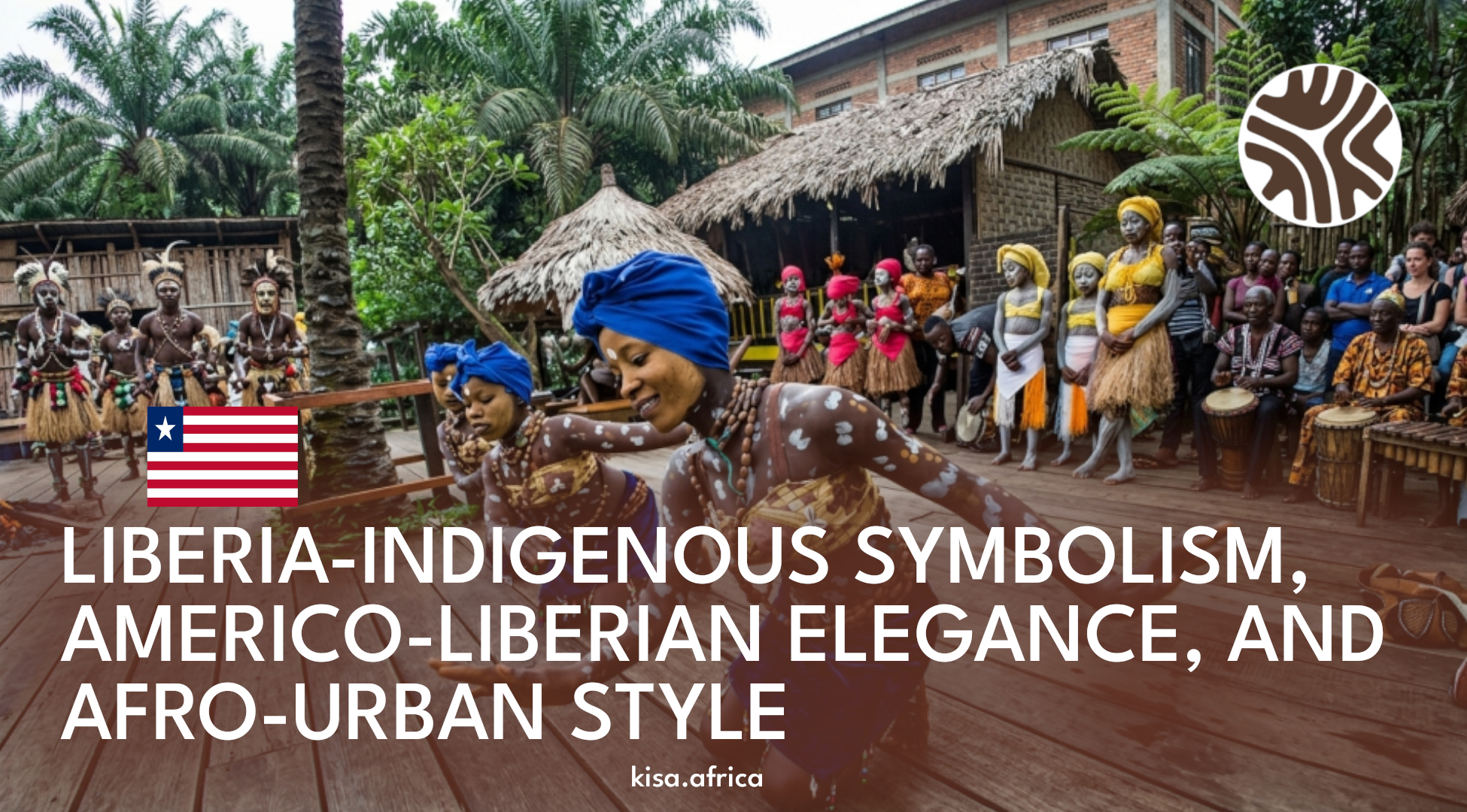
LIBERIA-INDIGENOUS SYMBOLISM, AMERICO-LIBERIAN ELEGANCE, AND AFRO-URBAN STYLE
The fashion history of Liberia is unlike that of almost any other African country because it developed through the interaction of Indigenous West African cultures and Americo-Liberian society formed by formerly enslaved
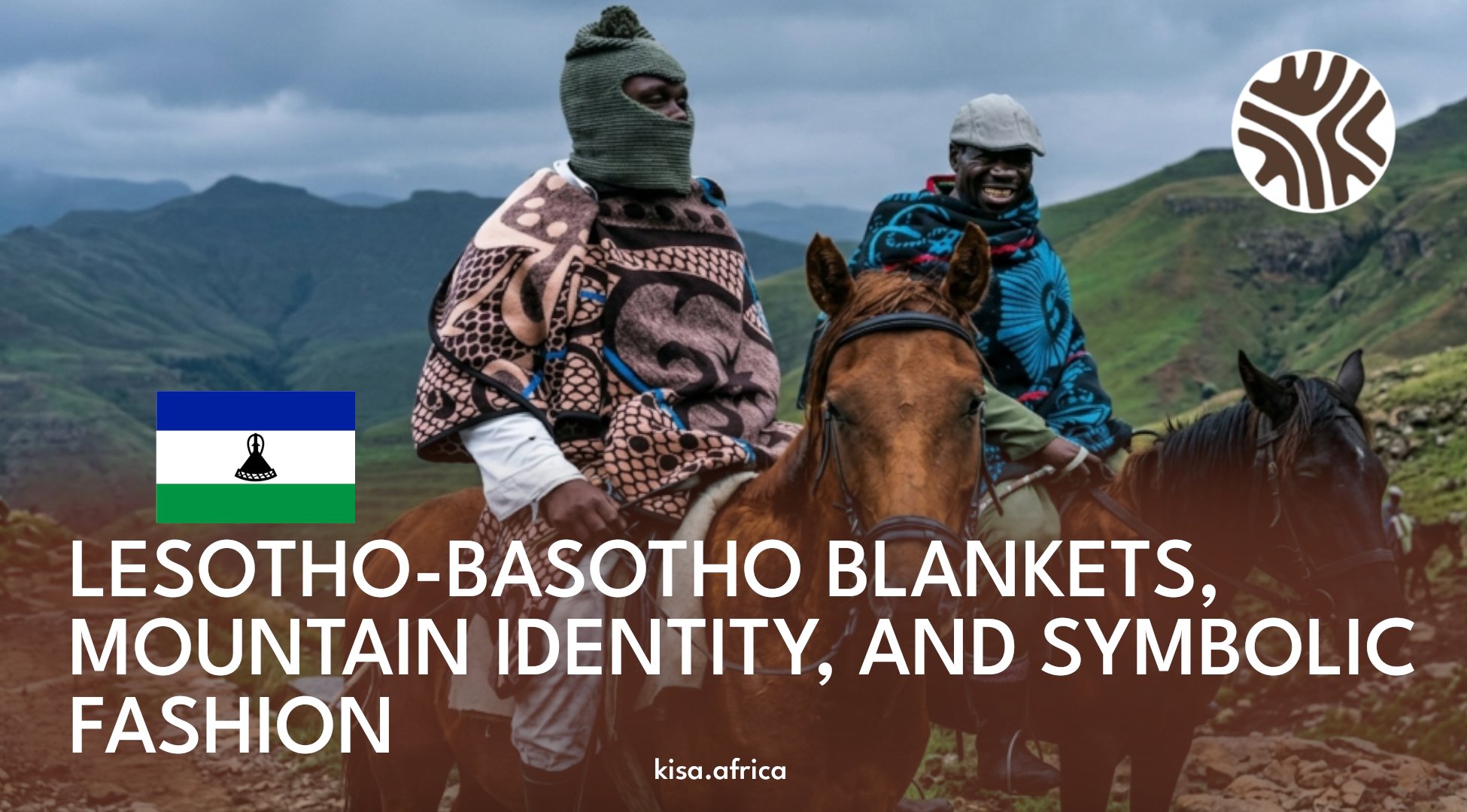
LESOTHO-BASOTHO BLANKETS, MOUNTAIN IDENTITY, AND SYMBOLIC FASHION
The fashion traditions of Lesotho are among the most visually distinctive in Africa because they developed within a high-altitude mountain environment where clothing needed to provide warmth, mobility, and symbolic meaning at