

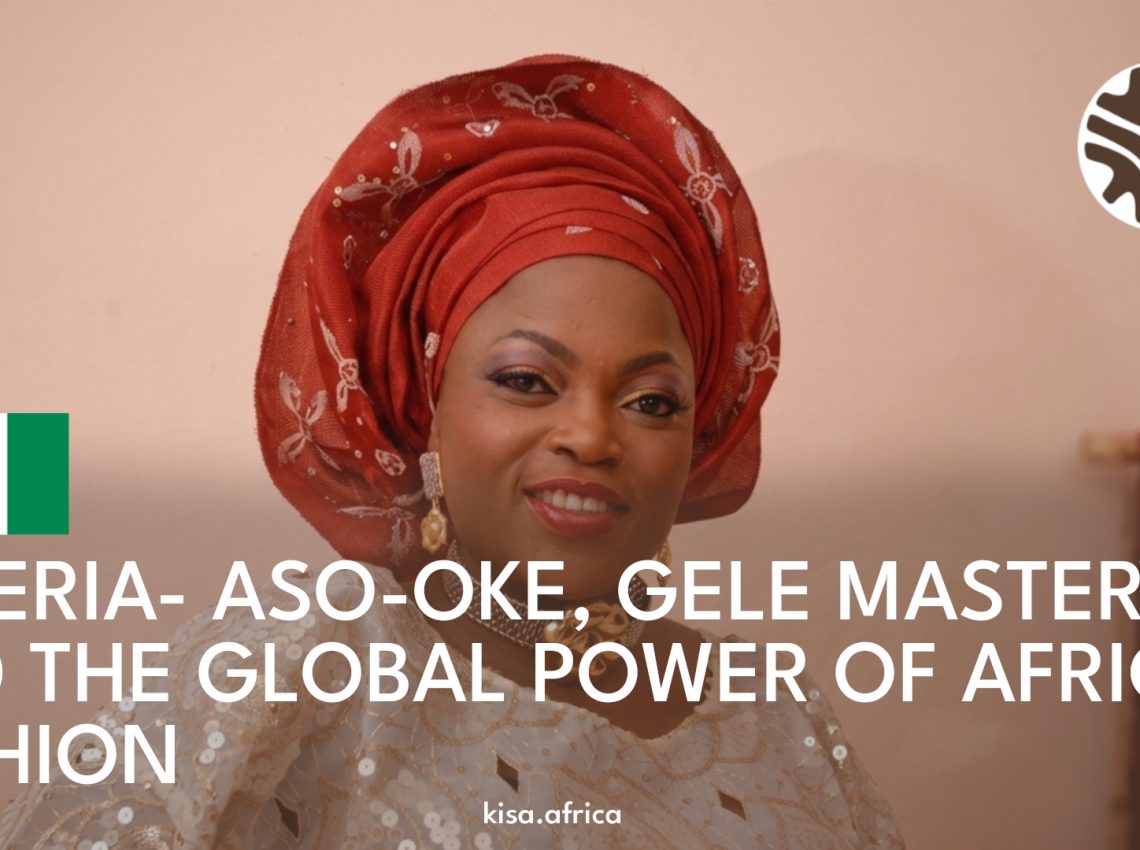
NIGERIA- ASO-OKE, GELE MASTERY, AND THE GLOBAL POWER OF AFRICAN FASHION
The fashion history of Nigeria is one of the most influential, diverse, and globally recognized in Africa. Home to hundreds of ethnic groups including the Yoruba, Igbo, Hausa, Fulani, Edo, Tiv, Kanuri, Ibibio, Nupe, and many others, Nigeria developed extraordinarily rich clothing and hair traditions shaped by ancient kingdoms, trans-Saharan trade, Islamic scholarship, coastal commerce, artistry, spirituality, and colonial encounters.
Because of Nigeria’s immense cultural diversity, fashion became deeply tied to identity, status, lineage, religion, age, celebration, and regional heritage. Textiles, hairstyles, embroidery, jewellery, and ceremonial garments functioned not merely as decoration but as systems of communication carrying social and spiritual meaning.
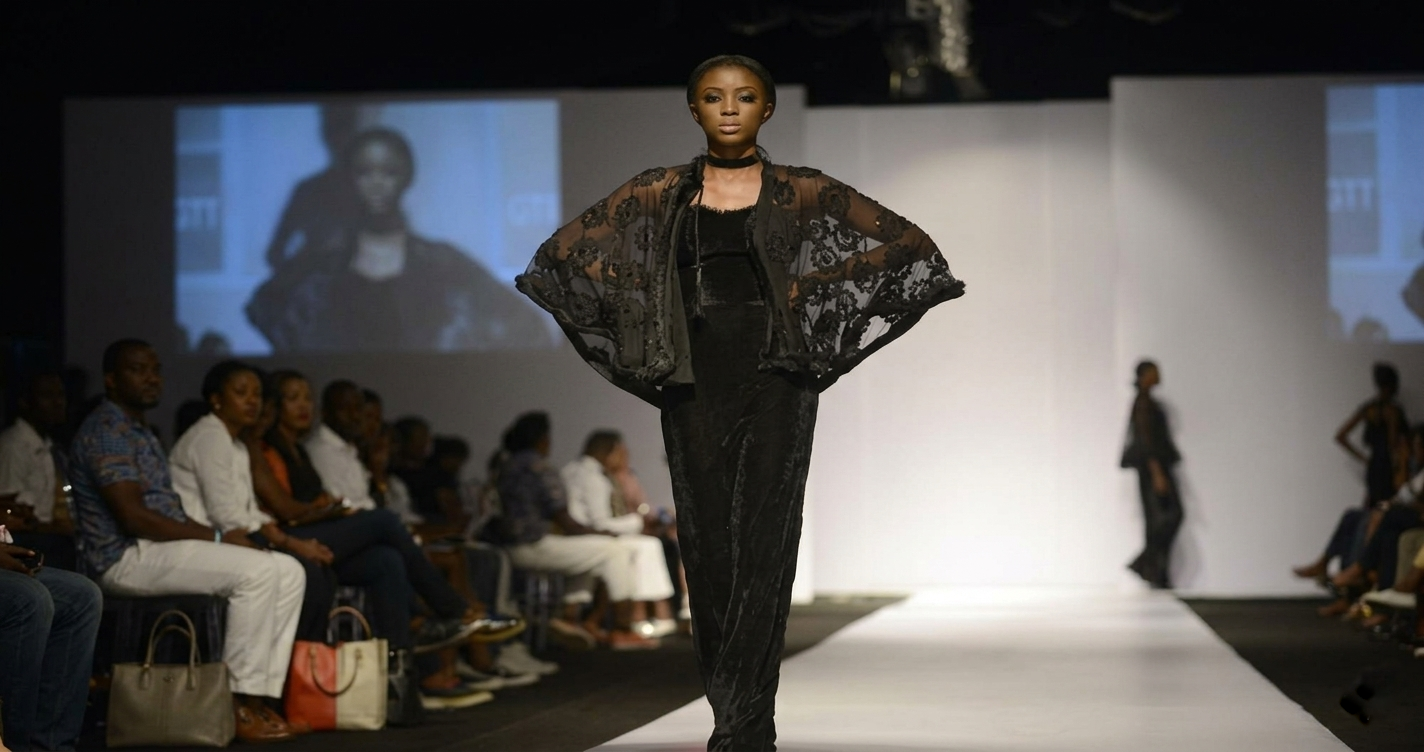
Today, Nigeria also possesses one of Africa’s most powerful modern fashion industries, influencing global Afro-fashion through music, film, luxury design, and popular culture.
Among the most internationally celebrated Nigerian traditions are those of the Yoruba people.
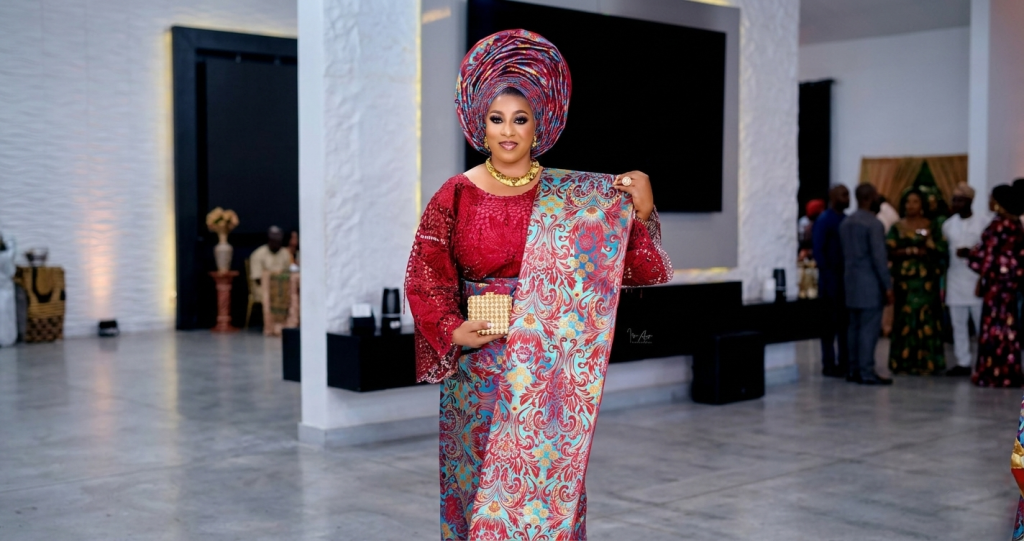
The Yoruba developed highly sophisticated textile and ceremonial fashion traditions centred around aso-oke cloth. Aso-oke is a handwoven textile traditionally produced on narrow looms and assembled into larger garments. Historically, weaving aso-oke required extensive craftsmanship and carried strong associations with prestige, celebration, and family honour.
Aso-oke garments are especially important during:
- Weddings
- Coronations
- Naming ceremonies
- Funerals
- Religious festivals
- Chieftaincy events
Different aso-oke patterns, colours, and weaving styles may reflect regional identity, wealth, or ceremonial purpose.
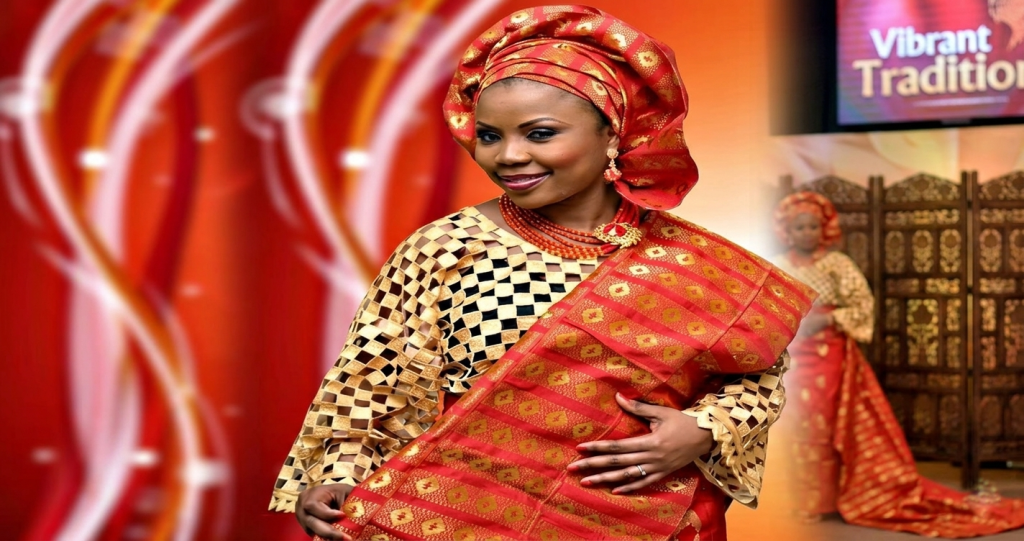
Yoruba women traditionally wear:
- Iro wrappers
- Buba blouses
- Ipele shawls
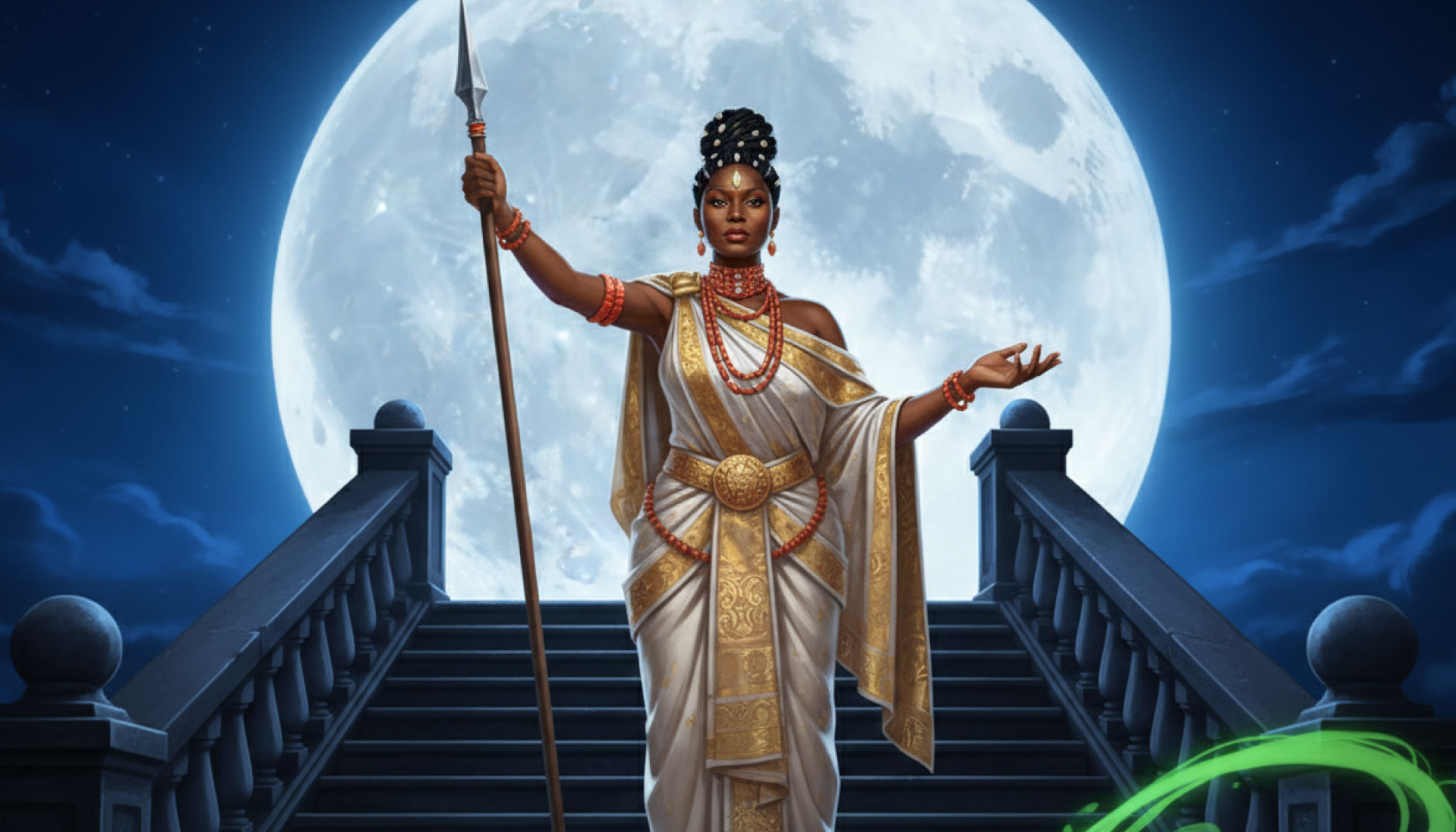
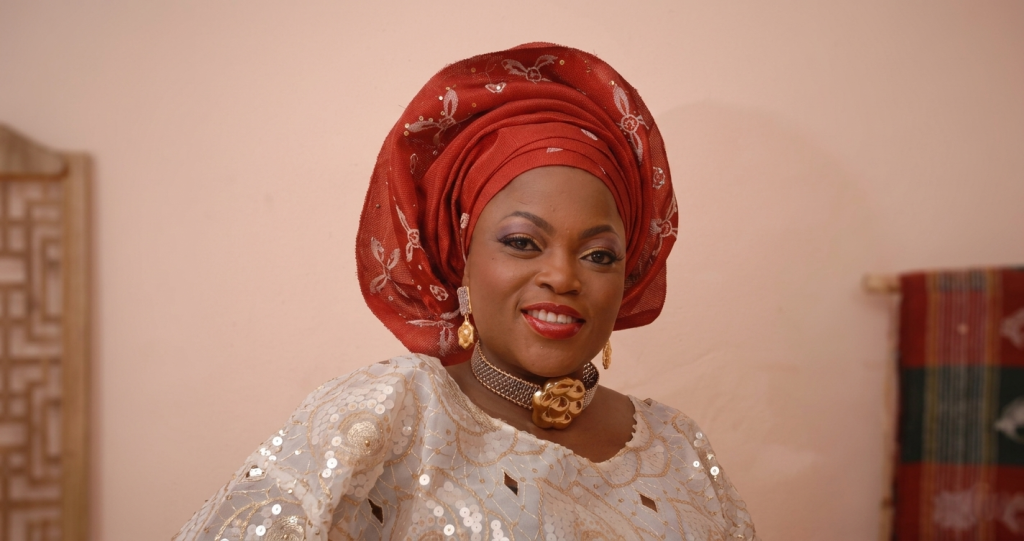
- Gele headwraps
The gele became one of Nigeria’s most globally recognized fashion forms.
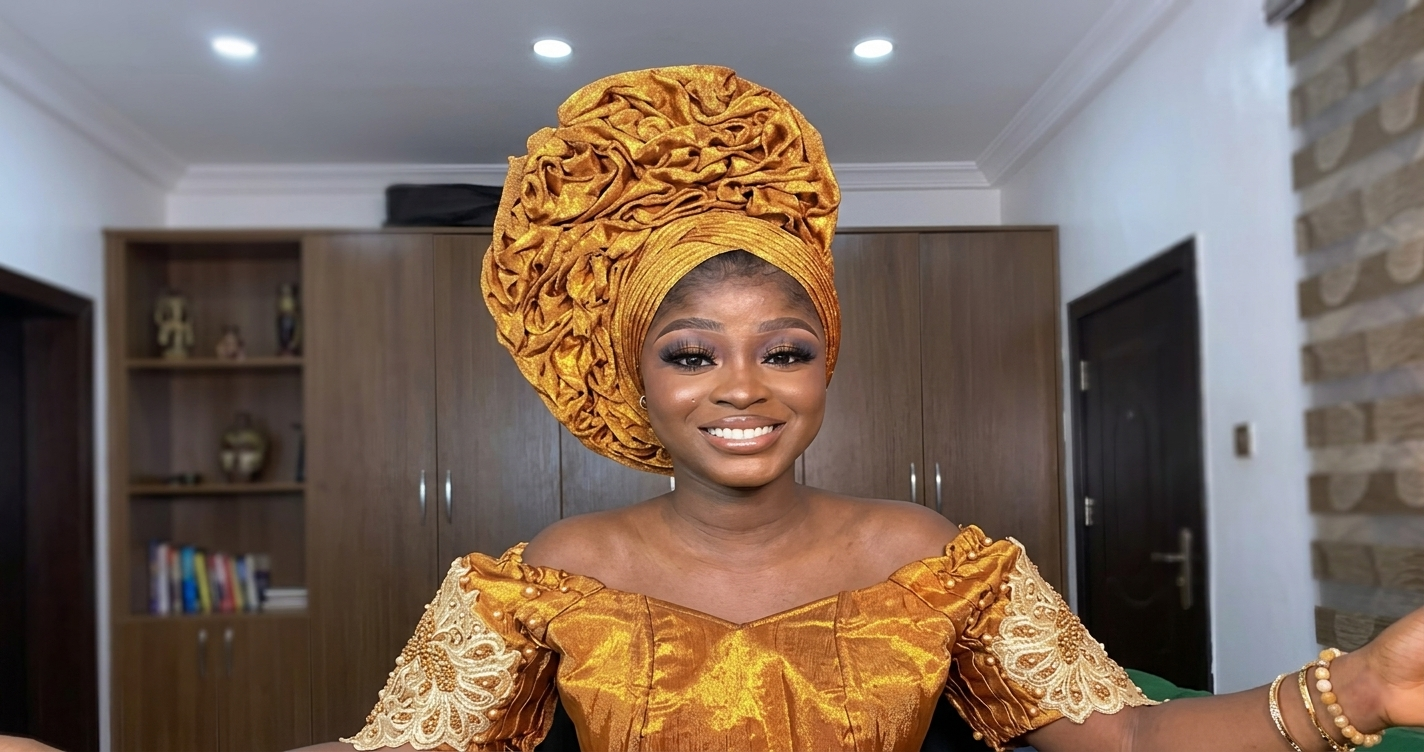
The gele is not simply a head covering but a sculptural art form requiring remarkable skill to tie properly. Some gele styles involve dramatic folds, layered structures, geometric shapes, and towering silhouettes transforming fabric into wearable architecture.
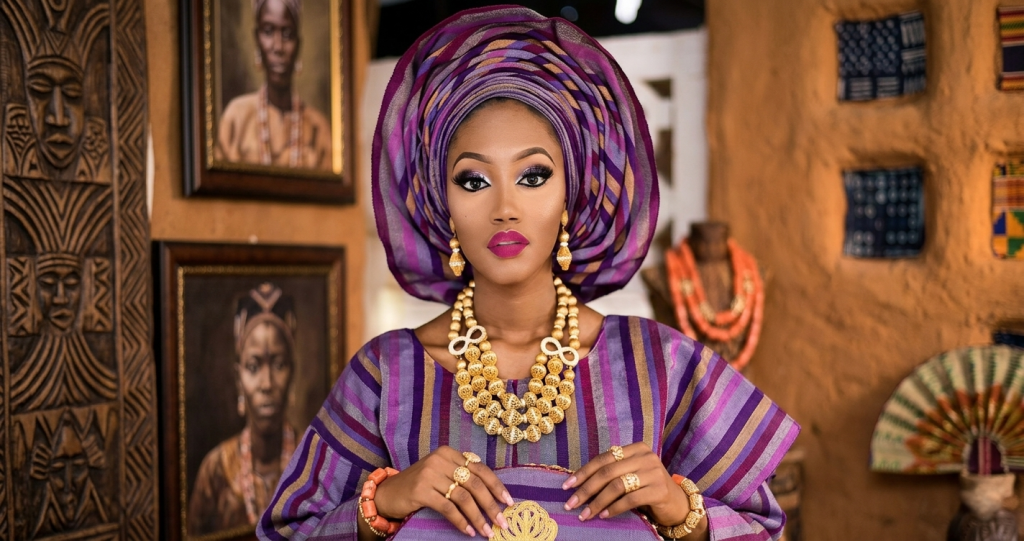
Mastering gele tying often takes years of practice. Skilled stylists can create highly individualized designs reflecting elegance, creativity, and social sophistication.
One fascinating aspect of gele culture is that the style, height, and fabric quality can communicate status, occasion, and fashion awareness. Weddings especially became major showcases for gele artistry.
Yoruba bead traditions also carried spiritual and royal significance. Certain beads were historically associated with kingship, deities, and sacred authority within Yoruba cosmology.
The Igbo peoples developed equally rich clothing traditions.
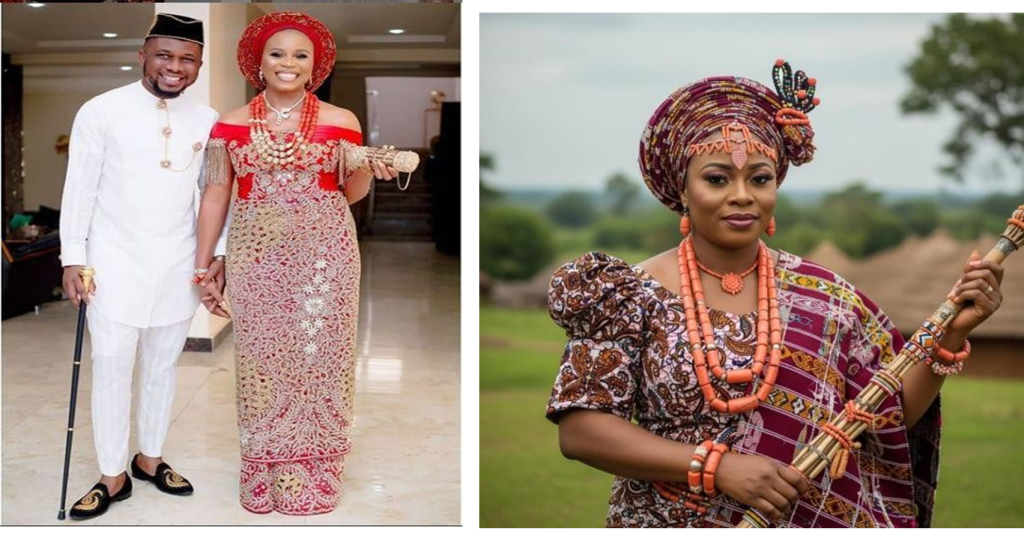
Traditional Igbo attire often includes wrappers, embroidered shirts, walking sticks, symbolic caps, and elaborate coral bead jewellery.
Coral beads historically symbolized:
- Royal authority
- Wealth
- Spiritual protection
- Prestige
- Connection to ancestral traditions
Among some Igbo communities, red caps became associated with titled men and traditional leadership structures. Clothing therefore communicated political and spiritual hierarchy as well as personal achievement.
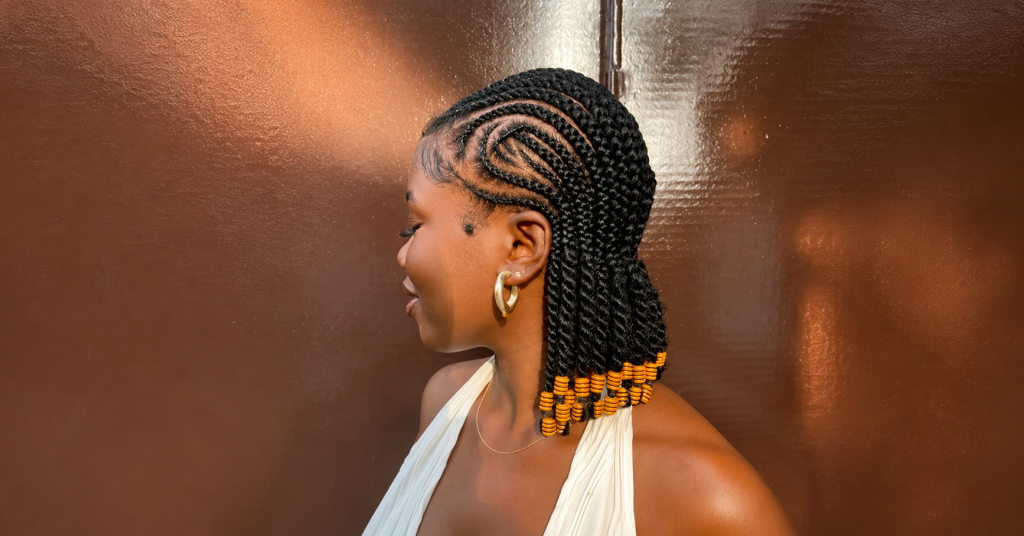
Igbo ceremonial fashion also became highly important during festivals, marriages, funerals, and title-taking ceremonies.
Northern Nigerian fashion reflects Hausa-Fulani and Sahelian Islamic influences developed through centuries of trans-Saharan trade and Islamic scholarship.
Flowing robes, embroidered gowns, turbans, modest garments, and elaborately stitched caps became central to Hausa-Fulani aesthetics.

Northern embroidery traditions are among the most sophisticated in West Africa. Men’s robes frequently feature highly intricate embroidery around the neckline and chest, symbolizing scholarship, prestige, and refinement.
Islamic influence shaped modest dress traditions, elegant tailoring, and textile aesthetics across northern Nigeria. Yet local communities adapted these influences into uniquely Nigerian forms through embroidery, dyeing techniques, and regional tailoring traditions.
Fulani communities also became famous for jewellery and hair adornment traditions involving beads, amber, silver, and decorative braids.
Hair culture in Nigeria is extraordinarily important historically and globally.
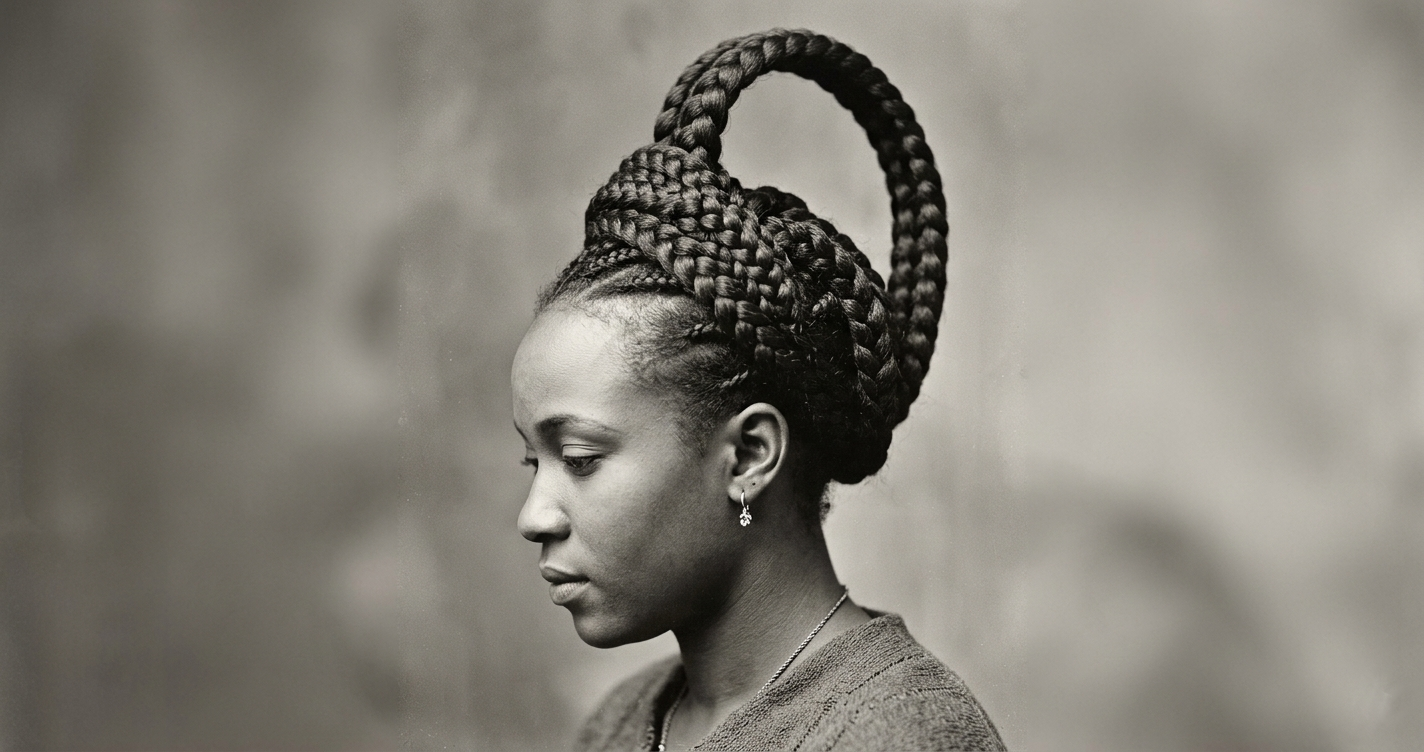
Nigeria possesses some of the world’s richest and most historically documented hair traditions. Hairstyles historically communicated:
- Age
- Marital status
- Spiritual identity
- Ethnic belonging
- Wealth
- Family lineage
Traditional Nigerian hairstyling techniques included:
- Threading
- Sculptural braiding
- Beaded braids
- Bantu-knot variations
- Intricate parting systems
- Symbolic shaved patterns
Hairdressing itself became a highly respected artistic skill passed between generations.
Some hairstyles were so intricate and time-consuming that women reportedly slept carefully for days to preserve them. Certain ceremonial styles could require many hours or even multiple days to complete.
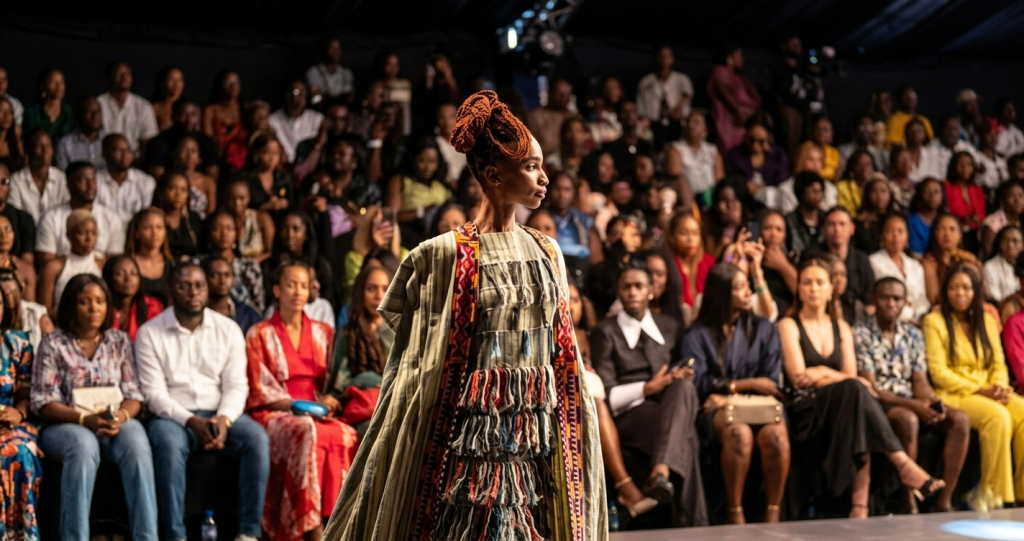
Hair also carried spiritual meaning within many Nigerian traditions. Among some communities, hair was viewed as closely connected to destiny, personal power, and ancestral identity.
Nigeria’s textile history also became internationally important through indigo dyeing traditions, adire cloth production, embroidery, weaving, and wax print adaptation.
Yoruba adire textiles, created through resist-dyeing techniques using indigo, became especially renowned for intricate patterns and symbolic designs.
Colonialism introduced European tailoring, imported fabrics, and Victorian influences, but Nigerians transformed these influences creatively into hybrid African styles.
Modern Nigeria now stands at the centre of African fashion innovation.
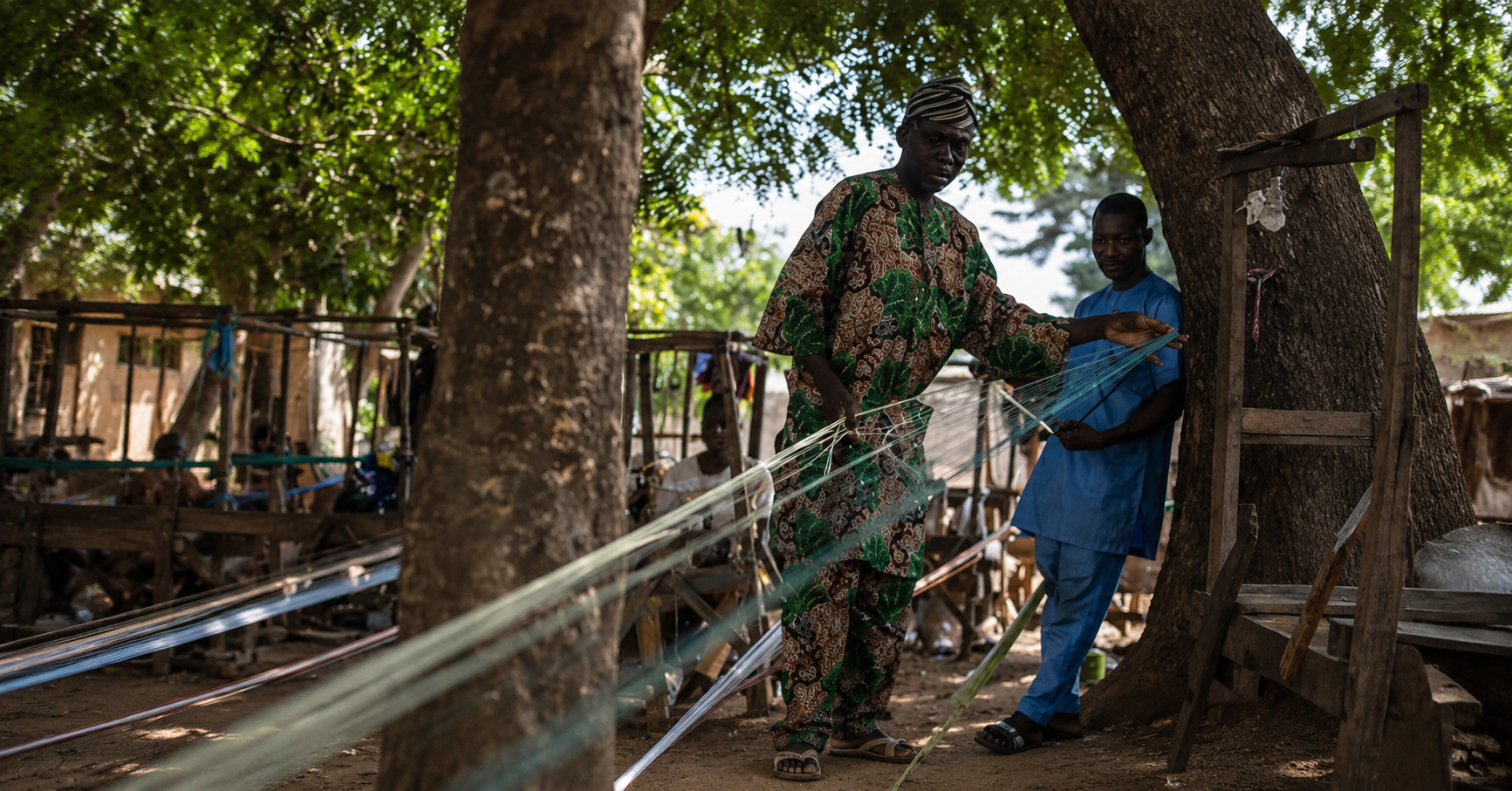
The city of Lagos became one of Africa’s largest fashion capitals, influencing global trends through:
- Afrobeat music culture
- Nollywood
- Luxury fashion brands
- Social media aesthetics
- Contemporary African couture
Nigerian designers increasingly merge:
- Traditional textiles
- Streetwear
- Luxury tailoring
- Gender-fluid fashion
- Afro-futurism
- Global couture aesthetics
Through music videos, celebrity culture, film, and fashion weeks, Nigeria now shapes global perceptions of modern African style more than almost any other country on the continent.
FASCINATING LESSER-KNOWN FACTS ABOUT NIGERIAN FASHION AND HAIR
- The Yoruba gele is considered a sculptural art form requiring advanced tying techniques.
- Some traditional hairstyles took days to create and preserve.
- Aso-oke weaving historically symbolized prestige and ceremonial honour.
- Coral beads among Igbo communities represented royalty and spiritual power.
- Northern Nigerian embroidery traditions became associated with scholarship and status.
- Nigerian hair traditions communicated lineage, spirituality, and social identity.
- Adire indigo dyeing became one of West Africa’s most famous textile traditions.
- Lagos emerged as one of Africa’s largest global fashion capitals.
- Nigerian fashion heavily influences Afrobeat, Nollywood, and international luxury fashion.
SOURCES
Eicher, J. B. (1976). Nigerian Handcrafted Textiles. Ife, Nigeria: University of Ife Press.
Perani, J., & Wolff, N. H. (1999). Cloth, Dress, and Art Patronage in Africa. Oxford, United Kingdom: Berg Publishers.
Kriger, C. E. (2006). Cloth in West African History. Lanham, MD: AltaMira Press.
Renne, E. P. (1995). Cloth That Does Not Die: The Meaning of Cloth in Bunu Social Life. Seattle, WA: University of Washington Press.
Picton, J., & Mack, J. (1989). African Textiles. London, England: British Museum Press.
Rovine, V. L. (2015). African Fashion, Global Style: Histories, Innovations, and Ideas You Can Wear. Bloomington, IN: Indiana University Press.