
MOROCCO -CAFTANS, AMAZIGH JEWELLERY, AND THE ELEGANCE OF IMPERIAL CROSSROADS
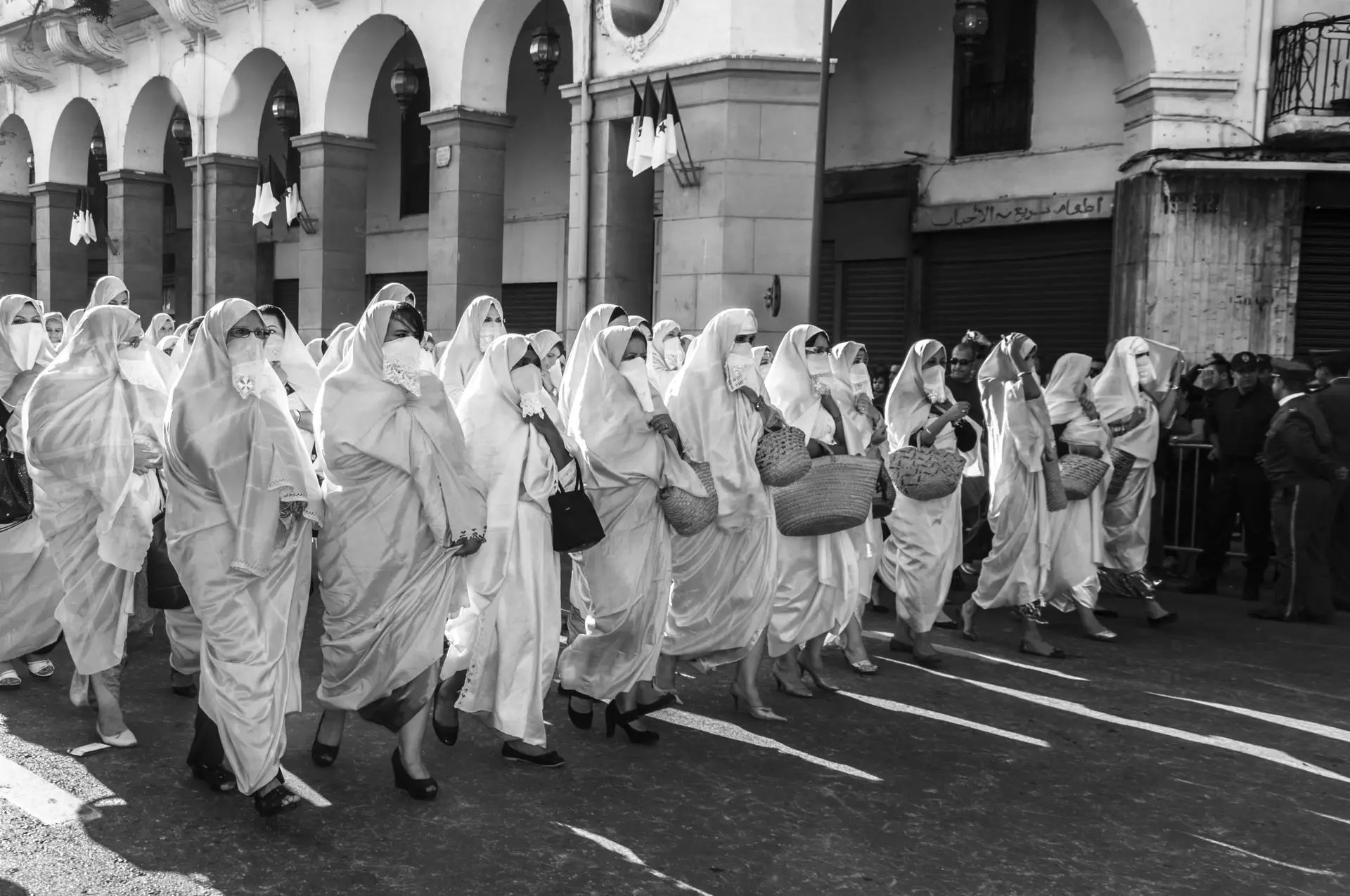
The fashion history of Morocco is among the most sophisticated and influential in Africa and the Mediterranean world. Positioned between the Atlantic Ocean, the Sahara Desert, and Europe, Morocco became a major crossroads of civilizations for centuries. Moroccan clothing traditions evolved through interactions among Amazigh (Berber) cultures, Arab dynasties, Andalusian refugees, Saharan trade networks, Ottoman luxury aesthetics, Mediterranean commerce, and Islamic scholarship.
As a result, Moroccan fashion developed into a remarkably refined blend of practicality, artistry, spirituality, and luxury craftsmanship. Clothing in Morocco historically communicated region, social status, marital identity, religious devotion, urban sophistication, and tribal affiliation.
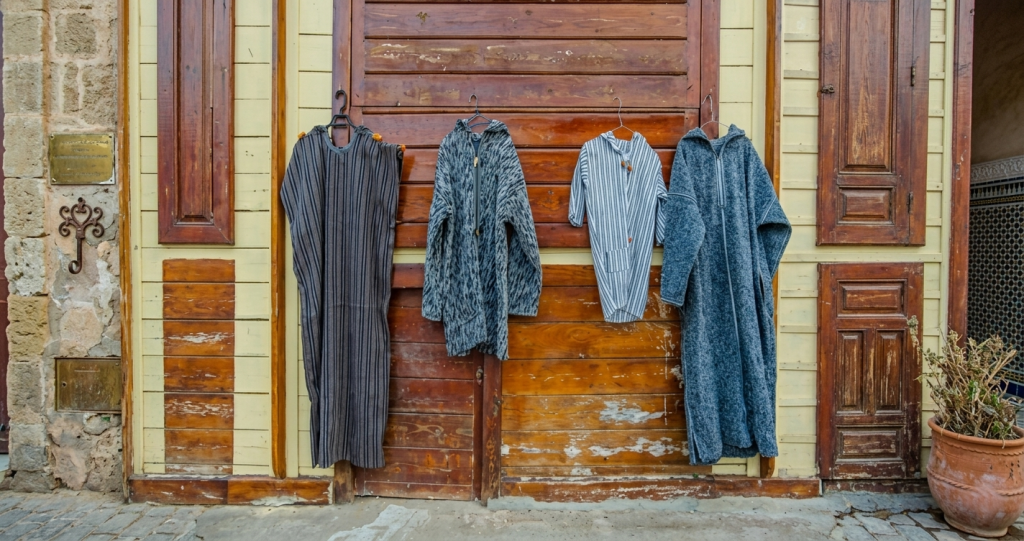
Morocco’s imperial cities especially Fez, Marrakech, Meknes, and Casablanca became major centres of textile production, embroidery, leatherworking, jewellery making, and luxury tailoring.
One of the most recognizable Moroccan garments is the djellaba.
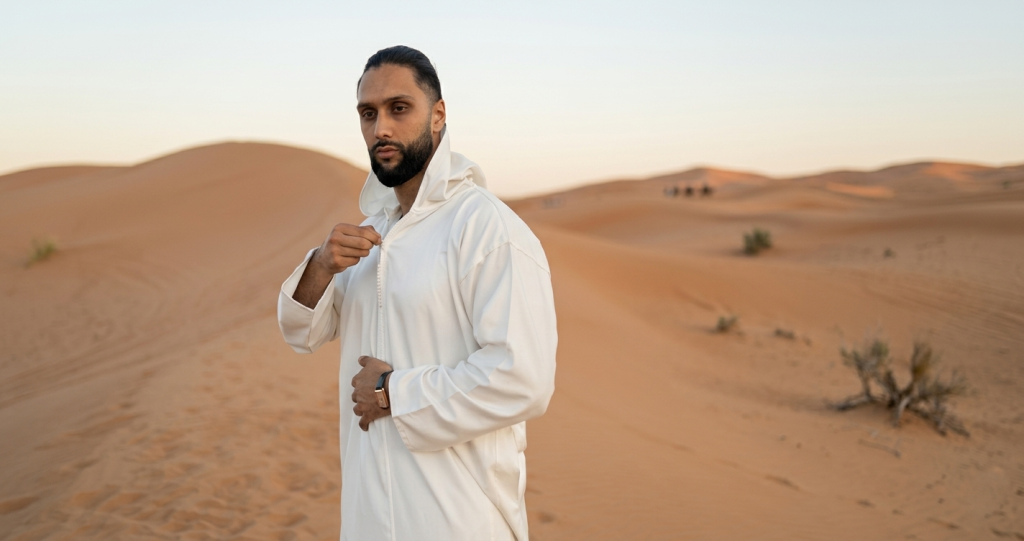
The djellaba is a loose hooded robe worn by both men and women throughout Morocco. Its flowing structure reflects centuries of environmental adaptation to desert heat, mountain cold, and changing seasonal conditions.
The garment’s wide cut promotes airflow during hot weather while also allowing layering during colder temperatures. One of its most distinctive features is the pointed hood, known as the qob, which historians believe may originally have helped protect wearers from sun exposure, dust, rain, and desert sand.
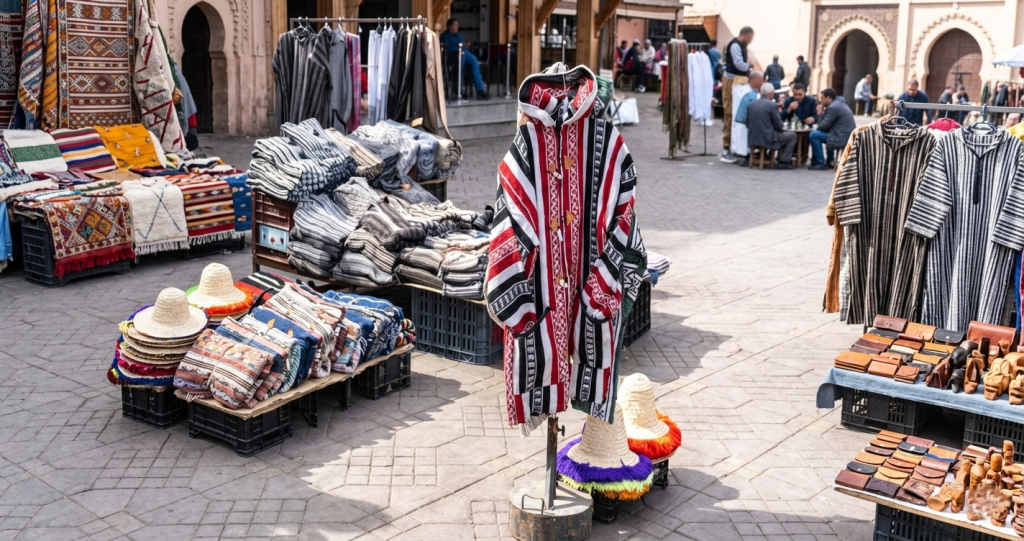
This demonstrates how Moroccan garments often merged practicality with elegance. Clothing was designed not merely for appearance but for survival within varied landscapes ranging from Sahara dunes to Atlas Mountain winters.
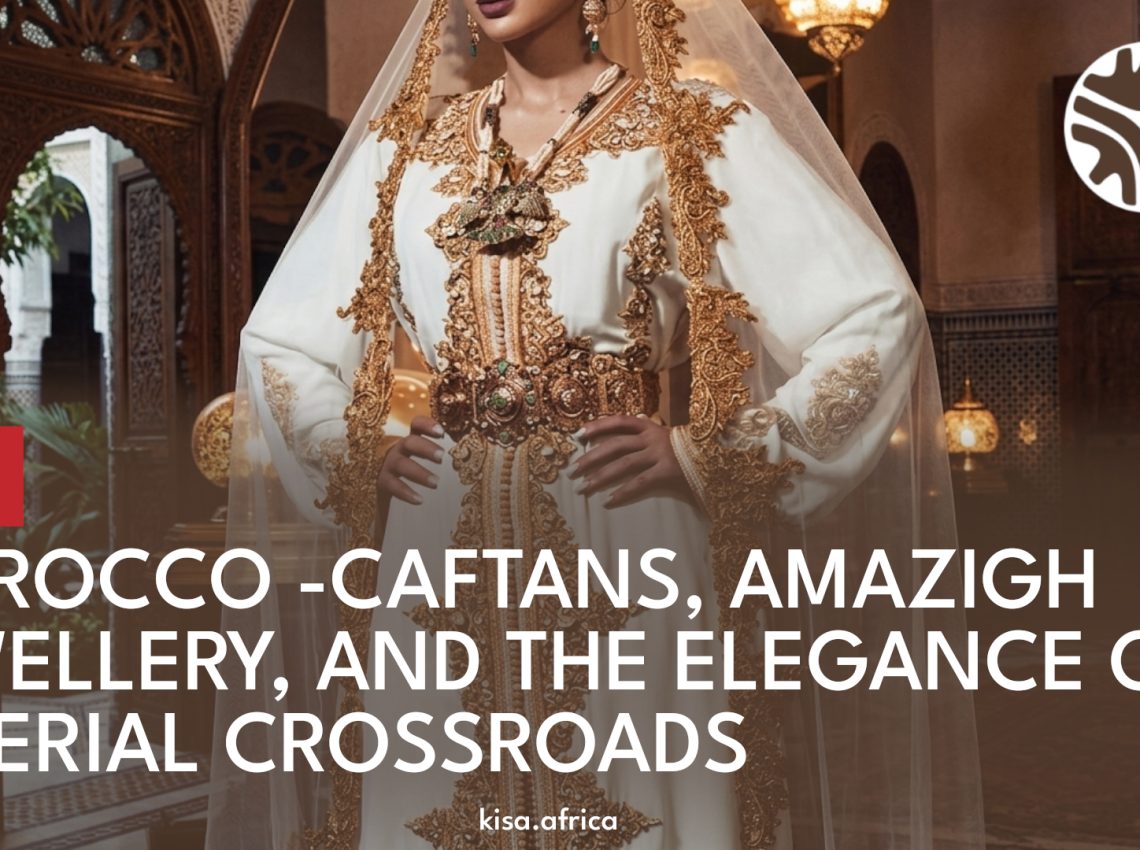
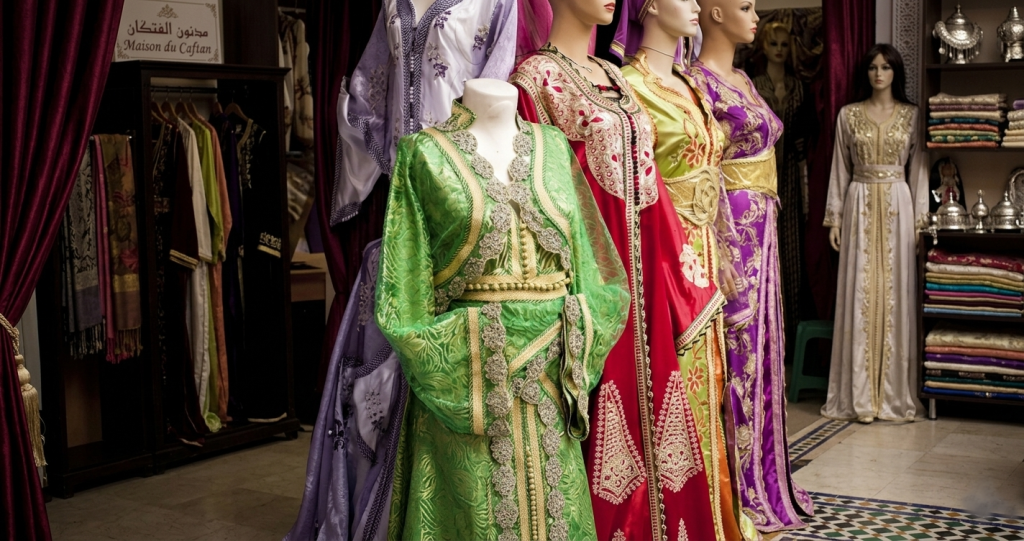
Women’s ceremonial fashion became especially renowned through the Moroccan caftan.
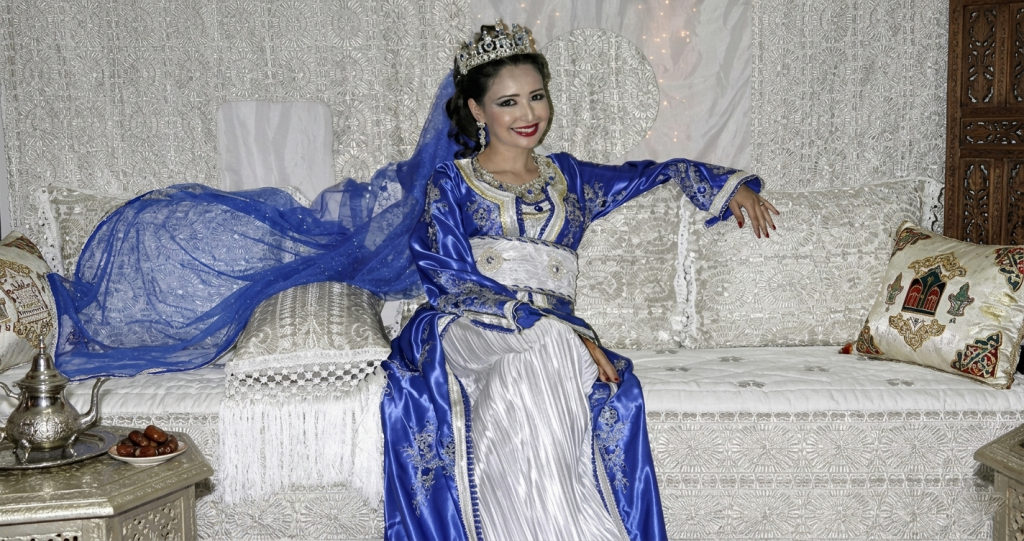
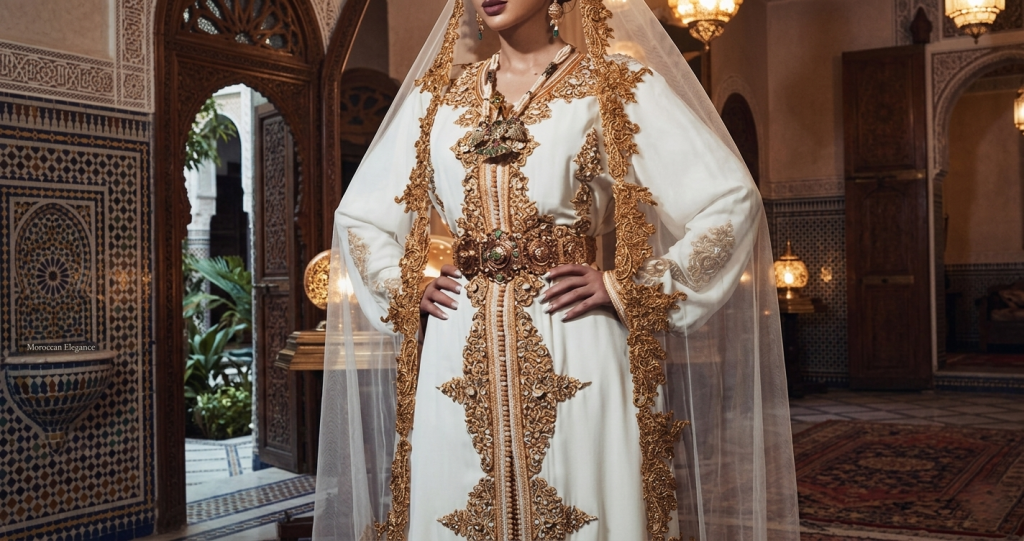
Moroccan caftans are among the most luxurious traditional garments in Africa and the Islamic world. Historically associated with royalty, elite families, weddings, and important ceremonies, caftans are typically made from silk, velvet, brocade, satin, or fine woven fabrics richly decorated with embroidery, gold thread, sequins, pearls, and jewels.
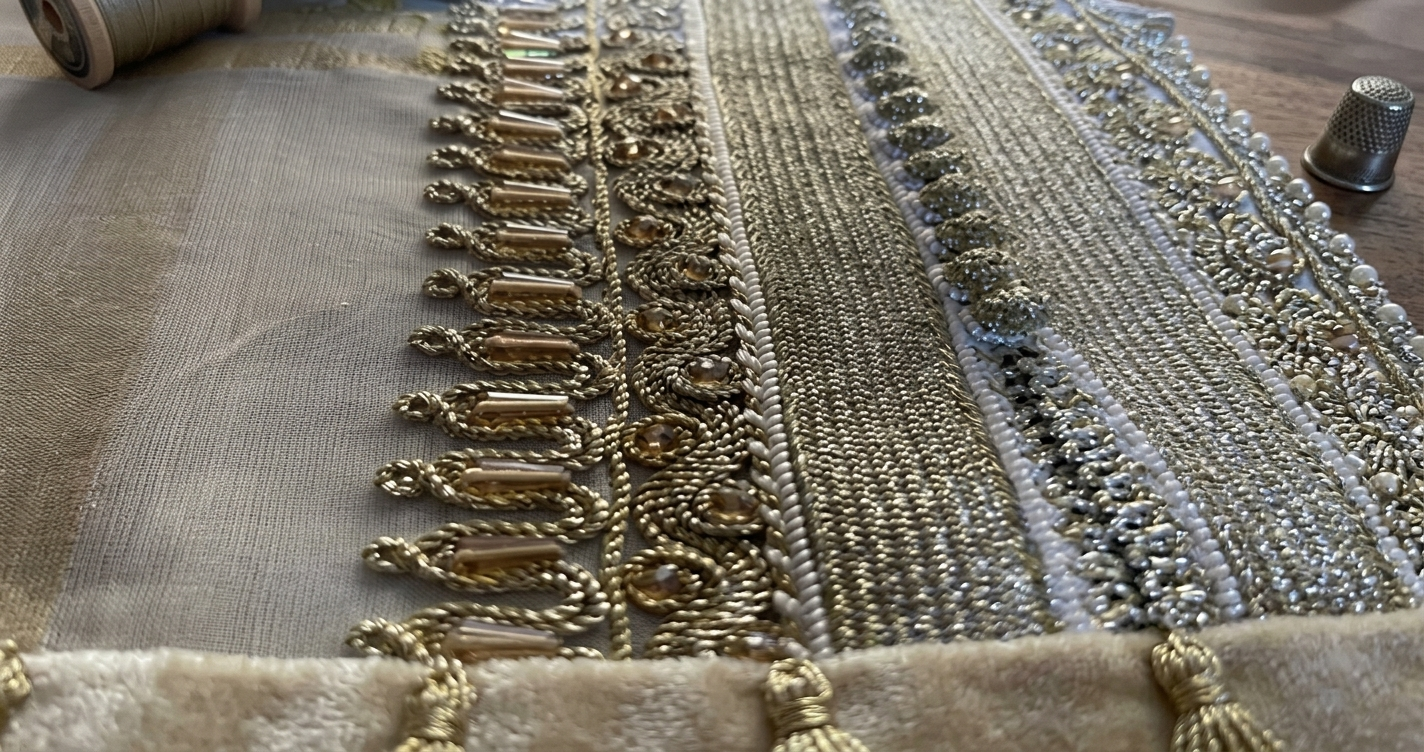
Wedding caftans can become extraordinarily elaborate, sometimes weighing several kilograms because of heavy embroidery, layered fabrics, and jewellery. In many Moroccan weddings, brides change outfits multiple times during celebrations, showcasing different regional styles, colours, and decorative traditions.
The caftan evolved over centuries through interactions with Andalusian, Ottoman, Arab, and Amazigh influences, eventually becoming one of Morocco’s most internationally recognized cultural symbols.
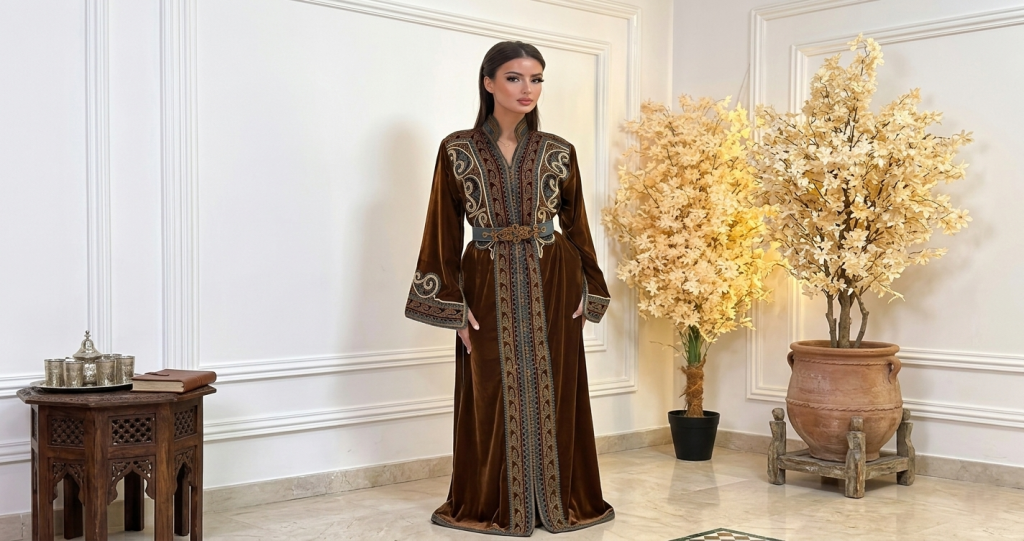
Moroccan embroidery traditions themselves became highly sophisticated.
Different cities developed distinct embroidery styles:
- Fez became associated with refined urban craftsmanship.
- Tetouan preserved Andalusian influences.
- Rabat developed elegant floral embroidery traditions.
- Southern regions incorporated Amazigh geometric symbolism.
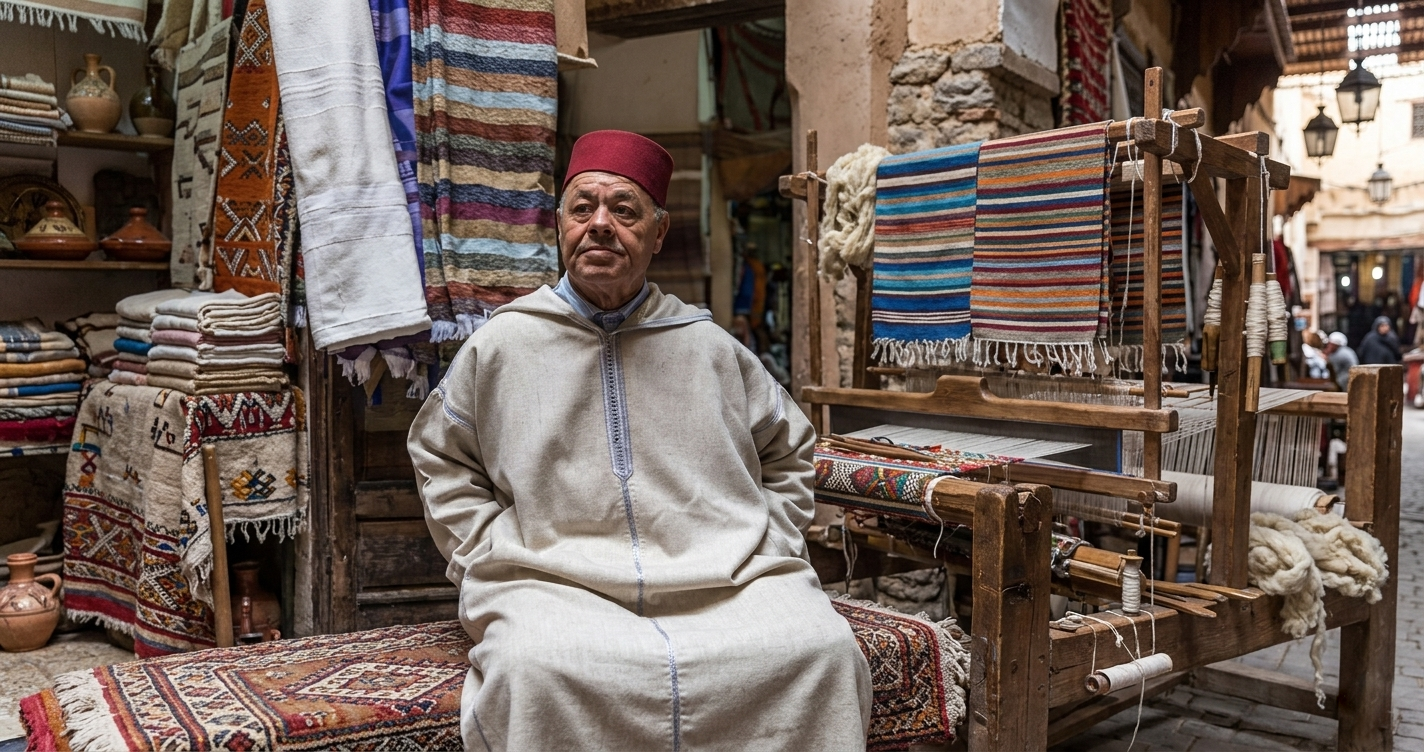
This regional diversity transformed clothing into a visual map of Moroccan history and identity.
Amazigh influence remains one of the most foundational elements of Moroccan fashion culture.
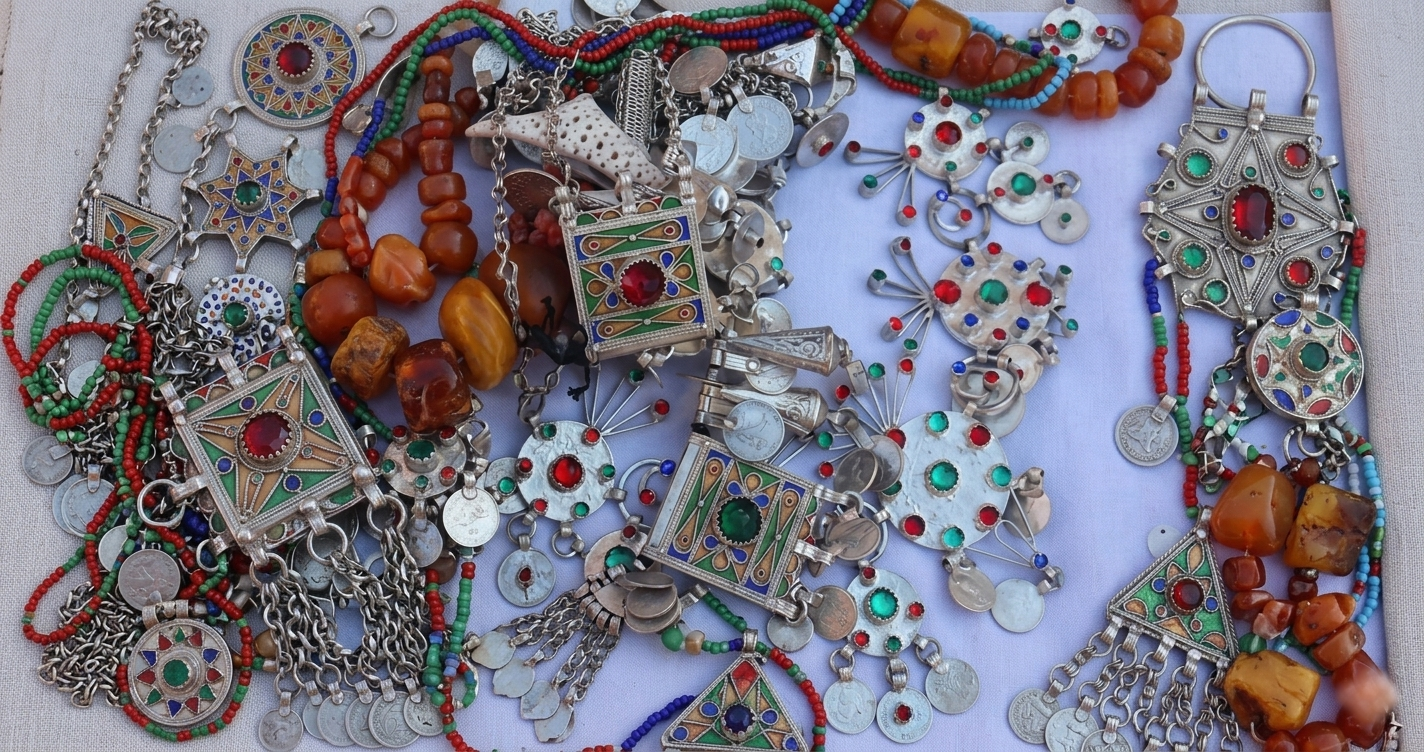
Amazigh women historically preserved highly symbolic jewellery traditions involving silver, amber, coral, enamel, coins, and geometric motifs. Jewellery often functioned simultaneously as:
- Decoration
- Tribal identification
- Spiritual protection
- Family inheritance
- Portable wealth
Portable wealth became especially important in semi-nomadic and rural communities because jewellery could be transported easily and traded during periods of instability or migration.
Large silver fibulae, necklaces, earrings, bracelets, and head ornaments often displayed geometric designs believed to provide protection against misfortune or harmful spiritual forces.
Many Amazigh motifs continue appearing in modern Moroccan design, textiles, architecture, and jewellery.
Hair traditions in Morocco also carried deep cultural significance.
Traditional hairstyles included braiding, perfumed oils, henna applications, decorative scarves, and ceremonial styling connected to weddings and festivals. Hair care often involved argan oil, olive oil, rosewater, herbal treatments, and scented products.
Moroccan beauty culture became closely linked to the hammam the traditional bathhouse system central to social and ritual life throughout North Africa and the Islamic world.
Hammam rituals involved cleansing, exfoliation, perfuming, skincare, and hair treatments that transformed grooming into a communal and ceremonial experience. Women especially used hammam spaces for beauty preparation before weddings, festivals, and religious celebrations.
Henna also became deeply important in Moroccan beauty traditions. Hands, feet, and occasionally hair were decorated with symbolic henna designs during weddings and major life events. Henna patterns were believed to symbolize blessing, joy, protection, and prosperity.
Another major influence on Moroccan fashion came from Al-Andalus.
After Muslims and Jews fled the Iberian Peninsula following the fall of Al-Andalus, many settled in Morocco, bringing embroidery techniques, musical traditions, architectural styles, luxury aesthetics, and urban refinement.
This Andalusian migration profoundly shaped Moroccan elite culture. Sophisticated embroidery, elegant tailoring, music traditions, and artistic craftsmanship became integrated into Moroccan identity.
Ottoman luxury fabrics and broader Mediterranean trade later introduced additional influences including velvet textiles, silk imports, decorative trims, and courtly fashion aesthetics.
French colonialism during the 20th century introduced European tailoring and Parisian fashion influences, especially in urban centres. However, Morocco retained exceptionally strong traditional clothing systems compared to many colonized societies.
Modern Morocco is now one of North Africa’s leading fashion centres.
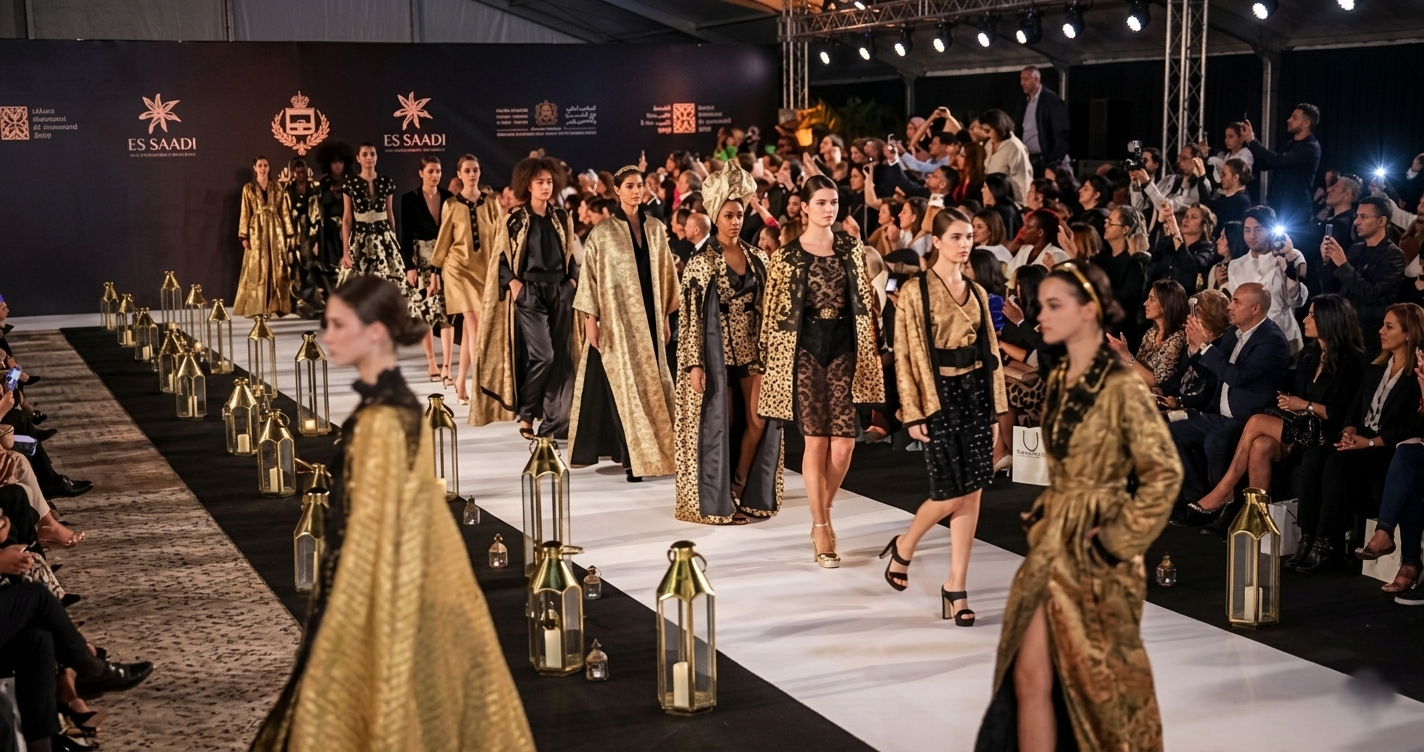
Designers in Casablanca, Marrakech, Rabat, and Fez increasingly merge traditional caftans, Amazigh motifs, Islamic modest fashion, luxury tailoring, and global couture aesthetics into internationally recognized collections.
Moroccan caftans now appear on global runways, at royal ceremonies, and within luxury fashion industries worldwide. Yet traditional garments remain highly important within Moroccan daily life, religious celebrations, and wedding culture.
Fashion in Morocco therefore represents both continuity and reinvention a living fusion of Amazigh heritage, Islamic civilization, Mediterranean artistry, and modern luxury design.
FASCINATING LESSER-KNOWN FACTS ABOUT MOROCCAN FASHION AND HAIR
- Moroccan wedding caftans can weigh several kilograms because of embroidery and jewellery.
- The pointed hood of the djellaba likely evolved for protection against sun and desert conditions.
- Amazigh jewellery functioned as portable wealth and tribal identification.
- Andalusian refugees profoundly shaped Moroccan embroidery and elite aesthetics.
- Hammam culture transformed beauty rituals into communal social experiences.
- Henna ceremonies symbolized blessing, fertility, and protection.
- Different Moroccan cities developed distinct embroidery styles.
- Argan oil became internationally famous through Moroccan hair and beauty traditions.
- Moroccan caftans evolved into internationally recognized luxury couture.
SOURCES
Stillman, Y. K. (2000). Arab Dress: A Short History. Leiden, Netherlands: Brill Academic Publishers.
Brett, M., & Fentress, E. (1996). The Berbers. Oxford, United Kingdom: Blackwell Publishers.
Eicher, J. B., & Ross, D. A. (1992). Dress and Identity. New York, NY: Fairchild Publications.
Rovine, V. L. (2015). African Fashion, Global Style: Histories, Innovations, and Ideas You Can Wear. Bloomington, IN: Indiana University Press.
Spring, C., & Hudson, J. (1995). North African Textiles. Washington, DC: Smithsonian Institution Press.
Chebel, M. (2004). Symbols of North African Culture. Paris, France: Flammarion.