

MOZAMBIQUE- CAPULANA CLOTH, INDIAN OCEAN EXCHANGE, AND AFRO-LUSOPHONE FASHION
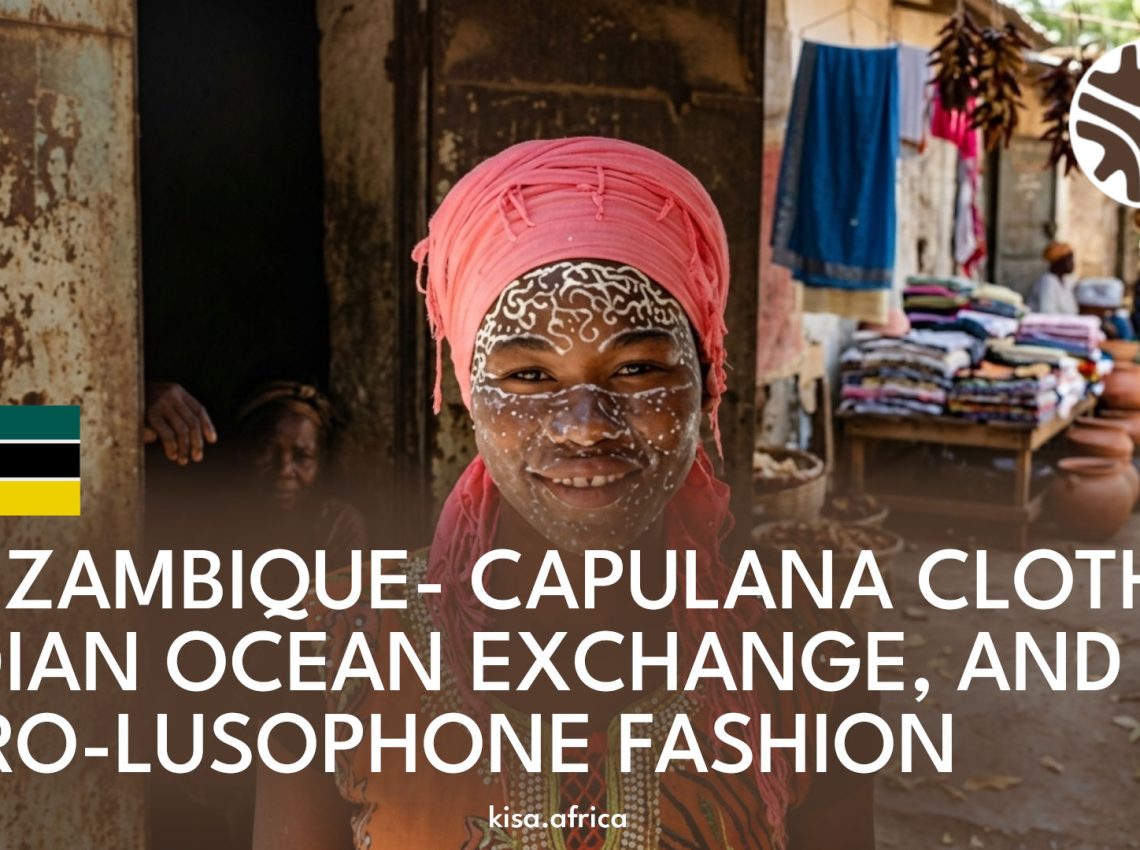
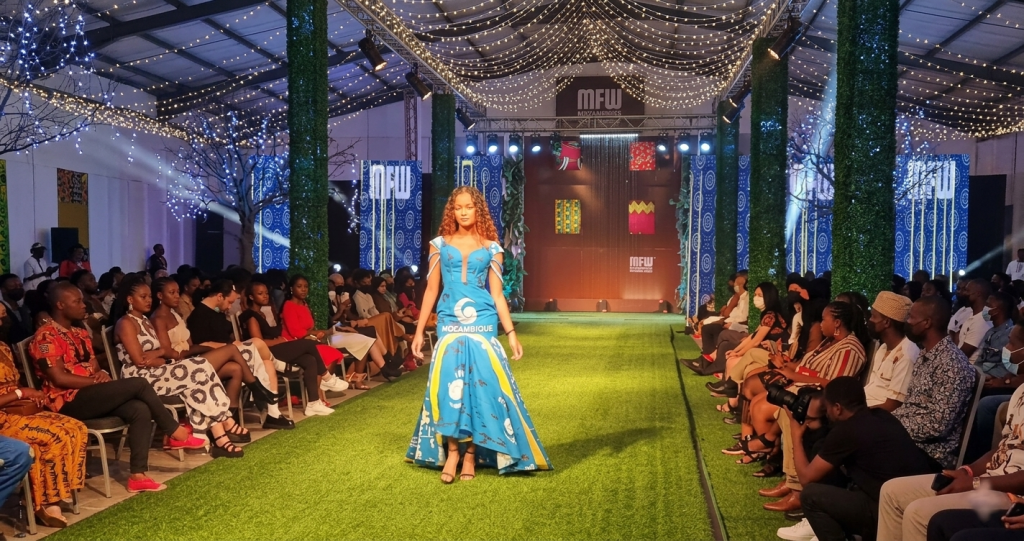
The fashion history of Mozambique reflects centuries of cultural exchange shaped by Bantu civilizations, Swahili coastal trade networks, Portuguese colonialism, Indian Ocean commerce, and southern African artistic traditions. Positioned along the southeastern coast of Africa, Mozambique became deeply connected to maritime trade routes linking East Africa with Arabia, India, Persia, and later Europe. These connections helped create a fashion culture blending African textile traditions with global influences while maintaining strong local identities.
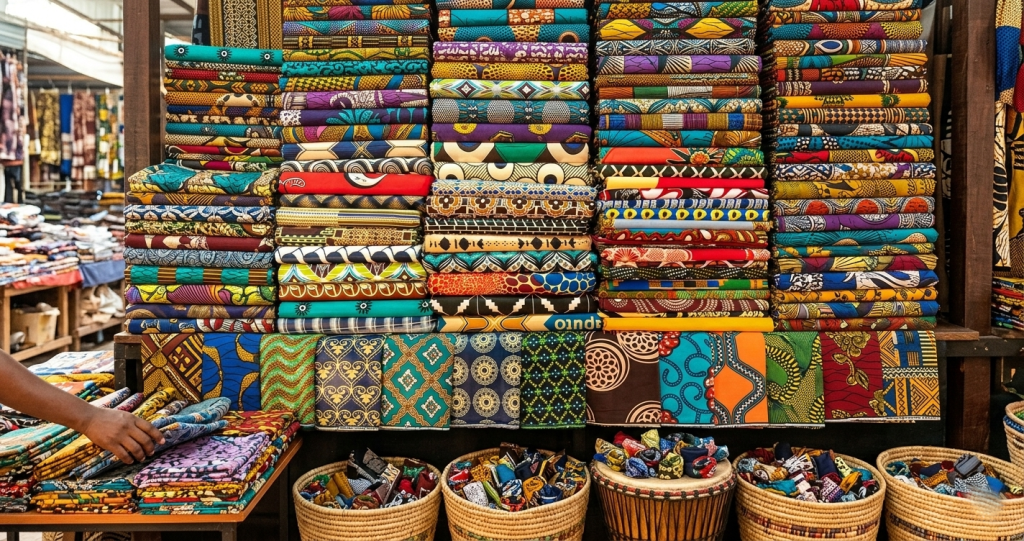
Traditional Mozambican clothing historically emphasized practicality for tropical climates while also serving ceremonial, spiritual, and social functions. Wrap garments, woven fibres, beadwork, scarification, hairstyles, jewellery, and body adornment communicated age, ethnicity, beauty, marital status, and cultural belonging.
Among Mozambique’s most important cultural textiles is the capulana.
The capulana is a colourful rectangular cloth used throughout Mozambique in countless ways. It functions simultaneously as:
- Clothing
- Baby carrier
- Headwrap
- Shawl
- Ceremonial fabric
- Household textile
- Symbolic gift
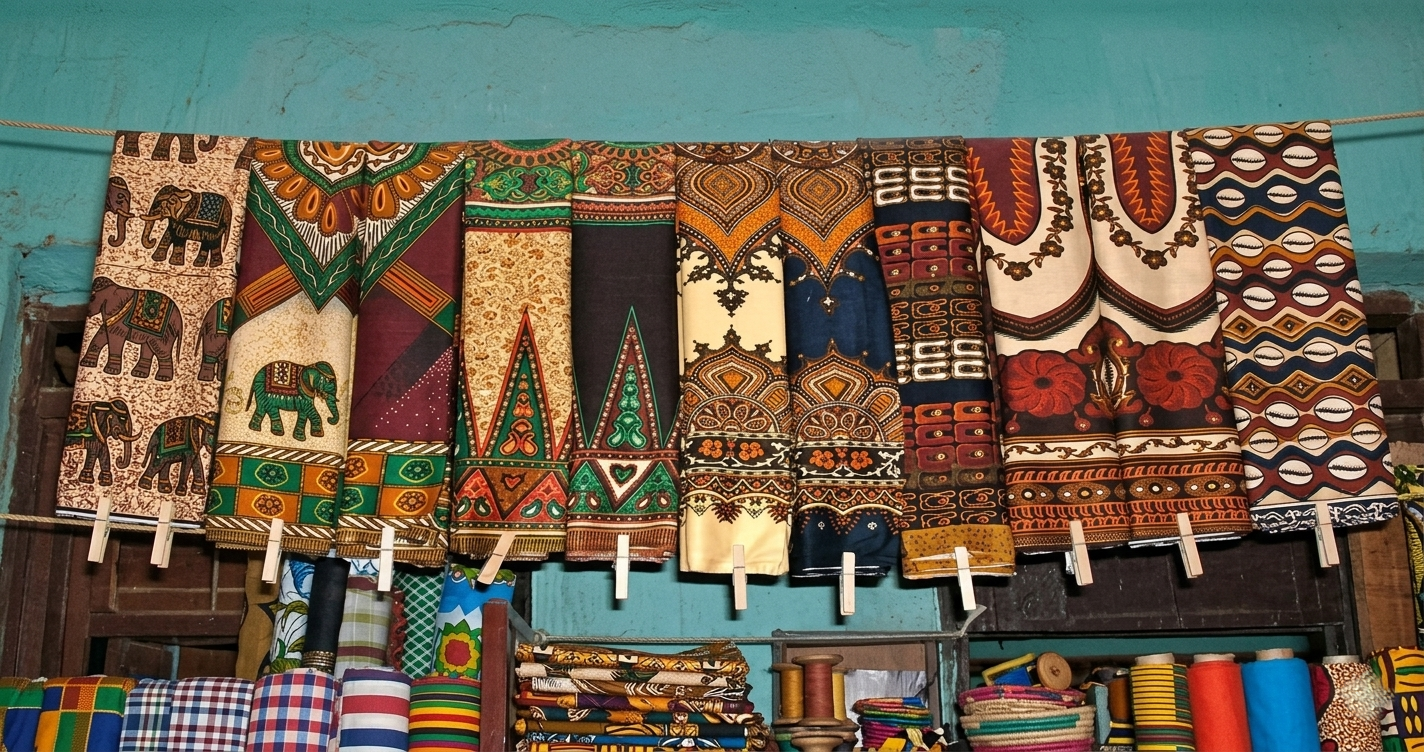
Women commonly wrap capulanas around the waist as skirts, drape them across the shoulders, use them to carry children on their backs, or transform them into dresses and head coverings.
One of the most fascinating aspects of capulana culture is that these fabrics often carry emotional and historical significance within families. Capulanas may be passed down across generations, associated with weddings, childbirth, celebrations, or family memory. Certain cloths become deeply personal objects connected to ancestry and identity.
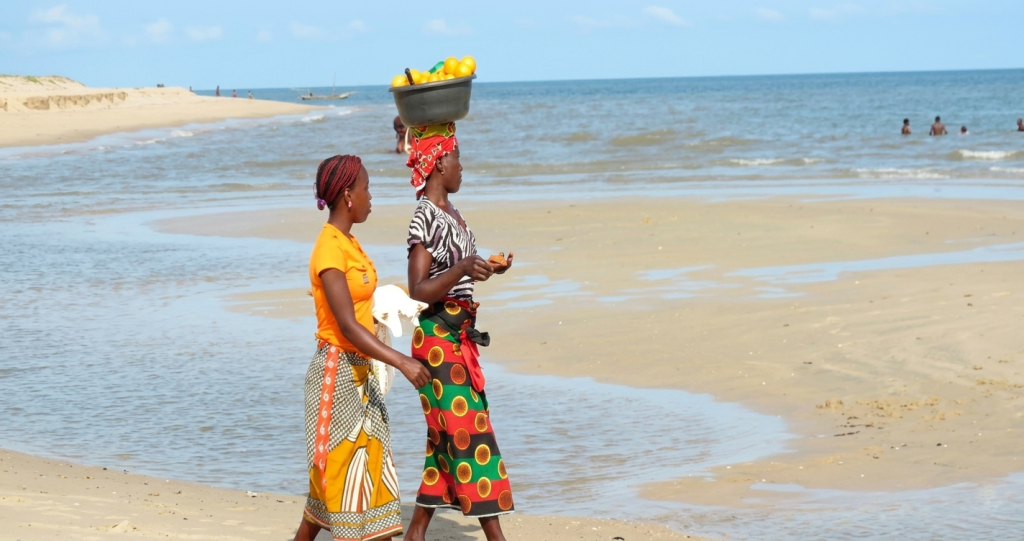
Capulana designs themselves also communicate meaning.
Patterns frequently include:
- Floral imagery
- Geometric motifs
- Political symbolism
- Religious references
- Abstract artistic designs
- Commemorative portraits
- Social messages
During Mozambique’s independence struggles and postcolonial political periods, some capulana designs became politically symbolic. Printed fabrics sometimes featured national leaders, liberation themes, slogans, or imagery associated with unity and independence movements.
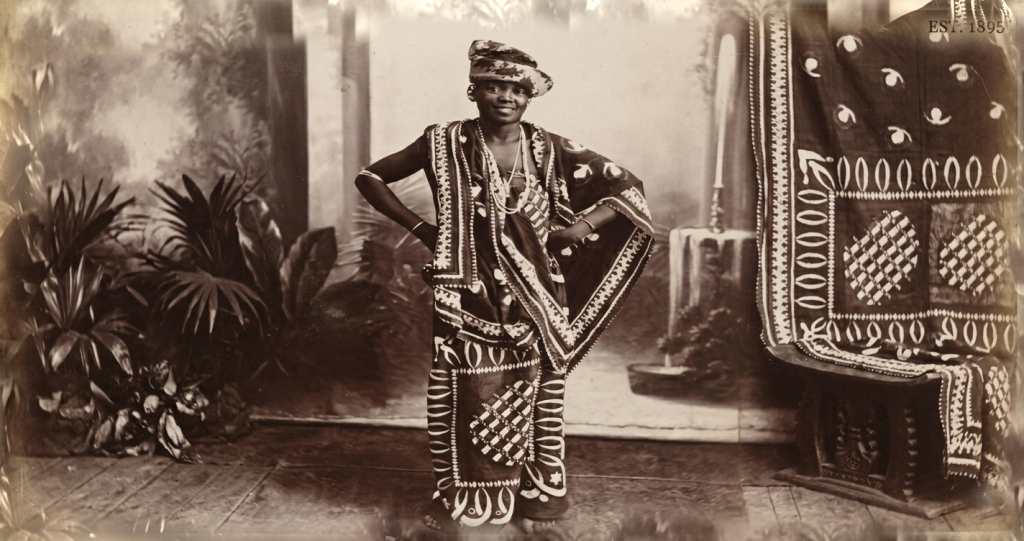
This transformed fashion into a form of political communication as well as personal adornment.
Mozambique’s coastal position also exposed local fashion traditions to Swahili and Indian Ocean influences for centuries.
Arab, Persian, Indian, and Swahili merchants introduced imported fabrics, beads, jewellery, embroidery styles, and modest dress aesthetics through coastal trading cities. Islamic influence became especially significant in northern coastal regions where Swahili cultural traditions developed strong roots.
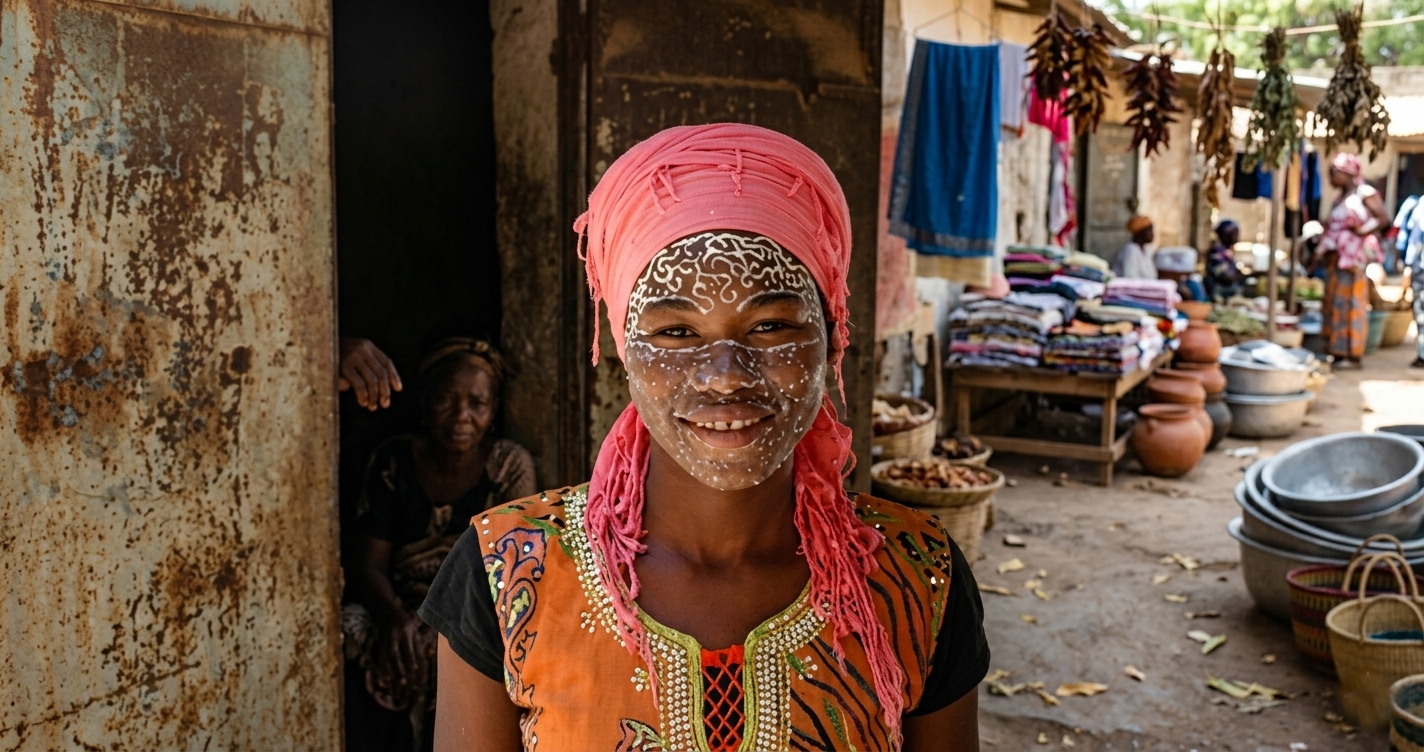
As a result, Mozambican coastal fashion often blended African wrapping traditions with Indian Ocean textile aesthetics and Islamic influences.
Hair traditions across Mozambique varied greatly among ethnic communities.
Braiding historically communicated beauty, adulthood, ethnic identity, and social status. Hairstyles could require many hours of preparation and often reflected regional aesthetics or ceremonial roles.
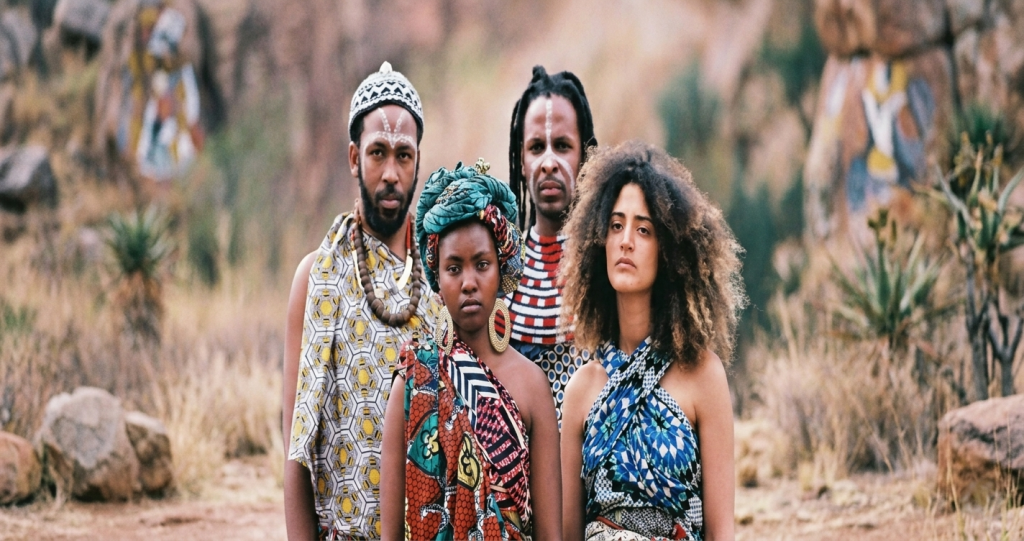
Among the most internationally recognized artistic traditions in Mozambique are those associated with the Makonde people.
The Makonde became famous not only for woodcarving traditions but also for distinctive body adornment practices including elaborate hairstyles and scarification.
Scarification involved creating patterned marks on the skin through carefully controlled techniques producing raised decorative scars. These markings could symbolize:
- Beauty
- Maturity
- Spiritual identity
- Ethnic belonging
- Readiness for adulthood
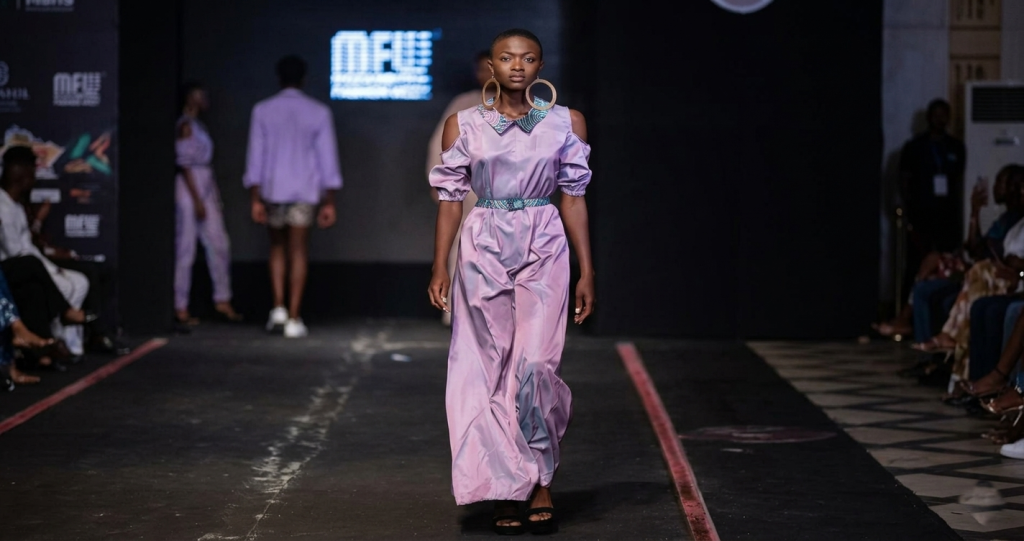
Makonde hairstyles similarly reflected artistic sophistication and social symbolism. Hair arrangements sometimes incorporated sculptural forms, braiding techniques, and adornments emphasizing elegance and cultural identity.
Hair care often involved oils, natural fats, herbal treatments, and communal grooming traditions through which cultural knowledge passed between generations.
Portuguese colonialism strongly reshaped Mozambican fashion beginning in the 16th century and intensifying during later colonial rule.
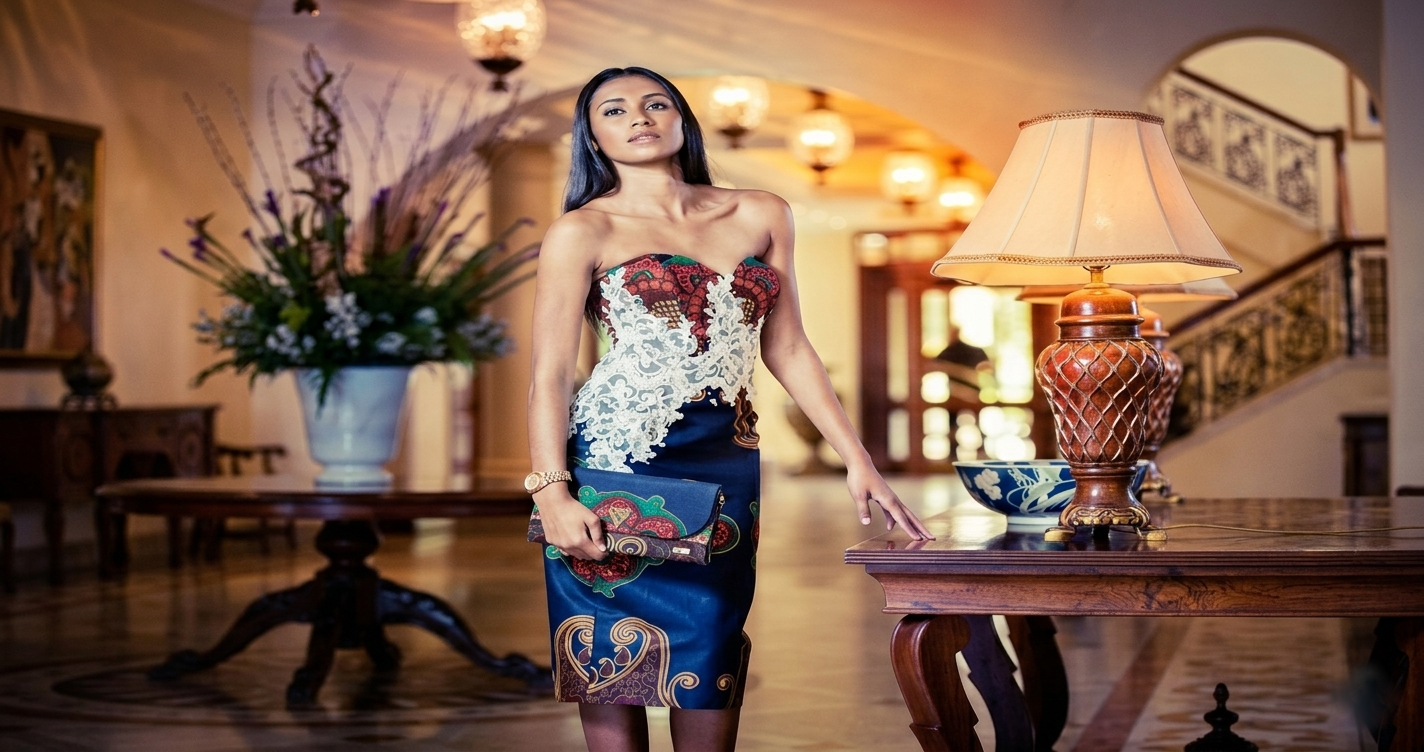
Portuguese influence introduced European tailoring, Catholic ceremonial clothing, lacework, suits, dresses, uniforms, and imported textiles. Missionary dress codes also influenced concepts of modesty and formal appearance in some regions.
However, Mozambicans rarely adopted European styles passively. Imported fabrics and tailoring methods were transformed creatively into uniquely African aesthetics incorporating local wrapping traditions, bold prints, and vibrant colour palettes.
This blending of African and Lusophone influences helped create a distinctive Afro Portuguese fashion culture visible especially in urban centres.
Modern Mozambique fashion continues evolving dynamically today.
The capital city, Maputo, has become increasingly recognized as an emerging African fashion centre where designers reinterpret capulana fabrics through modern tailoring, couture, streetwear, and contemporary Afro-Lusophone aesthetics.
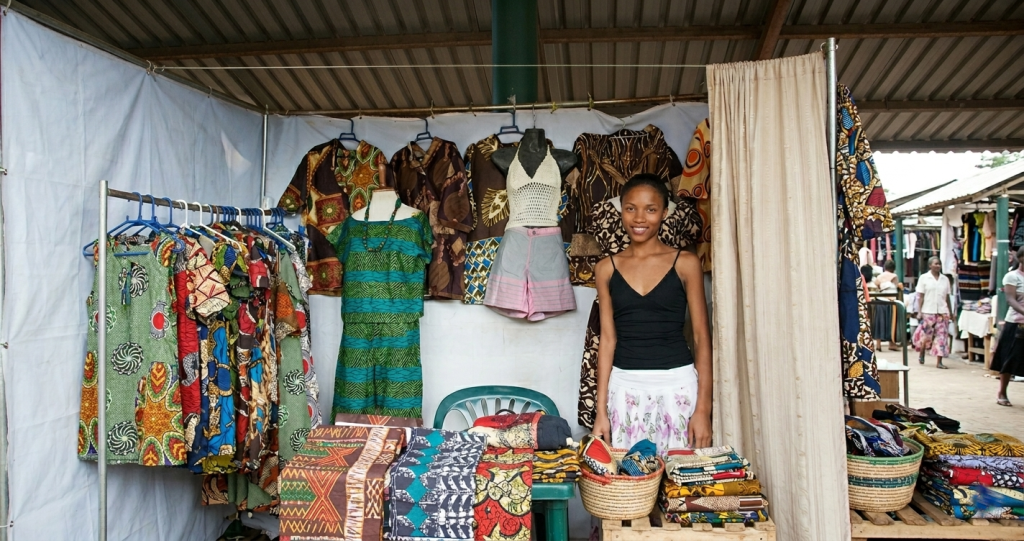
Modern Mozambican designers frequently combine:
- Traditional capulana prints
- Urban tailoring
- Portuguese-inspired elegance
- Afro-modern silhouettes
- Sustainable textile practices
- Global fashion influences
Capulana fabric itself remains highly important in contemporary fashion because of its versatility and cultural symbolism. Designers transform traditional cloth into suits, dresses, handbags, jackets, and runway collections while preserving its deep cultural associations.
Another fascinating aspect of Mozambican fashion is how closely it remains tied to memory, identity, and resilience. Textiles often function not simply as decoration but as carriers of family history, political experience, and cultural continuity.
FASCINATING LESSER-KNOWN FACTS ABOUT MOZAMBICAN FASHION AND HAIR
- Capulana cloth functions simultaneously as clothing, baby carrier, ceremonial fabric, and family heirloom.
- Some capulana designs became politically symbolic during independence movements.
- Mozambican coastal fashion absorbed Swahili, Arab, Indian, and Portuguese influences.
- Makonde communities became internationally known for artistic hairstyles and scarification traditions.
- Imported European fabrics were transformed into distinctly African styles.
- Hairstyles historically communicated maturity, beauty, and ethnic identity.
- Capulana fabrics often carry emotional significance within families across generations.
- Maputo has emerged as an important centre for Afro-Lusophone fashion innovation.
- Modern designers increasingly reinterpret capulana for luxury and contemporary fashion markets.
SOURCES
Newitt, M. (1995). A History of Mozambique. Bloomington, IN: Indiana University Press.
Eicher, J. B., & Ross, D. A. (1992). Dress and Identity. New York, NY: Fairchild Publications.
Picton, J., & Mack, J. (1989). African Textiles. London, England: British Museum Press.
Dias, M. (2006). Textile traditions and identity in Lusophone Africa. African Arts, 39(2), 44– 57.
Arnoldi, M. J. (1995). African Material Culture. Bloomington, IN: Indiana University Press.
Rovine, V. L. (2015). African Fashion, Global Style: Histories, Innovations, and Ideas You Can Wear. Bloomington, IN: Indiana University Press.