

RWANDA- INTORE ELEGANCE, BASKET-WEAVING AESTHETICS, AND AFRO-MODERN MINIMALISM
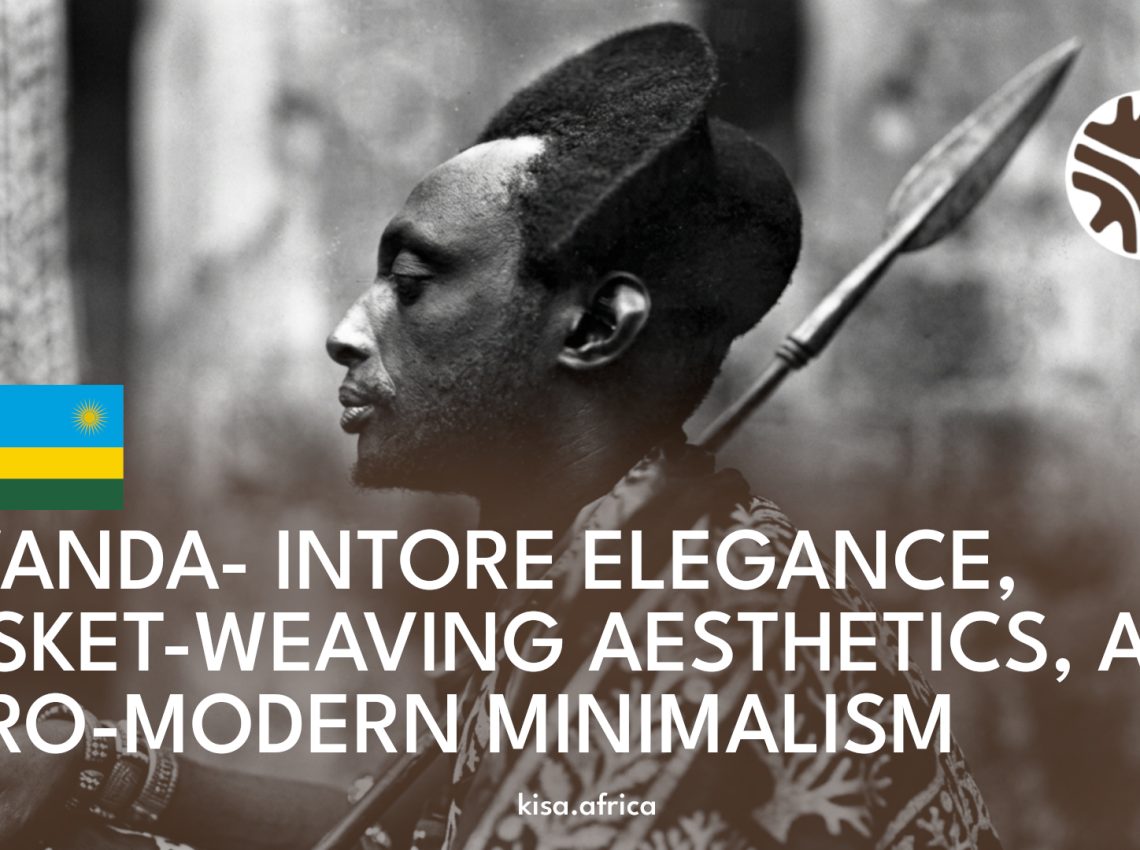
The fashion traditions of Rwanda developed through centuries of pastoral culture, royal court traditions, craftsmanship, and community symbolism. Although Rwanda is geographically small, its cultural aesthetics became highly refined, emphasizing elegance, discipline, balance, and visual harmony.
Traditional Rwandan fashion historically reflected ideals of dignity, cleanliness, grace, and social order. Clothing styles often relied less on excessive ornamentation and more on carefully arranged draping, woven craftsmanship, grooming, and coordinated ceremonial presentation.
Rwanda’s mountainous geography and strong centralized kingdoms also shaped fashion differently from many neighbouring societies. Royal symbolism, cattle culture, and courtly traditions strongly influenced concepts of beauty and prestige.
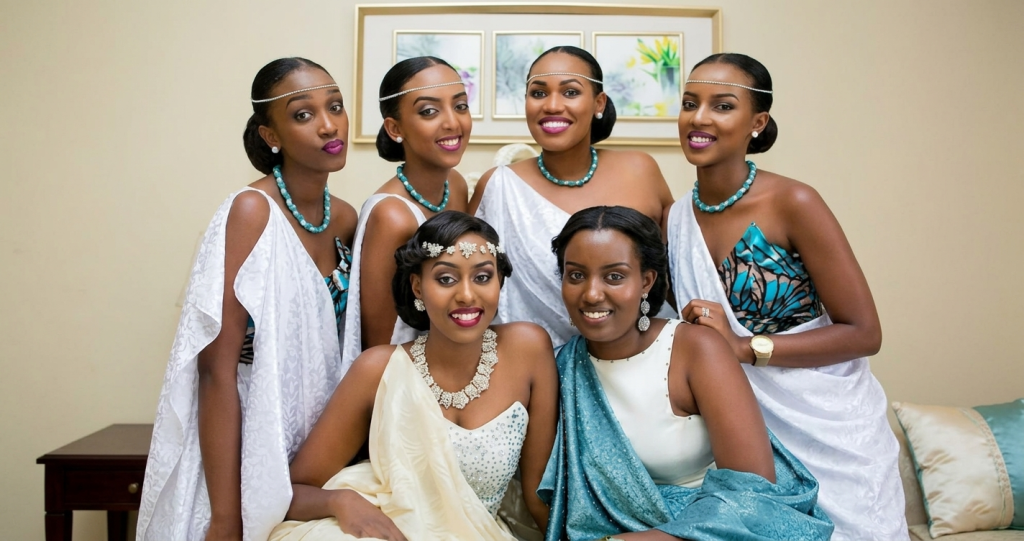
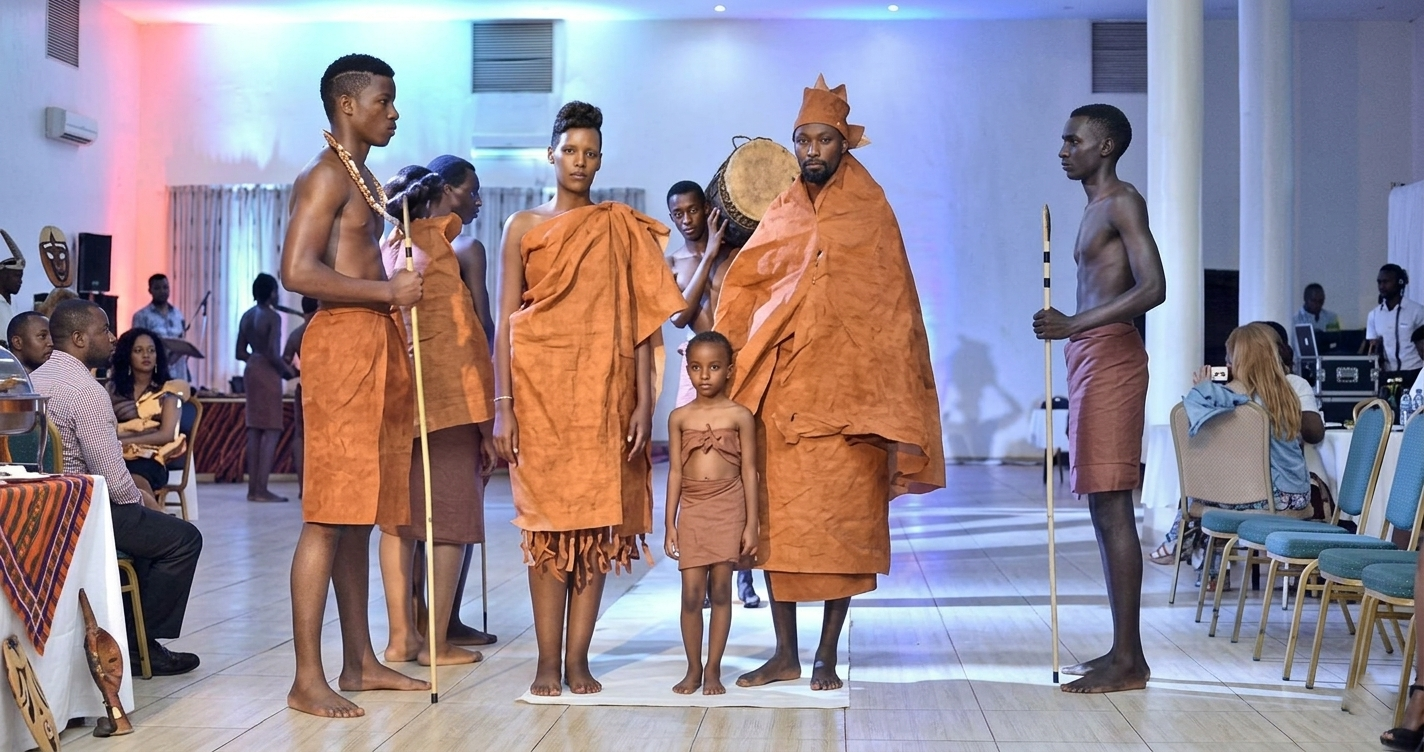
Traditional Rwandan clothing emphasized fluid draped forms.
Women historically wore flowing garments wrapped and secured across one shoulder, creating graceful silhouettes emphasizing movement and elegance. These draped forms allowed freedom of movement while also projecting refinement during ceremonies and social gatherings.
Men traditionally wore wrapped garments combined with ceremonial accessories depending on occasion, status, or role within society.
Unlike some regions where heavily layered garments dominated, traditional Rwandan aesthetics often emphasized simplicity, proportion, and precision. This preference for visual balance continues influencing modern Rwandan design today.
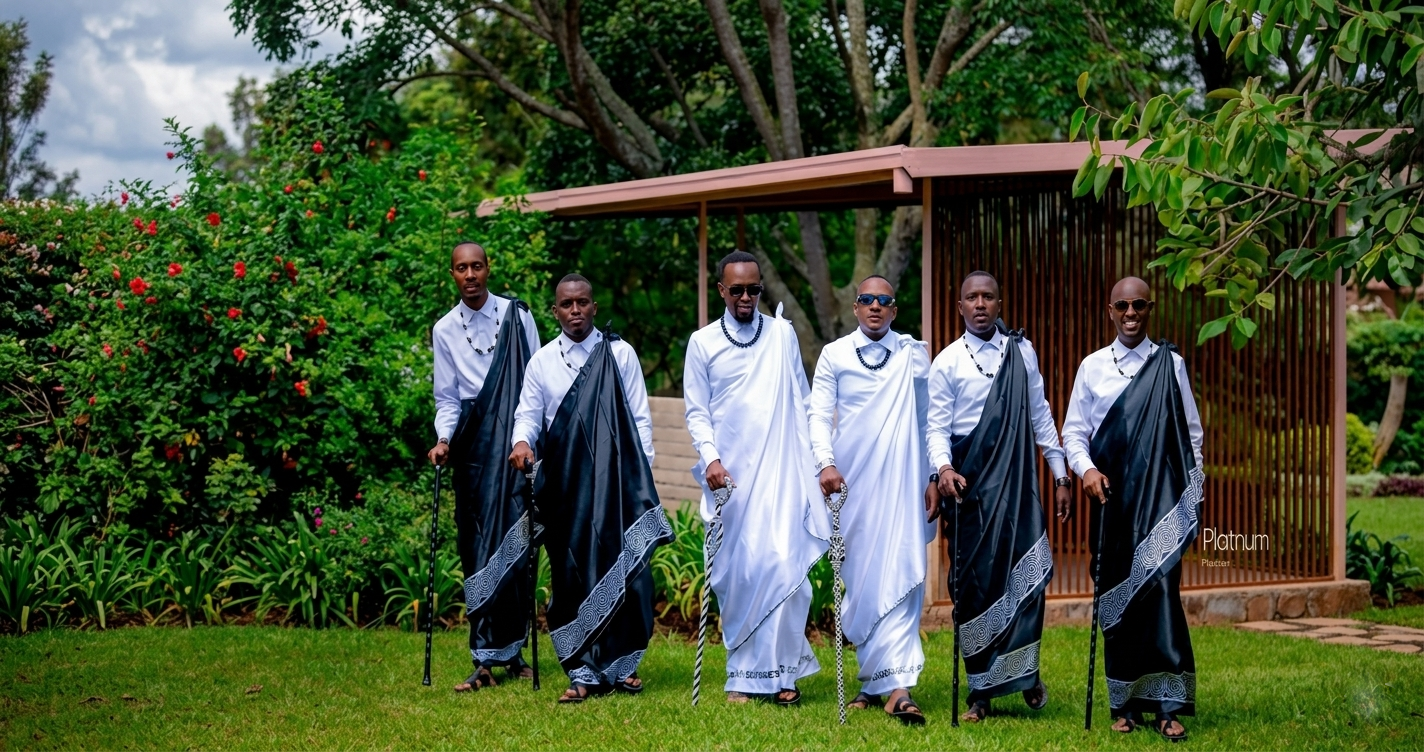
One of the most important artistic influences on Rwandan visual culture came from basket weaving traditions.
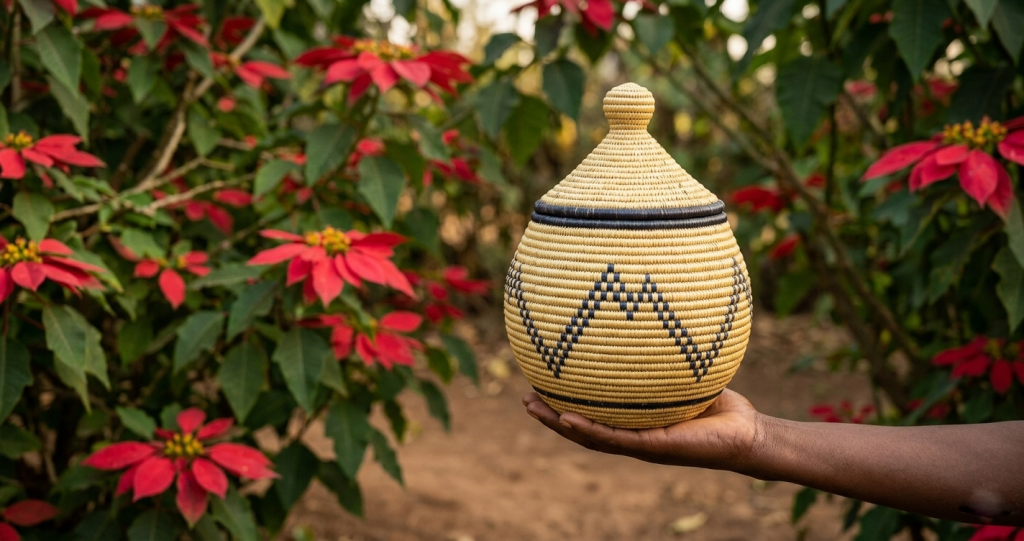
Rwandan basket weaving became internationally admired for its intricate geometric patterns and exceptional craftsmanship. Decorative motifs found in woven baskets later influenced textile aesthetics, fashion patterns, interior design, and modern visual branding associated with Rwanda.
The famous Agaseke peace basket became especially symbolic in modern Rwanda, representing unity, reconciliation, craftsmanship, and cultural continuity.
Basket-making required precision, patience, and artistic discipline qualities that became deeply associated with broader Rwandan aesthetic values.
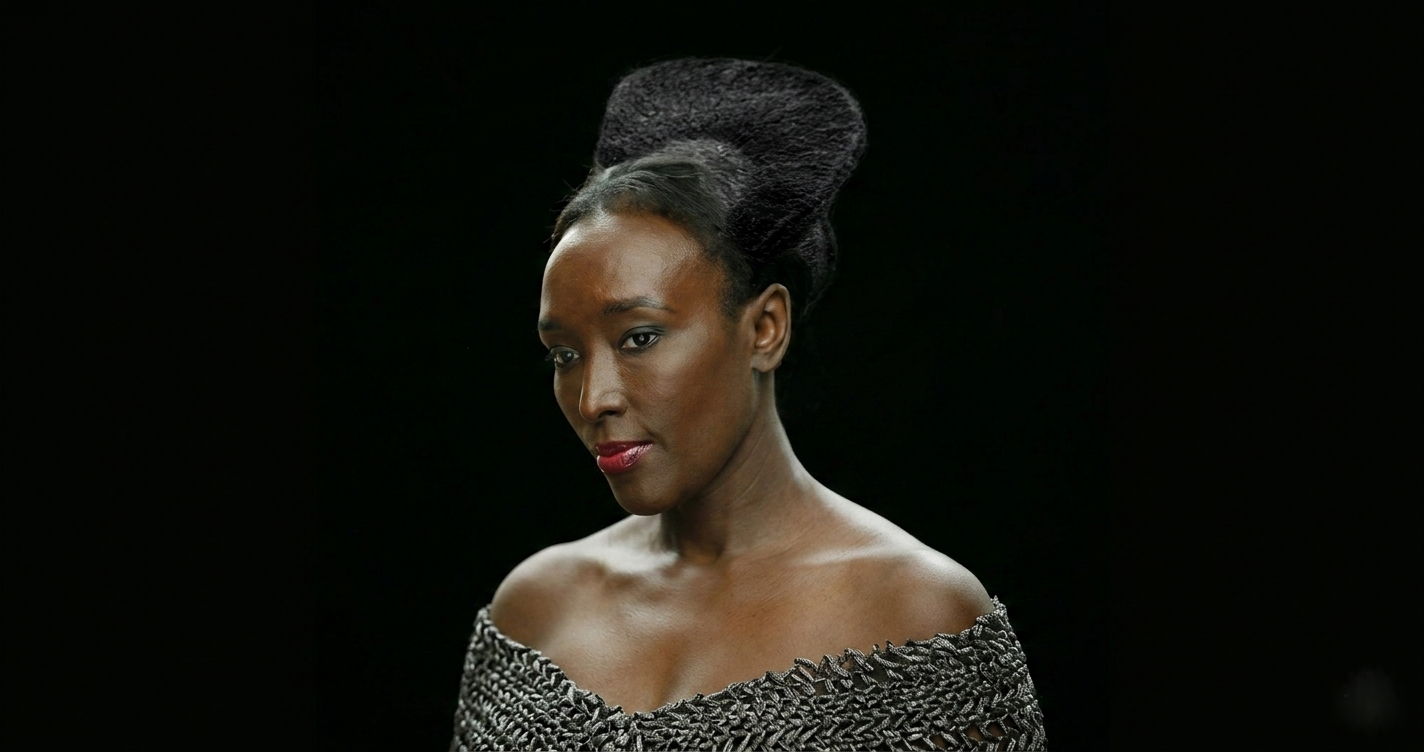
Hair traditions in Rwanda also reflected careful grooming and social identity.
Historical hairstyles sometimes featured sculptural forms, shaved patterns, or carefully maintained arrangements symbolizing dignity, adulthood, and readiness for social responsibility.
Hair grooming historically carried meanings connected to:
- Maturity
- Beauty
- Discipline
- Respectability
- Community belonging
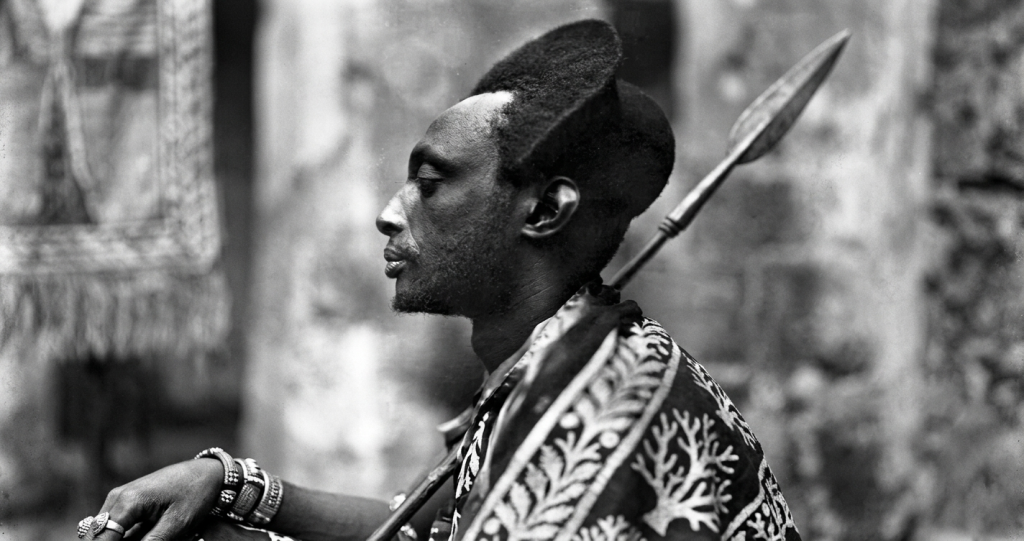
Among performers and ceremonial participants, hairstyles and headpieces became especially important for visual impact.
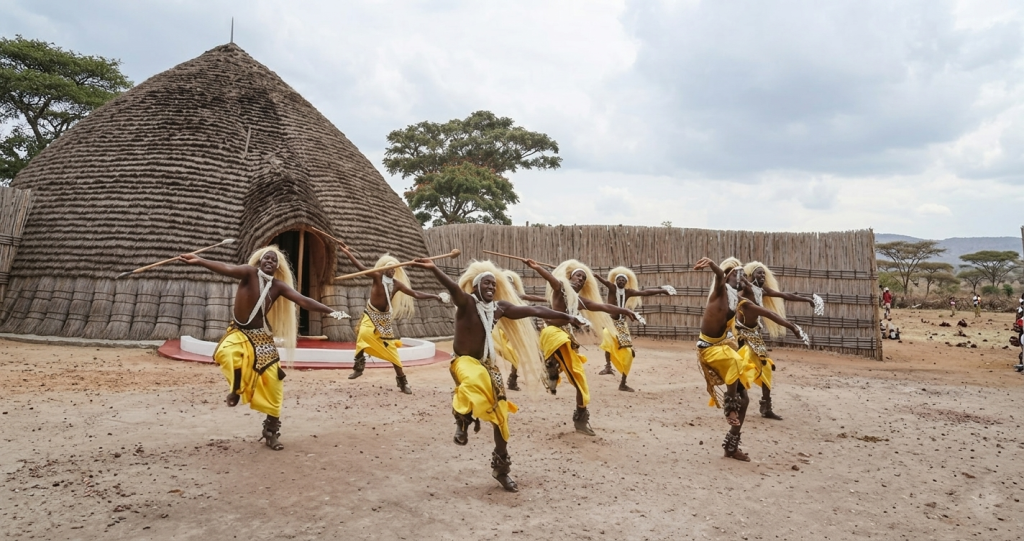
One of Rwanda’s most famous cultural expressions is the Intore dance tradition.
The Intore dancers became internationally recognized for dynamic choreography, elaborate movement, and visually striking ceremonial attire.
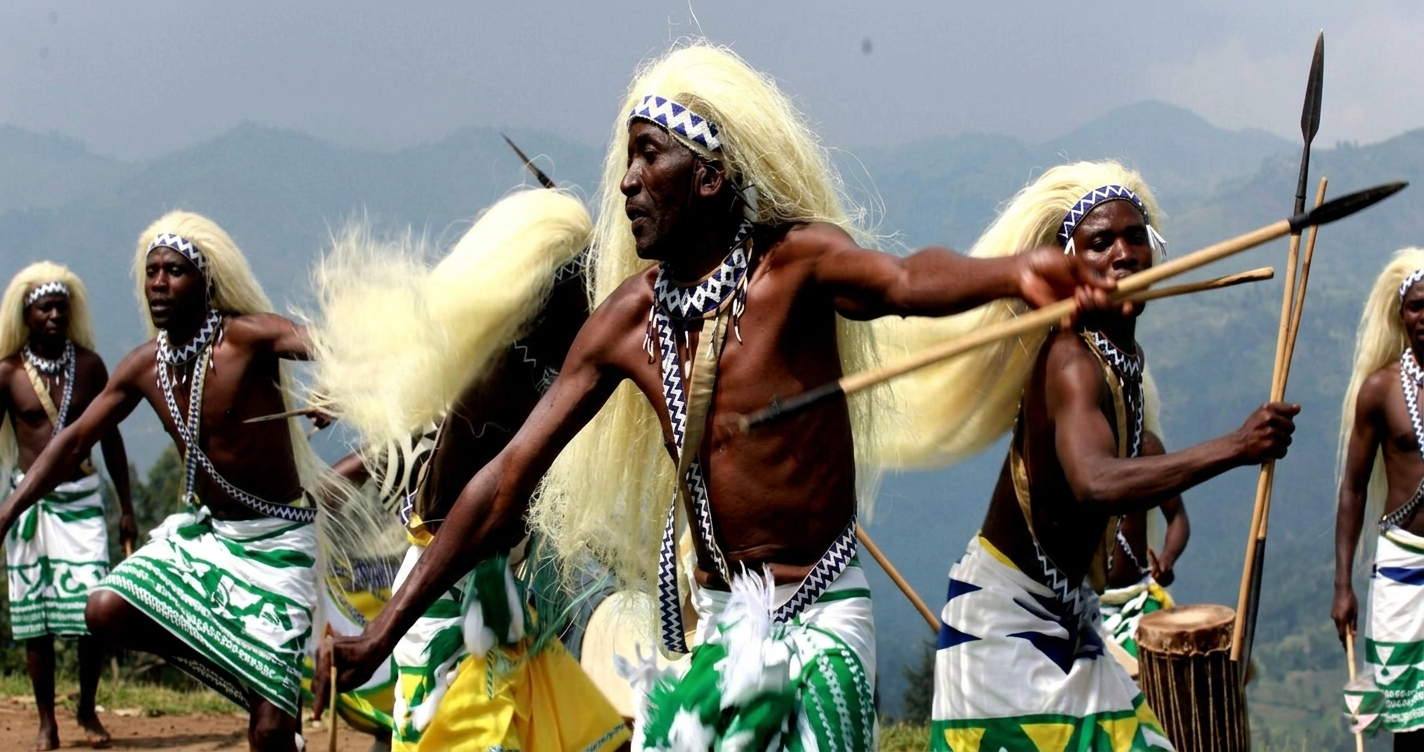
Traditional Intore costumes often include:
- Flowing garments
- Decorative sashes
- Beaded adornments
- Dramatic hairstyles or headpieces
The visual design of these elements intentionally amplifies movement during performance. Hairpieces and headdresses move rhythmically with dancers, enhancing the theatrical and ceremonial impact of the dance.
Historically, Intore traditions were associated with royal courts and warrior culture. Performances symbolized bravery, discipline, elegance, and national pride.
Colonialism significantly altered Rwandan dress practices.
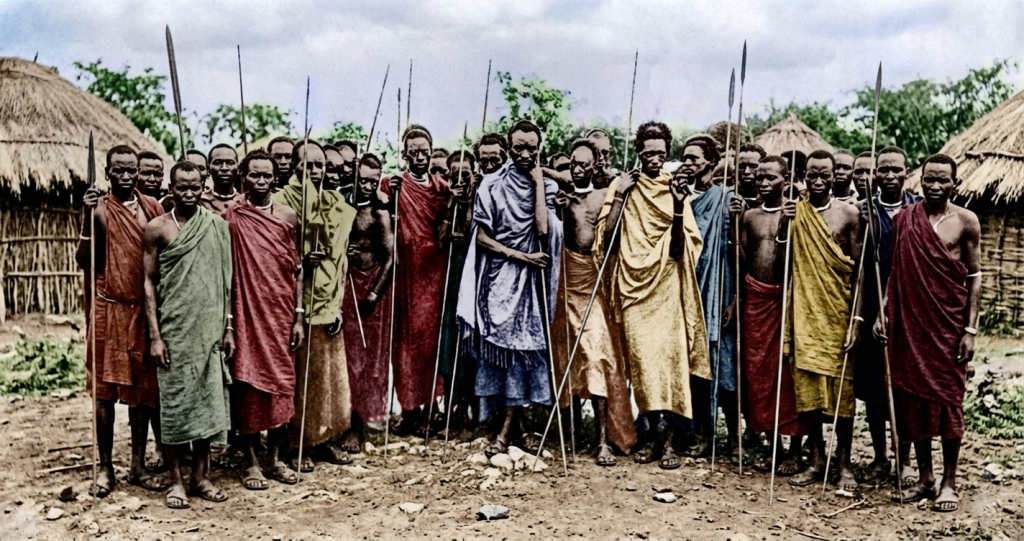
German and later Belgian colonial rule introduced European tailoring, missionary dress codes, school uniforms, and imported fabrics. Christian missionary influence especially affected concepts of modesty and formal attire.
However, ceremonial dance traditions, woven aesthetics, and local craftsmanship remained culturally important despite colonial disruptions.
After independence and especially following the devastating 1994 genocide against the Tutsi, Rwanda underwent profound national rebuilding. Cultural identity, including fashion and craftsmanship, became part of broader efforts to reconstruct national unity and international identity.
Modern Rwanda now presents itself as one of Africa’s cleanest, most organized, and forward-looking societies.
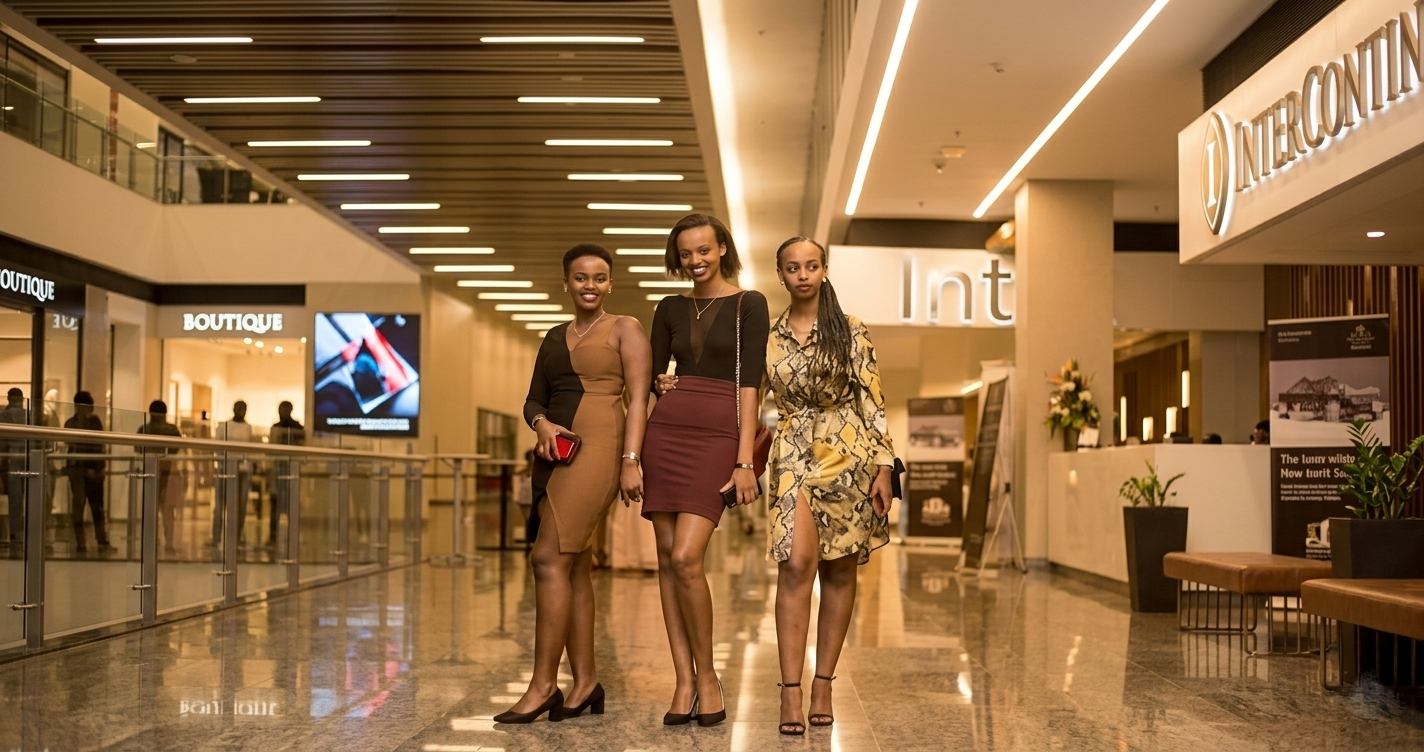
The capital city, Kigali, has emerged as an increasingly important East African fashion center emphasizing:
- Sustainability
- Local craftsmanship
- Ethical fashion
- Afro-modern minimalism
- Contemporary tailoring
- Cultural refinement
Modern Rwandan designers frequently draw inspiration from:
- Traditional weaving patterns
- Basket geometry
- Intore aesthetics
- Minimalist silhouettes
- Handcrafted textiles
- Sustainable production methods
Unlike some fashion capitals focused primarily on maximalism or luxury spectacle, Rwanda’s emerging fashion identity often emphasizes clean lines, precision, understated elegance, and craftsmanship.
This minimalist approach reflects broader national branding connected to organization, innovation, environmental consciousness, and design sophistication.
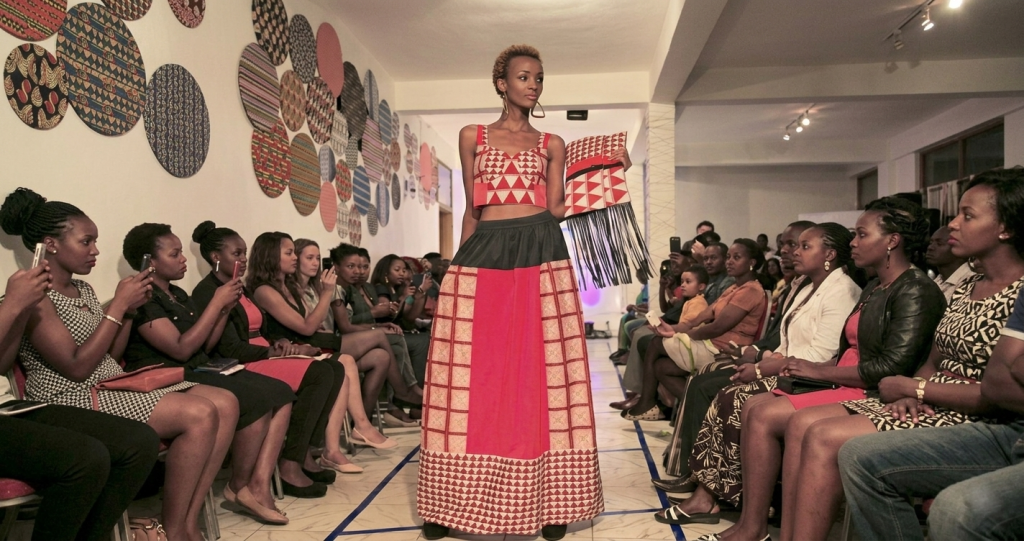
Rwanda has also invested heavily in locally produced textiles and fashion entrepreneurship, encouraging designers to reinterpret traditional aesthetics for contemporary African and international audiences.
FASCINATING LESSER-KNOWN FACTS ABOUT RWANDAN FASHION AND HAIR
- Traditional Rwandan aesthetics emphasized elegance and disciplined simplicity rather than excessive ornamentation.
- Basket-weaving traditions heavily influenced textile and fashion motifs.
- The Agaseke basket became a national symbol of peace and unity.
- Intore hairstyles and headpieces were designed to amplify dance movement visually.
- Hair grooming historically symbolized dignity and readiness for adulthood.
- Royal court traditions shaped ideals of beauty and ceremonial presentation.
- Modern Kigali became known for Afro-modern minimalist fashion.
- Sustainability and ethical craftsmanship are major themes in contemporary Rwandan fashion.
- Traditional dance costumes remain culturally important national symbols.
SOURCES
Vansina, J. (2004). Antecedents to Modern Rwanda: The Nyiginya Kingdom. Madison, WI: University of Wisconsin Press.
Eicher, J. B., & Ross, D. A. (1992). Dress and Identity. New York, NY: Fairchild Publications.
Spring, C. (2012). African Textiles Today. London, England: British Museum Press.
Rovine, V. L. (2015). African Fashion, Global Style: Histories, Innovations, and Ideas You Can Wear. Bloomington, IN: Indiana University Press.
Arnoldi, M. J. (1995). African Material Culture. Bloomington, IN: Indiana University Press.
Des Forges, A. (1999). Leave None to Tell the Story: Genocide in Rwanda. New York, NY: Human Rights Watch.