
ZAMBIA- KUOMBOKA ROYAL CEREMONIES,
CHITENGE TEXTILES, AND CENTRAL AFRICAN
CULTURAL ELEGANCE
The fashion traditions of Zambia reflect the rich cultural diversity of Central and Southern
Africa. Zambia’s clothing and hair traditions developed through the interaction of Bemba, Lozi, Tonga, Ngoni, Chewa, Lunda, Kaonde, and many other societies whose identities were shaped by migration, agriculture, cattle culture, trade, and royal kingdoms.
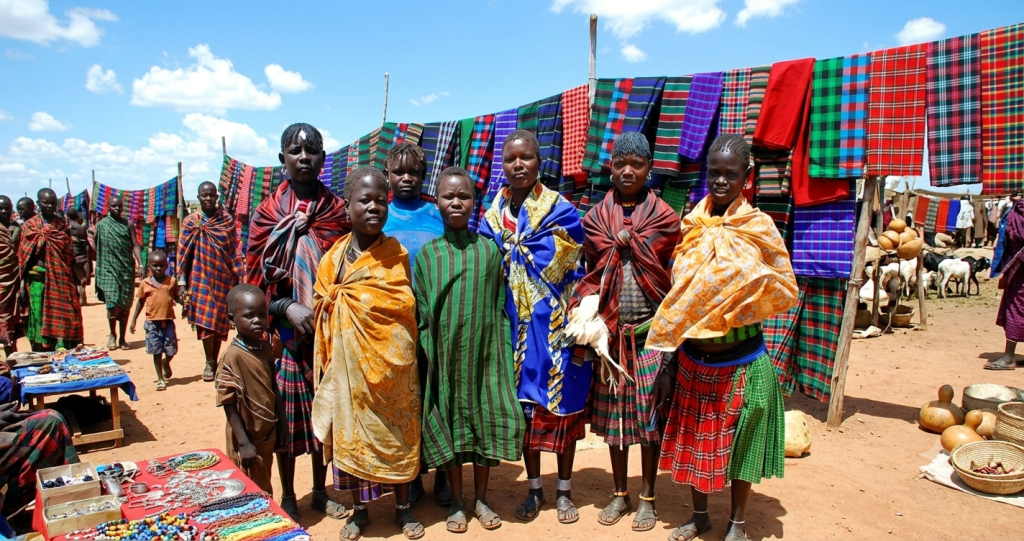
Historically, Zambian fashion emphasized:
- Community identity
- Ceremonial prestige
- Spiritual symbolism
- Climate adaptation
- Royal authority
- Craftsmanship
- Social belonging
Traditional clothing historically included:
- Wrapped garments
- Beadwork
- Leather adornment
- Woven textiles
- Ceremonial regalia
Decorative jewellery
Different ethnic communities developed distinct aesthetics while sharing broader regional traditions involving colourful fabrics, body adornment, and symbolic accessories.
One of Zambia’s most internationally recognized ceremonial traditions belongs to the Lozi kingdom.
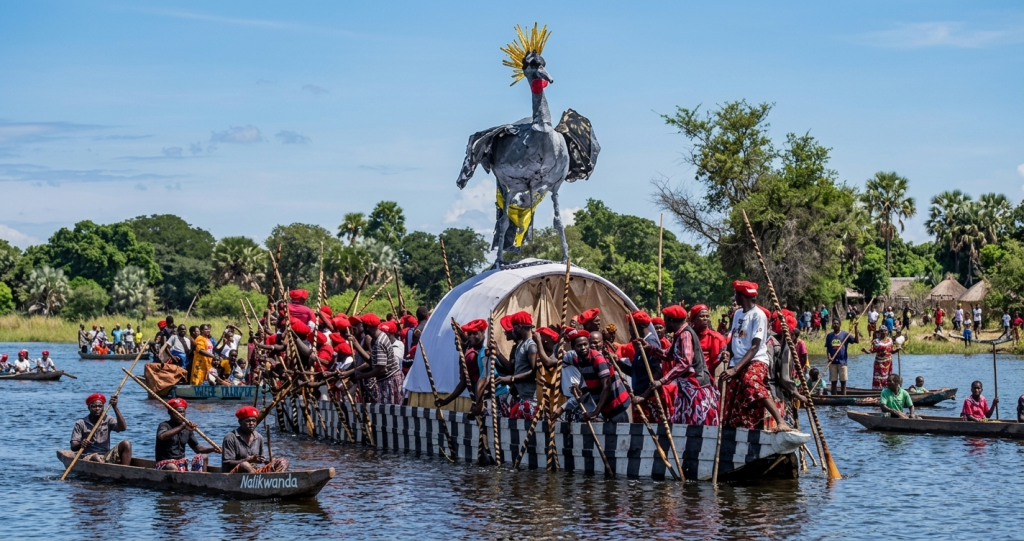
The Kuomboka festival remains one of southern Africa’s most visually spectacular royal ceremonies.
The name “Kuomboka” means “to get out of the water.”
The ceremony marks the seasonal movement of the Lozi king, known as the Litunga, from flooded plains to higher ground during the rainy season.
Royal ceremonial fashion during Kuomboka symbolizes:
- Kingship
- Political continuity
- Cultural pride
- Spiritual authority
- Historical memory
Participants wear:
- Ceremonial robes
- Animal-skin adornments
- Beaded accessories
- Traditional headdresses
- Symbolic royal garments
The famous royal barge called the Nalikwanda becomes central to the festival’s visual identity.
The festival combines:
Music
- Dance
- Drumming
- Processions
- Ceremonial dress
- Royal symbolism
Clothing during Kuomboka is designed not only for beauty but also to reinforce the authority and continuity of the Lozi kingdom.
Textile traditions across Zambia also became highly important in daily and ceremonial life.
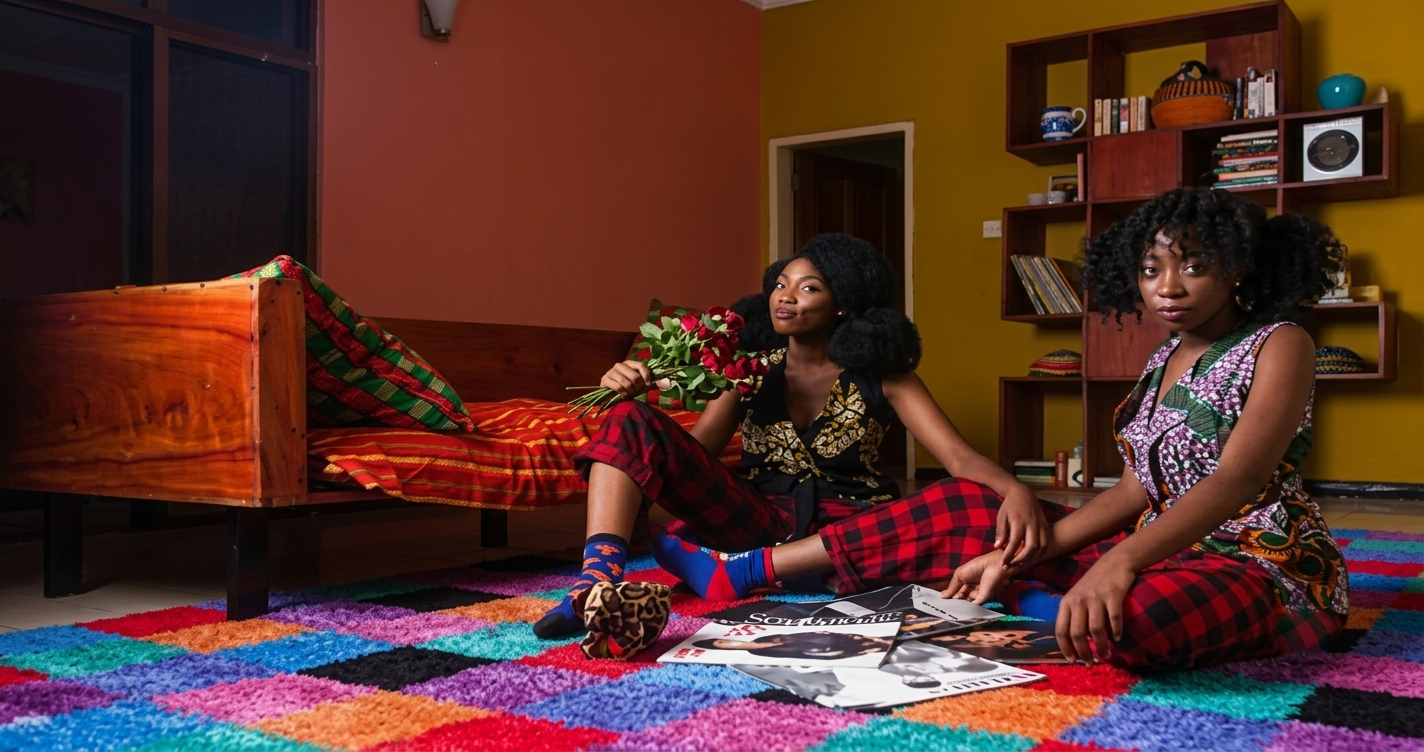
One of the most recognizable modern fabrics in Zambia is chitenge cloth.
Chitenge fabrics are brightly coloured printed textiles widely used for:
- Dresses
- Wrappers
- Headwraps
- Baby carrying
- Ceremonial attire
- Everyday clothing
The cloth became deeply integrated into Zambian identity because of its versatility, affordability, and expressive visual designs.
Patterns often feature:
- Floral imagery
- Geometric motifs
- Political symbolism
- Proverbs
- Religious messages
- Commemorative designs
Chitenge fabrics are especially important during:
Weddings
- Funerals
- Political gatherings
- Church ceremonies
- Community celebrations
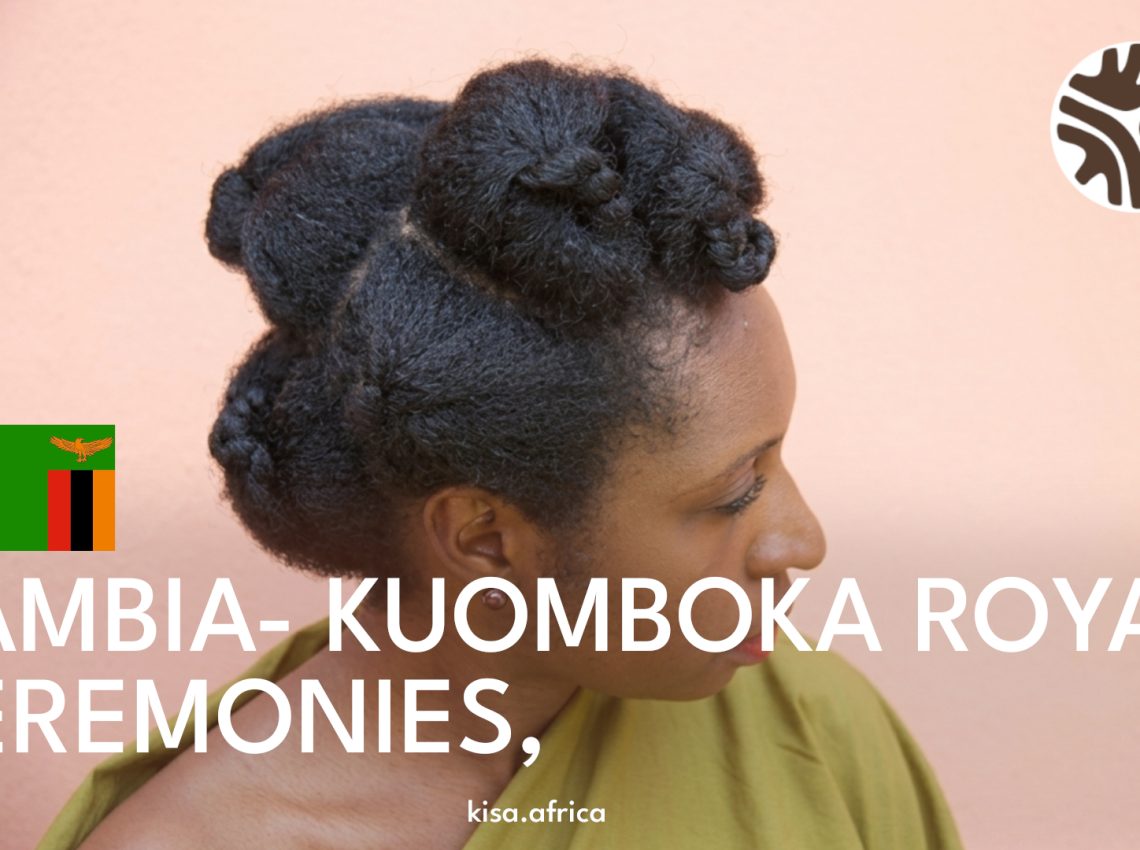
Hair traditions in Zambia historically communicated beauty, adulthood, and social identity.
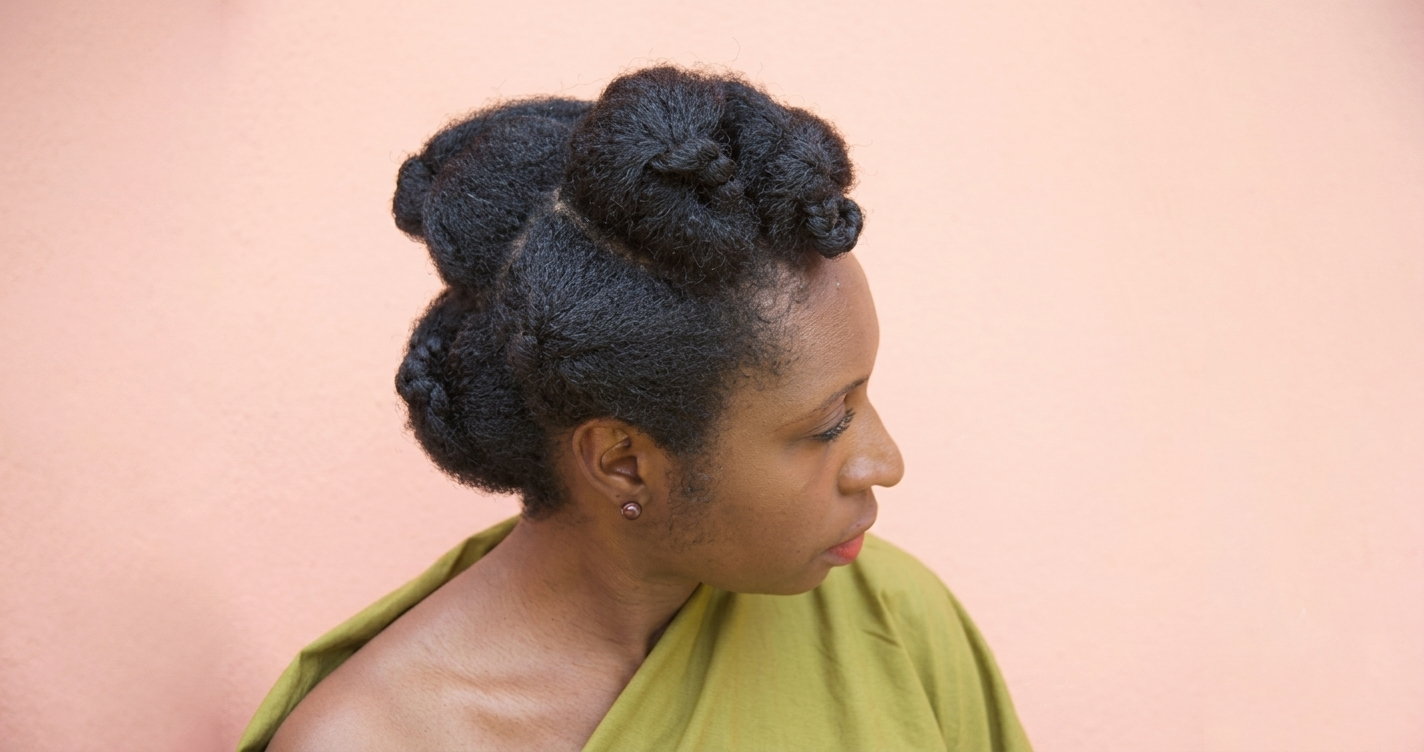
Traditional hairstyles included:
- Braiding
- Twists
- Shaved patterns
- Beaded adornments
- Sculptural hair forms
Hair often symbolized:
- Readiness for adulthood
- Clan affiliation
- Marriageability
- Social maturity
- Cultural belongings Women frequently used:
- Natural oils
- Herbal mixtures
- Shea-based treatments
- Plant extracts
These helped protect hair in varying climates while maintaining beauty and hair health.
Beadwork traditions also carried symbolic meaning.
Certain bead patterns historically communicated:
- Clan identity
- Family connections
- Age groups
- Social standing
Adornment functioned as both artistic expression and cultural communication.
Colonialism later introduced:
- European tailoring
- Missionary dress codes
- School uniforms
- Western formalwear
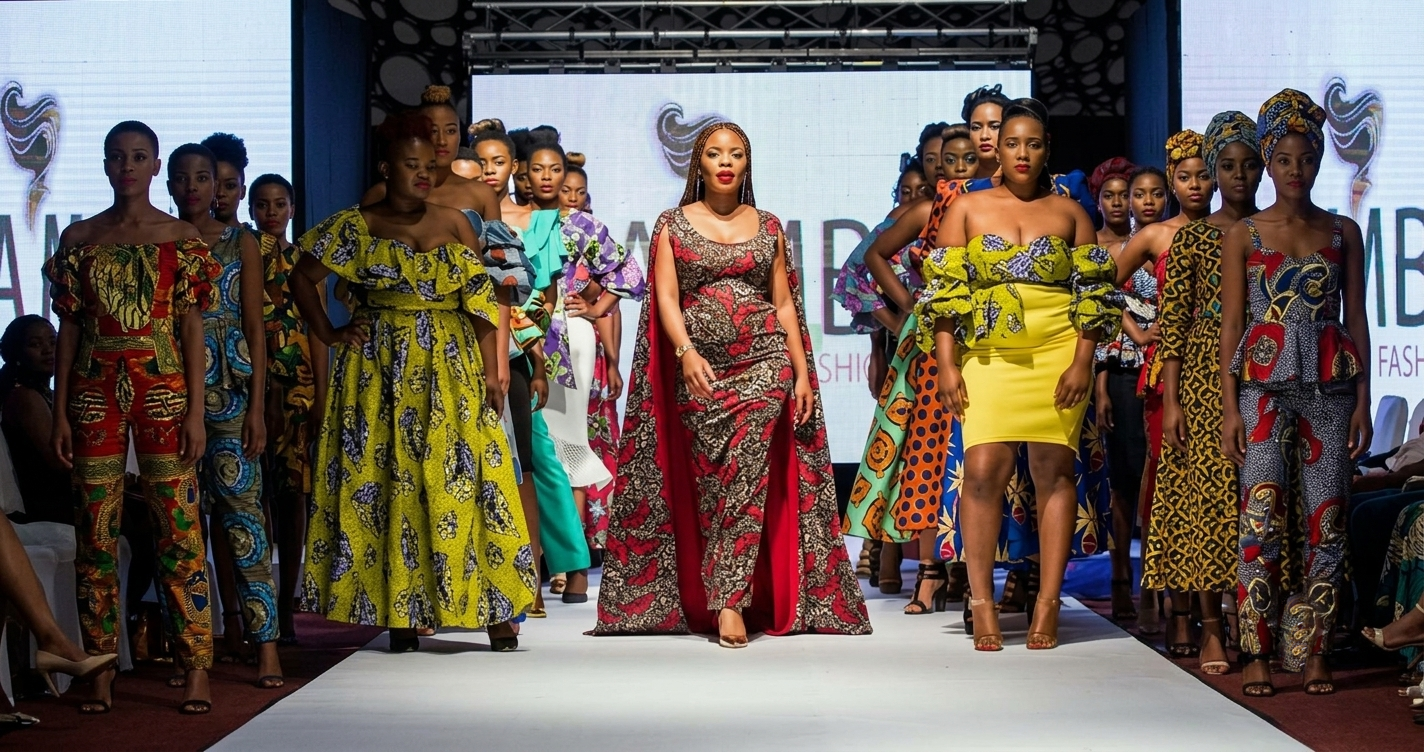
However, Zambians adapted imported styles into locally meaningful fashion systems.
Modern Zambia now combines traditional aesthetics with contemporary African fashion innovation.
Cities such as Lusaka increasingly support:
- Fashion entrepreneurship
- Contemporary tailoring
- Textile design
- Afro-modern couture
- Sustainable fashion initiatives
Modern Zambian designers frequently reinterpret:
- Chitenge textiles
- Royal Lozi aesthetics
- Traditional beadwork
• Indigenous motifs through contemporary runway fashion and urban streetwear.
Natural hair movements and Afrocentric fashion have also grown strongly among younger generations.
FASCINATING LESSER-KNOWN FACTS ABOUT ZAMBIAN FASHION AND HAIR
- The Kuomboka festival is one of southern Africa’s grandest royal ceremonial events.
- The Lozi king travels on a massive royal barge during the ceremony.
- Chitenge cloth functions both as daily wear and ceremonial fashion.
- Some bead patterns historically represented clan affiliation and lineage.
- Hair traditions often communicated adulthood and social identity.
- Traditional festivals preserved many older fashion systems despite colonial disruption.
- Zambian fashion increasingly blends traditional textiles with modern couture.
- Ceremonial dress remains highly important in royal and cultural celebrations.
SOURCES
Roberts, A. (1976). A History of Zambia. New York, NY: Africana Publishing Company.
Eicher, J. B., & Ross, D. A. (1992). Dress and Identity. New York, NY: Fairchild Publications.
Picton, J., & Mack, J. (1989). African Textiles. London, England: British Museum Press.
Ranger, T. O. (1993). The Invention of Tradition Revisited: The Case of Colonial Africa. London, England: Routledge.
Rovine, V. L. (2015). African Fashion, Global Style: Histories, Innovations, and Ideas You Can Wear. Bloomington, IN: Indiana University Press.