

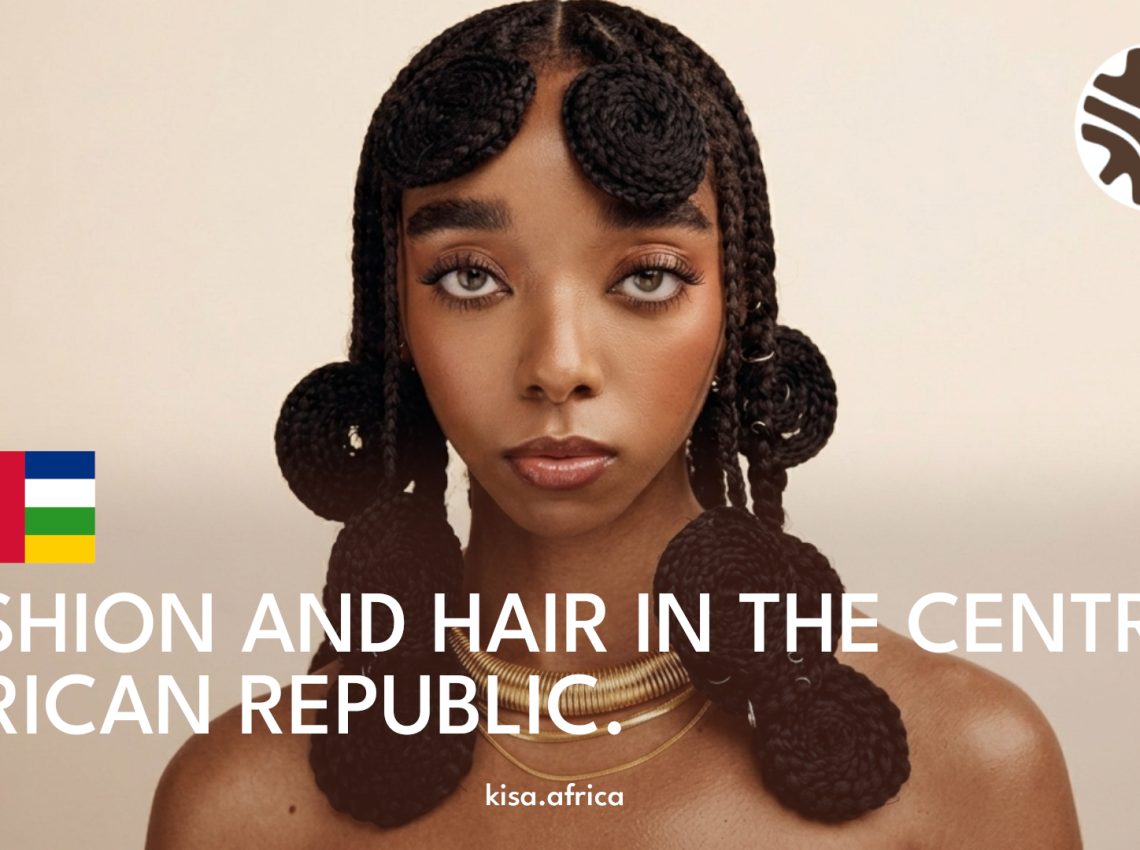
FASHION AND HAIR IN THE CENTRAL AFRICAN REPUBLIC.
THE PERSPECTIVE ON DECORATION IN THE CENTRAL AFRICAN REPULIC
Communal identity, and oppression of the individuals are some the basis of the fashion of the Central African Republic. More than 80 ethnic groups are found in the CAR, the Gbaya (Baya), Banda, Mandjia and Sara are the main ones. CAR ornamentation, is fleeting, living, and inseparable with the spirits of the forest. Traditionally, dress was strict emphasized on barkcloth loin cloths and decoration (scarification, hair sculpture, and beadwork) was lavish. It was used as a guide to the clan one belonged to, a survival, and spiritual protection against witchcraft.
“KOROBA” CROWN.
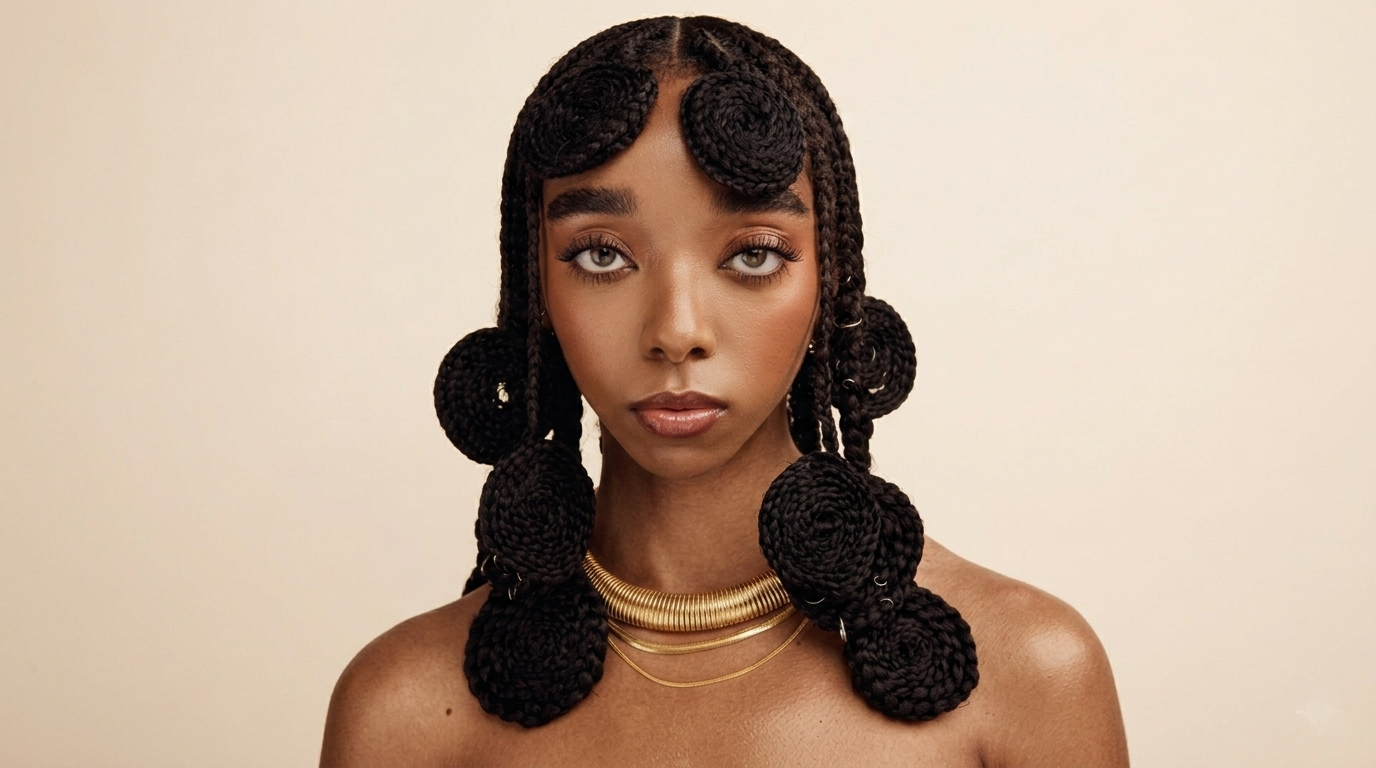
The Central African “Koroba” is a breathing, living sculpture that is woven into the hair of women in the CAR and nearby.
How it came about:
The Koroba is a complex form of cornrow which starts at the top of the head and extends outwards in the shape of a spider’s web, or a sunburst. According to oral traditions, it is a replica of the wayfinding of forest spirits- beginning at the centre (the soul) and extending to the physical world.
Why it is worn:
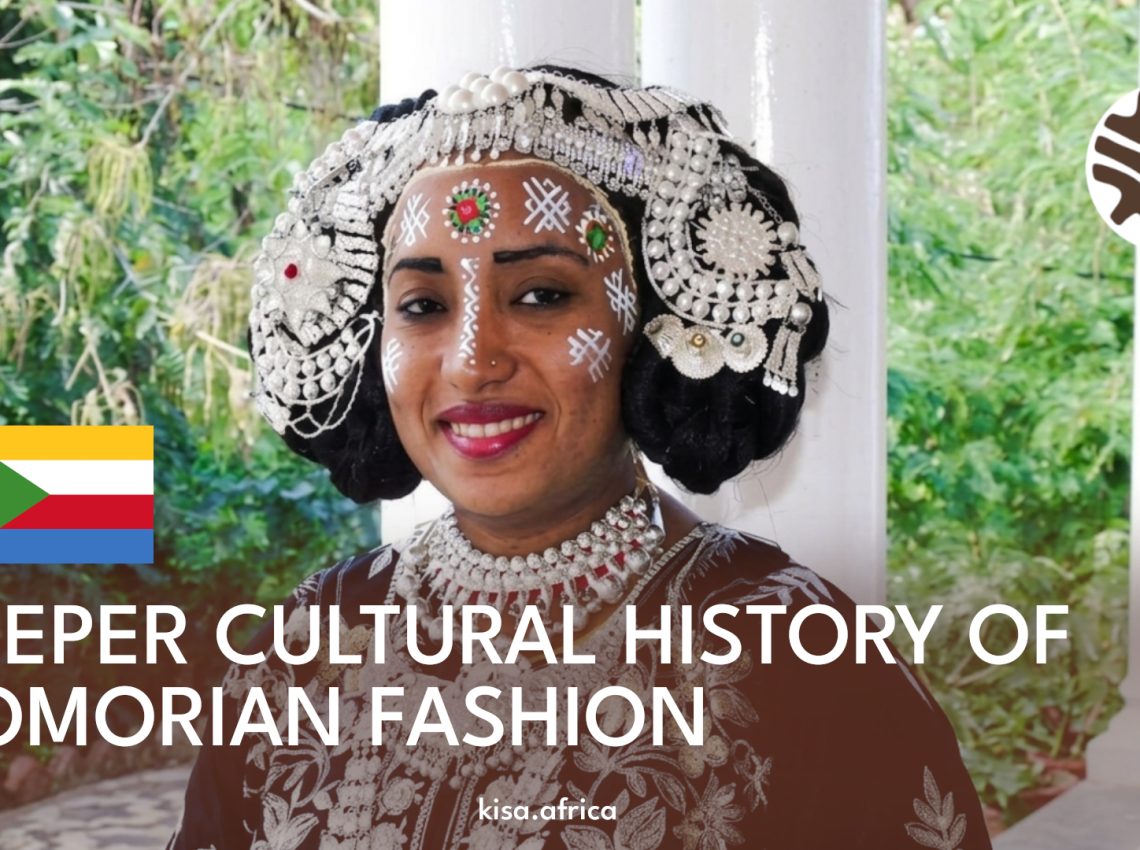
It is not just aesthetic. The Koroba serves as a crown of identity in most CAR communities. Certain patterns refer to what clan you are in, whether you are a married woman or whether you are grieving. Cowrie shells (a sign of fertility and wealth) or beads are commonly used to decorate the style to keep evil spirits out of the hair at the top of the head.
Length of practice:
This style is demonstrated by ethnographic evidence; it is represented in rock art and in photographs of the first half of the 20th century, and it can be traced back to at least several centuries.
THE TEETH AND HEADDRESS OF THE ANIMAL (BANDA AND GBAYAS).
In the CAR, it is what you kill that makes you what you are, animal teeth, claws and feathers were the regalia of the warriors and elders of the CAR.
The Headpiece:
Men of the Baya (Gbaya) people – who constitute about 34 percent of the population – are known to have dramatic headdresses of animal hide and monkey teeth and porcupine quills.
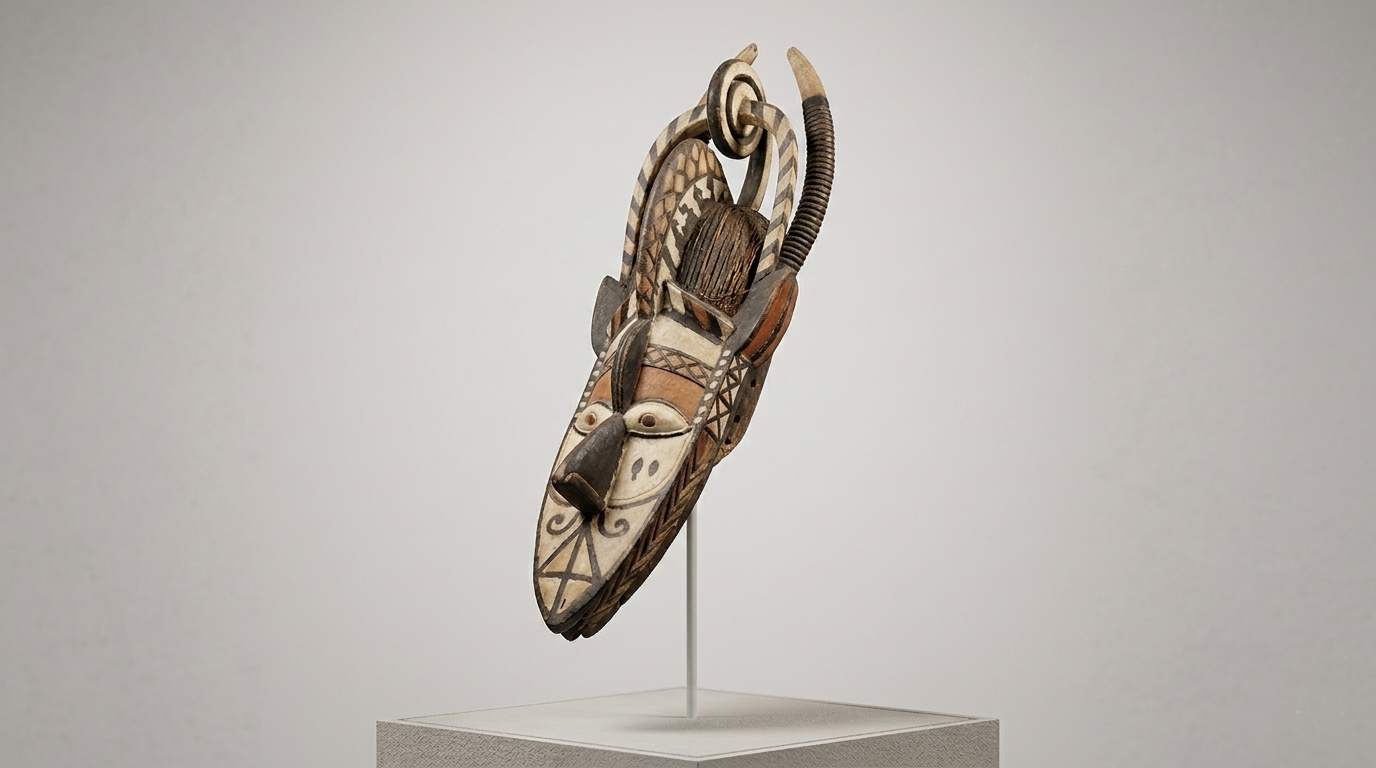
The Origin: This is a direct implication of the hunter-gatherer life. The forest demanded hunting skills. Each of the teeth on the headdress of a chief symbolizes a life taken or a threat defeated.
The Meaning: It is a pictorial resume. A man with an eagle feather is indicating that he has gone to the sky (spirit world); a leopard tooth is an indication that he has overcome a competing man or a malevolent magician. It is a “biography of bravery.”
Fun Fact: Many outsiders think that they are war bonnets, whereas they are in fact peacemaking regalia in many CAR cultures. A chief puts on his complete animal regalia to resolve conflicts since the spirits of the animals bestow on him the power to tell the truth.
THE “MUSAMO” AND THE DISAPPEARING COIFFURE.
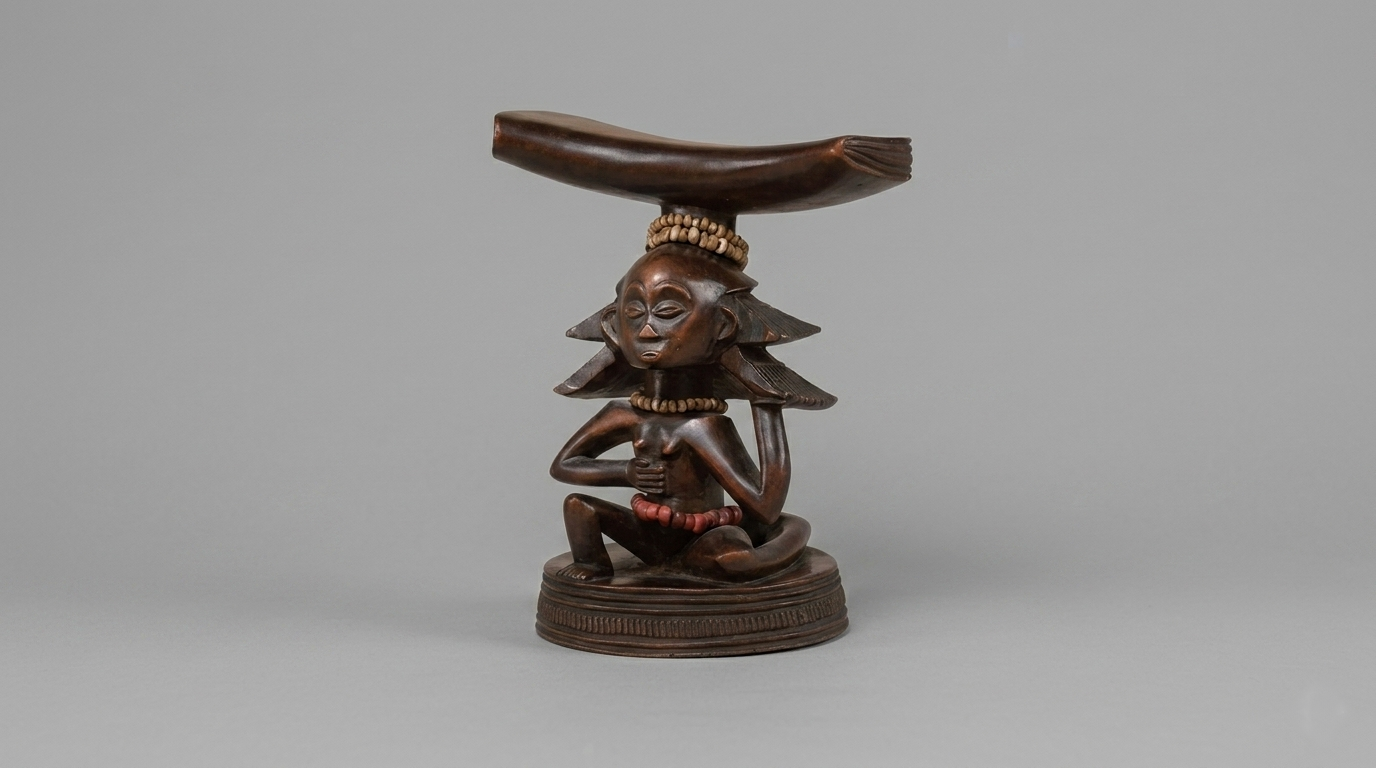
Men used wooden pillows to cushion their art.
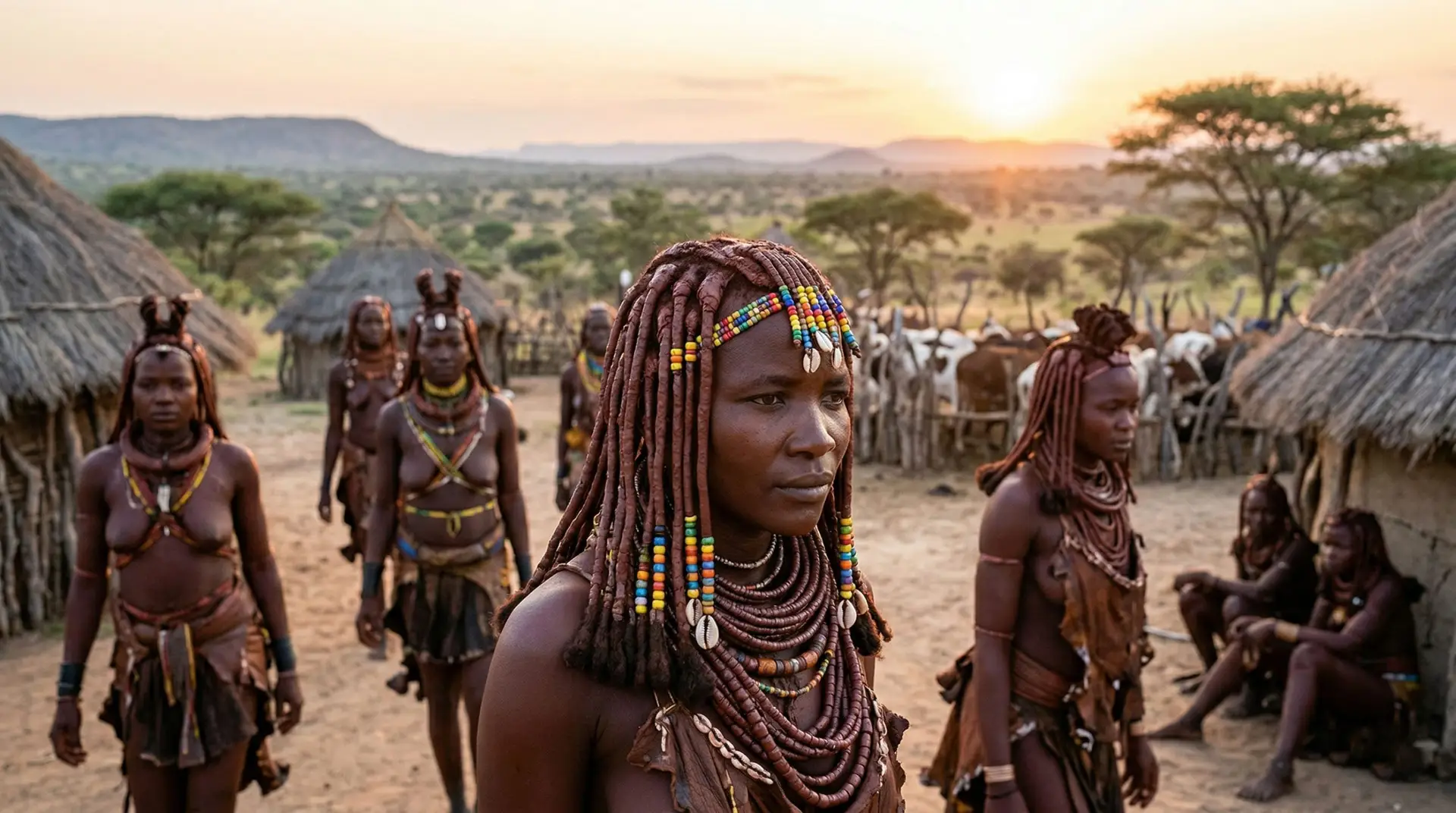
The elaborate hairstyles were not only the preserve of women in the Luba and Zande dominated parts of the CAR. Male heroes and nobles wore Cascade Coiffures-hairstyles that swept out like a waterfall, or the comb of a cock.
The Headrest (Musamo): Men employed a Musamo (headrest) to preserve these styles (which might require more than 50 hours to make). They would lean their neck on the rest, and leave their head to hang in the air, lest the complicated strands of their hair or mud packed crests should touch the ground.
The origin: It was an efficient way of addressing a luxurious issue. You might not dare to disarrange your hair when asleep, which you had woven in a week with certain fibres and red ochre.
Status Symbol: The headrests themselves were also heirlooms and tended to be carved out of a single block of wood, frequently with spiritual figures cut into the base. The taller the headrest the bigger the status of the sleeper.
THE “KBAKARA” BODY ARCHITECTURE.
Scarification, the art of cutting the skin to expose scars in patterns, is legendary of the CAR.
The Practice: The face and torso serve as canvases to the Banda and Ngbaka people. CAR groups cut patterns into the skin (commonly referred to as “Kpakara” )
“Why was it worn”? It has three purposes:
- Beauty: Smooth skin is regarded as empty or as baby-like. Scars show maturity.
- Ethnic Identification: One who belongs to the Lobaye region could be identified by the three horizontal lines on his/her temple.
- Medicine: Scars are often rubbed with charcoal mixed with medicinal herbs to act as a vaccine against disease or a repellent against mosquitoes.
SPIRITUAL PROTECTION AND RAFFIA VEIL.
The CAR possessed Raffia cloth and Beaded netting.
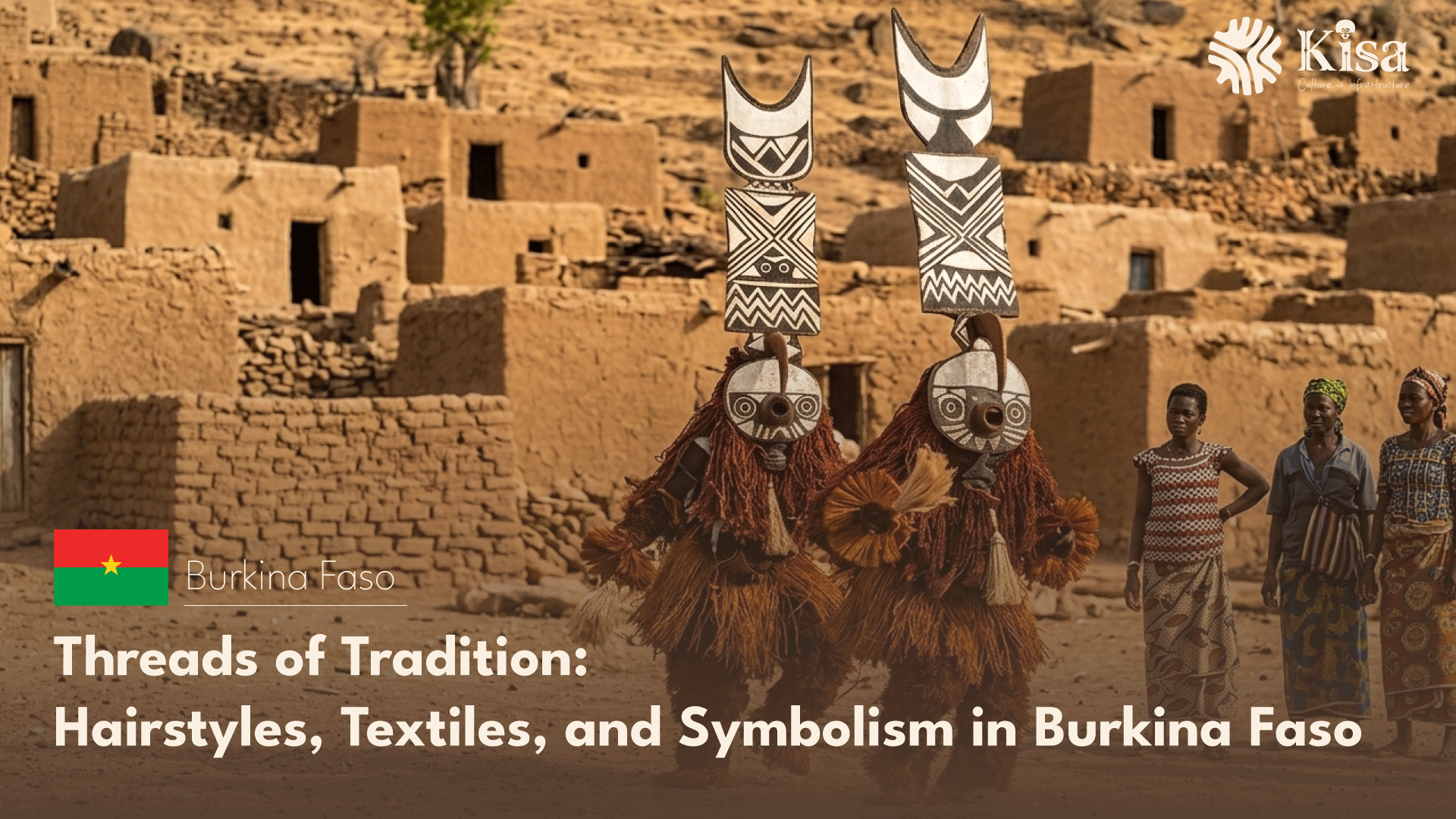
The Veil: In secret societies (such as Ngakala or Leopard societies), the initiates put on fullbody raffia costumes. Of the strongest is the face veil-a net of glass beads or raffia knots.
How it came about: The initiate is “dead” to the village. The veil conceals their human identity to speak on behalf of the spirit.
Fun Fact: The CAR erases the human. It is believed that a child, who looks through the face of the dancer under the veil, will be sick. Thus, it is not about dressing to look good, but to dress to look invisible.
MODERN ISSUES AND SURVIVAL.
The CAR has experienced innumerable cultural trauma under colonial rule (French UbangiShari) and the recent civil wars. It was suppressing scarification and pagan hairstyles: Christian missionaries of the 1920s-40s vigorously discouraged scarification and pagan hairstyles, identifying them as savage marks of paganism.
The Revival: Nowadays, with the instability within the country, full traditional regalia is almost only used during the celebrations of the Boganda Day (a national holiday) or at the coronation of the local chiefs (Gbanzili). The Koroba hairstyle however is experiencing an enormous resurgence on social media by the Central African diaspora as a protest and pride.
SOURCES
Encyclopaedia Britannica. (n.d.). African art: Central Africa. Retrieved April 12, 2026, from https://www.britannica.com/art/African–art/Central–Africa
Hadithi Africa. (n.d.). The vibrant cultural mosaic of Central Africa. Retrieved April 12,
2026, from https://www.hadithi.co/the–vibrant–cultural–mosaic–of–central–africa/
Oke, O. (2024). Exploring traditional African hairstyles: Koroba and Kipetaka. The Guardian Nigeria. Retrieved from https://guardian.ng/life/exploring–traditional–africanhairstyles–koroba–and–kipetaka/
Wikipedia contributors. (2024). Traditional African masks. Retrieved April 12, 2026, from https://en.wikipedia.org/wiki/Traditional_African_masks
Masks of the World. (2018). Complex African traditional art. Retrieved from https://masksoftheworld.com/blog/complex–african–traditional–art/