
KISA AFRICA- IVORY COAST
INTRODUCTION
THE LANGUAGE OF HAIR AND ADORNMENT: A CLOSE LOOK AT
TRADITIONAL FASHION AND HAIR CULTURE IN COTE D IVOIRE.
In Cote d Ivoire, hair is not just a biological aspect, it is an elaborate code of social position, spiritual faith, past and individuality. Traditional hairstyles, fashion are not merely aesthetic but are some forms of silent stories about the soul of the nation, a mixture of the ancient mysticism and hyper-modern world.
HISTORY AND CULTURE: DJÔMO HAIRSTYLE
Origin and History:
Djomo hairstyle is an ancestral practice that was passed on because of the amalgamation of various ethnicities in Bondoukou region (Gontougo), namely, the Mandé, Seneoufo, Gourounsi and Peulh. It is a rite of passage that has been performed since the times of grandmothers and granddaughters, as a religious ritual.
Why is it worn? It is also closely connected to the Kroubi dance that is a rite of passage of a young girl into puberty. It is a garment that is used to signify the change in childhood into womanhood, and it is all about beauty, purity and bliss.
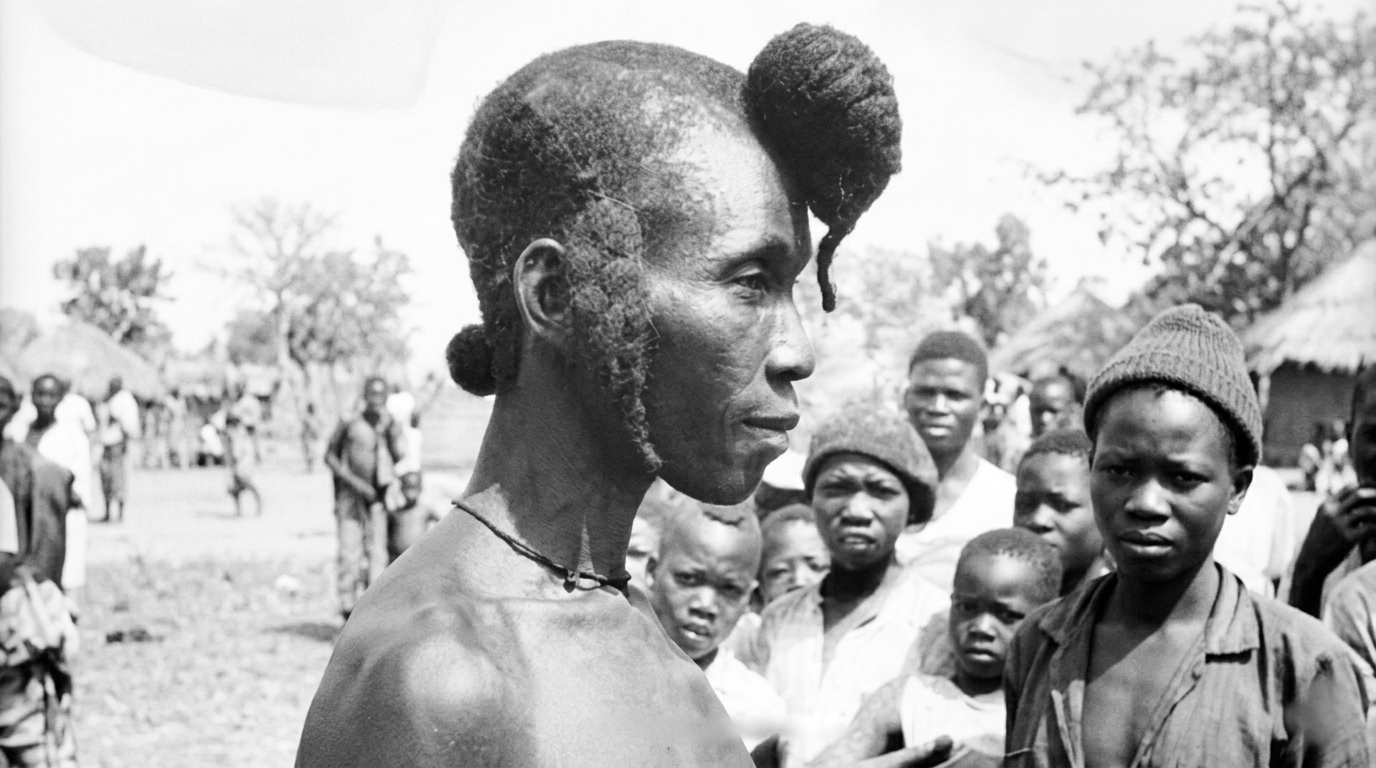
The Secret Meaning: The style is composed of four different balls of hair that are braided and are situated at the forehead, nape of neck and towards the ears.
The Four Elements: These are four balls symbolizing the four great forces of nature; Water, Air, Fire and Earth.
The Four Powers of Woman: They are also a representation of the four powers that a woman has.
The Compass: The four cardinal points are the braided points of the hair of the grandmother. The fashion directed the young girl towards the four cardinal points to take a step out, back to her roots or to maintain her safety and the community she lives in.
Fun Fact: This style of hair was often a family or spiritual secret. The grandmother would knit a certain charm or secret into the certain strand of hair, of which the women of that family were only aware, so that, in a way, they might have a charm.
HAIR AS A WRITTEN LANGUAGE: SLAVE TRADE CODE
Origin & History: The patterns of hair braiding during the time of the slave trade across the Atlantic Ocean and in times of war were a secret mapping system.
How it worked: The indications were made by specific braids, which denoted:
-Instructions: What routes were good to get away.
-Rallying Points: Who to find other survivors.
-Escape Plans: Secret messages to get ready to escape.
Why it matters: This made the hairdresser a strategy formulating planner and the hair a survival map. It enabled both men and women to save their dignity and beauty and were actively making plans on how to liberate themselves.
KENTE/ DAN-FANI: IDENTITY IN FABRIC.
Whereas hair is used to pass the message, the status is passed down by the body.
Pagne Kente (Kolonzo): Worn at the ceremony of Kroubi, the cloth (woven silk) is a sign of royalty, wealth and prestige.
Dan-Fani: A cotton fabric that is hand woven. Putting it on is a sign that one is associated with the land and genuine spirit of hard work of the Ivorian people.
The Accessories: When attending a ceremony, women will attach horse tails (symbolizing sensuality and protection), a mirror (self-appreciation, and truth) and foulard (scarves) that shield family treasures in most cases, this is a metaphor of fertility, or an antique.
POLITICAL HISTORY OF THE MODERN ERA: THE MARCOUSSIS BRAID.
The Hairstyle: A style, known as Marcoussis, was invented by Ivorian hairdressers, particularly a braider called Astou Thiam. It is a particular design of cornrows, which celebrates peace accords.
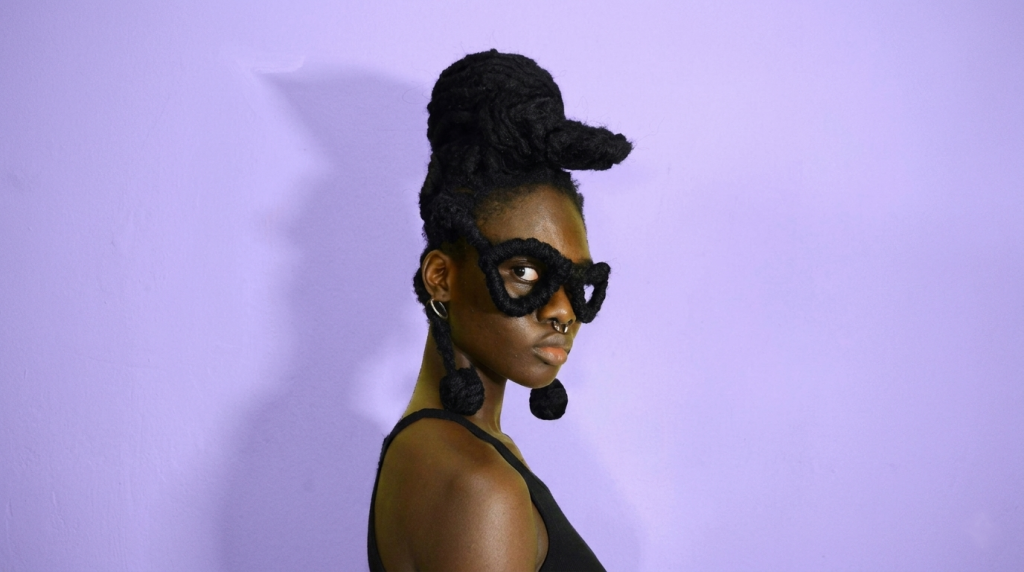
Why it is worn: Reminder of the frailty of peace and a political proclamation of strength.
REVOLUTIONARY ARTIST- LAETITIA KY.
To know the Ivorian hair nowadays, you must know Laetitia Ky. She a revolutionary of the contemporary movement of natural hair in Africa.
The Concept (The “Ky Concept”): Sculptures made of her dreadlocks with wire and thread. She forms something in her hair in the form of a fist, a high heel, a gun or a face.
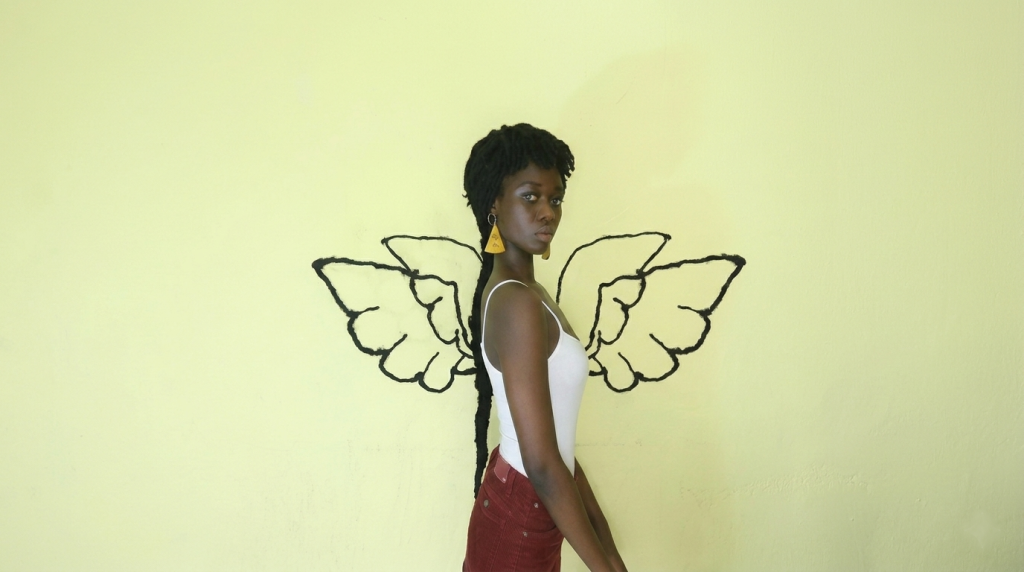
The Origin Story: At the age of 16, she was losing her hair. Though she lived in a country with black women in full, she had never seen a black woman with a natural hair. In 2016, she was introduced to a photo album of African women (1900s) of pre-colonial origin, and she understood that her ancestors were proud to wear their natural hair.
Activism: She speaks out against Female Genital Mutilation (FGM) as well as bullying, with her hair.
Time: It takes 20 minutes to 6 hours to make each of the sculptures.
SOURCES
AIP (Agence Ivoirienne de Presse). (2026, March 9). Côte d’Ivoire-AIP/Les tresses africaines et la coiffure Djômo à l’honneur.
The Guardian. (2026, April 1). Women behind the lens: ‘I grew up hating my natural hair’ – Laetitia Ky’s best photograph. (Global Development Section).
Getty Images / AFPTV. (2023, April). “Marcoussis”, “Two Presidents”, “Bunker”: In Ivory Coast, each braid model tells a piece of the country’s political and daily history [News footage].