

KENYA-BEADWORK, KANGA PROVERBS, PASTORAL ELEGANCE, AND MODERN AFRICAN FASHION
The fashion history of Kenya is one of the most diverse in the African continent because the country contains dozens of ethnic groups with radically different lifestyles, environments, belief systems, and artistic traditions. Clothing and hairstyles in Kenya developed through interactions between pastoral societies, agricultural communities, Indian Ocean trade networks, Islamic influence, colonialism, and modern urban culture. Fashion in Kenya has historically communicated identity, spirituality, age, social achievement, beauty, and belonging.
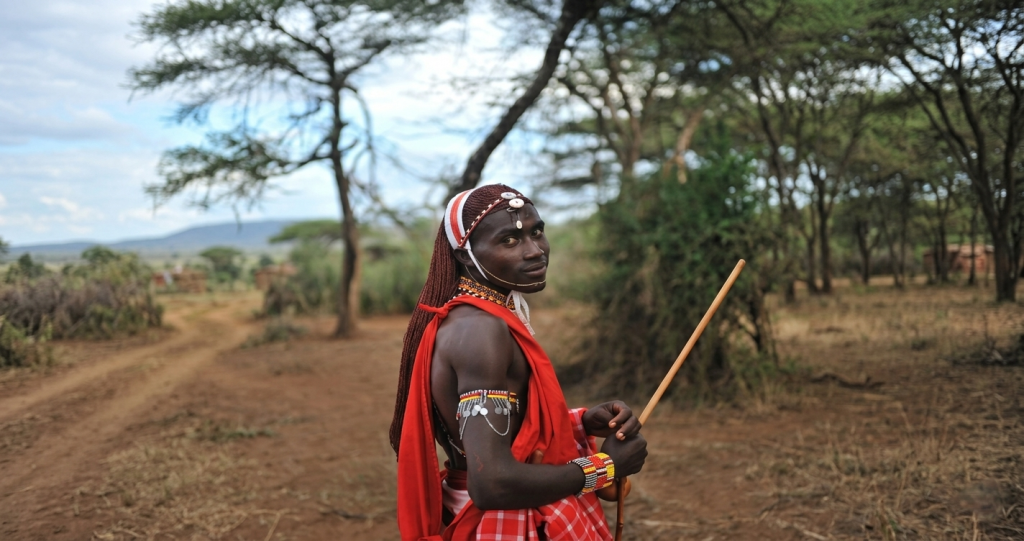
Kenya’s geographic diversity strongly shaped traditional clothing systems. Communities living in arid northern regions developed garments suited to mobility and heat, while agricultural highland communities used different materials and adornment traditions. Coastal Swahili communities absorbed influences from Arabia, Persia, India, and East Africa through centuries of Indian Ocean trade.
Among Kenya’s most internationally recognized cultural traditions are those of the Maasai people.
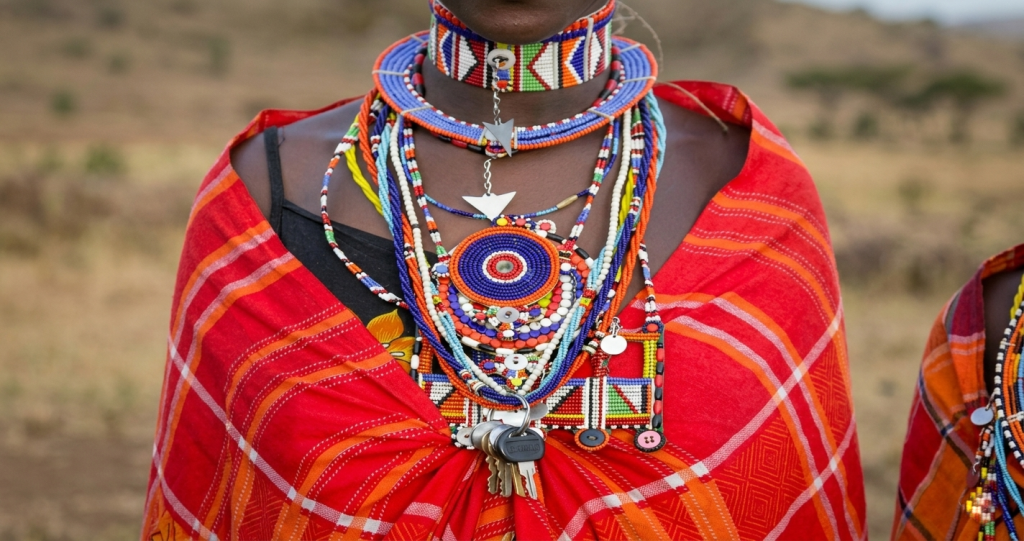
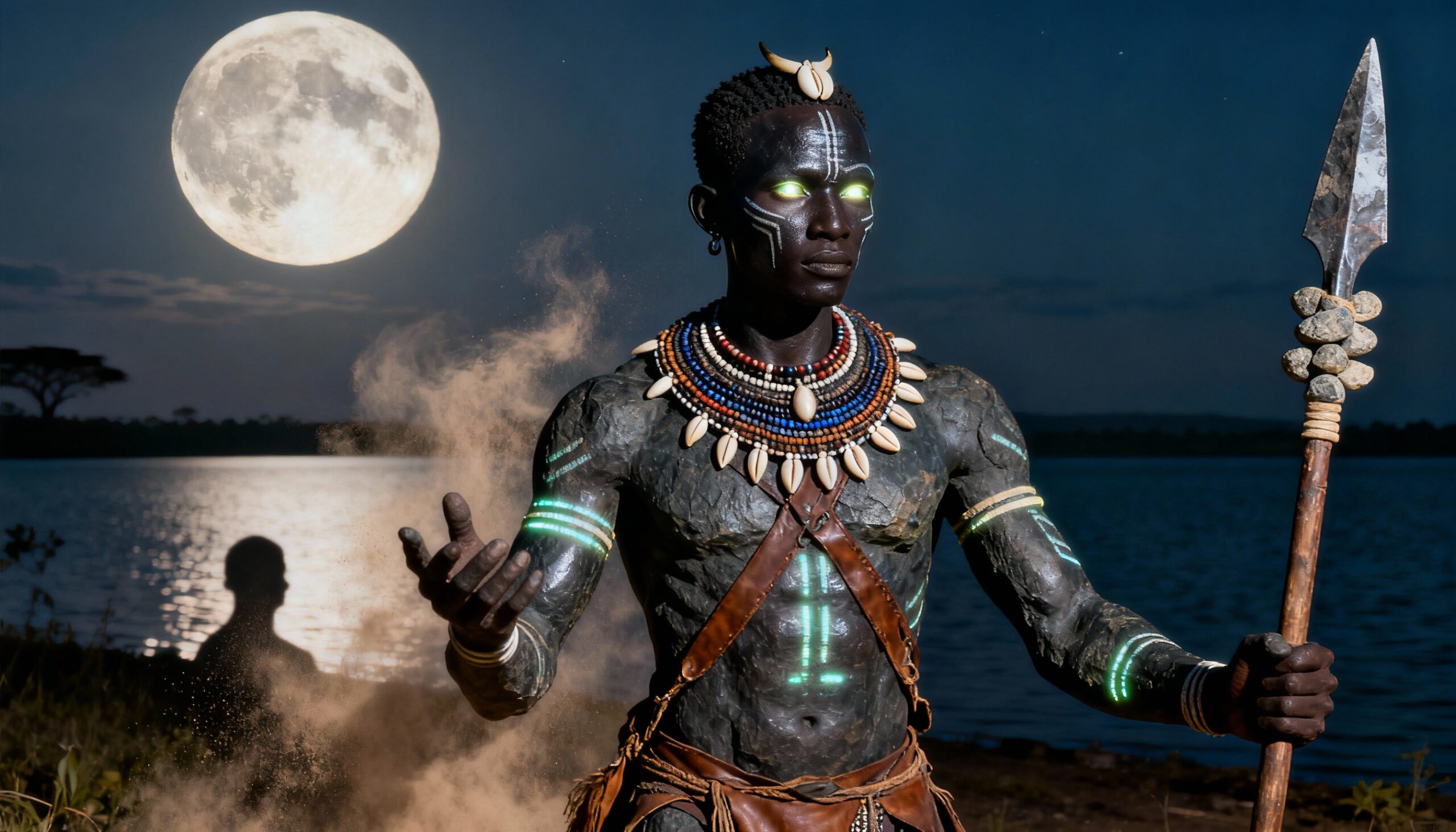
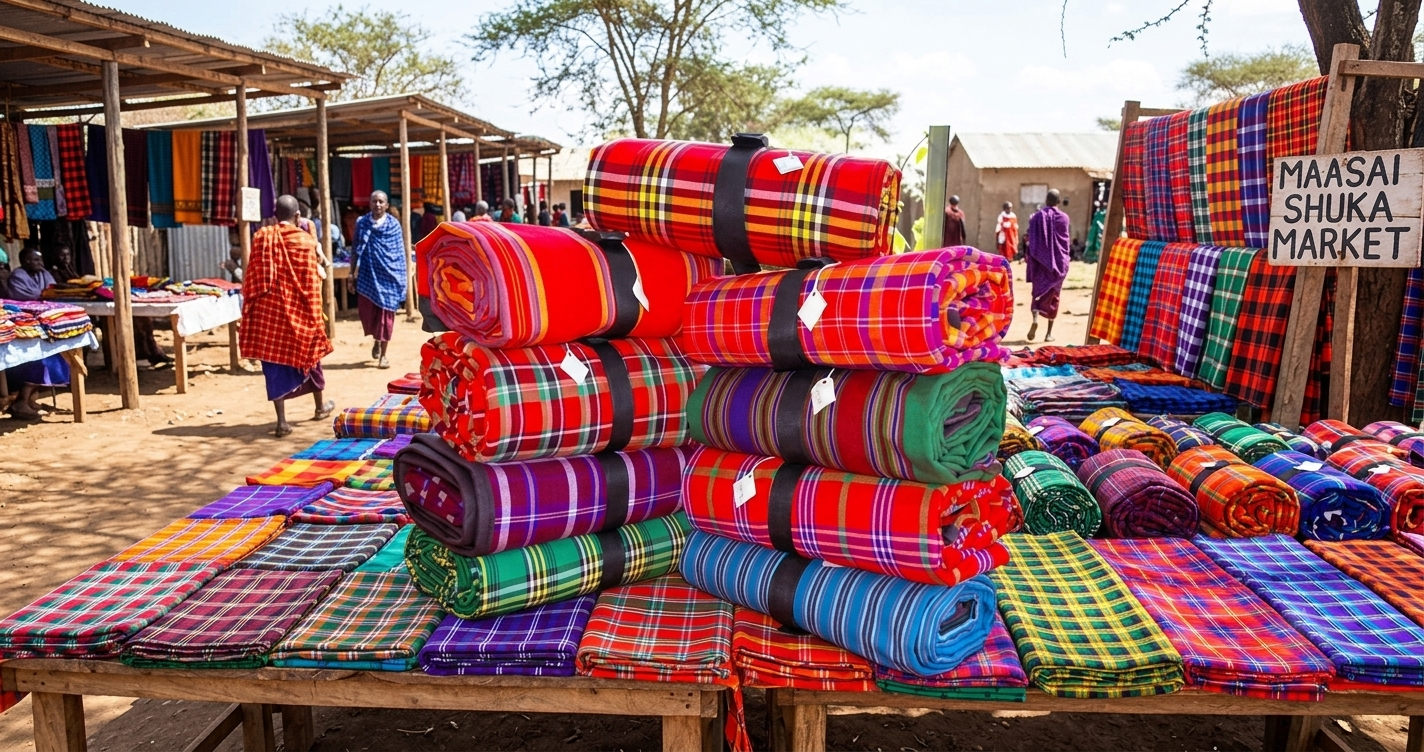
The Maasai became globally famous for their vibrant red shukas wrapped garments traditionally worn by both men and women as well as their extraordinarily intricate beadwork traditions. Maasai clothing reflects pastoral culture, warrior identity, spirituality, and communal symbolism.
Colour plays a major symbolic role within Maasai beadwork:
- Red symbolizes bravery, protection, strength, and unity. It is also associated with cattle and warriorhood.
- Blue represents the sky and rain, both essential for cattle survival.
- White symbolizes purity, health, peace, and milk from cattle.
- Green represents land, vegetation, and well-being.
- Orange and yellow may symbolize hospitality and warmth.
Jewellery historically communicated personal information such as age-set membership, marital status, motherhood, social achievement, and community role. Elaborate beaded collars, earrings, bracelets, belts, and head ornaments formed part of a sophisticated visual language understood within Maasai society.
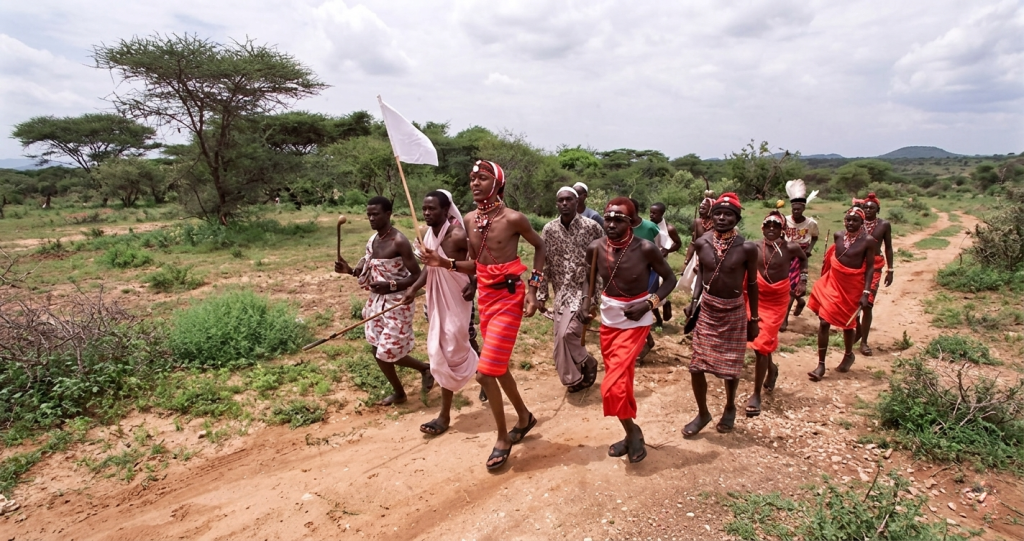
One fascinating but lesser-known fact is that Maasai bead patterns could function almost like personal biographies. The arrangement of colours, shapes, and jewellery styles sometimes revealed information about an individual’s stage of life, family status, and ceremonial participation.
Beadwork itself required remarkable technical skill and patience. Historically, natural materials such as seeds, bone, ivory, clay, copper, and shells were used before glass beads became widely available through trade with Europeans and Arabs. Once imported beads entered East Africa, Maasai artisans transformed them into one of the world’s most recognizable beadwork traditions.
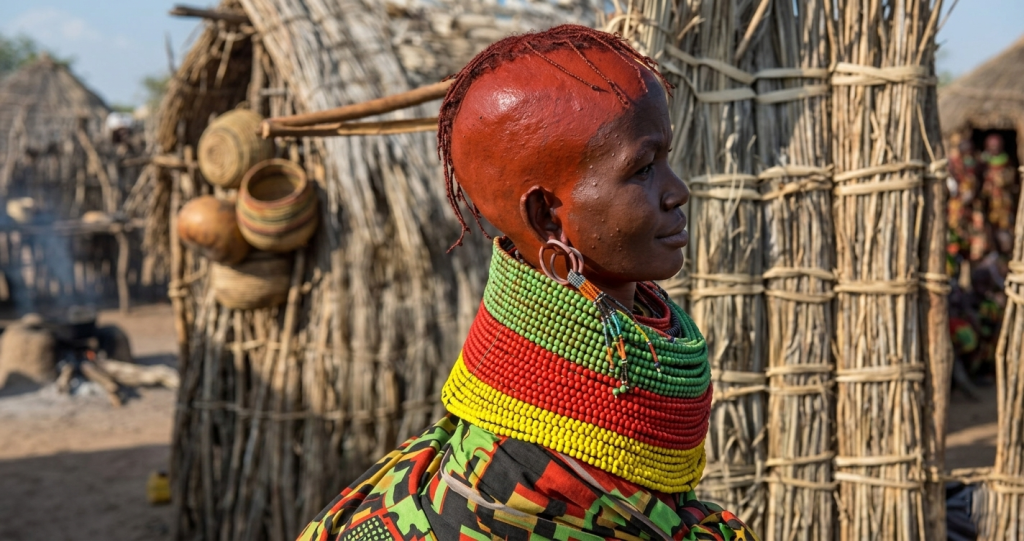
The Samburu and Turkana peoples of northern Kenya developed equally striking appearance traditions.
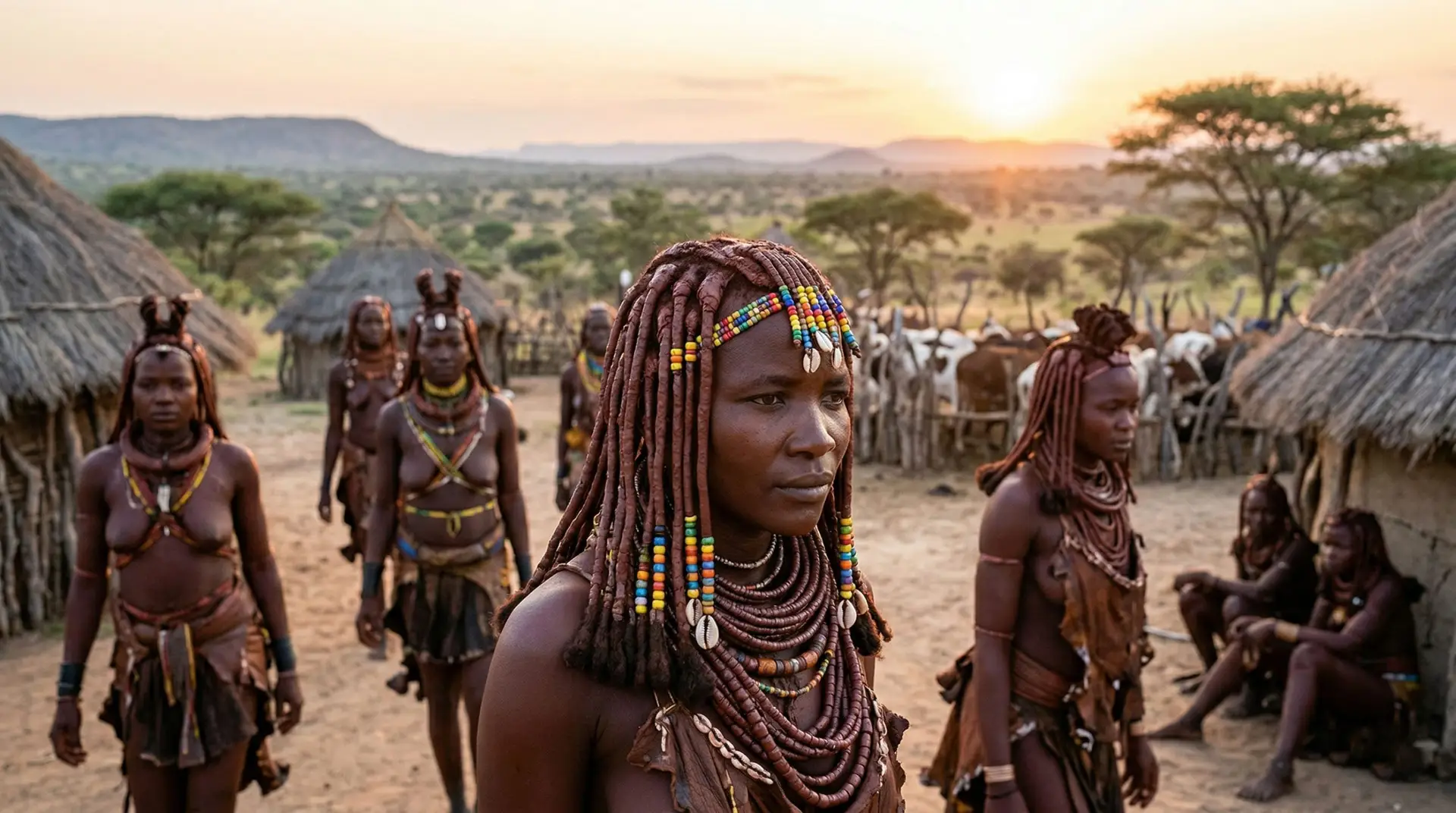
Among Samburu and Turkana communities, ochre-coated hairstyles, braiding, beads, leather adornments, and body decoration became central aspects of beauty and identity. Ochre mixtures were applied to hair and skin both for aesthetic purposes and for protection against harsh climates. Hairstyles could indicate age, warrior status, beauty, or transition into adulthood.
Hair traditions across Kenya varied enormously depending on ethnic group. Some communities favoured elaborate braiding and adornment traditions, while others historically preferred shaved heads or shorter styles. Among Luo communities, shaved heads and closely cropped hair became more common historically, reflecting different aesthetic and cultural traditions compared to pastoralist groups.
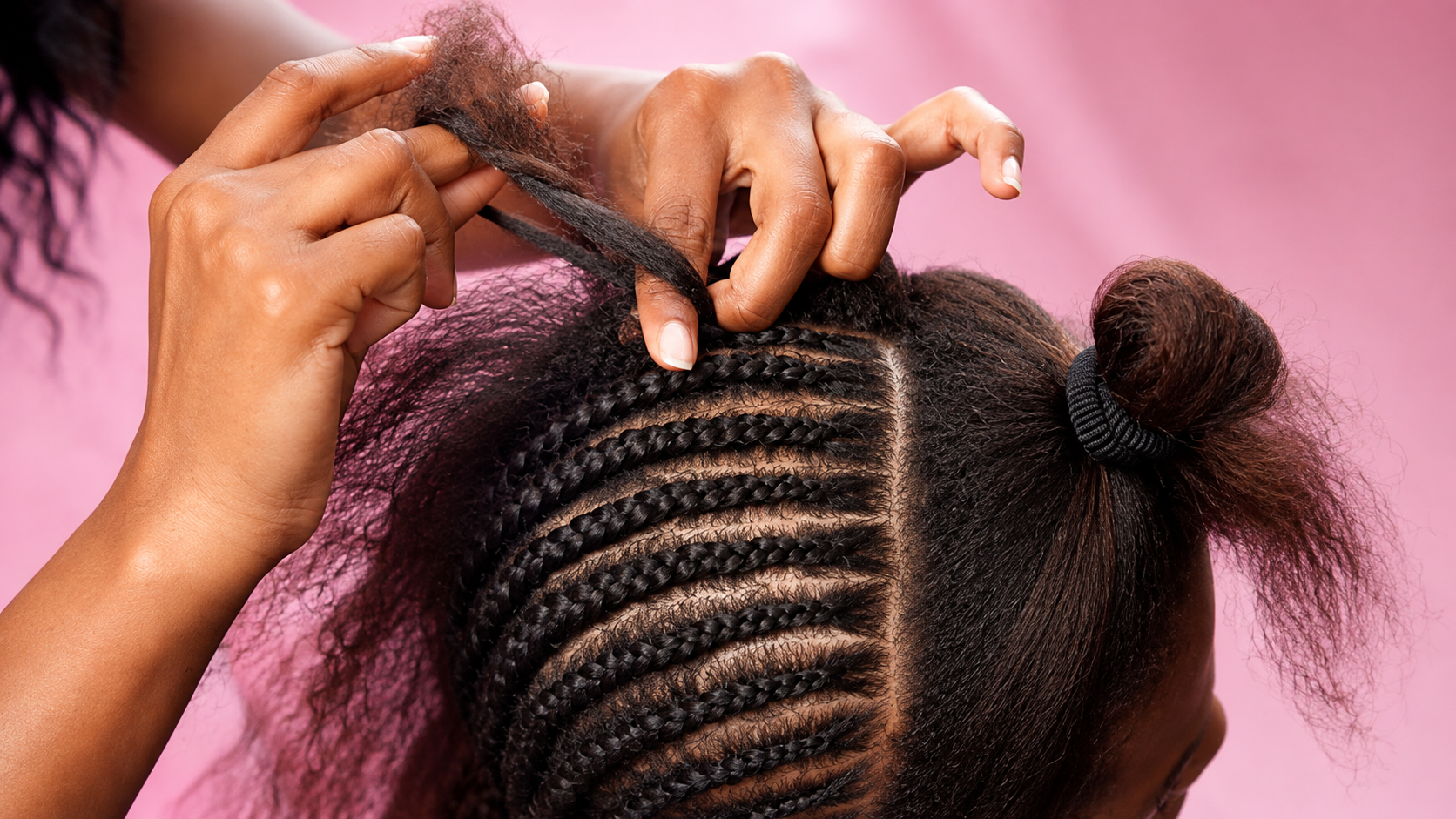
Hairdressing itself often functioned as an important communal activity. Braiding sessions created spaces for storytelling, advice, courtship discussions, songs, and intergenerational teaching. Hairstyles therefore carried both social and artistic significance.
Along the Kenyan coast, Swahili culture developed one of East Africa’s most cosmopolitan fashion traditions.
The Swahili coast connected East Africa to Arab, Persian, Indian, and broader Indian Ocean trade networks for centuries. As a result, Swahili fashion blended African aesthetics with imported textiles, Islamic modest wear traditions, embroidery, jewellery, and tailored garments.
One of the most culturally important Swahili textiles is the lesos/kangas. Lesos/Kangas are brightly patterned rectangular cloths commonly worn by women throughout coastal East Africa. What makes kangas especially unique is that they frequently contain Swahili proverbs, sayings, or messages printed directly onto the fabric.
These messages can communicate humour, wisdom, social commentary, affection, gossip, warnings, or emotional expression. In many communities, kangas function almost like wearable communication systems. People sometimes use specific kangas to send indirect messages to family members, neighbours, or romantic partners without speaking openly.
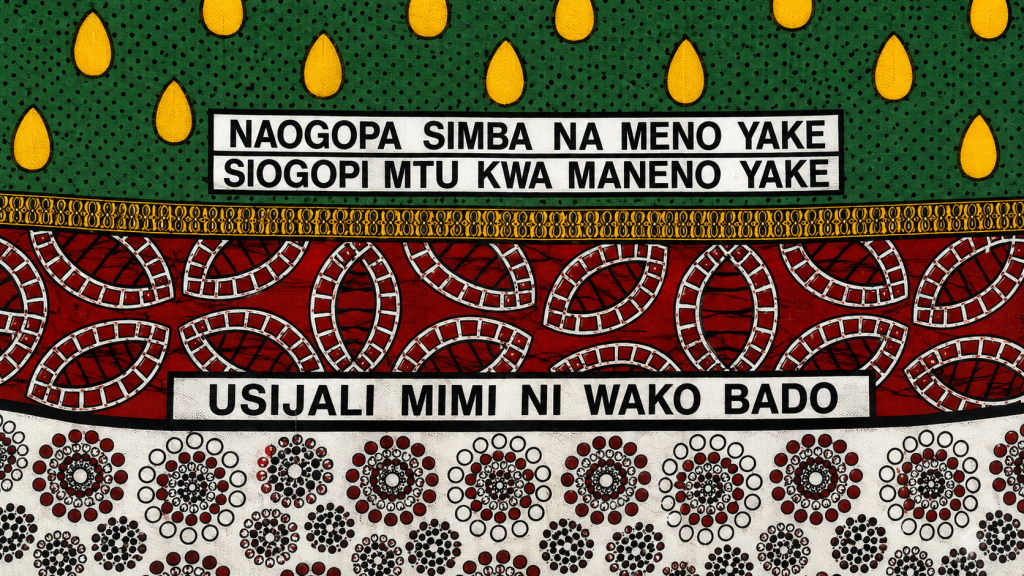
This is why some scholars compare kanga messages to an early form of social media captions or subtweets they allow people to communicate publicly yet indirectly through fashion.
British colonialism transformed Kenyan fashion in major ways during the colonial period. Missionaries introduced European modesty standards, Christian dress expectations, and school uniforms. Western-style tailoring, suits, dresses, jackets, and imported textiles became increasingly common in urban centres.
However, Kenyan communities adapted rather than abandoned indigenous aesthetics. Traditional beadwork, wraps, leatherwork, and textile traditions continued surviving alongside colonial fashion systems. During the independence era, clothing also became tied to nationalism and African cultural pride.
Modern Kenya is now one of East Africa’s leading fashion centres.
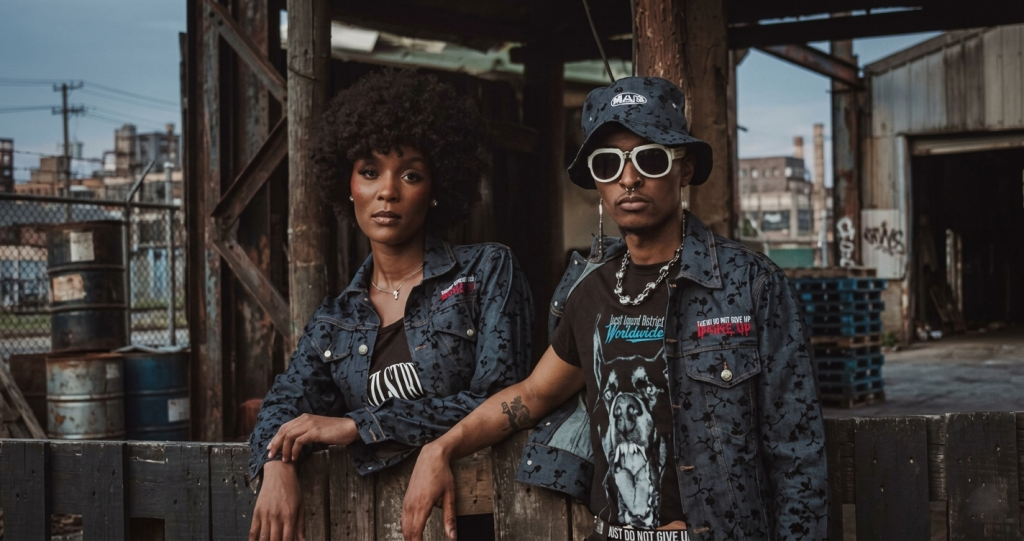
The city of Nairobi has become a major creative hub where designers combine traditional beadwork, leather craftsmanship, Ankara prints, sustainable textiles, denim, and contemporary tailoring with global streetwear influences. Kenyan fashion increasingly emphasizes sustainability, ethical production, and reinterpretation of indigenous artistry for modern audiences.
Younger generations often mix sneakers, luxury accessories, Afro-urban hairstyles, and international fashion trends with traditional jewellery, beadwork, and East African fabrics.
Kenyan music culture, especially Afro-pop and Gengetone scenes, has also influenced modern youth aesthetics.
Another fascinating aspect of Kenyan fashion is how closely clothing remains tied to ceremony and identity. Weddings, initiation rites, warrior ceremonies, harvest celebrations, and religious festivals continue preserving traditional garments and hairstyles across many communities even within rapidly modernizing urban environments.
FASCINATING LESSER-KNOWN FACTS ABOUT KENYAN FASHION AND HAIR
- Maasai bead patterns historically communicated personal biographies and life stages.
- Kangas/Lesos cloths often contain Swahili messages functioning like indirect social communication.
- Imported glass beads transformed East African beadwork traditions after trade expansion.
- Ochre-coated hairstyles among Turkana and Samburu peoples symbolized beauty and status.
- Hairstyles varied dramatically between Kenya’s pastoral, agricultural, and coastal societies.
- Hairdressing gatherings functioned as spaces for storytelling and social education.
- Swahili fashion absorbed Arab, Persian, Indian, and African influences through Indian Ocean trade.
- Modern Nairobi is one of East Africa’s leading fashion and creative capitals.
- Kenyan designers are increasingly known for sustainable fashion and indigenous craftsmanship.
SOURCES
Eicher, J. B., & Ross, D. A. (1992). Dress and Identity. New York, NY: Fairchild Publications.
Picton, J., & Mack, J. (1989). African Textiles. London, England: British Museum Press.
Parkin, D. (2004). Swahili Coast Society. Oxford, United Kingdom: Blackwell Publishing.
Saitoti, T. O. (1986). The Worlds of a Maasai Warrior. Berkeley, CA: University of California Press.
Kratz, C. A. (1994). Affecting Performance: Meaning, Movement and Experience in Okiek Women’s Initiation. Washington, DC: Smithsonian Institution Press.
Prestholdt, J. (2008). Domesticating the World: African Consumerism and the Genealogies of Globalization. Berkeley, CA: University of California Press.