
EGYPT- FASHION, HAIR, BEAUTY, AND CULTURAL POWER ACROSS MILLENNIA
The fashion history of Egypt is among the oldest and most influential in human civilization. Few societies documented beauty, hair, cosmetics, and clothing with as much detail as ancient Egypt. Because Egyptian civilization flourished for thousands of years along the Nile River, fashion evolved into a sophisticated system tied to climate, religion, politics, class hierarchy, and spirituality. Clothing was never simply about appearance; it reflected cosmic order, purity, wealth, and connection to the divine.
One reason Egyptian fashion became so advanced was geography. The Nile Valley provided fertile land where flax could be cultivated extensively. From this flax, Egyptians produced linen, the dominant fabric of ancient Egypt. Linen was lightweight, breathable, and ideal for Egypt’s intense desert climate. The quality of linen also reflected social rank. Poorer Egyptians wore coarse, simple linen garments, while elites wore extremely fine transparent linens that required remarkable weaving skill. Some royal fabrics were so delicate they appeared almost weightless.
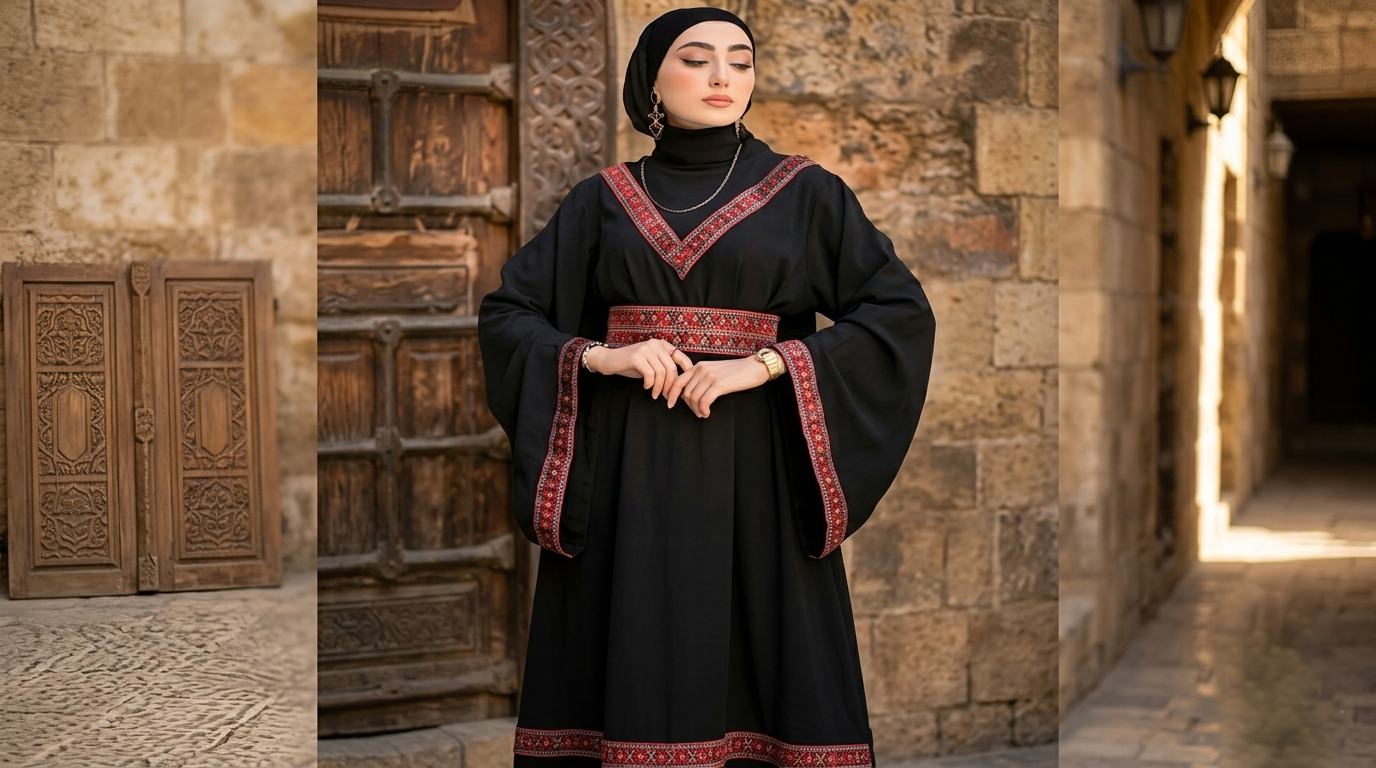
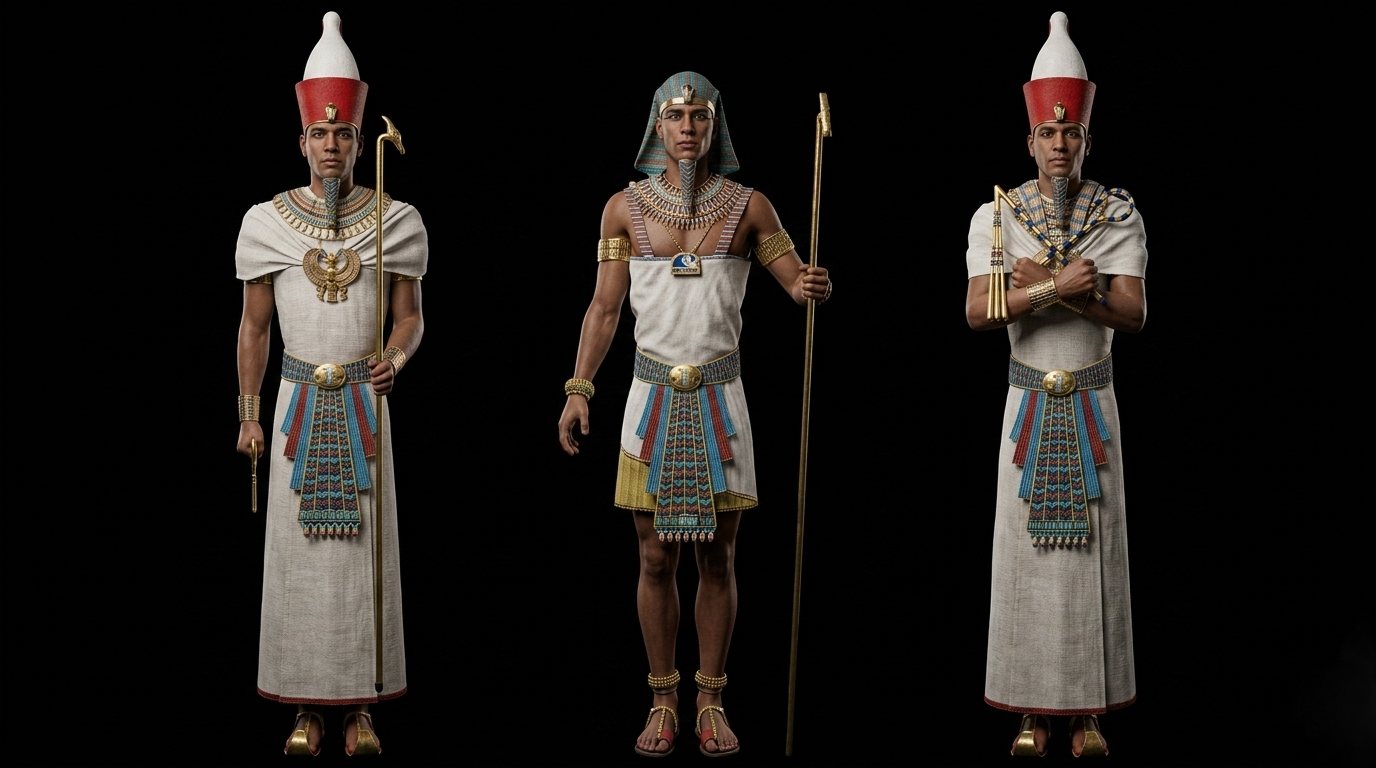
Ancient Egyptian clothing often emphasized clean lines and elegance rather than excessive layering. Men commonly wore garments called shendyts, which resembled wrapped kilts, while women frequently wore long sheath dresses secured with straps. Over centuries, clothing became increasingly elaborate, especially during periods of imperial wealth such as the New Kingdom. Pleated linen became a symbol of refinement because maintaining crisp pleats required Labor and wealth.
Jewellery played a major role in Egyptian appearance and carried spiritual meaning beyond decoration. Gold symbolized eternity because it did not tarnish, while stones like lapis lazuli, turquoise, and carnelian were associated with divine protection and cosmic power. Wealthy Egyptians layered broad collars, bracelets, rings, and amulets not merely for beauty but for spiritual safeguarding. Certain colours and gemstones were believed to hold protective magical properties.
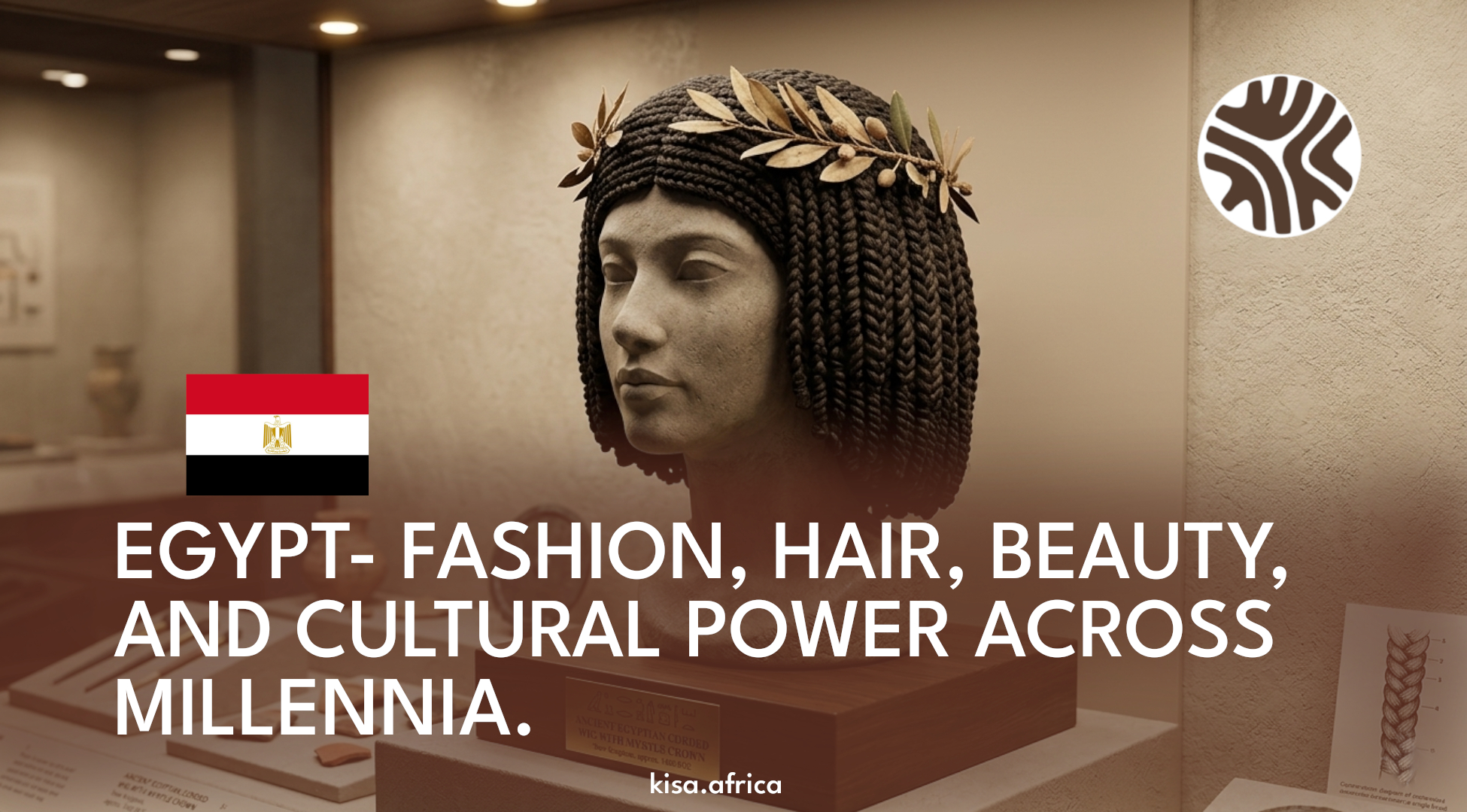
Perhaps one of the most fascinating and misunderstood aspects of Egyptian beauty culture was the use of wigs.
Many ancient Egyptians shaved their heads completely or kept hair extremely short. This was not because they disliked hair, but because Egypt’s climate made long natural hair uncomfortable and difficult to maintain hygienically. Heat, sweat, and lice were constant concerns. Shaving the head reduced these problems significantly. Wigs then became both a practical solution and a status symbol.
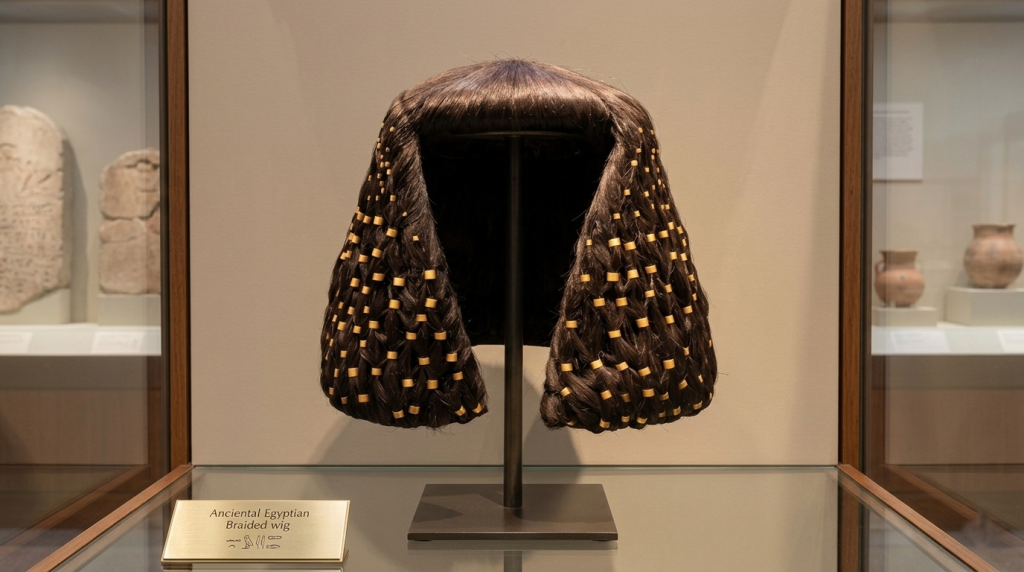
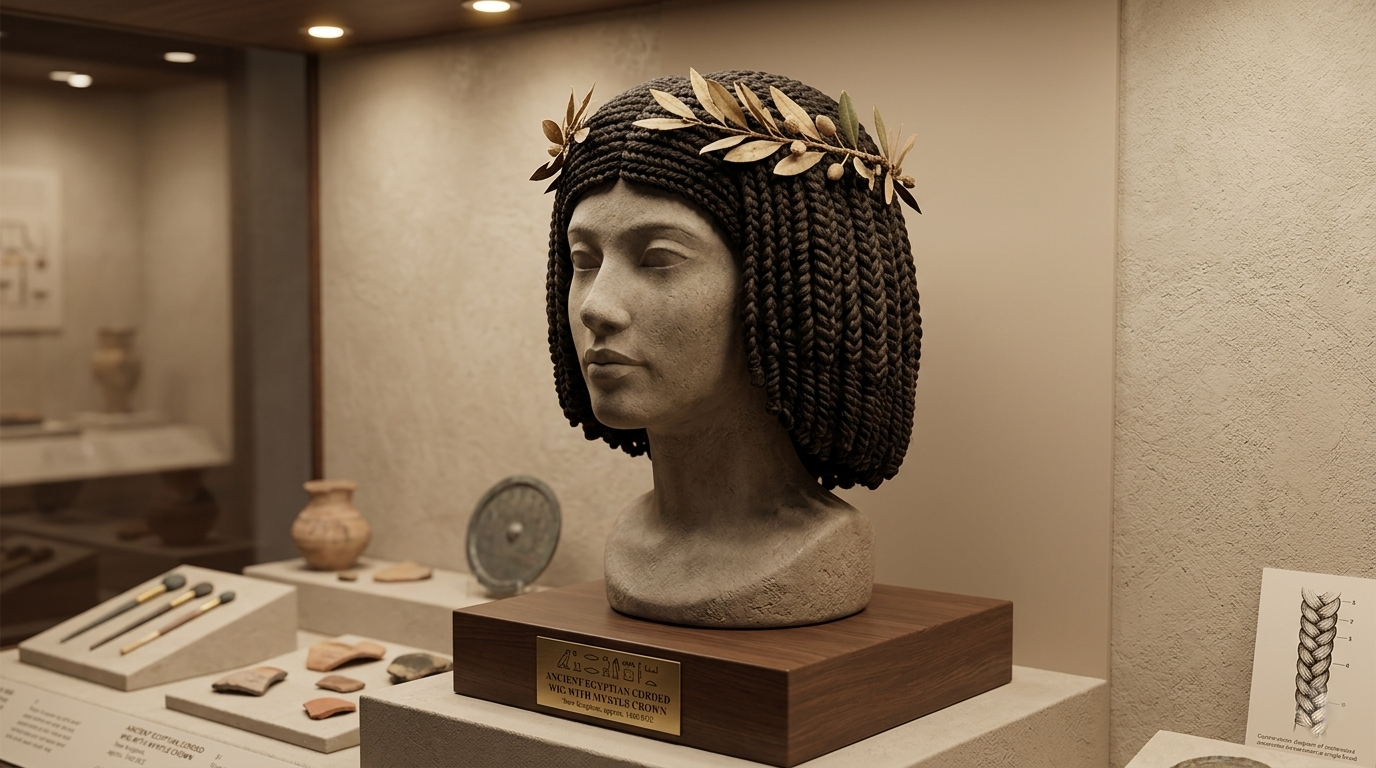
Elite wigs could be extraordinarily elaborate. They were crafted from human hair, sheep’s wool, palm fibres or vegetable fibres and styled into complex braids, curls, or layered geometric shapes. Wealthier individuals owned multiple wigs for different occasions. Some wigs were decorated with beads, gold ornaments, or ribbons. Archaeologists have discovered wigs carefully preserved in tombs, revealing astonishing craftsmanship that resembles modern hairstyling techniques.
One especially intriguing practice involved perfumed wax cones worn atop wigs or shaved heads during banquets and ceremonies. As the day grew hotter, the wax slowly melted, releasing scented oils and perfumes over the wearer’s hair and body. This acted almost like an ancient form of wearable fragrance technology. Many people once assumed these cones were symbolic artistic inventions, but evidence increasingly suggests they were genuinely used.
Children in ancient Egypt often wore a distinctive hairstyle called the “lock of youth,” where most of the head was shaved except for one long braid or sidelock. This hairstyle symbolized childhood and was associated particularly with the god Horus as a divine child figure. Once children reached maturity, the sidelock was removed during rites of passage into adulthood.
Hair and grooming carried strong spiritual importance. Priests frequently shaved their heads and bodies completely because bodily purity was essential for temple rituals. Cleanliness was closely linked to holiness in Egyptian religious life. Oils, perfumes, and cosmetics were therefore not viewed as vanity alone but as forms of purification and divine order.
Ancient Egyptians were also pioneers in cosmetics and hair care. Both men and women used kohl eyeliner made from minerals such as galena and malachite. Beyond aesthetics, kohl may have helped reduce sun glare and even offered antibacterial protection against eye infections common near the Nile. Hair oils made from castor oil, almond oil, moringa oil, and animal fats were used to moisturize hair and skin in the dry climate. Some surviving papyri even contain recipes for hair growth treatments and anti-greying remedies, making Egypt home to some of the world’s earliest documented beauty formulas.
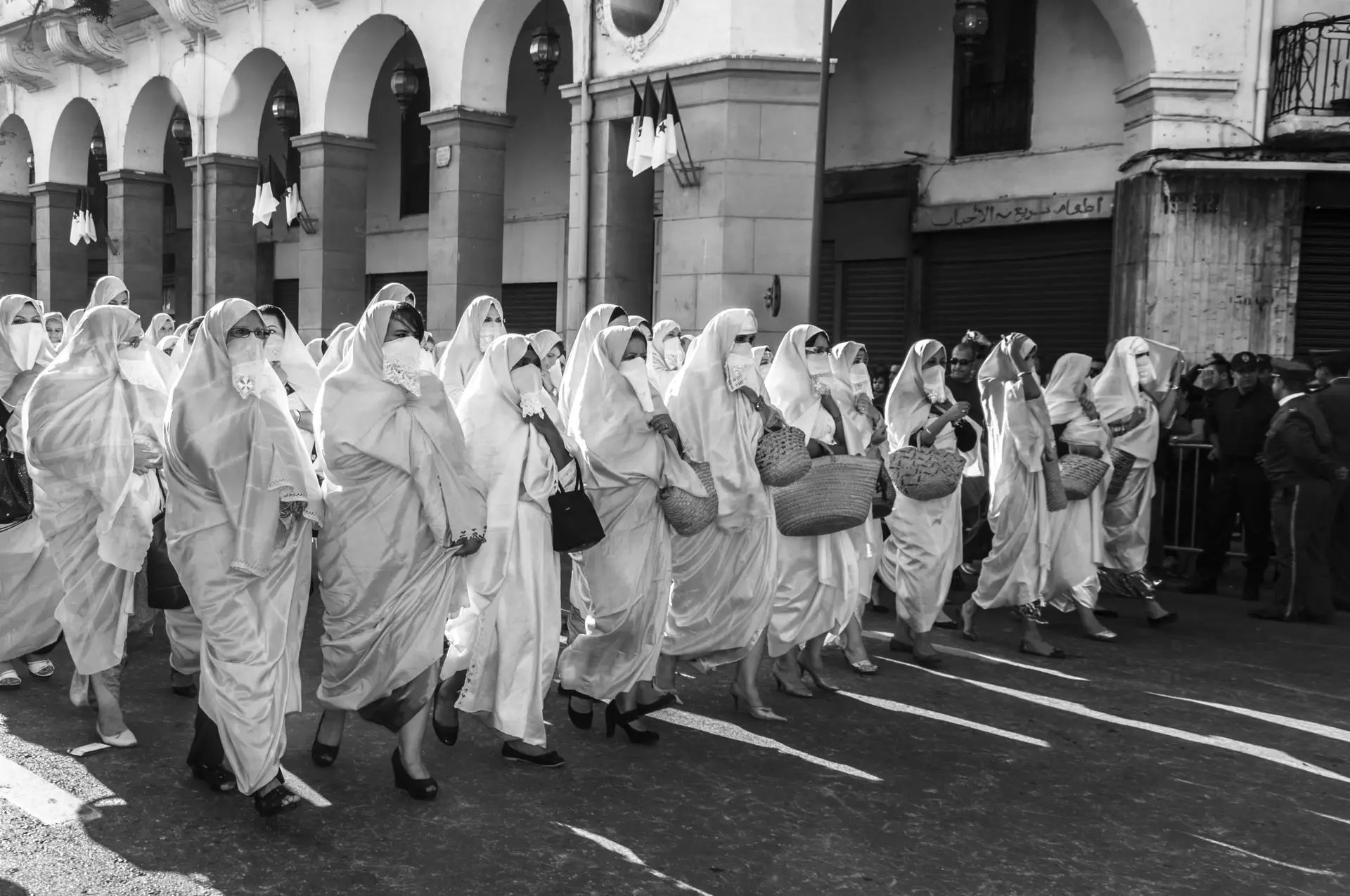
Religion continuously influenced Egyptian fashion across centuries. After the Islamic expansion into Egypt in the 7th century, clothing styles gradually incorporated broader Islamic and Middle Eastern influences. Loose robes, veiling traditions, turbans, and embroidered garments became increasingly common. Modesty standards evolved while still preserving many local Egyptian textile traditions.
During the period of Ottoman rule, Egyptian elite fashion absorbed influences from Istanbul and the wider Ottoman world. Rich velvets, silk embroidery, layered robes, kaftans, and decorative sashes became associated with wealth and sophistication. Urban elites in Cairo adopted luxurious imported fabrics while rural populations maintained more practical traditional garments suited to agricultural life.
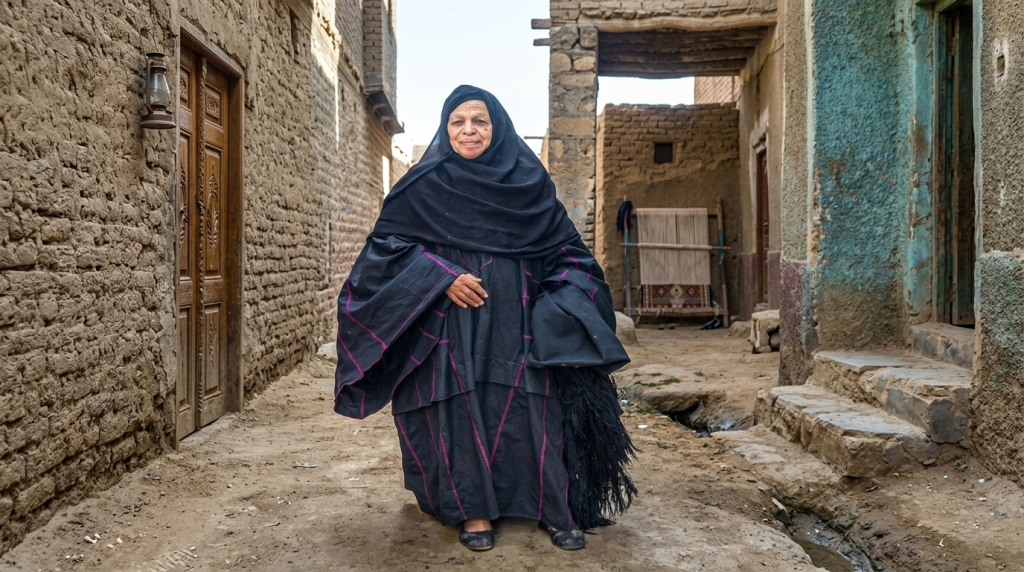
One of the most enduring garments in Egypt is the galabeya (also spelled jalabiya), a loose ankle-length robe still widely worn today, especially in rural communities and Upper Egypt.
The galabeya survives because it remains ideal for Egypt’s climate: loose, breathable, modest, and functional. Farmers working along the Nile often prefer it because it allows freedom of movement while protecting from heat. Different regions developed distinct embroidery styles, cuts, and fabric preferences.
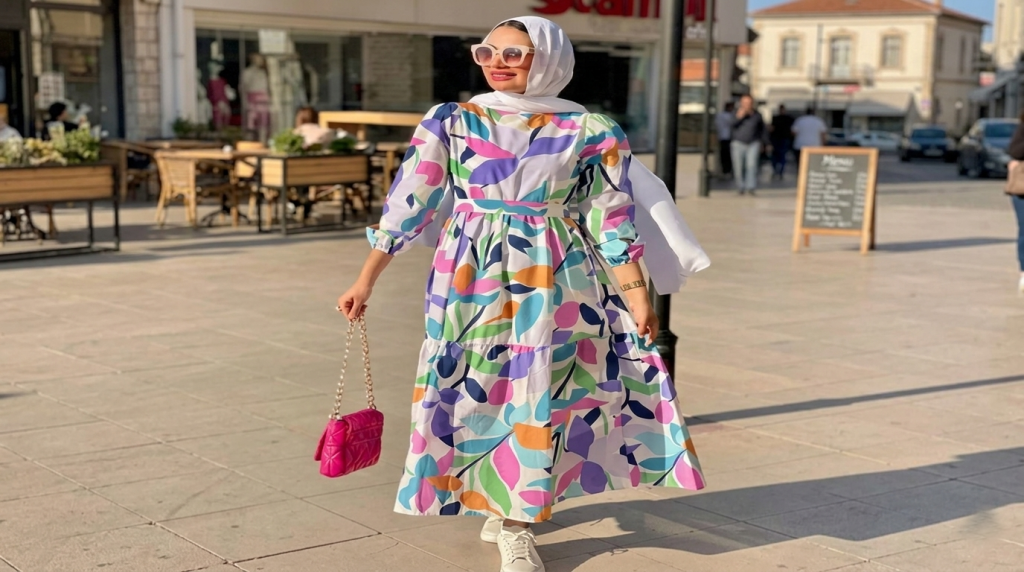
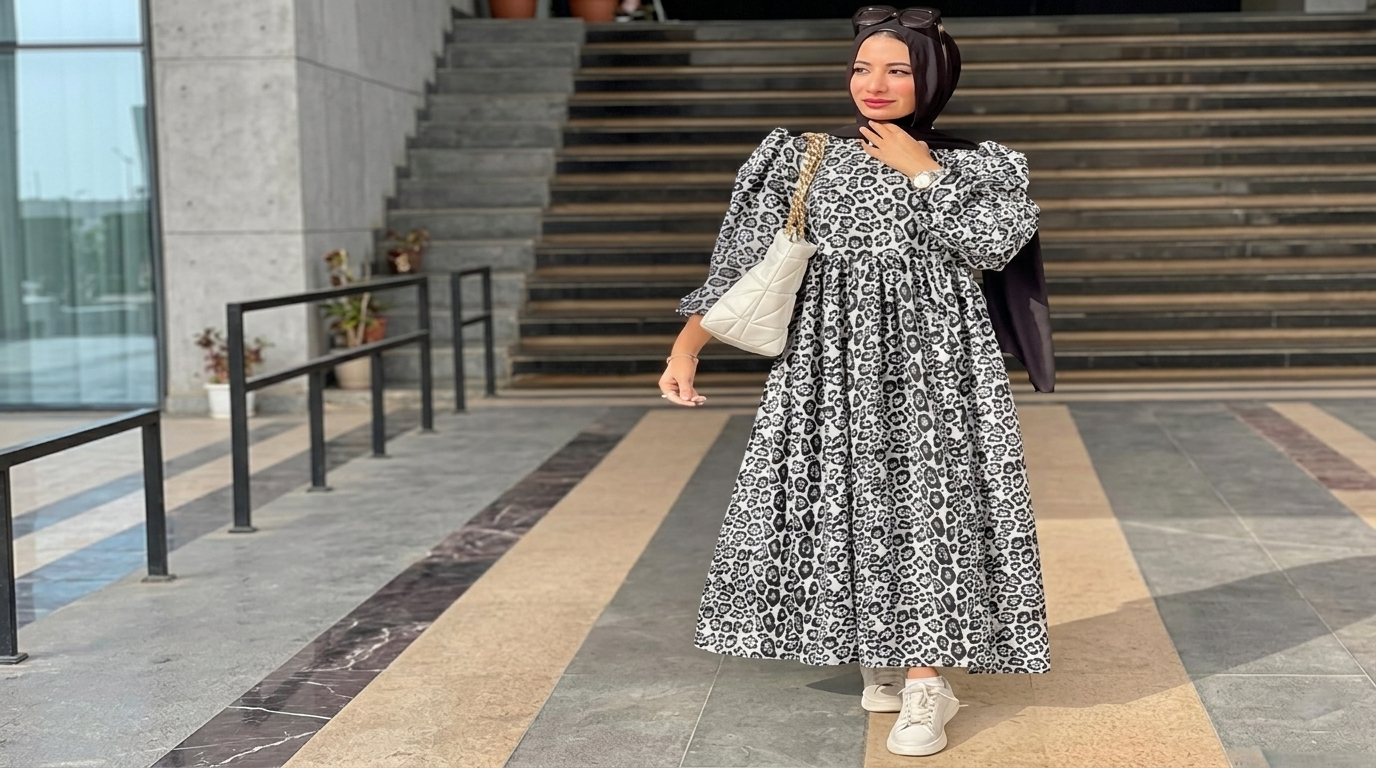
Modern Egyptian fashion is incredibly diverse because Egypt itself contains many cultural identities simultaneously. In Cairo and Alexandria, global fashion trends mix with Arab aesthetics, African influences, and Islamic modest wear. Younger generations combine sneakers, denim, luxury handbags, and streetwear with hijabs or traditional garments. Egypt also possesses a strong luxury couture industry, with Egyptian designers participating in international fashion circles.
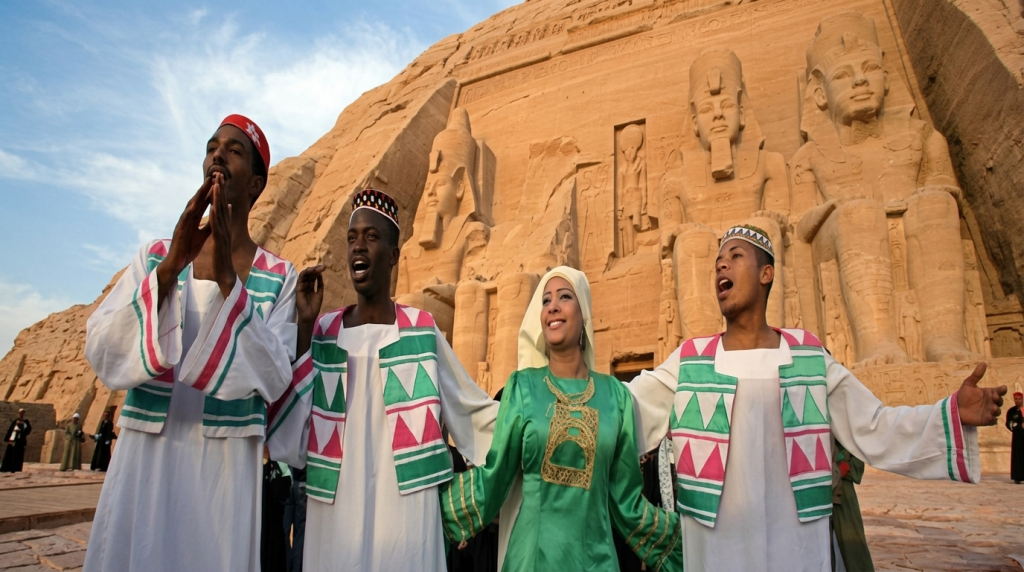
Nubian communities in southern Egypt preserve particularly vibrant clothing traditions featuring colourful fabrics, geometric patterns, and jewellery influenced by centuries of Nile trade and African cultural exchange. Nubian hairstyles and adornment traditions also remain culturally important markers of heritage and identity.
Another major force in modern Arab fashion history was Egyptian cinema. During the 20th century, Egypt became the entertainment centre of the Arab world. Films starring icons such as Umm Kulthum and Faten Hamama shaped beauty standards, hairstyles, makeup trends, and fashion throughout the Middle East and North Africa. Hairstyles seen in Egyptian films often spread across Arab societies in the same way Hollywood influenced Western fashion.
One lesser-known fact is that ancient Egypt may have possessed some of the earliest professional beauty specialists in history. Tomb paintings and written records suggest the existence of wigmakers, perfumers, jewellers, makeup artisans, and textile experts whose work supported elite appearance culture. Beauty in Egypt was not casual; it was an organized industry tied to religion, economics, and social prestige.
FASCINATING LESSER-KNOWN FACTS ABOUT EGYPTIAN FASHION AND HAIR
- Ancient Egyptians used linen partly because it symbolized purity in religious belief.
- Some elite wigs were so heavy and detailed they required support structures underneath.
- Perfumed wax cones acted like slow-release fragrance systems in hot weather.
- Kohl eyeliner may have reduced bacterial eye infections in addition to cosmetic use.
- Priests shaved their entire bodies regularly to maintain ritual cleanliness.
- The “lock of youth” hairstyle symbolized divine childhood and protection.
- Egyptians recorded some of the earliest known recipes for hair treatments and cosmetics.
- Gold jewellery symbolized immortality because gold does not corrode.
- Egyptian cinema became one of the largest fashion influences across the Arab world during the 1900s.
- Modern Egypt blends African, Arab, Mediterranean, Islamic, and global fashion traditions simultaneously.
SOURCES
Fletcher, J. (1995). The Egyptian Book of Hairdressing. London, England: Rubicon Press.
Fletcher, J. (2016). Ancient Egyptian Hair: A Social and Cultural Analysis. Swansea, Wales: The Classical Press of Wales.
Robins, G. (1993). Women in Ancient Egypt. Cambridge, MA: Harvard University Press.
Meskell, L. (1999). Private Life in New Kingdom Egypt. Princeton, NJ: Princeton University Press.
Wilkinson, T. (2010). The Rise and Fall of Ancient Egypt. New York, NY: Random House.
Vogelsang-Eastwood, G. (1993). Pharaonic Egyptian Clothing. Leiden, Netherlands: Brill Academic Publishers.
Brier, B., & Hobbs, H. (2008). Daily Life of the Ancient Egyptians (2nd ed.). Westport, CT: Greenwood Press.
Ikram, S. (2015). Ancient Egypt: An Introduction. Cambridge, United Kingdom: Cambridge University Press.
Assaad, L. (2018). Fashion and identity in modern Egypt. International Journal of Middle East Studies, 50(3), 455–472.
Stillman, Y. K. (2000). Arab Dress: A Short History: From the Dawn of Islam to Modern Times. Leiden, Netherlands: Brill.