
EQUATORIAL GUINEA – FASHION, HAIR, IDENTITY, AND COLONIAL FUSION
The fashion history of Equatorial Guinea is one of the most culturally distinctive in Africa because it developed through a rare combination of Bantu traditions, rainforest lifestyles, spiritual symbolism, and strong Spanish colonial influence. Unlike many African nations shaped primarily by British or French colonial systems, Equatorial Guinea evolved under Spanish rule, leaving lasting effects on language, religion, architecture, education, and even clothing aesthetics. As a result, modern Equatorial Guinean fashion reflects an unusual blend of Central African cultural heritage and Iberian influence.
Historically, many ethnic groups within Equatorial Guinea, particularly the Fang people, developed clothing traditions connected closely to environment and spirituality. Before colonialism, garments were often produced from locally available materials such as woven plant fibres, raffia, bark cloth, animal skins, and later traded textiles entering through coastal commerce. Clothing in tropical rainforest regions prioritized breathability and mobility due to heat and humidity.
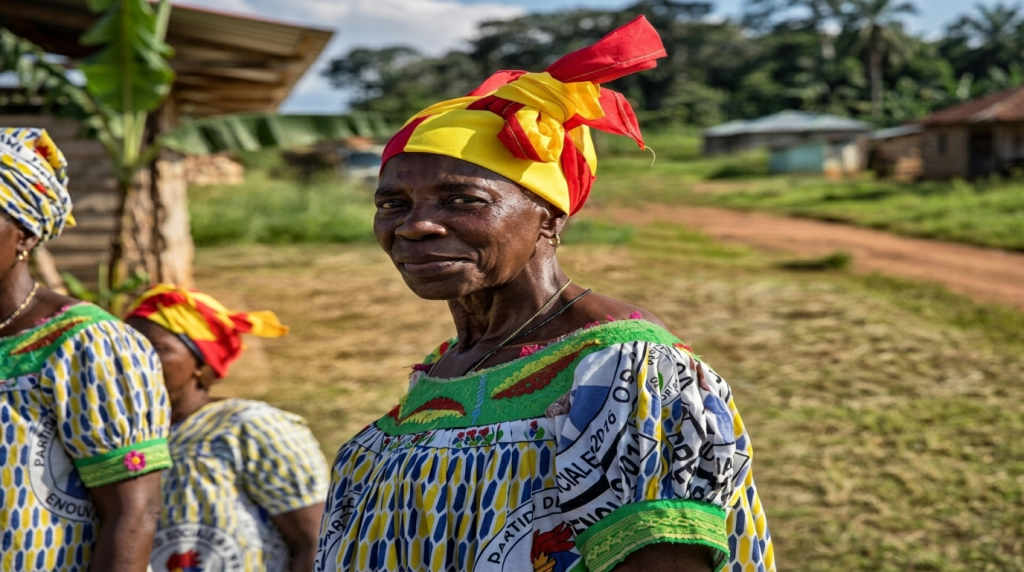
The Fang people became especially known for elaborate cultural symbolism in art, ritual performance, and ceremonial appearance. Ancestor reverence played a major role in Fang society, and ceremonial dress often reflected spiritual beliefs about protection, lineage, and communication with ancestors. Beads, carved ornaments, body decoration, and symbolic accessories were not merely decorative; they carried cultural and religious meaning. Certain animal symbols appearing in attire or ceremonial objects represented strength, protection, wisdom, or spiritual guardianship.
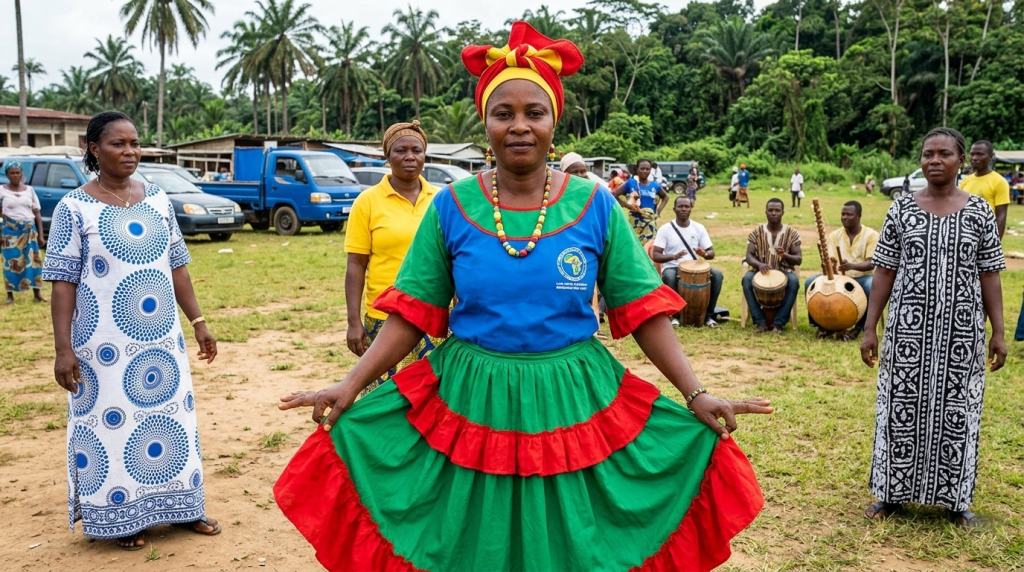
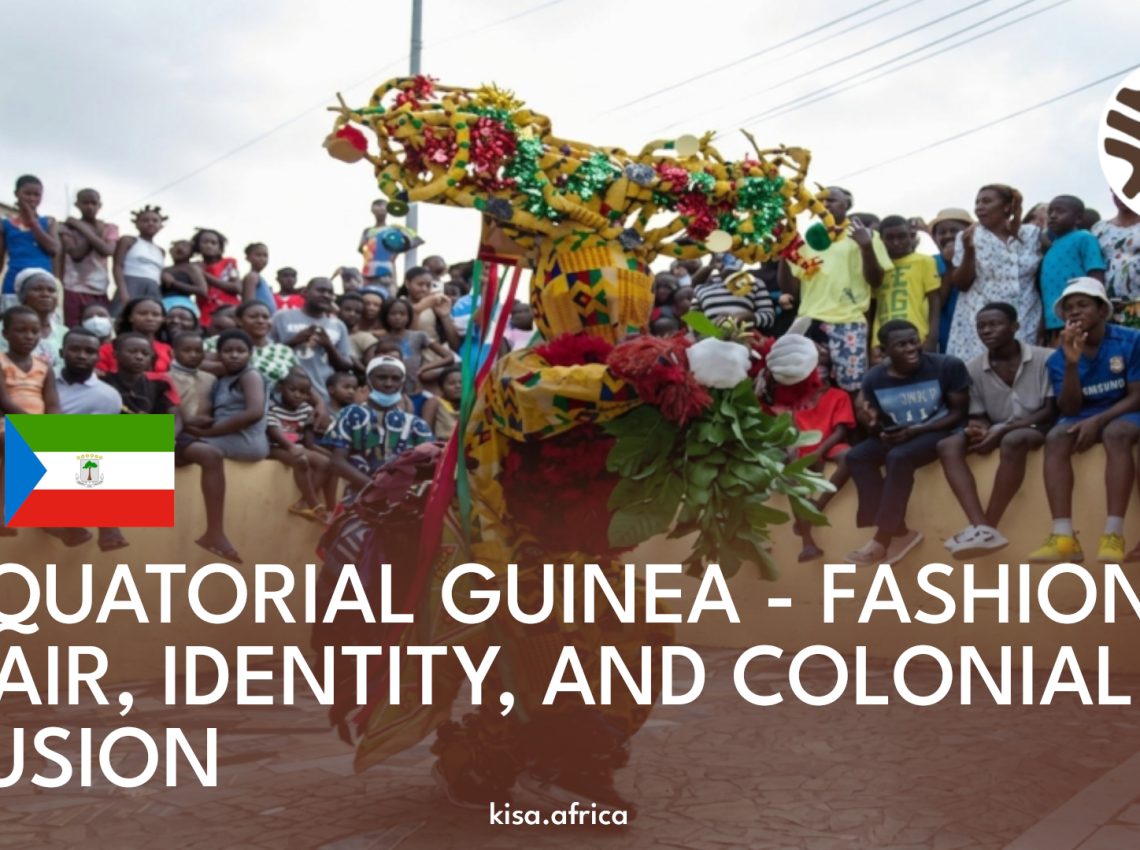
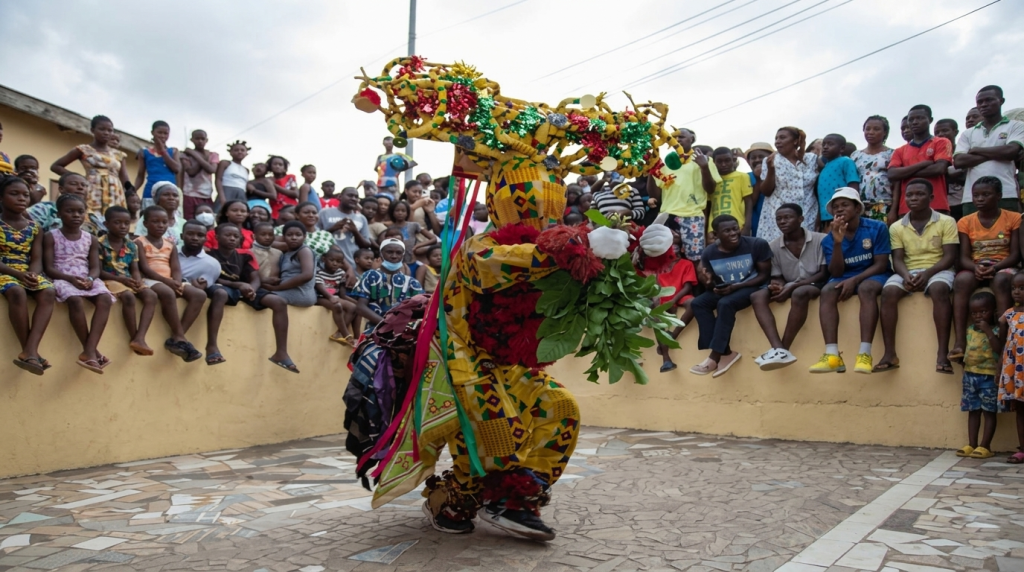
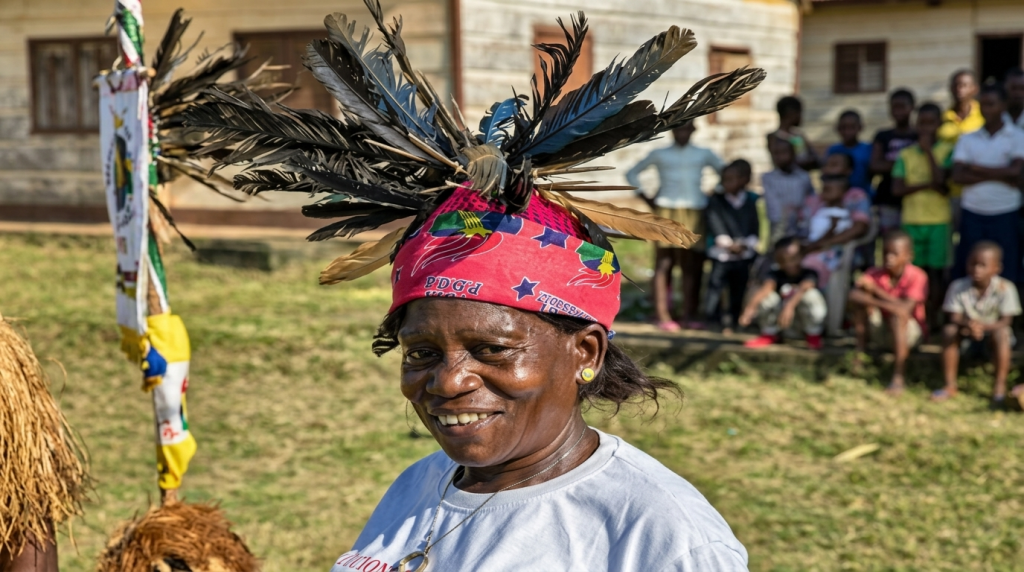
One lesser-known aspect of Equatorial Guinean fashion history is the importance of masquerade and ritual performance traditions. In many Central African cultures, ceremonial costumes transformed the wearer into a spiritual intermediary during dances or rites connected to ancestors and communal identity. Masks, raffia garments, feathers, and painted body adornment helped create a visible distinction between ordinary daily life and sacred ceremonial space.
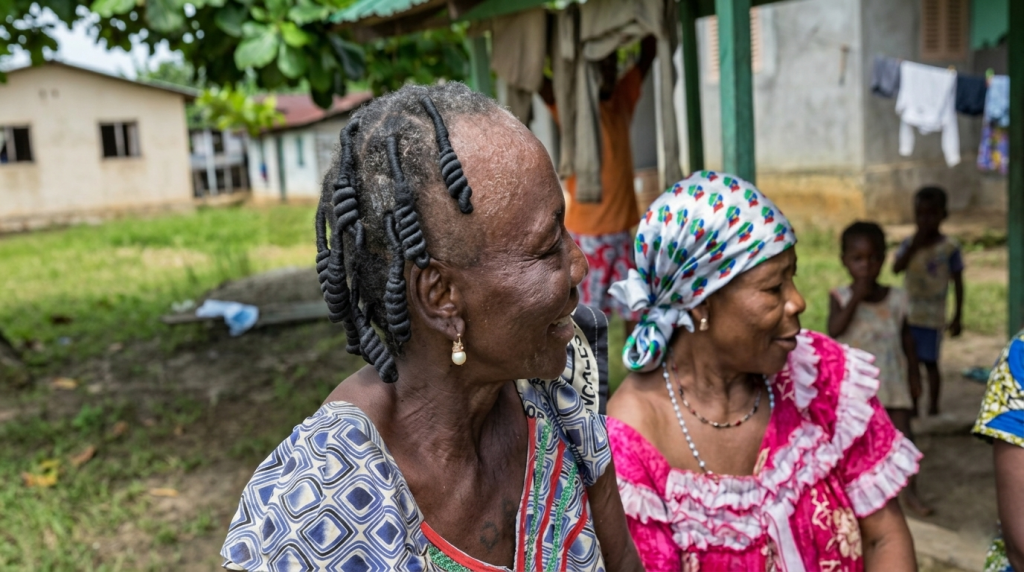
Hair traditions were equally important throughout Equatorial Guinea’s cultural history.
Braiding functioned as both an artistic practice and a social language. Hairstyles could communicate age, social position, ethnic identity, readiness for marriage, or participation in particular ceremonies. Young girls often learned hairstyling techniques from older women, making hair care an important form of intergenerational cultural transmission. Hairdressing sessions also served as social gatherings where stories, customs, and community knowledge were shared.
Because Equatorial Guinea has a humid tropical climate, natural oils and plant-based treatments became essential for maintaining healthy hair. Palm oils, shea-based mixtures obtained through regional trade, herbal preparations, and other botanical ingredients helped protect hair from humidity and scalp irritation. Protective braiding styles reduced tangling and helped preserve hair in rainforest conditions.
Colonialism dramatically altered clothing traditions. When Spain colonized the region, European concepts of dress, Catholic modesty standards, and Western tailoring entered local society. Missionary schools often encouraged European-style clothing, especially in urban and Christian communities. Men increasingly adopted suits, buttoned shirts, and tailored trousers, while women incorporated dresses influenced by Spanish Catholic aesthetics.
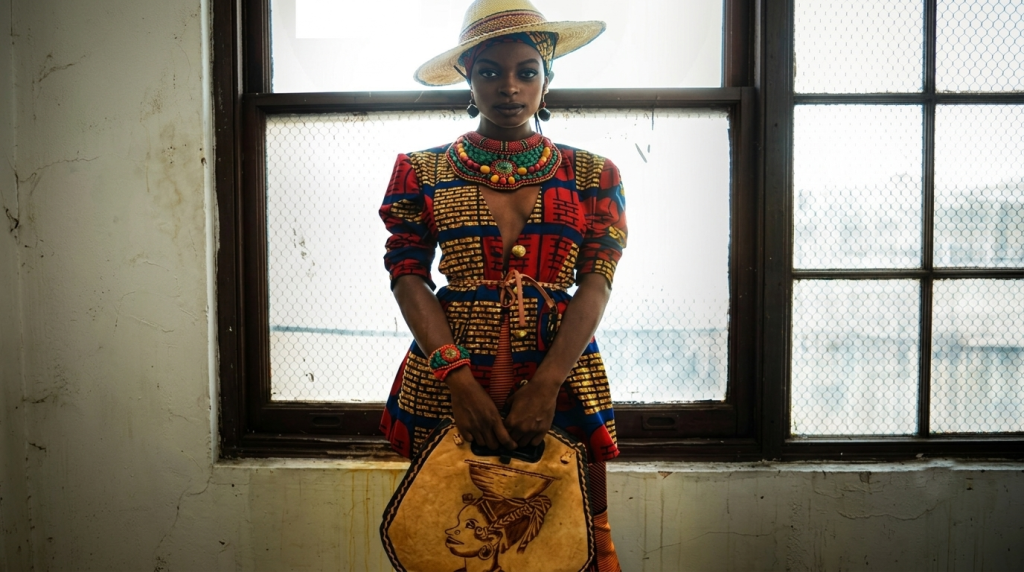
However, colonial influence did not erase indigenous fashion identity. Instead, Equatorial Guineans gradually merged African textiles and aesthetics with European tailoring techniques. This blending process became one of the country’s defining fashion characteristics. Even today, ceremonial clothing may combine African prints with silhouettes influenced by Spanish formalwear.
An especially unique aspect of Equatorial Guinea is that it remains Africa’s only majority Spanish-speaking country. This linguistic connection helped maintain stronger cultural ties with Spain and parts of Latin America compared to neighbouring countries. Spanish media, Catholic traditions, and European fashion imagery therefore influenced urban fashion trends differently than in many Francophone or Anglophone African nations.
During the 20th century, imported fabrics increasingly transformed clothing culture. Wax prints, colourful textiles, embroidered garments, and tailored dresses became widespread.
Celebratory attire grew more elaborate for weddings, church events, and national ceremonies. Clothing often reflected both African identity and aspirations associated with urban modernity.
Modern fashion in Equatorial Guinea is highly diverse and continues evolving rapidly.
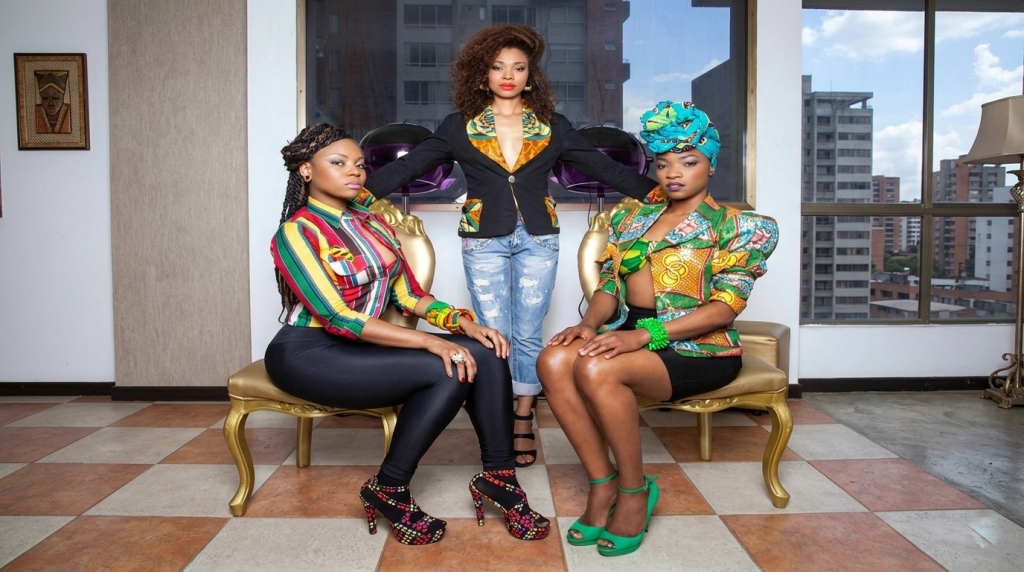
In cities such as Malabo and Bata, younger generations combine global streetwear with African prints, luxury fashion, and Afrobeat-inspired aesthetics. Sneakers, designer brands, fitted tailoring, jewellery, and contemporary hairstyles coexist with traditional textiles and ceremonial attire. Social media and African music culture have strongly influenced youth fashion, particularly styles connected to Afrobeats, hip-hop, and pan-African creative movements.
Hair culture also continues to evolve. Braids, wigs, natural hairstyles, fades, locs, and chemically styled hair all exist simultaneously within contemporary fashion culture. Many younger people embrace natural African hair textures as symbols of cultural pride while also experimenting with international beauty trends.
Another fascinating but lesser-known aspect of Equatorial Guinean fashion is the role of performance and dance in preserving traditional attire. Ceremonial dances, festivals, and cultural celebrations remain some of the strongest spaces where older forms of dress survive. Through music and ritual performance, younger generations continue learning symbolic clothing traditions connected to ancestry and ethnic identity.
FASCINATING LESSER-KNOWN FACTS ABOUT EQUATORIAL GUINEAN FASHION AND HAIR
- Equatorial Guinea is the only African country where Spanish is the dominant official language.
- Fang ceremonial attire often carried spiritual symbolism connected to ancestors and protection.
- Hairstyles historically communicated social information such as marital eligibility or ethnic identity.
- Hair care traditions relied heavily on plant oils suited to humid rainforest climates.
- Colonial Catholic schools helped spread European tailoring traditions.
- Traditional dance festivals preserve many older clothing styles that might otherwise disappear.
- Animal symbolism in ceremonial attire could represent power, wisdom, or spiritual guardianship.
- Modern urban fashion blends African prints, Spanish influence, luxury branding, and Afrobeat streetwear simultaneously.
SOURCES
Fernandez, J. W. (1982). Bwiti: An Ethnography of the Religious Imagination in Africa. Princeton, NJ: Princeton University Press.
Laburthe-Tolra, P. (1985). Initiations et sociétés secrètes au Cameroun. Paris, France: Karthala.
Ngoh, V. J. (1996). History of Cameroon Since 1800. Limbe, Cameroon: Presbook. (Useful for Fang and Central African cultural overlap.)
Bikoï, C. (2010). Cultural identity and performance traditions among Fang communities. African Arts, 43(2), 54–67.
Diaw, M. C. (1998). Hair, beauty, and identity in Central African societies. Journal of African Cultural Studies, 11(1), 33–49.