

ETHIOPIA -ANCIENT WEAVING, SACRED DRESS, HAIR TRADITIONS, AND CULTURAL IDENTITY
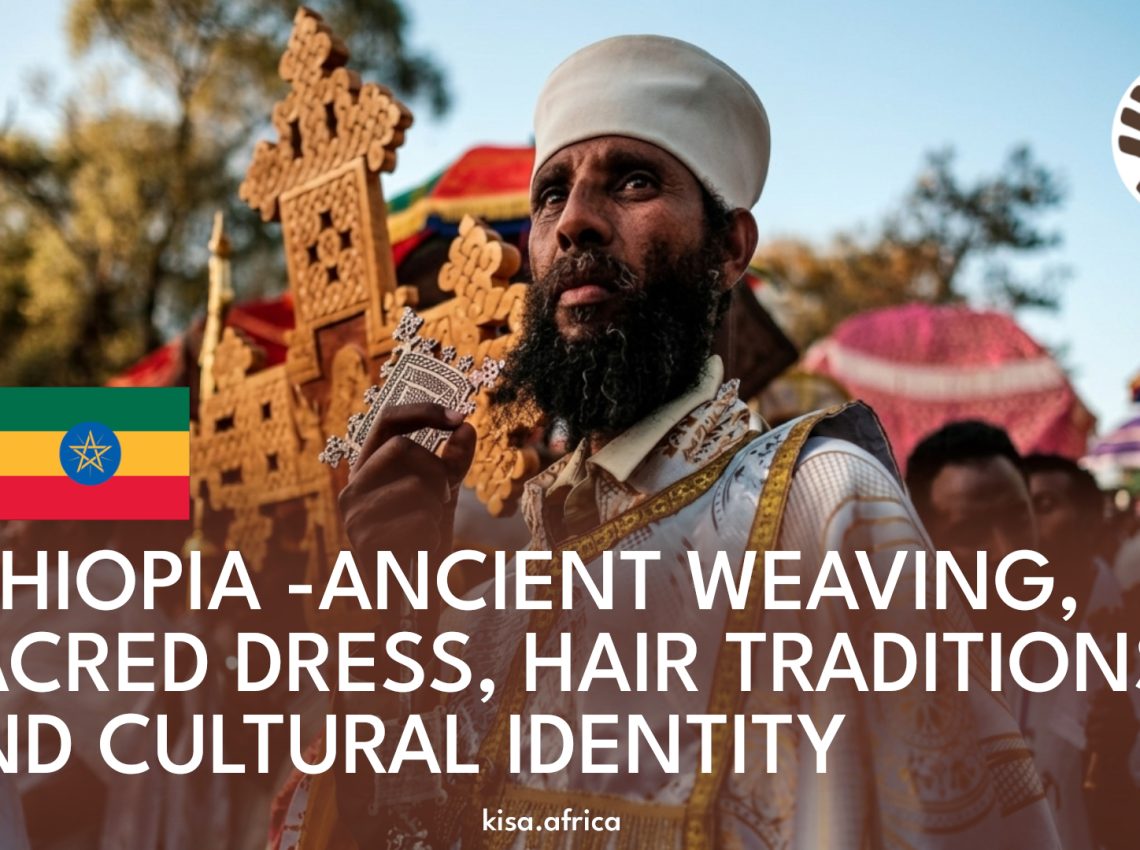
The fashion history of Ethiopia is among the oldest and most sophisticated on the African continent. Ethiopia possesses one of the world’s longest continuous civilizations, and its clothing traditions reflect thousands of years of indigenous kingdom culture, Orthodox Christianity, Islamic trade connections, highland lifestyles, and ethnic diversity. Ethiopian fashion is especially celebrated for its elegant white cotton garments, intricate handwoven embroidery, and hairstyles that communicate spirituality, beauty, and cultural identity.
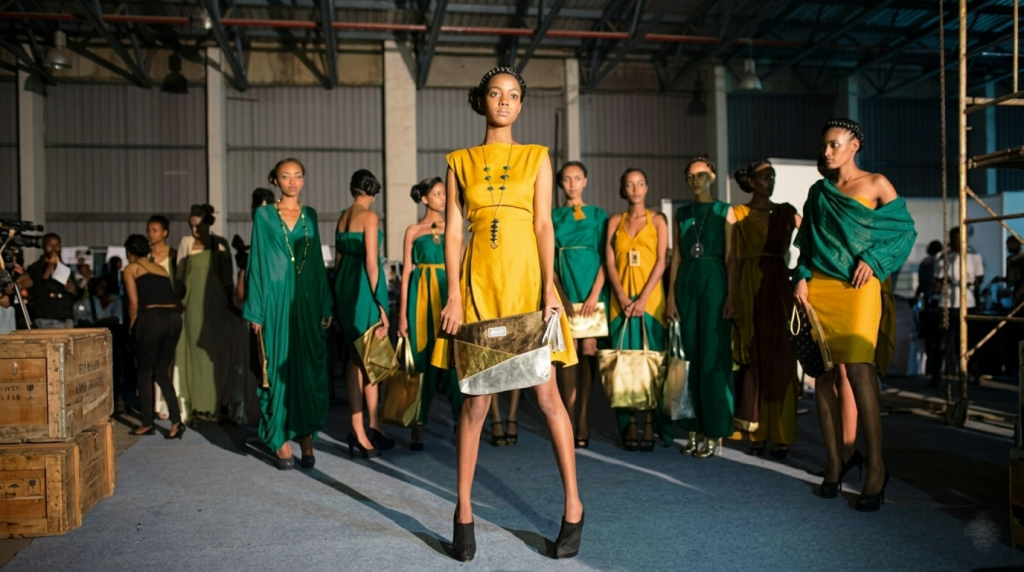
Unlike many regions whose textile traditions were heavily disrupted by colonial rule, Ethiopia preserved many ancient weaving practices because it maintained long periods of political independence. As a result, handwoven cotton garments remain deeply embedded in Ethiopian society even in the modern era. Traditional weaving is not simply an art form; it is a living cultural system passed down through generations.
One of the most iconic garments associated with Ethiopian identity is the habesha kemis, a long white dress traditionally worn by women, especially among Amhara and Tigrayan communities. The dress is often made from handwoven cotton and decorated with colourful embroidered borders called tibeb.
The tibeb embroidery is one of the most distinctive features of Ethiopian fashion. These woven borders can contain geometric patterns, vibrant colours, and regionally distinctive designs that reflect local artistic traditions. Historically, weaving required enormous patience and technical skill. Traditional weavers worked on narrow handlooms, producing strips of fabric that were later stitched together into larger garments. In many communities, weaving remained a respected profession associated with craftsmanship and cultural preservation.
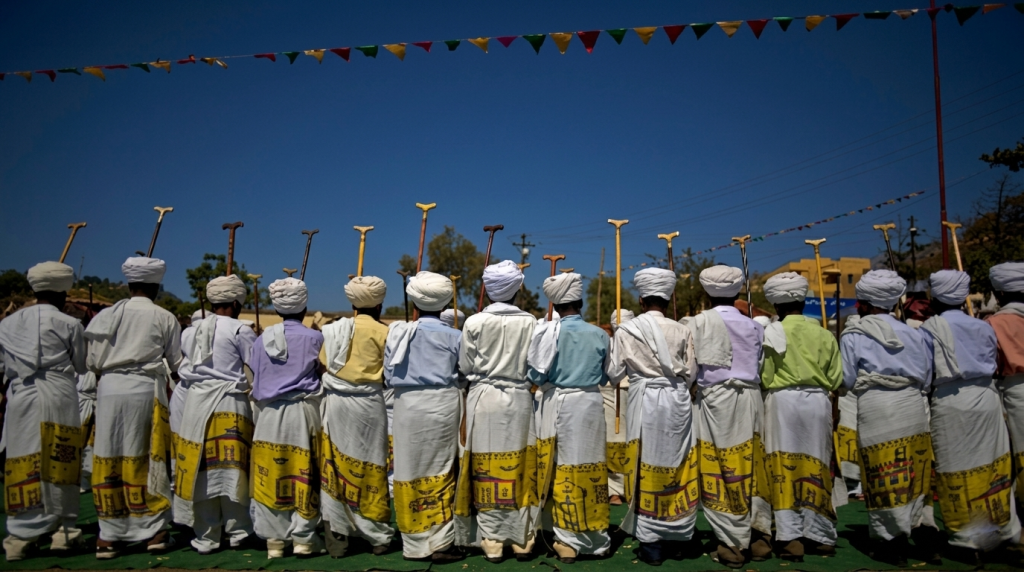
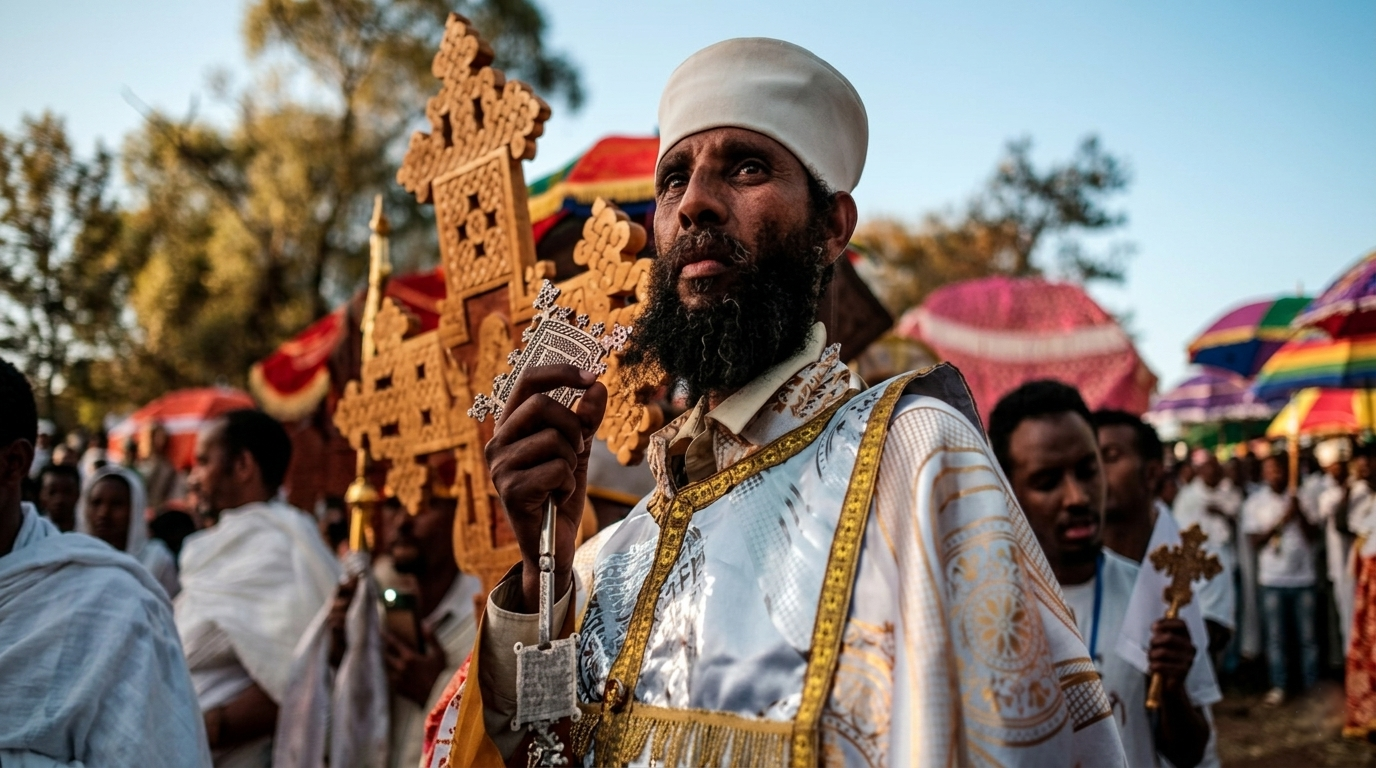
White cotton became central to Ethiopian clothing partly because of symbolism connected to purity, spirituality, and dignity. Within Ethiopian Orthodox Christian traditions, white garments are strongly associated with holiness and religious devotion. During church festivals, weddings, baptisms, and holidays such as Timkat, people frequently wear brilliant white traditional clothing as an expression of spiritual respect and cultural pride.
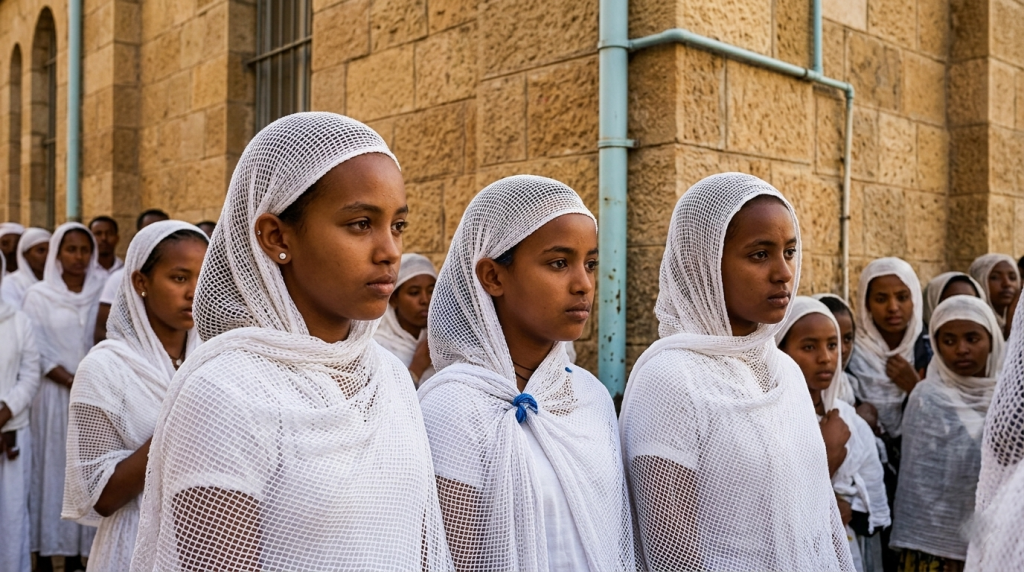
Several important traditional garments continue to shape Ethiopian fashion culture today. The netela is a lightweight white shawl worn by women, often draped over the head and shoulders during church attendance or formal occasions. The shamma is a larger woven wrap traditionally worn by both men and women, especially in cooler highland regions where layered cotton garments provide warmth during cold mornings and evenings.
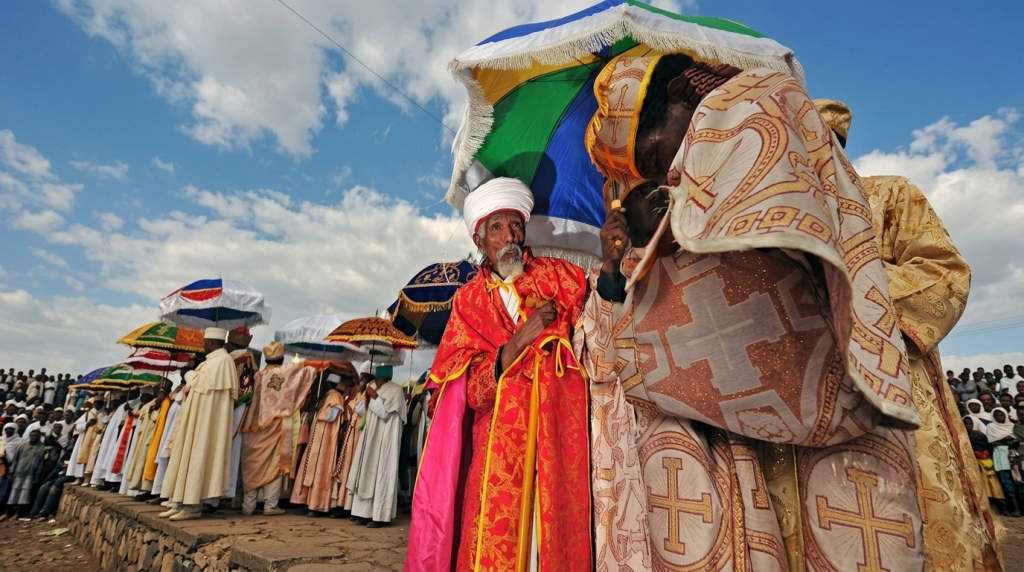
Religion has profoundly influenced Ethiopian dress traditions for centuries. Ethiopian Orthodox Christianity, one of the oldest Christian traditions in the world, helped shape modest clothing practices and ceremonial aesthetics. Women commonly cover their hair with netela scarves while attending church services, symbolizing humility and reverence. Priests and clergy wear elaborate liturgical robes richly embroidered with crosses and sacred designs reflecting ancient ecclesiastical traditions.
Islamic influence also contributed to Ethiopian fashion history, especially in eastern and coastal regions connected to Red Sea and Indian Ocean trade routes. Muslim Ethiopian communities developed distinct modest wear traditions influenced by interactions with Arabia, Somalia, Sudan, and broader Islamic networks.
Hair traditions in Ethiopia are extraordinarily diverse because the country contains more than 80 ethnic groups, each with its own cultural practices. Hairstyles historically communicated social status, beauty, maturity, ethnicity, spirituality, and readiness for marriage. Braiding has long been one of the most important hairstyling practices across many Ethiopian communities.
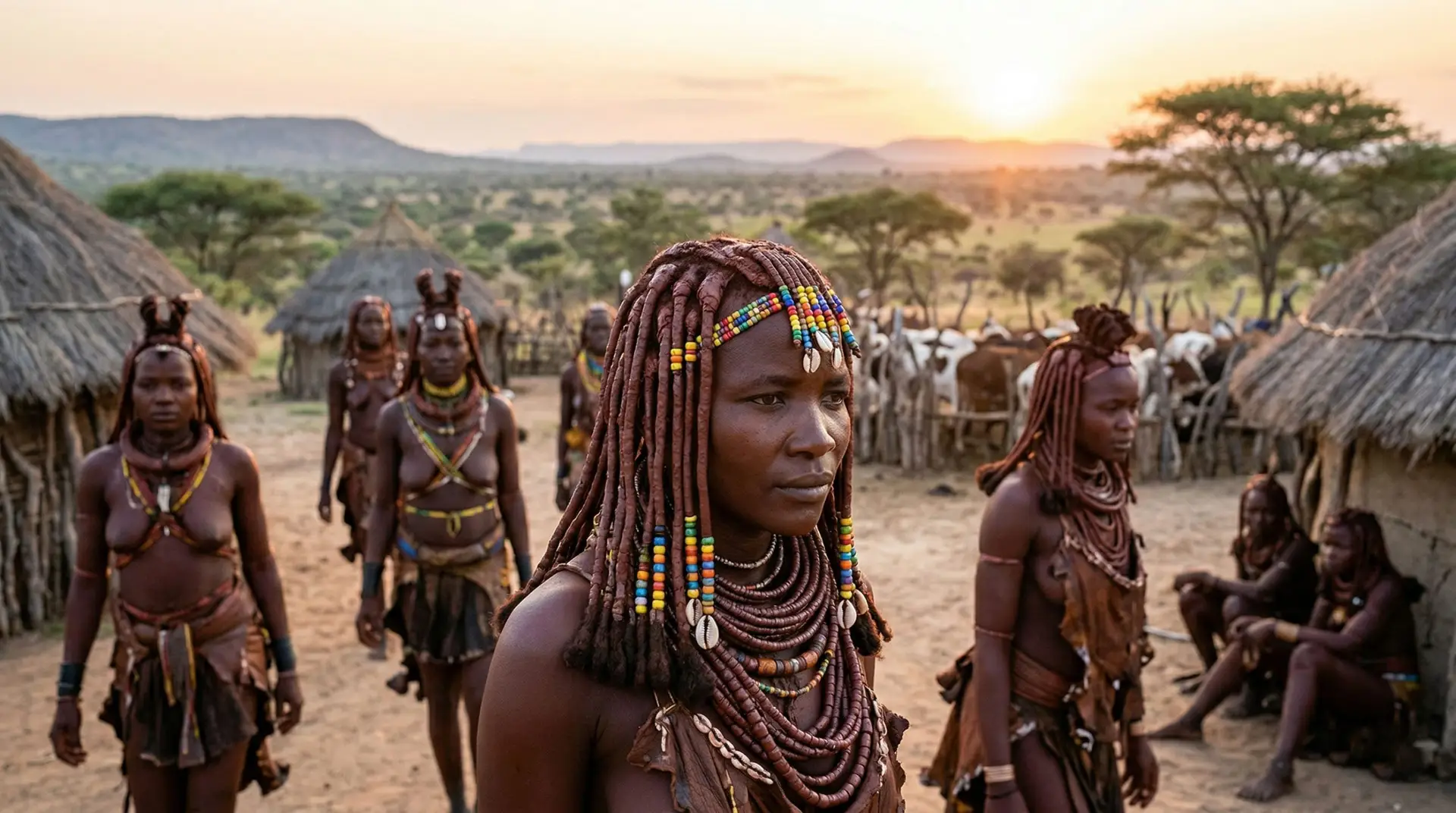
A common misconception is that the Himba people belong to Ethiopia. In reality, the Himba are from Namibia. Ethiopia instead contains a vast range of ethnic traditions associated with Oromo, Amhara, Tigrayan, Somali, Afar, Sidama, Gurage, Hamar, and many other peoples.
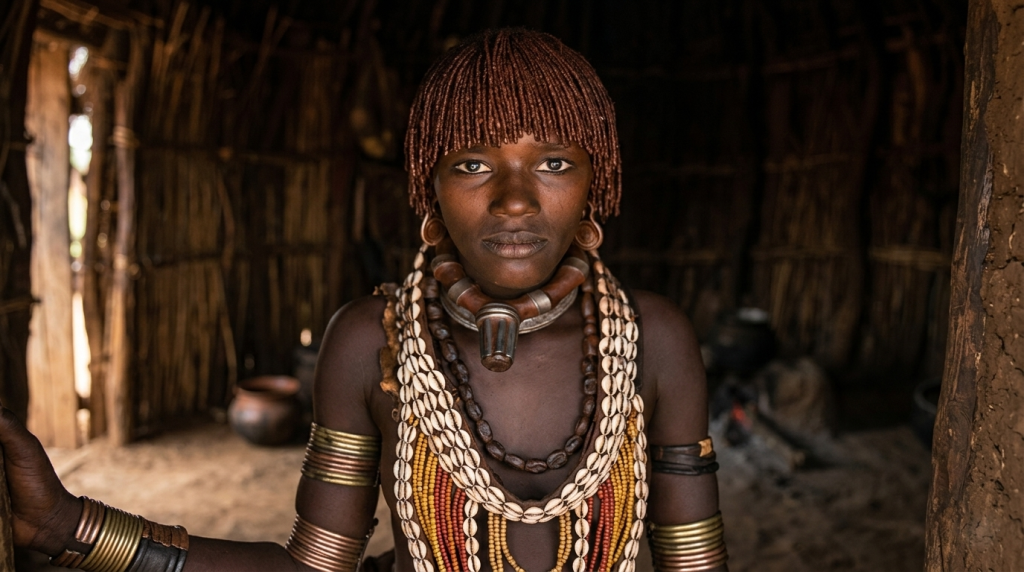
Among the most internationally recognized Ethiopian hair traditions are those of the Hamar people in southern Ethiopia.
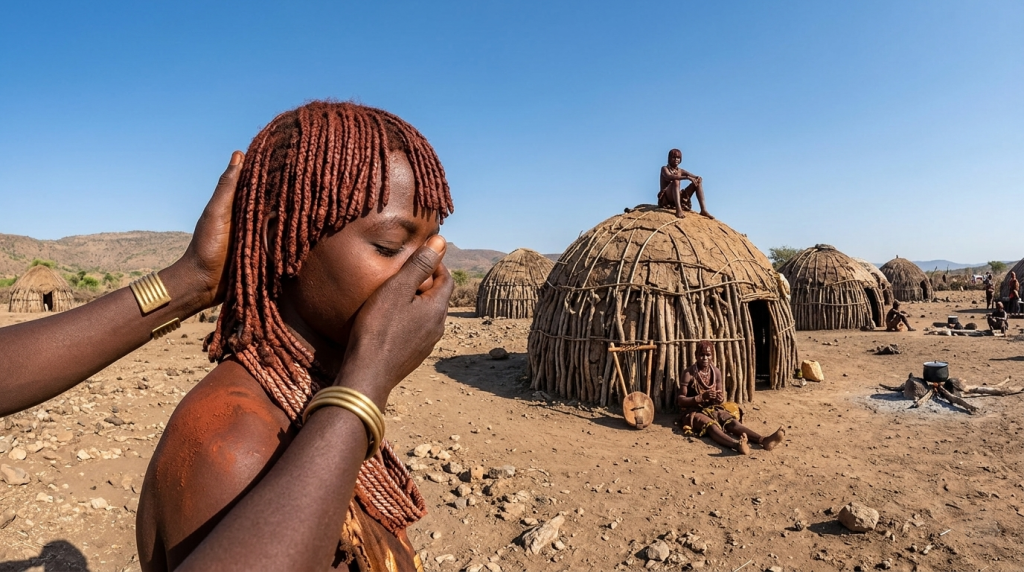
Hamar women became famous for their ochre-coated braided hairstyles. They create intricate braids coated with a mixture of butterfat and red ochre, producing a textured reddish appearance that symbolizes beauty, health, and cultural identity. The use of ochre also connects aesthetically to broader East African body adornment traditions where colour carries symbolic meaning.
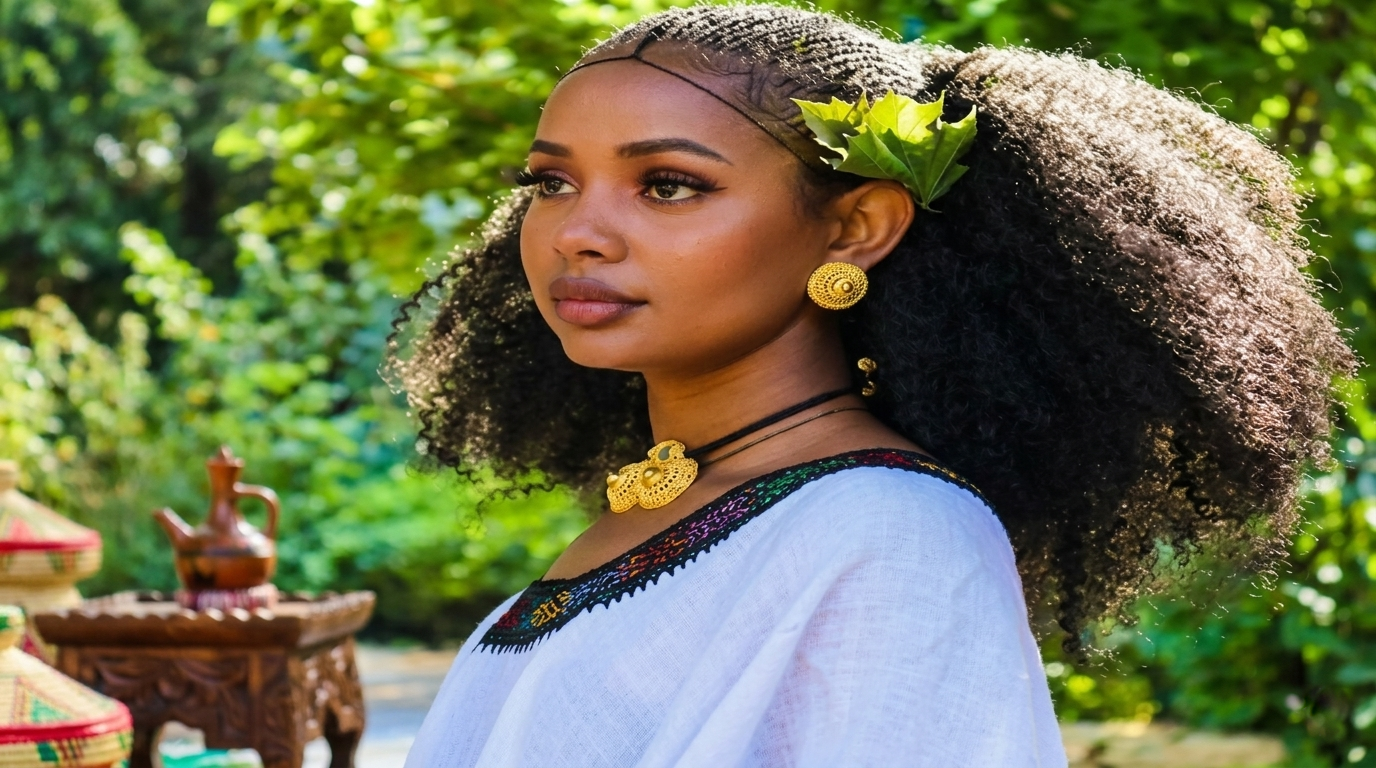
In many Ethiopian communities, hairstyling sessions became important social activities where older women taught younger girls beauty practices, cultural expectations, and family traditions. Hair therefore served not merely as fashion but as a form of cultural education and communal bonding.
Coffee ceremonies also played a surprisingly important role in Ethiopian fashion traditions. Ethiopia is widely considered the birthplace of coffee, and coffee ceremonies remain among the country’s most important social rituals. During these ceremonies, hosts traditionally wore elegant garments to demonstrate hospitality, dignity, and respect toward guests. Beautifully woven dresses, embroidered shawls, and carefully styled hair became part of the ceremonial atmosphere surrounding hospitality culture.
Another remarkable aspect of Ethiopian fashion is the continued survival of handloom weaving. Even today, many Ethiopian fabrics are woven entirely by hand using traditional techniques that have existed for centuries. In an era dominated by industrial textile production, Ethiopia remains one of the few places where large-scale traditional weaving still functions as an active part of daily cultural life.
Modern Ethiopian fashion has recently gained major international attention.
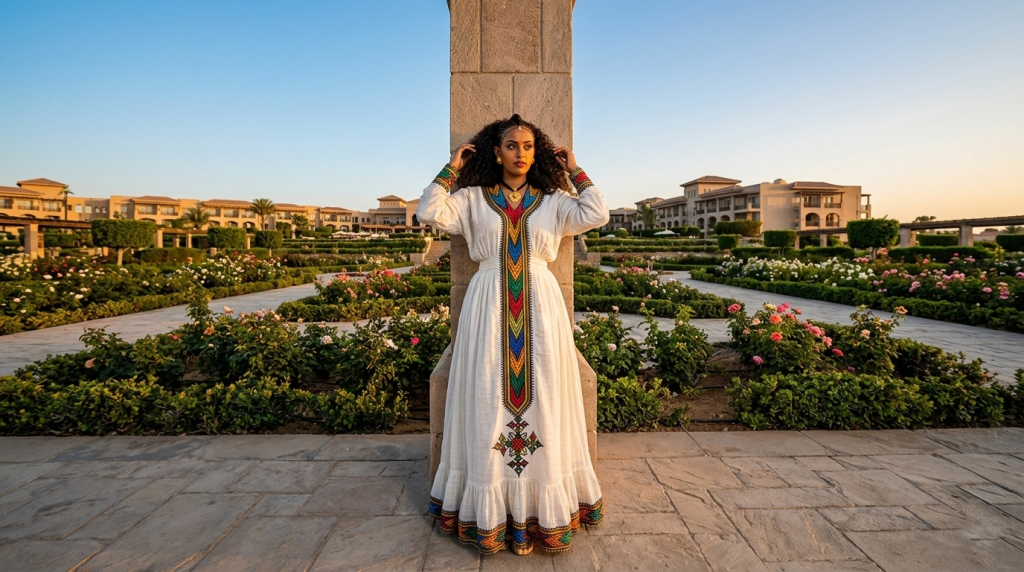
Designers in Addis Ababa increasingly combine traditional weaving, tibeb embroidery, and white cotton fabrics with modern tailoring, luxury fashion, and global runway aesthetics. Ethiopian designers have become known for transforming heritage textiles into contemporary couture while preserving cultural identity.
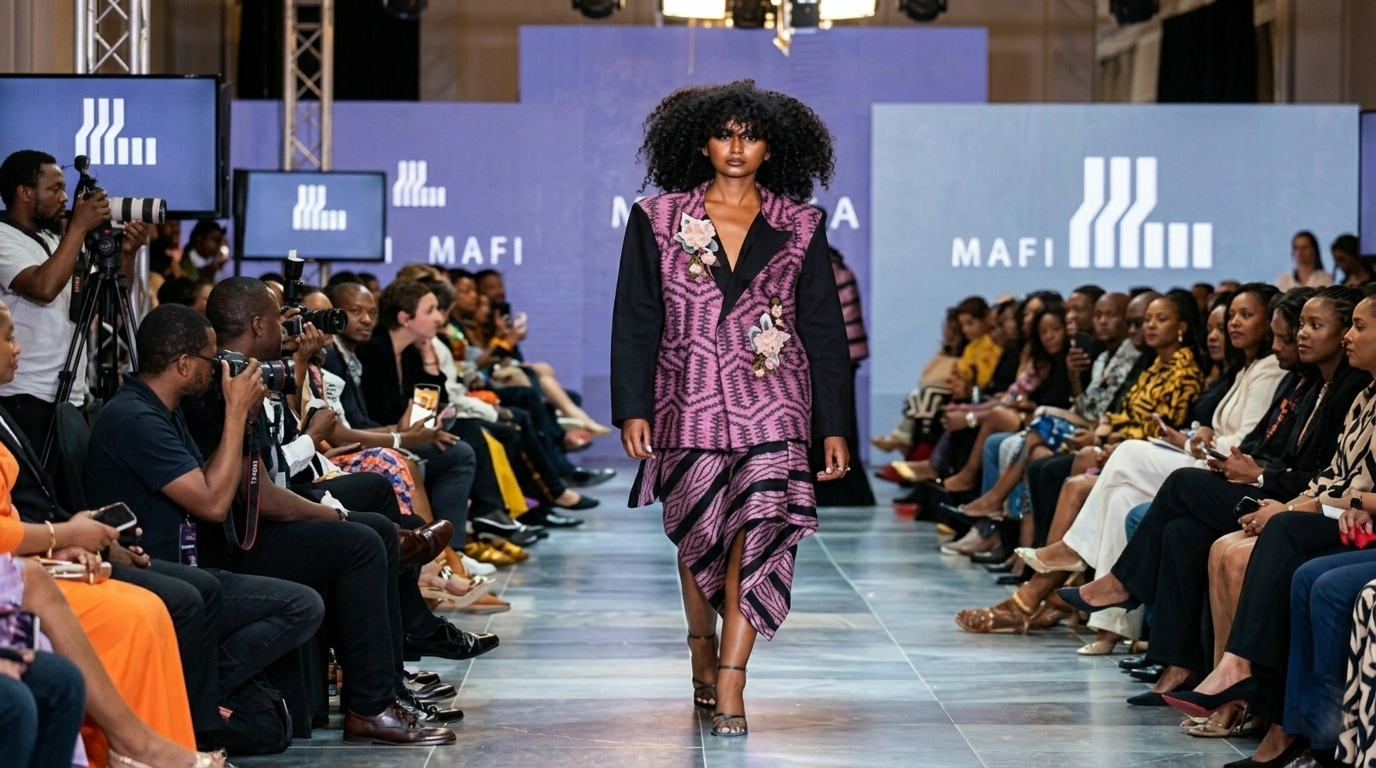
Young Ethiopians often blend sneakers, denim, jewellery, and modern hairstyles with traditional garments during weddings, holidays, and festivals. Diaspora communities around the world have also helped popularize habesha fashion internationally, especially through weddings, music videos, and social media.
FASCINATING LESSER-KNOWN FACTS ABOUT ETHIOPIAN FASHION AND HAIR
- Many Ethiopian textiles are still woven entirely by hand using traditional looms.
- White clothing symbolizes purity and spirituality in many Ethiopian Christian traditions.
- Tibeb embroidery patterns can reflect regional identity and artistic heritage.
- Coffee ceremonies helped preserve elegant dress customs because hosts dressed formally for guests.
- Ethiopian Orthodox liturgical robes preserve ancient Christian artistic traditions.
- Hairstyles historically communicated beauty, social standing, and ethnic identity.
- Hamar women use ochre and butterfat mixtures to create their famous braided hairstyles.
- Ethiopia’s weaving traditions survived for centuries partly because the country retained long periods of independence.
- Addis Ababa has become one of Africa’s emerging fashion capitals blending heritage textiles with modern couture.
SOURCES
Pankhurst, R. (2001). The Ethiopians: A History. Oxford, United Kingdom: Blackwell Publishers.
Zewde, B. (2002). A History of Modern Ethiopia 1855–1991 (2nd ed.). Athens, OH: Ohio University Press.
Eicher, J. B. (1976). Dress and Ethnicity: Change Across Space and Time. Oxford, United Kingdom: Berg Publishers.
Spring, C., & Hudson, J. (1995). North African Textiles. Washington, DC: Smithsonian Institution Press.
Taddesse, T. (1972). Church and State in Ethiopia 1270–1527. Oxford, United Kingdom: Clarendon Press.
Arthur, L. B. (2000). Religion, Dress and the Body. Oxford, United Kingdom: Berg.