
LIBERIA-INDIGENOUS SYMBOLISM, AMERICO-LIBERIAN ELEGANCE, AND AFRO-URBAN STYLE
The fashion history of Liberia is unlike that of almost any other African country because it developed through the interaction of Indigenous West African cultures and Americo-Liberian society formed by formerly enslaved African Americans who settled in the region during the 19th century. This unusual historical foundation created a distinctive fashion culture blending African textile traditions, ceremonial symbolism, Victorian-inspired elegance, Christian church fashion, and modern Afro-urban aesthetics.
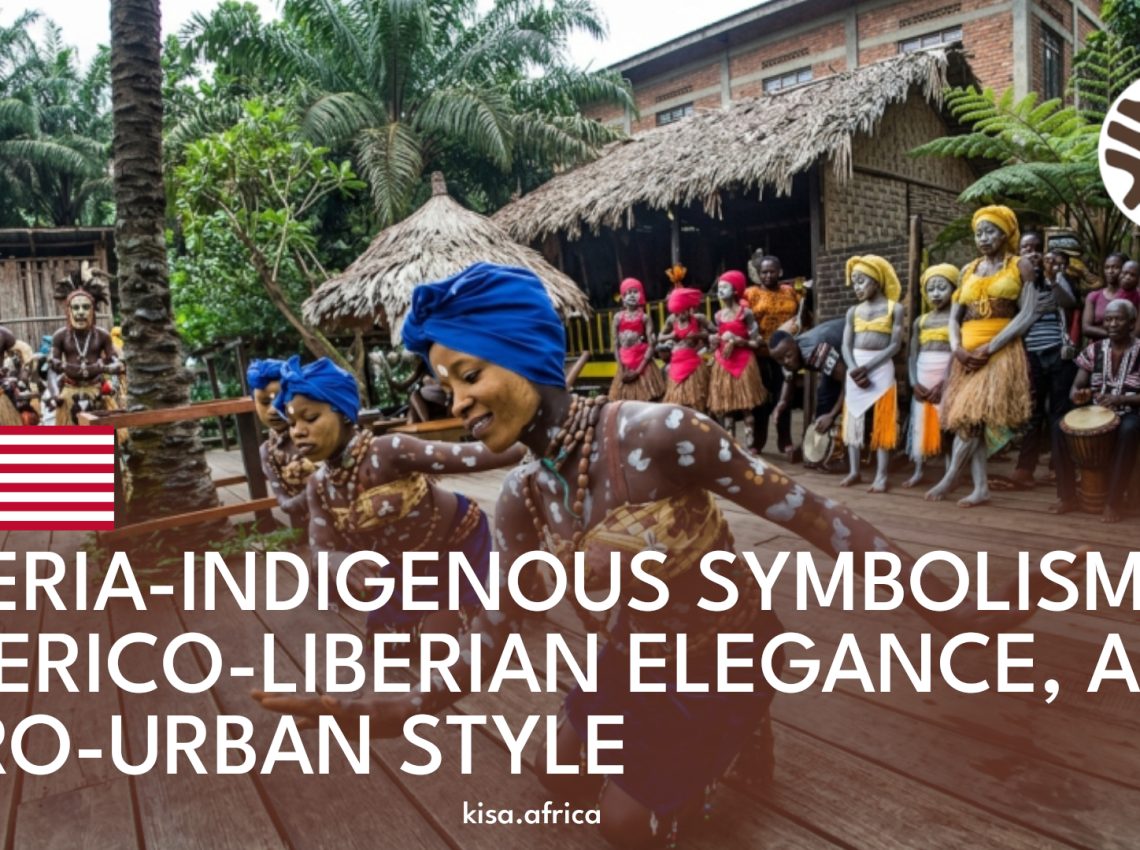
Before the arrival of Americo-Liberian settlers, numerous Indigenous communities including the Kpelle, Vai, Kru, Grebo, Gio, Mano, and others maintained rich clothing and body adornment traditions rooted in spirituality, social identity, and ceremonial performance.
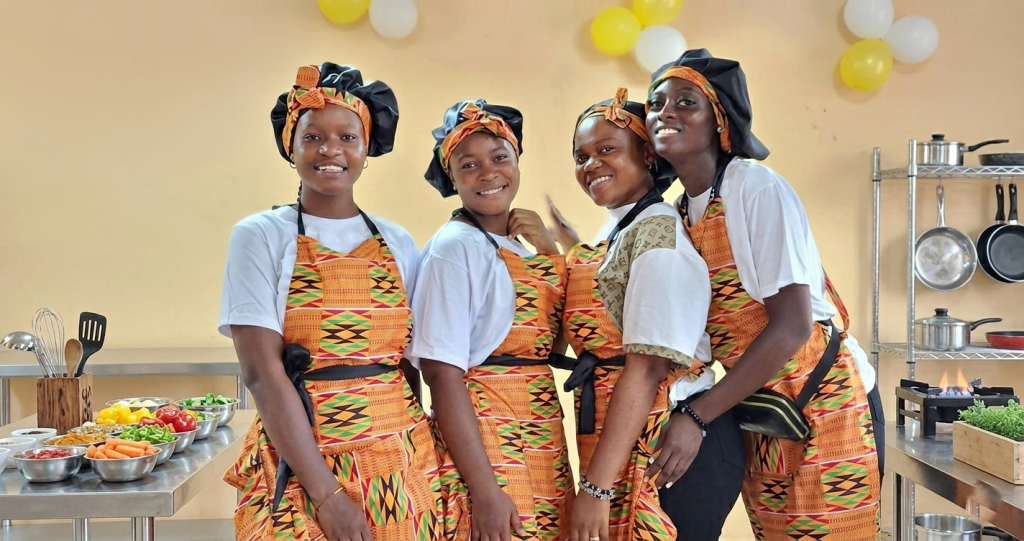
Traditional garments often included wrapped fabrics, woven materials, beadwork, body decoration, and ceremonial accessories adapted to Liberia’s tropical rainforest climate. Clothing emphasized flexibility, movement, and artistic symbolism while also reflecting social role, age, and participation in rituals.
Among many communities, masks and ceremonial performance traditions played major roles in cultural life.
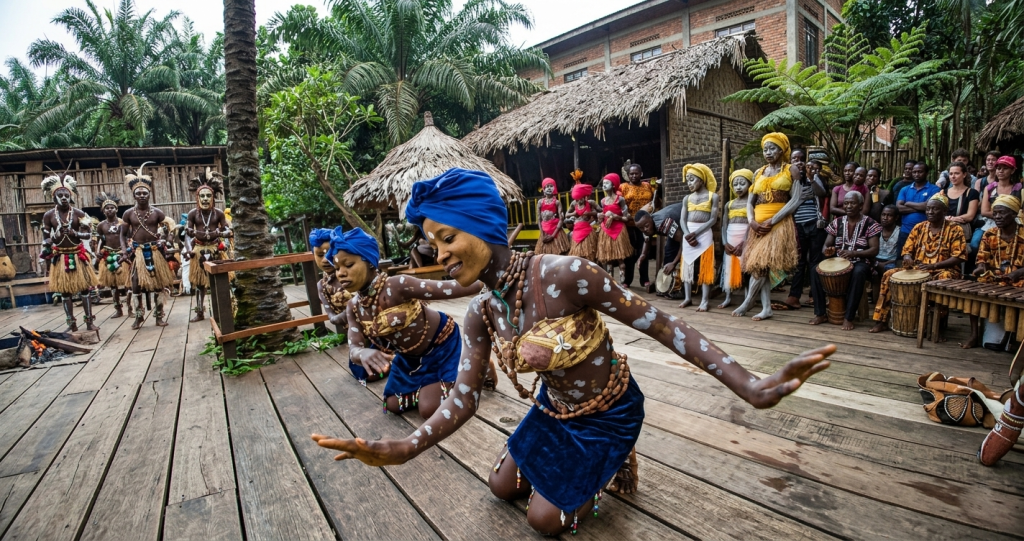
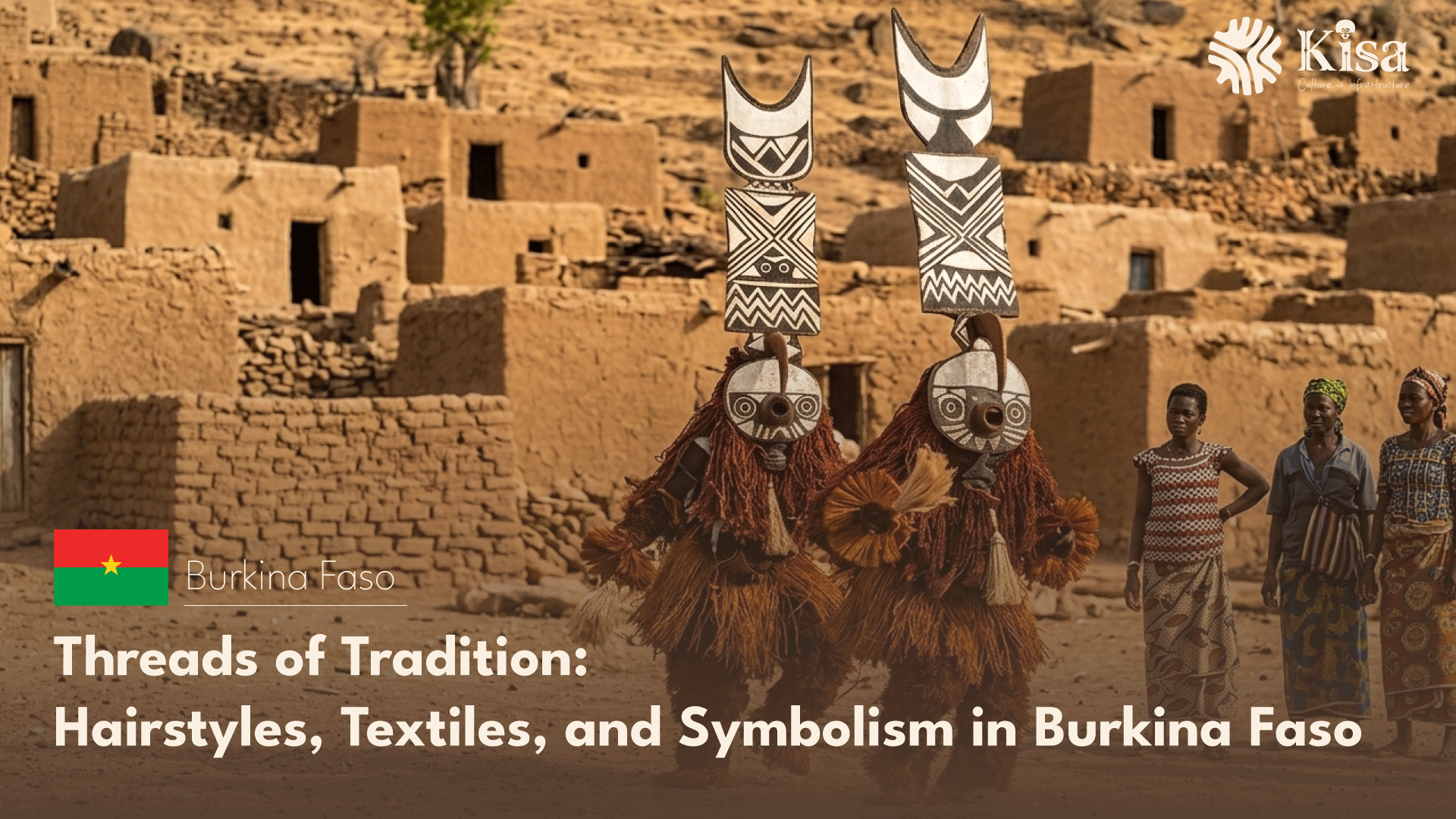
Ceremonial masks used by groups such as the Kpelle and Grebo were not merely decorative objects but part of larger spiritual systems involving initiation societies, ancestral reverence, conflict mediation, and community rituals. Costumes associated with masking traditions often included raffia fibres, layered textures, body coverings, and movement-oriented garments designed to transform performers into spiritual or symbolic figures during ceremonies.
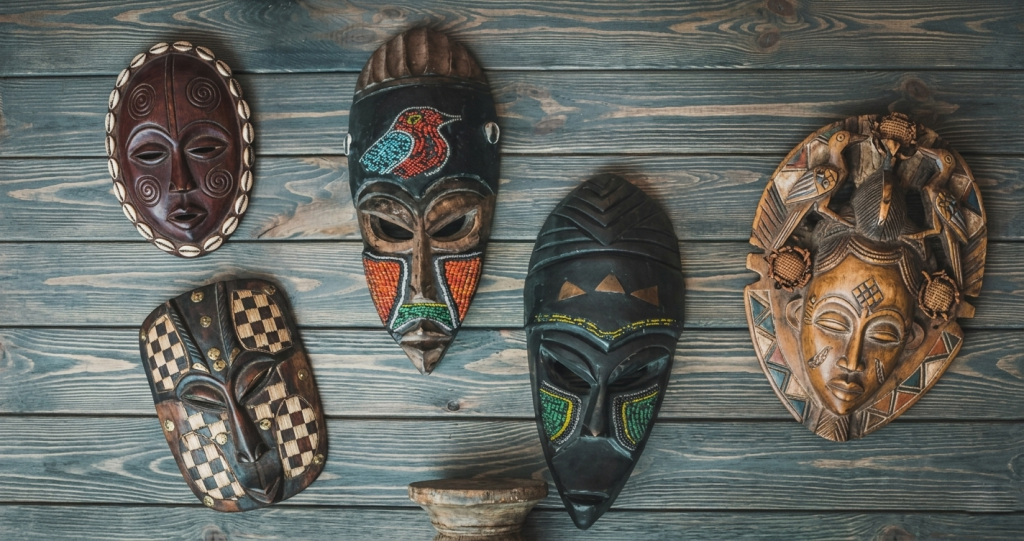
Textiles and body adornment frequently carried sacred significance. Beads, shells, scarification patterns, painted designs, and sculptural hairstyles could communicate lineage, maturity, spiritual affiliation, or readiness for initiation. Appearance therefore functioned as a visual language deeply connected to identity and cosmology.
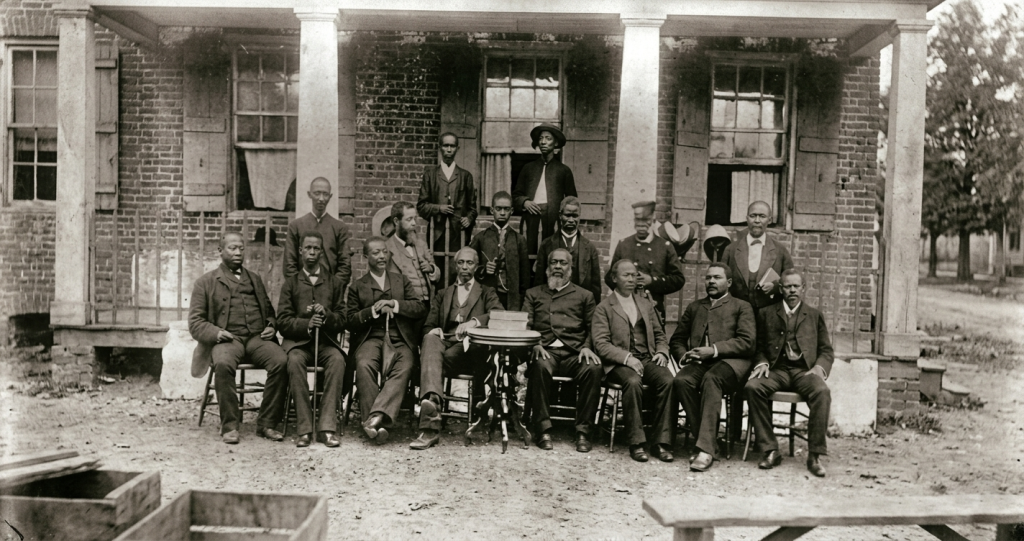
Liberia’s fashion history changed dramatically during the 19th century when formerly enslaved African Americans settled in the region through the American Colonization Society. These settlers, who became known as Americo-Liberians, brought with them clothing traditions heavily influenced by 19th-century American and Victorian fashion.
Americo-Liberian society introduced tailored suits, gloves, hats, corseted dresses, church attire, lace fabrics, formal jackets, and Western-style ceremonial clothing rarely seen elsewhere in Africa at the time. Christian church culture became especially influential, shaping concepts of elegance, respectability, and public appearance.
This produced one of the continent’s most unusual fashion fusions. Indigenous West African aesthetics existed alongside Victorian-inspired tailoring and Christian formalwear, creating a layered visual identity unique to Liberia.
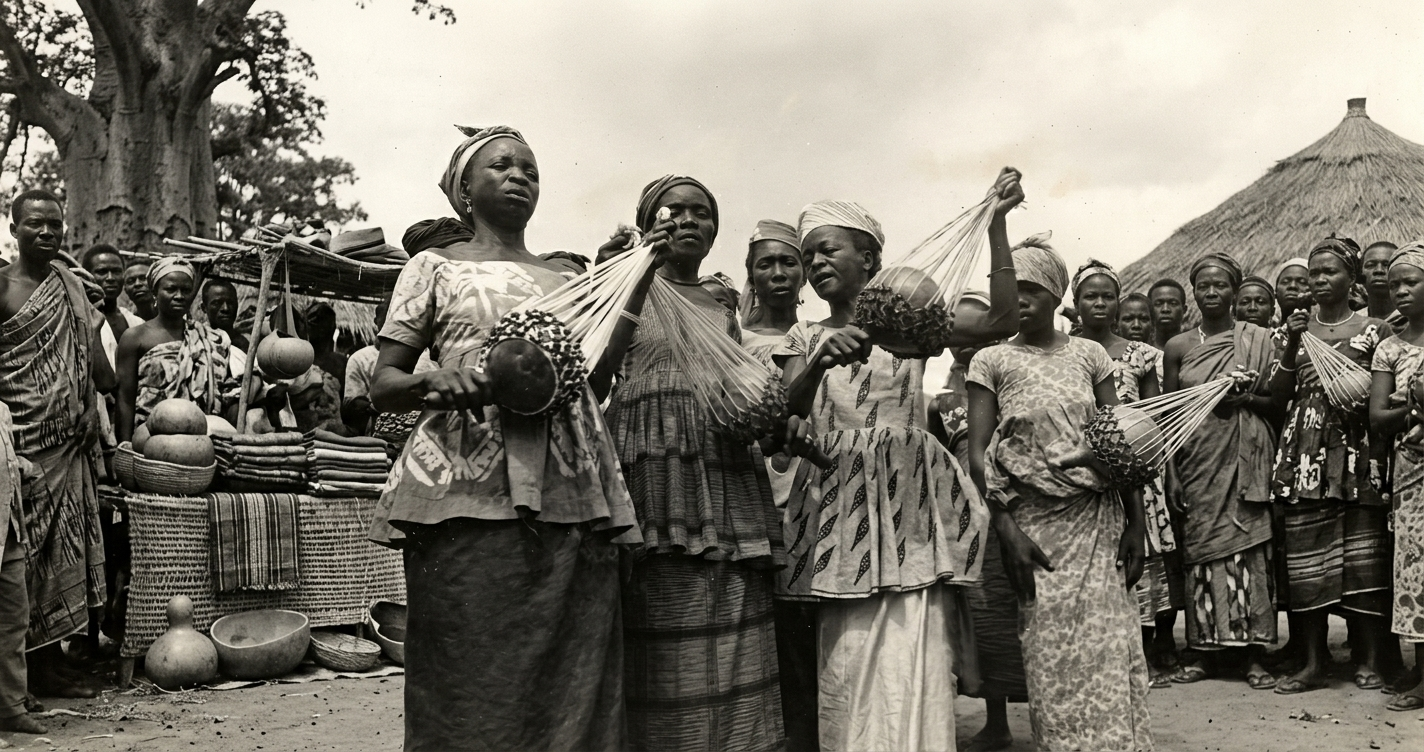
Church fashion eventually became one of the most important aspects of urban Liberian style. During the 20th century, elaborate Sunday church clothing became strongly associated with dignity, aspiration, social respectability, and communal pride. Women often wore highly coordinated dresses, hats, gloves, and accessories, while men embraced tailored suits and polished formalwear.
This emphasis on elegant church attire helped shape broader Liberian fashion culture and remains influential today in many communities.
Hair traditions across Liberia were equally rich and socially important.
Traditional hairstyles included braids, twists, sculptural forms, and carefully sectioned patterns communicating age, beauty, social status, and ethnic identity. Hairstyling was often highly artistic and could require many hours of detailed work.
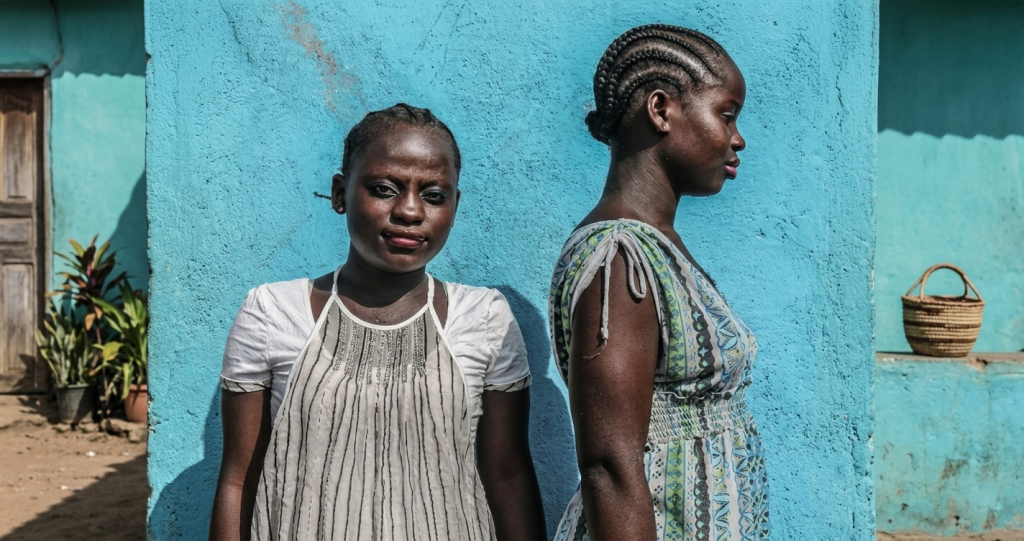
Hairdressing also functioned as an important communal activity. Women gathered to braid hair while sharing oral histories, advice, songs, family stories, and social teachings. Like many West African societies, Liberia preserved strong traditions where hairstyling became intertwined with intergenerational learning and community bonding.
Natural ingredients such as palm oils, shea butter, herbal mixtures, and locally sourced botanical treatments helped maintain hair health within Liberia’s humid tropical climate.
One fascinating but lesser-known aspect of Liberian cultural history involves the Vai people, who developed one of Africa’s indigenous writing systems during the 19th century.
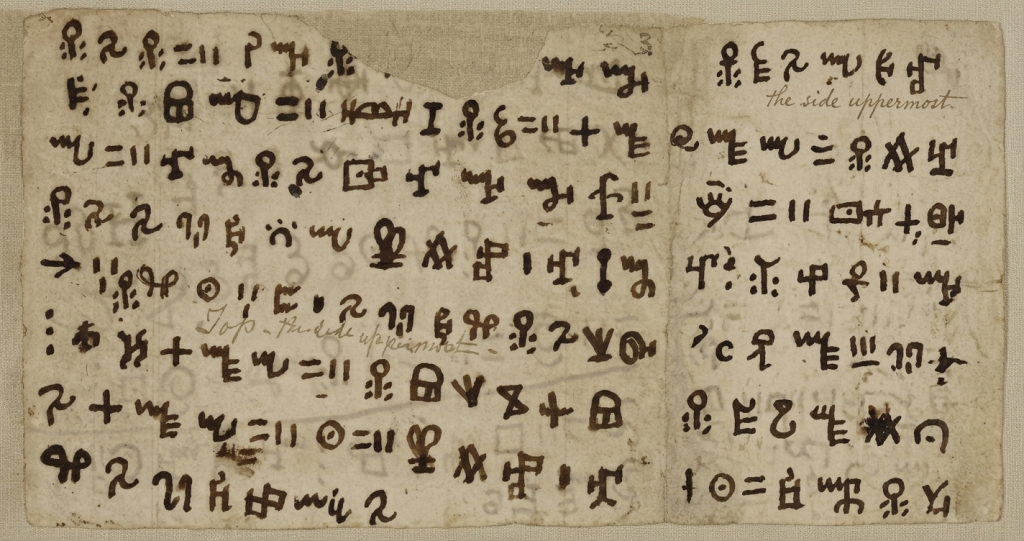
The Vai script became an important intellectual and cultural achievement, and some symbols associated with the writing system occasionally appeared within decorative arts, textiles, carvings, and symbolic designs. This connection between literacy, visual culture, and decorative aesthetics makes Liberia especially significant within African cultural history.
Colonial-style influences continued evolving throughout the 20th century alongside broader West African fashion trends. Imported fabrics, wax prints, modern tailoring, and international beauty standards increasingly shaped urban style. Yet Indigenous aesthetics, ceremonial traditions, and African textile identities remained culturally powerful.
Modern Liberia reflects a dynamic blend of influences.
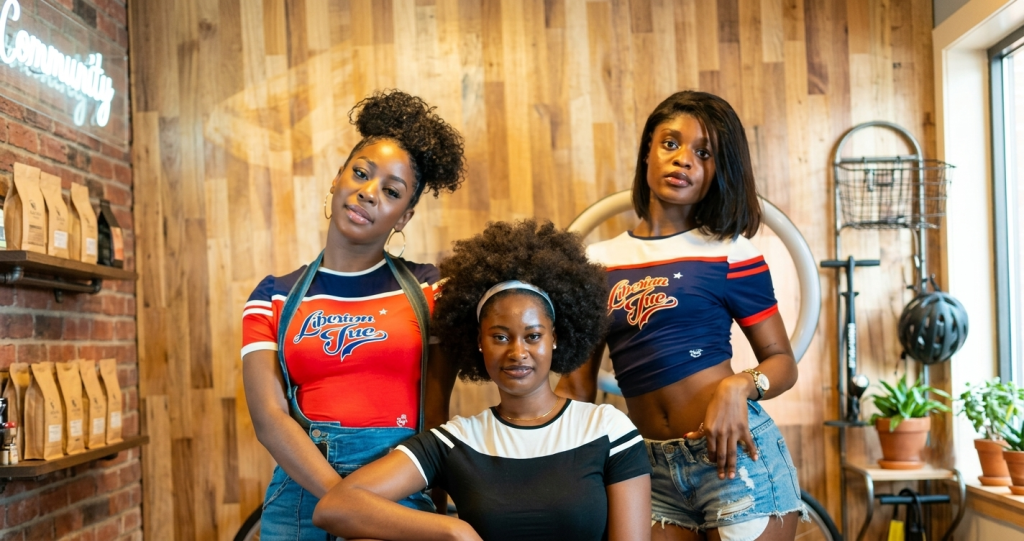
In Monrovia, younger generations combine church fashion culture, Afro-urban streetwear, sneakers, natural hairstyles, denim, luxury accessories, and West African prints into evolving contemporary styles. Natural hair movements have become especially visible among Liberian
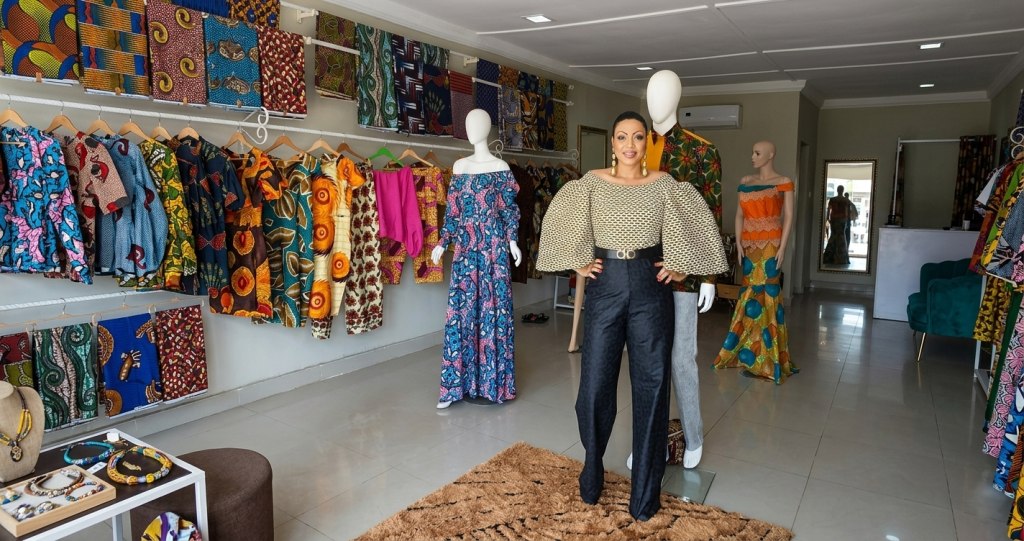
youth embracing African textures, braiding traditions, locs, and protective styles as expressions of identity and cultural pride.
Music culture, diaspora influence, and social media have also contributed to modern Liberian aesthetics, encouraging experimentation between traditional patterns and global fashion trends.
Another remarkable aspect of Liberian fashion is how deeply appearance remains tied to respectability and public presentation. Dressing well continues to hold major social importance in many contexts, especially during church events, weddings, funerals, celebrations, and community gatherings.
FASCINATING LESSER-KNOWN FACTS ABOUT LIBERIAN FASHION AND HAIR
- Liberia developed one of Africa’s most unusual fashion cultures through AmericoLiberian and Indigenous fusion.
- Victorian-inspired church fashion became highly influential during the 19th and 20th centuries.
- The Vai people created one of Africa’s indigenous writing systems.
- Vai symbols sometimes appeared in decorative arts and textile designs.
- Ceremonial masks and costumes were connected to spiritual societies and initiation rituals.
- Hairstyles communicated beauty, maturity, and social identity.
- Hairdressing gatherings served as important spaces for oral storytelling and cultural education.
- Modern Liberian youth strongly embrace natural hair and Afro-urban streetwear culture.
- Church fashion remains culturally significant in many Liberian communities.
SOURCES
Moran, M. H. (1990). Civilized Women: Gender and Prestige in Southeastern Liberia. Ithaca, NY: Cornell University Press.
Eicher, J. B., & Ross, D. A. (1992). Dress and Identity. New York, NY: Fairchild Publications.
Cole, H. M. (1985). I Am Not Myself: The Art of African Masquerade. Los Angeles, CA: Museum of Cultural History.
Picton, J., & Mack, J. (1989). African Textiles. London, England: British Museum Press.
Dalby, D. (1967). The indigenous scripts of West Africa and cultural identity. African Language Studies, 8, 1–51.
Arnoldi, M. J. (1995). African Material Culture. Bloomington, IN: Indiana University Press.