
MALI -MUD CLOTH, SAHARAN ELEGANCE, AND THE FASHION LEGACY OF ANCIENT EMPIRES
The fashion history of Mali is among the most influential on the African continent because Mali stood at the centre of major historical empires, trans-Saharan trade routes, Islamic scholarship, artistic innovation, and textile production for centuries. The ancient empires of Ghana, Mali, and Songhai connected West Africa to North Africa, the Middle East, and beyond through networks trading gold, salt, books, dyes, jewellery, and luxury fabrics. As a result, Malian fashion evolved through a remarkable fusion of Indigenous artistry, Saharan culture, Islamic influence, and regional craftsmanship.
Fashion in Mali historically communicated social identity, spirituality, profession, lineage, age, and status. Textiles, hairstyles, jewellery, body adornment, and embroidery all functioned as forms of visual language carrying deep symbolic meaning.
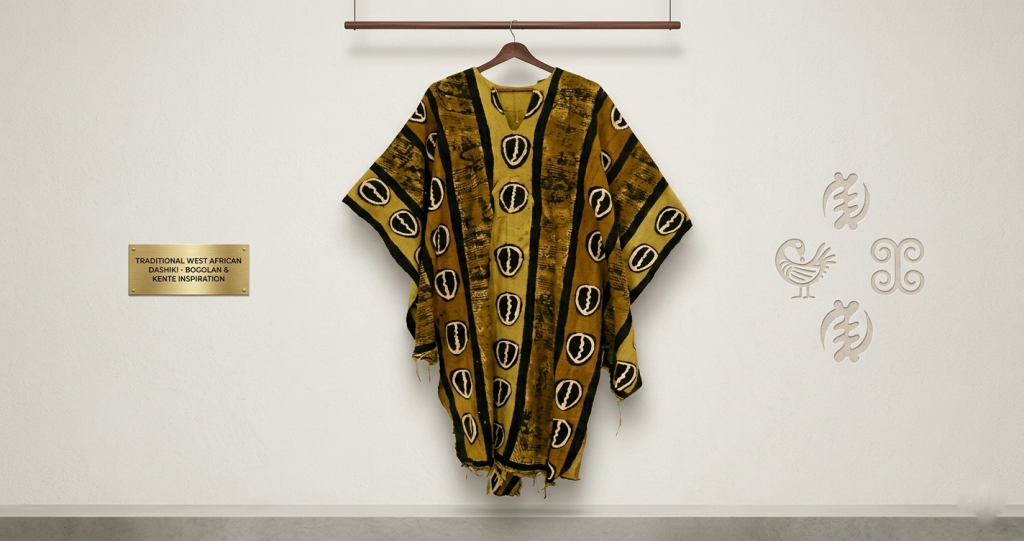
Among Mali’s greatest contributions to world textile history is bogolanfini, commonly known internationally as mud cloth.
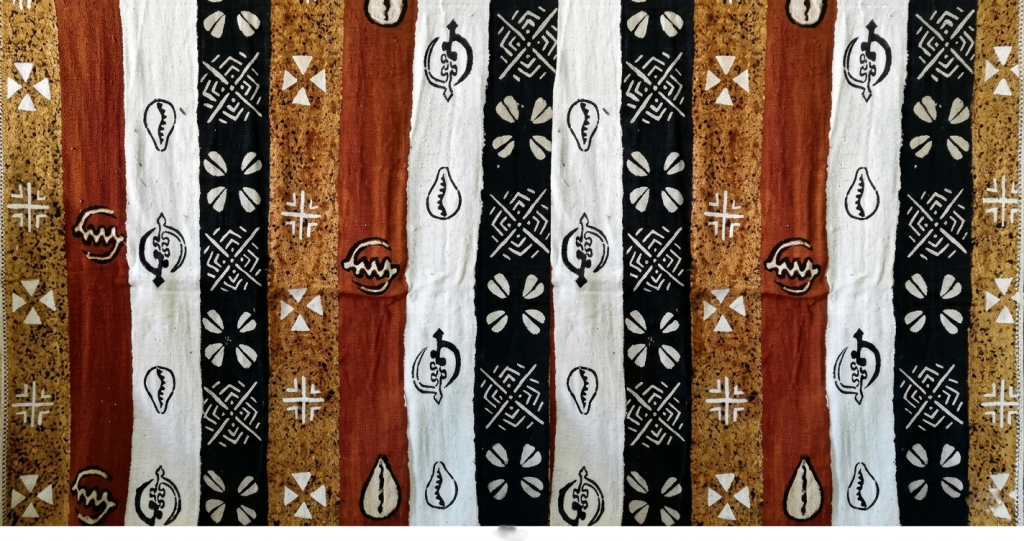
Bogolanfini originated primarily among the Bambara people and became one of Africa’s most internationally recognized textile traditions. The name roughly translates to “cloth made with mud,” referring to the intricate dyeing process involving fermented mud, plant extracts, and hand-painted symbolic patterns.
The creation of bogolanfini requires extraordinary skill and patience. Cloth is first woven into narrow strips, sewn together, and dyed using natural plant materials. Artisans then apply specially prepared fermented mud to create dark symbolic patterns against lighter backgrounds. The chemical interaction between plant dyes and mud permanently stains the fabric.
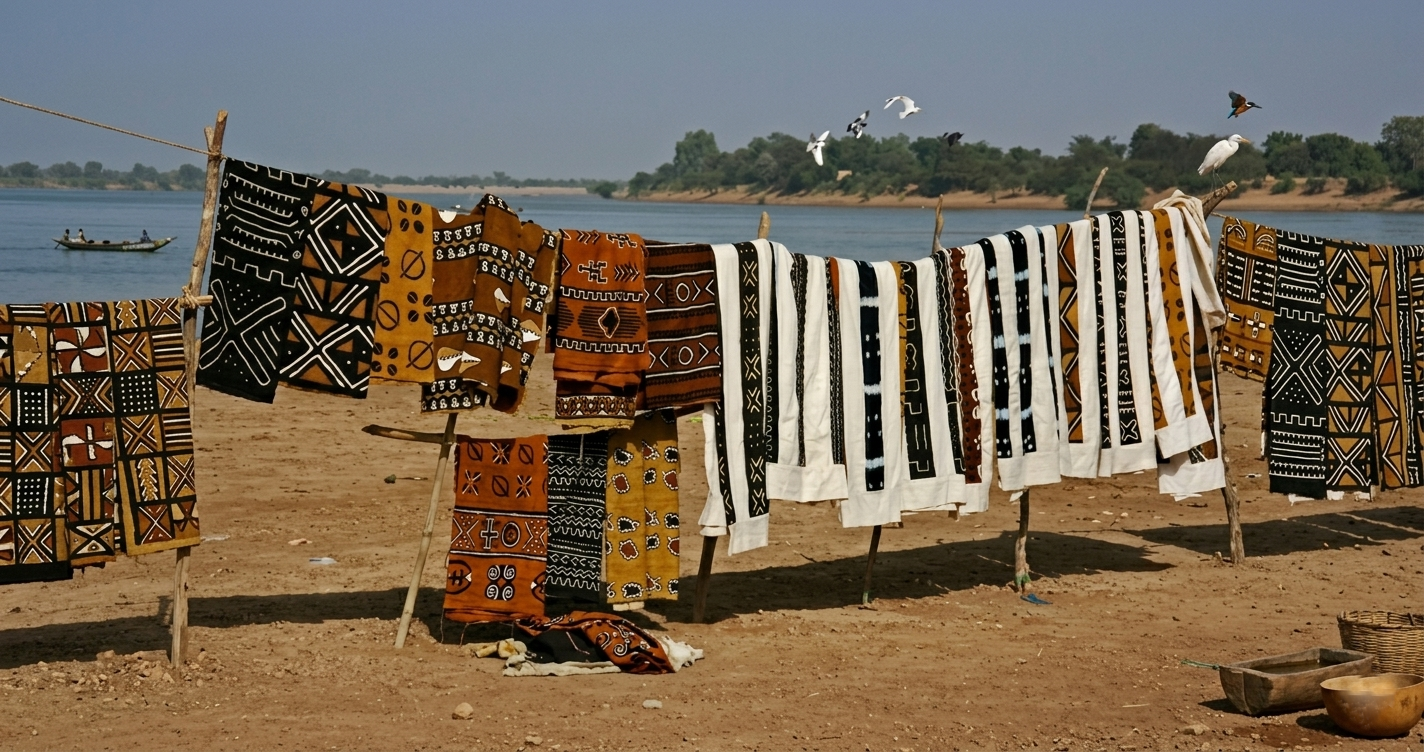
What makes mud cloth especially fascinating is that its patterns historically communicated meaning rather than serving purely decorative purposes.
Some designs represented:
- Hunter traditions
- Spiritual protection
- Historical memory
- Fertility
- Womanhood
- Social status
- Life transitions
- Ancestral symbolism
Certain motifs were believed to protect wearers spiritually against danger, negative forces, or misfortune. Hunters especially valued mud cloth because some patterns were associated with courage, protection, and mastery of the wilderness.
This spiritual dimension explains why mud cloth historically carried much greater significance than ordinary fabric. It operated simultaneously as clothing, storytelling system, identity marker, and protective symbol.
Another remarkable aspect of Malian textile culture is its connection to gendered labour traditions. In many communities, men traditionally handled weaving while women specialized in dyeing and finishing processes, creating collaborative textile systems passed across generations.
Hair traditions across Mali were equally sophisticated and culturally meaningful.
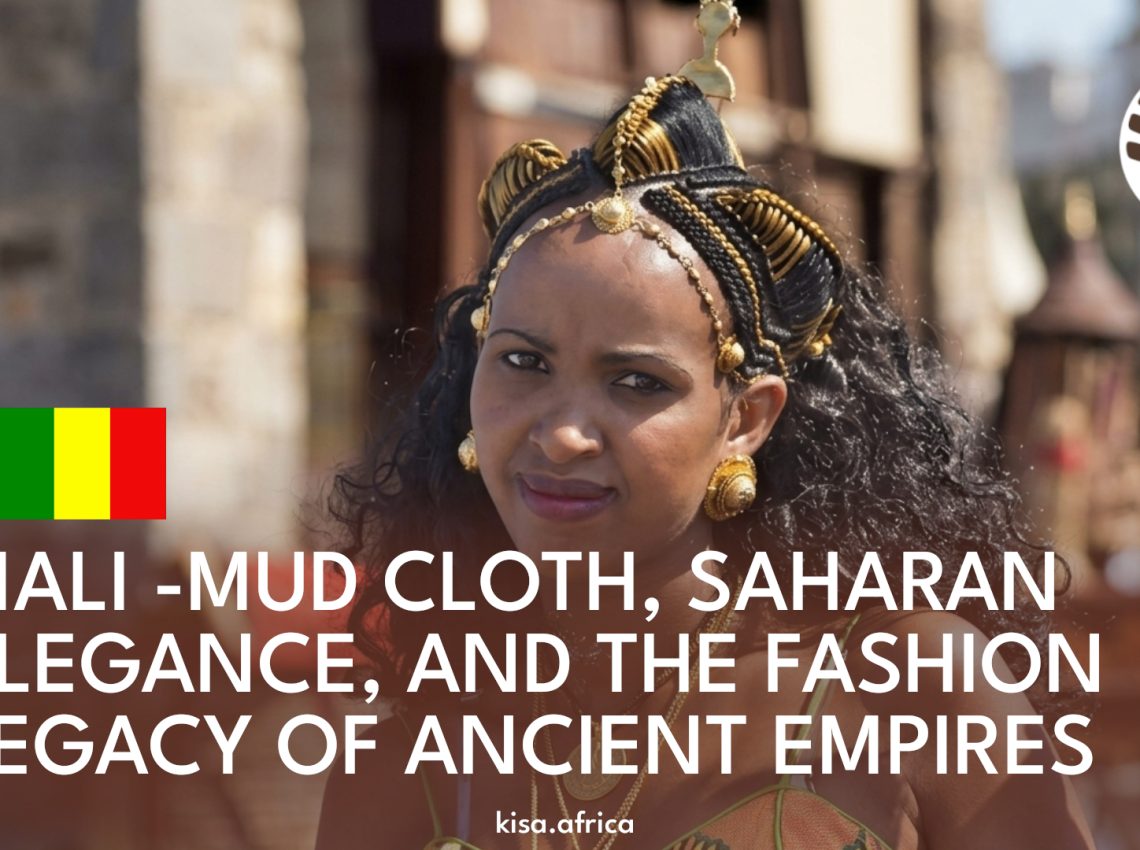
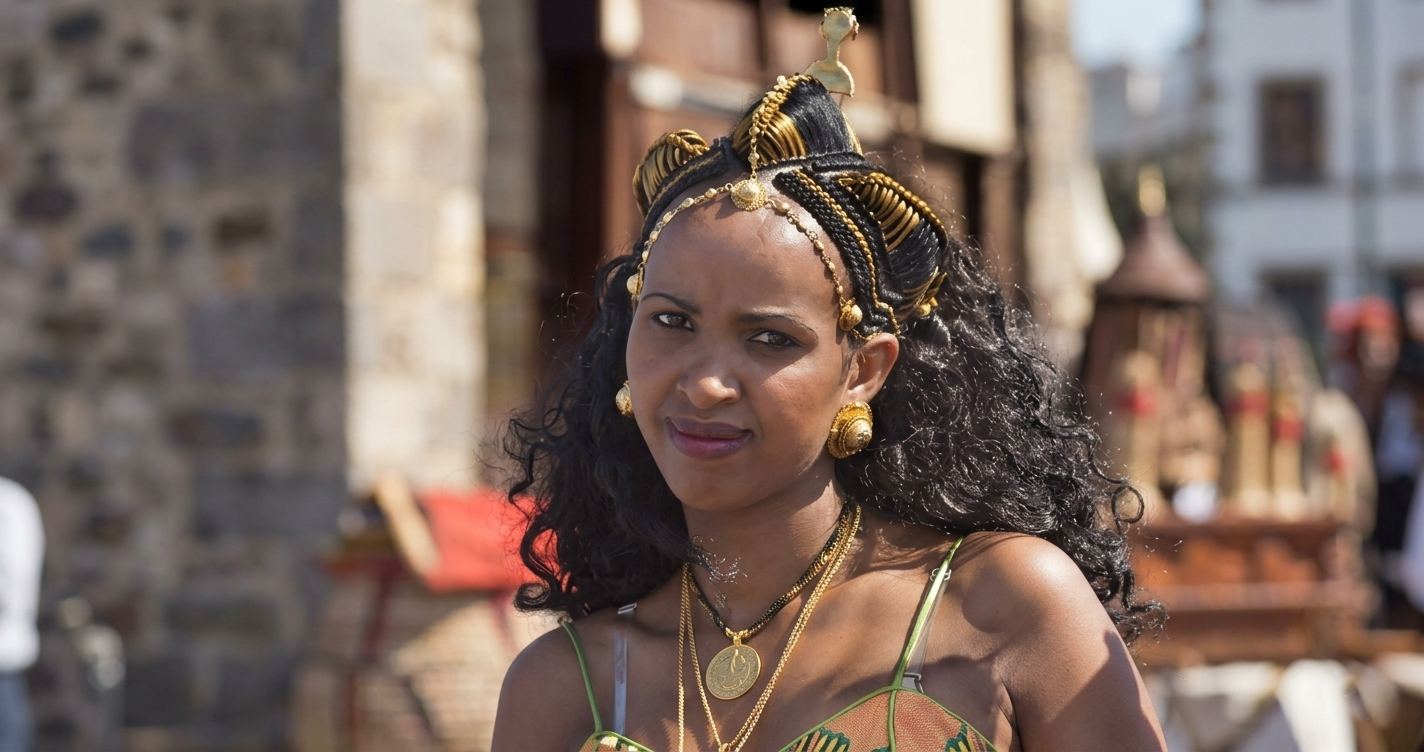
Hair historically communicated age, spirituality, beauty, ethnic identity, and social role. Among Mali’s most visually celebrated hairstyling traditions are those associated with Fulani communities.
Fulani women became renowned across West Africa for intricate braiding styles decorated with amber, silver, beads, coins, and jewellery. Hairstyles could take many hours or even days to complete and often represented both artistic achievement and cultural identity.
Hair ornaments themselves carried social significance. Amber beads, silver jewellery, and decorative accessories sometimes reflected wealth, trade connections, family prestige, or marital status. Fulani aesthetics became so influential that Fulani braiding traditions spread across much of West Africa and continue inspiring contemporary African hairstyling today.
Hair care often involved shea butter, oils, herbal treatments, and carefully maintained grooming practices adapted to Sahelian climates. Hairstyling gatherings also functioned as important social spaces where women exchanged stories, songs, and cultural teachings.
Islam became another major force shaping Malian fashion after spreading across the region through trade and scholarship beginning around the 8th century.
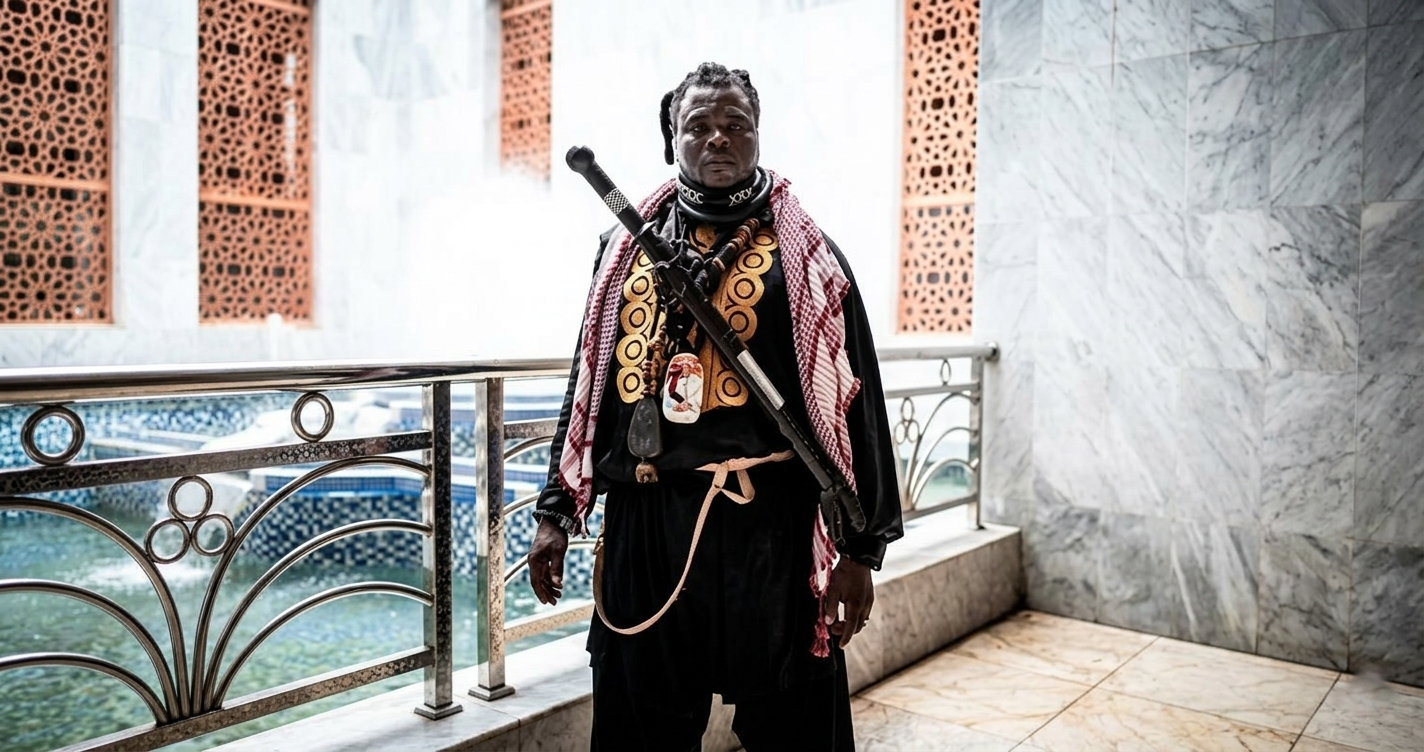
Islamic influence introduced flowing robes, turbans, embroidered garments, head coverings, and modest fashion traditions connected to broader Saharan and Middle Eastern cultural networks. Cities such as Timbuktu and Djenné became major centres of Islamic learning and trade, helping circulate textiles, dyes, tailoring methods, and luxury fabrics throughout the region.
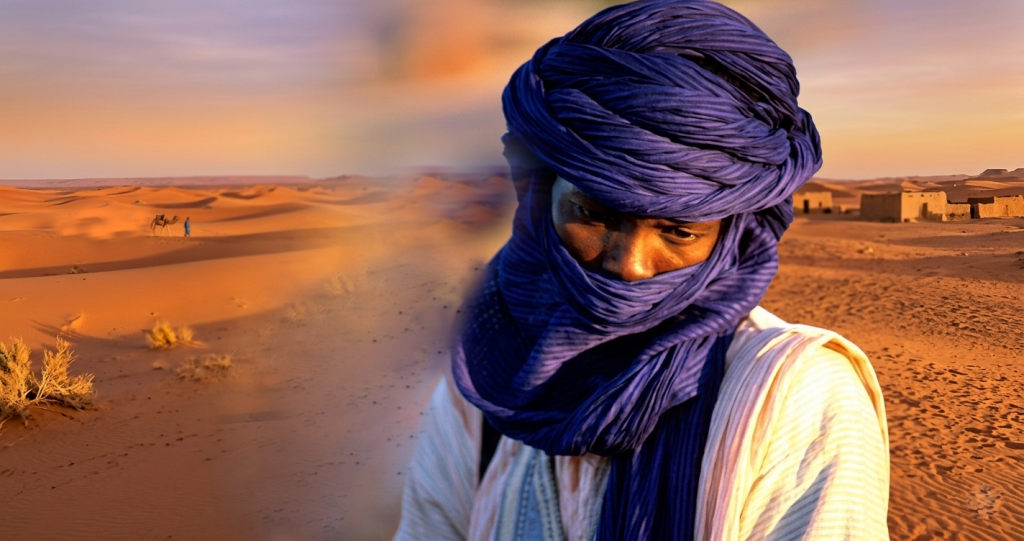
Among Mali’s most distinctive cultural groups are the Tuareg peoples of the Sahara Desert.
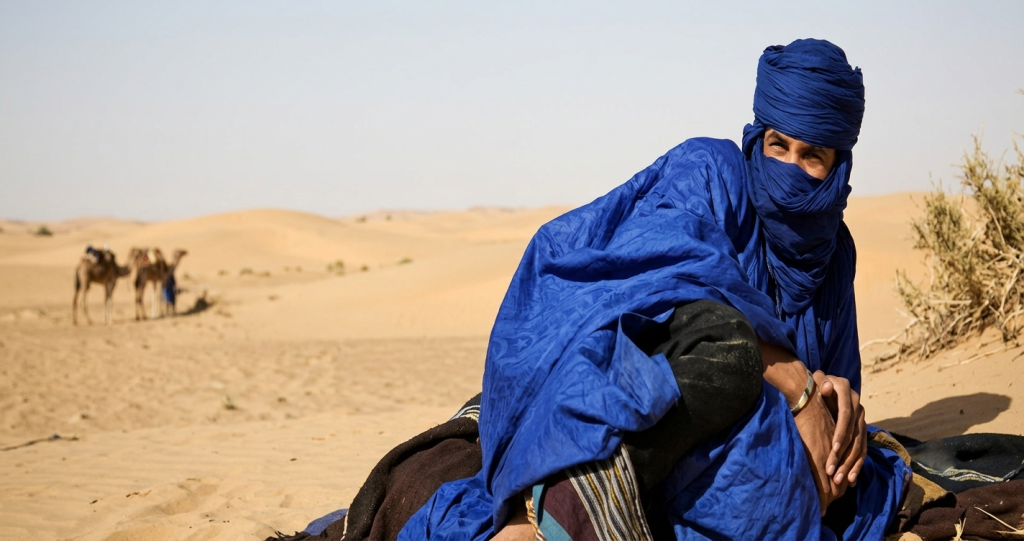
One of the most fascinating facts about Tuareg fashion is that Tuareg men rather than women traditionally veil their faces using indigo-dyed cloths called tagelmust.
The tagelmust serves multiple purposes:
- Protection against desert sand and heat
- Symbol of maturity and honour
- Marker of cultural identity
- Spiritual and social significance
Tuareg indigo veils became so culturally associated with blue dye that Tuareg communities were sometimes called the “Blue People of the Sahara” because indigo pigment occasionally stained the skin.
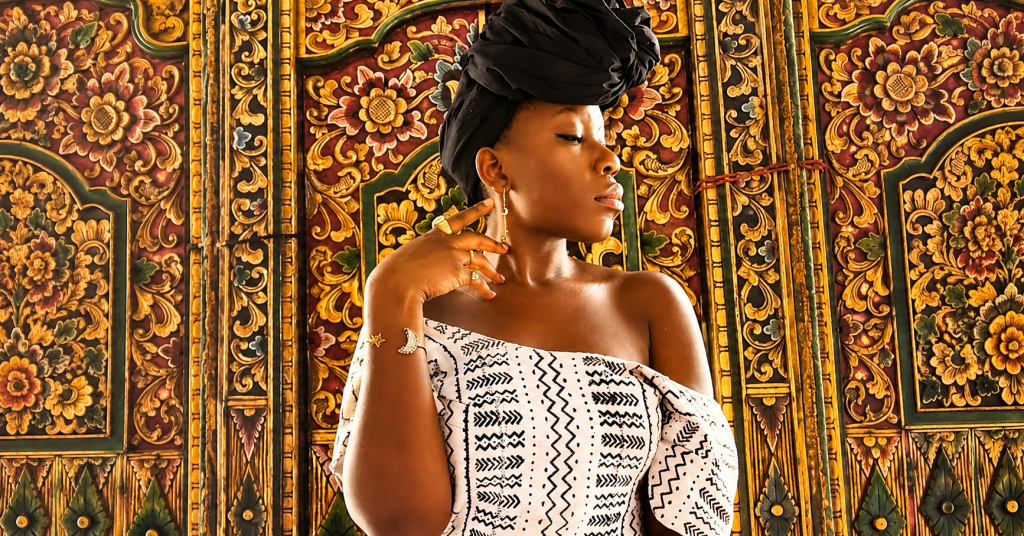
This reversal of common gender expectations regarding veiling makes Tuareg fashion especially unique globally.
Colonialism later introduced French tailoring, European fabrics, missionary clothing standards, and Western urban fashion into Malian society during the colonial era. However, Mali retained exceptionally strong textile traditions and ceremonial aesthetics despite colonial influence.
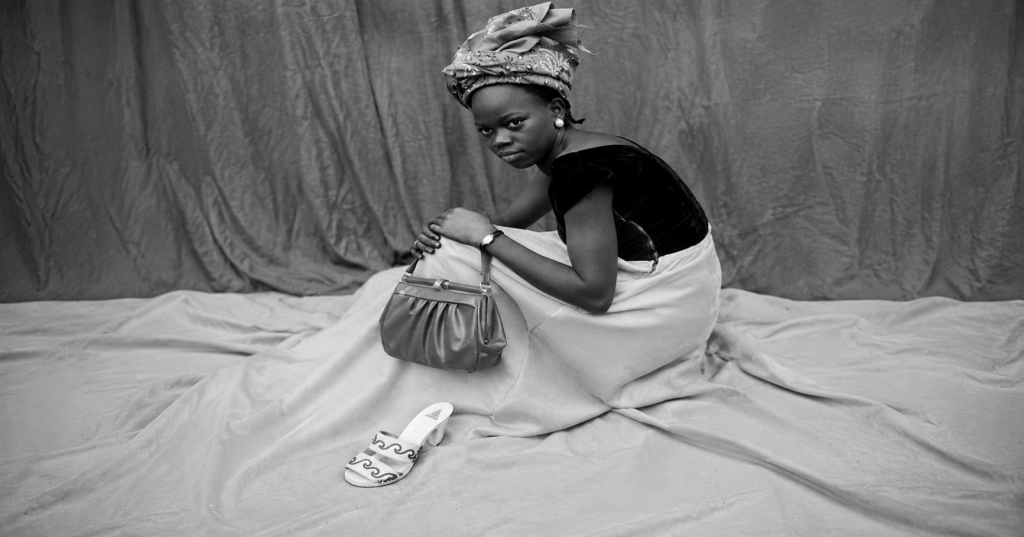
Modern Mali continues to influence global fashion today.
Contemporary Malian designers reinterpret bogolanfini, handwoven fabrics, Saharan aesthetics, and traditional embroidery for luxury global fashion audiences. Mud cloth has appeared in international runway collections, interior design, contemporary art, and streetwear.
The city of Bamako also became internationally important for African photography and fashion imagery through events such as the Bamako Encounters photography biennale. Malian photographers helped shape modern visual representations of African fashion, elegance, and identity.
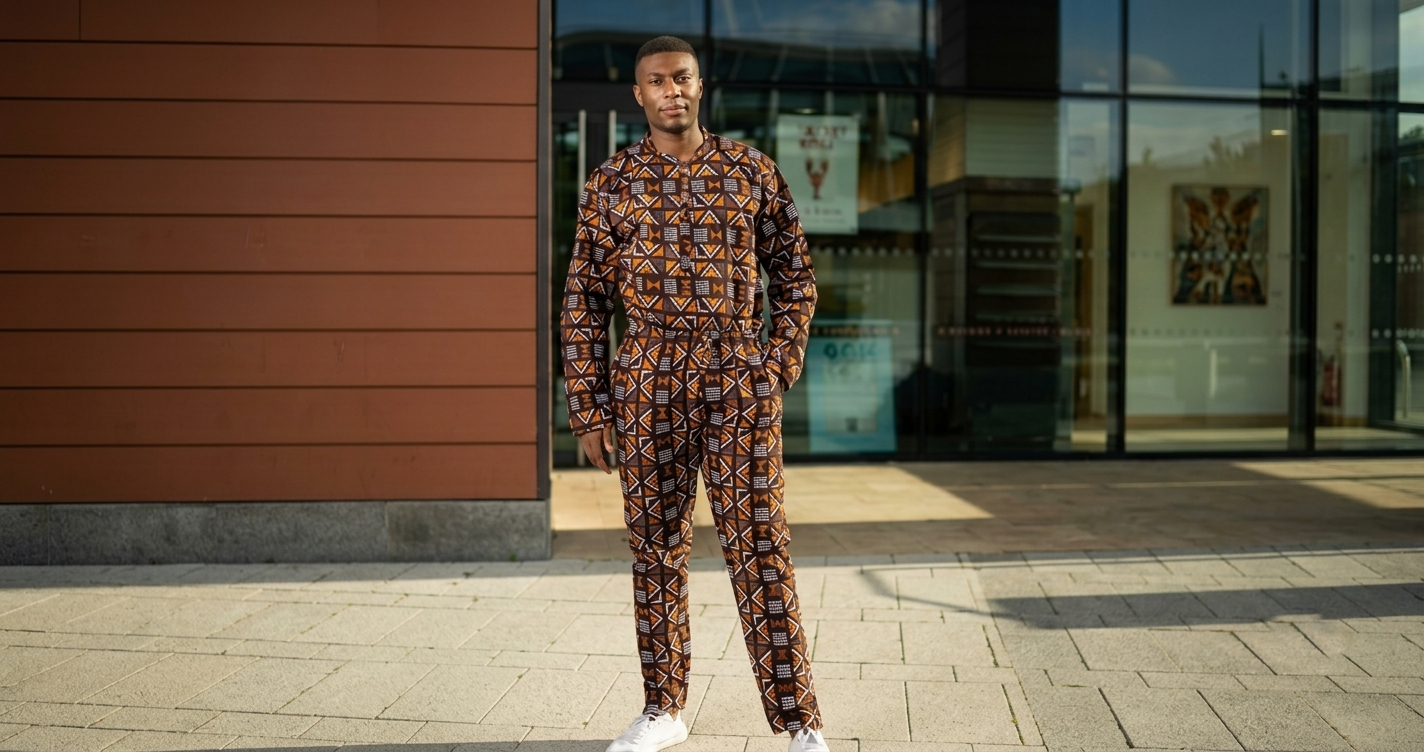
Another fascinating aspect of Malian fashion is how closely aesthetics remain tied to history and spirituality. Textiles often function not only as garments but also as carriers of memory, belief, ancestry, and social philosophy.
FASCINATING LESSER-KNOWN FACTS ABOUT MALIAN FASHION AND HAIR
- Bogolanfini mud cloth patterns historically communicated spiritual and social meanings.
- Some mud cloth motifs were believed to provide supernatural protection.
- Tuareg men traditionally veil their faces using indigo-dyed tagelmust cloths.
- Indigo dye from Tuareg veils sometimes stained the skin blue.
- Fulani hairstyles became famous across West Africa for intricate braiding and jewellery.
- Textile production historically involved collaborative gendered labor systems.
- Timbuktu and Djenné helped spread Islamic fashion influences through scholarship and trade.
- Bamako became internationally influential in African fashion photography.
- Mud cloth evolved from ceremonial textile into globally recognized luxury fashion material.
SOURCES
Imperato, P. J. (1970). Malian Mud Cloths and the African Aesthetic. African Arts, 3(4), 36– 43.
Picton, J., & Mack, J. (1989). African Textiles. London, England: British Museum Press.
Eicher, J. B., & Ross, D. A. (1992). Dress and Identity. New York, NY: Fairchild Publications.
Brett-Smith, S. (1994). The Making of Bamana Sculpture. Cambridge, United Kingdom: Cambridge University Press.
Kriger, C. E. (2006). Cloth in West African History. Lanham, MD: AltaMira Press.
Rovine, V. L. (2015). African Fashion, Global Style: Histories, Innovations, and Ideas You Can Wear. Bloomington, IN: Indiana University Press.