
SIERRA LEONE- SANDE BEAUTY TRADITIONS, KRIO ELEGANCE, AND THE ARTISTRY OF HAIR
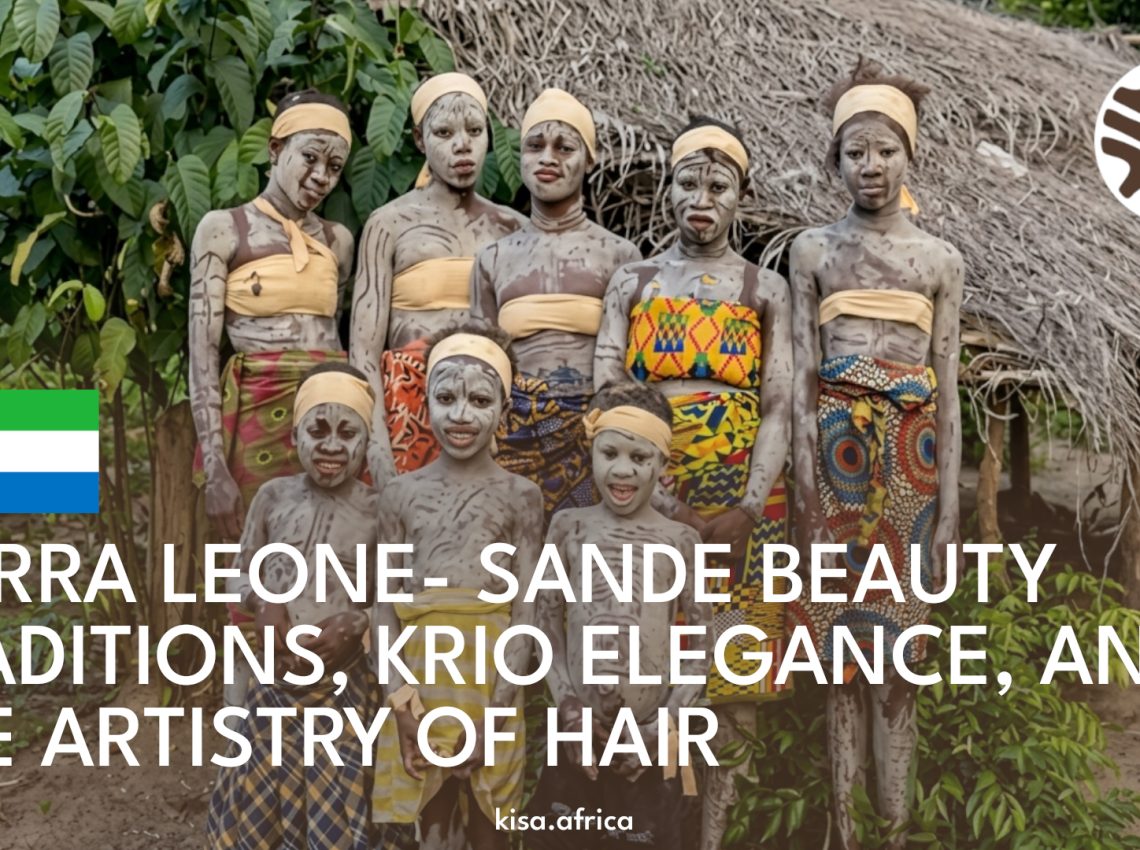
The fashion traditions of Sierra Leone developed through a rich interaction of Temne, Mende, Limba, Vai, Krio, and other cultural systems shaped by trade, spirituality, Atlantic history, and artistic craftsmanship. Sierra Leone’s clothing and beauty traditions reflect both deep indigenous heritage and the country’s unique historical role as a settlement for formerly enslaved Africans returning from the Americas and Caribbean.
Fashion in Sierra Leone historically functioned as more than adornment. Clothing, hairstyles, jewellery, scarification, masks, and ceremonial dress communicated:
- Social identity
- Spiritual knowledge
- Gender roles
- Community belonging
- Maturity
- Beauty ideals
- Ritual status
The country became especially renowned for women-led ceremonial traditions and sophisticated hair aesthetics preserved through initiation societies and artistic symbolism.
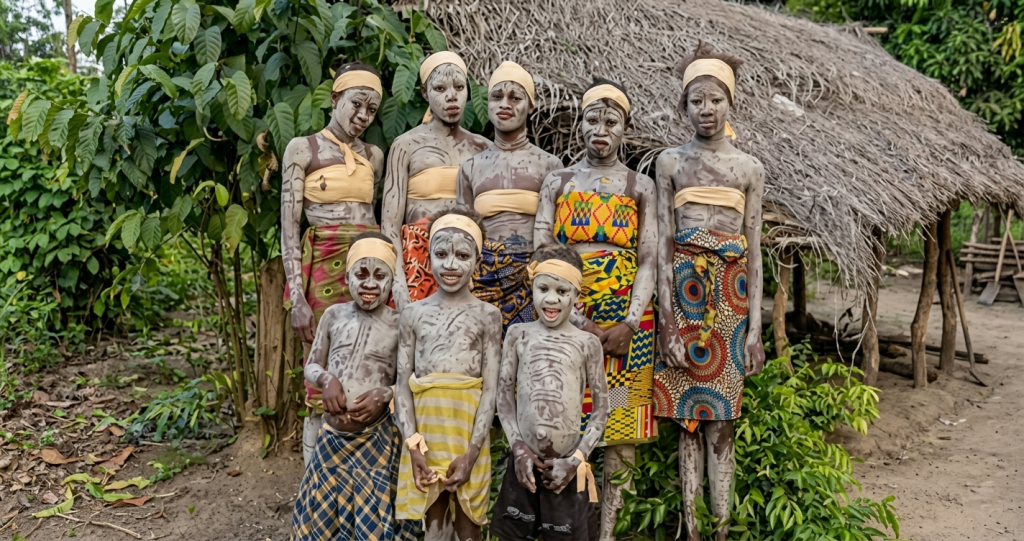
Traditional Sierra Leonean attire historically included wrappers, woven cloth, beadwork, and ceremonial garments adapted for tropical climates.
Women commonly wore wrapped fabrics, layered skirts, decorative head ties, and jewellery, while men wore woven garments, robes, and ceremonial attire associated with social or spiritual leadership.
Different regions developed distinct textile and adornment traditions, but elegance, coordinated presentation, and symbolic decoration remained important throughout Sierra Leonean society.
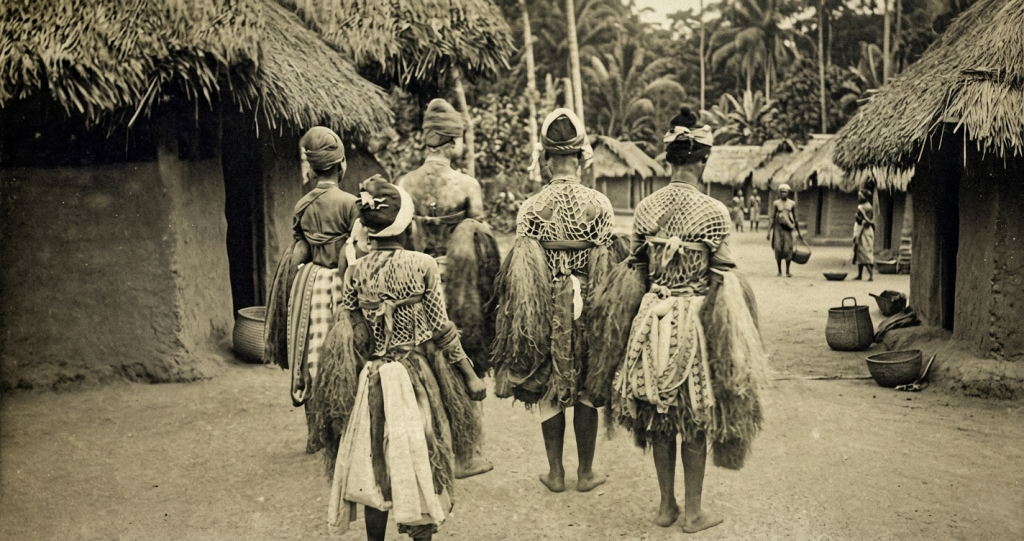
Among the most culturally significant influences on Sierra Leonean beauty traditions are the women-led Sande societies.
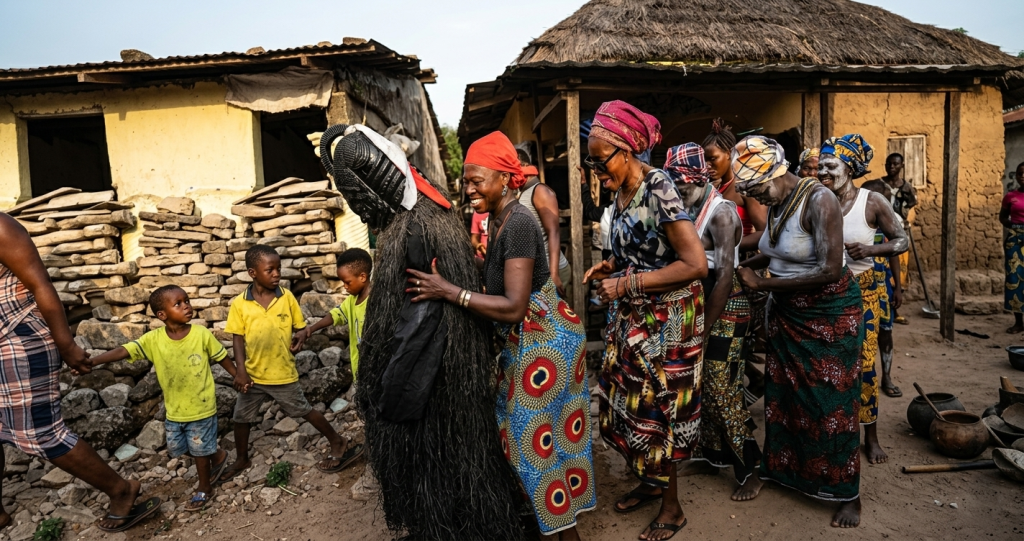
The Sande society, historically practiced among Mende and related communities, became one of West Africa’s most important women’s institutions. These societies played central roles in:
- Education
- Spiritual instruction
- Community leadership
- Beauty ideals
- Social identity
- Transition into adulthood
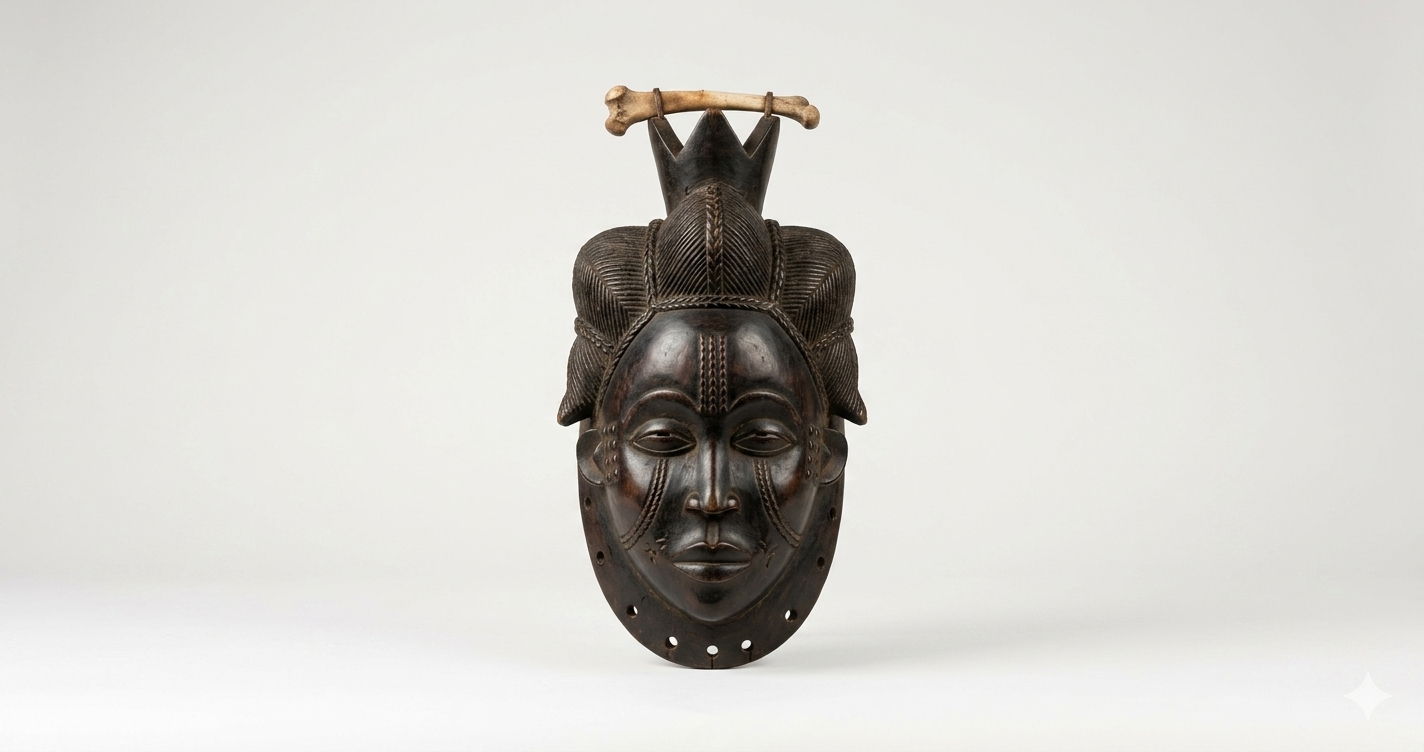
One remarkable aspect of Sande traditions is their connection to hairstyle aesthetics.
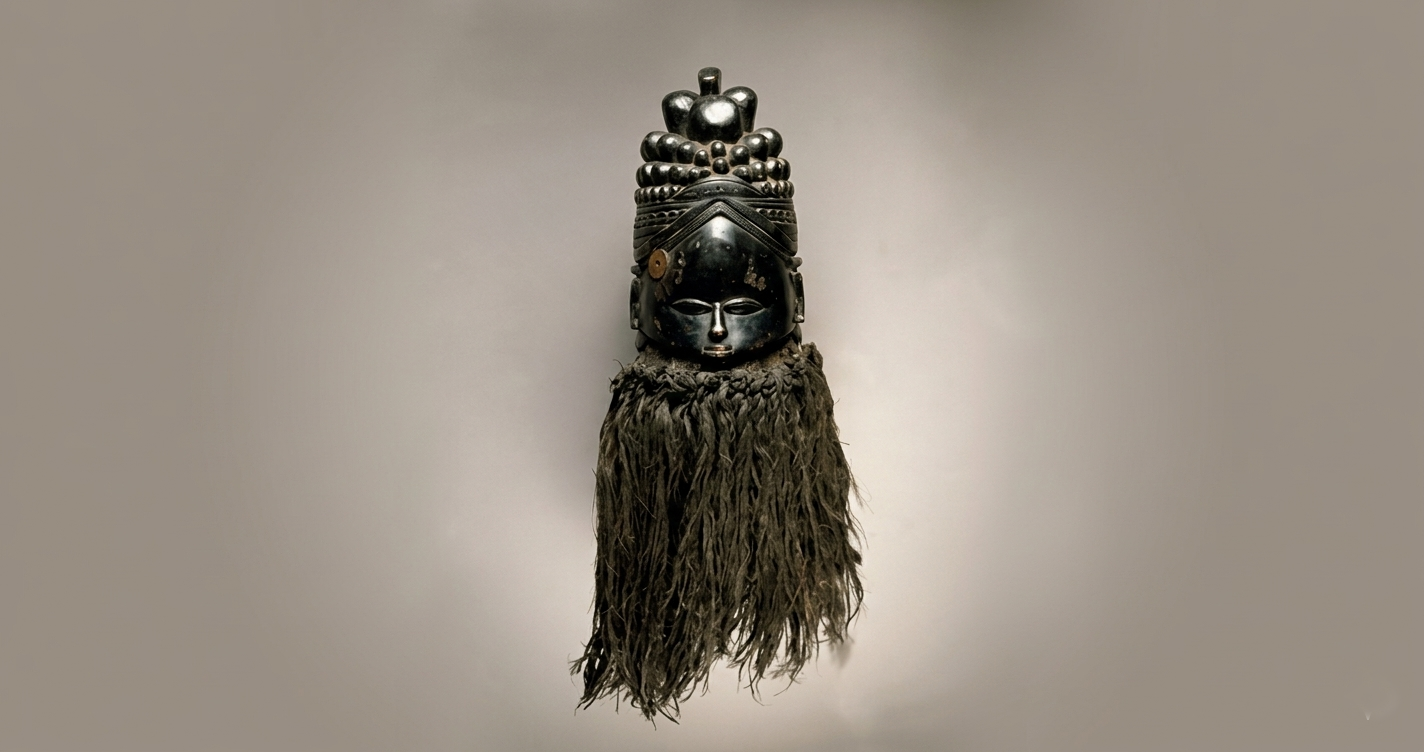
The famous Sande masks among the few African masks historically associated with women’s institutions often depict highly elaborate coiffures representing idealized feminine beauty, dignity, composure, and maturity.
The hairstyles carved into these masks preserve historical records of real hair artistry practiced centuries ago.
These sculptural hair forms symbolize:
- Refinement
- Self-discipline
- Wisdom
- Womanhood
- Spiritual authority
Hair therefore became deeply connected not only to beauty but also to moral and social ideals.
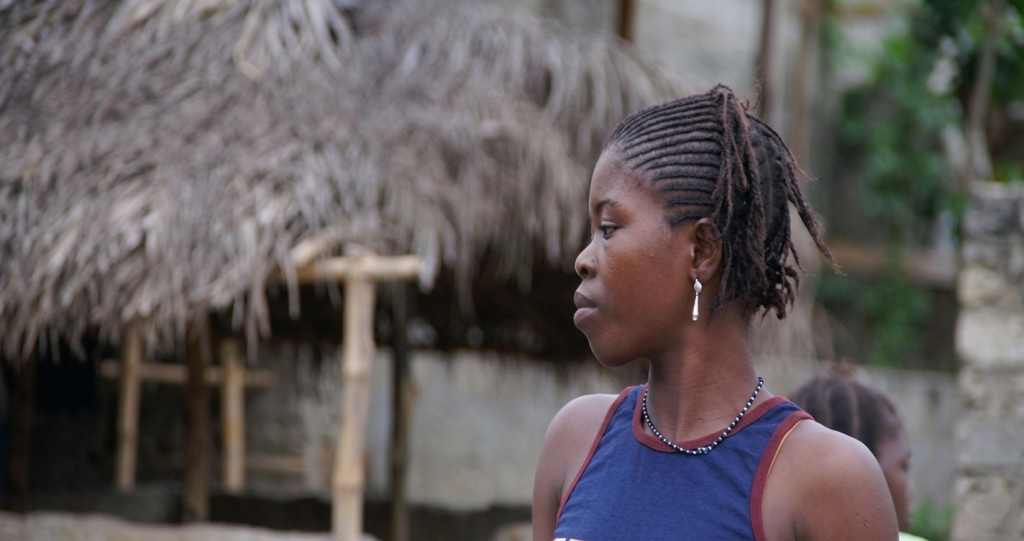
Hair traditions throughout Sierra Leone historically carried major symbolic importance.
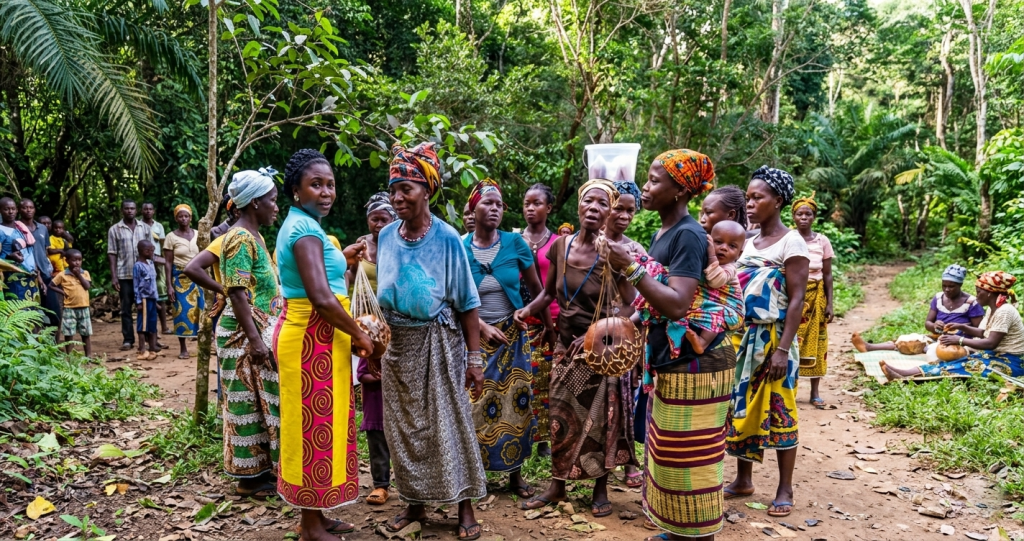
Braiding, threading, sculptural styles, and carefully shaped coiffures communicated:
- Age
- Marital status
- Community identity
- Spiritual readiness
- Social maturity
Hairdressing functioned as both artistic expression and communal bonding activity. Women gathered for long hairstyling sessions that also served as spaces for storytelling, mentorship, music, and oral tradition.
Natural oils, shea butter, and herbal preparations protected hair in Sierra Leone’s humid tropical climate while helping maintain elaborate styles.
The Atlantic history of Sierra Leone also shaped its fashion identity in unique ways.
Freetown became home to formerly enslaved Africans returning from Britain, Nova Scotia, Jamaica, and other parts of the Atlantic world during the late 18th and 19th centuries.
This produced the distinctive Krio culture, which blended:
- African traditions
- Caribbean influences
- European tailoring
- Christian church fashion
- Victorian aesthetics
Krio fashion became known for highly polished presentation, formal dress traditions, hats, gloves, lace garments, and church attire adapted to West African climates.
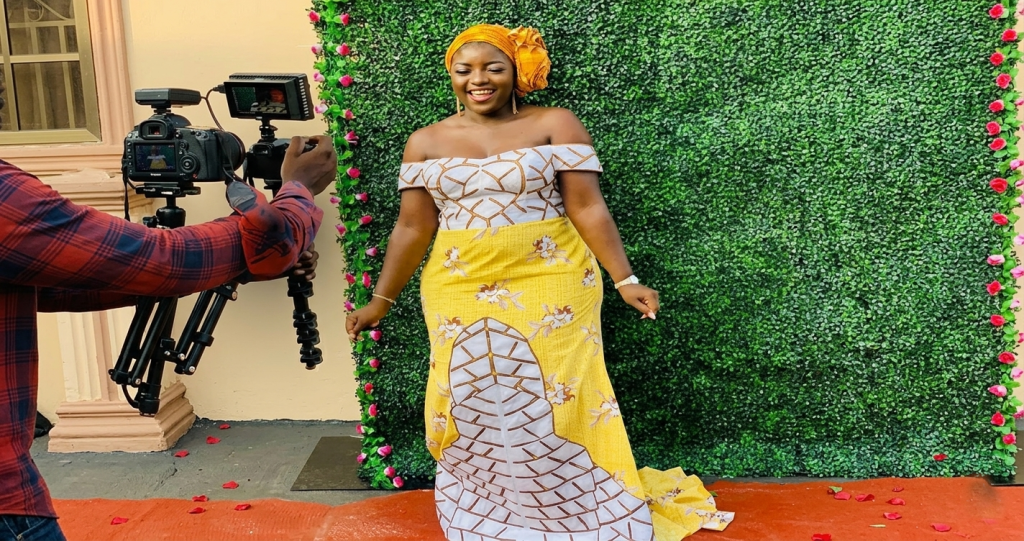
This fusion created one of the most distinctive Afro-Atlantic fashion cultures in Africa.
Colonialism later introduced additional European tailoring techniques, imported fabrics, and missionary dress codes. However, indigenous aesthetics and ceremonial traditions remained highly influential.
Modern Sierra Leonean fashion continues blending traditional and contemporary influences.
Today, fashion in Sierra Leone combines:
- Afro-modern tailoring
- Church fashion
- West African prints
- Contemporary streetwear
- Natural hair movements
- Cultural revival aesthetics
The capital city, Freetown, increasingly supports creative fashion entrepreneurship, youth design culture, and beauty industries connected to broader West African fashion networks.
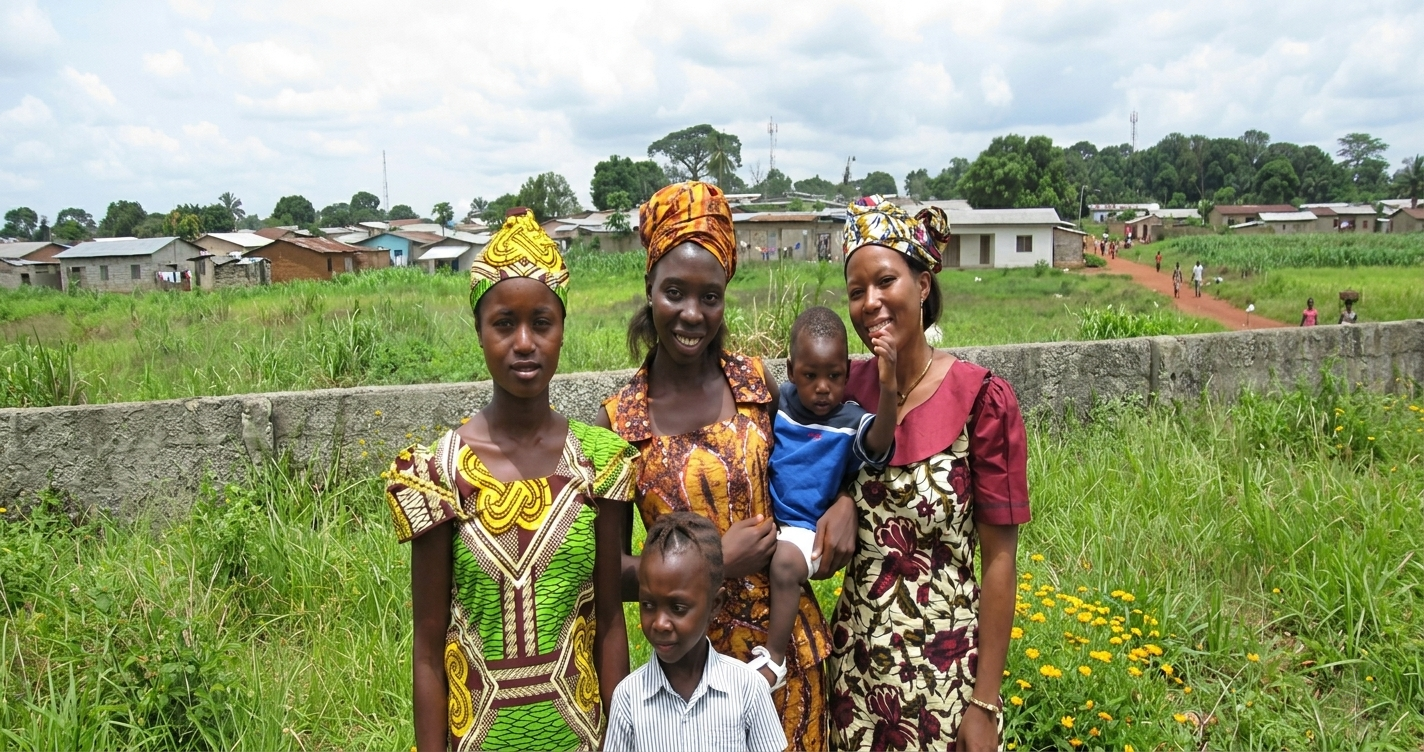
Natural hair culture has also grown significantly, encouraging renewed appreciation for traditional African hairstyles and haircare knowledge.
Contemporary Sierra Leonean designers often draw inspiration from:
- Sande aesthetics
- Traditional weaving
- Ceremonial symbolism
- Krio elegance
- African prints
- Sustainable local craftsmanship
This creates a fashion culture balancing ancestral heritage with modern African creativity.
FASCINATING LESSER-KNOWN FACTS ABOUT SIERRA LEONEAN FASHION AND HAIR
- Sierra Leone possesses some of West Africa’s most historically important women-led ceremonial traditions.
- Sande masks are among the few African masks historically associated with women’s institutions.
- Hairstyles carved into Sande masks preserve historical records of real hair artistry.
- Hair historically symbolized maturity, discipline, and spiritual readiness.
- Krio fashion blended African, Caribbean, and Victorian influences.
- Hairdressing functioned as a major social and educational activity.
- Church fashion became highly influential within urban Sierra Leonean culture.
- Freetown developed one of Africa’s most distinctive Afro-Atlantic fashion identities.
- Modern Sierra Leone increasingly embraces natural hair movements and Afromodern fashion entrepreneurship.
SOURCES
Boone, S. A. (1986). Radiance from the Waters: Ideals of Feminine Beauty in Mende Art. New Haven, CT: Yale University Press.
Phillips, R. B. (1995). Representing Woman: Sande Masquerades of the Mende of Sierra Leone. Los Angeles, CA: UCLA Fowler Museum of Cultural History.
Eicher, J. B., & Ross, D. A. (1992). Dress and Identity. New York, NY: Fairchild Publications.
Rashid, I. (2013). The Krio of Sierra Leone: An Interpretive History. London, England: Hurst Publishers.
Rovine, V. L. (2015). African Fashion, Global Style: Histories, Innovations, and Ideas You Can Wear. Bloomington, IN: Indiana University Press.
Picton, J., & Mack, J. (1989). African Textiles. London, England: British Museum Press.