

SEYCHELLES- CREOLE ISLAND ELEGANCE, MOUTYA DANCE TRADITIONS, AND TROPICAL FASHION CULTURE
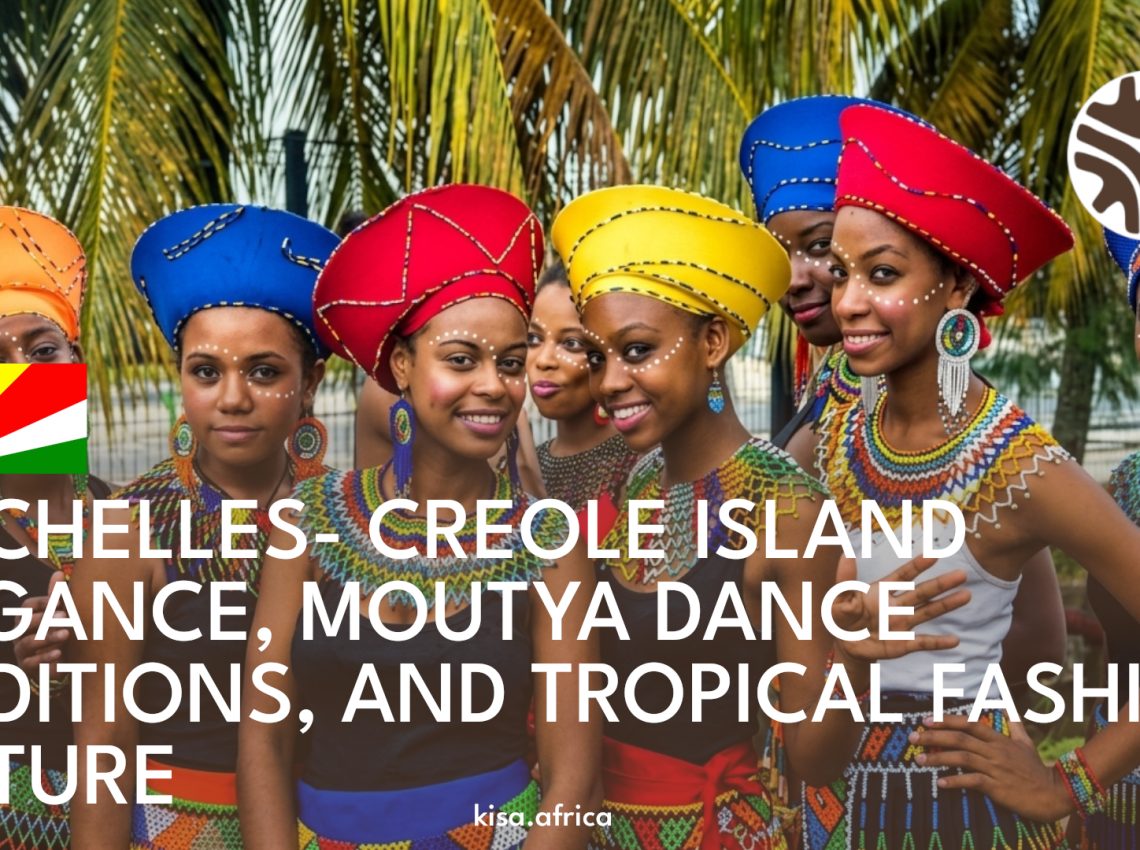
The fashion traditions of Seychelles developed through one of the most multicultural cultural histories in Africa. Unlike many African societies with long-standing indigenous populations, Seychelles was historically uninhabited before European colonization. Its culture therefore emerged through centuries of migration involving African, French, Indian, Chinese, Malagasy, and broader Indian Ocean influences.
This unique blending created a distinctly Seychellois Creole identity expressed through language, music, cuisine, dance, beauty traditions, and fashion.
Because Seychelles consists of tropical islands surrounded by the Indian Ocean, clothing traditions evolved around:
- Humid coastal climates
- Maritime lifestyles
- Plantation history
- Creole social culture
- Dance and music traditions
- Colonial encounters
Fashion in Seychelles historically emphasized lightweight fabrics, comfort, elegance, and colourful visual presentation suited to island environments.
Traditional Seychellois clothing often reflected tropical practicality combined with Creole aesthetics.
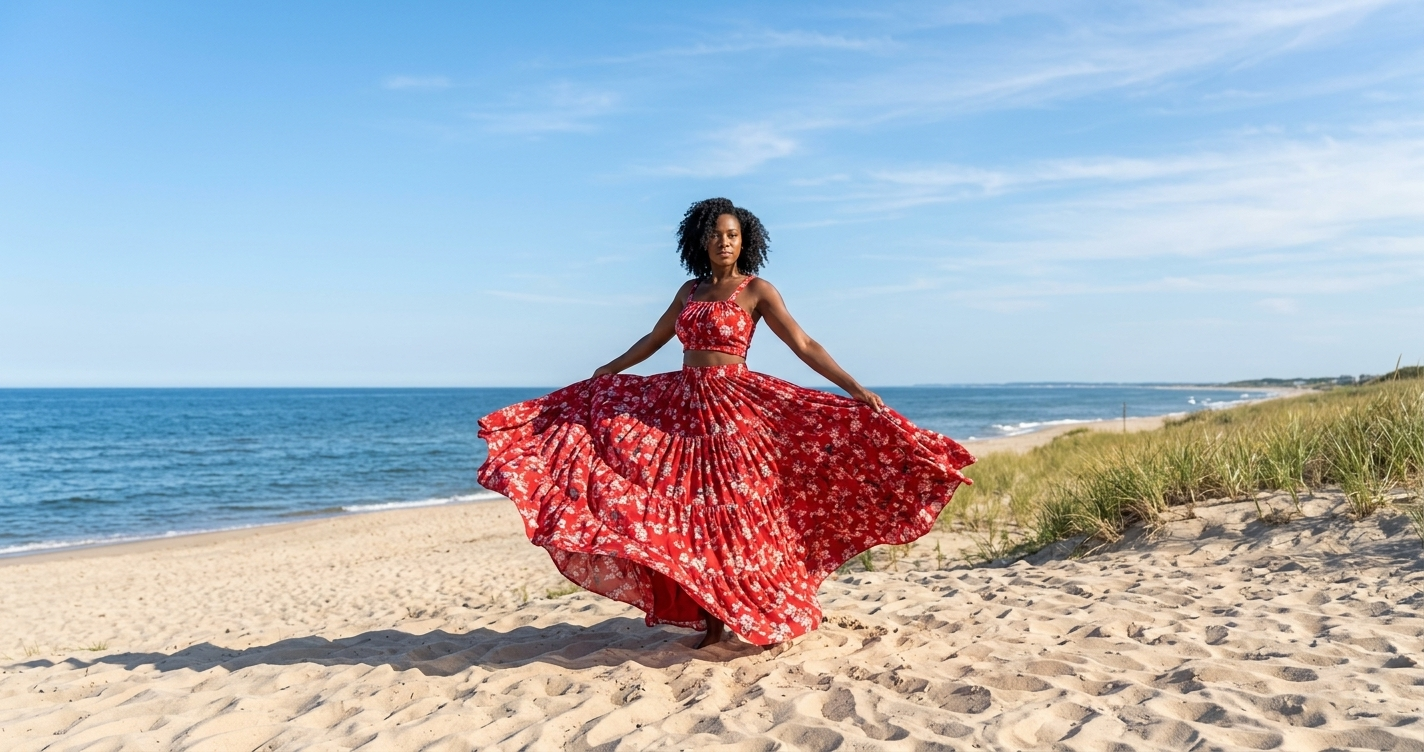
Women traditionally wore flowing dresses, patterned skirts, wraps, and headscarves made from breathable fabrics suitable for hot and humid weather. Men commonly wore lightweight shirts, loose trousers, and simple garments adapted for fishing, agriculture, and island labor.
European tailoring introduced during French and British colonial rule gradually blended with African-inspired colour palettes and tropical styling preferences.
The result was a relaxed yet elegant island aesthetic balancing practicality with decorative expression.
One of the most culturally significant aspects of Seychellois fashion involves dance traditions.
The moutya dance became one of Seychelles’ most historically important cultural forms. Originally associated with enslaved African communities during colonial times, moutya developed as a powerful expression of emotion, resilience, storytelling, and communal identity.
Traditional moutya dance clothing was designed specifically to enhance movement and rhythm.
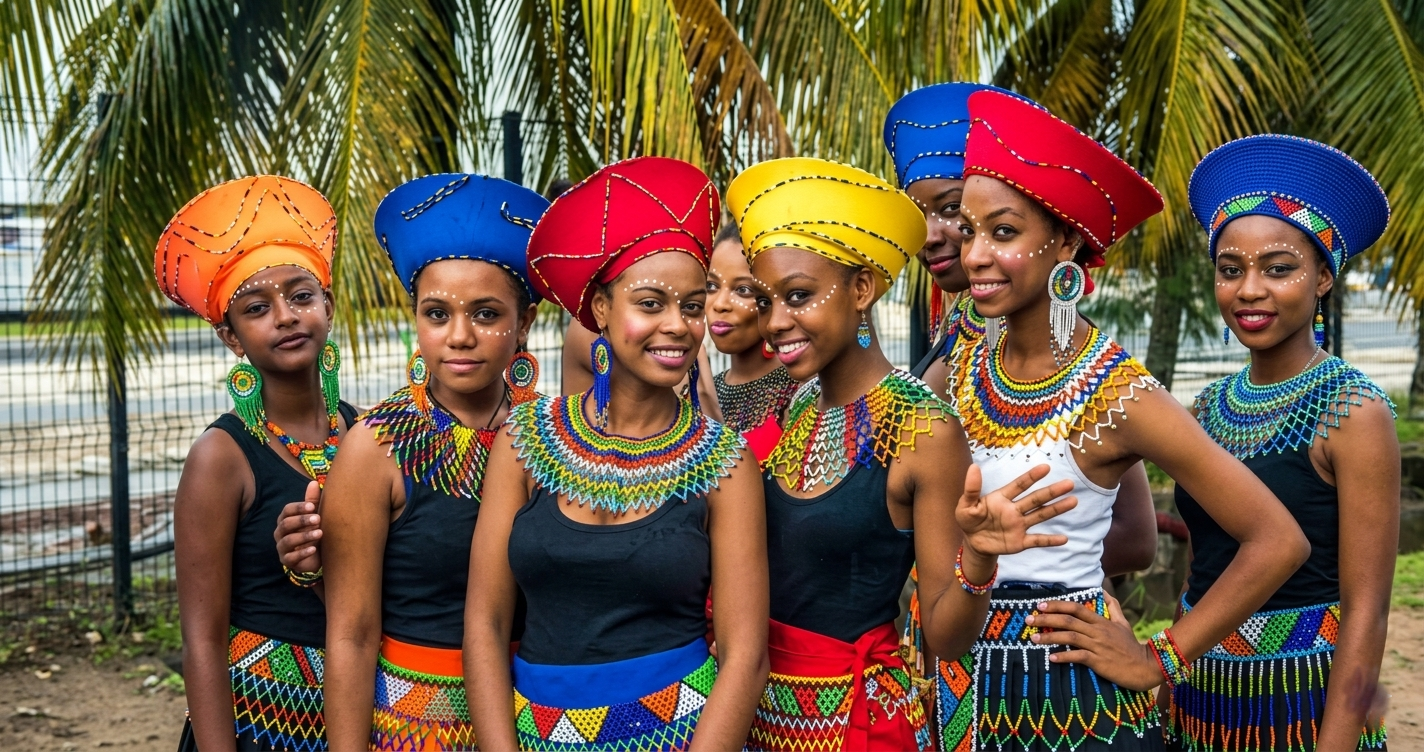
Flowing skirts, loose fabrics, and lightweight garments amplified:
- Spinning movements
- Rhythmic swaying
- Drumming performances
- Coastal dance traditions
The visual motion of the garments became part of the performance itself.
Moutya also preserved African cultural memory within a colonial plantation environment, making fashion closely connected to historical resistance and cultural survival.
In recent years, moutya traditions gained broader international recognition through cultural preservation efforts.
Hair culture in Seychelles reflects the islands’ mixed African, Asian, and Creole heritage.
Braids, curls, wrapped styles, straightened hair, and natural textures coexist within Seychellois beauty culture.
Because of the islands’ intense humidity and salt air, haircare traditions historically relied heavily on:
- Coconut oil
- Herbal treatments
- Protective wrapping
- Moisturizing plant oils
These treatments helped maintain hair health in tropical coastal conditions.
Hair styling also became influenced by multiple diasporic traditions, blending African braiding practices with Indian Ocean and European beauty influences.
Headscarves and wrapped hairstyles frequently served both practical and aesthetic purposes, protecting hair from humidity while expressing personal style and cultural identity.
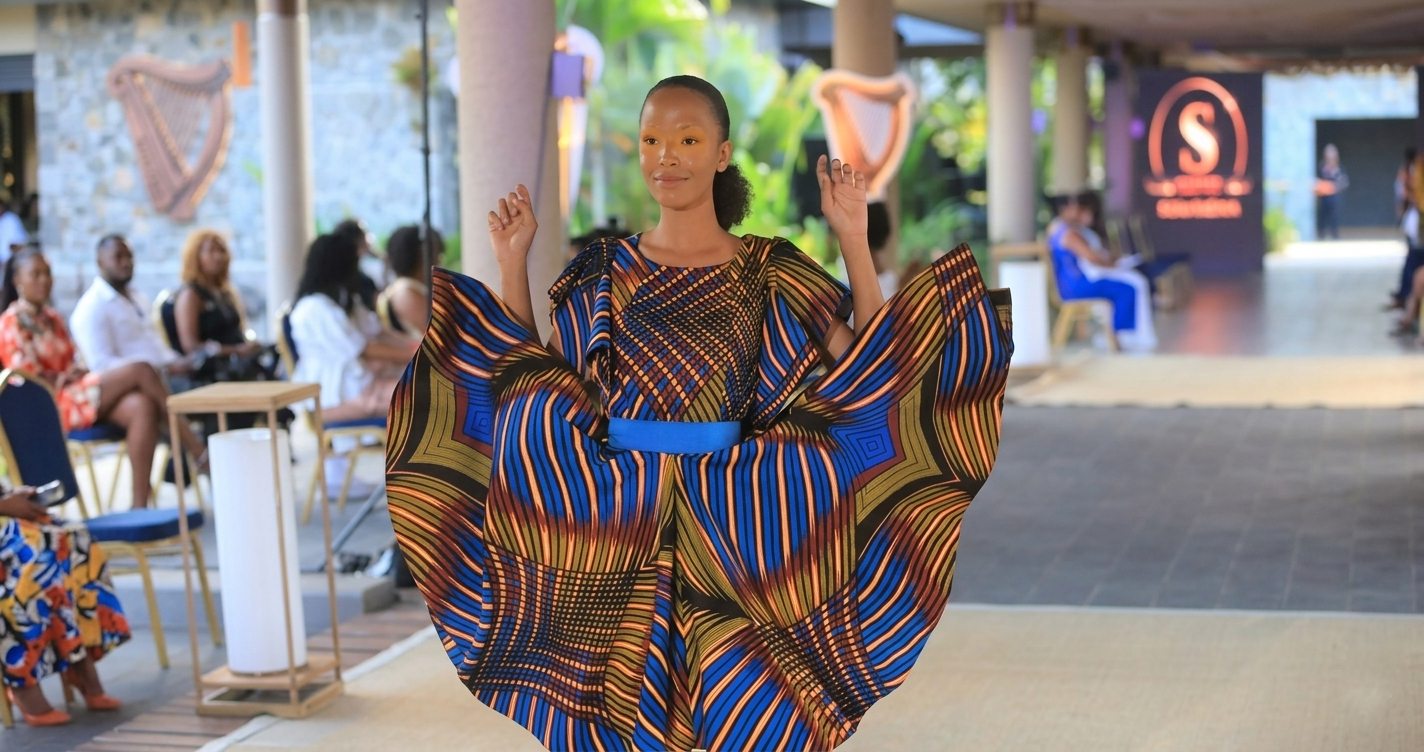
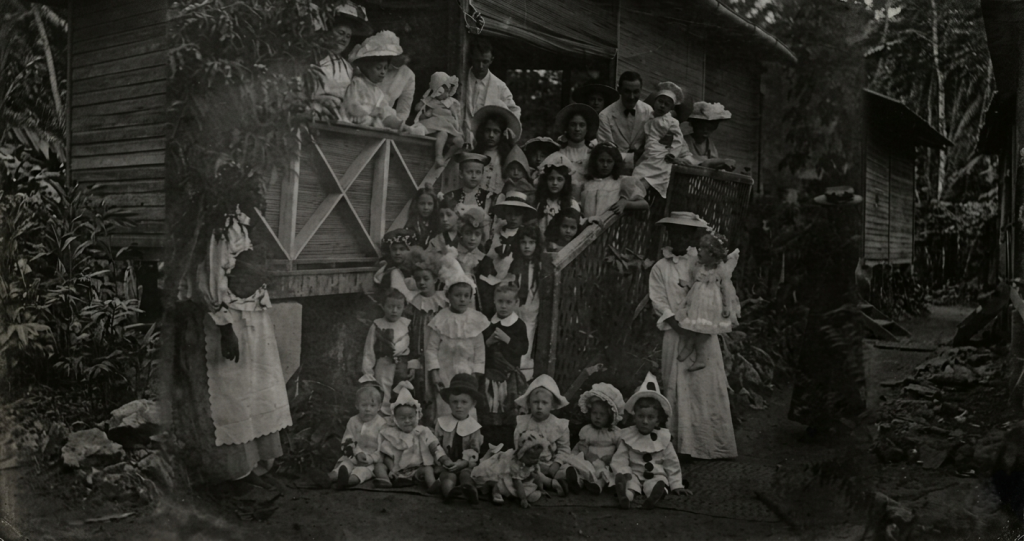
French and British colonialism strongly shaped formal dress culture in Seychelles.
European colonial influence introduced:
- Tailored dresses
- Church fashion
- Lace fabrics
- Structured garments
- Formal occasion wear
Yet Seychellois communities adapted these styles to island life using:
- Lighter materials
- Brighter colours
- Relaxed silhouettes
- Tropical aesthetics
This adaptation process created a uniquely Afro-Creole island fashion identity.
Modern Seychelles fashion increasingly reflects global tourism and luxury resort culture.
Today, Seychellois fashion blends:
- Beachwear
- Resort luxury aesthetics
- Afro-Creole identity
- Contemporary global trends
- Tropical minimalism
- Sustainable island fashion
Tourism heavily influenced the development of modern fashion industries in Seychelles, especially through resort design, hospitality aesthetics, and international luxury markets.
At the same time, younger Seychellois designers and artists increasingly celebrate:
- Creole heritage
- Natural hair culture
- African identity
- Sustainable island craftsmanship
- Local artistic traditions
This allows Seychelles to maintain its distinctive Creole identity while participating in broader contemporary African and global fashion movements.
FASCINATING LESSER-KNOWN FACTS ABOUT SEYCHELLOIS FASHION AND HAIR
- Seychelles was historically uninhabited before colonization, so its culture emerged through migration and blending.
- Moutya dance traditions originated among enslaved African communities.
- Dance clothing was specifically designed to amplify rhythm and movement.
- Tropical humidity strongly shaped local haircare traditions.
- Coconut oil historically played a major role in Seychellois beauty culture.
- Seychellois fashion reflects African, French, Indian, Chinese, and Creole influences simultaneously.
- Resort tourism significantly shaped modern island fashion aesthetics.
- Headscarves served both practical and decorative functions.
- Creole identity became central to modern Seychellois fashion culture.
SOURCES
Scarr, D. (2000). Seychelles Since 1770: History of a Slave and Post-Slavery Society. London, England: Hurst & Company.
Eicher, J. B., & Ross, D. A. (1992). Dress and Identity. New York, NY: Fairchild Publications.
Rovine, V. L. (2015). African Fashion, Global Style: Histories, Innovations, and Ideas You Can Wear. Bloomington, IN: Indiana University Press.
Allen, R. B. (2008). Europe, the Indian Ocean, and the Boundaries of Race and Slavery. Bloomington, IN: Indiana University Press.
Spring, C. (2012). African Textiles Today. London, England: British Museum Press.
Arnoldi, M. J. (1995). African Material Culture. Bloomington, IN: Indiana University Press.