
TUNISIA- MEDITERRANEAN ELEGANCE, AMAZIGH
JEWELLERY, AND OTTOMAN TEXTILE HERITAGE
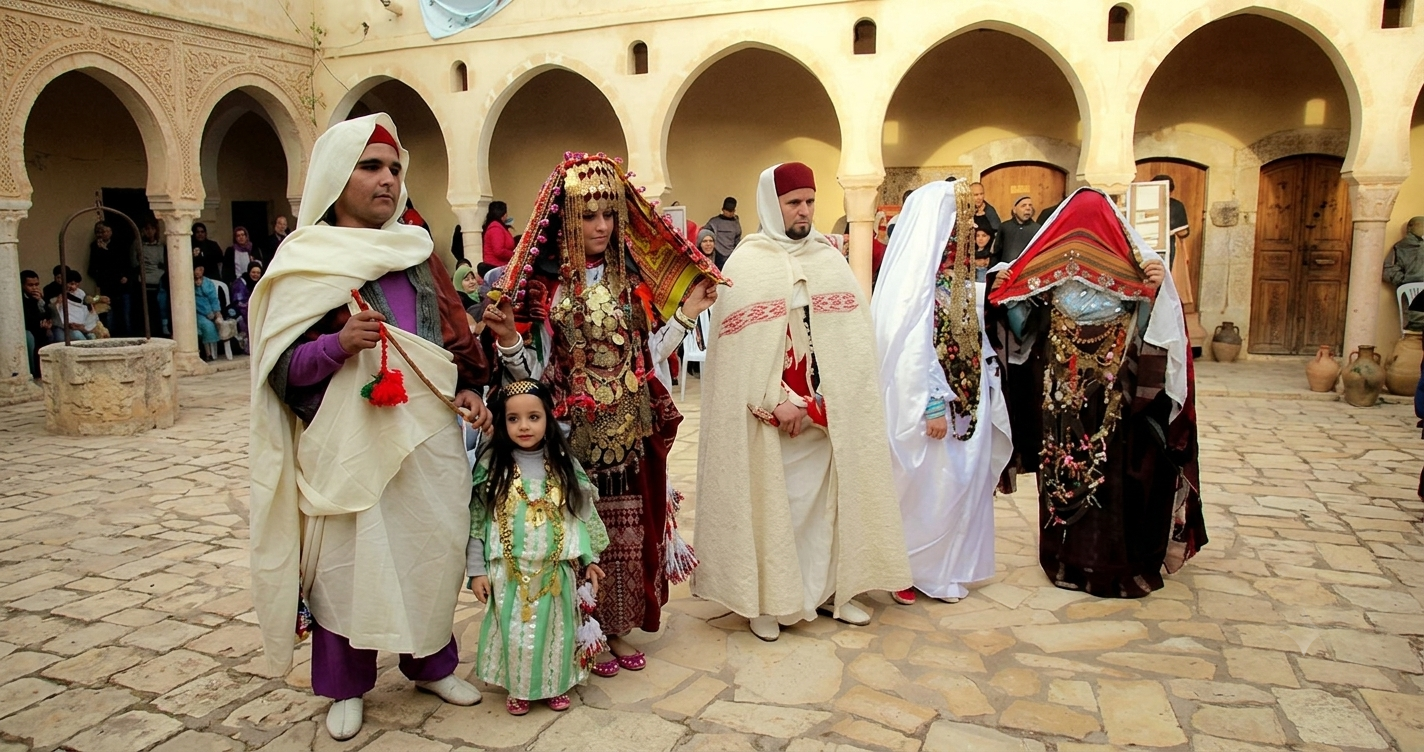
The fashion traditions of Tunisia reflect one of the Mediterranean world’s oldest and most sophisticated cultural histories. Situated at the crossroads of Africa, Europe, and the Middle East, Tunisia developed through the influence of Amazigh civilizations, Phoenician and Carthaginian trade, Roman rule, Arab-Islamic culture, Ottoman luxury aesthetics, and French colonialism.
For centuries, Tunisia functioned as a major centre of:
- Mediterranean commerce
- Textile craftsmanship
- Jewellery production
- Islamic scholarship
- Urban fashion culture
- Artistic exchange
This long history produced fashion traditions known for refinement, embroidery, layered fabrics, and elaborate ceremonial adornment.
Traditional Tunisian clothing historically emphasized:
- Elegance
- Craftsmanship
- Modesty
- Social prestige
- Regional identity
- Climate adaptation
Women traditionally wore richly decorated garments featuring:
- Silk fabrics
- Embroidery
- Metallic thread work
- Jewellery layering
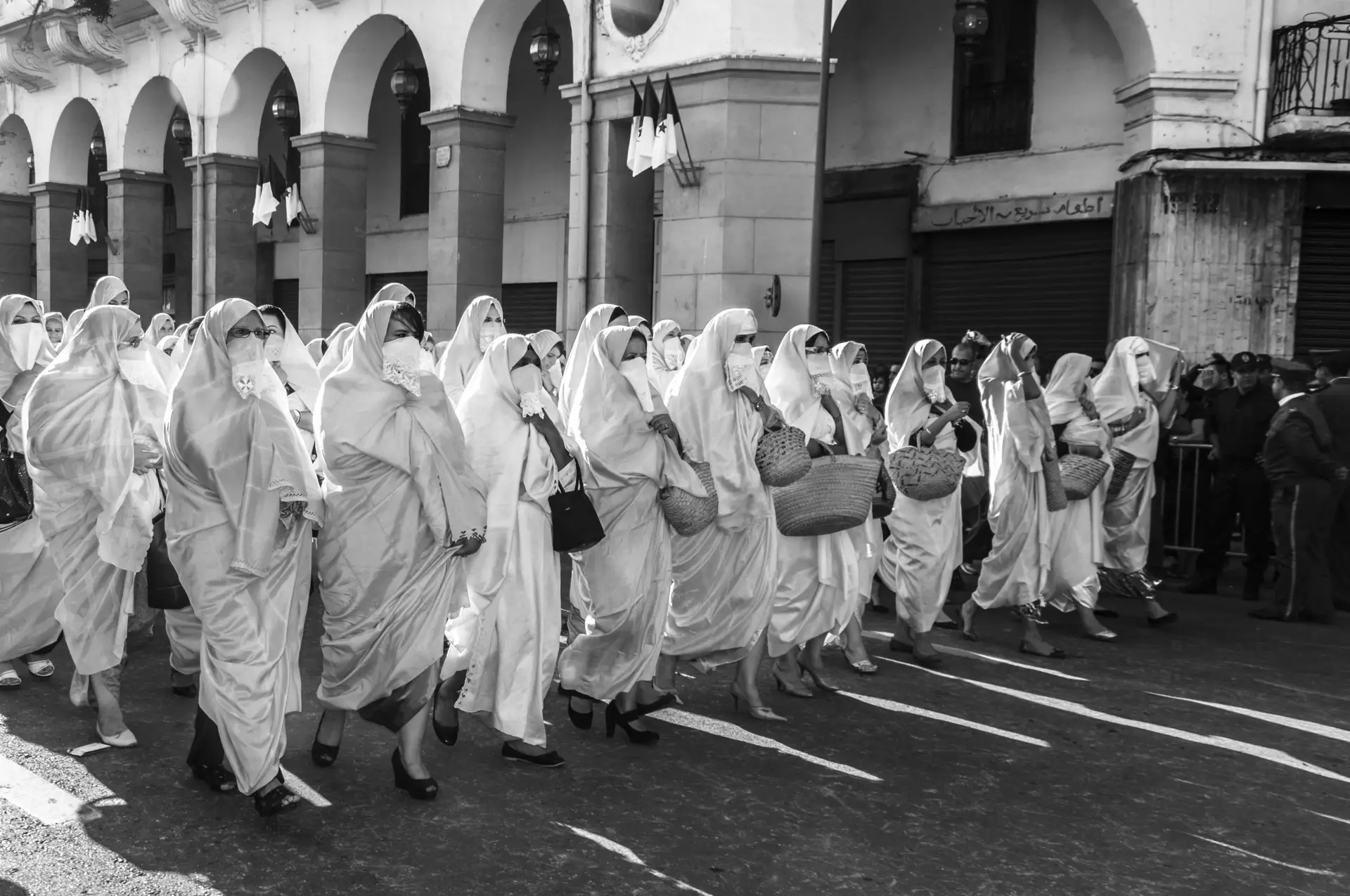
- Veils and head coverings
- Colourful ceremonial textiles Men commonly wore:
- Jebbas
- Burnous cloaks
- Turbans
- Embroidered garments
- Layered wool robes
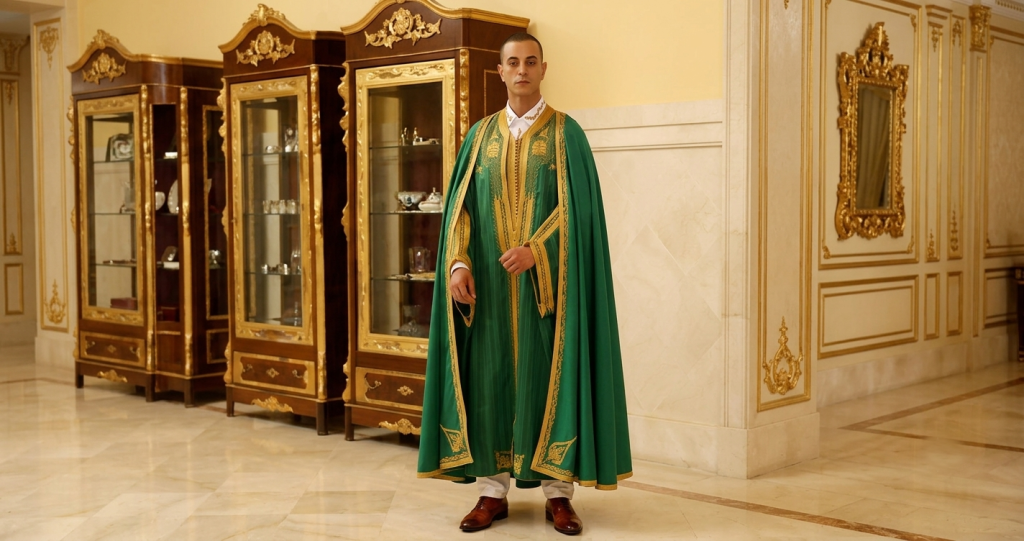
The jebba became one of Tunisia’s most recognizable traditional garments.
This long flowing robe, often beautifully embroidered, represented:
- Respectability
- Scholarship
- Formal elegance
- Cultural sophistication
The burnous, a hooded wool cloak worn across North Africa, evolved partly for practical adaptation to mountain and desert climates while also becoming associated with dignity and ceremonial prestige.
Amazigh (Berber) traditions deeply shaped Tunisian aesthetics.
Amazigh communities preserved highly symbolic traditions involving:
- Silver jewellery
- Geometric embroidery
- Handwoven textiles
- Protective amulets
- Coral and amber adornment
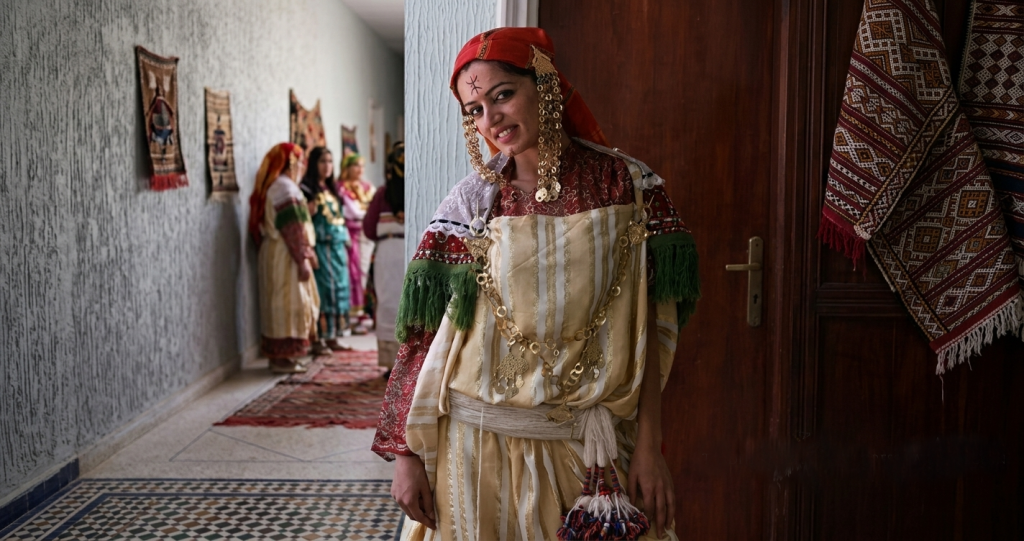
Jewellery frequently carried meanings connected to:
- Tribal identity
- Fertility
- Spiritual protection
- Family wealth
- Marriage status
Silver became especially important because it functioned both as adornment and portable wealth.
Some bridal jewellery collections historically weighed several kilograms due to the enormous quantity of layered ornaments worn during ceremonies.
Geometric motifs found in Amazigh embroidery and jewellery often symbolized:
- Protection
- Nature
- Fertility
- Spiritual balance
- Ancestral continuity
Tunisia’s Ottoman period also transformed elite fashion culture.
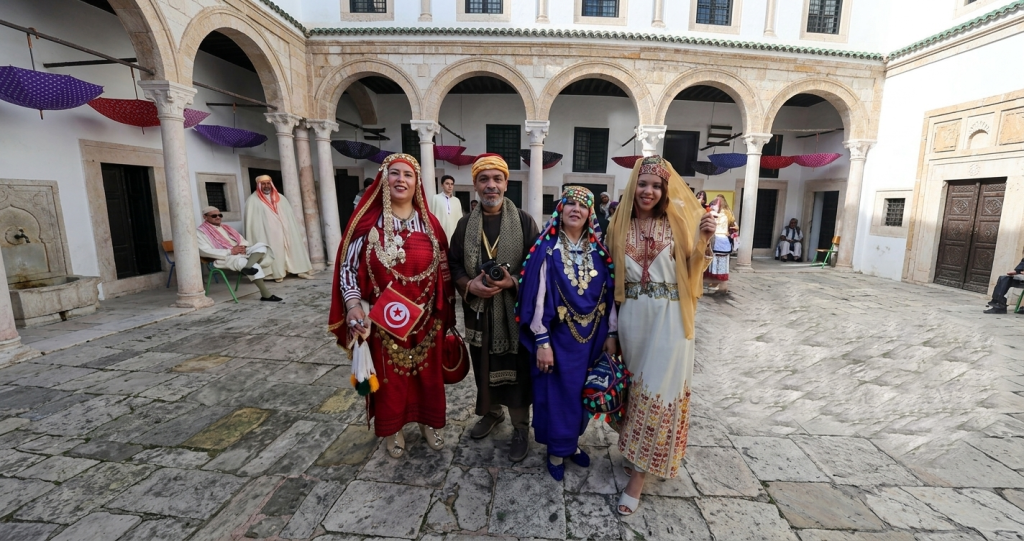
Ottoman influence introduced:
- Luxurious imported fabrics
- Velvet garments
- Layered robes
- Gold embroidery
- Elaborate tailoring
- Courtly aesthetics
Urban centres such as Tunis became important hubs of textile production and Mediterranean fashion exchange.
Hair and beauty traditions in Tunisia historically emphasized grooming, fragrance, and ritual self-care.
Women traditionally practiced:
- Braiding
- Henna decoration
- Scented oil treatments
- Hair perfuming
- Hammam beauty rituals
The hammam, or public bath tradition, became central to Tunisian beauty culture.
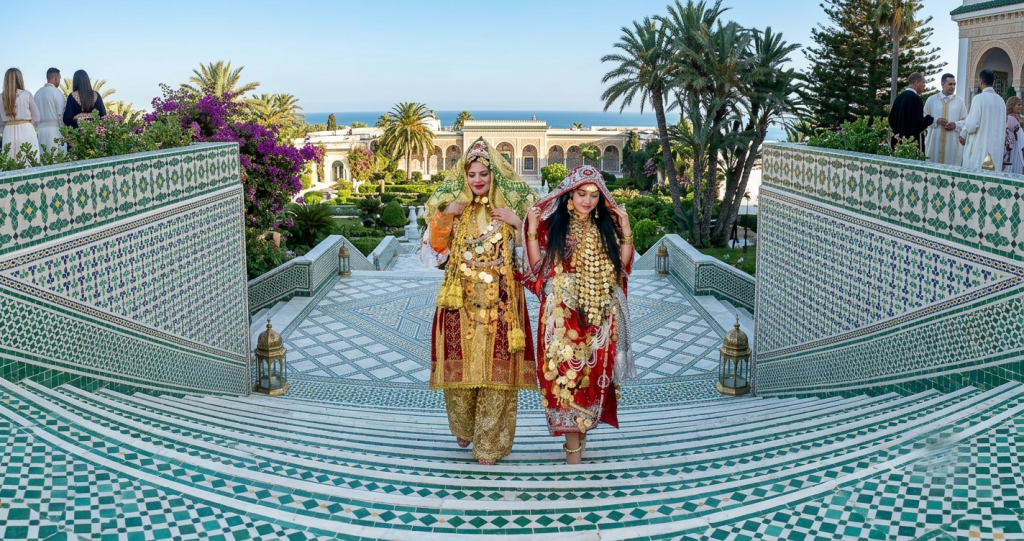
These bath rituals involved:
- Cleansing
- Exfoliation
- Perfuming
- Hair treatment
- Social gathering
- Bridal preparation
Henna traditions also played major ceremonial roles during:
- Weddings
- Religious celebrations
- Family ceremonies
- Festivals
Hair and skin care frequently used:
- Olive oil
- Rosewater
- Jasmine perfume
- Herbal mixtures
- Scented smoke
Tunisia’s Mediterranean climate and trade connections helped develop a beauty culture strongly associated with fragrance and refinement.
Ancient civilizations also influenced Tunisian aesthetics long before modern Tunisia existed.
The Phoenician city of Carthage and later Roman North Africa contributed to:
- Jewellery craftsmanship
- Cosmetic traditions
- Textile trade
- Mediterranean luxury aesthetics
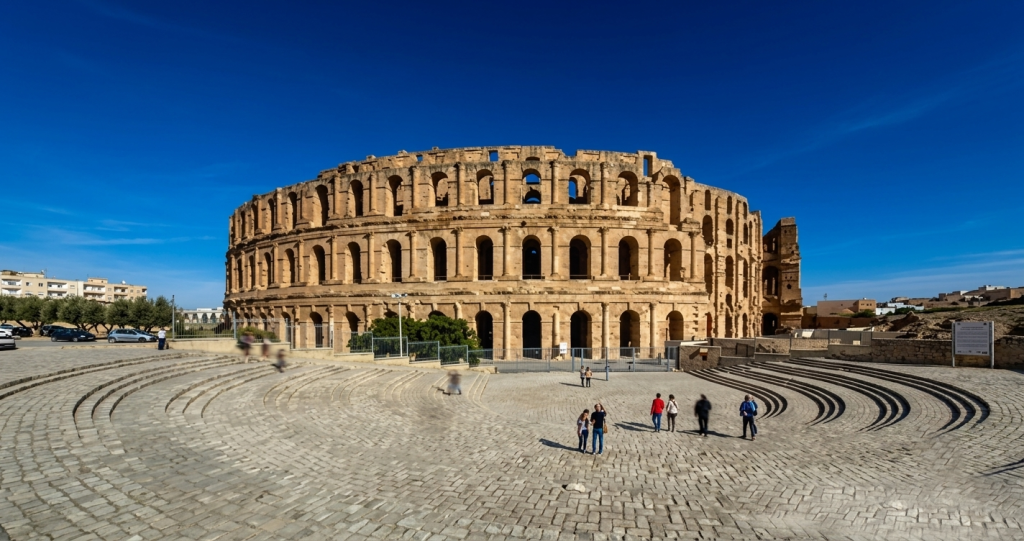
These influences blended over centuries with Islamic and Amazigh traditions to create Tunisia’s unique visual culture.
French colonialism later introduced:
- European tailoring
- Modern couture systems
- Western formalwear
- Parisian fashion influence
Yet Tunisians adapted these styles into distinct North African forms of elegance.
Modern Tunisian fashion now combines:
- Mediterranean chic
- Arab modest fashion
- Amazigh motifs
- European tailoring
- Luxury couture
- Contemporary Afro-Arab aesthetics
The city of Tunis increasingly supports:
- Emerging fashion designers
- Modest fashion industries
- Luxury bridal couture
- Textile revival projects
- Contemporary Mediterranean fashion culture
Young designers now reinterpret traditional embroidery and Amazigh symbolism through modern runway aesthetics.
FASCINATING LESSER-KNOWN FACTS ABOUT TUNISIAN FASHION AND HAIR
- Traditional Tunisian bridal jewellery could weigh several kilograms.
- Silver jewellery historically functioned as portable wealth and spiritual protection.
- Hammam rituals became central to beauty, relaxation, and social life.
- Amazigh geometric motifs often carried symbolic meanings connected to protection and fertility.
- Tunisia’s fashion culture blends African, Mediterranean, Arab, Ottoman, and European influences simultaneously.
- Ancient Carthaginian traditions helped shape regional beauty aesthetics long before modern Tunisia existed.
- Olive oil and jasmine became important ingredients in Tunisian beauty culture.
- The burnous cloak evolved partly for desert and mountain climate protection.
SOURCES
Perkins, K. J. (2014). A History of Modern Tunisia. Cambridge, England: Cambridge University Press.
Eicher, J. B., & Ross, D. A. (1992). Dress and Identity. New York, NY: Fairchild Publications.
Brett, M., & Fentress, E. (1996). The Berbers. Oxford, England: Blackwell Publishers.
Picton, J., & Mack, J. (1989). African Textiles. London, England: British Museum Press.
Rovine, V. L. (2015). African Fashion, Global Style: Histories, Innovations, and Ideas You Can Wear. Bloomington, IN: Indiana University Press.
Mernissi, F. (2001). Scheherazade Goes West: Different Cultures, Different Harems. New York, NY: Washington Square Press.