

THE DEEP CULTURAL HISTORY OF FASHION IN THE REPUBLIC OF THE CONGO (BRAZAVILLE)
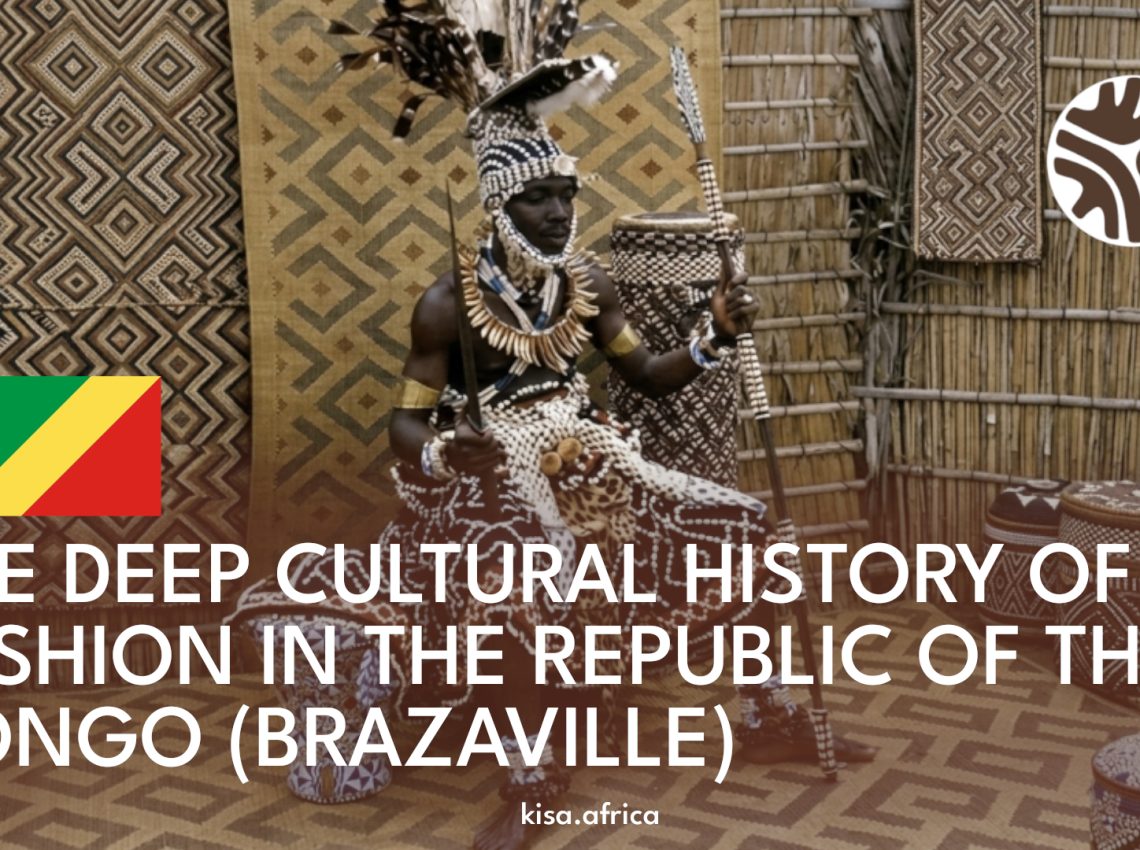
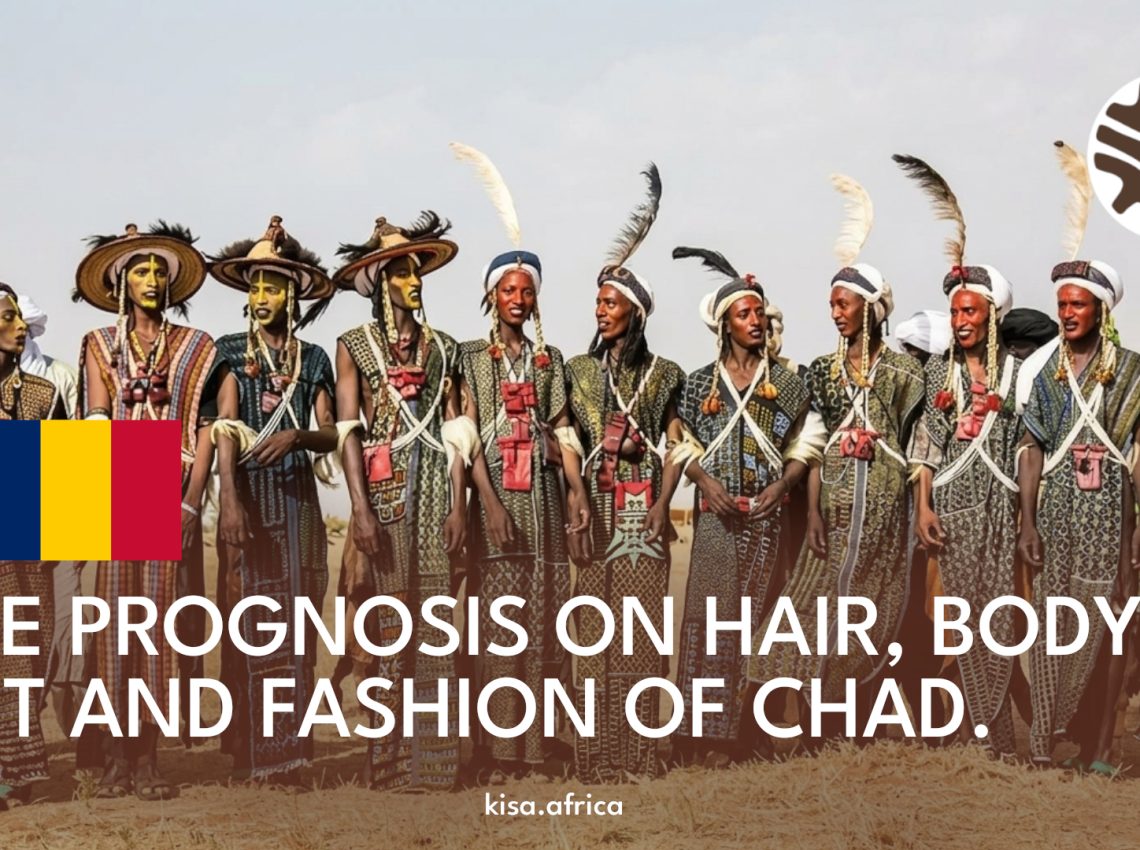
The Republic of the Congo possesses one of the richest fashion identities in Central Africa because its clothing traditions developed from a combination of Kongo royal culture, rainforest societies, spirituality, music, colonialism, and urban performance culture. Fashion in Congo has never been merely decorative. Historically, clothing communicated power, ancestry, spirituality, masculinity, femininity, political resistance, and social intelligence.
Long before European colonization, Congolese societies already possessed sophisticated textile traditions. Many communities produced clothing from raffia fibres, bark cloth, woven grasses, animal hides, and plant-based dyes. Among Kongo-speaking peoples especially, textiles carried symbolic importance connected to kingship and sacred authority.
The historic Kingdom of Kongo, which existed from around the 14th century, influenced much of the region’s cultural aesthetics. Nobles and spiritual leaders wore layered garments, decorated caps, leopard skins, beadwork, iron ornaments, and symbolic staffs. Clothing visually separated rulers from ordinary citizens and reinforced connections to ancestors and spiritual forces.
In many Central African societies, appearance reflected moral discipline and social responsibility. A respected elder or leader was expected to appear composed, elegant, and visually dignified. This cultural respect for presentation later became important in the rise of modern Congolese fashion movements like La Sape.
TRADITIONAL CLOTHING BEFORE COLONIALISM
Before European fabrics became dominant, Congolese communities used materials sourced directly from forests and rivers.
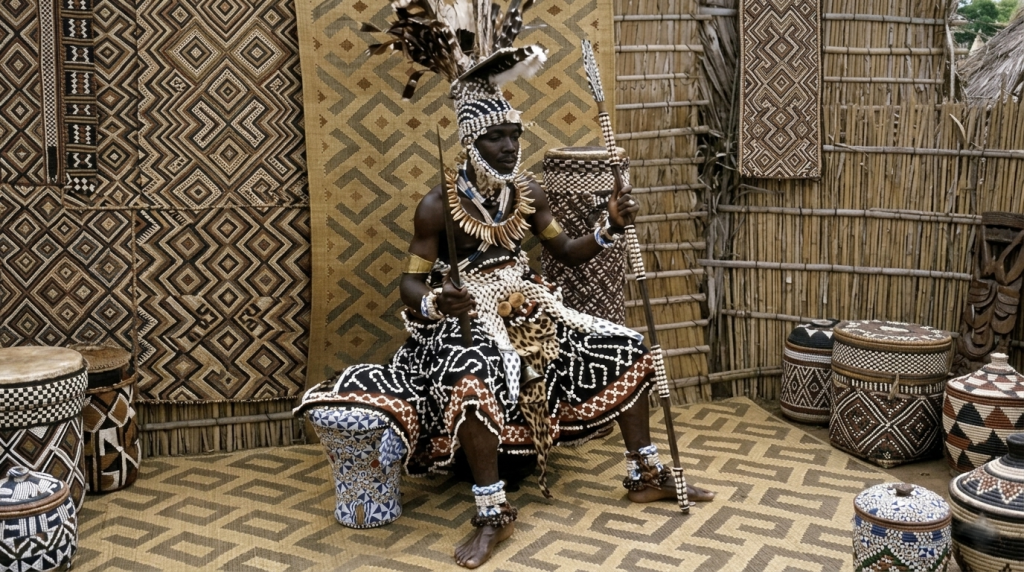
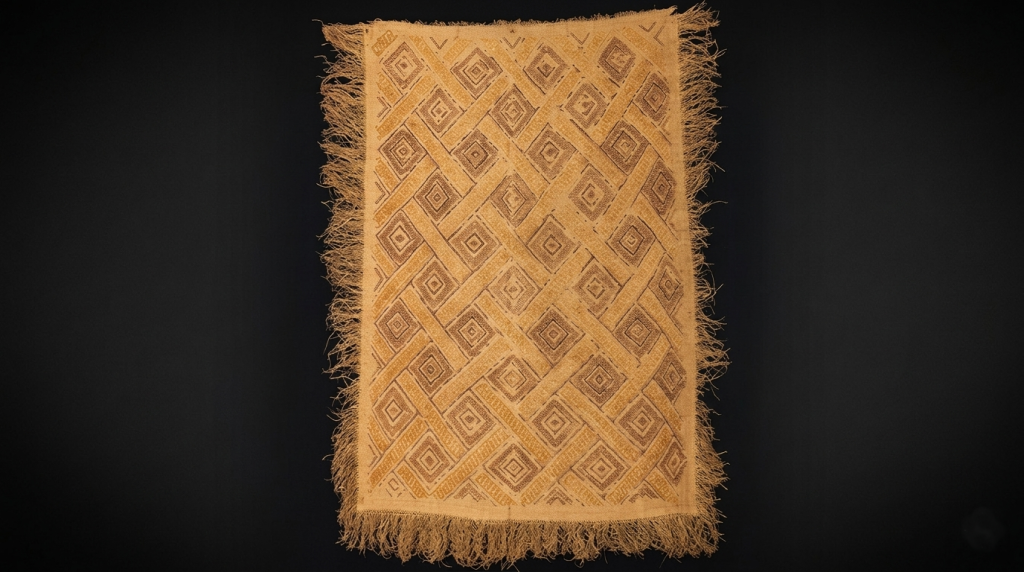
One of the most important materials was raffia cloth, made from palm fibres. Raffia weaving required extraordinary labour and craftsmanship. Cloth could be softened, dyed, embroidered, or layered for ceremonial use. In some areas, bark cloth was also produced by beating tree bark into flexible textile-like sheets.
Animal symbolism mattered greatly. Leopard skins were associated with kingship and authority because the leopard represented power, intelligence, and spiritual force. Chiefs and ritual specialists often wore garments incorporating animal imagery to demonstrate sacred legitimacy.
Beadwork also carried social meaning. Imported beads from trade networks sometimes became symbols of wealth and prestige. Jewellery made from shells, copper, ivory, and iron communicated status, age, or clan affiliation.
Unlike the stereotype that precolonial African fashion was simple, many Congolese ceremonial outfits were highly structured and visually complex. Some royal garments required specialized artisans and could only be worn by elite individuals.
SPIRITUALITY AND CLOTHING
Among Kongo-related peoples, clothing often existed within a spiritual worldview where appearance affected relationships with ancestors and unseen forces.
Ritual specialists, diviners, and healers frequently wore distinctive attire designed to channel spiritual authority. White clay, shells, feathers, mirrors, and symbolic objects were integrated into ceremonial appearance.
White was particularly significant because it symbolized the spirit world, purity, transition, and ancestral connection. Certain rituals involved painting the body or decorating garments with white materials to invoke spiritual protection.
Some ceremonial hairstyles were also connected to spirituality. Hair was not viewed merely as aesthetic but as spiritually meaningful. Elaborate grooming reflected discipline, maturity, and social belonging.
THE ORIGINS OF LA SAPE
The most globally recognized Congolese fashion movement is undoubtedly La Sape — La Société des Ambianceurs et des Personnes Élégantes (“The Society of Ambiance-Makers and Elegant People”).
Many outsiders mistakenly think La Sape is simply African men copying European fashion. The movement is historically layered and deeply political.
Its roots began during French colonialism when Congolese workers, soldiers, and servants encountered European suits worn by colonial administrators. Clothing immediately became associated with authority, power, education, and modernity.
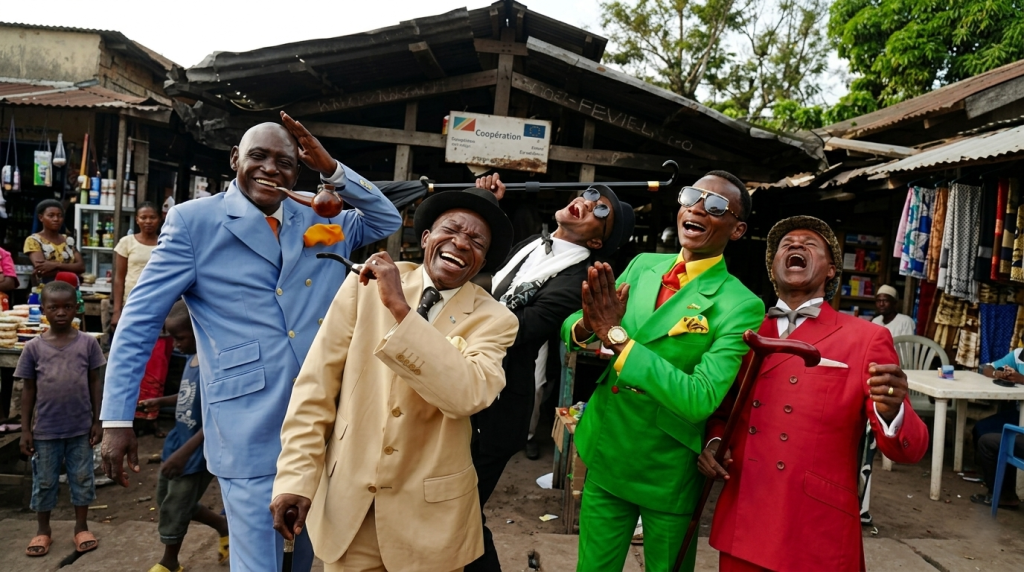
However, Congolese men did not merely imitate Europeans. Over time, they transformed European tailoring into something entirely new theatrical, colourful, exaggerated, philosophical, and unmistakably African.
The movement expanded dramatically after World War II, especially among Congolese migrants who worked in France. Returning migrants brought Parisian fashion culture back to Brazzaville and Kinshasa, where elegant dressing evolved into a form of performance art and social identity.
By the late 20th century, La Sape had become internationally famous.
LA SAPE AS RESISTANCE AND IDENTITY
One of the most misunderstood aspects of La Sape is its connection to anti-colonial psychology.
During colonial rule, Africans were often portrayed by Europeans as primitive or uncivilized. Sapeurs directly challenged those racist assumptions through extreme elegance, sophistication, and discipline.
The movement essentially declared:
“We define dignity ourselves.”
A Congolese man from a poor neighbourhood could become socially admired through elegance, confidence, and self-presentation rather than wealth alone.
This transformed fashion into:
- Social resistance
- Psychological empowerment
- Artistic self-expression
- Urban identity
- Masculine performance culture
Some sapeurs spent years saving money for designer suits from Paris, Milan, or Brussels. Yet the clothing itself was only part of the philosophy.
True sapeurs were expected to:
- Speak respectfully
- Avoid violence
- Display composure
- Practice charm and wit
- Maintain polished manners
In this way, La Sape became almost like a moral code.
THE PERFORMANCE CULTURE OF SAPEURS
Being a sapeur involves performance as much as dressing.
Public appearances often include:
- Slow stylized walking
- Posing rituals
- Coordinated gestures
- Competitive elegance displays
- Colour symbolism
- Carefully matched accessories
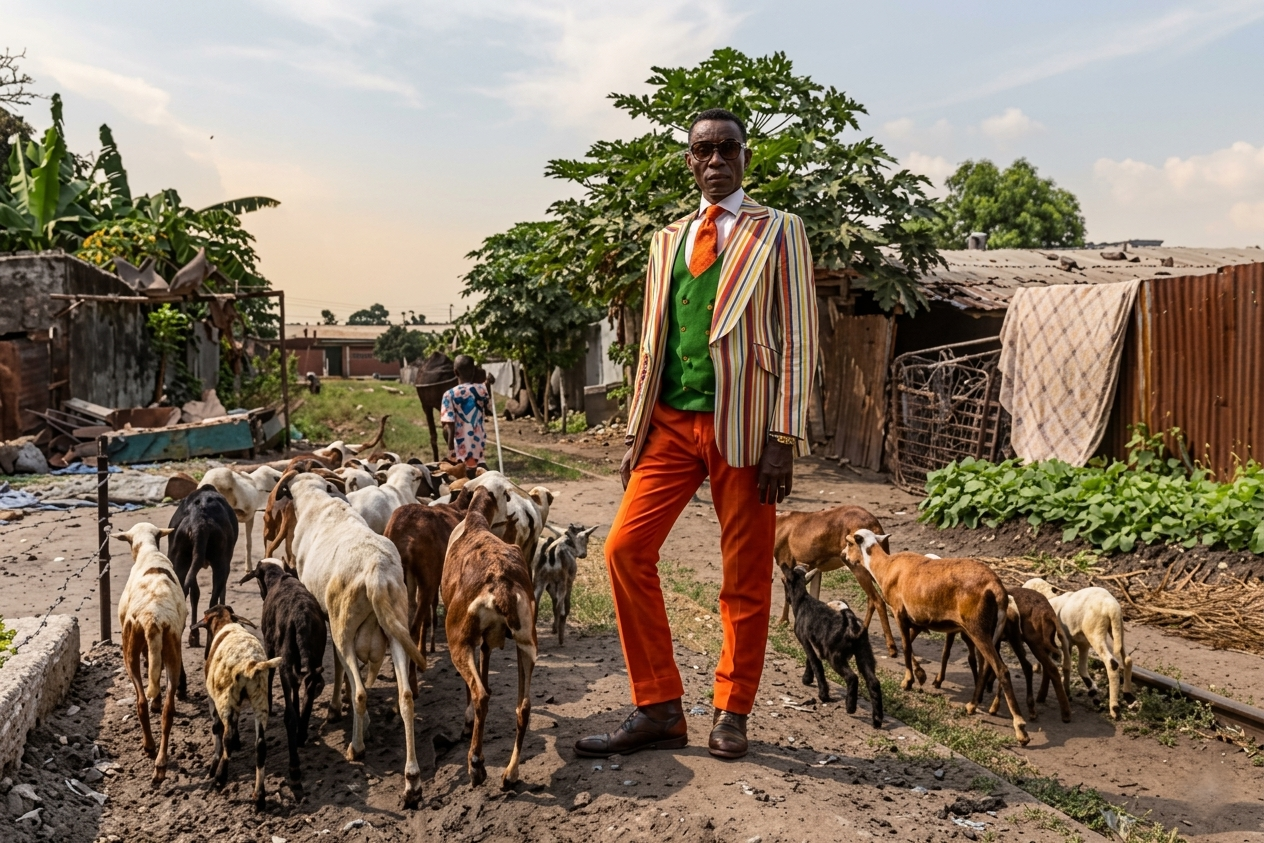
Bright colours became especially important because Congolese aesthetics embraced visual boldness rather than restrained European minimalism. A sapeur might combine:
- Lime green suits
- Pink socks
- Red hats
- Patterned ties
- Two-tone shoes
The goal was controlled extravagance. Some neighbourhoods became famous for local sapeur rivalries where men competed through elegance rather than violence. Fashion became a peaceful form of masculine competition.
COLONIAL FEAR OF ELEGANT AFRICANS
One little-known historical fact is that colonial authorities sometimes viewed highly fashionable Africans with suspicion.
Elegant dress disrupted colonial racial hierarchies because it contradicted stereotypes of African inferiority. Some European observers were uncomfortable seeing African men displaying refinement equal to or exceeding colonial officials.
In certain cases, authorities worried that fashion consciousness encouraged political self-confidence and urban solidarity among colonized populations.
This reveals why fashion in Congo cannot be separated from politics and identity.
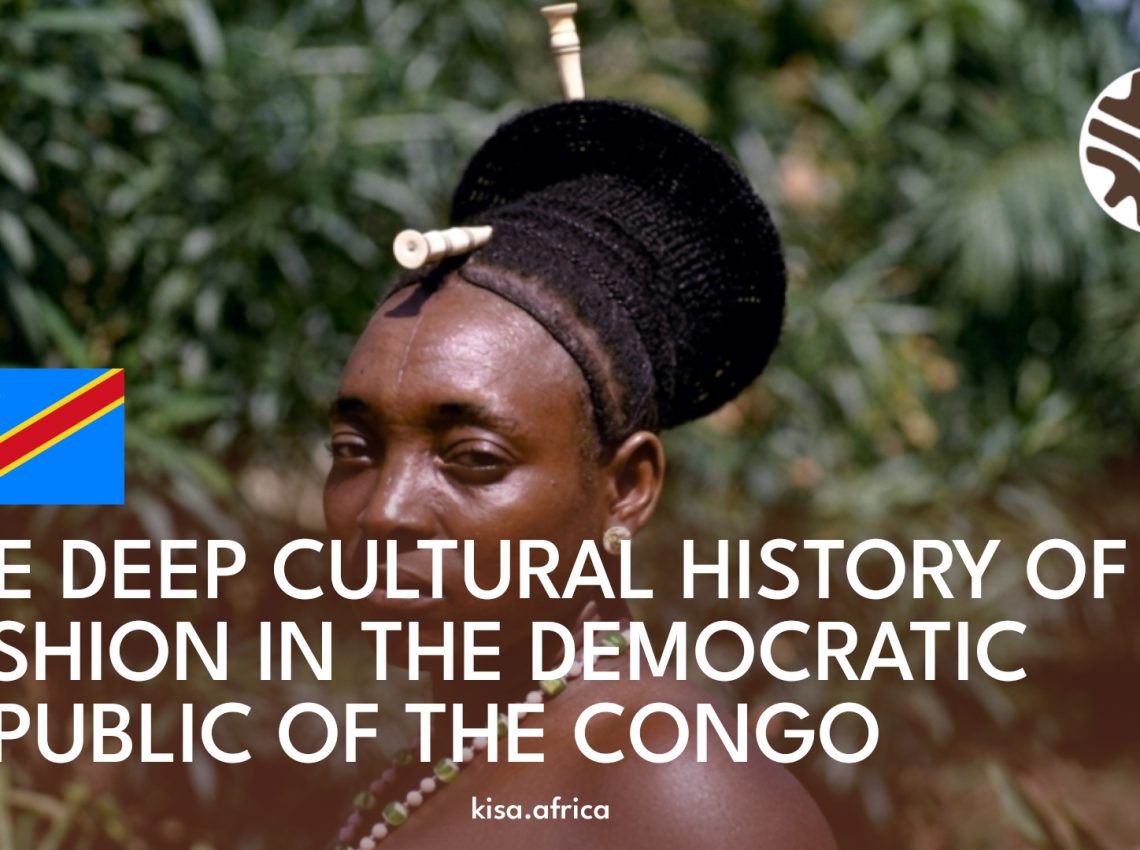
TRADITIONAL HAIRSTYLES IN CONGO
Hair traditions across Congo were extremely diverse because the country contains many ethnic groups with distinct customs.
Hairstyles often indicated:
- Age
- Marital status
- Clan identity
- Spiritual initiation
- Social rank
Styles included:
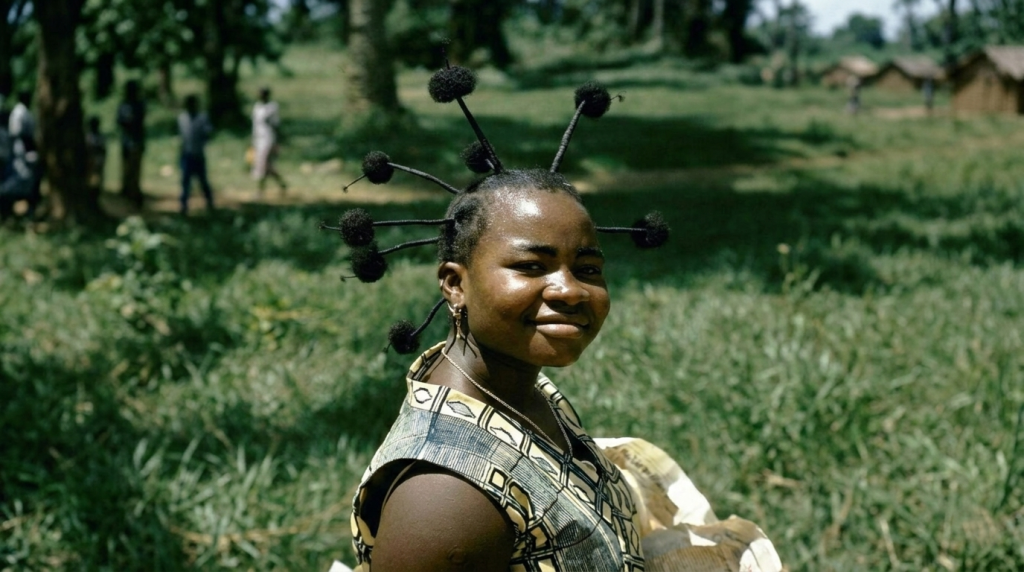
- Sculptural braiding
- Geometric shaved patterns
- Twisted coils
- Decorated plaits
- Clay-coated hair arrangements
Palm oil and herbal mixtures protected hair from dryness and maintained shine. Hairdressing itself was a communal activity where women gathered for hours to braid, style, and exchange oral traditions.
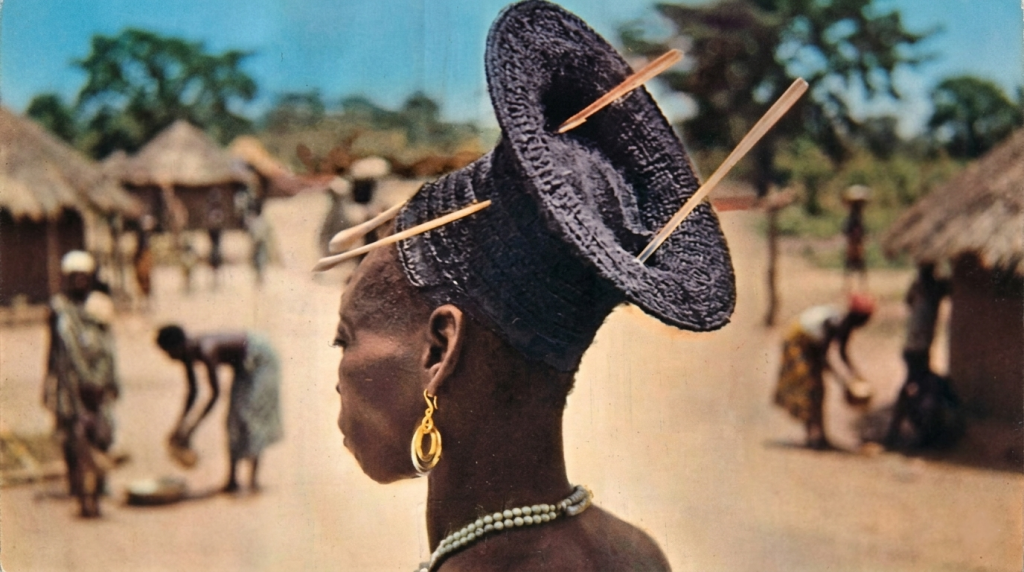
Certain hairstyles were reserved for initiations into adulthood or ceremonial dances. Some communities believed hair carried spiritual energy, meaning grooming required care and ritual respect.
MUSIC AND FASHION IN MODERN CONGO
Modern Congolese fashion cannot be separated from music.
Genres like:
- Soukous
- Rumba Congolese
• Ndombolo
heavily influenced hairstyles, tailoring, dance fashion, and urban aesthetics throughout Central Africa.
Musicians became major style icons. Stage costumes featuring:
- Bright suits
- Embroidered jackets
- Pointed shoes
- Sunglasses
- Gold accessories shaped youth fashion across the region.
Artists from both Brazzaville and Kinshasa helped make Congolese fashion internationally recognizable.
LESSER-KNOWN FACTS ABOUT CONGOLESE FASHION
Sapeurs Sometimes Live Modestly While Dressing Luxuriously
Some sapeurs prioritize clothing over almost everything else. A man living in a modest neighbourhood may own extraordinarily expensive designer outfits.
Elegance Is Considered a Moral Discipline
True sapeurs are traditionally expected to behave peacefully and respectfully. Aggression is considered incompatible with elegance.
Fashion Competitions Replaced Violence in Some Areas
In certain urban communities, rivalries were expressed through style battles instead of physical conflict.
Congolese Music Spread Fashion Across Africa
Soukous musicians heavily influenced clothing trends in countries far beyond Congo, including Kenya, Cameroon, Ivory Coast, and France.
Colour Symbolism Matters
Sapeurs often study colour coordination intensely. Clashing colours intentionally and elegantly is considered an advanced fashion skill.
SOURCES (APA STYLE)
Friedman, J. (1994). Consumption and identity in global culture. Sage Publications.
Gondola, C. D. (1999). Dream and drama: The search for elegance among Congolese youth. African Studies Review, 42(1), 23–48.
Martin, P. (2009). Le phénomène de la SAPE au Congo. Paris: L’Harmattan.
Rabine, L. (2002). The global circulation of African fashion. Berg Publishers.
Tonda, J. (2005). Le souverain moderne: Le corps du pouvoir en Afrique centrale. Karthala.
Thomas, D. (2013). Fashioning identity in the Congos: Clothing, performance, and postcolonial modernity. Journal of African Cultural Studies, 25(2), 145–163.
UNESCO. (2021). Congolese rumba and Central African cultural identity.
MacGaffey, W. (1986). Religion and society in Central Africa: The BaKongo of Lower Zaire. University of Chicago Press.