
THE DEEP CULTURAL HISTORY OF FASHION IN THE DEMOCRATIC REPUBLIC OF THE CONGO
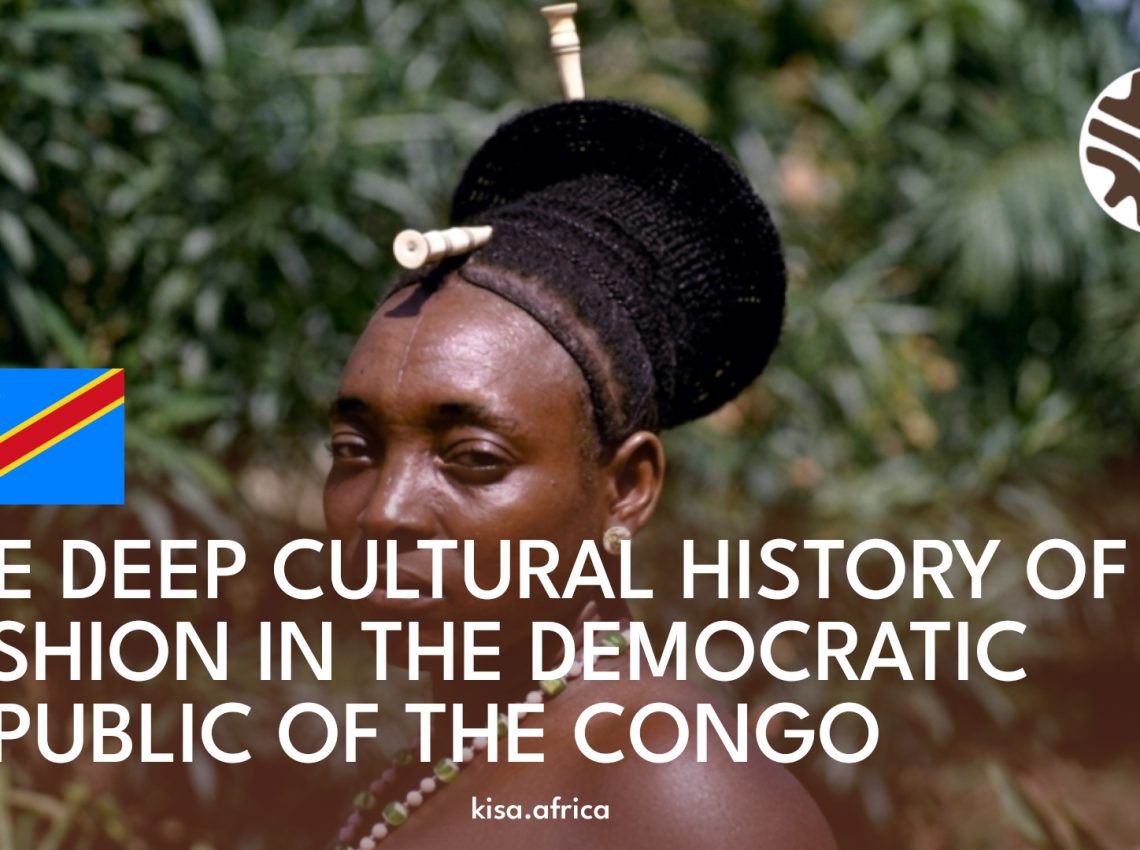
The Democratic Republic of the Congo possesses one of the most culturally diverse fashion histories in the world. With hundreds of ethnic groups, enormous ecological diversity, and centuries of kingdoms, migrations, trade, and artistic innovation, fashion in the DRC developed as an incredibly sophisticated language of identity.
Clothing, hairstyles, scarification, jewellery, and body decoration historically communicated:
- Social status
- Clan identity
- Spiritual power
- Gender roles
- Age and maturity
• Royal authority
- Ancestral lineage
- Ritual participation
Long before European colonization, Congolese societies had already developed highly advanced textile industries, hairstyling systems, and aesthetic traditions. In many communities, artistic skill was deeply respected, and appearance was considered connected to morality, discipline, spirituality, and intelligence.
THE KINGDOMS AND ARTISTIC CIVILIZATIONS OF THE CONGO BASIN
The DRC historically contained powerful states and artistic cultures such as:
- The Kuba Kingdom
- The Luba Kingdom
- The Kongo Kingdom
- The Lunda Empire
- Mangbetu courts
- Songye and Chokwe societies
Each developed distinctive clothing traditions and visual identities.
Unlike the colonial stereotype that African fashion was primitive or undeveloped, many Congolese textile systems required extraordinary mathematical precision, symbolic knowledge, and labour specialization.
KUBA TEXTILES: ONE OF AFRICA’S GREATEST TEXTILE TRADITIONS
Among the most celebrated artistic achievements in African fashion history are the textiles of the Kuba peoples.
Kuba cloth was traditionally made from raffia palm fibres harvested, softened, dyed, embroidered, and woven into intricate geometric compositions. Producing a single high quality textile could require weeks or even months of labour.
The patterns were not random decoration. Many designs reflected:
- Status and hierarchy
- Clan identity
- Spiritual symbolism
- Historical memory
- Mathematical rhythm
- Social prestige
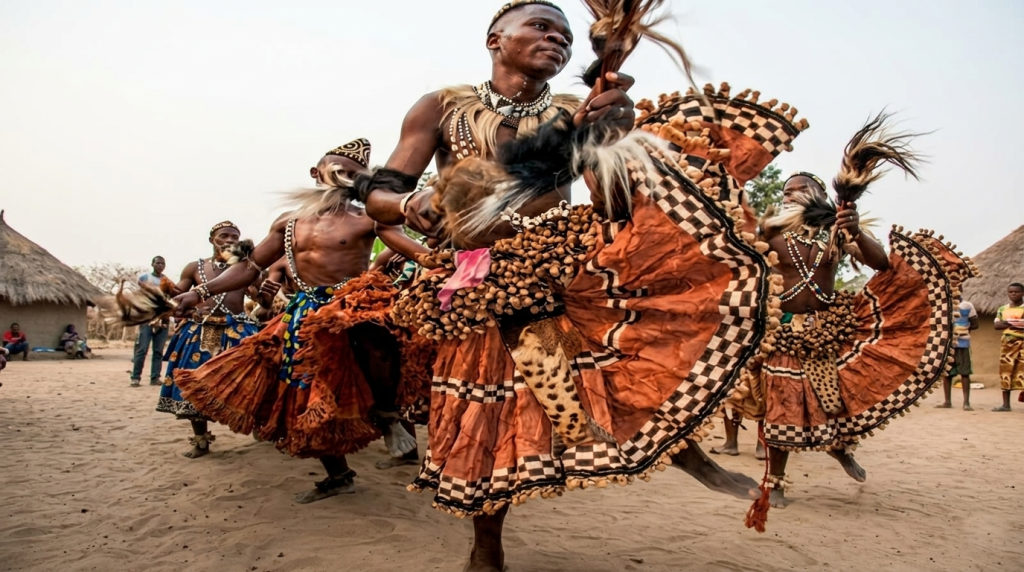
Some scholars compare Kuba textile design principles to modern abstract art because of their complex geometry and asymmetry. In fact, many modern interior designers and luxury fashion brands have drawn inspiration from Kuba aesthetics without many people realizing the origin of those patterns.
Kuba cloth served multiple purposes:
- Royal attire
- Ceremonial dress
- Burial cloth
- Currency
- Diplomatic gifts
- Dowry exchanges
Textiles therefore carried economic and political importance in addition to beauty.
CLOTHING AND ROYAL POWER
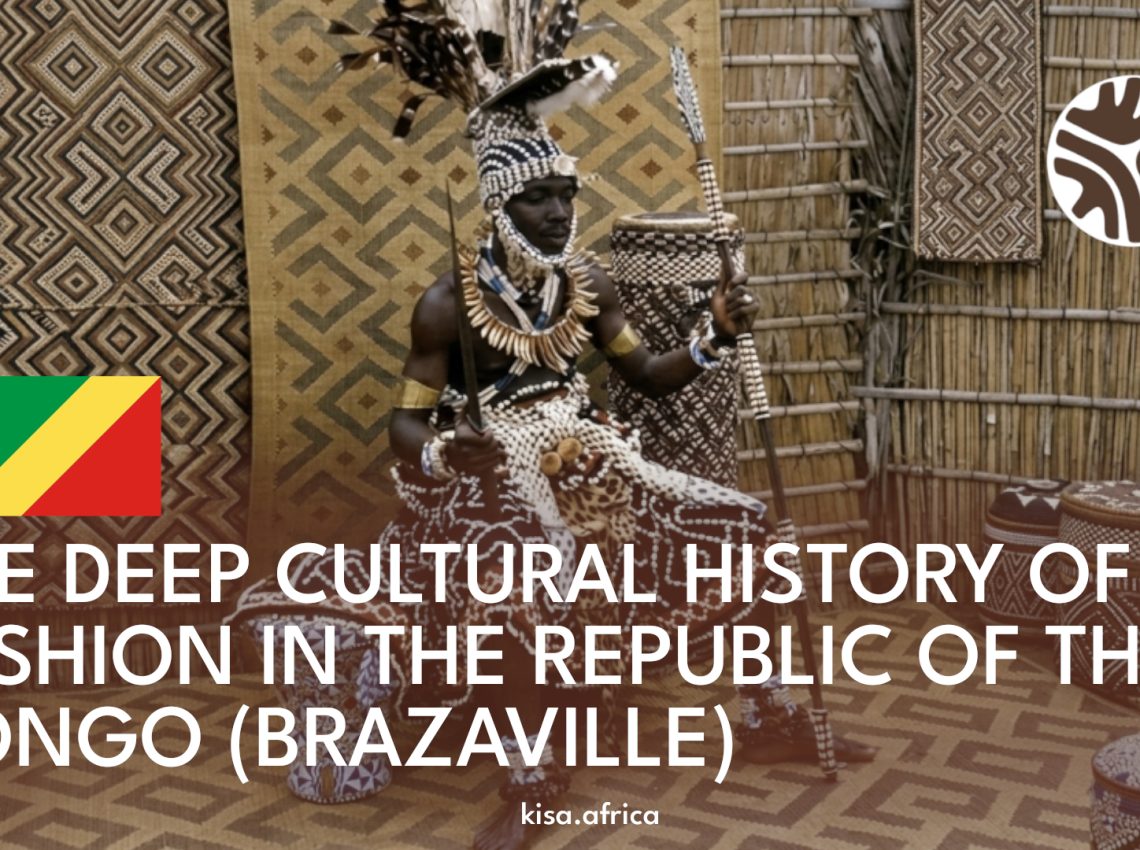
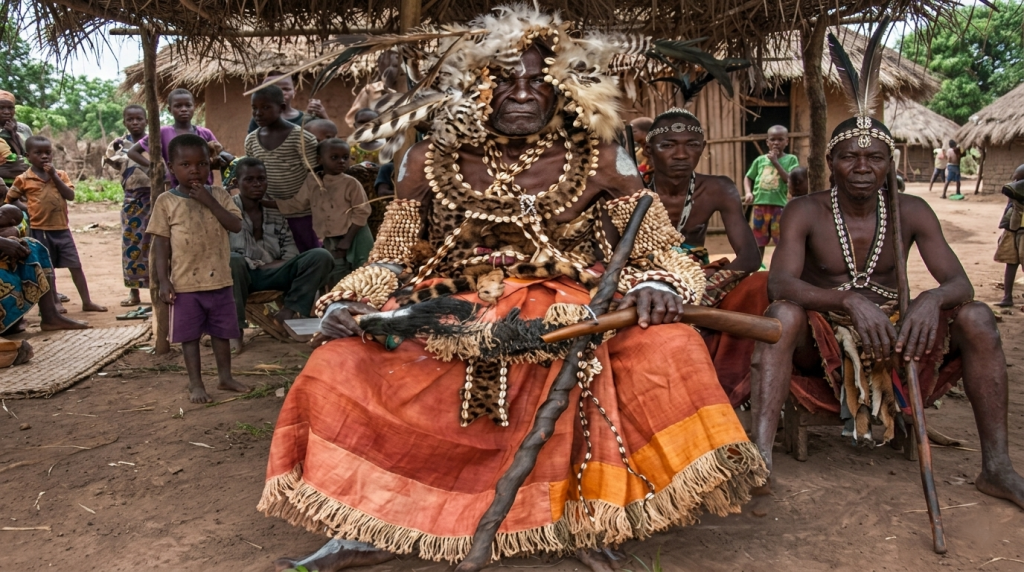
In many Congolese kingdoms, rulers distinguished themselves visually through elaborate clothing and regalia.
Chiefs and nobles often wore:
- Leopard skins
- Raffia skirts
- Feathered headdresses
- Beaded jewellery
- Copper ornaments
- Sculptural staffs
- Decorative belts
Animal symbolism played an important role. Leopards especially represented intelligence, power, and sacred kingship.
Royal courts were visually theatrical environments. Appearance reinforced political authority, and artisans who produced elite clothing were often highly respected specialists.
Some garments could only be worn by initiated elites or royal families. Violating dress codes in certain kingdoms historically carried serious consequences because clothing represented sacred order.
HAIR AS SPIRITUAL IDENTITY
Hair in the DRC historically carried immense cultural and spiritual significance.
Across many Congolese societies, hair symbolized:
- Spiritual vitality
- Fertility
- Discipline
- Beauty
- Social belonging
- Ritual maturity
Hairstyles could take many hours or even several days to complete. Hairdressing itself was often communal and ceremonial. Older women taught younger generations hairstyling techniques alongside cultural knowledge, oral history, and social expectations.
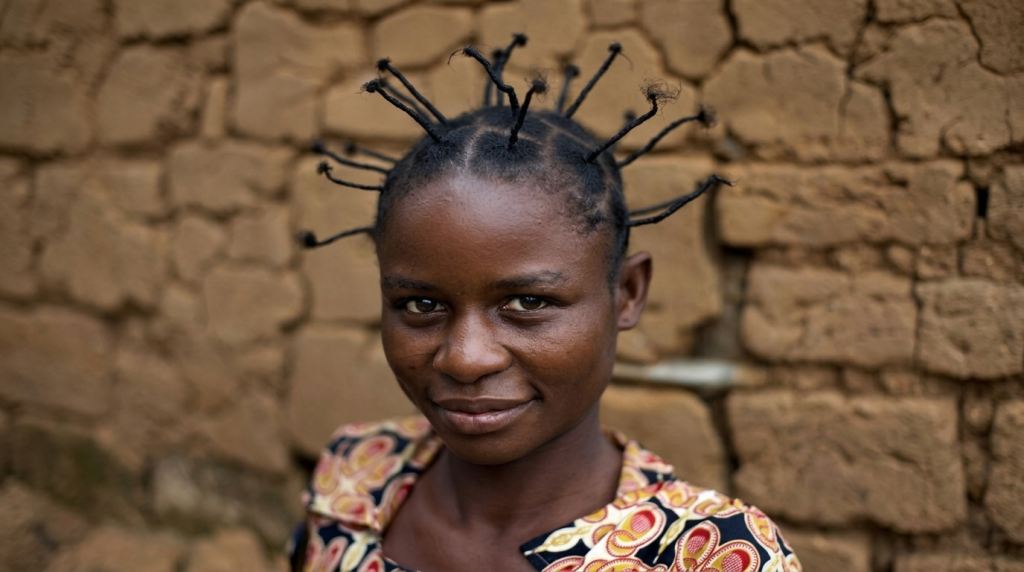
Traditional materials used in hairstyling included:
- Palm oil
- Clay
- Charcoal pigments
- Plant fibres
- Thread wrapping
- Extensions made from natural hair or fibre
Some hairstyles were sculptural masterpieces involving towering forms, woven structures, or intricate geometric partings.
Hairstyles could communicate whether someone was:
- Married
- Mourning
- Spiritually initiated
- Royal
- Transitioning into adulthood
- Participating in ceremonies
This means hair functioned almost like a visual social language.
THE MANGBETU: ELONGATION, ELEGANCE, AND ELITE BEAUTY
One of the most internationally recognized beauty traditions from the DRC comes from the Mangbetu people.
Mangbetu women became famous for both cranial elongation and elaborate hairstyles designed to emphasize the elongated silhouette.
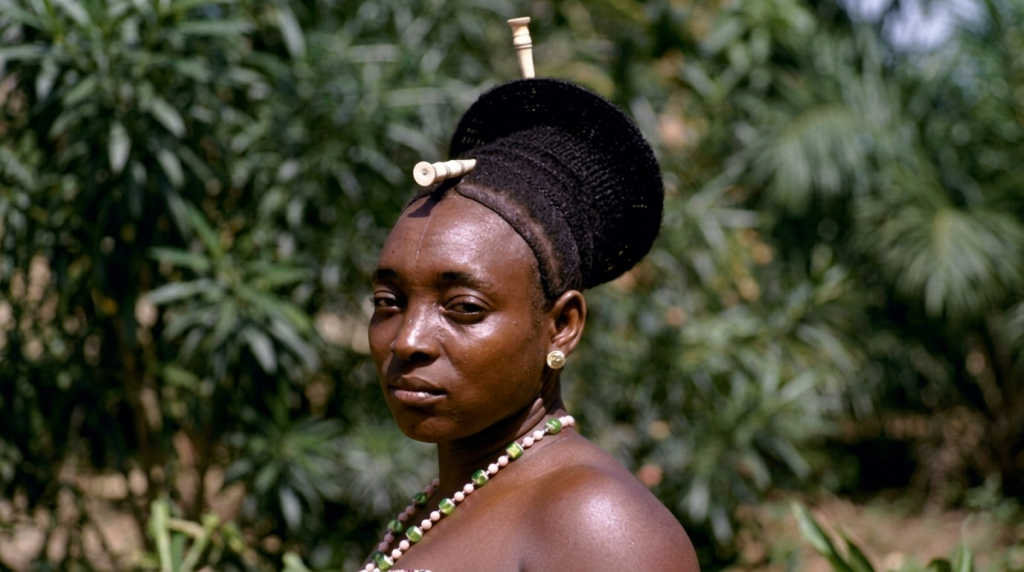
The practice, called lipombo, involved wrapping infants’ heads with cloth during early childhood while the skull was still soft. Over time, the head developed an elongated shape associated with:
- Intelligence
- Nobility
- Beauty
- Elite refinement
Women then created towering hairstyles that amplified this elegant profile using extensions, woven supports, and wrapped hair structures.
European photographers during the colonial period became fascinated with Mangbetu aesthetics, though they often exoticized the practice rather than understanding its cultural meaning.
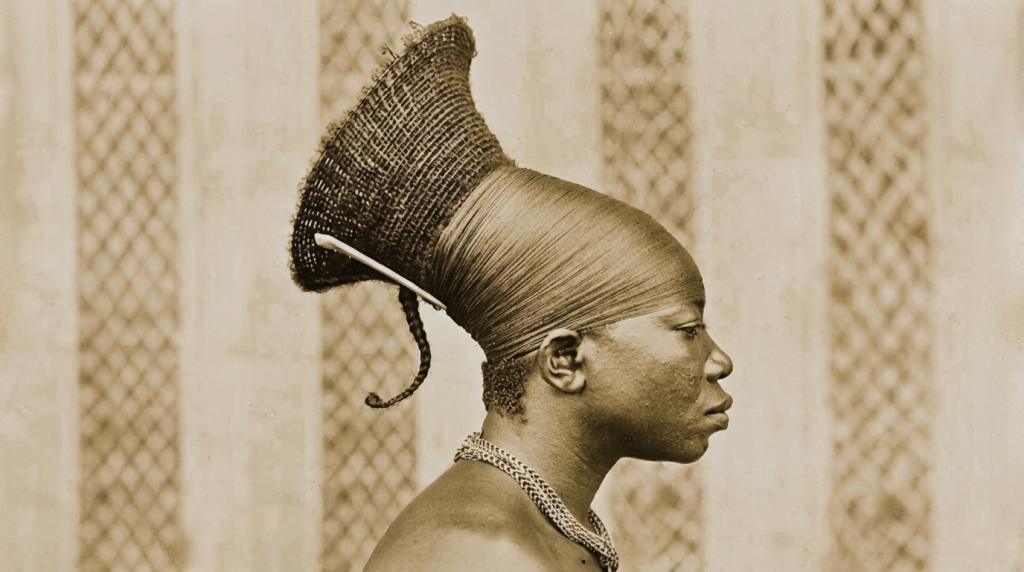
Importantly, cranial elongation was not random body modification. It was connected to concepts of sophistication and aristocratic identity within Mangbetu society.
COLONIALISM AND CULTURAL SUPPRESSION
European colonization profoundly disrupted Congolese dress and hair traditions.
Missionaries and colonial authorities frequently viewed indigenous clothing, hairstyles, and body decoration as “uncivilized” or “pagan.” Many schools and churches pressured Africans to adopt European grooming standards.
Traditional hairstyles were sometimes discouraged because they were associated with spiritual beliefs or ethnic identity. Western clothing increasingly became tied to education, Christianity, and colonial employment.
However, Congolese communities did not simply abandon their traditions. Instead, many practices survived through:
- Ceremonies
- Rural communities
- Dance traditions
- Family rituals
- Music culture
- Secret societies
In some cases, traditional aesthetics merged with imported materials to create entirely new forms of African modernity.
KINSHASA: FASHION CAPITAL OF CENTRAL AFRICA
Modern Kinshasa became one of Africa’s great fashion capitals through music, nightlife, migration, and urban creativity.
Congolese musicians helped shape fashion across the continent, especially through:
- Rumba Congolaise
- Soukous
- Ndombolo
Artists popularized:
- Bright suits
- Pointed leather shoes
- Sunglasses
- Gold accessories
- Tailored jackets
- Experimental hairstyles
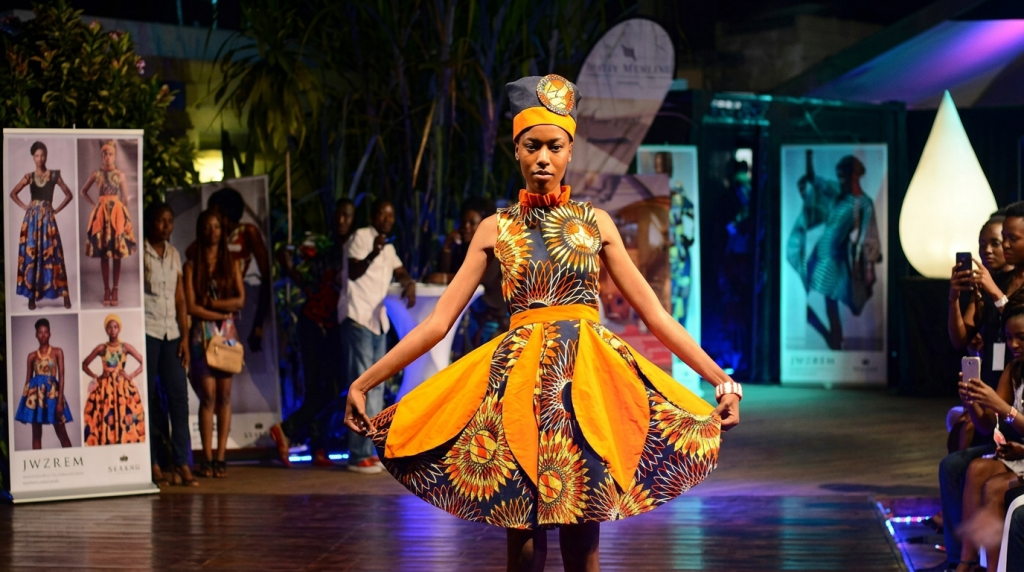
Fashion became strongly connected to music performance culture. Musicians often competed visually through extravagant styling and stage presentation.
Kinshasa’s energy helped transform Congolese fashion into a symbol of creativity despite political instability and economic hardship.
LA SAPE IN THE DRC
Although often associated with Congo-Brazzaville, the philosophy of La Sape also became deeply influential in the DRC, especially in Kinshasa.
Sapeurs in the DRC transformed European tailoring into a distinctly African performance culture centred around:
- Elegance
- Dignity
- Performance
- Colour coordination
- Masculine identity
- Social pride
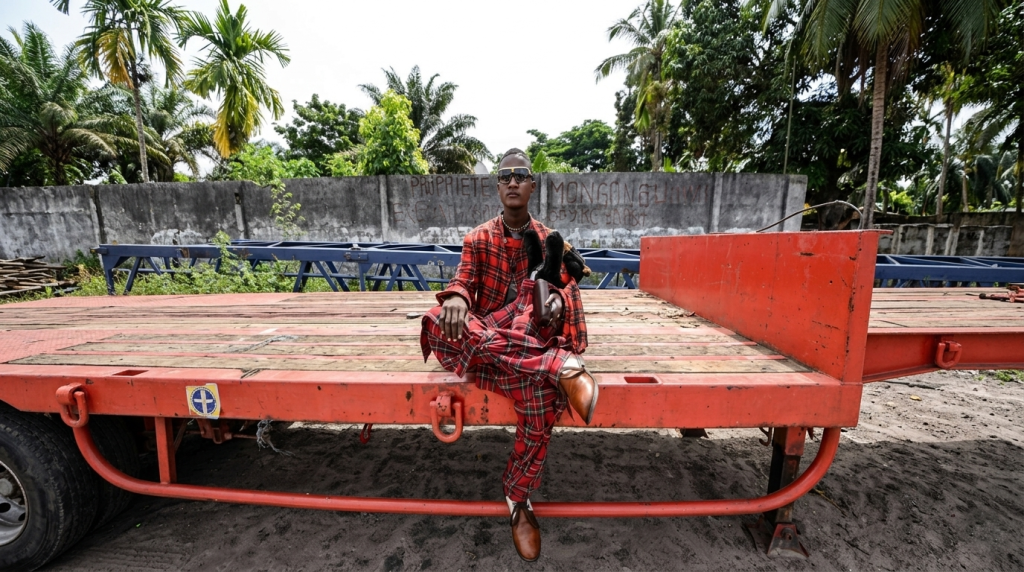
For many young men, fashion became a way to create meaning, status, and artistic identity even within difficult economic conditions.
MODERN CONGOLESE DESIGNERS
Today, Congolese designers increasingly merge traditional heritage with global fashion industries.
Modern fashion often combines:
- Kuba geometric motifs
- Wax prints
- Contemporary tailoring
- Sustainable African textiles
- Avant-garde silhouettes
- Streetwear aesthetics
Designers from the DRC now appear in:
- Paris Fashion Week
- African fashion festivals
- International art exhibitions
- Luxury collaborations
Many are reclaiming Congolese artistic history and presenting it as high fashion rather than ethnographic curiosity.
MODERN HAIR CULTURE IN THE DRC
Modern hair culture in the DRC is extraordinarily vibrant and creative.
Popular styles include:
- Braids
- Lace-front wigs
- Dreadlocks
- Natural Afro styles
- Coloured hair
- Fades and line-ups
- Hair sculpting
- Protective styles
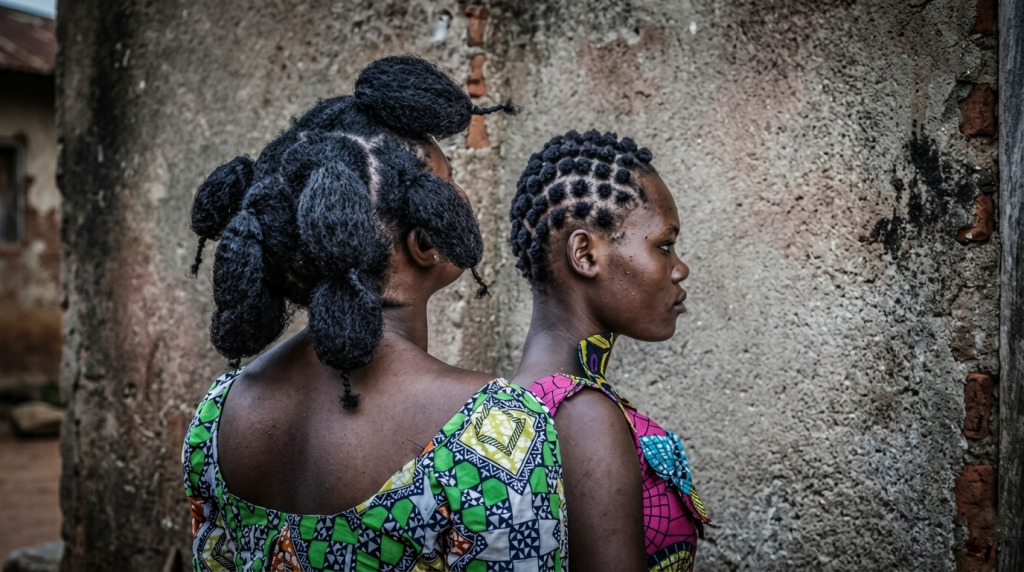
Salon culture is especially important in Kinshasa, where beauty spaces function as social hubs, artistic spaces, and economic centres.
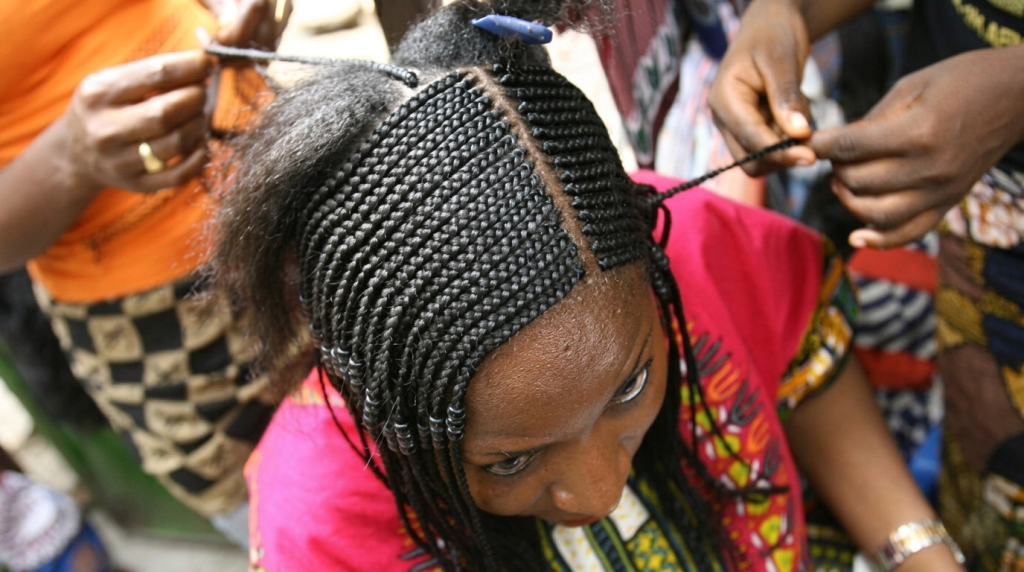
Music videos, diaspora influence, and social media continue shaping trends across Central Africa.
Lesser-Known Facts About Fashion and Hair in the DRC
Kuba Patterns Influenced Global Design
Many modern geometric luxury patterns used in interiors and fashion are directly inspired by Kuba textile traditions.
Hairstyles Were Historically Social Communication Systems
Hair could indicate mourning status, marriage eligibility, initiation level, or spiritual role.
Some Hairstyles Took Several Days
Complex ceremonial styles sometimes required enormous preparation involving multiple women working collaboratively.
Colonial Authorities Feared Indigenous Identity
Traditional hairstyles and clothing were discouraged partly because they reinforced African cultural autonomy.
Congolese Music Spread Fashion Internationally
Congolese musicians became major fashion influencers across Africa, Europe, and the diaspora.
SOURCES (APA STYLE)
Binkley, D., & Darish, P. (2009). Kuba. 5 Continents Editions.
Cornet, J. (1972). Art de l’Afrique noire au pays du fleuve Zaïre. Brussels: Arcade.
Gondola, C. D. (1999). Dream and drama: The search for elegance among Congolese youth. African Studies Review, 42(1), 23–48.
MacGaffey, W. (1986). Religion and society in Central Africa: The BaKongo of Lower Zaire. University of Chicago Press.
Meurant, G. (1986). Shoowa design: African textiles from the Kingdom of Kuba. Thames & Hudson.
Vansina, J. (1964). The Bushong and the Kuba Kingdom. University of Wisconsin Press.
Wolfram, S. (2011). Hair, beauty, and identity in Central African societies. Journal of African Cultural Studies, 23(3), 211–229.
UNESCO. (2021). Congolese rumba as intangible cultural heritage.