
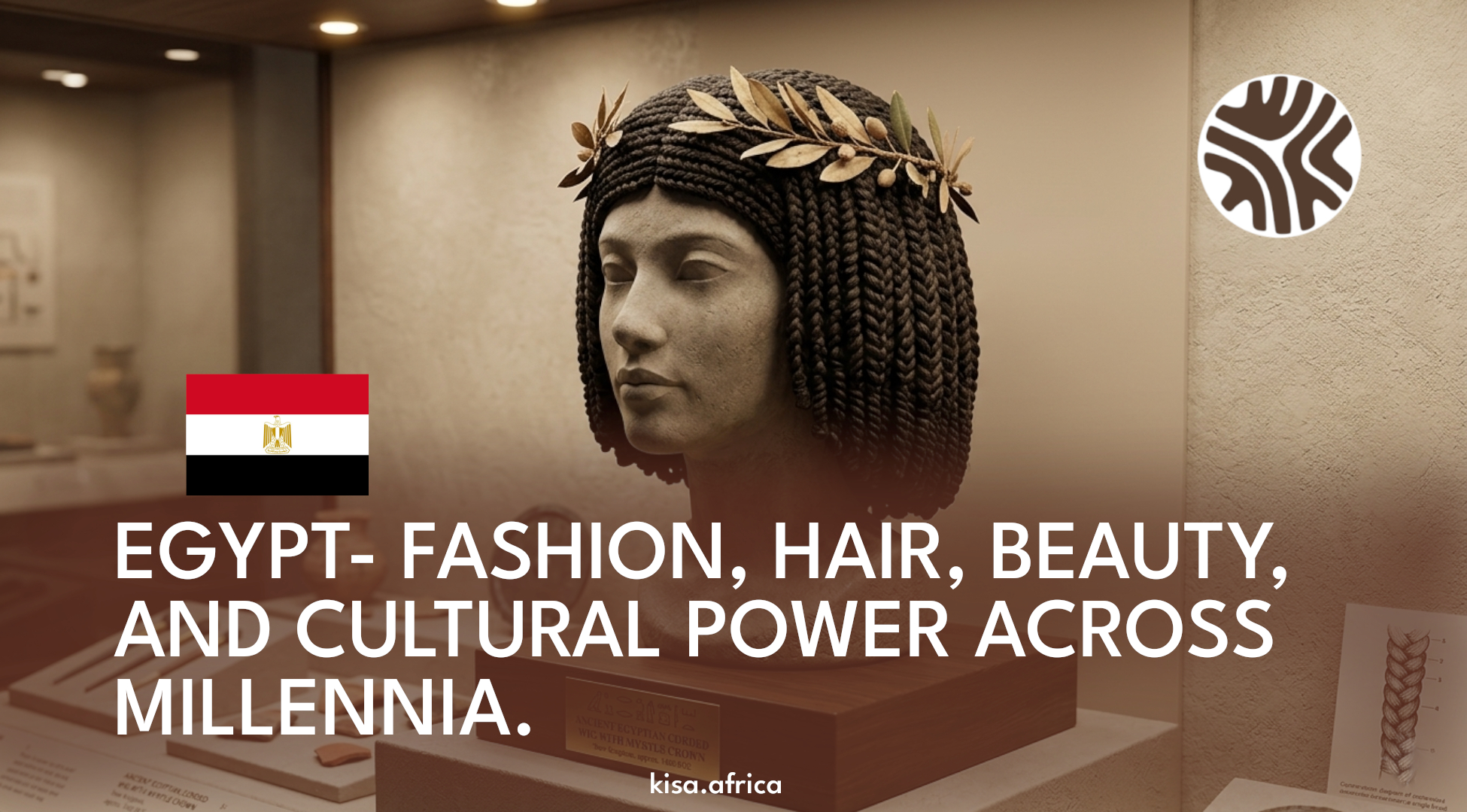
THE DEEP CULTURAL HISTORY OF FASHION IN CÔTE D’IVOIRE
Côte d’Ivoire possesses one of West Africa’s most artistically sophisticated fashion cultures, shaped by centuries of trade, royal courts, spirituality, migration, and craftsmanship. Fashion in Côte d’Ivoire historically functioned as a visual language through which people expressed identity, ancestry, political authority, morality, spirituality, and social rank.
The country contains many cultural groups, including:
- Akan peoples such as the Baoulé and Agni
- Sénoufo communities in the north
- Dan peoples in the west
- Guro, Bété, Yacouba, and many others
Each developed distinctive clothing traditions, textile systems, hairstyles, masks, jewellery, and ceremonial aesthetics.
Unlike the common misconception that traditional African clothing was uniform or simple, Ivorian fashion traditions were often highly structured and symbolically layered. Textile patterns, weaving techniques, colour combinations, hairstyle shapes, and accessories could communicate enormous amounts of social information.
TEXTILE TRADITIONS AND SACRED CLOTH
Before colonialism, cloth production in Côte d’Ivoire already represented a highly respected artistic profession.
Textiles were used for:
- Royal ceremonies
- Funerals
- Marriage rituals
- Initiations
- Political gatherings
- Spiritual performances
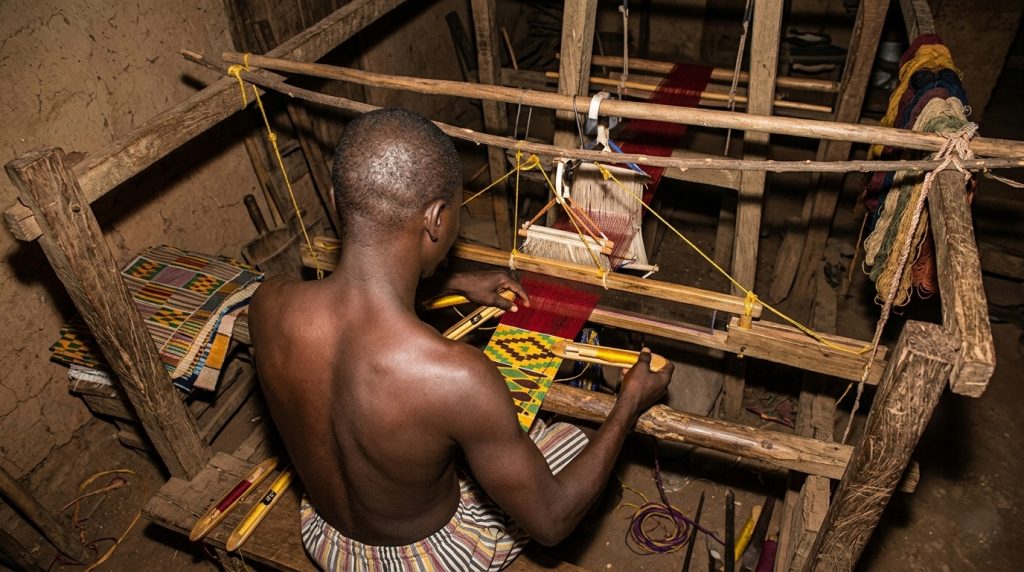
Among Akan-related peoples, woven cloth carried deep philosophical meaning. Although kente cloth is globally associated most strongly with Ghana, Akan communities historically existed across modern national borders, including in Côte d’Ivoire. This means many weaving traditions and symbolic systems were culturally shared across the region long before colonial borders divided territories.
Bright geometric patterns were not random decoration. Specific motifs represented:
- Wisdom
- Leadership
- Unity
- Fertility
- Prosperity
- Courage
- Spiritual protection
Some patterns functioned almost like proverbs translated into visual form.
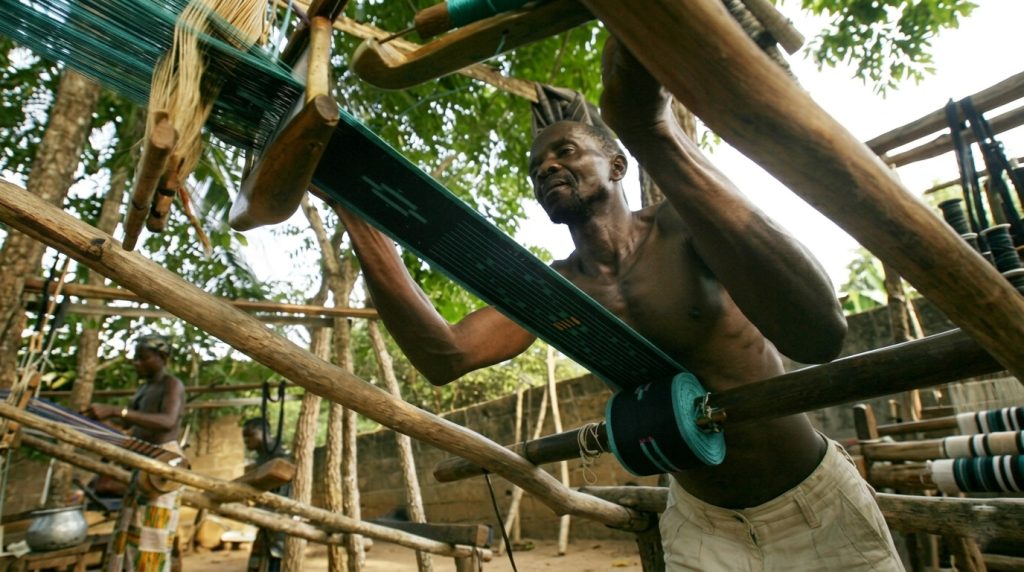
In many communities, high-quality woven cloth symbolized political legitimacy and noble status. Chiefs and royals often possessed ceremonial garments reserved only for major public events.
MALE WEAVERS AND FEMALE TEXTILE SPECIALISTS
One fascinating and lesser-known aspect of Ivorian textile culture is the division of artistic labor.
In several regions:
- Men specialized in weaving narrow strips of cloth on looms
- Women specialized in dyeing, finishing, embroidery, and decorative treatment
This cooperative production system reflected broader social organization. Textile creation was rarely an individual task; it involved networks of specialized knowledge passed through generations.
Some weaving knowledge was hereditary, meaning certain families became famous for producing elite ceremonial cloth.
THE SPIRITUAL WORLD OF SÉNOUFO AND DAN FASHION
The Sénoufo and Dan peoples developed some of the most visually powerful ceremonial aesthetics in West Africa.
For these societies, fashion could not be separated from spirituality and performance.
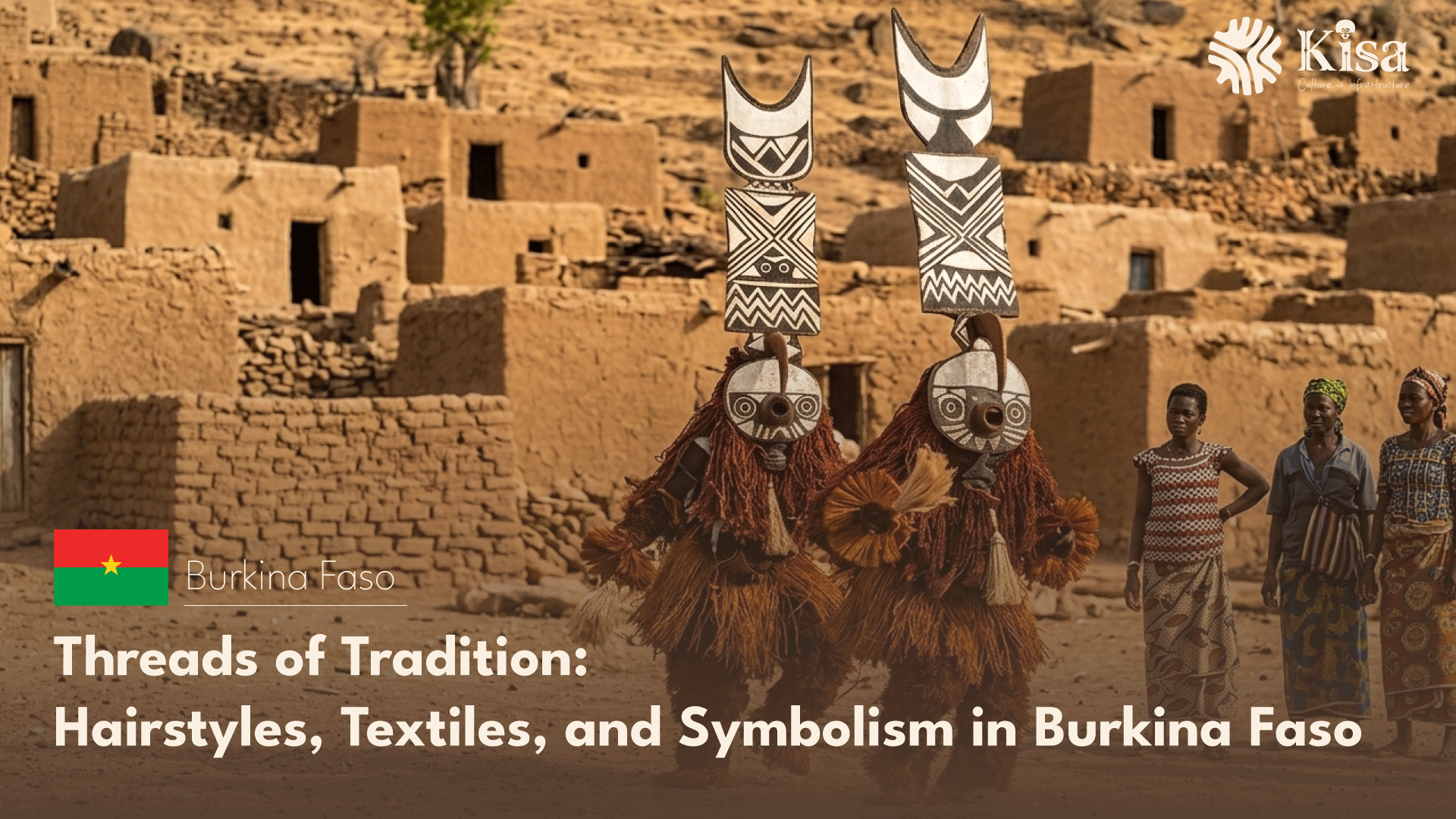
Ceremonial dancers often wore:
- Fiber skirts
- Raffia garments
- Masks
- Beaded decorations
- Painted surfaces
- Animal-inspired costumes
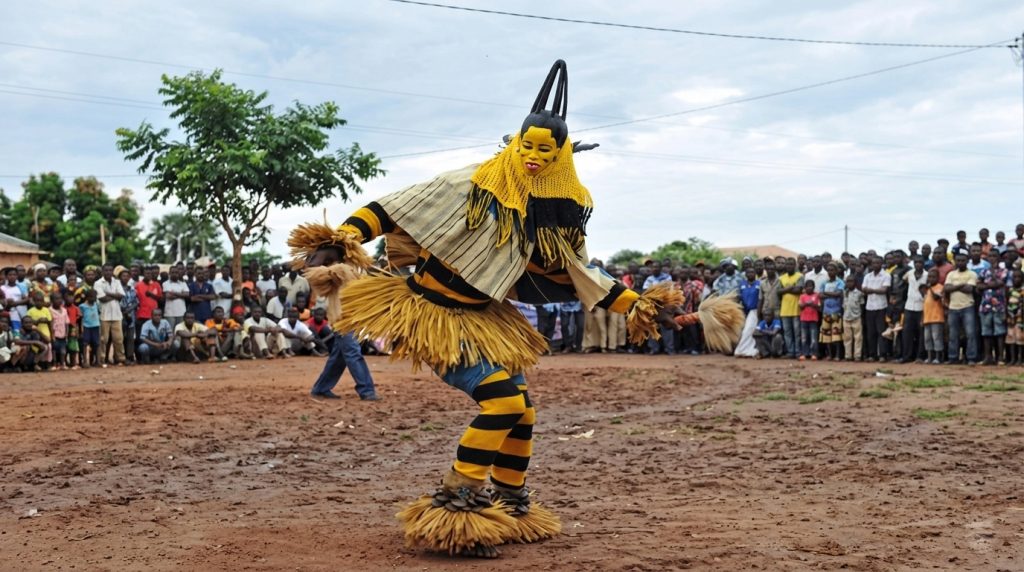
These outfits transformed performers into spiritual intermediaries connecting the living world with ancestors or supernatural beings.
Masks were especially important. In Dan and Sénoufo societies, masks were not merely artistic objects but living spiritual presences activated during rituals, initiations, funerals, and agricultural ceremonies.
The garments accompanying masks helped complete the transformation of the dancer into a sacred being.
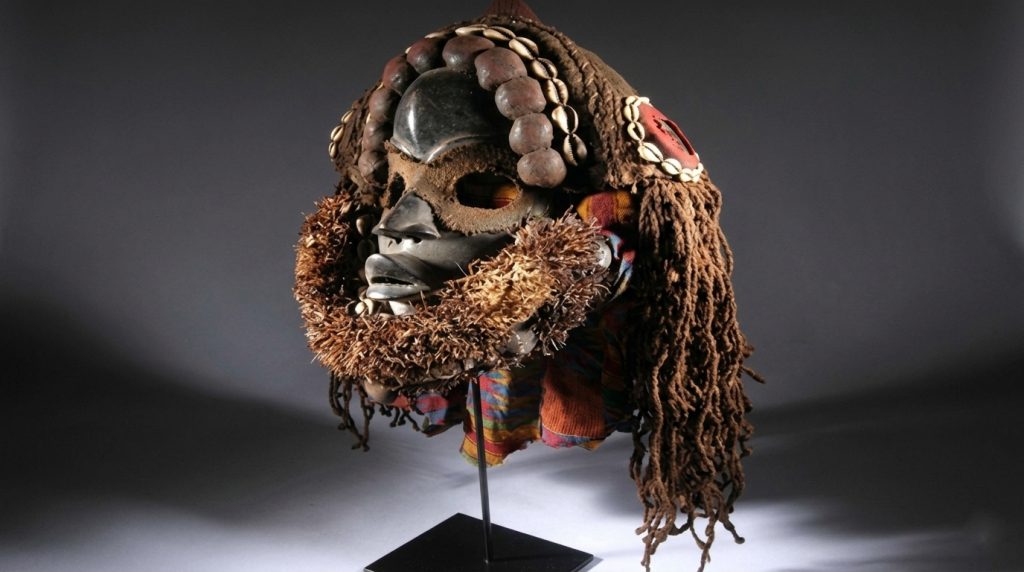
Movement itself mattered. Clothing was designed to interact dramatically with dance, creating swirling motion, sound, texture, and visual intensity.
HAIR AS ARTISTIC AND SPIRITUAL COMMUNICATION
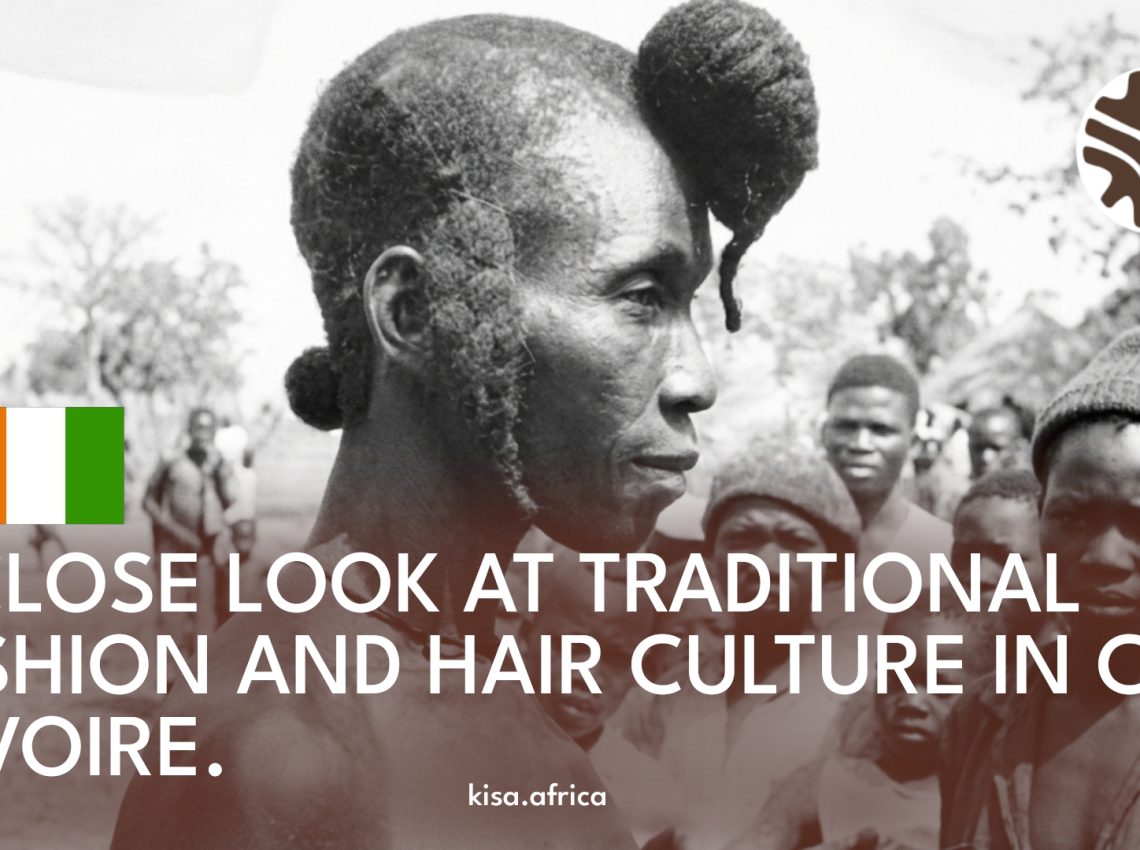
Hair traditions throughout Côte d’Ivoire historically carried deep symbolic importance.
Hairstyles could communicate:
- Age
- Marital status
- Fertility
- Clan identity
- Spiritual readiness
- Social maturity
- Ritual participation
Hairdressing was considered an artistic skill requiring patience, discipline, and social knowledge.
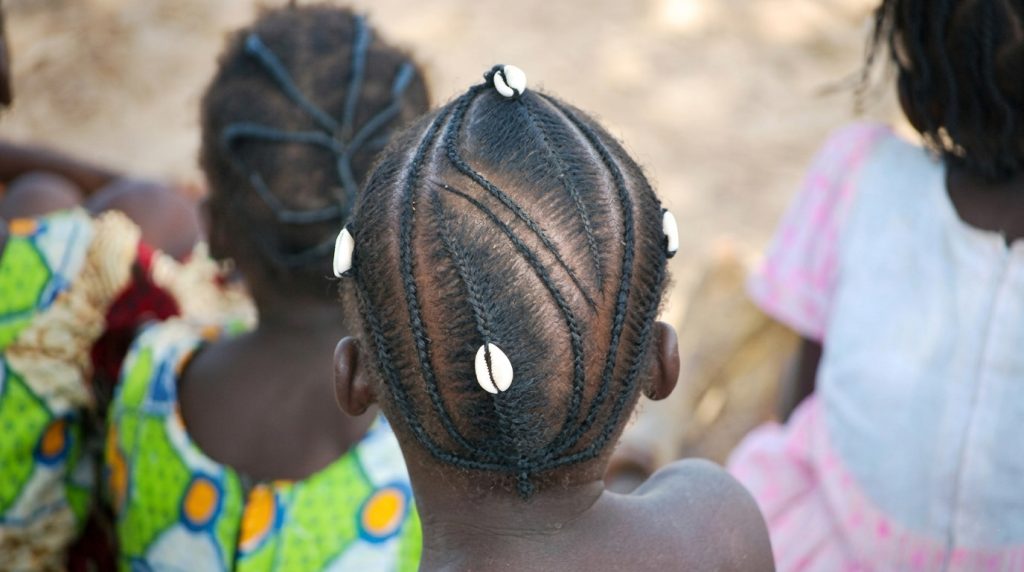
Many styles involved:
- Intricate sectioning
- Sculptural braiding
- Thread wrapping
- Geometric designs
- Bead decoration
- Oiled finishes
Elder women often taught younger girls hairstyling techniques during communal gatherings. These moments were socially important because they also transmitted:
- Oral history
- Family values
- Etiquette
- Marriage expectations
- Spiritual teachings
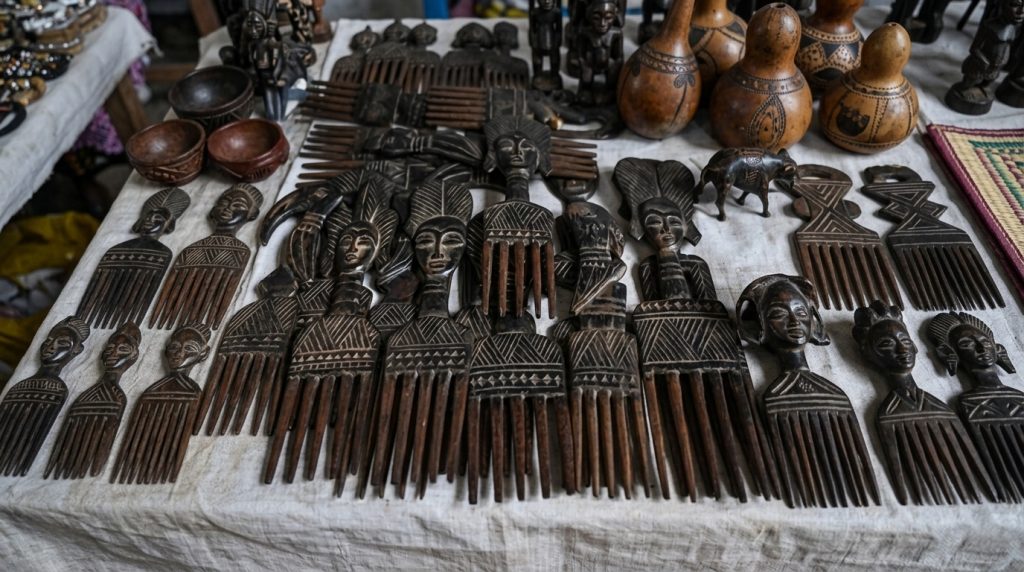
In some communities, hairstyles symbolized cosmological ideas. Certain braid paths represented connections between ancestors, spirits, and the living world. This means hairstyles were not only aesthetic but philosophical
THE MEANING OF COLORS IN IVORIAN FASHION
Colour symbolism played an enormous role in traditional Ivorian clothing systems.
Gold
Gold symbolized:
- Royal power
- Wealth
- Spiritual energy
- Prestige
This symbolism connected especially to Akan royal traditions where gold was associated with sacred kingship.
White
White represented:
- Purity
- Spirituality
- Ancestors
- Ritual cleansing
- Transition between worlds
White garments were commonly used during funerals, initiations, or spiritual ceremonies. Red
Red often symbolized:
- Political authority
- Sacrifice
- Strength
- Warfare
- Spiritual intensity
Black
Black represented:
- Maturity
- Wisdom
- Ancestral depth
- Spiritual connection
These meanings varied somewhat across ethnic groups, but colour symbolism remained central throughout much of the region
COLONIALISM AND FASHION TRANSFORMATION
French colonialism introduced profound changes to clothing culture in Côte d’Ivoire.
European schools, churches, and administrative systems promoted:
- Western tailoring
- European fabrics
- Christian dress norms
- Grooming standards associated with colonial modernity
However, Ivorians did not simply abandon traditional aesthetics. Instead, they creatively blended imported influences with local artistic traditions.
Women began combining:
- European-style dresses
- African textiles
- Traditional headwraps
- Indigenous jewellery
Men integrated:
- Tailored suits
- Local embroidery
- Traditional fabrics
- Regional accessories
This blending produced uniquely Ivorian urban fashion identities
ABIDJAN: THE FASHION CAPITAL OF FRANCOPHONE WEST AFRICA
Modern Abidjan eventually emerged as one of the most fashionable cities in Africa.
Known for its nightlife, music, luxury culture, and artistic energy, Abidjan became a centre for:
- Tailoring
- Textile innovation
- Beauty salons
- Fashion photography
- Music-driven style culture
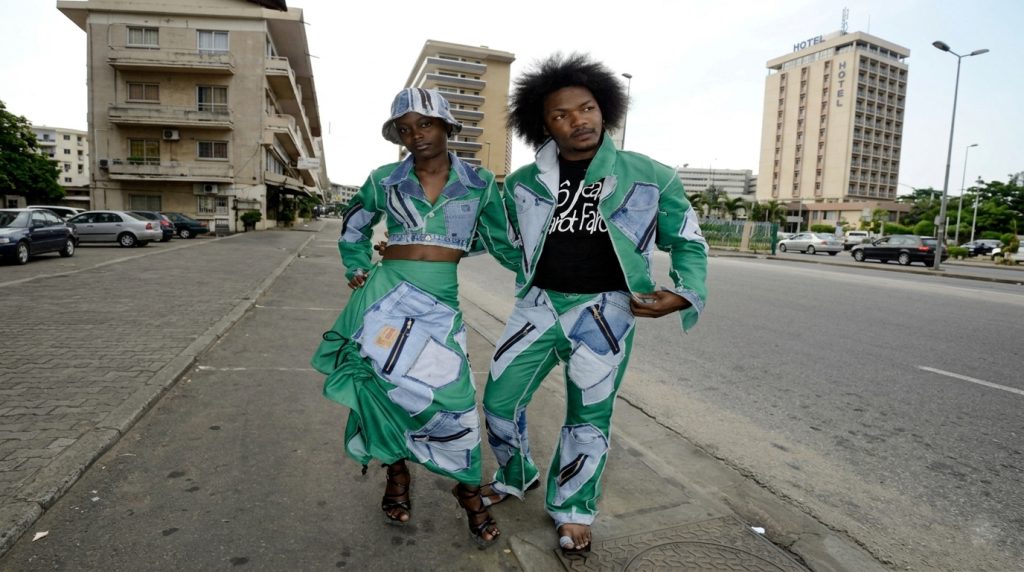
Modern Ivorian fashion combines:
- Wax prints
- Luxury fabrics
- Streetwear
- Parisian influence
- West African tailoring
- Contemporary Afro-fusion aesthetics
Fashion culture in Abidjan is heavily connected to music scenes such as:
- Coupé-Décalé
- Zouglou
- Afro-pop
Musicians and entertainers became major fashion influencers throughout Francophone Africa.
HAIR CULTURE IN MODERN CÔTE D’IVOIRE
Modern hair culture remains extraordinarily vibrant.
Popular styles include:
- Knotless braids
- Natural Afro styles
- Lace-front wigs
- Coloured hairstyles
- Twists and locs
- Precision fades
- Fulani-inspired braiding
Beauty salons serve as important social spaces where fashion trends, politics, music, and community life intersect.
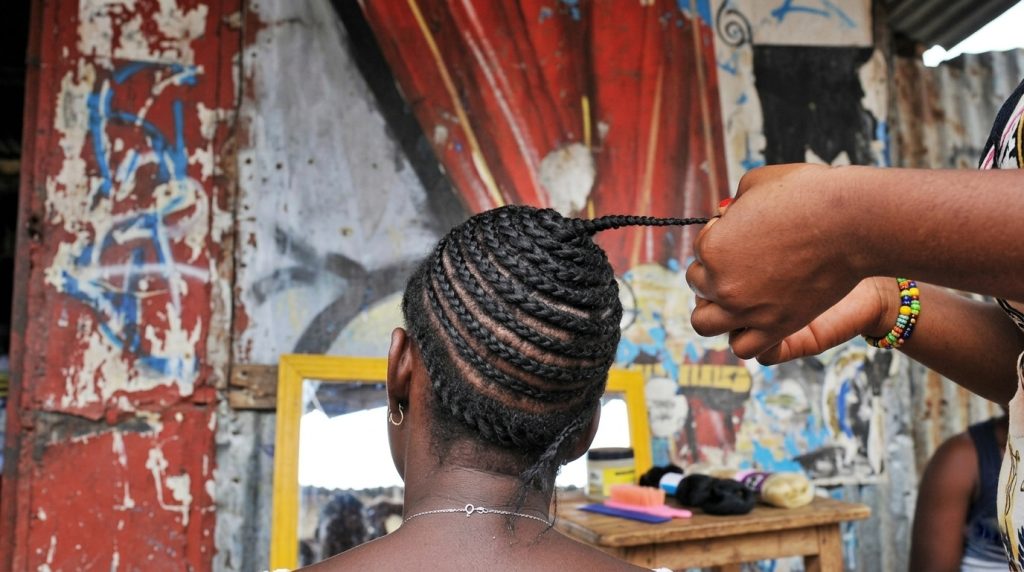
Diaspora influence from France, alongside social media, strongly shapes current trends.
THE RELATIONSHIP BETWEEN MUSIC AND FASHION
Modern Ivorian fashion is inseparable from music culture.
The Coupé-Décalé movement especially transformed style culture. Artists popularized:
- Luxury brands
- Flashy accessories
- Designer sunglasses
- Tailored outfits
- High-end nightlife aesthetics
Fashion became associated with confidence, urban success, charisma, and performance.
Even hairstyles evolved alongside music trends, with artists introducing new cuts, colouring techniques, and grooming aesthetics.
LESSER-KNOWN FACTS ABOUT IVORIAN FASHION AND HAIR
Hairstyles Sometimes Reflected Spiritual Cosmology
Some braid patterns symbolized pathways linking ancestors and the living world.
Textile Patterns Could Function Like Proverbs
Certain woven designs represented philosophical ideas and moral teachings.
Ceremonial Clothing Was Designed for Movement
Dance costumes were intentionally constructed to enhance spinning, sound, and dramatic visual effects.
Weaving Was Sometimes Hereditary
Certain families became famous for producing elite ceremonial cloth for generations.
Abidjan Became a Fashion Powerhouse Through Music
Nightlife and music culture helped transform the city into one of Africa’s most influential style capitals.
SOURCES (APA STYLE)
Adams, M. (1987). African visual aesthetics: Cloth, dress and symbolism in West Africa. African Arts Journal, 20(3), 28–41.
Glaze, A. (1981). Art and death in a Senufo village. Indiana University Press.
Picton, J., & Mack, J. (1989). African textiles. British Museum Publications.
Rabine, L. (2002). The global circulation of African fashion. Berg Publishers.
Sieber, R., & Walker, R. (1987). African art in motion: Icon and act. University of California Press.
Vandenhoute, H. (1948). The art of the Dan. Brussels: Elsevier.
Zahan, D. (1974). The religion, spirituality and thought of traditional Africa. University of Chicago Press.
UNESCO. (n.d.). Traditional craftsmanship and performing arts in West Africa.