
ERITREA-FASHION, HAIR, WEAVING, AND CULTURAL ELEGANCE
The fashion traditions of Eritrea are among the most visually refined and historically layered in the Horn of Africa. Eritrean clothing culture developed through centuries of interaction between ancient highland civilizations, Red Sea trade networks, African cultural traditions, Christianity, Islam, and later Italian colonial influence. Eritrean fashion is especially known for elegant white cotton garments, intricate woven embroidery, and hairstyles that carry deep social and cultural meaning.
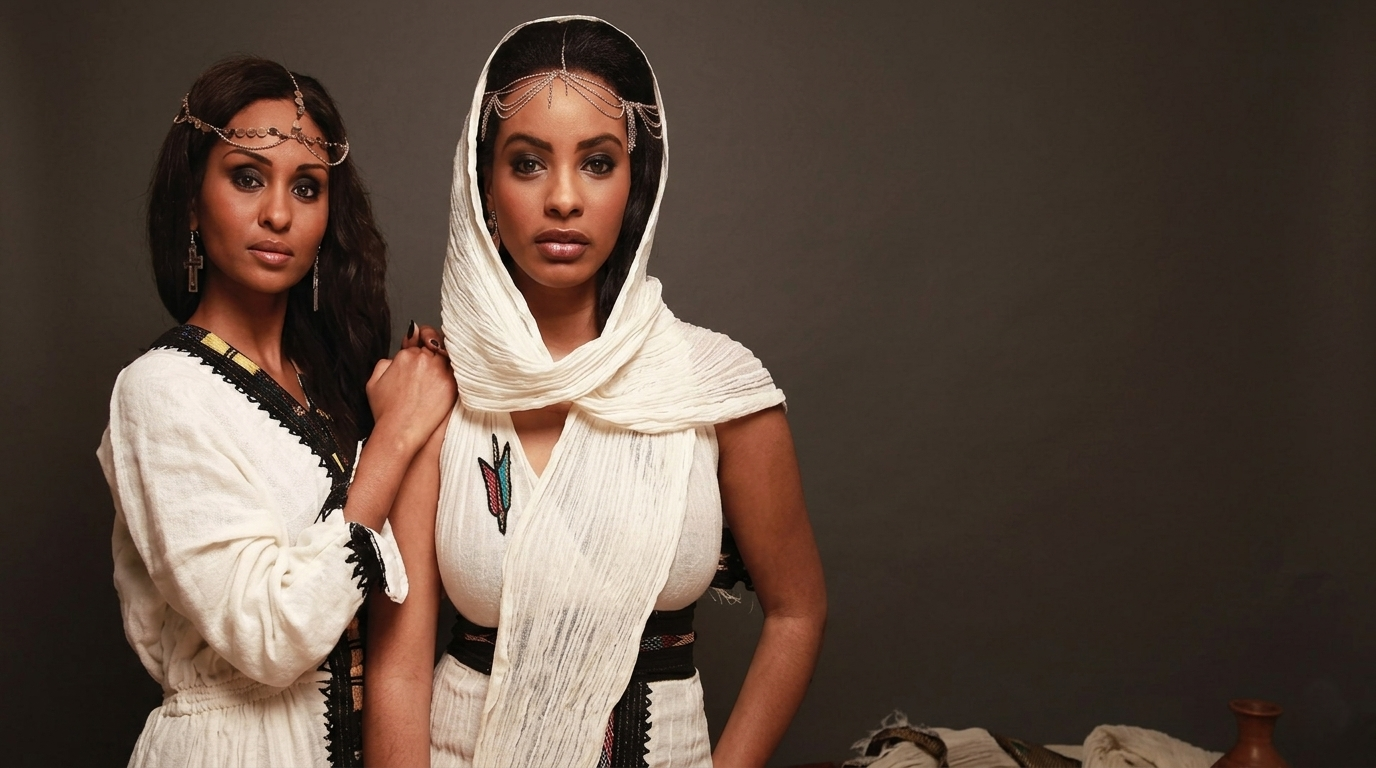
One of the most recognizable symbols of Eritrean identity is the habesha kemis, a flowing ankle-length white dress worn primarily by women in both Eritrea and neighbouring Ethiopia. Although variations exist across regions and ethnic groups, the garment remains one of the most celebrated forms of traditional attire in the Horn of Africa.
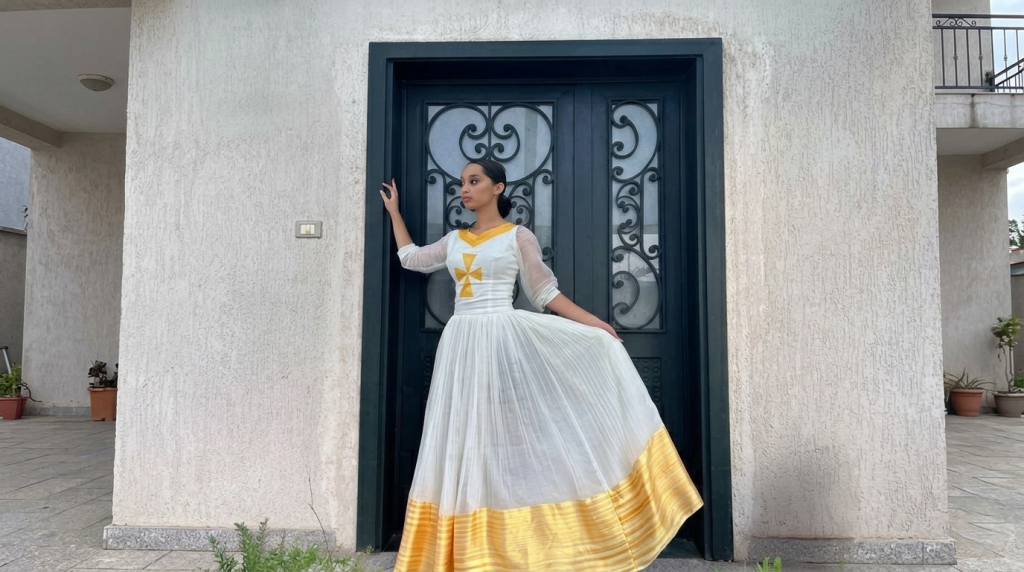
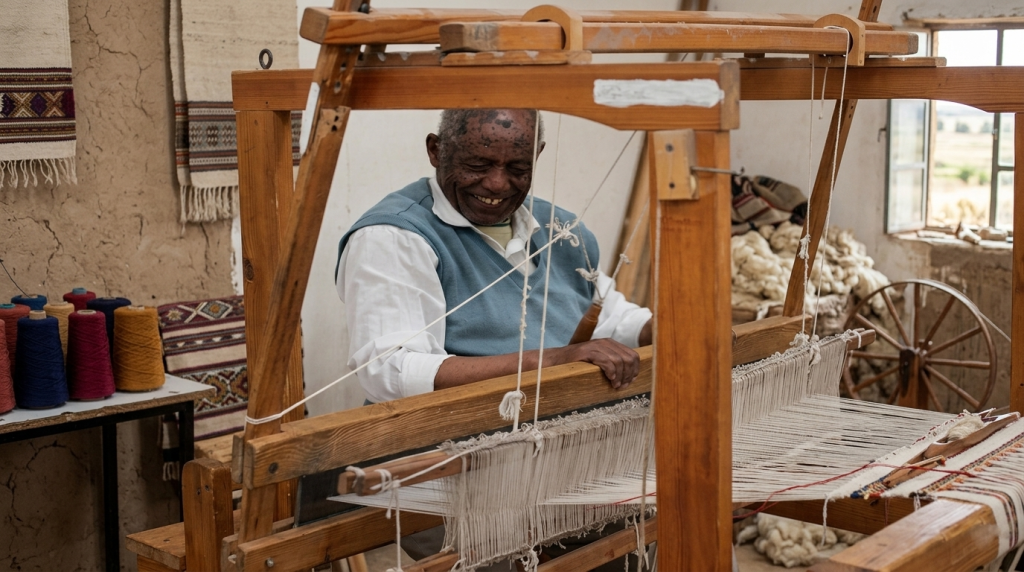
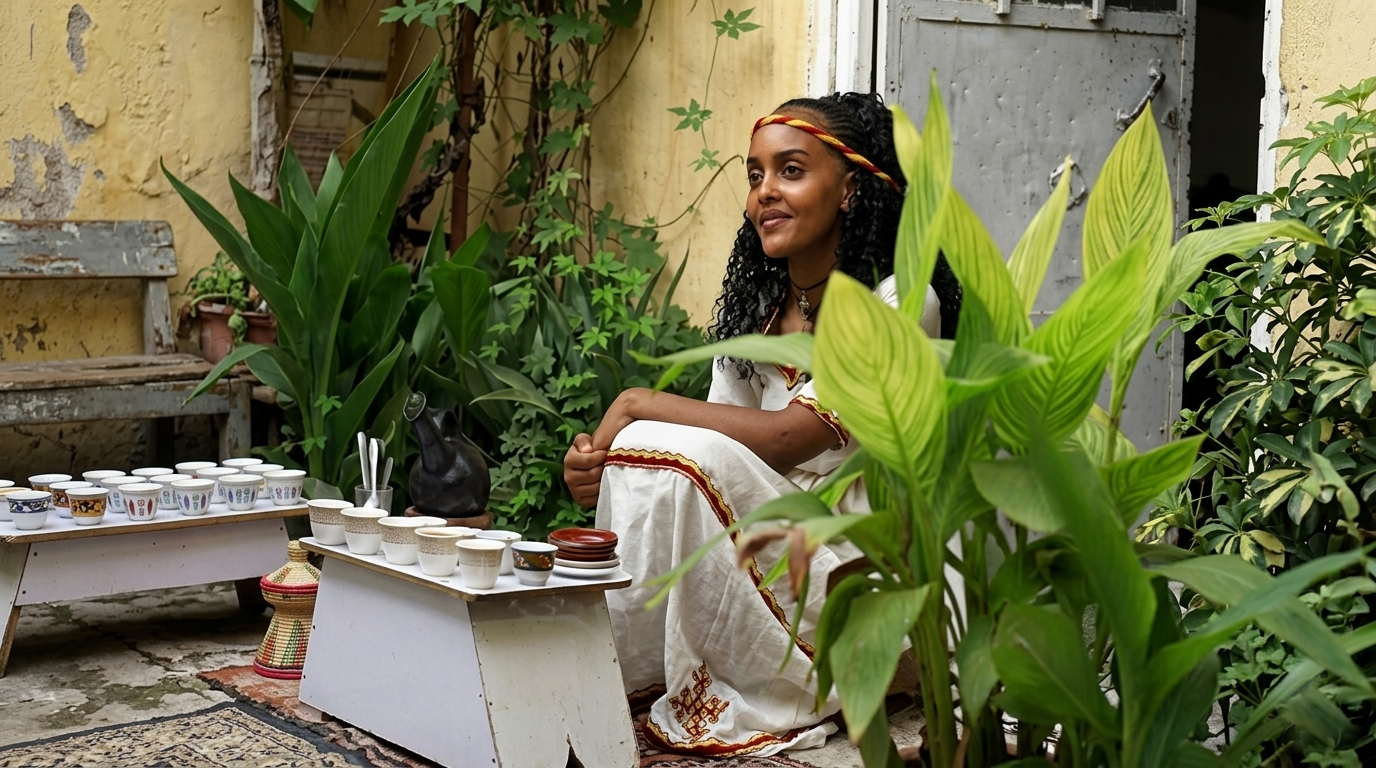
The habesha kemis is traditionally made from handwoven cotton and decorated with colourful embroidered borders known as tibeb. These woven patterns are not random decoration; they represent generations of artistic knowledge and cultural symbolism. Historically, producing the fabric required extraordinary patience and skill. Cotton had to be spun by hand, woven on traditional looms, and carefully embroidered using geometric designs that could indicate regional identity, family heritage, or artistic tradition.
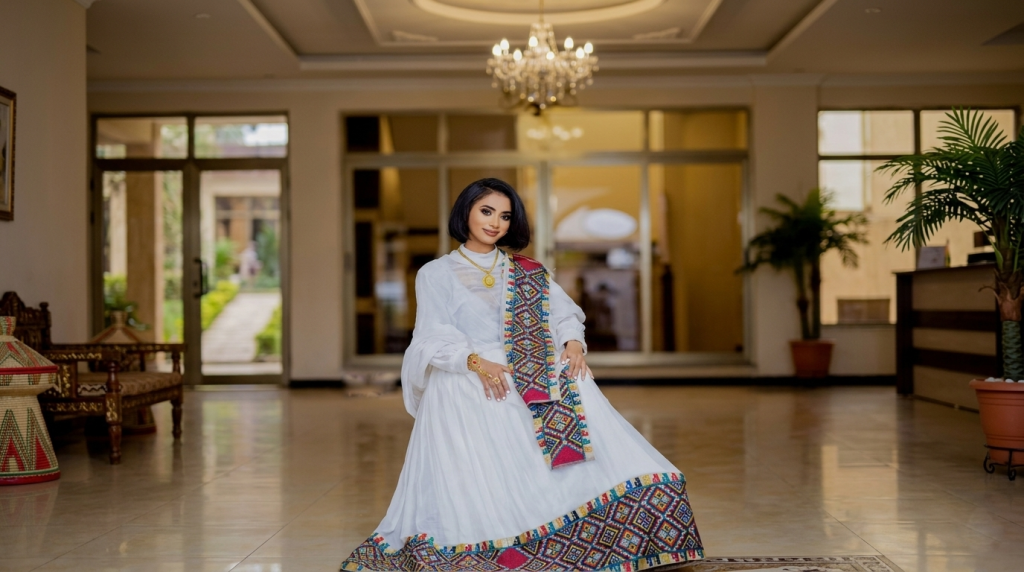
The colour white became especially important in Eritrean highland fashion because it symbolized purity, dignity, spirituality, and elegance. During religious holidays, weddings, baptisms, and cultural festivals, women often wear elaborately embroidered habesha dresses paired with shawls called netela. Gold jewellery, earrings, layered necklaces, and decorative hair styling frequently complete the ceremonial appearance.
One reason the habesha kemis survived centuries of political change is its close connection to cultural rituals. Coffee ceremonies, weddings, Orthodox Christian celebrations, and family gatherings all reinforced the importance of wearing beautifully woven traditional clothing. In many Eritrean households, dressing elegantly for guests is considered a sign of hospitality and respect. During coffee ceremonies especially, women traditionally wore embroidered dresses while preparing and serving coffee in highly ritualized social settings.
The importance of coffee ceremonies in Eritrean culture cannot be overstated. These gatherings are not simply about drinking coffee; they are spaces for community discussion, storytelling, family bonding, and cultural continuity. Fashion became part of this ritual atmosphere because appearance reflected dignity, pride, and social grace.
Hair traditions in Eritrea are equally significant and vary across ethnic communities.
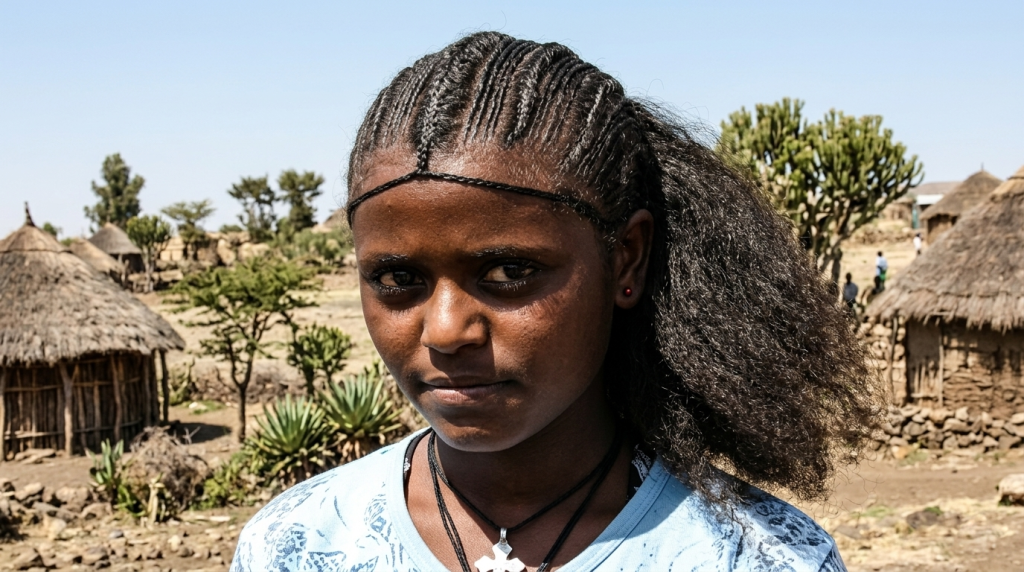
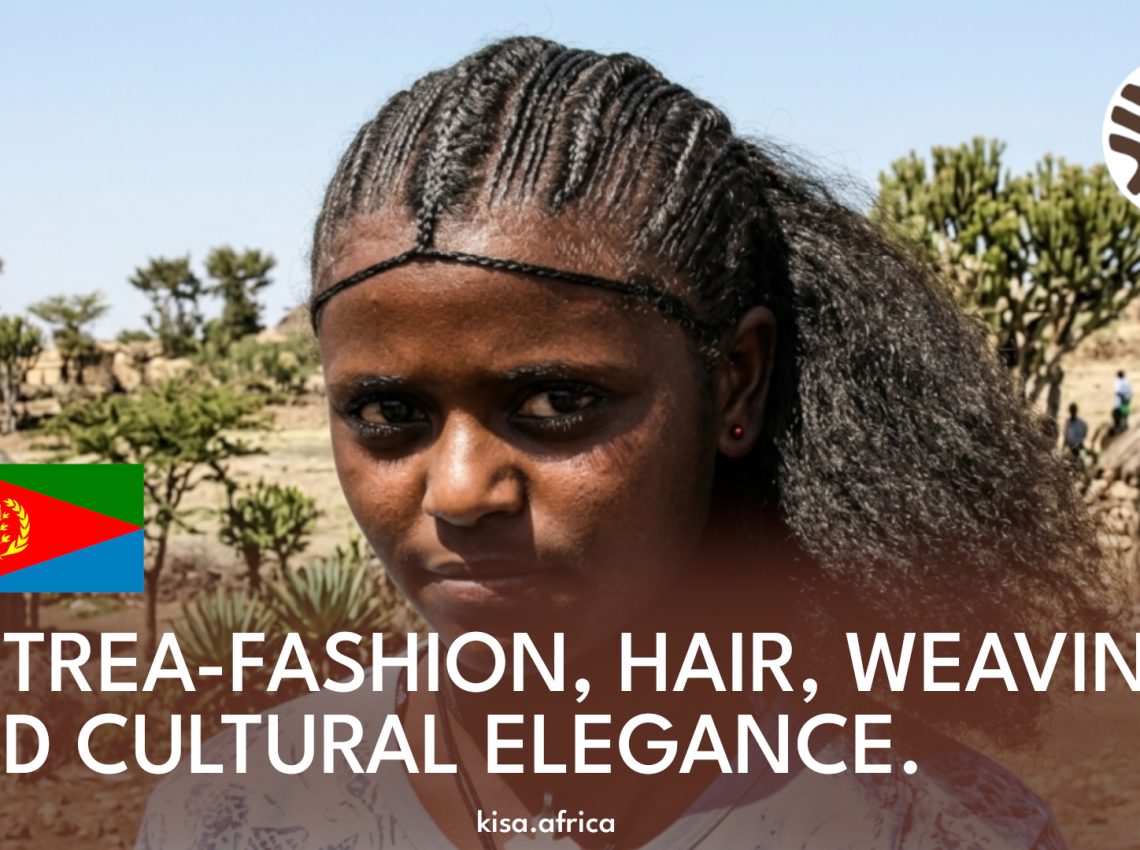
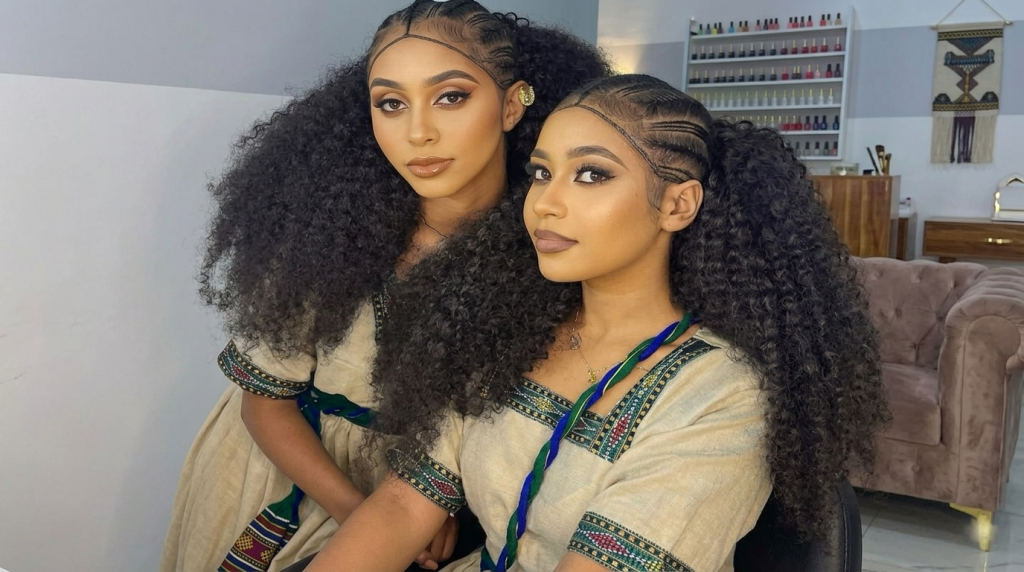
Braiding has historically been one of the most important forms of hairstyling in Eritrean society. Traditional braided styles can require many hours to complete and often involve highly intricate geometric patterns. Hairstyles may communicate ethnic identity, age, marital status, or participation in ceremonies. In some communities, braids were enhanced with beads, woven thread, metallic ornaments, or jewellery.
Hair care traditions also reflected environmental realities. Natural oils and butter-based treatments helped protect hair in dry highland climates. Hairdressing became an important intergenerational activity where older women taught younger girls beauty practices, social customs, and cultural values.
Among some Eritrean ethnic groups, hairstyles served almost like visual maps of identity. Specific braid structures could reveal whether a woman came from a highland Christian community, a Muslim coastal region, or another ethnic background. This diversity reflects Eritrea’s multicultural composition, which includes groups such as the Tigrinya, Tigre, Afar, Saho, Bilen, Kunama, and others.
Religion strongly influenced Eritrean fashion history as well. Eritrea contains both ancient
Christian and Islamic traditions, each contributing distinct clothing customs. Highland Christian communities often emphasized white woven garments and embroidered shawls, while Muslim coastal and lowland communities incorporated flowing robes, veils, and Red Sea influences connected to Arabian trade routes.
Trade across the Red Sea played a major role in shaping Eritrean aesthetics. For centuries, merchants traveling between Africa and Arabia introduced fabrics, perfumes, jewellery styles, and decorative techniques that blended with local traditions. Eritrea’s coastal position allowed it to absorb influences from Yemen, Sudan, Egypt, and the broader Indian Ocean world.
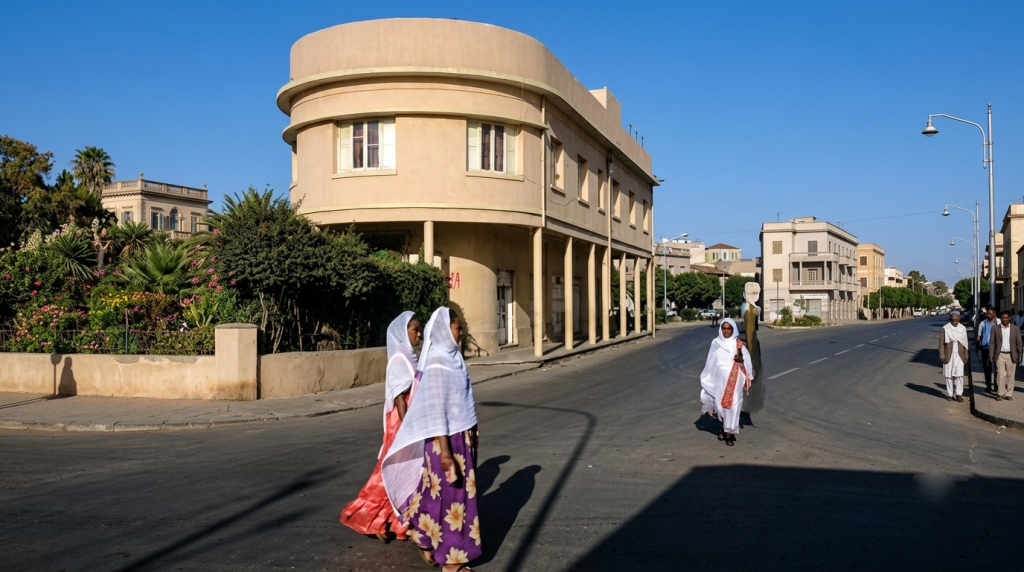
Italian colonial rule beginning in the late 19th century introduced another major transformation. Italy invested heavily in urban development, especially in the capital city of Asmara.
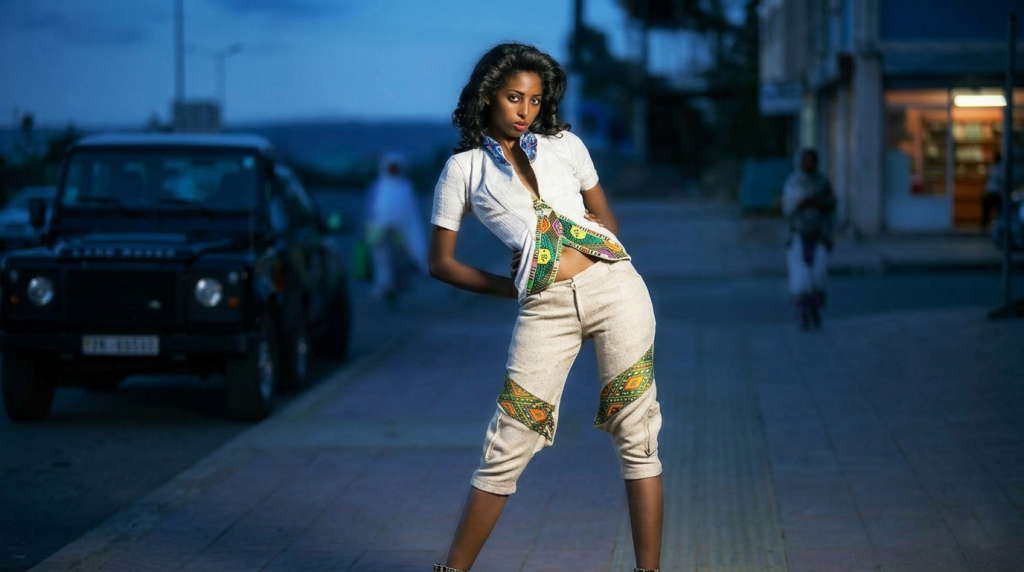
Asmara became famous for its modernist architecture, cafés, cinemas, and cosmopolitan atmosphere. Italian colonial society introduced European tailoring, fitted suits, dresses, hats, and urban fashion culture. Eritrean elites and urban residents increasingly blended European silhouettes with traditional textiles and local identity. Even today, Asmara retains a distinctive aesthetic often described as one of Africa’s most architecturally unique cities.
Modern Eritrean fashion reflects this layered history. Younger generations commonly combine habesha dresses with modern accessories, denim jackets, sneakers, and international beauty trends. Eritrean diaspora communities in Europe, North America, and the Middle East have also played an enormous role in spreading Eritrean hairstyles and habesha fashion globally. Traditional Eritrean dresses are now regularly seen at international cultural festivals, weddings, and social media fashion showcases.
Another fascinating aspect of Eritrean clothing culture is the continued importance of weaving traditions. In many communities, handwoven textiles remain highly respected forms of craftsmanship. Certain tibeb patterns can still identify regional or family heritage, preserving historical continuity through fabric design.
FASCINATING LESSER-KNOWN FACTS ABOUT ERITREAN FASHION AND HAIR
- The tibeb embroidery on habesha dresses can sometimes indicate regional identity or family tradition.
- Handweaving traditional cotton fabric historically required weeks of labor.
- Coffee ceremonies helped preserve elegant clothing customs because women traditionally dressed formally while hosting.
- Some Eritrean braided hairstyles historically communicated ethnic or social identity.
- Eritrean fashion combines African, Red Sea, Arabian, and Italian influences simultaneously.
- White garments became associated with spirituality, dignity, and ceremonial purity.
- Italian colonial rule helped transform Asmara into one of Africa’s most cosmopolitan fashion centres during the early 20th century.
- Diaspora communities played a major role in globalizing habesha fashion and hairstyles.
SOURCES
Pankhurst, R. (2001). The Ethiopians: A History. Oxford, United Kingdom: Blackwell Publishers.
(Useful for shared Habesha cultural history across Eritrea and Ethiopia.)
Milkias, P. (2011). Eritrea. Santa Barbara, CA: ABC-CLIO.
Iyob, R. (1995). The Eritrean Struggle for Independence: Domination, Resistance, Nationalism, 1941–1993. Cambridge, United Kingdom: Cambridge University Press.
Taddesse, T. (1972). Church and State in Ethiopia 1270–1527. Oxford, United Kingdom: Clarendon Press.
Zewde, B. (2002). A History of Modern Ethiopia 1855–1991 (2nd ed.). Athens, OH: Ohio University Press.