
GAMBIA-FLOWING ROBES, BRAIDED TRADITIONS, ISLAMIC ELEGANCE, AND CULTURAL IDENTITY
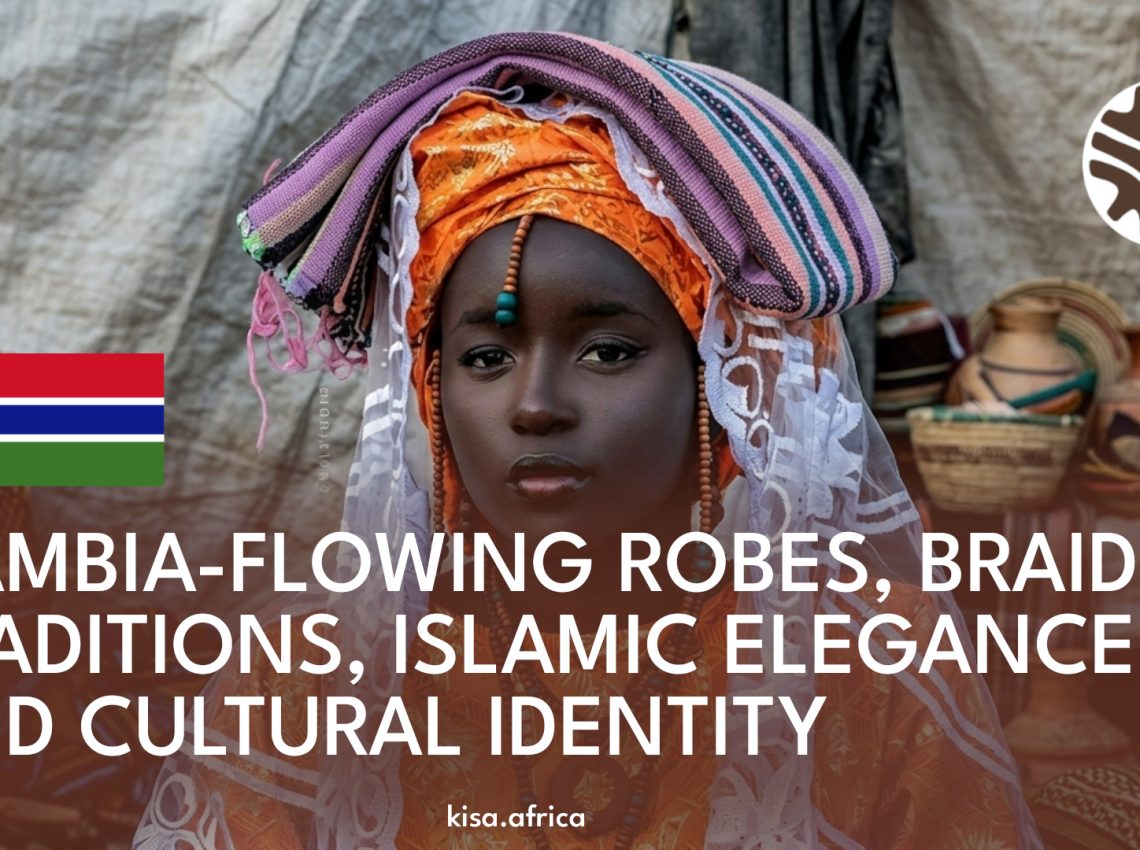
Although Gambia is the smallest country on mainland Africa, its fashion and hair traditions reflect an extraordinarily rich cultural history shaped by centuries of trade, Islamic scholarship, music traditions, and ethnic diversity. Gambian fashion developed through the interaction of Mandinka, Wolof, Fula, Jola, Serer, and other communities whose clothing styles reflected climate, spirituality, age systems, and social status.
The Gambia’s location along the Gambia River made it an important cultural and commercial crossroads linking inland West Africa with Atlantic coastal trade networks. Through trans Saharan trade routes and later Atlantic exchange systems, Gambian communities encountered North African textiles, Islamic artistic traditions, indigo dyeing techniques, jewellery styles, and imported fabrics. Rather than replacing local traditions, these influences blended into distinctly Gambian aesthetics.
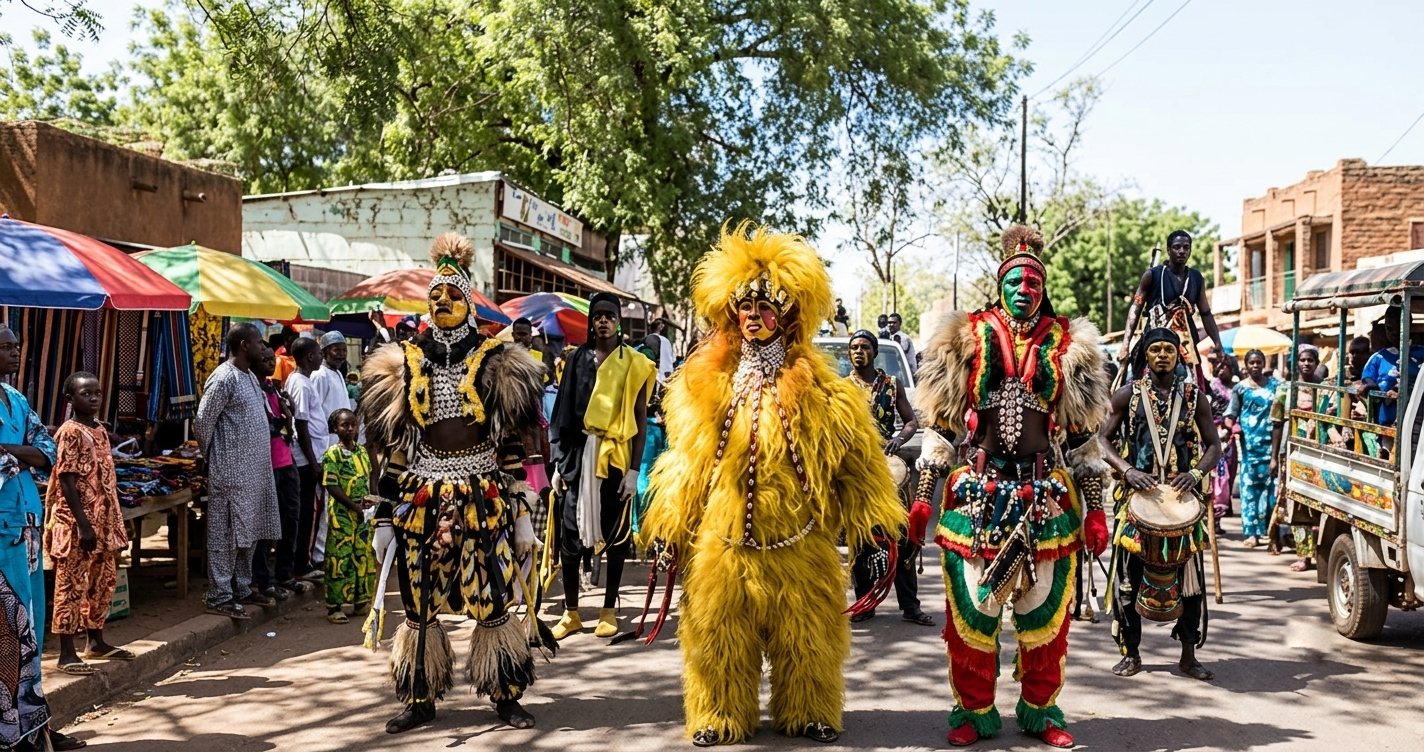
Traditional Gambian clothing is especially known for its flowing silhouettes designed for tropical heat and humidity. Loose garments allowed airflow while also reflecting Islamic modesty traditions that became deeply rooted in society over centuries. Women historically wore wrappers, embroidered dresses, layered fabrics, head ties, and elaborate jewellery made from beads, silver, brass, or imported materials acquired through trade.
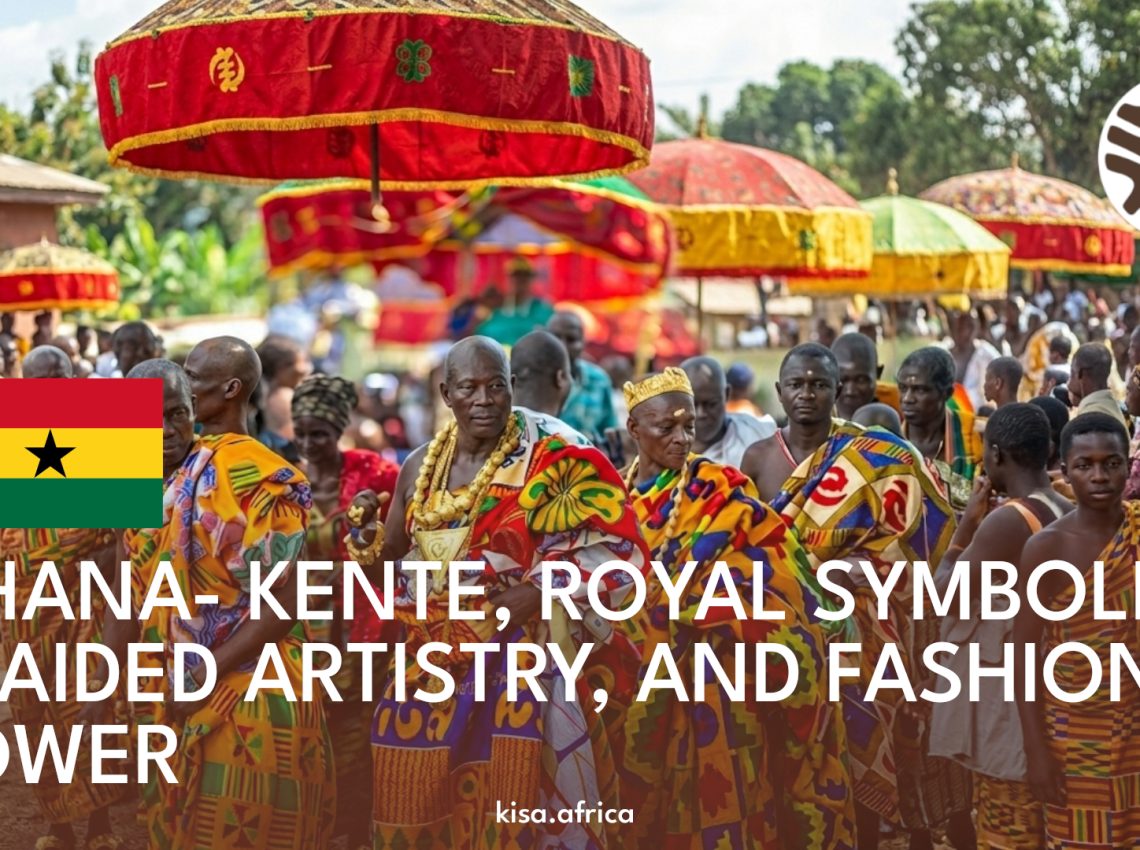
Men traditionally wore grand boubous and kaftans, large flowing robes decorated with intricate embroidery around the neckline, chest, and sleeves.
The grand boubou became one of the most recognizable garments across Islamic West Africa, but Gambian versions developed local embroidery styles and fabric preferences. Wearing richly embroidered robes historically signalled dignity, religious knowledge, wealth, or social respectability. Scholars, religious leaders, merchants, and griots often wore especially elaborate garments during ceremonies and public events.
Textile traditions were highly important throughout Gambian society. Indigo-dyed fabrics became particularly valued because producing deep blue dye required extensive labor and technical skill. Indigo dyeing involved repeated soaking, drying, and fermentation processes that could take considerable time. Because of this effort, richly dyed indigo garments historically symbolized prestige and refinement.
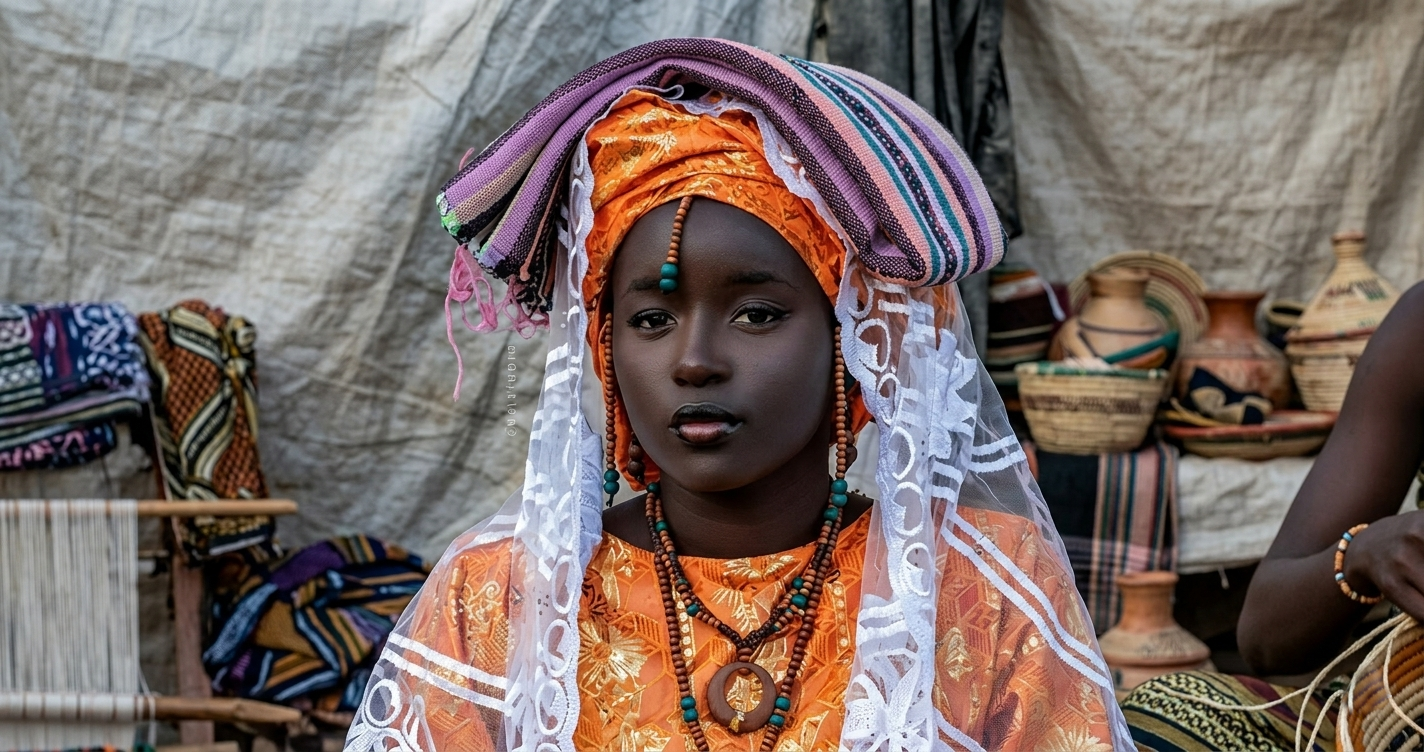
One lesser-known aspect of Gambian clothing culture involves the role of griots — hereditary oral historians, praise singers, and musicians central to many West African societies. Griots often wore distinctive clothing, jewellery, and hairstyles that visually separated them from other social groups. Their appearance reflected their specialized cultural role as keepers of memory, genealogy, music, and storytelling traditions.
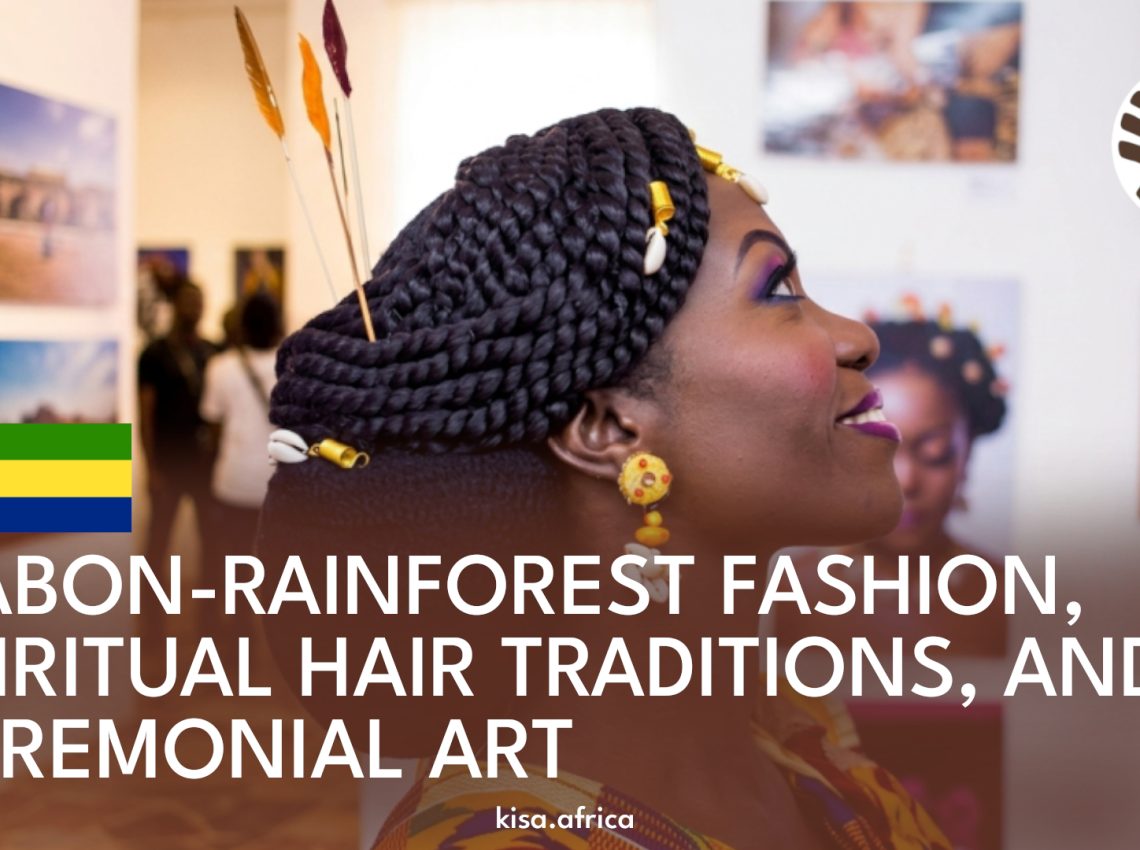
Hair traditions in The Gambia were equally rich and socially meaningful.
Braids, twists, sculpted hairstyles, and carefully sectioned hair patterns communicated information about maturity, beauty, ethnic identity, and readiness for marriage. Hairstyles often changed across life stages, allowing communities to recognize age and social position visually.
Hair care traditions relied heavily on natural ingredients suited to West Africa’s humid climate. Shea butter, palm oil, herbal infusions, and locally prepared treatments helped moisturize hair and protect the scalp. Hairdressing itself became an important social institution. Women gathered for long braiding sessions that could last many hours, during which stories, songs, advice, family histories, and cultural teachings were shared across generations.
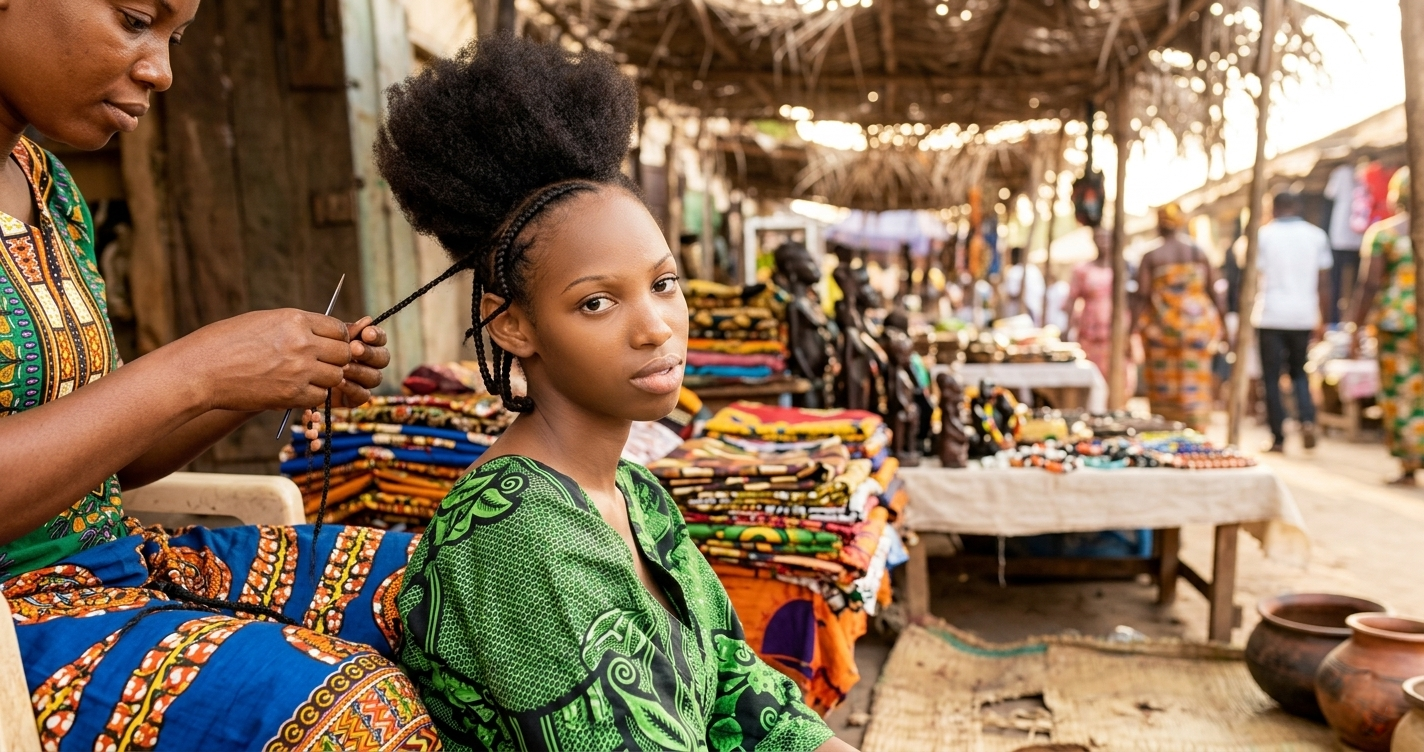
In many ways, braiding spaces functioned as informal educational environments where cultural identity was preserved through conversation and communal interaction. Young girls learned not only hairstyling techniques but also expectations surrounding adulthood, family, marriage, and social behaviour.
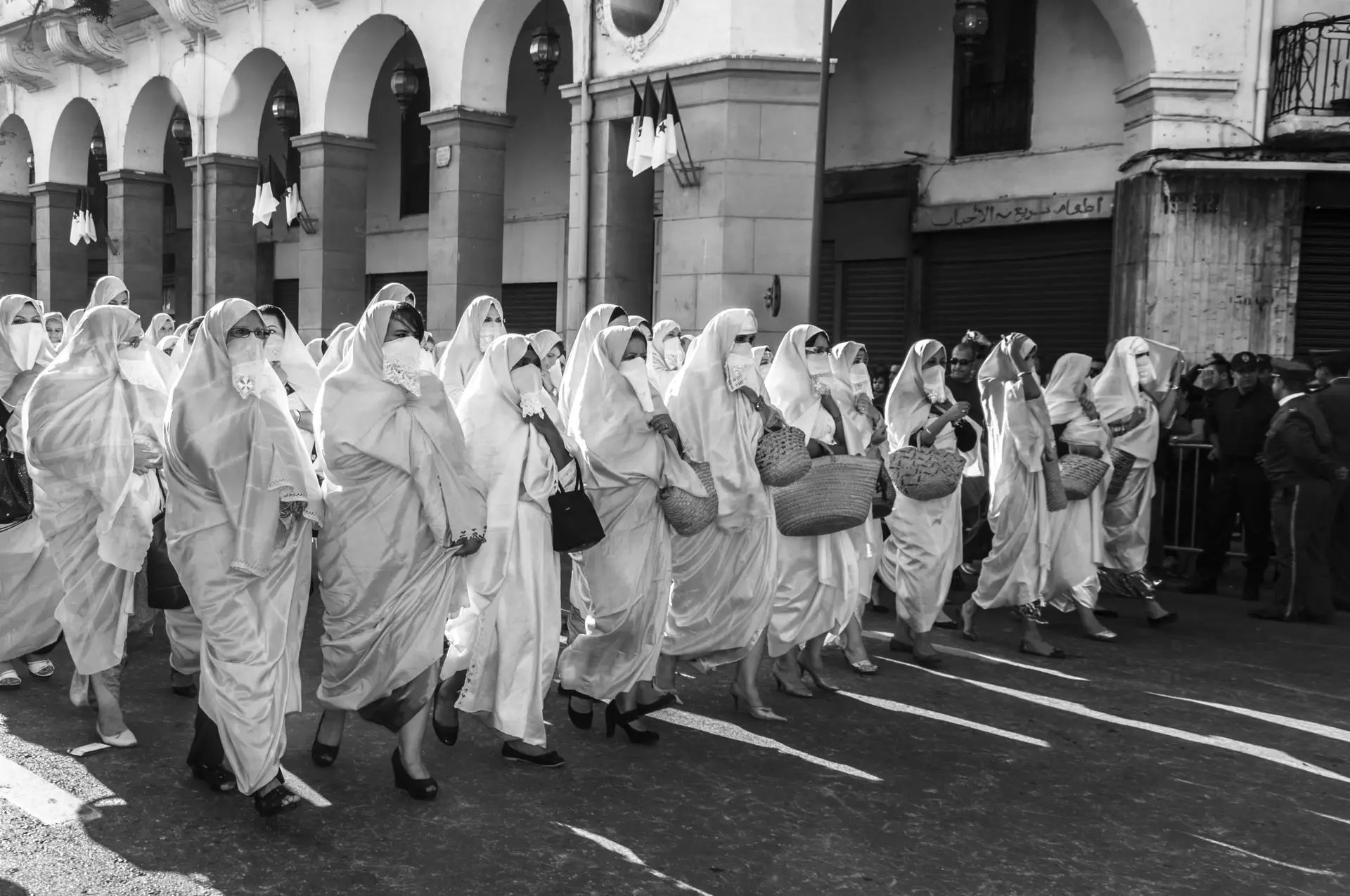
Islam profoundly shaped Gambian fashion beginning centuries ago through trade, scholarship, and religious networks linking West Africa with North Africa and the broader Muslim world. Modest dress traditions, headscarves, prayer garments, embroidered robes, and flowing silhouettes became deeply embedded in Gambian society.
However, Gambian Islamic fashion retained distinctly African characteristics. Bright colours, patterned fabrics, layered jewellery, decorative embroidery, and local textile traditions continued flourishing alongside Islamic modest wear practices. This fusion created a unique aesthetic combining spiritual elegance with West African artistic vibrancy.
Ceremonial occasions such as weddings, naming ceremonies, Eid celebrations, and festivals became especially important displays of fashion and hair artistry. During these events, families often wore coordinated fabrics and invested heavily in embroidery, jewellery, and hairstyling to demonstrate pride, hospitality, and social standing.
Colonialism also influenced Gambian fashion history. British colonial administration introduced European tailoring, Western suits, dresses, and imported manufactured textiles. Urban populations gradually incorporated shirts, jackets, and modern tailoring into everyday wear. Yet traditional clothing remained culturally powerful because it was better adapted to climate and deeply tied to religious and social identity.
Modern Gambian fashion reflects both continuity and innovation.
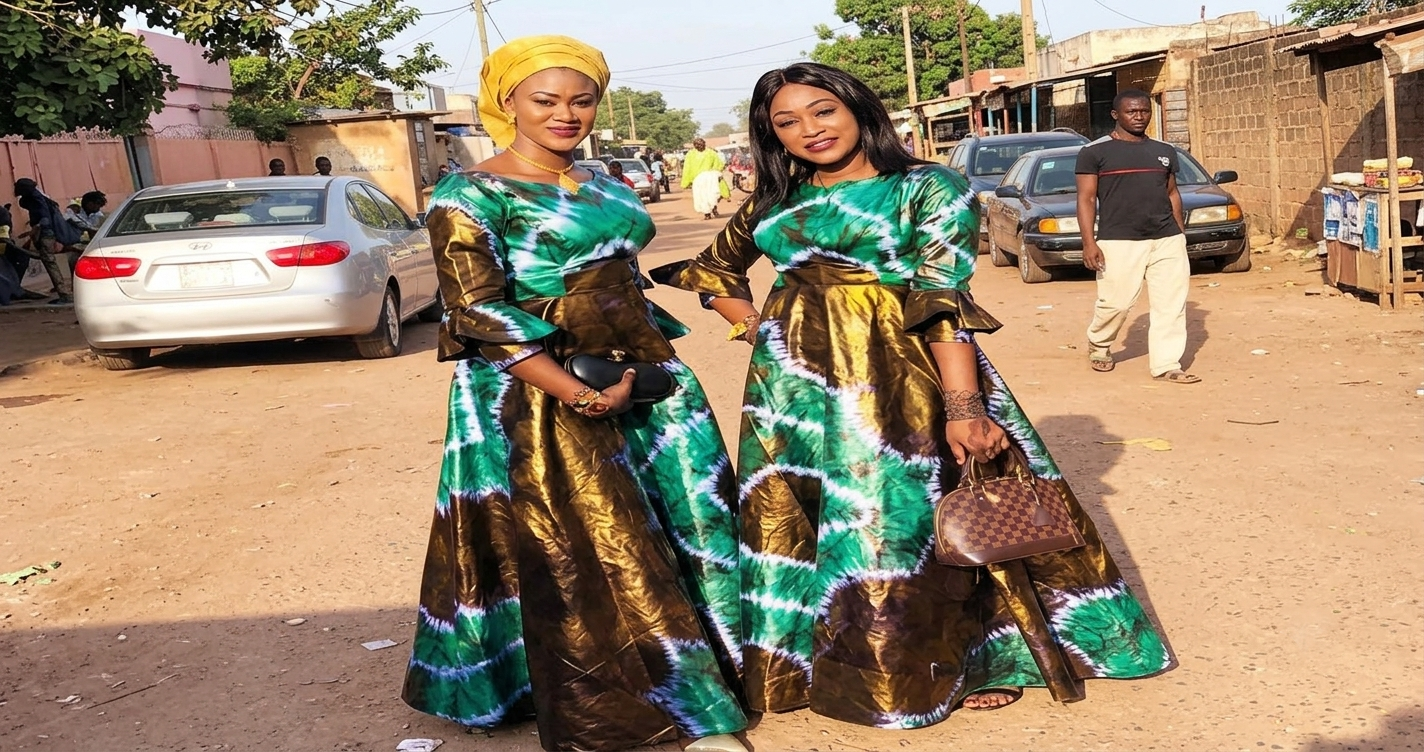
Today, younger Gambians frequently combine wax prints, embroidered garments, sneakers, denim, luxury accessories, and global streetwear with traditional textiles and Islamic fashion influences. Afro-modern designers increasingly reinterpret classic boubous and wrappers using contemporary tailoring techniques while preserving traditional embroidery aesthetics.
Diaspora communities and African music culture have also influenced modern Gambian style. Afrobeats, hip-hop, and pan-African fashion movements helped popularize bold prints, elaborate hairstyles, and hybrid African-global aesthetics among younger generations.
Another fascinating aspect of Gambian fashion culture is how strongly clothing remains tied to hospitality and public respectability. Dressing elegantly for ceremonies, family visits, or religious occasions continues to hold major cultural significance across many communities.
FASCINATING LESSER-KNOWN FACTS ABOUT GAMBIAN FASHION AND HAIR
- Indigo-dyed fabrics historically symbolized prestige because producing the dye was labour-intensive.
- Griots often wore distinctive clothing and hairstyles marking their role as oral historians and musicians.
- Braiding sessions functioned as spaces for storytelling, education, and intergenerational teaching.
- Flowing garments developed partly as practical adaptations to tropical heat and humidity.
- Islamic fashion influences merged with distinctly West African colours and textile traditions.
- Hairstyles historically communicated maturity, beauty, and readiness for marriage.
- Embroidered boubous often symbolized scholarship, wealth, or social respectability.
- Traditional ceremonial fashion remains highly important during weddings, Eid celebrations, and naming ceremonies.
SOURCES
Arnoldi, M. J. (1995). African Material Culture. Bloomington, IN: Indiana University Press.
Eicher, J. B., & Ross, D. A. (1992). Dress and Identity. New York, NY: Fairchild Publications.
Diop, S. (2004). The Oral History and Literature of the Griot Tradition in West Africa. Dakar, Senegal: CODESRIA.
Picton, J., & Mack, J. (1989). African Textiles. London, England: British Museum Press.
Kriger, C. E. (2006). Cloth in West African History. Lanham, MD: AltaMira Press.
Mustafa, H. N. (1997). Dress and Islamic identity in West Africa. Fashion Theory, 1(2), 173– 188.