
GUINEA-INDIGO PRESTIGE, ISLAMIC ELEGANCE, BRAIDED TRADITIONS, AND TEXTILE HERITAGE
The fashion traditions of Guinea emerged through centuries of interaction between Mandinka, Fula (Fulani), Susu, and forest-region cultural systems shaped by trade, Islamic scholarship, craftsmanship, and artistic expression. Guinea’s position within West African trade networks connected it to the trans-Saharan world, where textiles, dyes, jewellery, religious knowledge, and tailoring traditions circulated across vast distances. As a result, Guinean fashion became closely associated with flowing garments, embroidered robes, indigo-dyed fabrics, and elaborate hairstyles communicating social identity and beauty.
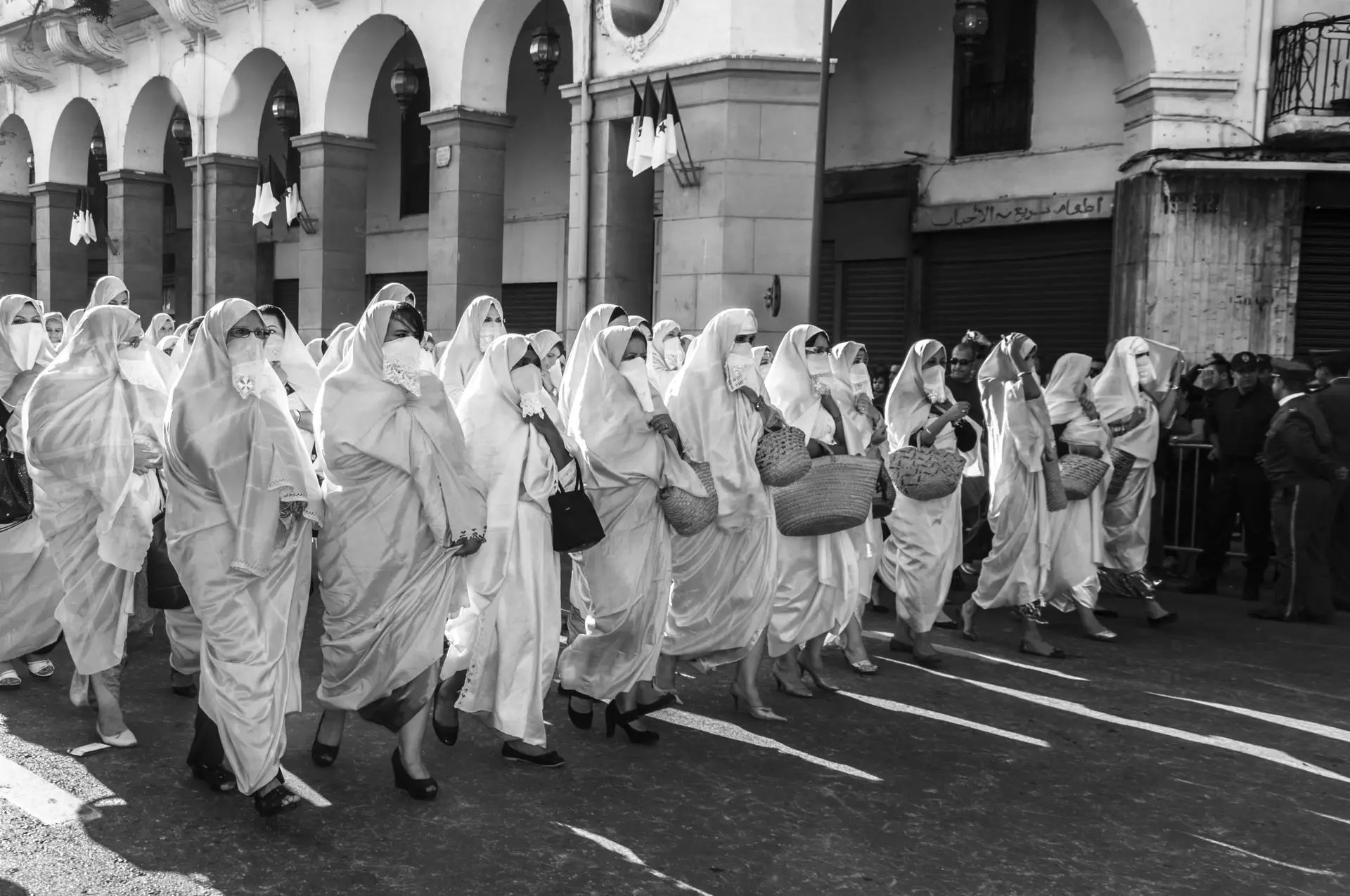
Historically, Guinea became an important centre of Islamic learning and commerce. Islamic influence spread through merchants, scholars, clerics, and regional empires, gradually shaping clothing aesthetics throughout the region. Loose-fitting robes, long tunics, turbans, and head wraps became respected forms of dress because they combined practicality in hot climates with ideals of modesty, dignity, and religious refinement.
Among many Guinean communities, flowing robes known across West Africa as boubous became symbols of social status, scholarship, and prestige. Embroidered necklines and chest panels reflected artistic skill and sometimes indicated wealth or social influence. Religious leaders, traders, griots, and respected elders often wore particularly elaborate garments during ceremonies and public gatherings.
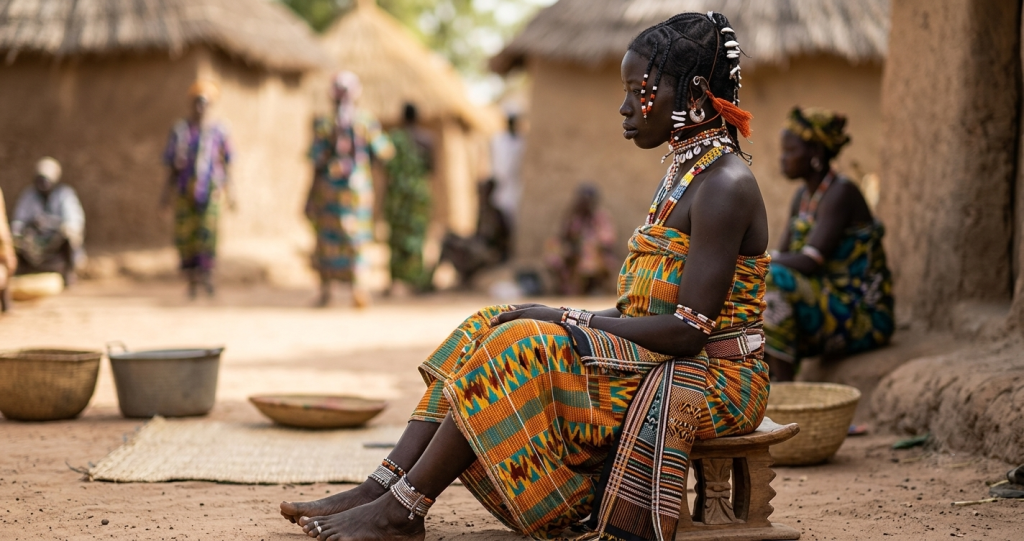
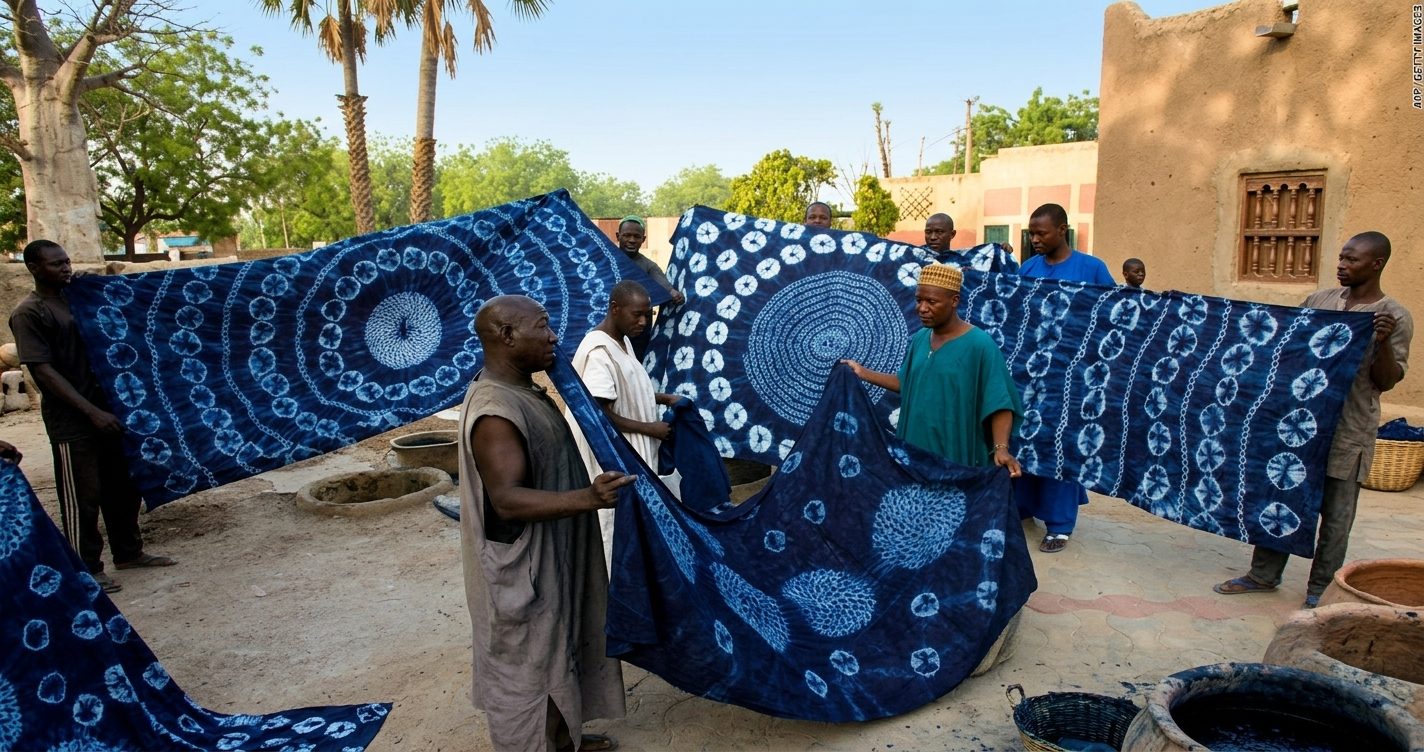
Textile production played a central role in Guinea’s cultural and economic life. Handwoven cotton fabrics were widely valued, and weaving itself became a respected craft requiring patience and technical expertise. In many regions, weaving and dyeing responsibilities were divided by gender. Men commonly operated looms and produced woven cloth strips, while women often specialized in dyeing, finishing, and textile decoration.
Indigo dyeing became especially important throughout Guinea and the wider West African region. Deep blue indigo fabrics symbolized prestige, refinement, and artistic mastery because producing rich indigo colour required extensive labor and knowledge. The dyeing process involved repeated soaking, fermentation, drying, and layering techniques that could take days or even weeks to perfect.
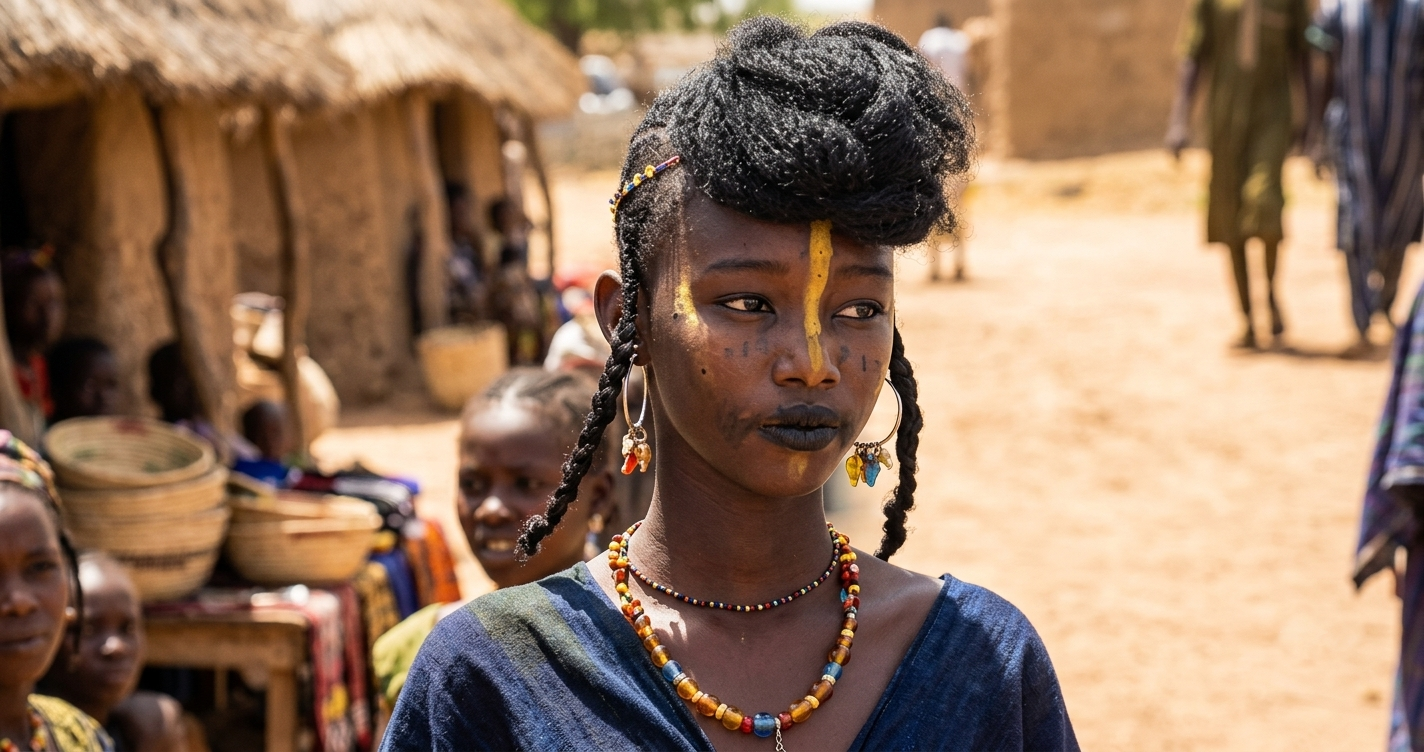
Indigo also carried broader symbolic associations in West African societies. Dark blue fabrics were often connected to dignity, wealth, spirituality, and elite status. Because the dye-stained hands during production, skilled dyers became respected artisans whose expertise held both economic and cultural value.
One fascinating aspect of Guinean textile history is how its traditions influenced neighbouring countries such as Mali and Senegal. Trade routes and shared cultural networks allowed weaving styles, dyeing techniques, and embroidery traditions to circulate widely across the region, contributing to a broader West African fashion heritage.
Hair traditions in Guinea were equally important and deeply tied to social identity.
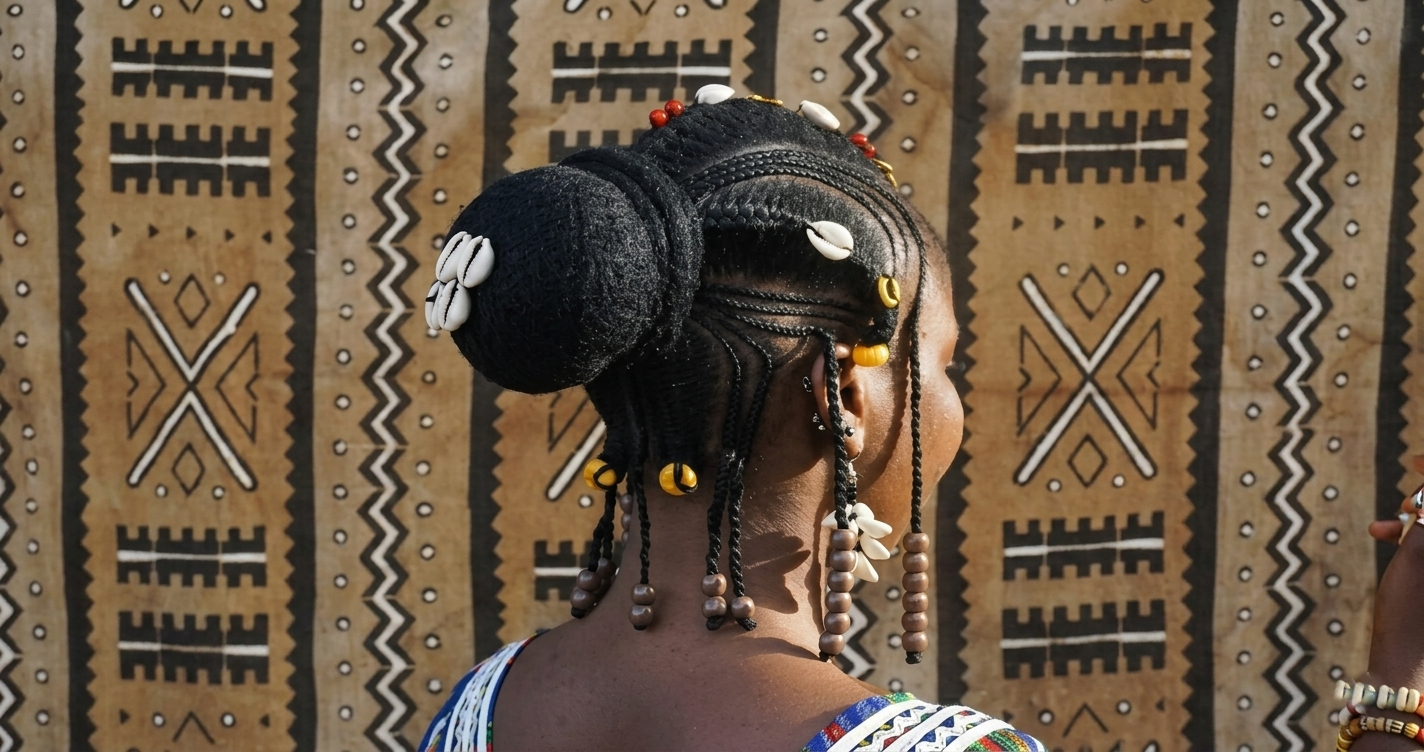
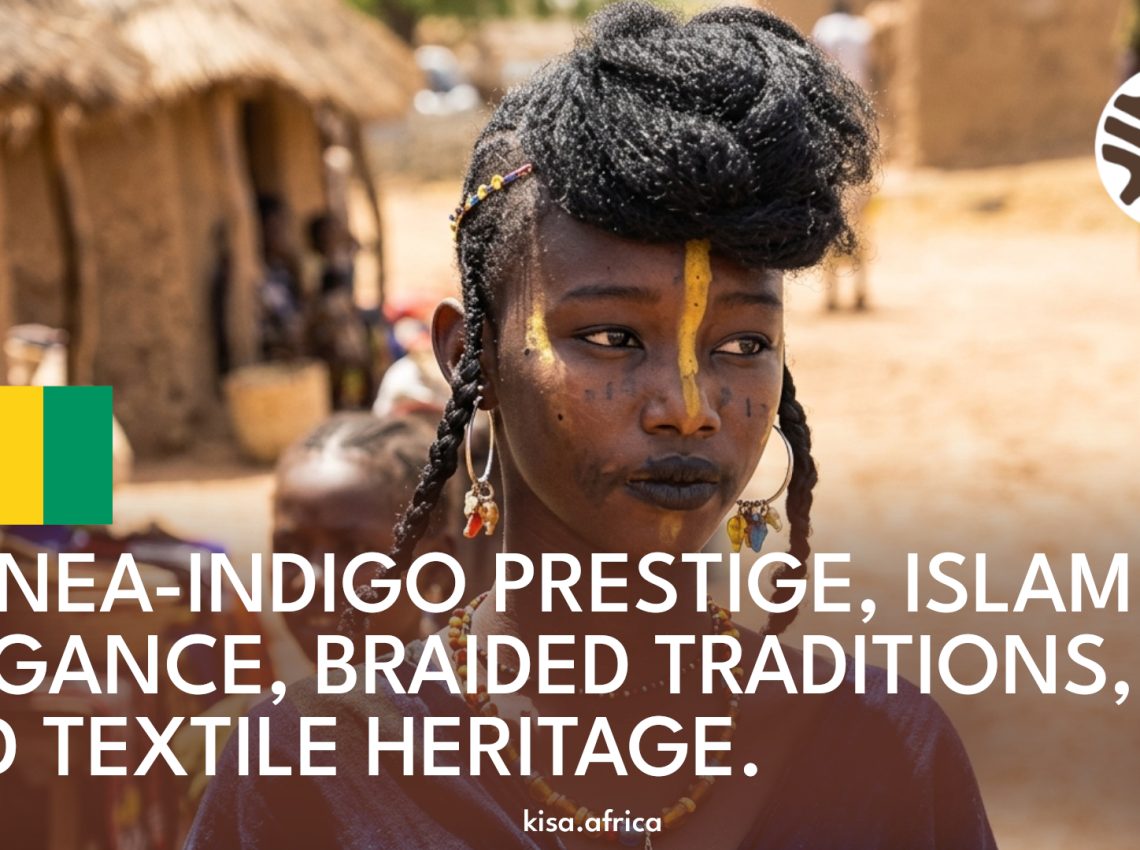
Braided hairstyles communicated information about age, marital status, ethnic identity, beauty standards, and participation in important ceremonies. Among many communities, hairstyles changed across life stages and social transitions, making hair an important visual language within society.
Certain ceremonial hairstyles were reserved specifically for weddings, initiation rites, or festivals. Intricate braid arrangements demonstrated artistic skill and patience while also expressing cultural identity. Hairstyling often involved decorative elements such as beads, cowrie shells, thread, or metallic ornaments that enhanced visual symbolism.
Hair care traditions relied heavily on natural ingredients suited to West Africa’s climate. Shea butter, palm oils, herbal infusions, and locally prepared botanical treatments protected hair from dryness and maintained scalp health. Hairdressing sessions became important communal activities where women shared oral traditions, songs, family histories, and advice across generations.
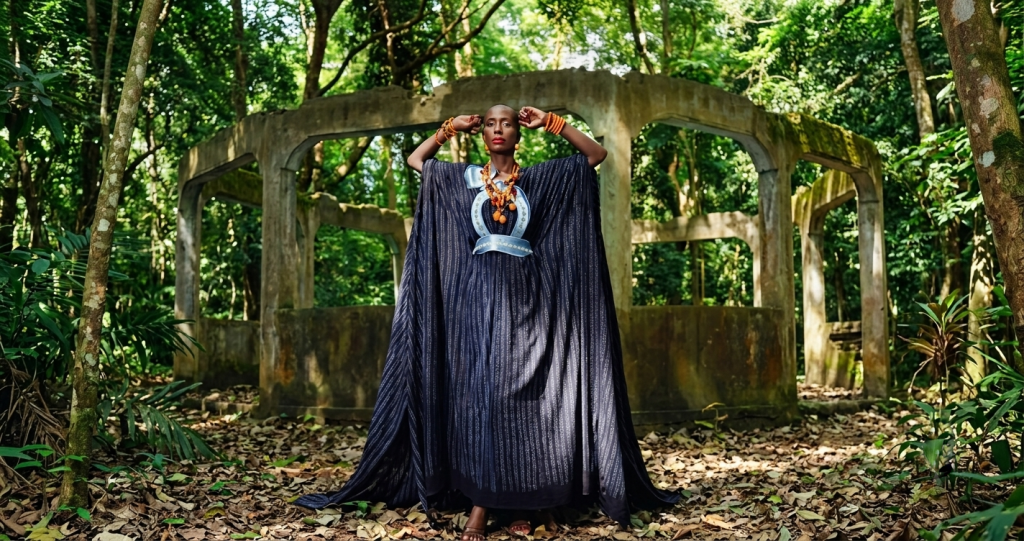
Among Fula communities especially, hairstyles and adornment traditions became highly distinctive. Fulani women in parts of Guinea were historically known for elaborate braiding patterns combined with jewellery such as amber beads, silver ornaments, and decorative accessories reflecting wealth and family status.
Another culturally important group within Guinean society were the griots hereditary oral historians, musicians, poets, and praise singers central to many Mandinka and wider West African traditions. Griots historically wore recognizable clothing and hairstyles associated with their specialized social role. Their appearance helped visually distinguish them as keepers of genealogy, memory, and musical tradition.
Islamic influence remained deeply intertwined with Guinean fashion across centuries. Headscarves, flowing garments, embroidered prayer attire, and modest silhouettes became widespread while still maintaining distinctly African colours, textiles, and decorative aesthetics. This fusion created a unique regional fashion identity balancing spiritual value with artistic vibrancy.
Colonialism under French rule introduced European tailoring, imported fabrics, Westernstyle suits, dresses, and missionary-influenced modesty standards. Urban elites increasingly adopted tailored jackets, shirts, and dresses during the colonial period. Yet traditional robes, wraps, and textile traditions remained culturally influential because they were closely tied to religious practice and social identity.
Modern Guinean fashion reflects both heritage and contemporary innovation.
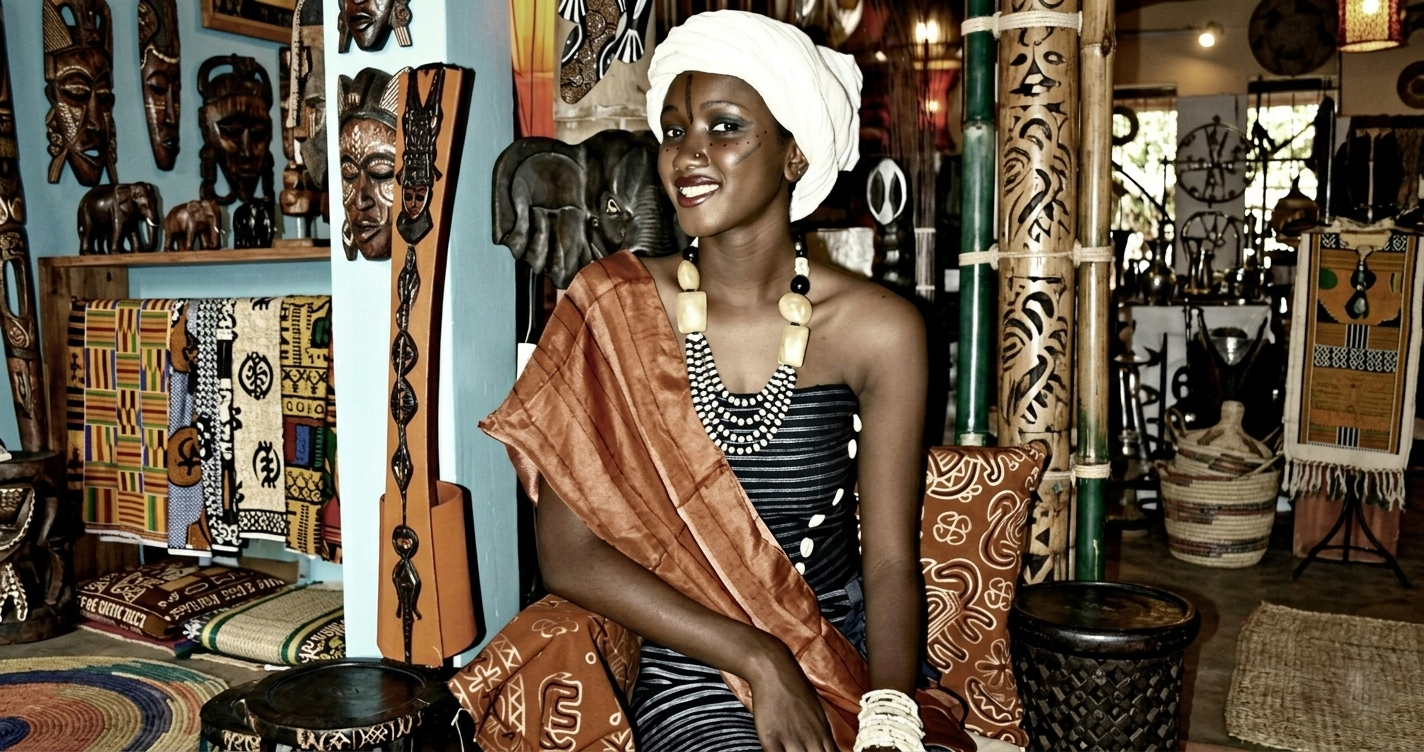
In Conakry and other urban centres, younger generations increasingly combine Islamic fashion, wax prints, Afro-modern tailoring, luxury accessories, and international streetwear influences. Sneakers, denim, modern suits, and contemporary hairstyles coexist alongside traditional embroidery and handwoven textiles.
Natural hair movements have also gained popularity among younger Guineans embracing
African hair textures, braiding traditions, and cultural aesthetics as expressions of identity and pride. Social media, Afrobeats culture, and pan-African fashion movements continue reshaping modern style while preserving links to historical textile traditions.
FASCINATING LESSER-KNOWN FACTS ABOUT GUINEAN FASHION AND HAIR
- Indigo-dyed fabrics symbolized prestige because producing deep blue color required extensive labor and expertise.
- Women often specialized in dyeing while men traditionally handled weaving.
- Griots wore distinctive clothing associated with their hereditary profession as musicians and oral historians.
- Hairstyles communicated marital status, age, and ceremonial participation.
- Certain braid styles were reserved specifically for weddings and initiation rites.
- Guinean textile traditions influenced neighbouring Mali and Senegal through trade networks.
- Islamic fashion blended with African colours and embroidery to create uniquely West African aesthetics.
- Hairdressing sessions functioned as important spaces for oral tradition and intergenerational teaching.
SOURCES
Kriger, C. E. (2006). Cloth in West African History. Lanham, MD: AltaMira Press.
Picton, J., & Mack, J. (1989). African Textiles. London, England: British Museum Press.
Diop, S. (2004). The Oral History and Literature of the Griot Tradition in West Africa. Dakar, Senegal: CODESRIA.
Eicher, J. B., & Ross, D. A. (1992). Dress and Identity. New York, NY: Fairchild Publications.
Mustafa, H. N. (1997). Dress and Islamic identity in West Africa. Fashion Theory, 1(2), 173– 188.
Arnoldi, M. J. (1995). African Material Culture. Bloomington, IN: Indiana University Press.