
MADAGASCAR- THE LAMBA, AUSTRONESIAN-AFRICAN HERITAGE, AND ANCESTRAL FASHION TRADITIONS
The fashion history of Madagascar is one of the most distinctive in Africa because Malagasy culture emerged through a remarkable blending of African and Austronesian ancestry. Unlike most African countries, Madagascar’s population traces origins not only to East African peoples but also to Austronesian seafarers from regions connected to present-day Indonesia and Southeast Asia. Over centuries, Arab traders, Indian Ocean commerce, and French colonialism added further layers of influence, creating a fashion culture unlike anywhere else on Earth.
This fusion of African, Southeast Asian, Arab, and European influences shaped Malagasy clothing traditions, weaving techniques, hairstyles, symbolism, and concepts of beauty. Fashion in Madagascar historically reflected spirituality, ancestry, climate adaptation, social identity, and regional diversity across the island’s many ethnic groups.
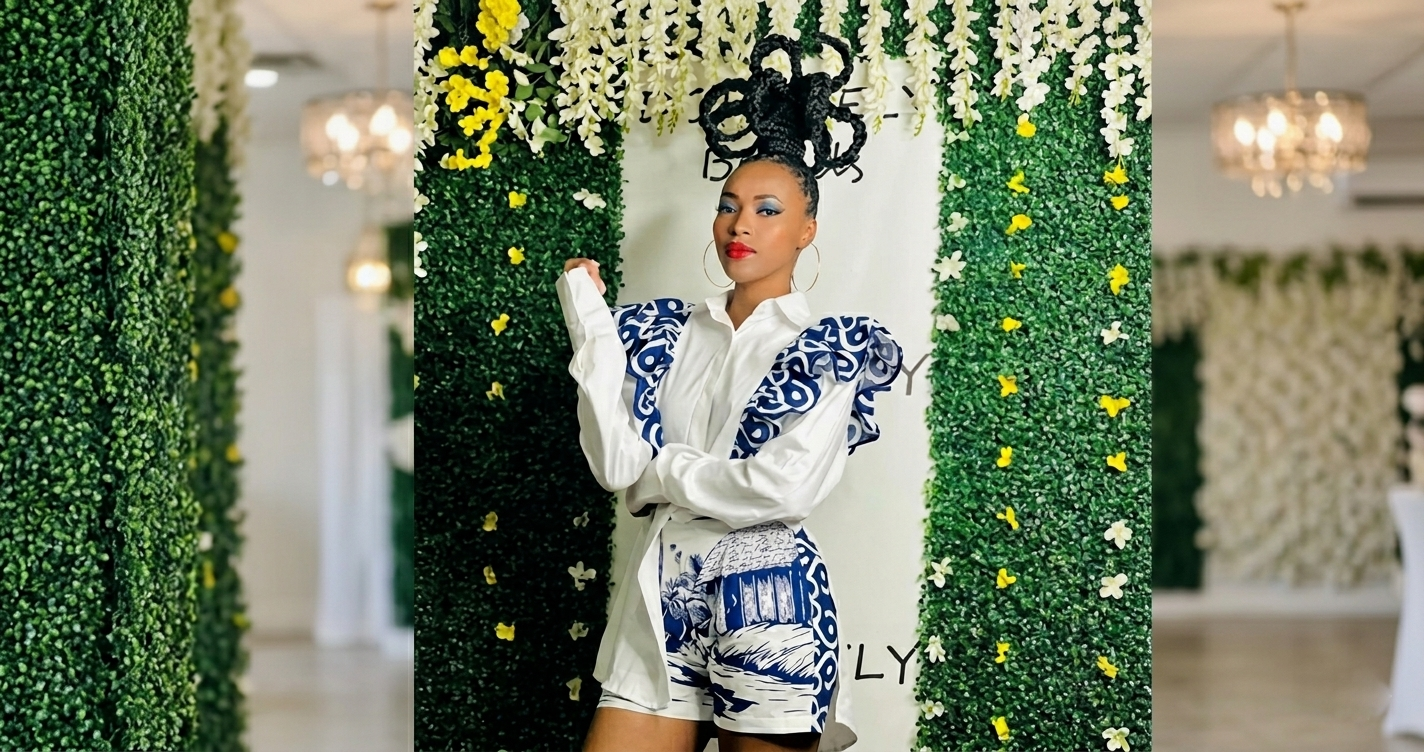
The single most important traditional Malagasy garment is the lamba.
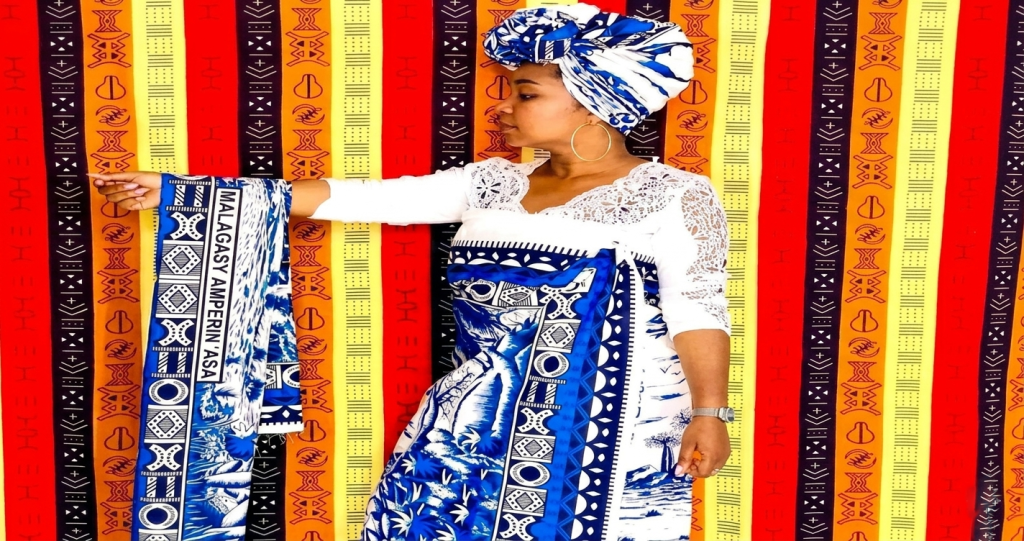
The lamba is a large rectangular cloth worn throughout Madagascar in countless ways. It can function as daily clothing, shawl, blanket, ceremonial wrap, burial cloth, baby carrier, or symbol of ancestral connection. Few garments in the world possess such broad cultural and spiritual significance.
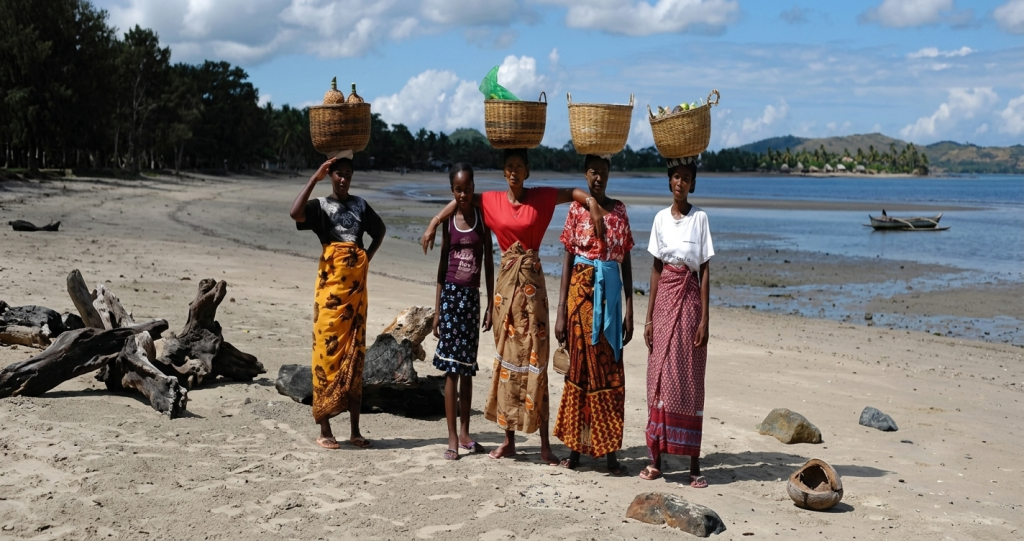
Different Malagasy communities developed unique lamba weaving styles, fabrics, and symbolic patterns. Some lambas are made from cotton, while others use raffia fibres or silk. The island’s silk weaving traditions became especially admired internationally because of their intricate craftsmanship and elegant texture.
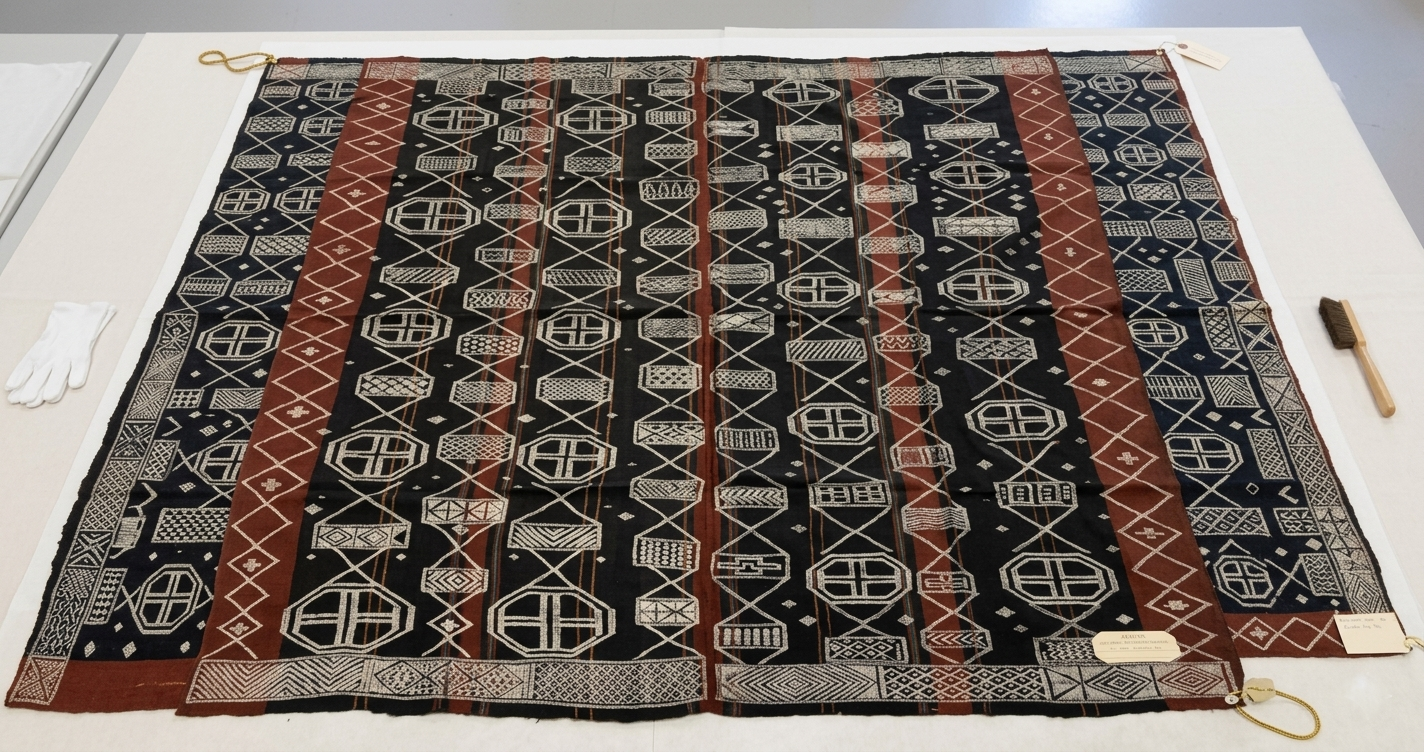
Historically, the lamba adapted easily to Madagascar’s diverse environments and lifestyles. Highland communities, coastal peoples, agricultural societies, and pastoral groups each developed distinct wrapping methods and textile aesthetics. Certain colors and weaving patterns could indicate regional identity, social status, or ceremonial purpose.
One of the most fascinating aspects of the lamba is its role in funerary and ancestral traditions.
Ancestors occupy an extraordinarily important position within Malagasy spirituality. Many Malagasy communities believe ancestors continue influencing the living world, guiding families and protecting descendants. Because of this, clothing used during ceremonies connected to ancestors carries profound symbolic meaning.
A famous Malagasy tradition known as famadihana, often translated as “the turning of the bones,” involves families ceremonially rewrapping the remains of ancestors in fresh cloth during communal celebrations honouring family lineage and remembrance.
During famadihana ceremonies, specially prepared lambas are used to respectfully wrap ancestral remains before dancing, music, feasting, and communal celebration take place. The ceremony reflects the Malagasy belief that the relationship between living families and ancestors remains active and ongoing.
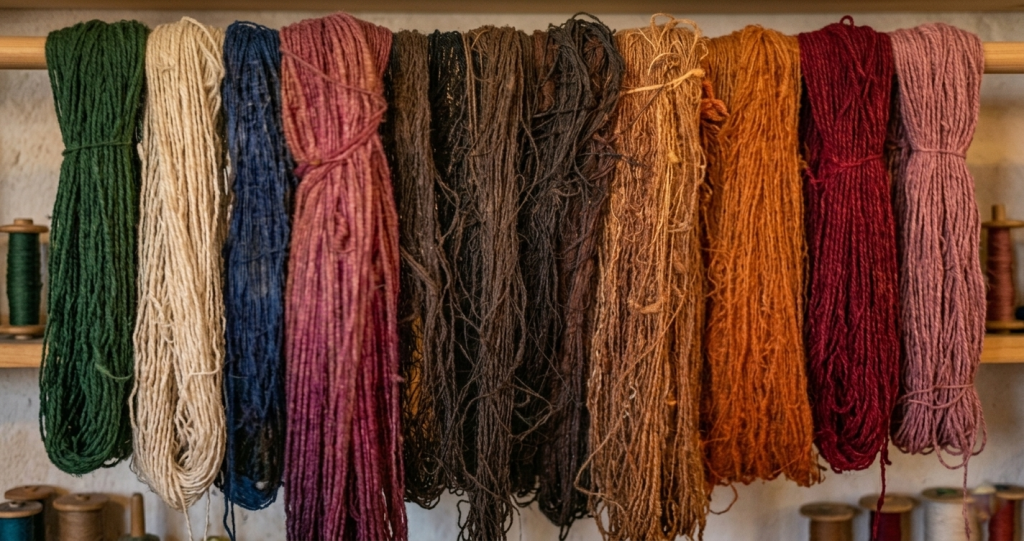
This makes the lamba highly unusual globally because it functions simultaneously as an everyday garment and a sacred funerary textile. In many societies, funeral cloth and daily clothing are separate categories. In Madagascar, however, the same textile tradition bridges ordinary life and spiritual continuity.
Madagascar’s textile traditions also reveal clear Austronesian influence.
Some weaving methods, loom technologies, and wrapping styles resemble textile traditions found in Southeast Asia and Indonesia more than mainland Africa. This connection provides cultural evidence of the Austronesian migrations that helped populate Madagascar over a thousand years ago.
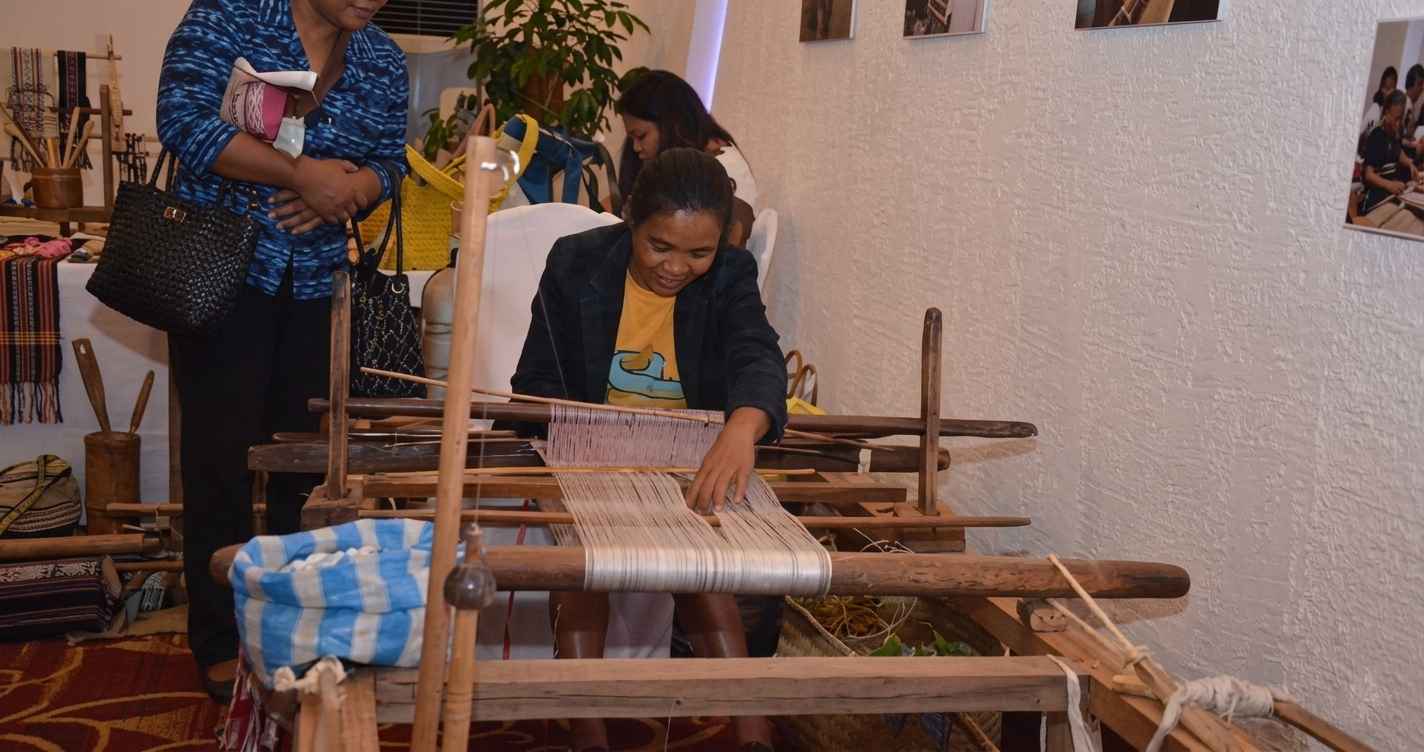
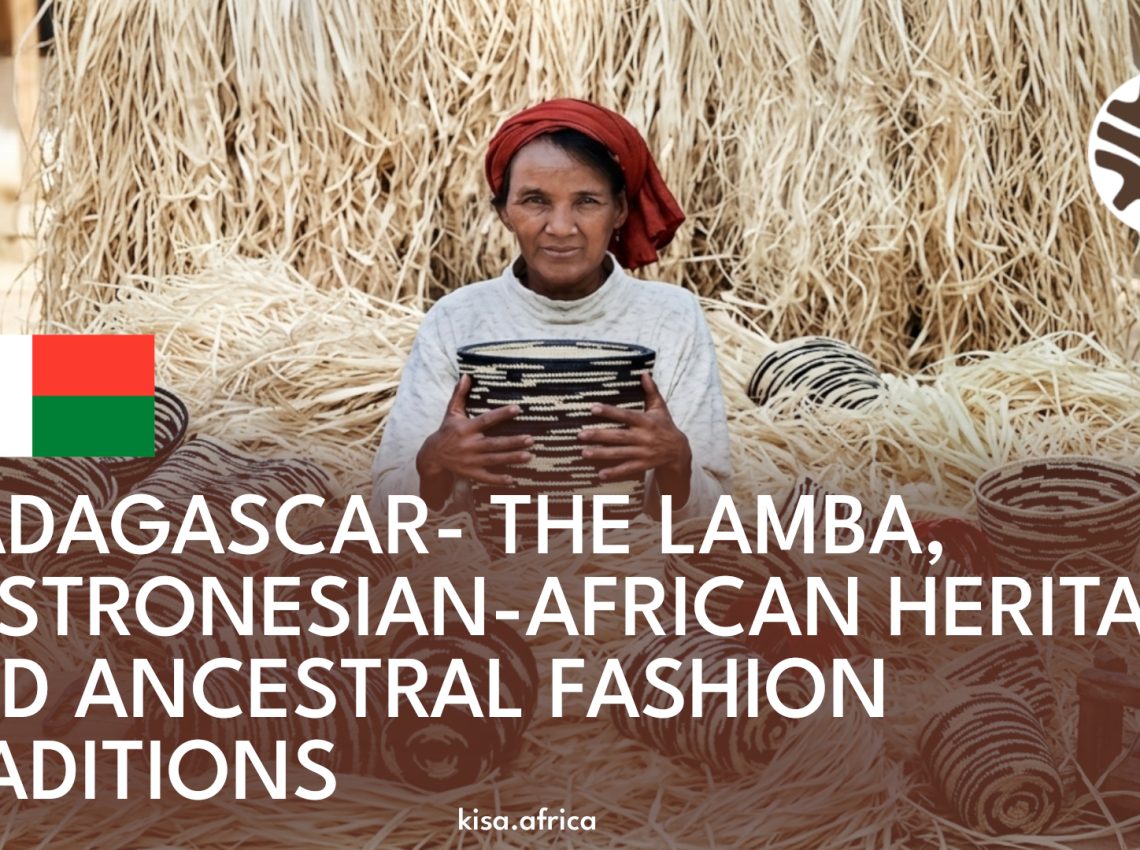
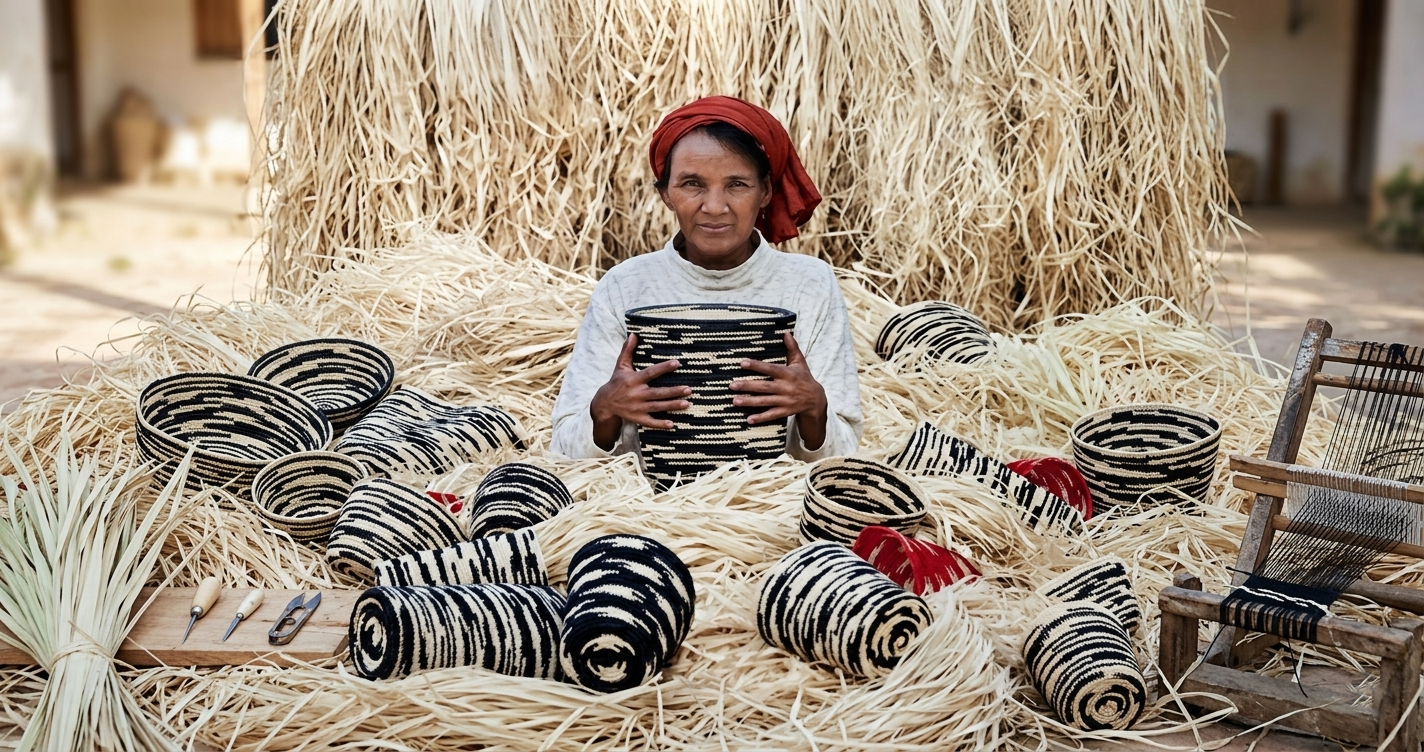
Raffia weaving became another major Malagasy artistic tradition. Raffia palm fibres were transformed into mats, clothing elements, baskets, hats, and decorative textiles. Malagasy raffia craftsmanship later gained international recognition in fashion and design industries because of its sustainability and distinctive texture.
Hair traditions across Madagascar varied dramatically among ethnic groups.
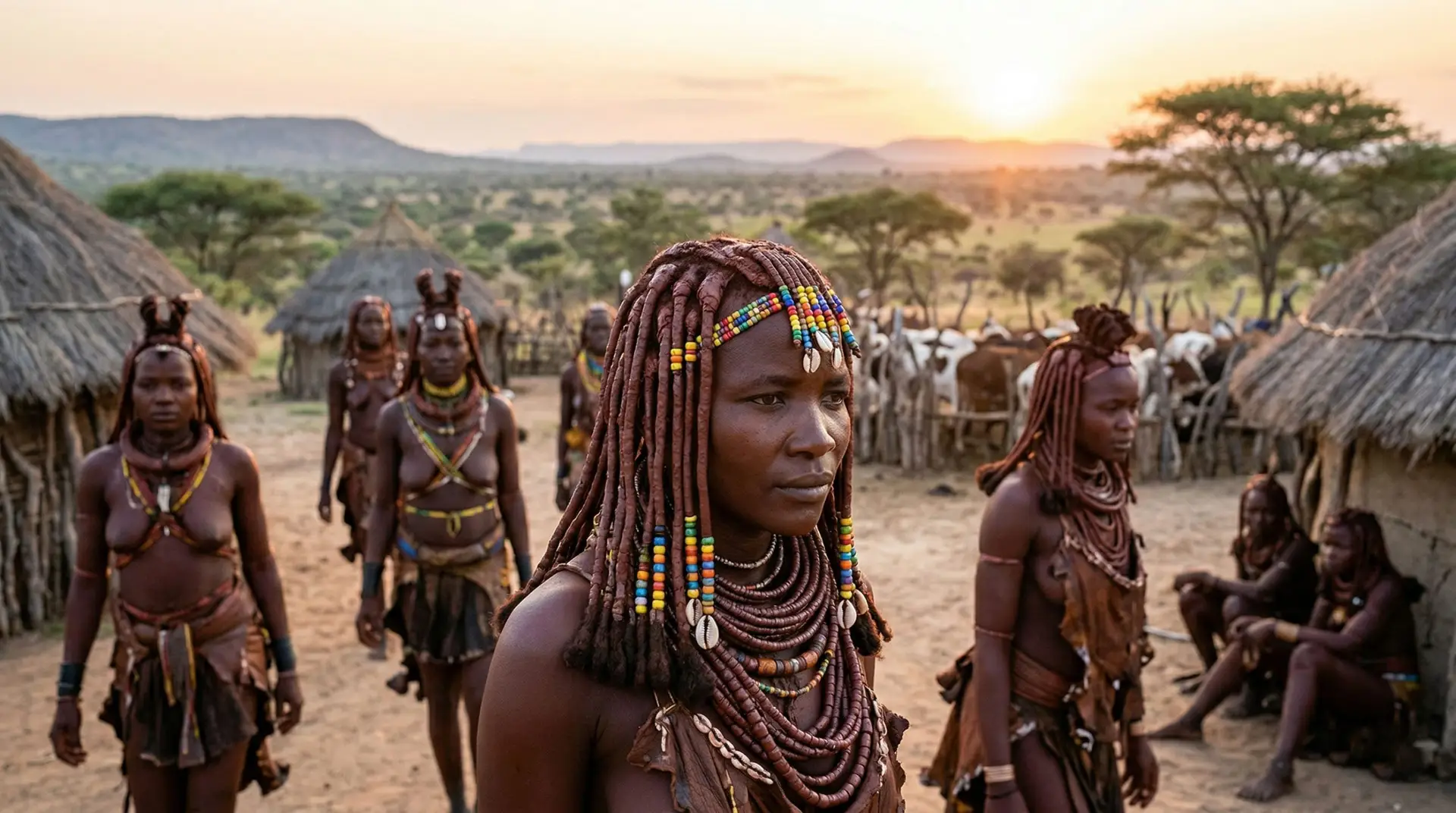
Although some outsiders mistakenly associate the Himba people with Madagascar, the Himba belong to Namibia. Madagascar developed entirely separate hair traditions rooted in Malagasy cultural diversity.
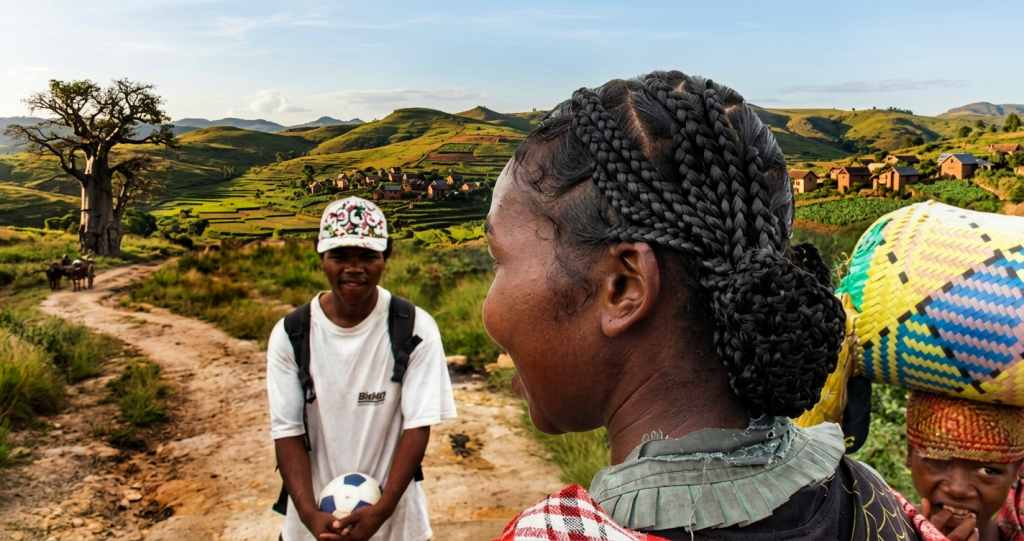
Some Malagasy groups practiced elaborate braiding techniques, sculptural hairstyles, and decorative hair arrangements reflecting age, beauty, and social belonging. Oils, clays, herbal treatments, and woven adornments were sometimes used to style and protect hair.
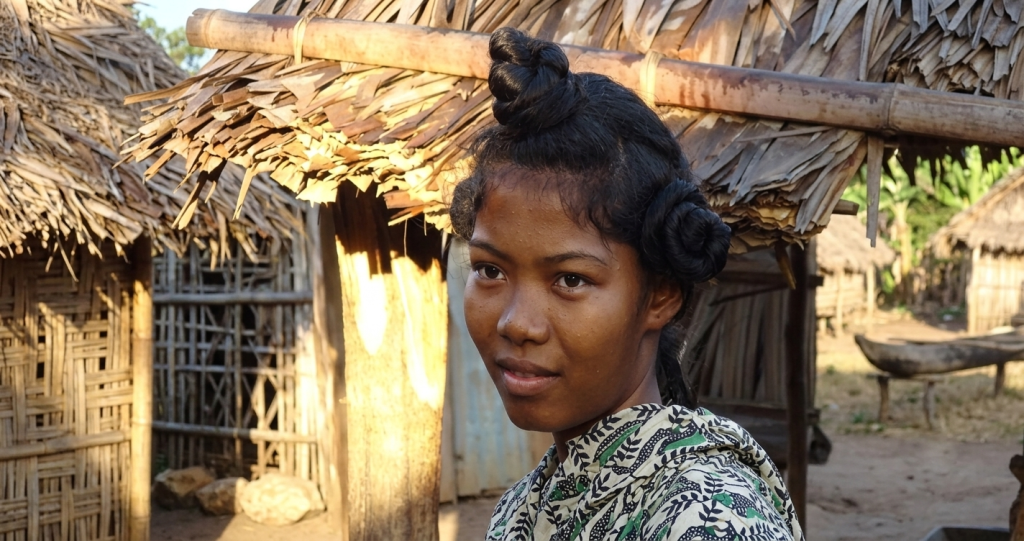
As in many African societies, hairstyling also functioned as a social activity through which stories, family teachings, and cultural values were passed between generations. Hairstyles could communicate maturity, readiness for marriage, or participation in important ceremonies.
Arab trade networks across the Indian Ocean also influenced Malagasy fashion. Imported fabrics, beads, jewellery, and Islamic artistic motifs entered coastal regions over centuries through trade with East Africa, Arabia, and South Asia.
French colonialism later introduced European tailoring, lace fabrics, Christian missionary dress norms, and Parisian-inspired aesthetics.
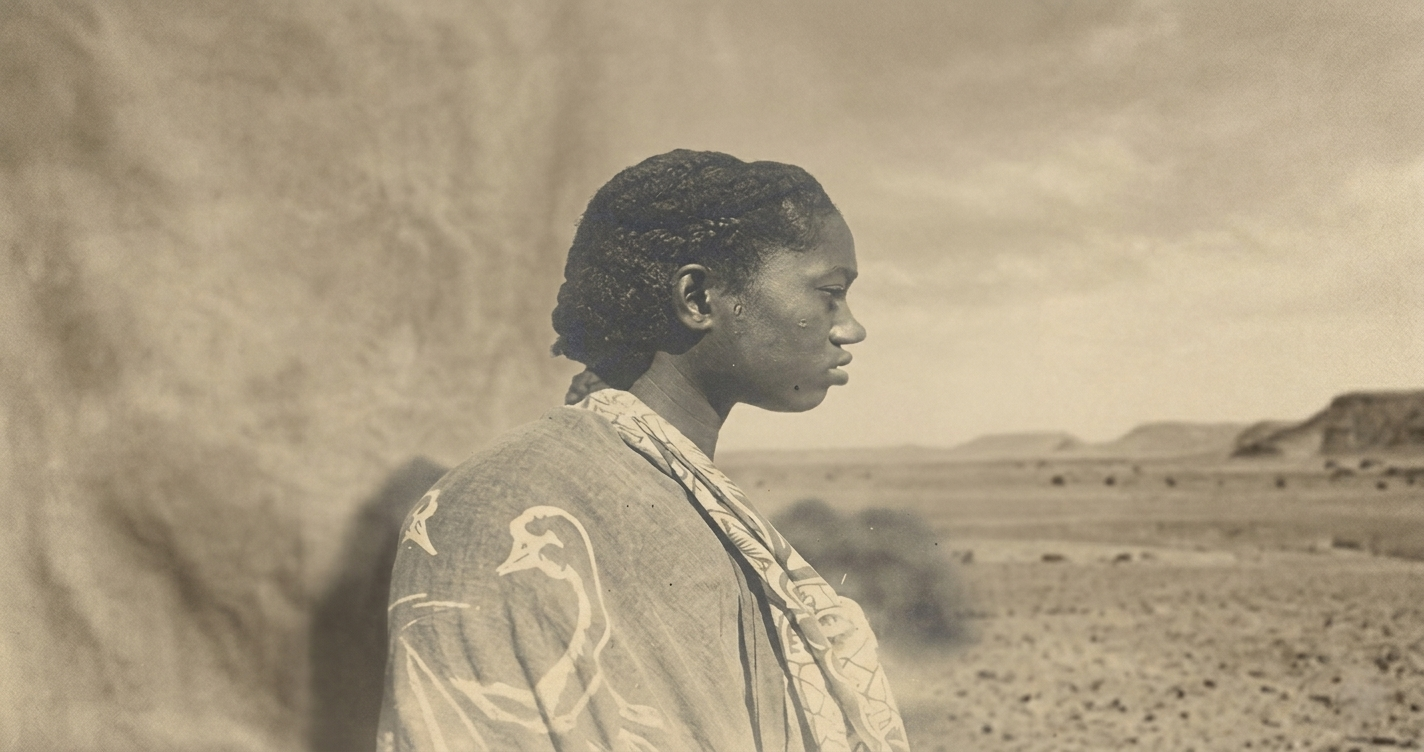
During the colonial era, Western-style dresses, jackets, suits, and urban tailoring became increasingly common, particularly in cities such as Antananarivo. However, traditional lambas and Malagasy textiles remained culturally powerful and continued evolving alongside imported fashions.
Modern Madagascar fashion now reflects this layered heritage. Contemporary Malagasy designers increasingly combine traditional weaving, raffia craftsmanship, silk textiles,
French-inspired tailoring, African prints, and eco-fashion principles into modern collections.
Madagascar has become particularly associated with sustainable and artisanal fashion because many traditional Malagasy crafts rely on handweaving, natural fibres, and locally sourced materials. International interest in sustainable luxury textiles has helped increase recognition of Malagasy raffia and silk craftsmanship.
Another fascinating aspect of Malagasy fashion culture is how strongly it remains tied to ancestry and continuity. Clothing in Madagascar often serves not only aesthetic or practical purposes but also acts as a bridge connecting generations, spirituality, memory, and family identity.
FASCINATING LESSER-KNOWN FACTS ABOUT MALAGASY FASHION AND HAIR
- Madagascar’s fashion traditions combine African and Austronesian influences unlike anywhere else in Africa.
- The lamba functions as both daily clothing and sacred funerary cloth.
- Famadihana ceremonies involve rewrapping ancestors in fresh lambas.
- Some Malagasy weaving traditions resemble Southeast Asian textile systems more than mainland African ones.
- Madagascar’s silk weaving traditions became internationally admired for craftsmanship.
- Raffia craftsmanship helped inspire modern eco-fashion industries.
- Hairstyles varied significantly across Madagascar’s many ethnic groups.
- Arab trade networks introduced beads, fabrics, and Indian Ocean influences to coastal regions.
- Modern Malagasy designers increasingly blend sustainability with traditional artistry.
SOURCES
Kent, R. K. (1970). Early Kingdoms in Madagascar, 1500–1700. New York, NY: Holt, Rinehart and Winston.
Kus, S., & Raharijaona, V. (2000). House to palace, village to state: scaling up architecture and ideology. American Anthropologist, 102(1), 98–113.
Eicher, J. B., & Ross, D. A. (1992). Dress and Identity. New York, NY: Fairchild Publications.
Fee, S. (2013). Cloth in Madagascar. Los Angeles, CA: Fowler Museum at UCLA.
Picton, J., & Mack, J. (1989). African Textiles. London, England: British Museum Press.
Bloch, M. (1971). Placing the Dead: Tombs, Ancestral Villages, and Kinship Organization in Madagascar. London, England: Seminar Press.