
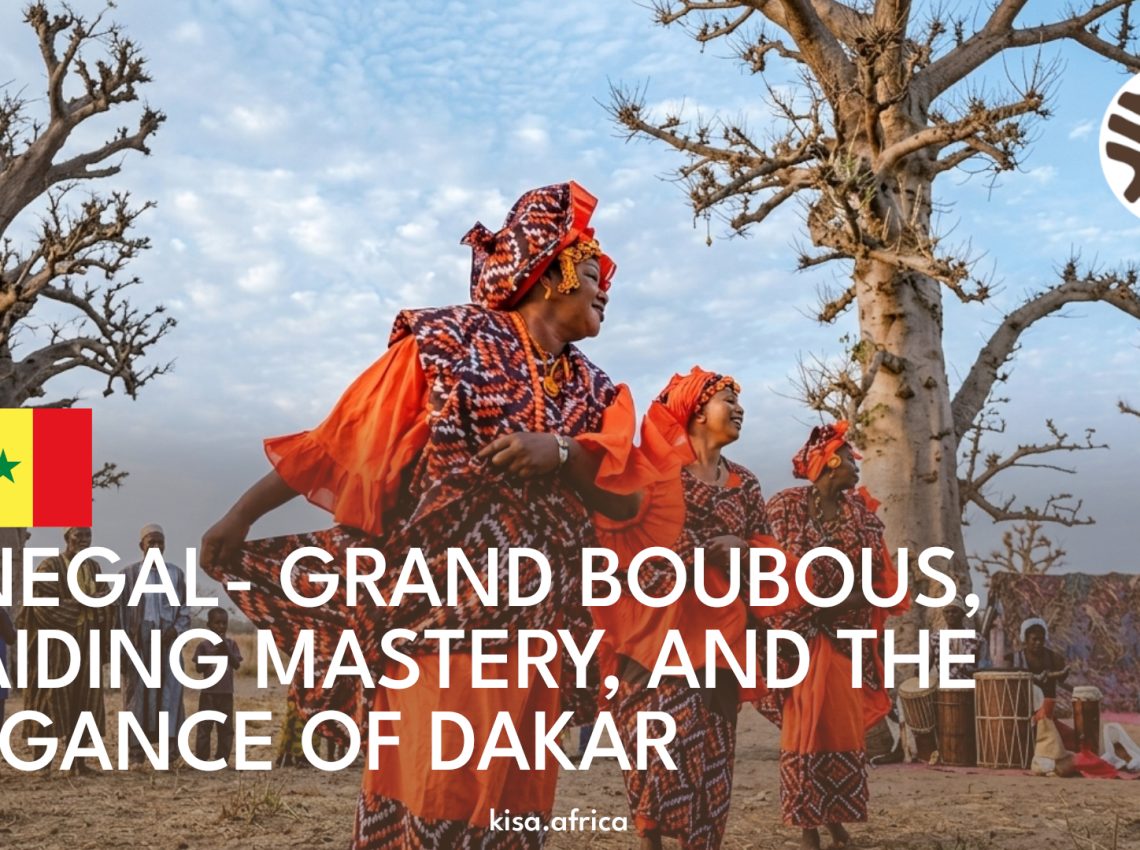
SENEGAL- GRAND BOUBOUS, BRAIDING MASTERY, AND THE ELEGANCE OF DAKAR
The fashion traditions of Senegal are among the most refined, influential, and globally admired in Africa. Senegalese aesthetics developed through the interaction of Wolof, Serer, Pulaar, Lebou, and other cultural traditions alongside Islamic scholarship, trans-Saharan trade, Atlantic commerce, and French colonial influence.
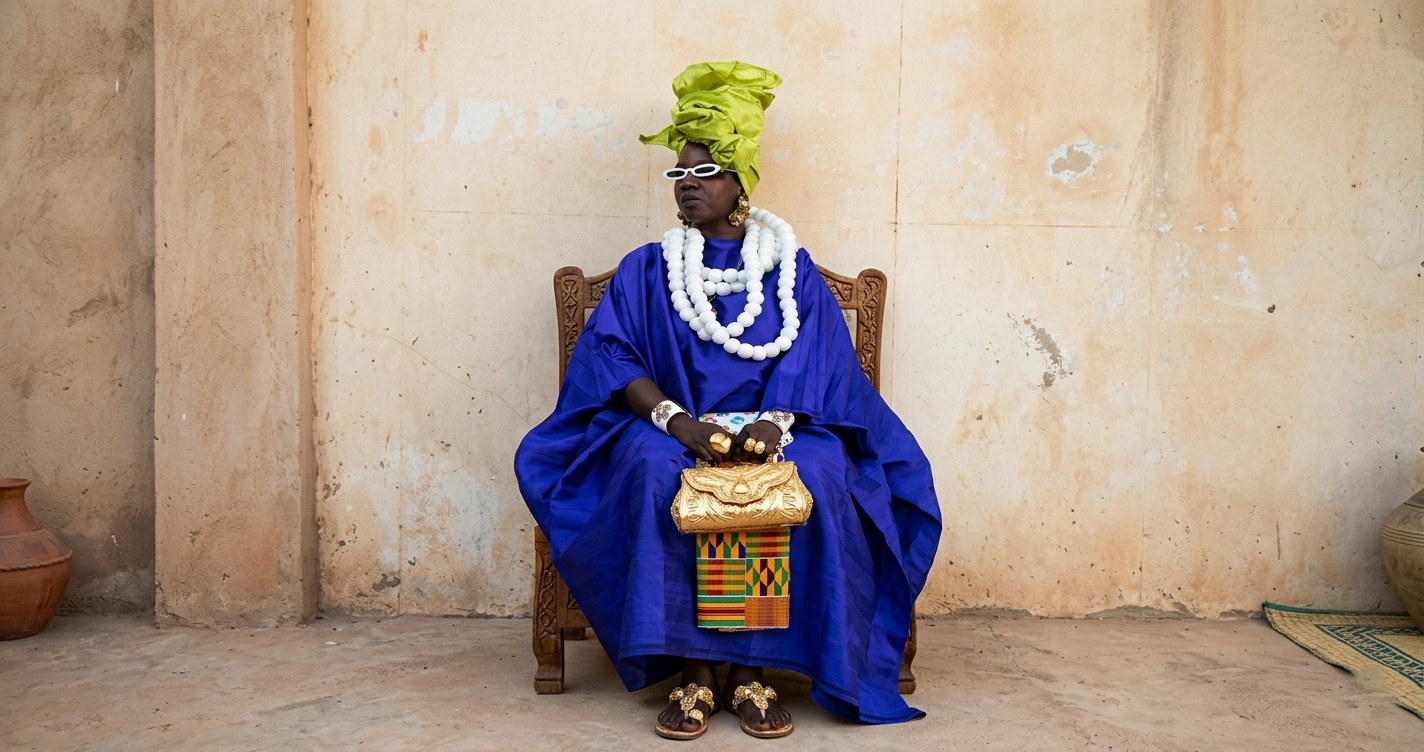
Fashion in Senegal historically became deeply connected to dignity, elegance, spirituality, social prestige, and artistic expression. Clothing was never viewed merely as practical covering; it functioned as a visible expression of refinement, cultural sophistication, family honour, and personal identity.
This cultural emphasis on elegance became so central that Senegal developed the concept of sañse, a Wolof term associated with dressing beautifully, carrying oneself with style, and presenting oneself with grace and sophistication.
Among Senegal’s most recognizable garments is the grand boubou.
The grand boubou is a flowing robe traditionally worn by both men and women, though men’s versions became especially famous for their dramatic silhouettes and intricate embroidery.
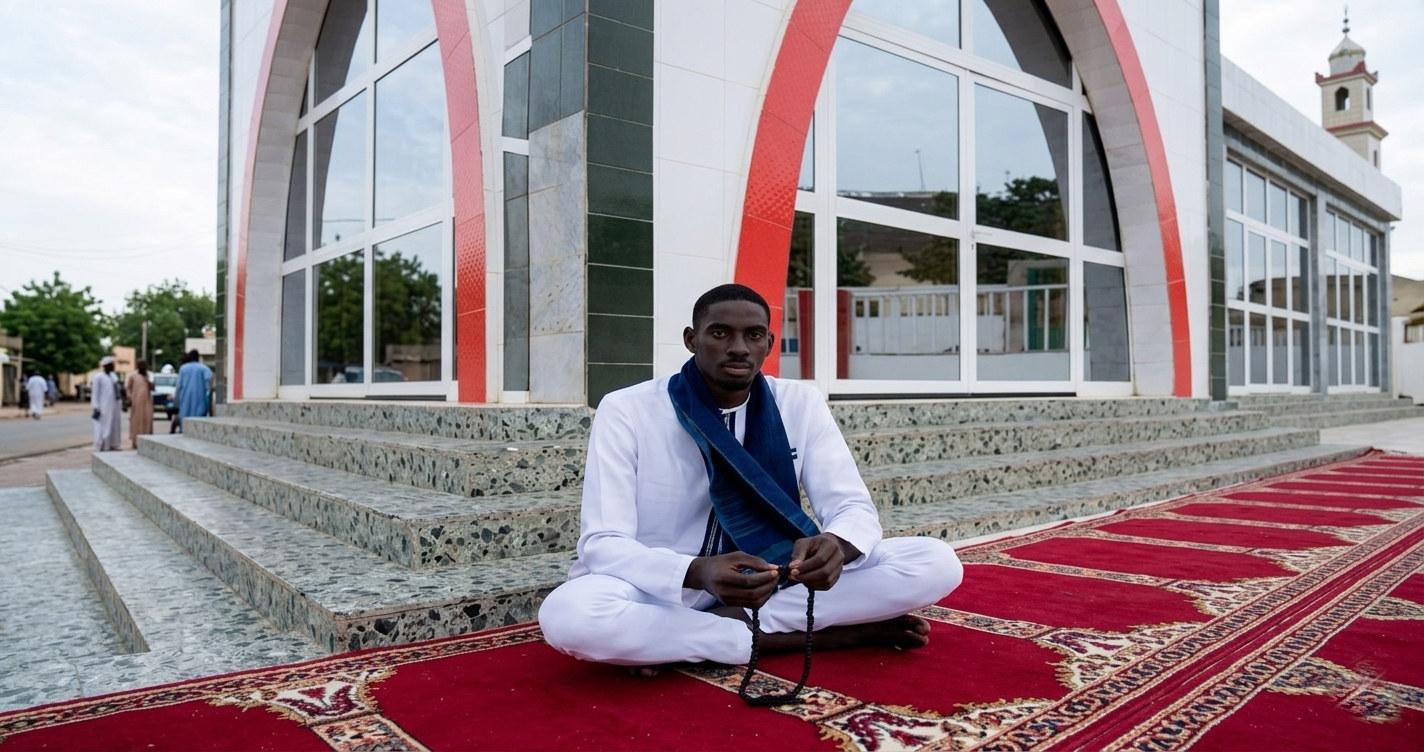
These garments symbolize:
- Prestige
- Wisdom
- Spiritual respectability
- Wealth
- Elegance
- Social maturity
Senegalese embroidery traditions are among the finest in West Africa. Some embroidered designs require weeks of detailed handwork, especially around necklines, sleeves, and chest panels.
The craftsmanship involved in producing luxury boubous became highly respected, with master tailors gaining significant prestige within society.
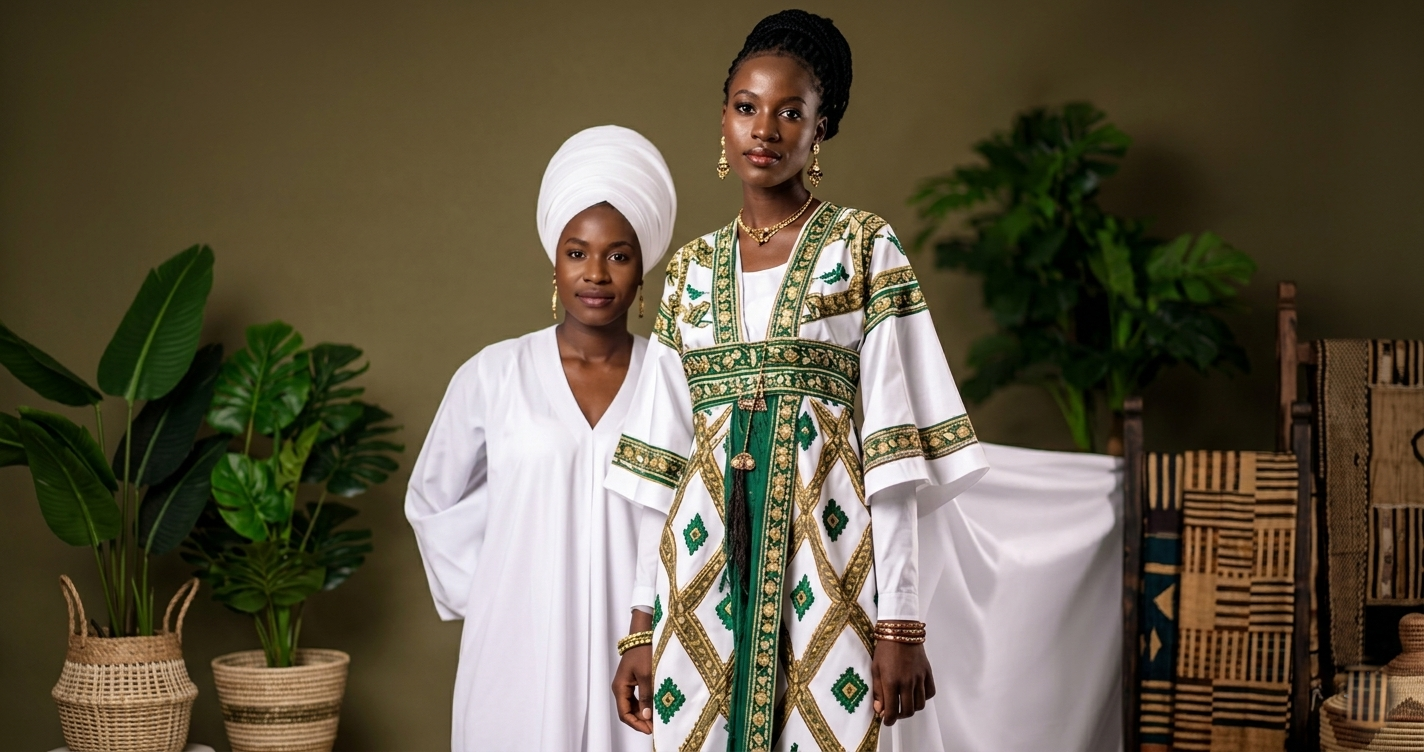
Flowing garments were also practical for Senegal’s climate, allowing airflow while maintaining modesty and visual grandeur.
Islamic influence profoundly shaped Senegalese fashion traditions.
For centuries, Senegal became an important centre of Islamic scholarship and Sufi religious traditions. This influenced:
- Modest silhouettes
- Embroidered prayer garments
- Head coverings
- Flowing robes
- Ceremonial attire
Yet Senegalese communities transformed Islamic dress traditions into uniquely West African aesthetics through vivid colours, luxurious fabrics, embroidery, and distinctive tailoring techniques.
Women’s fashion traditions in Senegal are especially celebrated for their elegance and creativity.
Women traditionally wear:
- Wrappers
- Tailored dresses
- Decorative shawls
- Jewellery
- Elaborate headwraps
Headwraps hold major cultural significance within Senegalese society.
Different tying techniques can communicate:
- Sophistication
- Personality
- Marital status
- Fashion awareness
- Occasion
- Social confidence
Head wrapping became an art form requiring creativity and technical skill. Senegalese women are internationally admired for sculptural and highly elegant headwrap styles combining dramatic structure with graceful balance.
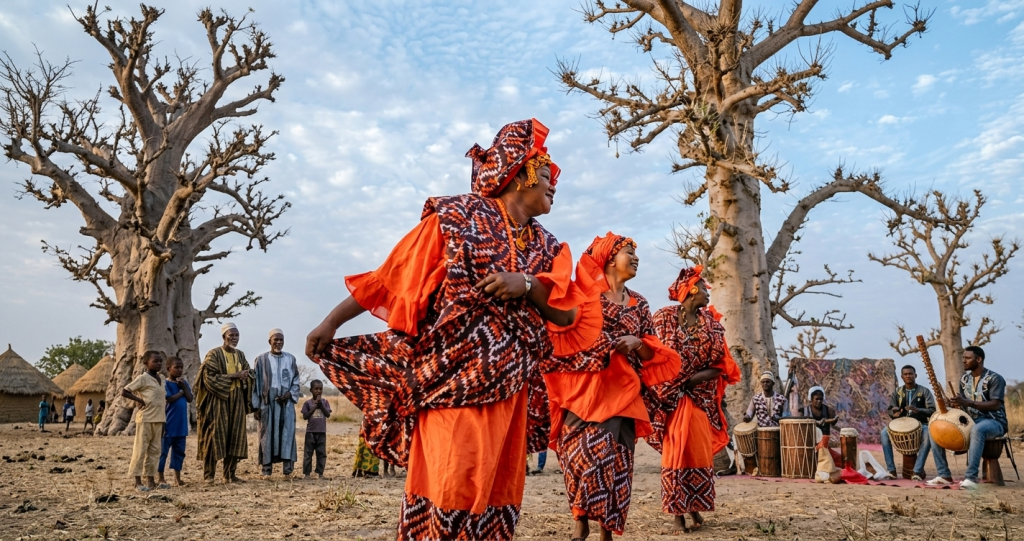
The visual coordination between dresses, jewellery, shoes, handbags, and headwraps became central to Senegalese concepts of polished presentation.
Hair culture in Senegal is globally influential.
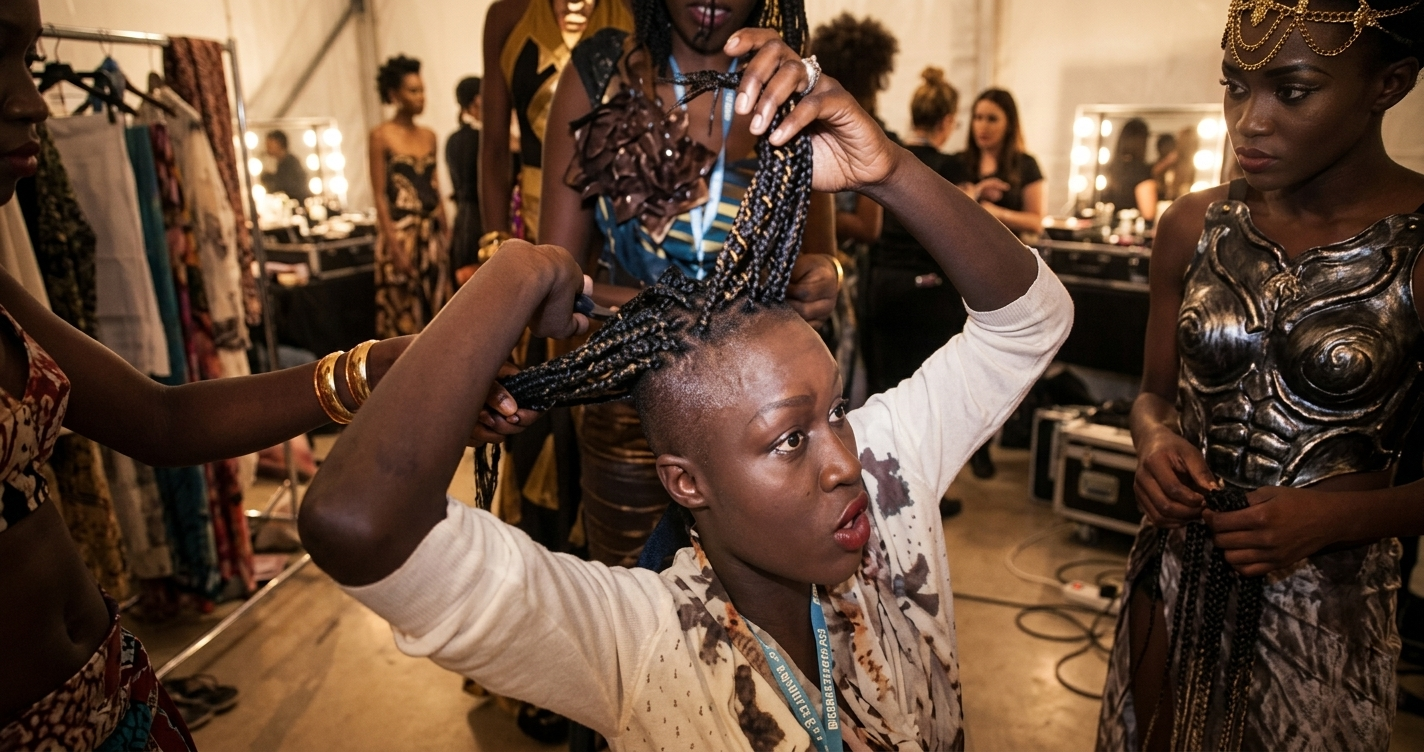
Senegal became internationally famous for braiding artistry and protective hairstyles. In fact, “Senegalese twists” became globally recognized as one of the most popular braided hairstyles worldwide.
Historical Senegalese hairstyles often communicated:
- Age
- Beauty
- Ethnic identity
- Social status
- Readiness for adulthood
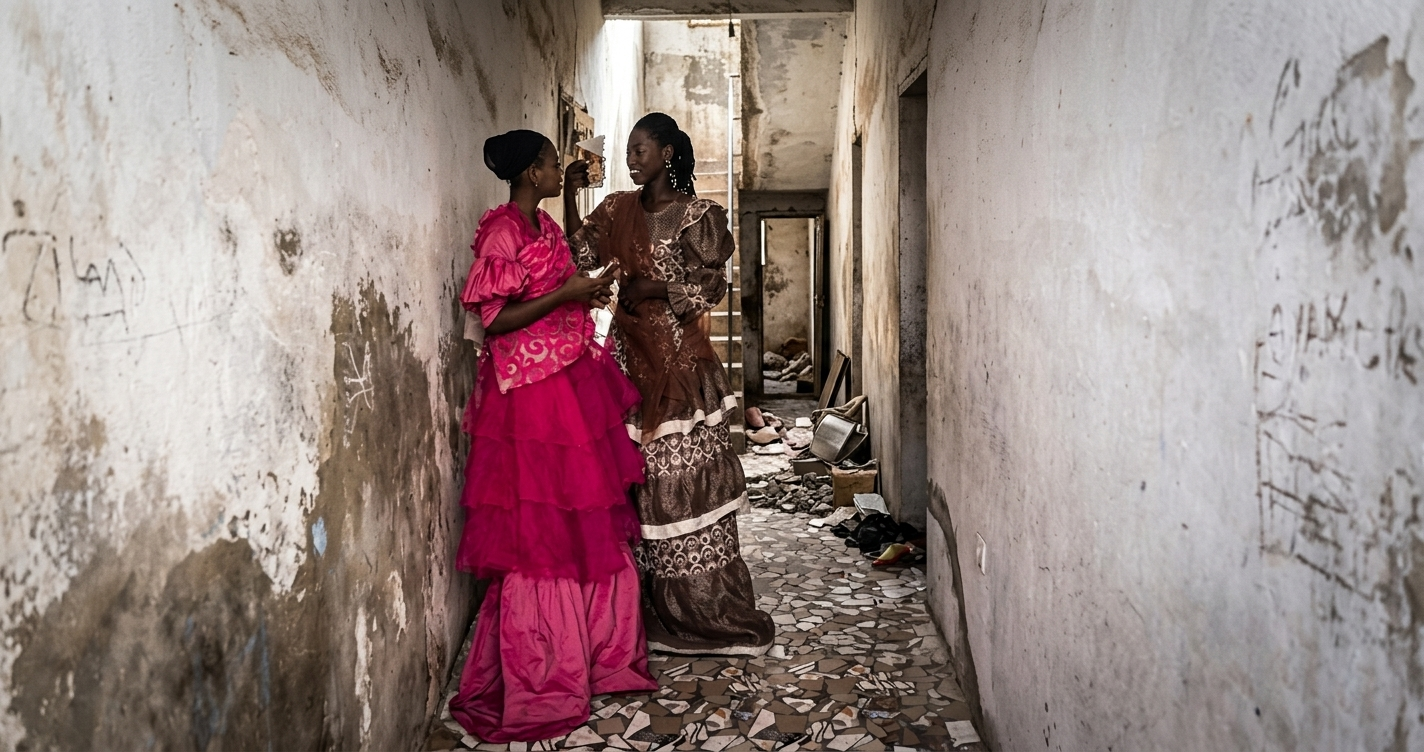
Hairdressing became both artistic practice and communal ritual. Braiding sessions often lasted many hours and functioned as important social spaces where women exchanged:
- Stories
- Advice
- Cultural knowledge
- Family news
- Oral traditions
Hair salons remain major social and cultural institutions in Senegal today.
Natural oils, shea butter, and herbal treatments historically protected hair from coastal humidity and heat while maintaining intricate styles.
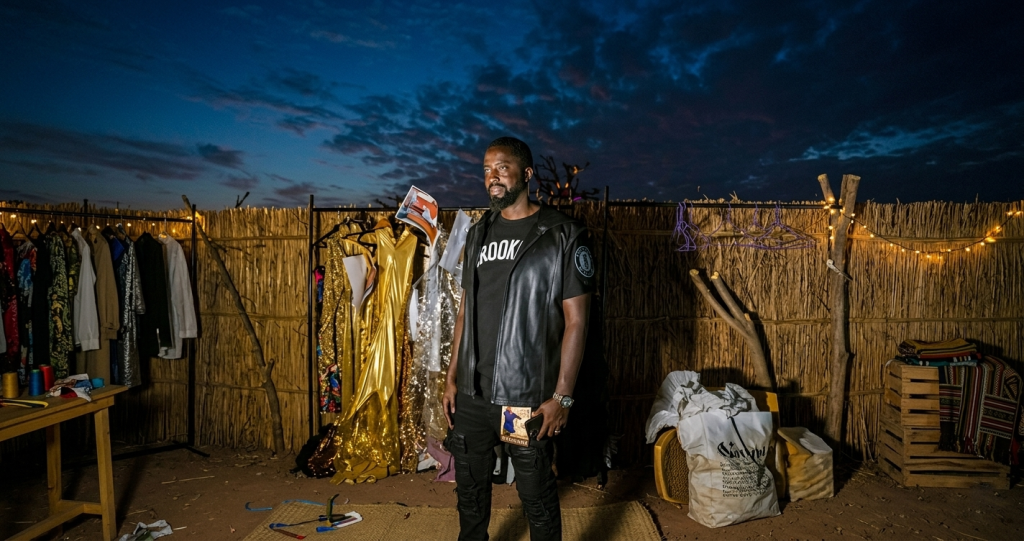
French colonial influence also shaped Senegalese fashion culture.
French tailoring traditions introduced:
- Structured garments
- European sewing techniques
- Lace fabrics
- Urban couture aesthetics • Fashion magazines
- Formalwear conventions
However, Senegalese designers and tailors transformed these influences into distinctly African forms emphasizing colour, embroidery, and flowing silhouettes.
The city of Dakar eventually became one of Africa’s most important fashion capitals.
Dakar developed international influence through:
- Pan-African fashion photography
- Couture design
- Textile innovation
- Music culture
- Modelling
- Art movements
Modern Senegalese designers now shape global African luxury fashion, particularly in:
- Couture tailoring
- Modest fashion
- Sustainable textiles
- Afro-modern aesthetics
- Contemporary embroidery
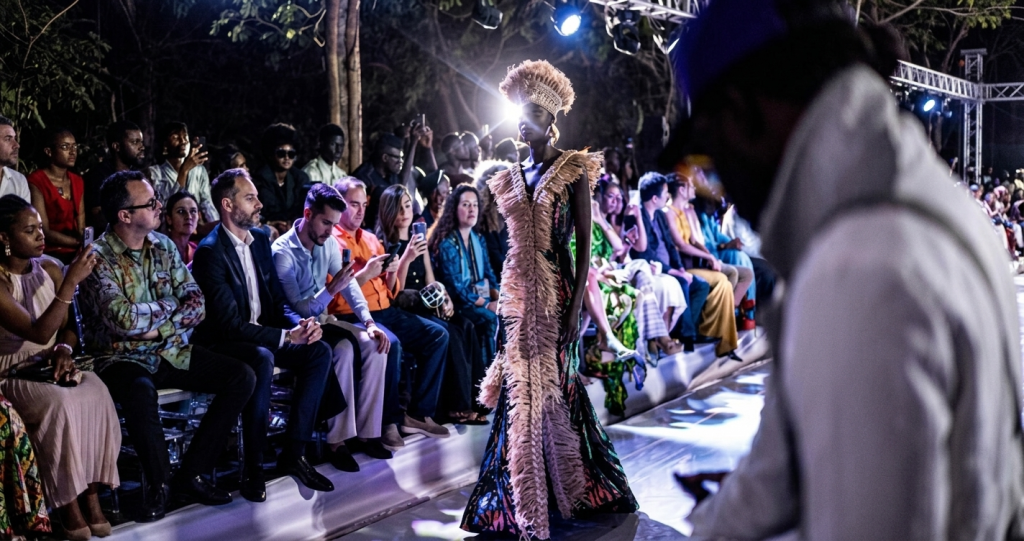
Senegalese fashion today blends:
- Traditional boubous
- Streetwear
- Luxury couture
- Islamic modest fashion
- Pan-African aesthetics
- Contemporary global trends
This combination allows Senegal to maintain strong cultural continuity while remaining highly influential in modern international fashion conversations.
FASCINATING LESSER-KNOWN FACTS ABOUT SENEGALESE FASHION AND HAIR
- The Wolof concept of sañse emphasizes elegance, self-presentation, and sophistication.
- Some Senegalese embroidery techniques require weeks of handwork.
- Senegalese twists became one of the world’s most famous braided hairstyles.
- Headwrap tying became an advanced artistic skill communicating style and personality.
- Hair salons function as major social and cultural gathering spaces.
- Dakar became central to pan-African fashion photography and couture.
- Islamic scholarship strongly influenced Senegalese modest fashion traditions.
- Senegalese tailoring blends African aesthetics with French couture influence.
- Grand boubous symbolize prestige, dignity, and refinement.
SOURCES
Mustafa, H. (1997). From Colonialism to Clothing: Imperialism and Changes in Clothing among Urban Women in Senegal. Africa Today, 44(4), 455–478.
Eicher, J. B., & Ross, D. A. (1992). Dress and Identity. New York, NY: Fairchild Publications.
Perani, J., & Wolff, N. H. (1999). Cloth, Dress, and Art Patronage in Africa. Oxford, United Kingdom: Berg Publishers.
Rovine, V. L. (2015). African Fashion, Global Style: Histories, Innovations, and Ideas You Can Wear. Bloomington, IN: Indiana University Press.
Picton, J., & Mack, J. (1989). African Textiles. London, England: British Museum Press.
Buggenhagen, B. A. (2012). Muslim Families in Global Senegal: Money Takes Care of Shame. Bloomington, IN: Indiana University Press.