
KISA AFRICA- CAPE VERDE
CAPE VERDE OVERVIEW OF HAIR AND FASHION
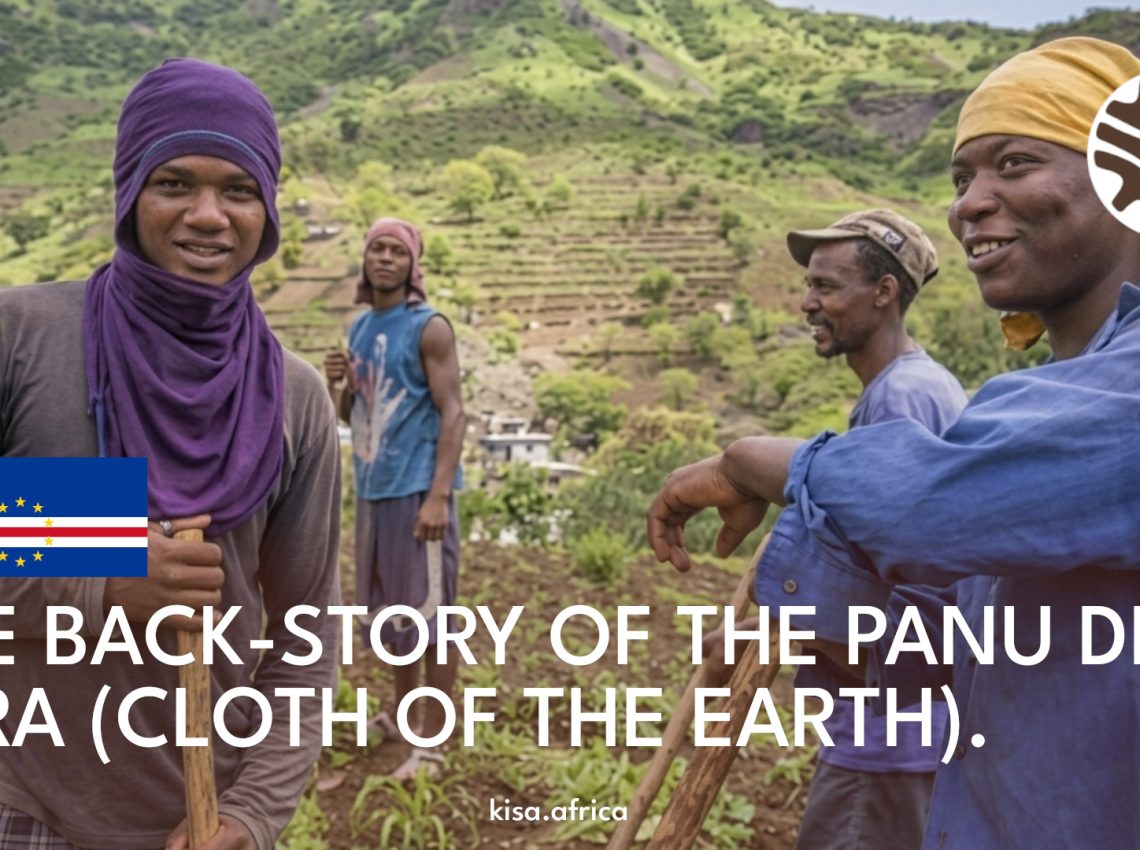
THE BACK-STORY OF THE PANU DI TERA (CLOTH OF THE EARTH).
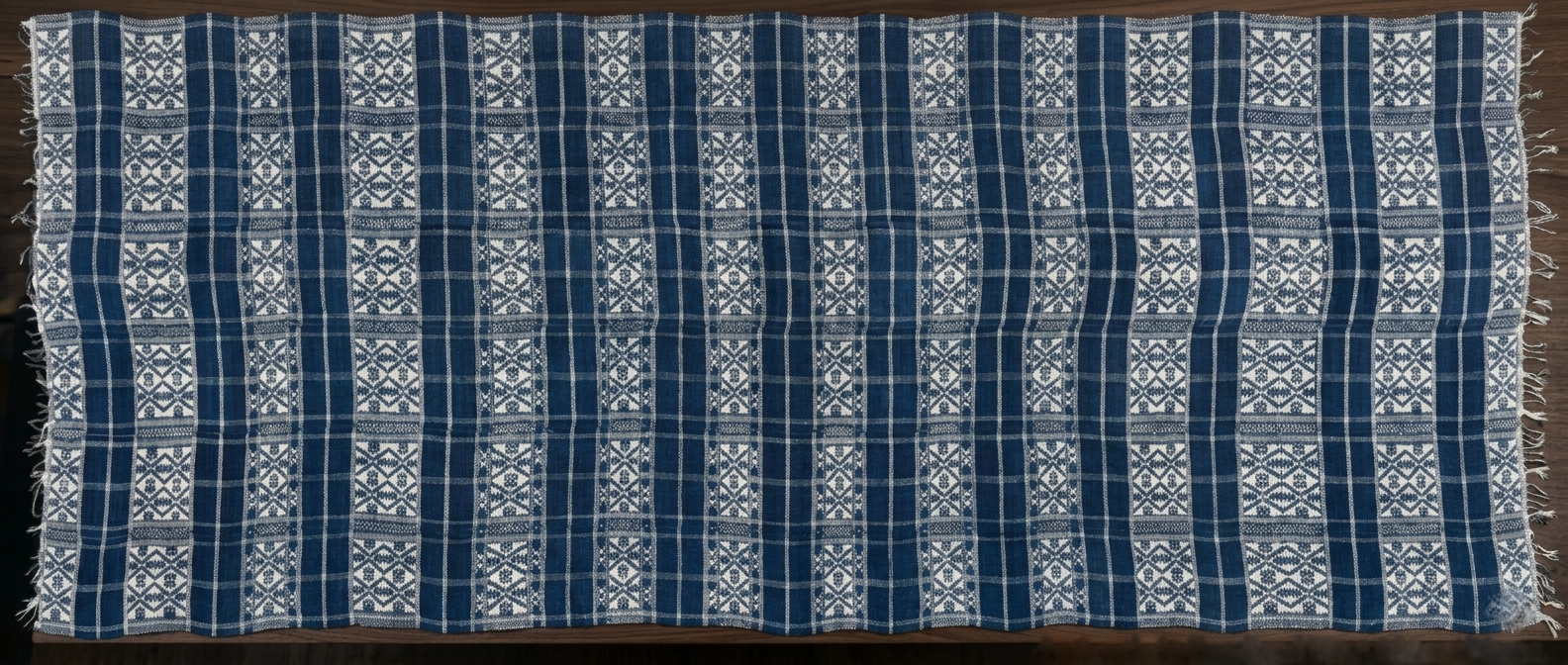
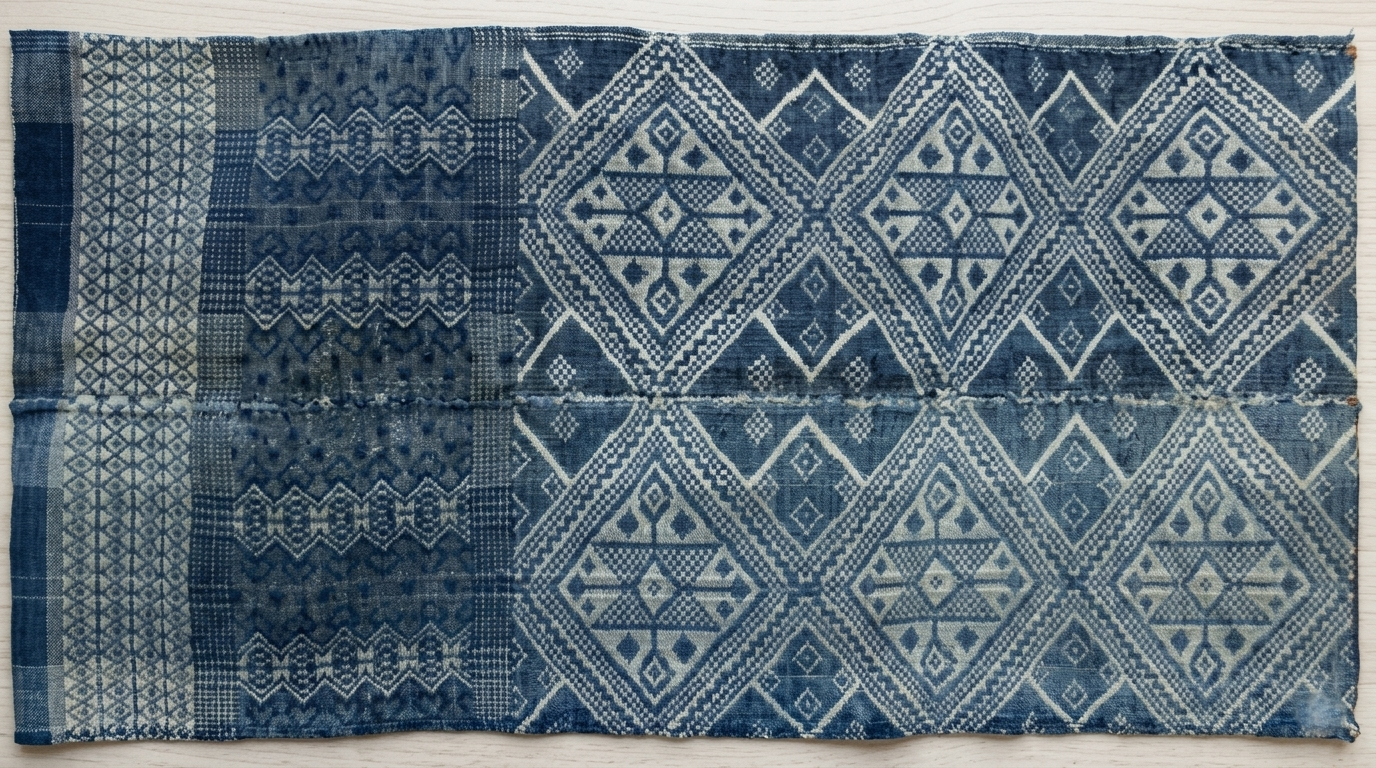
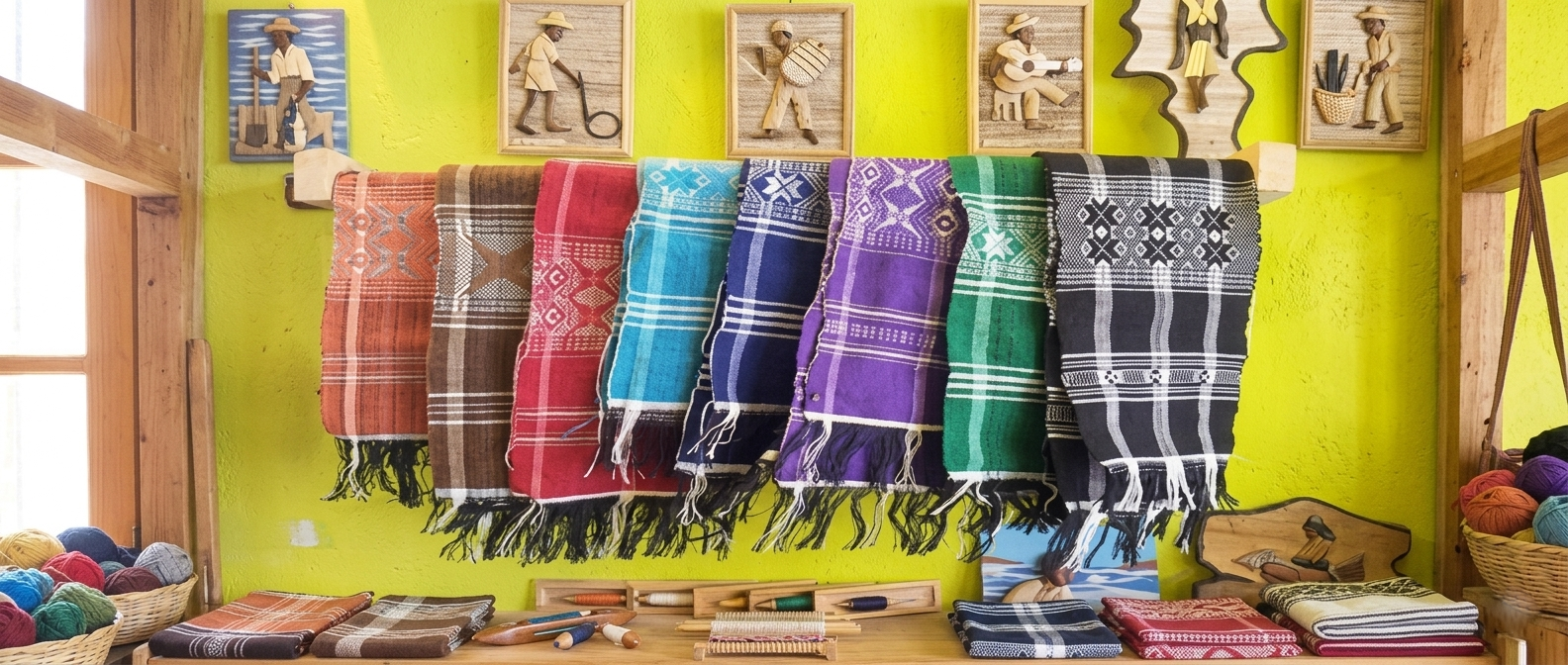
Cape Verde founded its identity, with symbols such as Pano di Tera (Cloth of the Earth) or Pano d’Obra (Laborious Cloth). It is cloth, yet it is more than just cloth as it is the base of the Cape Verdean culture.
HOW IT CAME ABOUT & WHY IT IS WORN:
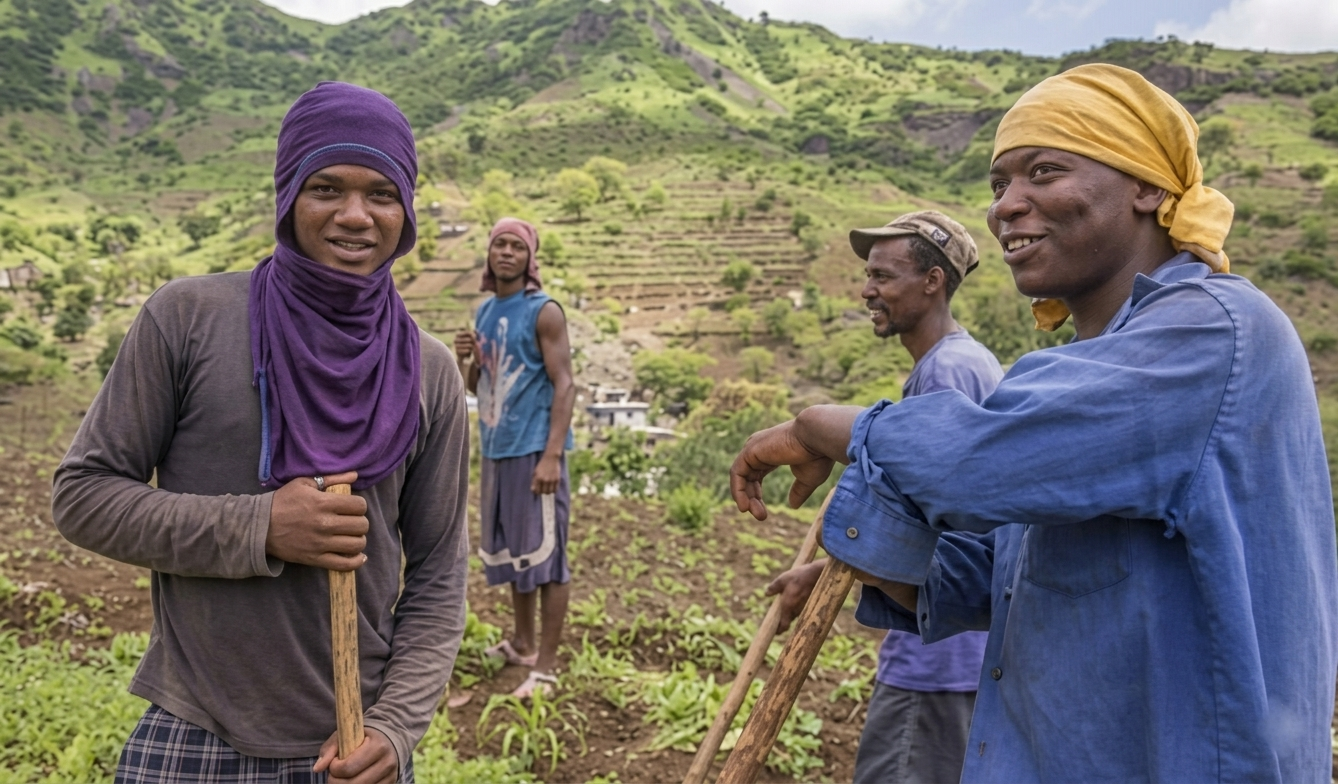
Cape Verde, an unpopulated island during the15th century was colonized by the Portuguese. They imported slaves who were weavers as they took them to the islands to keep the economy alive like they had done in Guinea and the West African coast. These weaving women came with the narrow-strip loom (a traditional West African tool). Due to the obligatory labour under colonizers, they started the works with creating cotton into a unique cloth. But the cloth rose to an insurrection. It was worn to keep African history alive to the European colonists. This became the dress code of Cape Verdean women which was worn in the form of wrappers (skirts) or tied at the waist especially to assert their African identity over the Portuguese elite.
FUN FACT (THE CLOTH OF MONEY):
Most people feel that this piece of cloth is just utilized in suits and garments, but the textile
Pancu di Tera was so valuable such that it became currency. This paper is referred to as Barafula, and this type of cloth was used to purchase the slaves on the West African coast to export them to Brazil. Basically, a fragment of Cape Verdean cloth land assisted to power the trans-Atlantic slave trade on the African side.
THE INDIGO SECRET AND THE SYMBOLS.
Cape Verdean fashion revolves around 2D textile geometry and indigo dye.
The Secret of the Colour:
The old linen is almost always white, and bluish indigo. The indigo colour was a representation of the Atlantic Ocean which was developing around the islands and the sky at midnight. There was a belief that it was a spiritual protector.
It features so-called Impossible Patterns (Pano d’Obra):
The d’Obra last name translates to hardworking or complex. The weavers would also invent some geometrical patterns that would be a clash of cultures. The Eight-Pointed Star: deals with the sun, Islamic/Moorish influence by the traders of North Africa.
Cross of Christ (Portuguese Cross): A cross-symbol that, in fact, was thrown at the weavers, but they used the symbol as a part of African grid patterns as a syncretic form of worship.
Animal Skin Motifs: Motifs in the shape of lizard or snakeskin with a continuity to the ancient African veneration of the nature.
FUN FACT (THE JAPANESE CONNECTION):
Perhaps the reason that is the strangest is that the Japanese patterning was subsequently passed to this African machinery by the Portuguese. On occasions Japanese employees in the island of Cape Verde were invited to teach the brought slaves the new styles of aesthetics to the slaves who were exercising as weavers. In the antique pieces one can witness a mixture of the Japanese geometric restraint with West African logic of the textiles.
LIFECYCLE: THE IDENTITY OF BADIU.
Cape Verde possesses this newly created concept of Badiu (or in this case, in the island of Santiago) to the freed African slaves who had been able to find refuge in the hills.
Since when has this been practiced?
It started to be produced midway through the 15th century (around 1460s) and was at its peak during the 16th and the 18th centuries. This tradition has however remained close to death almost through the 19th century as the local cotton and dye making process was unsuccessful.
Badja (Traditional Outfit):
A special uniform was still worn by rural women (especially, on Santiago and Fogo islands)
-A dark skirt.
-A blouse that opens in the back in folds and sleeves.
-The Pano d’Obra was really bound round the hip or shoulder.
The Baby Carrier:
The cloth was not merely a fashion one. The length of Pano d’Obra was possessed of a particular length and was named Pano di Lambu or Pano di Bambu. It was a veiled carrying wrap to strap infants on the back, both as a fashion statement, a work of art and a parenting aid.
THE DECLINE:
European factory textiles were inexpensive and more readily available towards the end of the 19th century. The Portuguese colonial government did not promote the native fabric but instead promoted the use of European clothes. Pano d’Obra tapestries were practiced only as fine art, and in the 20th century, were only found in the most remote areas of Santiago Island.
THE REVIVAL
The PAIGC (African Party to the Independence of Guinea and Cape Verde) that enjoyed the independence of Portuguese dominion in 1975 headed the Re-Africanization process. Not only did they bring Pansu di Tera, but it was in cloth, and the official emblem of Cape Verdean nationality. It became the “trademark of Cape Verdean hood”.
SOURCES
Boa Vista Official. (n.d.). Craftsmanship in Cape Verde (Pánu di Terra textile).
Leila Atelier. (n.d.). Pano d’Obra of Cabo Verde (textile weaving tradition). https://leilaatelier.com/blogs/textile–stories/pano–d–obra–of–cabo–verde
Santiago Magazine. (n.d.). Panu di tera as intangible cultural heritage.
https://santiagomagazine.cv/cultura/panu–di–tera–ja–e–patrimonio–cultural–imaterial–nacional Wikimedia Commons. (n.d.). Historia Cabo Verde (Badiu people image). https://commons.wikimedia.org/wiki/File:Historia_cabo_verde.jpg
Cabo Verde Info. (n.d.). Pano d’Obra: Culture and identity. https://www.caboverde–info.com/eng/Identity/Culture/Pano–d–Obra
Buala. (n.d.). Designing national identity through cloth: The Pánu di Tera of Cape Verde. https://www.buala.org/en/to–read/designing–national–identity–through–cloth–the–panu–di–teraof–cape–verde
Cape Verde Travel Guide. (n.d.). Panu di terra: The traditional clothes of Cape Verde. https://caboverdetravelguide.com/en/panu–di–terra–the–traditional–clothes–of–cape–verde/
Revista Binter. (2017). Pano di terra. https://www.revistabinter.com/pt–pt/2017/07/05/pano–di–terra/