
KISA AFRICA- BURUNDI
THE BURUNDI HAIR AND FASHION OUTLOOK.
Burundi, a small landlocked African country in the Great Lakes, is a land of tradition, whose fashion and hairstyles have traditionally been used as a complex visual language. In contrast to the court-based, hierarchical fashion of Benin, Burundian traditions are common to the Hutu, Tutsi, and Twa ethnicities, who all speak the same language (Kirundi), and have common basic customs. Clothing and hair in this society were not just decorative but served as strong indicators of age, marital status, social rank and even the courage of a warrior to even the symbolic shaving practices of the young people and the royal lion-mane heads of the royal dancers held a tale of identity, spirituality and stature within the community.
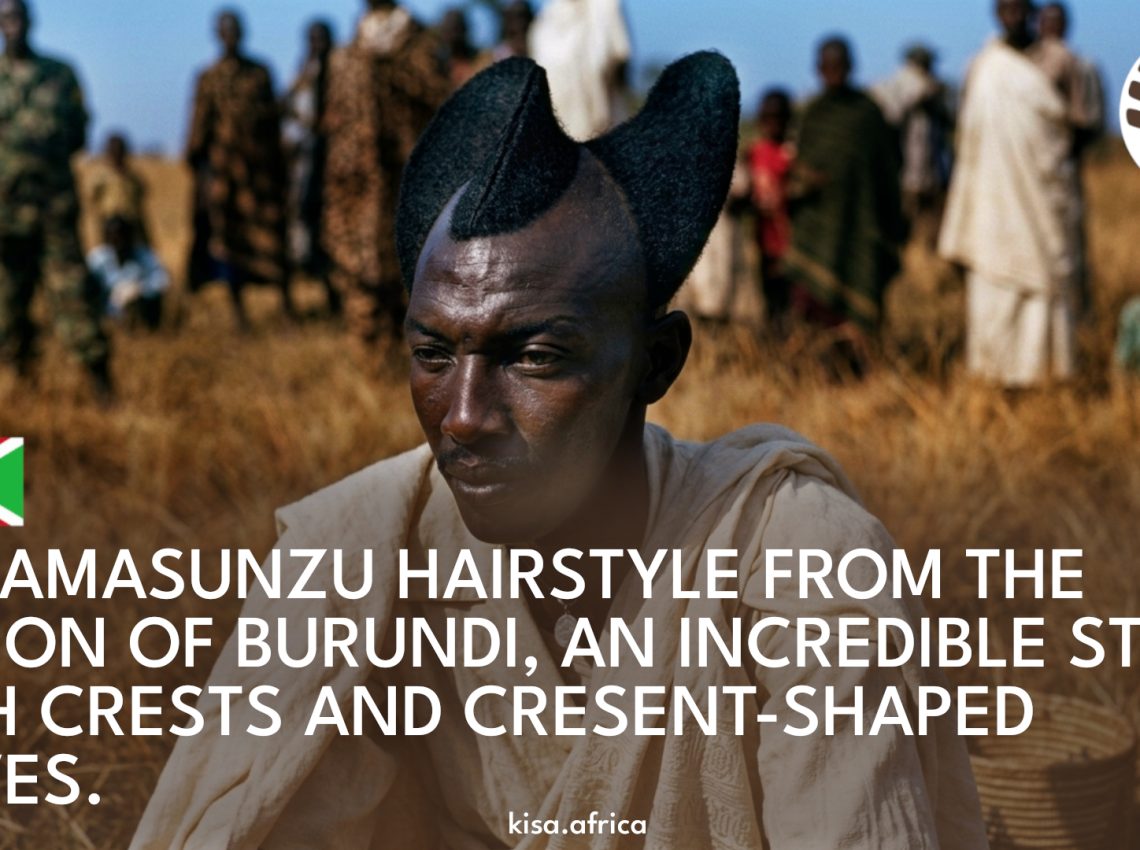
THE ORIGIN OF THE AMASUNZU HAIRSTYLE.
One of the most iconic and intricate hairstyles of the region, shared by Burundi and its neighbour Rwanda, is Amasunzu. Such an incredible style with crests and crescent-shaped waves was not only a fashion statement.
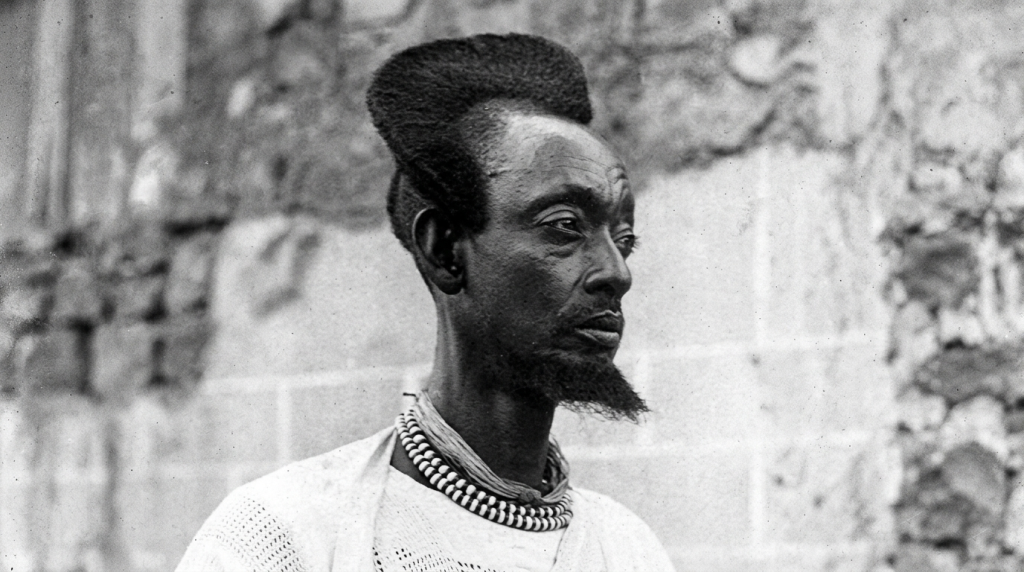
How it was created and why worn: The Amasunzu style was a complicated indicator of status and stage of life. To young men, Amasunzu represented the power, nobility, and courage of the warrior society, and was commonly worn. In the case of young, unmarried women, it was intrinsically connected to marriageability and chastity. A girl with Amasunzu was indicating to prospective suitors that she was mature enough to marry and that she was virtuous. The style was carefully designed by trimming the hair on the side downwards to the centre and letting certain sections of the hair to run out as dramatic peaks and crescents.
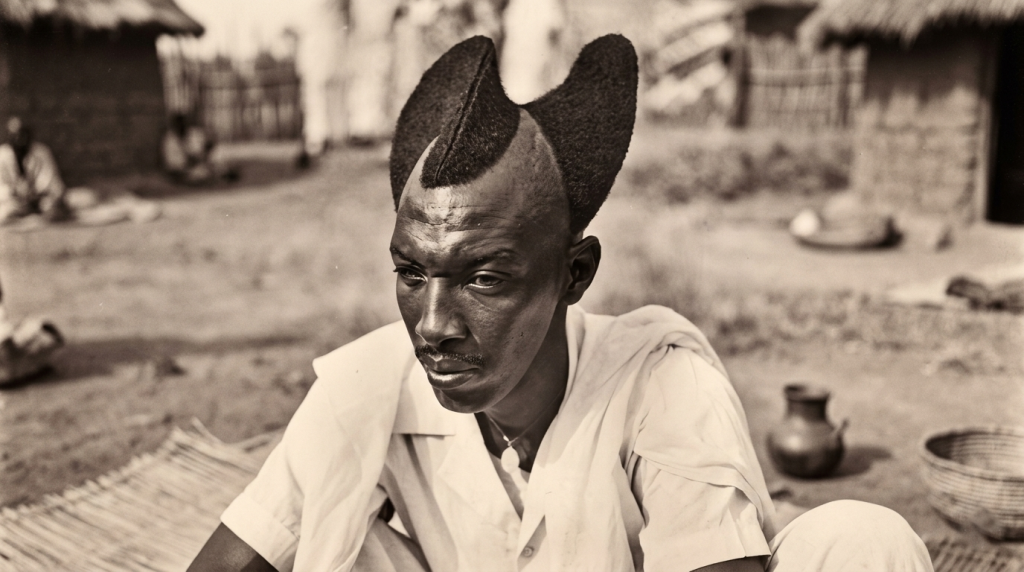
Amasunzu is a very old practice. The style is depicted in photographs in the 1920s and 1930s and oral traditions date it back to pre-colonial history by a significant margin. This hairstyle was so significant that even in the colonial times, not conforming to it could be interpreted as a form of subversion. The cases of people being jailed because they refused to cut their hair in the required Amasunzu style are documented, and it was enforced by the authorities.
THE SECRET OF AMASUNZU AND ITS VARIATIONS.
The Amasunzu was not a unified design but a type of design. It had more than 30 different forms, and the arrangement of crests and waves could frequently be used to signify the particular role played in their community by the wearer. The degree of creativity and intricacy was something to be proud of and in some cases the villages would hold competitions to decide who had the best design. Among the youths, maturing to the age of wearing Amasunzu was a very much awaited ceremony.
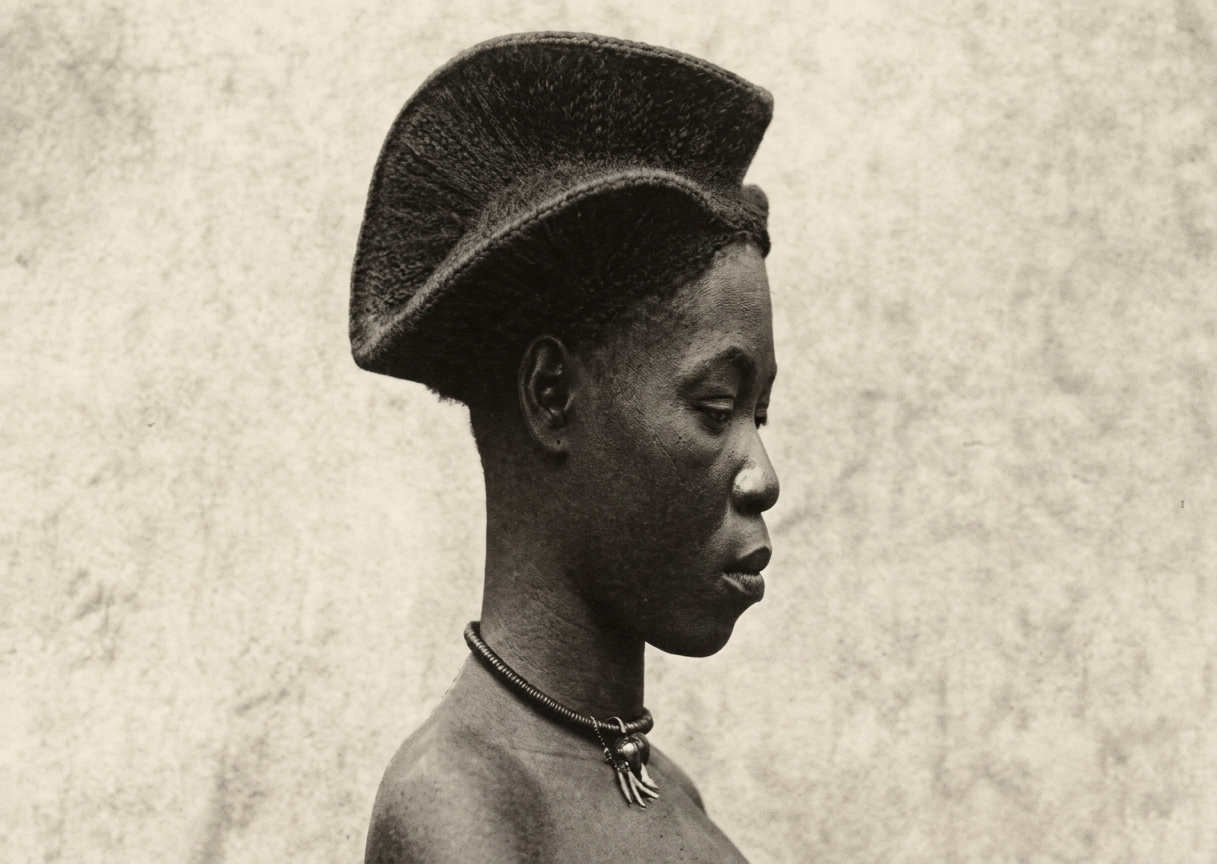
There were also other ancient hairstyles and grooming rituals such as shaving of the head which had a symbolic meaning. A prominent ceremony that was undertaken at puberty was a mother shaving the head of her daughter to signify the official change in status between childhood and adulthood.
THE UMUGARA (HEADDRESS OF A WARRIOR) AND THE ROYAL REGALIA.
Although hair was a platform to display personal status, the most elite types of headwear were worn by people who were affiliated to royal court the greatest of these is the Umugara.
Origin and Meaning: Umugara in Kinyarwanda, means mane, and is a direct appeal to the strength, aristocracy, and savage nature of a lion. This crown was the main item of the Intore dancers. The Intore, or the chosen ones, were an exclusive body of young men of noble families, who were trained in martial arts and in court ceremony. They were intended to protect the king and amuse his court by performing amazing acts of agility and dance.
The reason it is worn and symbolism: The Umugara Was used to portray the dancer as a
living representation of the royal power. The headdress, made of the pelt and the long, black and white fur of the colobus monkey, would enhance every leap and twist of the warrior in a most dramatic manner, a combination of grace and a latent aggression and power. It was not merely a costume it was a divine mark of Honor, and a warrior, a bearer of divine relationship with the king. The Intore dance today is a national symbol of strength and is danced in both Burundi and Rwanda as a strong reminder of cultural identity and reconciliation.
THE IMVUTANO AND UMUSHANANA: CEREMONIAL COSTUME.
Unlike the dramatic head-dress worn by warriors, the ceremonial female dress is simple and flowing, which in Burundi is called Imvutano and Umushanaka in its neighbouring country of Rwanda.
Components and Meaning: The Imvutano is a 3-piece outfit that includes a long and flowing dress that gathers at hips, an underskirt and sash or drape that is tied around one shoulder leaving the other bare. It is worn over a close-fitting camisole. The outfit is a symbol of modesty and elegance. Nowadays, it is the standard wedding and formal wear. Interestingly, the gold or beaded line on the drape, has contemporary meaning: it marks the bride, but in the past, it was a reference that identified the Queen or Queen’s mother. Men have a two-piece outfit like the Imbega, consisting of a bead necklace and a ceremonial spear (icumu), an ancient symbol of strength.
THE BATWA AND BARK CLOTH.
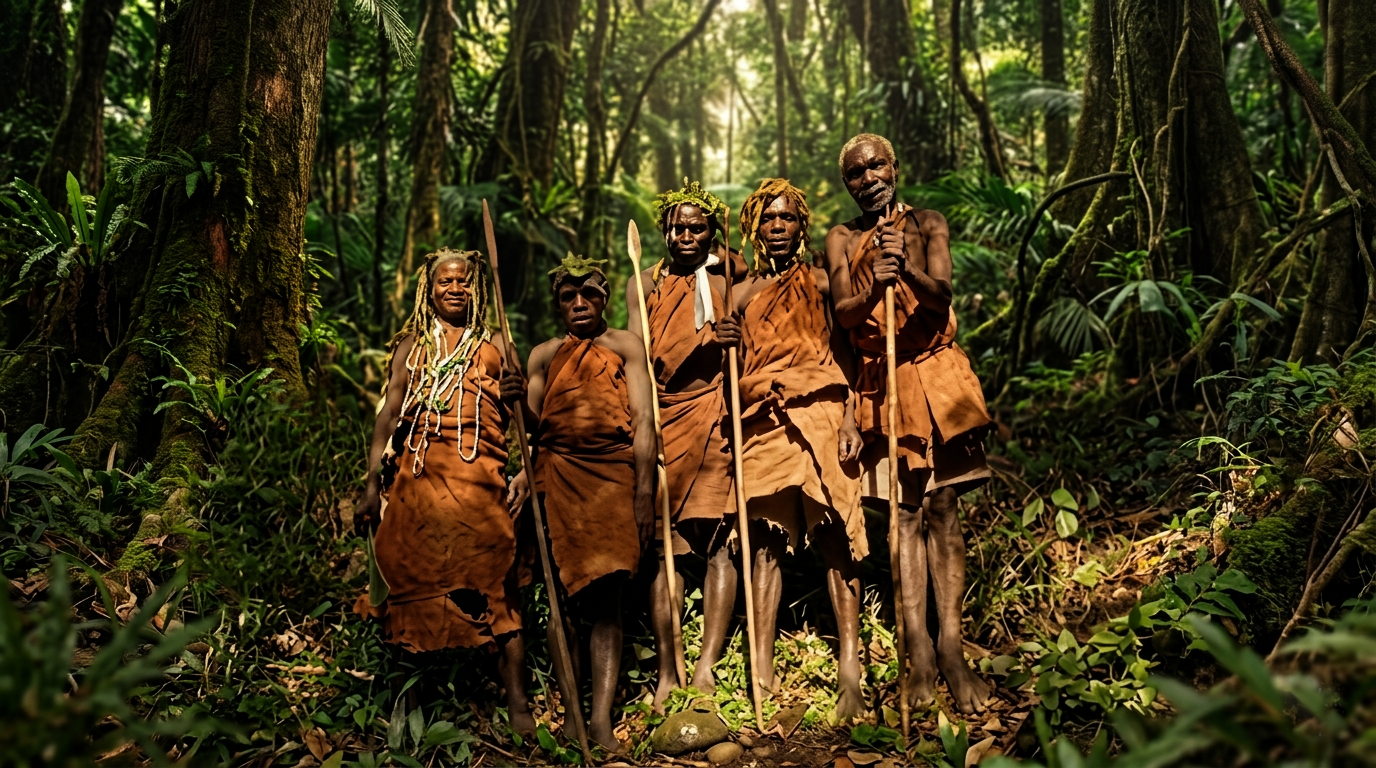
Another ancient and unique artistic tradition of the area is the production of bark cloth by the indigenous inhabitants of the area, the Batwa people.
The making process: Batwa artists make this cloth by picking the bark of mutuba tree (Ficus natalensis) in the rainy seasons. This is done by peeling the tree and wrapping it up in leaves to keep the tree safe as it grows a new layer of bark. One tree can be harvested more than 30 times. The strips of bark are then moistened and beaten with wooden mallets to form a pliable fibre cloth which is soft and flexible.
The reason it is worn Bark cloth is very valued and it has traditionally been linked to royal, divinatory and funeral rituals. Both men and women put it on during ritual occasions and cultural festivals. Its creation and knowledge, as well as artistry, is considered a type of intangible cultural heritage.
REVIVAL AND CULTURAL SURVIVAL
Like numerous cultures around the world, the Burundi fashion and hair culture underwent great pressure during the colonial period when the traditional ceremonies were criminalized, and western dress codes were enforced. The civil wars that followed independence were devastating and the transmission of the knowledge about the culture was also disrupted.
Nevertheless, in recent years a strong revival has taken place. A natural hair movement, known as Abashazashatsi, has been created, which inspires Burundian women to embrace and celebrate their natural hair texture and experiment with traditional styles to reclaim the culture and sense of identity. The Imvutano is the unchallenged attire on any happy occasion such as weddings, thus the visual language of Burundian fashion will be donned, observed and rejoiced by new generations.
SOURCES
Wikipedia contributors. (n.d.). Amasunzu. https://en.wikipedia.org/wiki/Amasunzu
Makafui, D. D. (2022). Amasunzu: The historically rich traditional Rwandan hairstyle.
Face2Face Africa. https://face2faceafrica.com/article/amasunzu–the–historically–rich–traditional–rwandanhairstyle–that–made–an–epic–comeback
Seaver, C. (2023). The Amasunzu hairstyle: A traditional Rwandan haircut. History Defined. https://www.historydefined.net/amasunzu–hairstyle/
UNESCO. (n.d.). Barkcloth making in Uganda (Intangible Cultural Heritage). https://ich.unesco.org/en/RL/barkcloth–making–in–uganda–00139
Visit Rwanda. (n.d.). Rwandan culture and traditions. https://visitrwanda.com/interests/rwandan–culture–and–traditions/
Encyclopaedia Britannica. (n.d.). African art: Clothing and body adornment. https://www.britannica.com/topic/African-art/Clothing-and-body-adornment