

ESWATINI-CEREMONIAL FASHION, HAIR, ROYAL IDENTITY, AND CULTURAL CONTINUITY
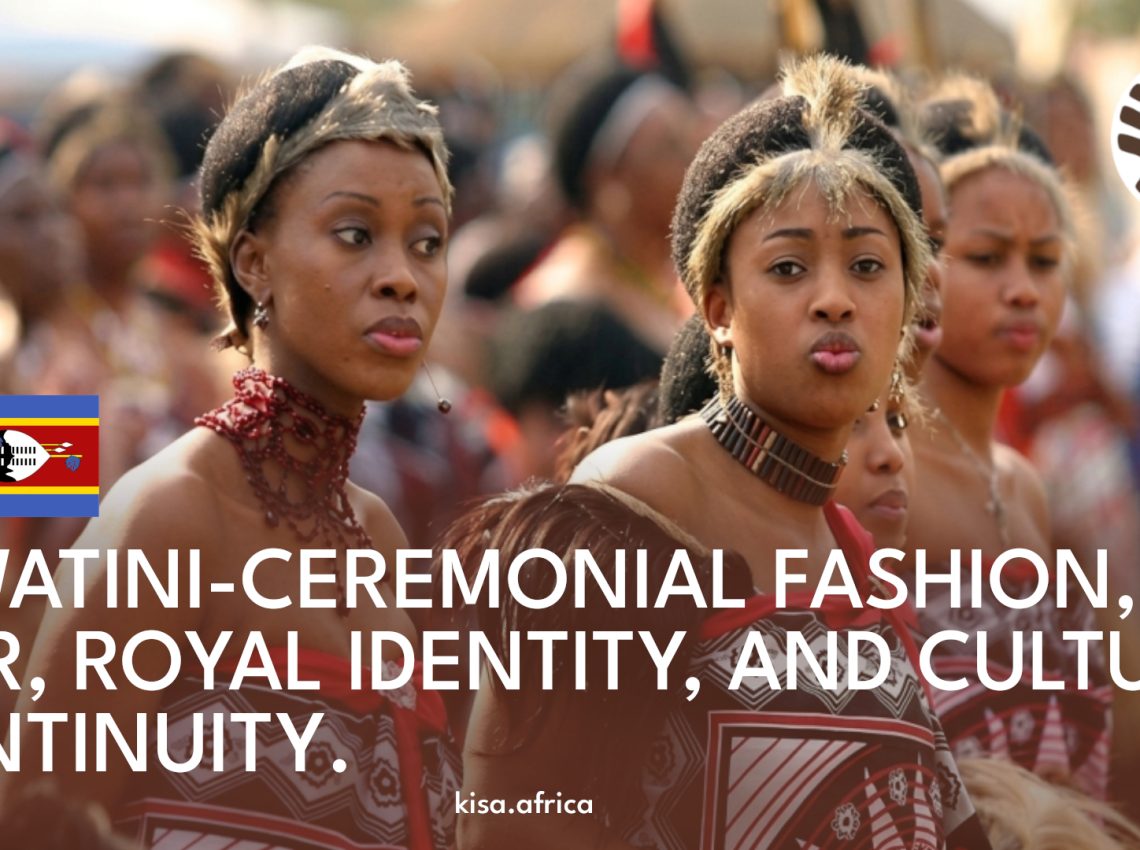
The fashion traditions of Eswatini formerly known internationally as Swaziland are among the most visibly preserved ceremonial clothing cultures in Africa today. While many societies experienced major declines in traditional attire due to colonialism and globalization, Eswatini retained strong royal, communal, and ceremonial dress traditions deeply tied to monarchy, cattle culture, spirituality, age systems, and social identity. Clothing in Eswatini has historically functioned not simply as decoration, but as a visual language communicating status, maturity, lineage, gender roles, and participation within the kingdom’s cultural structure.
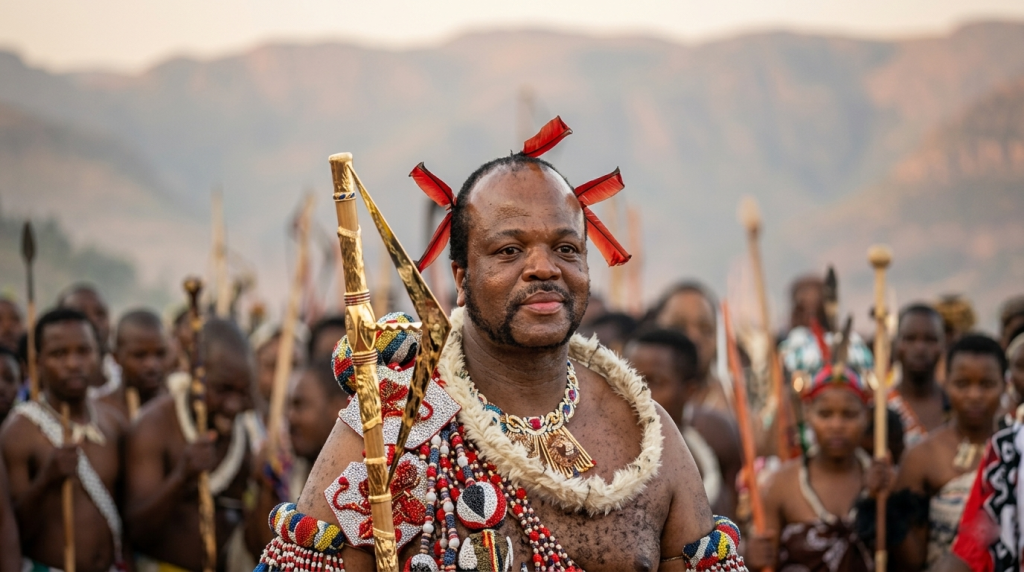
One of the strongest influences on Swazi clothing traditions is cattle culture. Historically, cattle represented wealth, political power, family status, and spiritual importance throughout southern Africa. Because of this, animal hides became central to ceremonial attire. Cowhide garments, shields, and accessories symbolized strength, protection, and social standing. Certain skins were associated with royalty or warrior status, while others were reserved for important rituals and festivals.
Traditional Swazi attire often incorporates leather garments, beaded accessories, woven materials, feathers, and colourful cloth wraps. Beadwork became especially important because beads carried symbolic meaning far beyond aesthetics. Specific colours could communicate emotional messages, marital status, clan connections, or stages of life. In some cases, bead arrangements functioned like coded social communication systems understood within the community.
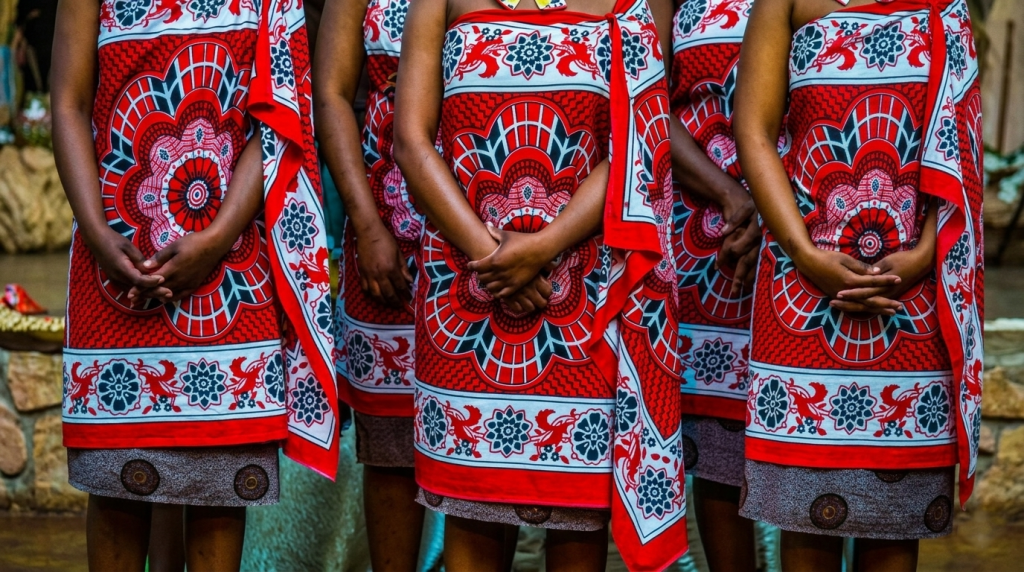
For example, white beads could symbolize purity or spirituality, while red might signify strong emotion, love, or power. Patterns and colour combinations often conveyed information about relationships, courtship, or social affiliation. Beadwork therefore operated as both artistic expression and cultural language.
One of the most internationally recognized cultural events in Eswatini is the Umhlanga Reed Dance, also known simply as Umhlanga.
This annual ceremony gathers thousands of young women who participate in a national cultural celebration involving music, dance, reed-cutting rituals, and ceremonial presentation before the monarchy. Participants traditionally wear colourful skirts, elaborate beadwork, sashes, ankle rattles, and symbolic adornments connected to Swazi identity. The event celebrates womanhood, cultural pride, discipline, unity, and continuity of tradition.
Although the Reed Dance often receives international media attention for its visual spectacle, its deeper significance lies in communal identity and cultural preservation. The reeds carried by participants historically symbolized protection and service to the queen mother, while the ceremony itself reinforced collective social bonds within the kingdom.
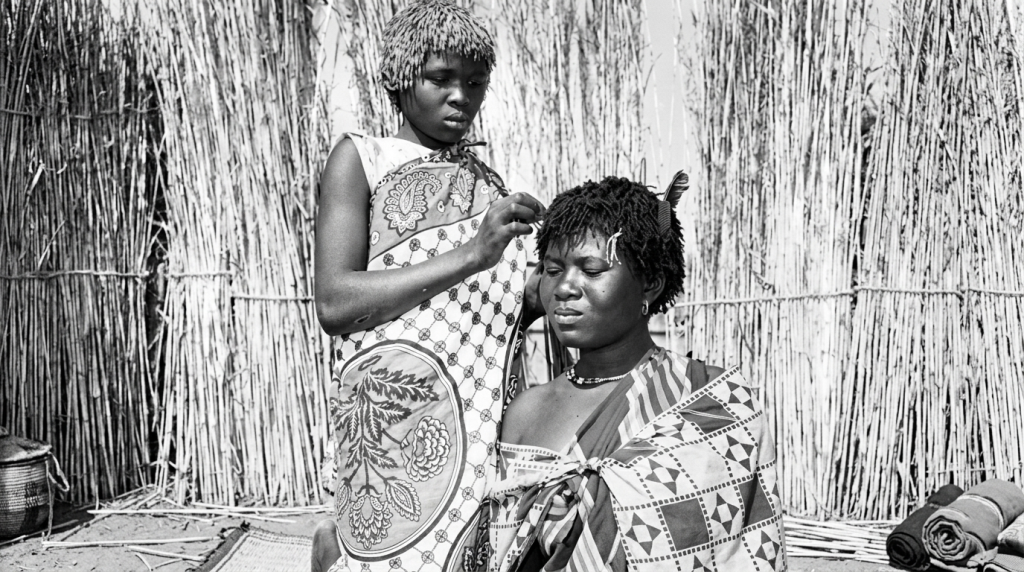
Another important aspect of Swazi fashion culture is the role of hairstyles in communicating life stages and social identity.
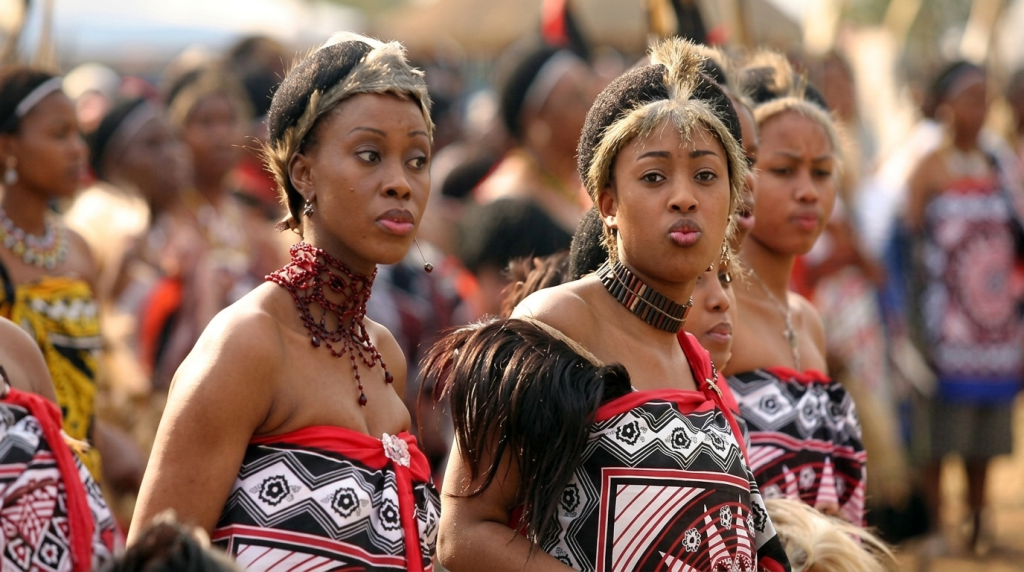
Historically, hairstyles could indicate whether a woman was unmarried, married, widowed, or undergoing a transitional life phase. Young, unmarried girls frequently wore assorted styles from married women, allowing social identity to be recognized visually within the community. Hair shaping, braiding, and adornment therefore became important markers of adulthood and social responsibility.
Head shaving also carried symbolic meaning in certain contexts. In some mourning rituals or periods of personal transition, shaving the head represented grief, purification, renewal, or movement into a different social stage. Sculpted hairstyles and carefully shaped hair forms could also signify beauty, discipline, and cultural belonging.
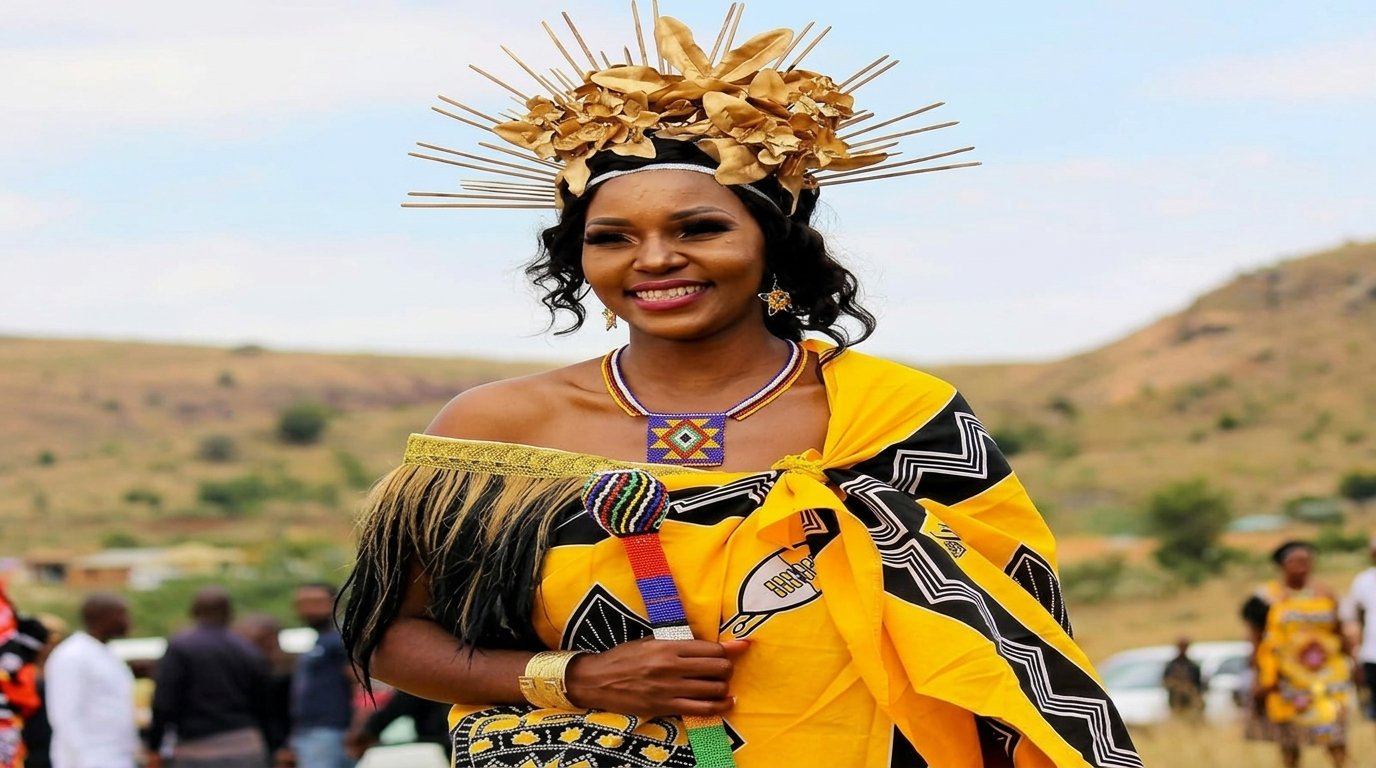
Hair care traditions often involved natural oils and protective styling suited to the southern African climate. Hairstyling sessions became spaces for social teaching where elders passed down customs, family history, and expectations regarding adulthood and community life.
The Swazi monarchy played a key role in preserving ceremonial fashion traditions. Unlike some African societies where colonial rule severely weakened royal cultural systems, Eswatini maintained a powerful monarchy that continued supporting traditional ceremonies and dress practices. Royal events, national festivals, and community rituals helped ensure that traditional clothing remained publicly visible across generations.
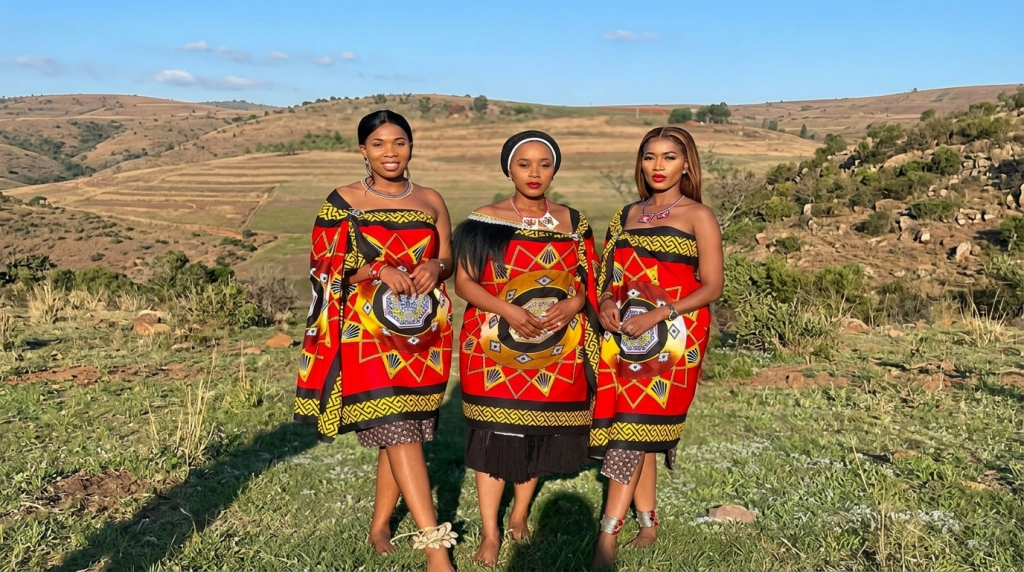
Certain ceremonial garments historically remained restricted to royalty, warriors, or individuals holding special social roles. Leopard skins, specific bead patterns, shields, and ceremonial adornments could symbolize authority and status. These distinctions reinforced social hierarchy and royal identity within Swazi society.
Colonialism and neighbouring regional influences still shaped modern Swazi fashion. Interaction with Zulu communities, European missionaries, and global markets introduced new fabrics, tailoring techniques, and urban clothing styles. However, rather than replacing older traditions entirely, modern Swazi fashion evolved into a layered fusion of ceremonial heritage and contemporary aesthetics.
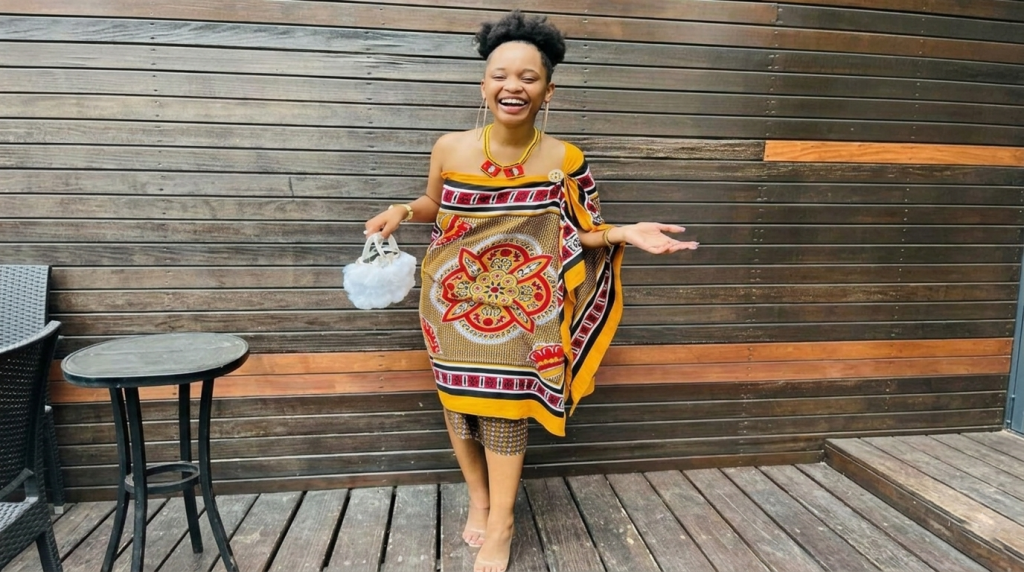
Today, people in Eswatini wear global fashion in daily urban life while still maintaining strong ceremonial dress traditions during festivals, weddings, royal gatherings, and national celebrations. Younger generations frequently combine denim, sneakers, modern hairstyles, and international streetwear with beadwork, traditional fabrics, or cultural accessories.
A particularly interesting aspect of Eswatini’s fashion culture is how visible traditional attire remains in national identity compared to many countries where ceremonial clothing survives only in museums or staged performances. In Eswatini, traditional dress still functions as a living, actively practiced cultural system closely tied to the monarchy and communal ceremonies.
FASCINATING LESSER-KNOWN FACTS ABOUT SWAZI FASHION AND HAIR
- Bead colours historically communicated emotional, romantic, and social messages.
- Cattle culture strongly influenced the use of animal hides in ceremonial clothing.
- Hairstyles could reveal marital status or life stage without words being spoken.
- Head shaving sometimes symbolized mourning, purification, or transition.
- Certain garments and animal skins were historically reserved for royalty or warriors.
- The Umhlanga Reed Dance reinforces communal identity as much as visual tradition.
- Traditional Swazi attire remains unusually visible in national ceremonies compared to many countries.
- Royal institutions helped preserve ceremonial fashion traditions across generations.
- Swazi fashion shares similarities with neighbouring Zulu aesthetics while retaining distinct cultural symbolism.
SOURCES
Kuper, H. (1986). The Swazi: A South African Kingdom. New York, NY: Holt, Rinehart and Winston.
Levin, R. (1997). When the Sleeping Grass Awakens: Land and Power in Swaziland. Johannesburg, South Africa: Witwatersrand University Press.
Boone, C. (2014). Property and Political Order in Africa: Land Rights and the Structure of Politics. Cambridge, United Kingdom: Cambridge University Press.
Eicher, J. B., & Ross, D. A. (1992). Dress and Identity. New York, NY: Fairchild Publications.
Hendrickson, H. (1996). Clothing and Difference: Embodied Identities in Colonial and PostColonial Africa. Durham, NC: Duke University Press.