
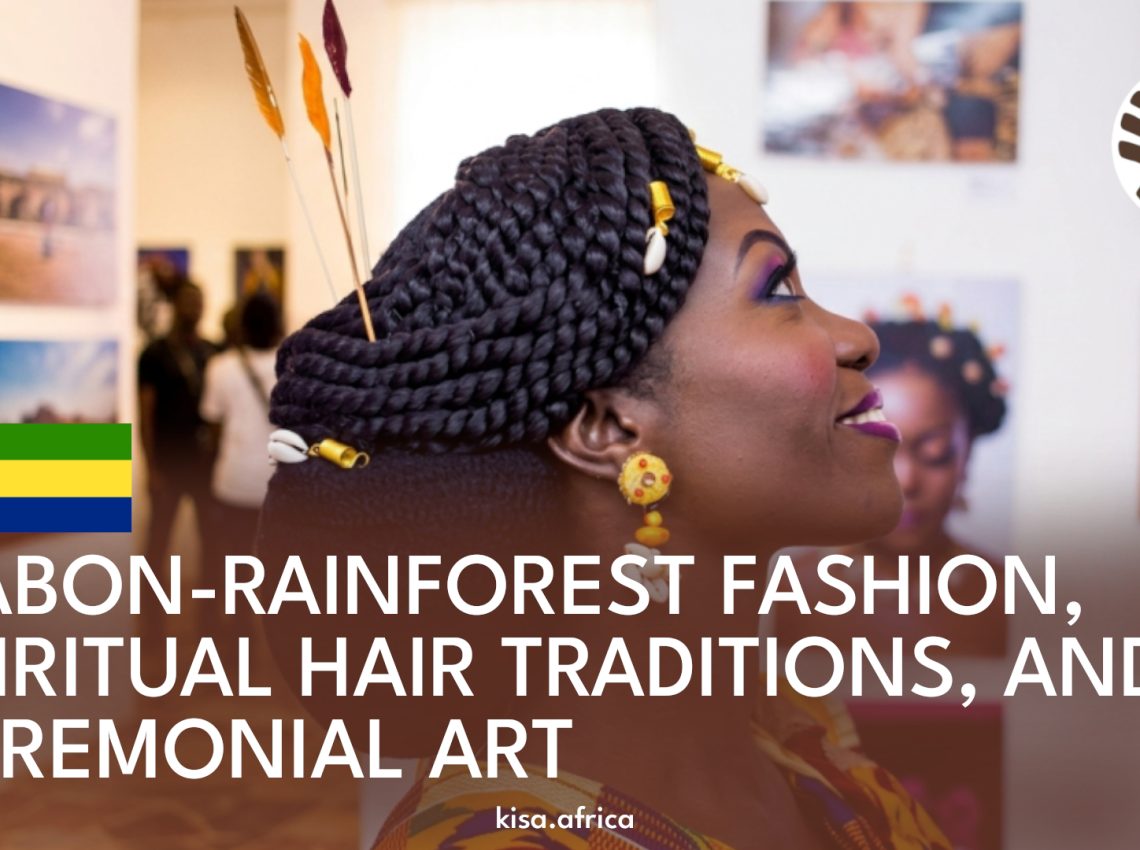
GABON-RAINFOREST FASHION, SPIRITUAL HAIR TRADITIONS, AND CEREMONIAL ART
The fashion traditions of Gabon emerged from some of Central Africa’s richest artistic and spiritual cultures. Gabon’s dense rainforests shaped societies where ceremonial performance, ancestral reverence, masking traditions, and craftsmanship became deeply intertwined with clothing, hairstyling, and body adornment. Unlike fashion systems centered mainly on court life or industrial textiles, many Gabonese traditions developed through ritual performance, initiation ceremonies, and spiritual symbolism.
Ethnic groups such as the Fang, Punu, Kota, Mitsogo, and Myene created highly sophisticated ceremonial aesthetics that combined sculpture, dance, music, hairstyling, and costume into unified cultural expressions. Traditional Gabonese attire historically included raffia textiles, bark cloth, beads, feathers, shells, painted designs, and woven plant fibres adapted to humid rainforest environments.
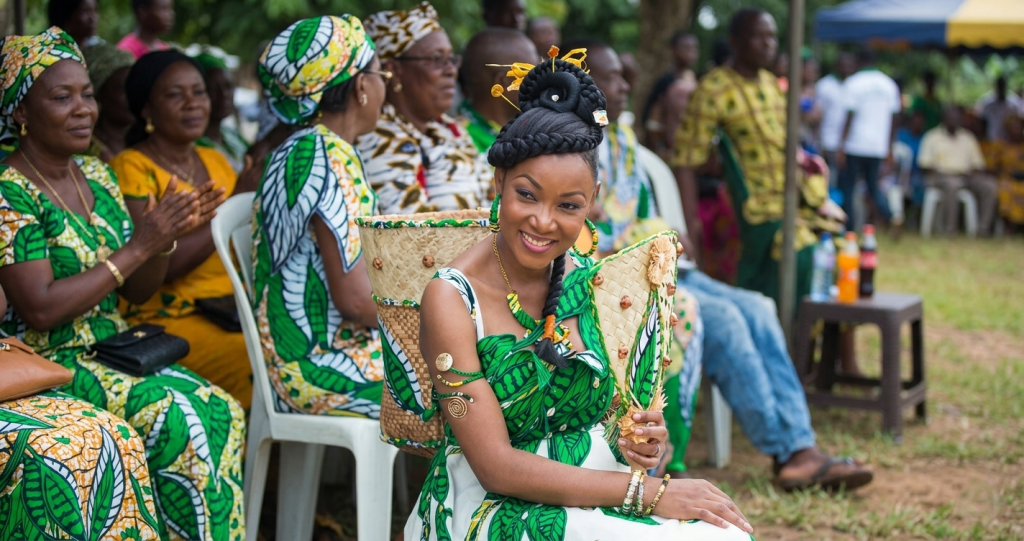
One of the most internationally recognized artistic traditions from Gabon comes from the Punu people, whose white-painted masks became famous worldwide for their striking beauty and symbolic hairstyles.
Punu masks often represent idealized feminine beauty and ancestral spirituality. The smooth white facial surface symbolizes spiritual purity and connection to the ancestor world, while the elaborate coiffures carved into the masks preserve historical records of hairstyles worn centuries ago. These hairstyles were not imaginary artistic inventions; they reflected real beauty standards admired within Punu society.
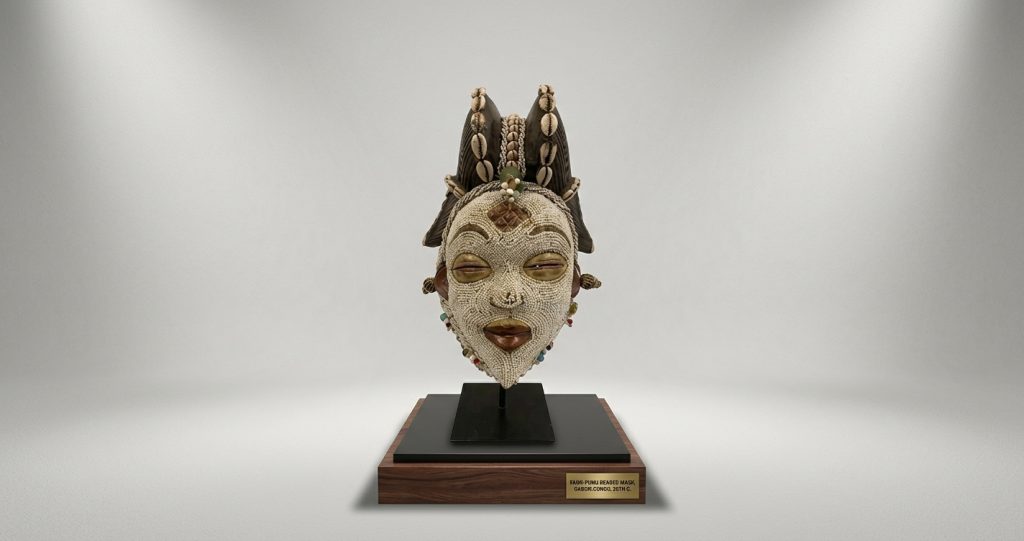
The coiffures depicted on Punu masks frequently symbolized elegance, maturity, discipline, and refinement. Raised hair structures, carefully sectioned braids, and sculptural arrangements communicated social identity and aesthetic ideals. In this way, masks functioned almost like cultural archives preserving historical fashion and hair traditions long before photography existed.
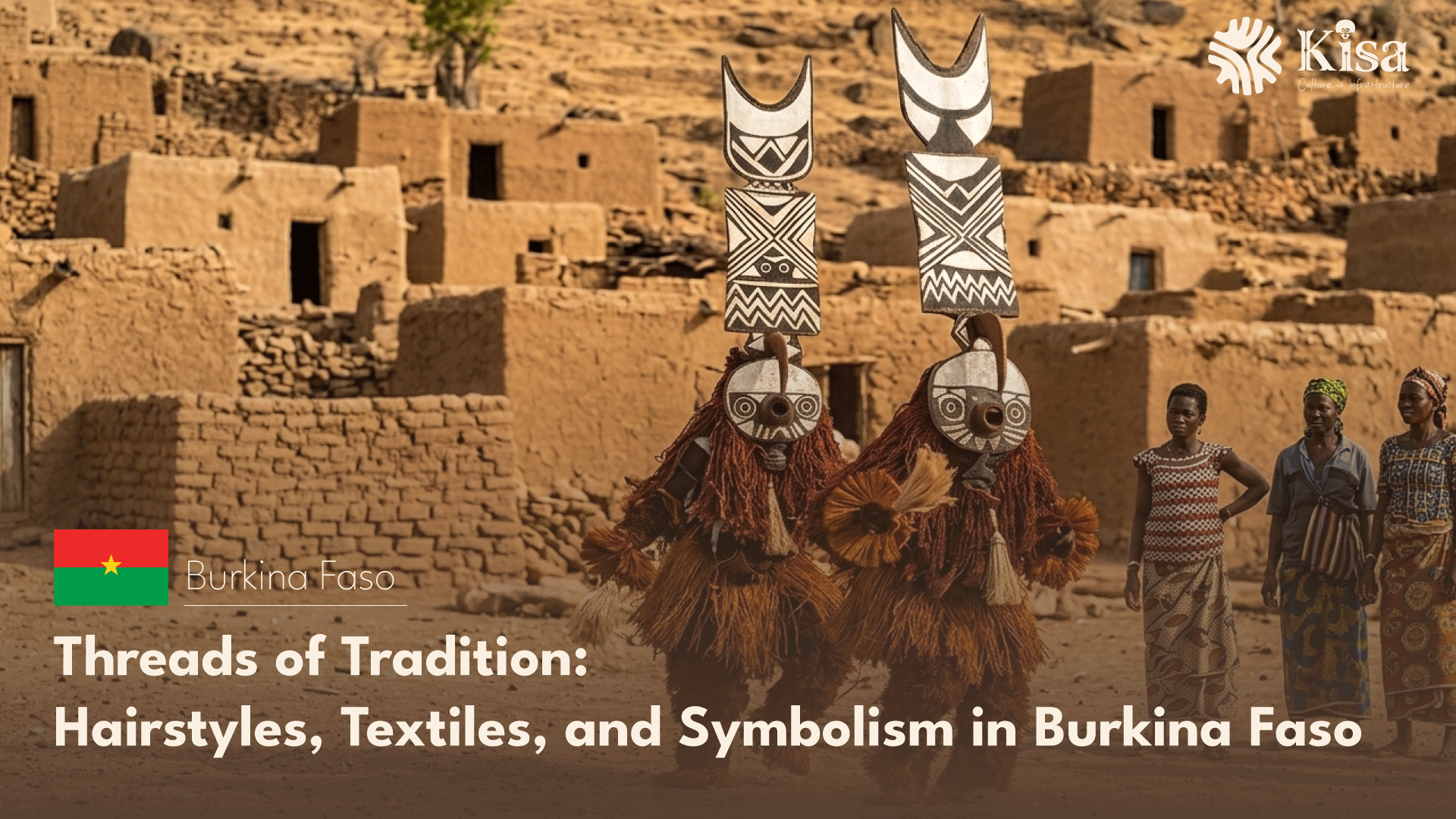
Many people outside Central Africa view African masks purely as art objects, but within Gabonese traditions they often had ceremonial, spiritual, and performative functions. During dances and rituals, masks were animated through costume and movement. Raffia garments, body coverings, and rhythmic performance transformed the wearer into a spiritual intermediary representing ancestors or supernatural forces.
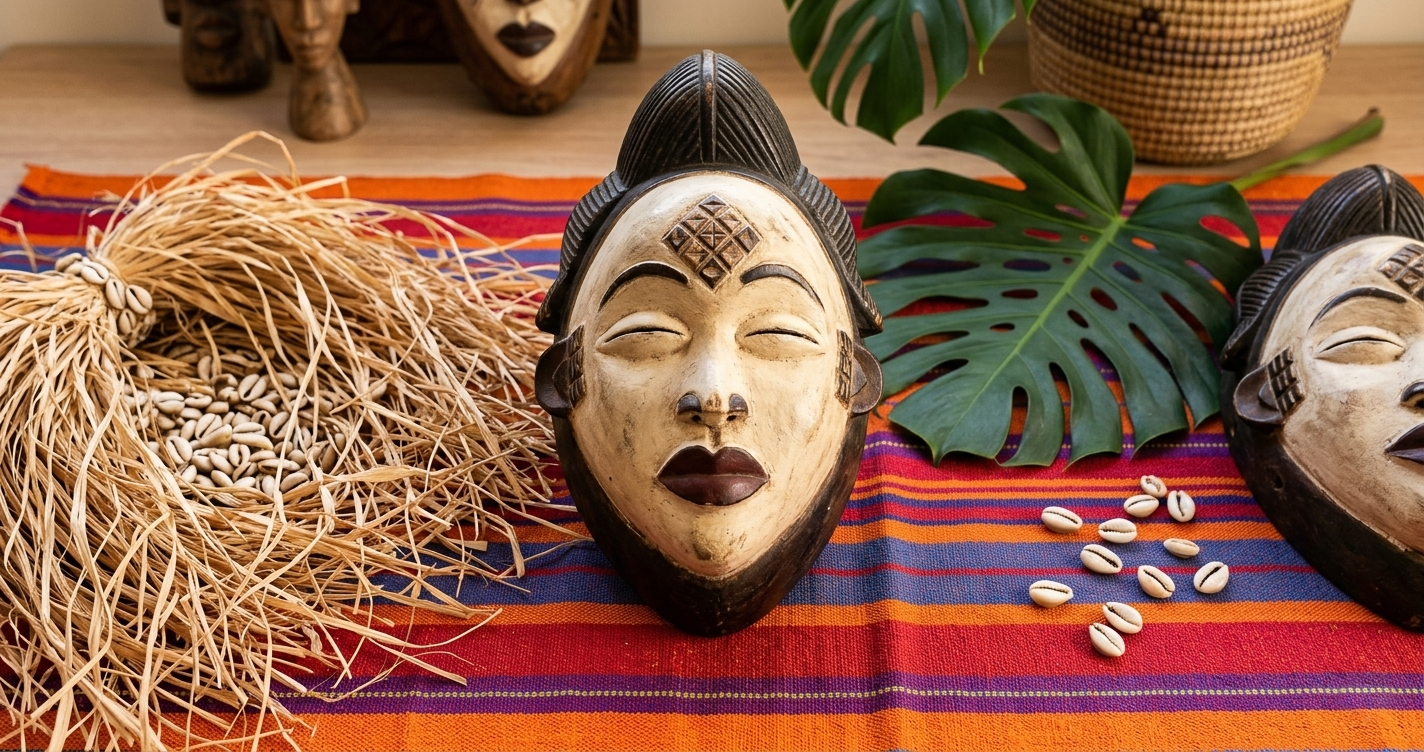
Traditional dancers sometimes wore full-body raffia costumes designed to alter the appearance of human movement itself. The flowing fibers created dramatic motion during ceremonies, making dancers appear otherworldly or spiritually transformed. Fashion in these contexts was inseparable from ritual performance and spiritual symbolism.
Hair carried major cultural importance throughout Gabonese societies.
In many communities, hair represented vitality, spiritual energy, beauty, and social identity. Hairstyles could communicate age, initiation status, readiness for marriage, or participation in specific rituals. Elaborate braiding and sculpted coiffures demonstrated both personal grooming and artistic skill.
Certain initiation ceremonies involved ritual head shaving or symbolic hair transformation. These changes often represented transition into adulthood, spiritual rebirth, mourning, or entrance into sacred societies. Hair therefore became part of larger systems of identity and ritual change.
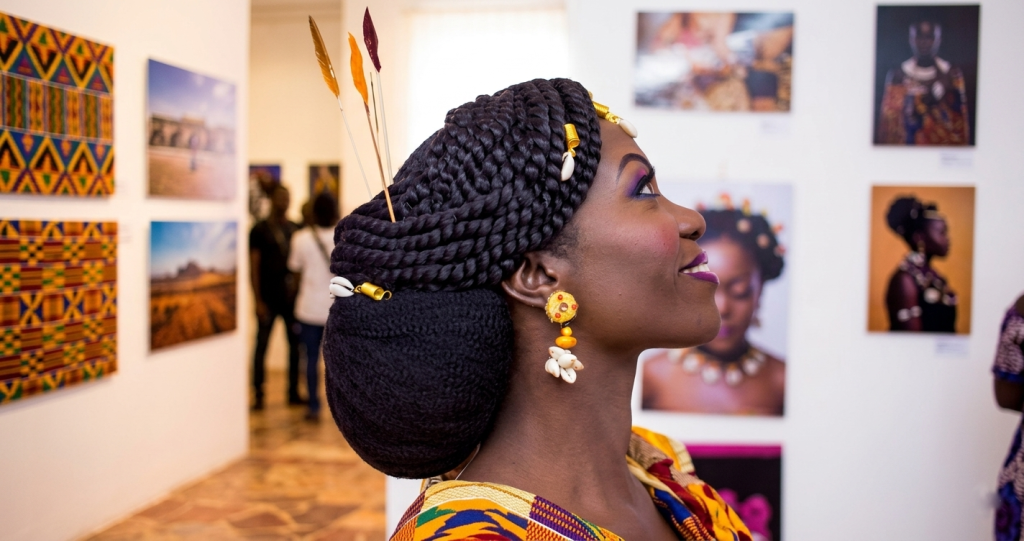
Because Gabon lies within humid equatorial rainforest regions, hair care traditions relied heavily on natural oils and botanical treatments suited to tropical climates. Palm oil, herbal mixtures, and plant-based preparations helped moisturize hair and protect the scalp.
Hairdressing also functioned as an important social activity where knowledge passed between generations.
Body decoration was another major aspect of traditional Gabonese appearance culture. Painted designs, scarification, beads, shells, and ornaments could communicate clan affiliation, social role, or spiritual protection. Decorative practices often worked together rather than separately: hairstyle, body paint, jewellery, and costume collectively created a complete ceremonial identity.
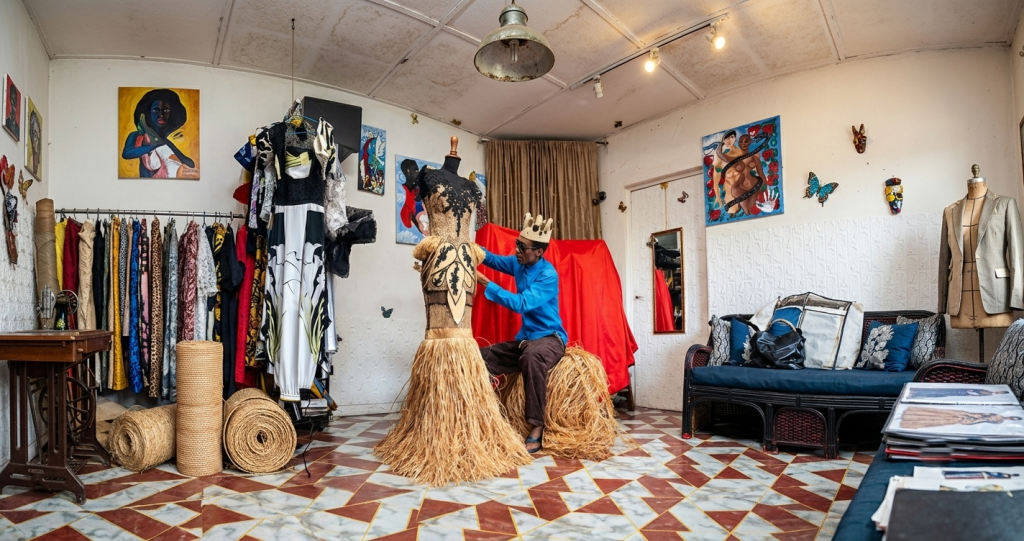
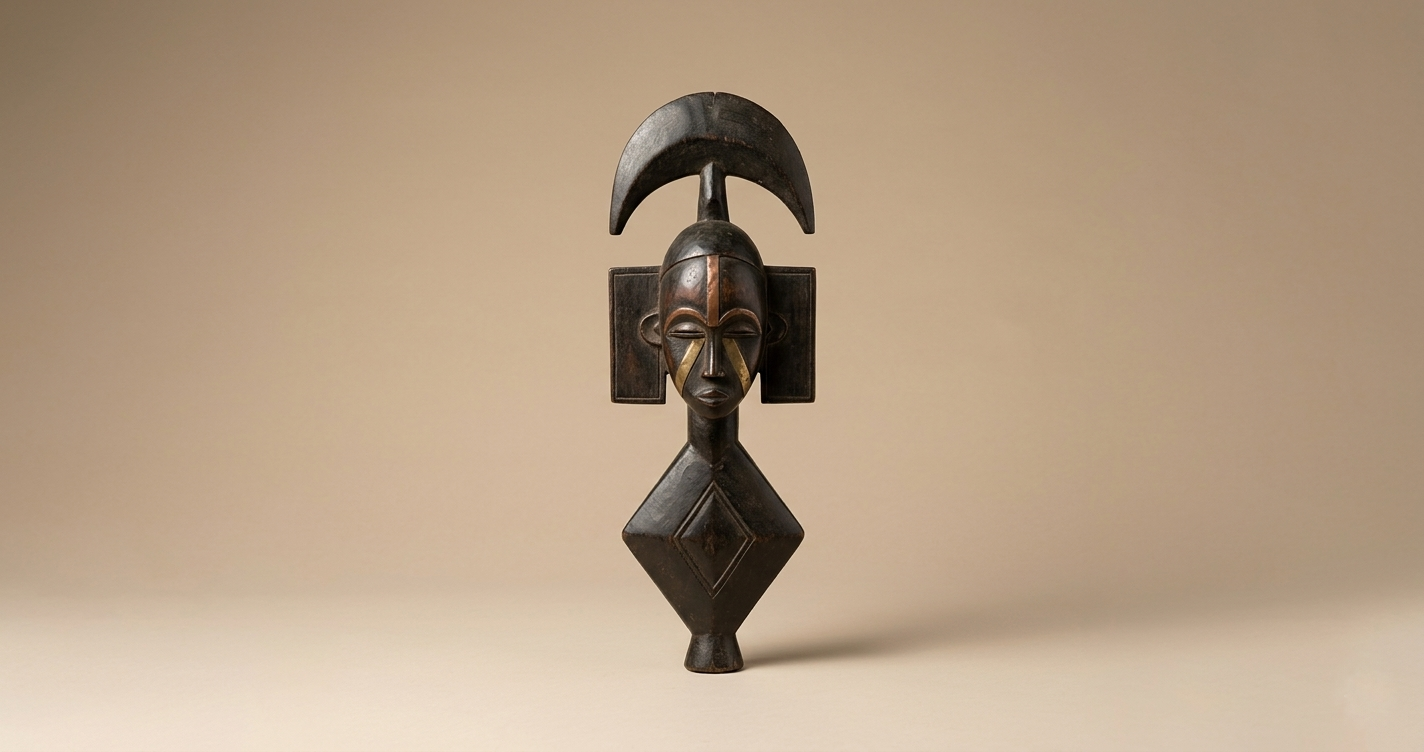
The Fang people, who also live across neighbouring Central African countries, developed particularly influential artistic traditions connected to ancestor reverence. Reliquary guardian figures and ceremonial objects often emphasized detailed hairstyles and body ornamentation, suggesting how important grooming and appearance were within spiritual life.
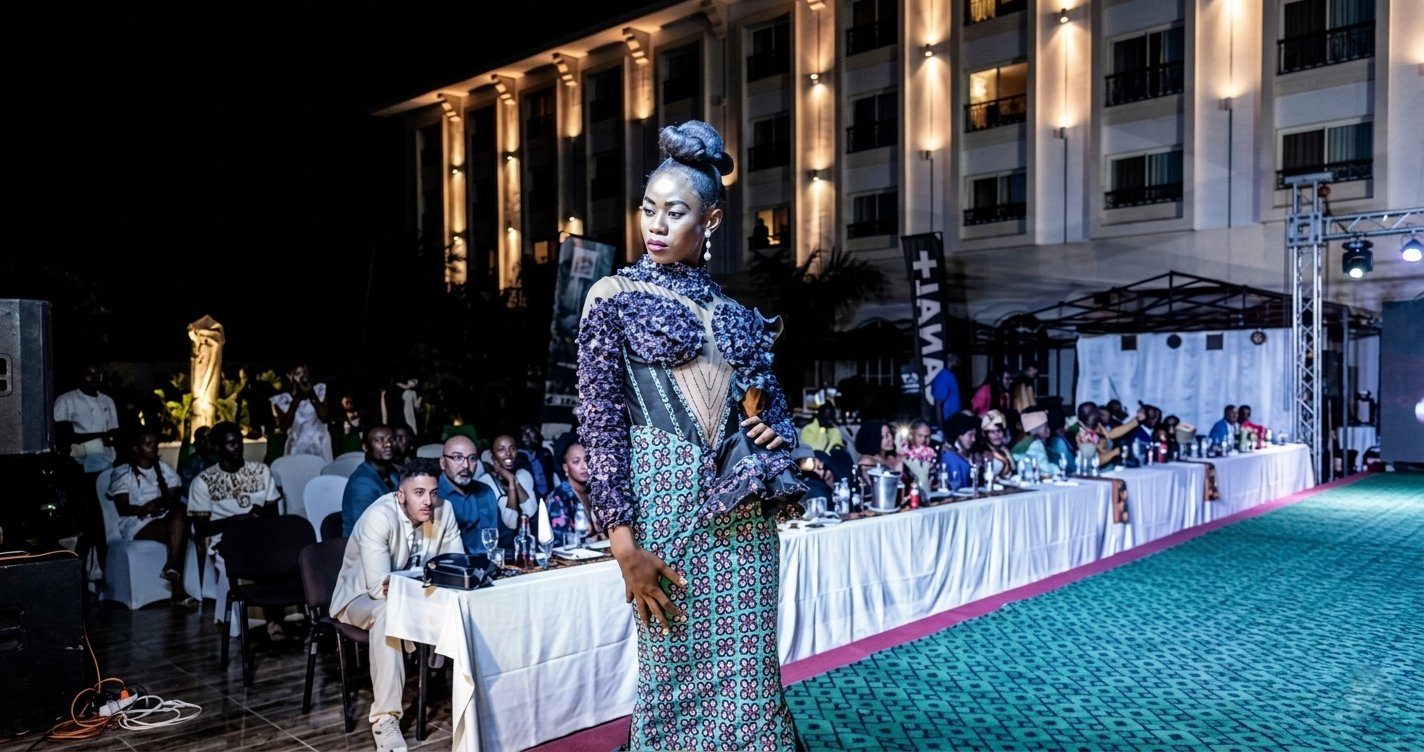
French colonialism introduced major cultural changes beginning in the 19th century. European tailoring, Christian modesty norms, suits, dresses, and imported textiles gradually entered urban Gabonese society. Mission schools frequently promoted Western-style clothing, especially among Christian converts and urban elites.
However, colonial influence did not erase traditional ceremonial aesthetics. Ritual performance traditions, mask ceremonies, and indigenous artistic systems remained culturally powerful, especially in rural regions and spiritual communities. Instead of disappearing, many traditions adapted and survived alongside European influence.
Modern Gabonese fashion reflects this layered cultural history.
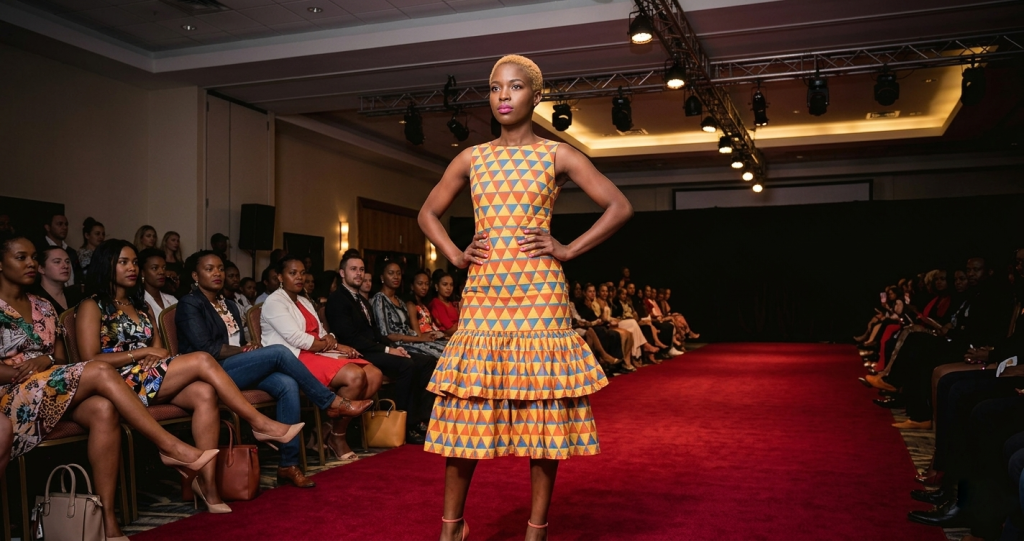
In cities such as Libreville, younger generations combine luxury brands, Afro-urban fashion, streetwear, and global beauty trends with traditional artistic motifs inspired by masks, beadwork, and indigenous symbolism. Contemporary African designers increasingly draw inspiration from Central African visual heritage, including the geometric patterns and sculptural aesthetics historically associated with Gabonese ceremonial art.
Another fascinating aspect of Gabonese fashion history is that some ceremonial masks unintentionally became historical hairstyle archives. Because wooden masks preserve carved coiffures in durable form, researchers can study ancient hair aesthetics and grooming practices that would otherwise have disappeared from history.
FASCINATING LESSER-KNOWN FACTS ABOUT GABONESE FASHION AND HAIR
- Punu masks preserve historical hairstyle styles from centuries ago.
- White mask coloration symbolized ancestral spirituality and purity.
- Raffia costumes transformed dancers into spiritual beings during ceremonies.
- Hairstyles often communicated initiation status, beauty ideals, or social identity.
- Ritual head shaving sometimes symbolized spiritual rebirth or transition into adulthood.
- Palm oils and rainforest plants were important traditional hair-care ingredients.
- Fashion, dance, masking, and spirituality functioned together rather than separately in many Gabonese traditions.
- Modern Gabonese fashion increasingly blends luxury urban aesthetics with traditional Central African artistic symbolism.
SOURCES
Perrois, L. (1997). Arts of Gabon. New York, NY: Harry N. Abrams.
Fernandez, J. W. (1982). Bwiti: An Ethnography of the Religious Imagination in Africa. Princeton, NJ: Princeton University Press.
Ottenberg, S. (1996). New Traditions from Nigeria: Seven Artists of the Nsukka Group.
Washington, DC: Smithsonian Institution Press.
(Useful for Central African masking and performance traditions.)
Cole, H. M. (1985). I Am Not Myself: The Art of African Masquerade. Los Angeles, CA: Museum of Cultural History.
Mack, J. (2000). Africa: Arts and Cultures. Berkeley, CA: University of California Press.
Diaw, M. C. (1998). Hair, beauty, and identity in Central African societies. Journal of African Cultural Studies, 11(1), 33–49.