
LIBYA-DESERT ELEGANCE, HERITAGE, AND MEDITERRANEANARAB FASHION TRADITIONS
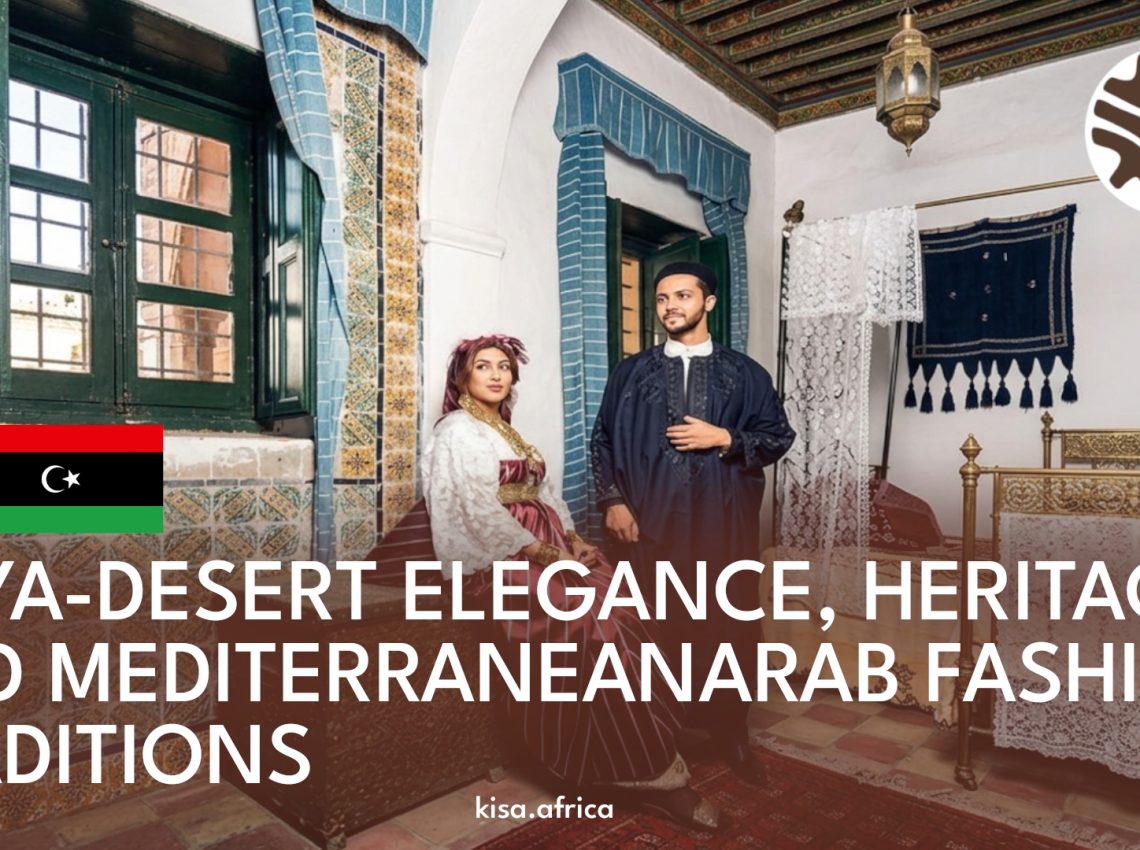
The fashion history of Libya reflects thousands of years of interaction between Amazigh (Berber), Arab, Saharan, Mediterranean, Ottoman, and European cultural systems. Libya’s location between the Mediterranean coast and the Sahara Desert helped create clothing traditions balancing practicality, spirituality, tribal identity, and artistic beauty. Fashion in Libya historically developed not only as decoration but also as protection against desert climates, expressions of modesty, and symbols of social belonging.
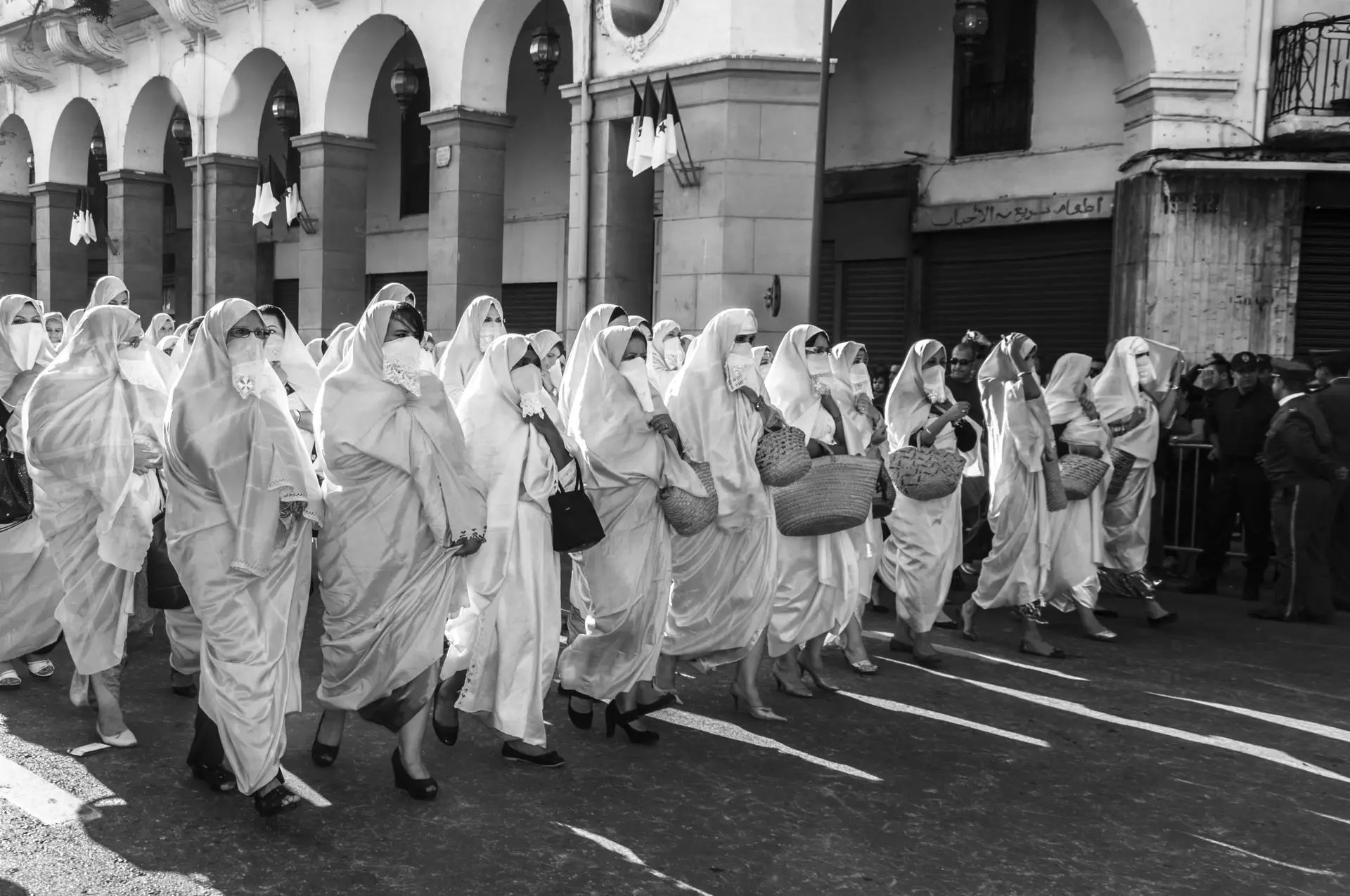
Libyan traditional clothing evolved in response to harsh environmental realities. Desert heat during the day, cold temperatures at night, intense sunlight, and blowing sand all influenced garment design. Loose-fitting layered robes allowed airflow while simultaneously protecting the body from heat exposure and dehydration. Fabrics, wrapping techniques, and head coverings were carefully adapted to Saharan life.
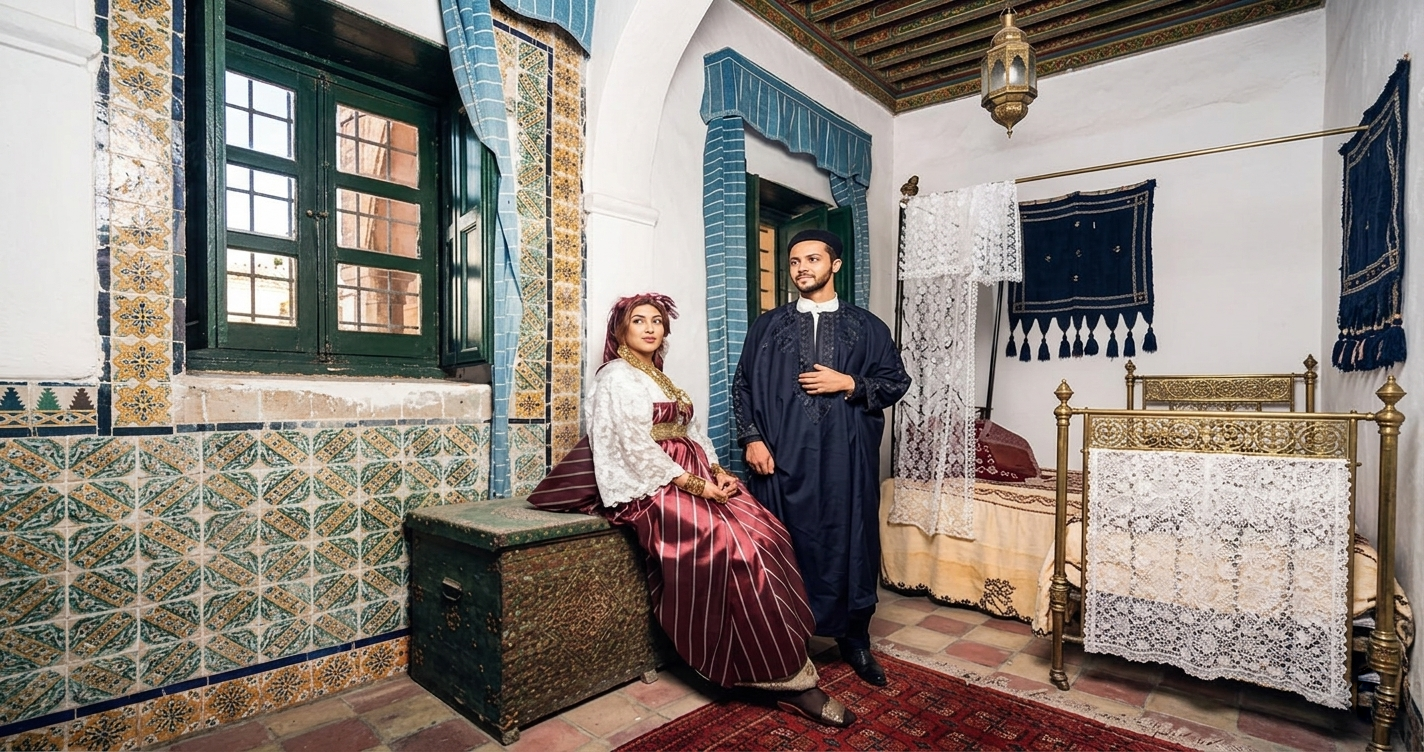
Men traditionally wore flowing garments such as the jalabiya and burnous.
The burnous a hooded wool cloak worn across North Africa became especially associated with dignity, mobility, and desert survival. Wool provided insulation against both heat and cold, while layered clothing trapped cooler air near the body. These garments also reflected broader North African traditions linking Libya culturally with neighbouring regions such as Tunisia, Algeria, and Morocco.
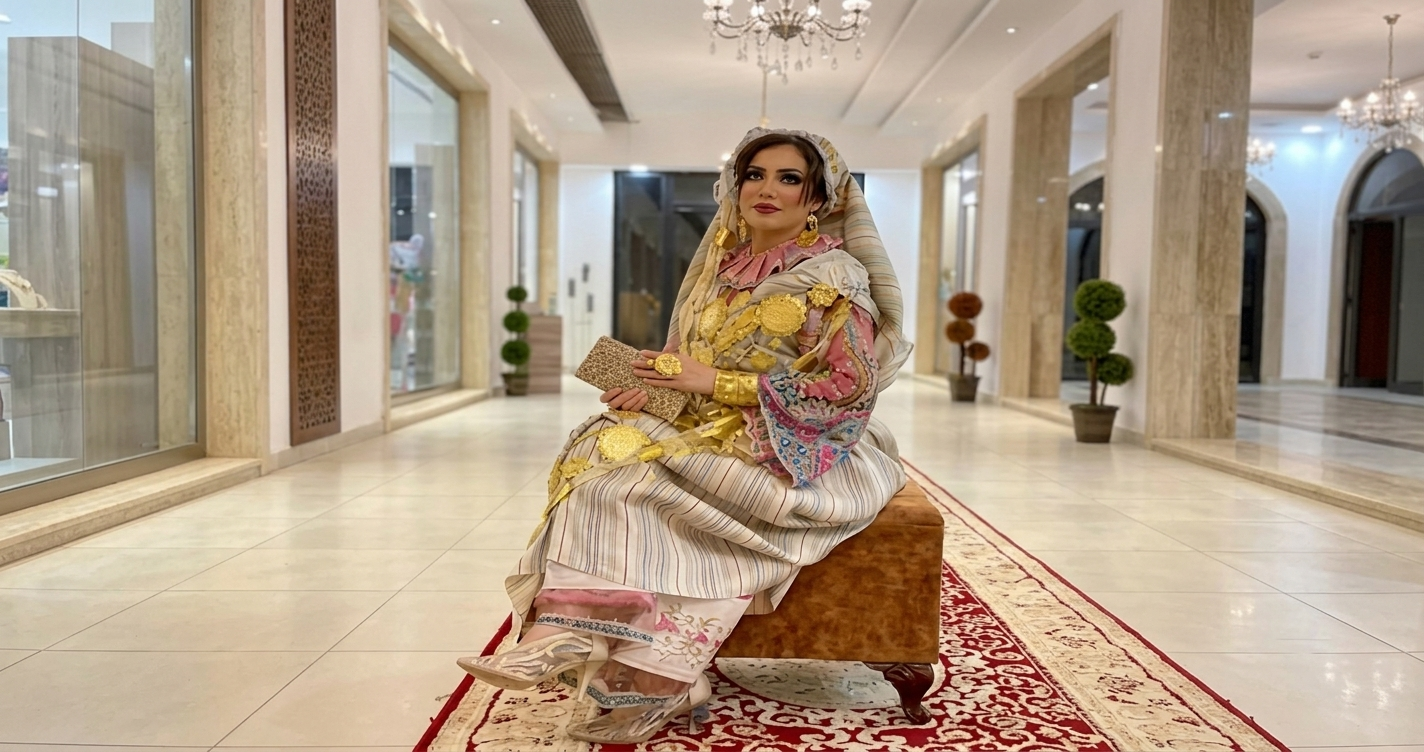
Women historically wore richly embroidered dresses, layered fabrics, decorative veils, and elaborate silver jewellery reflecting tribal identity, regional affiliation, and family status. Clothing aesthetics varied between coastal cities, desert communities, and Amazigh populations in mountainous regions.
Among Libya’s most historically significant cultural groups are the Amazigh peoples, often known internationally as Berbers.
Amazigh communities preserved highly distinctive weaving traditions and geometric artistic motifs for centuries. Textiles frequently incorporated symbolic patterns representing fertility, protection, ancestry, spirituality, or connection to land and tribe. Geometric motifs appearing in carpets, garments, jewellery, and woven cloth often carried meanings passed through generations.
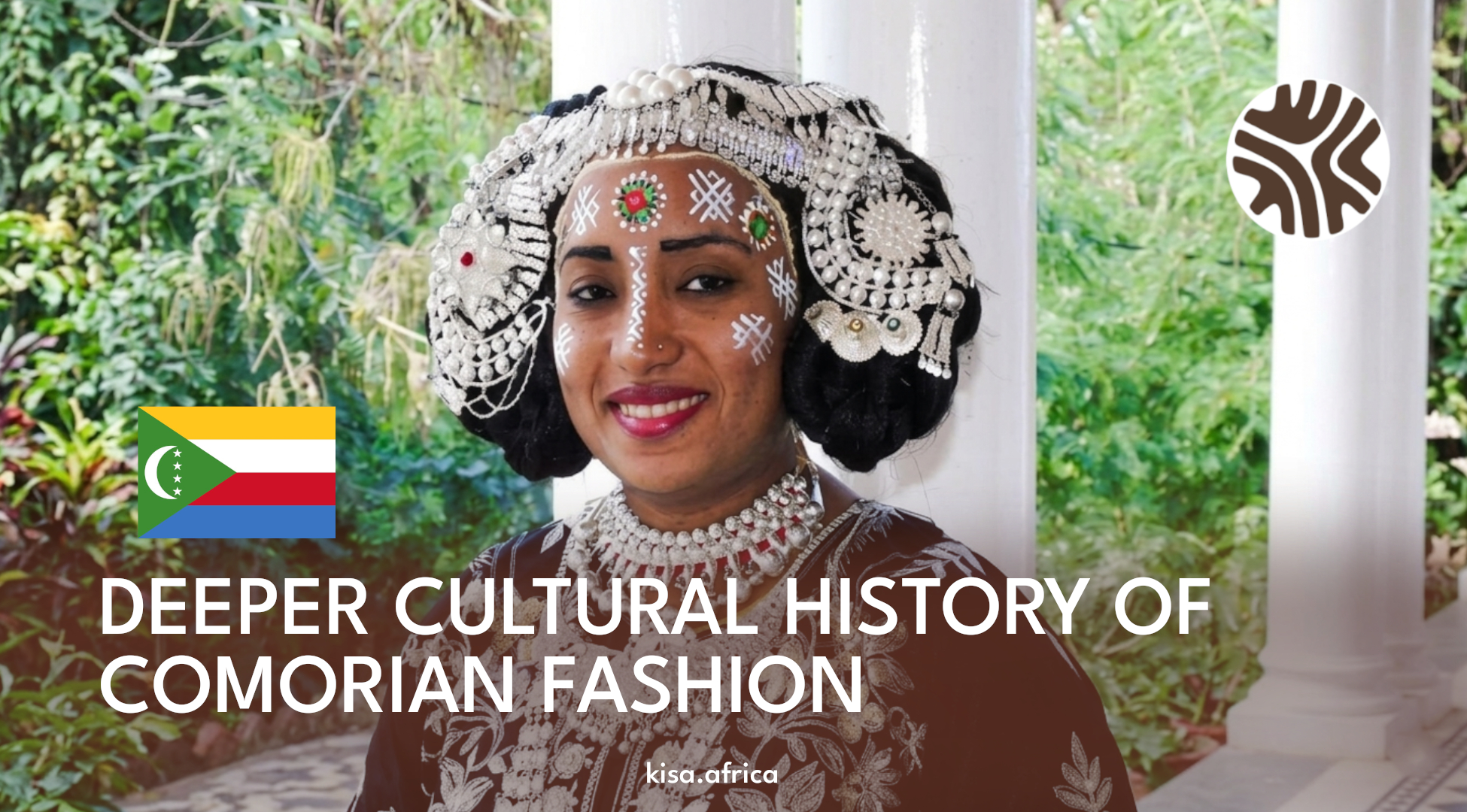
Silver jewellery became especially important within Amazigh culture. Large necklaces, fibulae (decorative garment clasps), bracelets, earrings, and head ornaments served not only decorative purposes but also functioned as portable wealth. In many historical communities, women’s jewellery represented economic security because silver could be traded or sold during periods of hardship.
This is one reason Amazigh jewellery traditions became so elaborate: adornment carried both aesthetic and financial significance. Jewellery could symbolize family status, marital position, tribal identity, and inherited wealth simultaneously.
Hair traditions across Libya reflected modesty, beauty ideals, and social identity.
Braiding traditions existed across many Libyan communities, particularly among Amazigh populations and rural groups. Hairstyles could communicate age, marital status, regional identity, or participation in ceremonial events. Head coverings also became deeply integrated into cultural and religious life, especially following the spread of Islam.
Hair care often relied on oils, perfumes, herbal treatments, and natural ingredients adapted to arid climates. Grooming rituals formed important parts of social and family life, particularly before weddings and celebrations.
Henna became one of the most important ceremonial beauty traditions in Libya. During weddings, festivals, and religious celebrations, women decorated hands, feet, and occasionally hair using intricate henna patterns believed to symbolize beauty, blessing, protection, and joy. Bridal henna ceremonies became major communal events involving music, storytelling, and female social bonding.
Libya’s fashion history was further shaped by centuries of outside influence through conquest, trade, and empire. Ottoman rule introduced luxurious textiles, embroidery techniques, silk garments, and broader Middle Eastern fashion aesthetics into Libyan urban centres. Ottoman-influenced styles became especially visible in cities such as Tripoli and Benghazi.
Layered robes, embroidered jackets, decorative caftans, and imported fabrics from across the Ottoman world contributed to increasingly cosmopolitan urban fashion cultures.
Later, Italian colonization during the early 20th century introduced European tailoring, suits, dresses, hats, and Western urban fashion into Libyan society.
European-style tailoring became particularly influential among urban elites and educated populations, while rural and tribal communities often retained stronger connections to traditional clothing systems. This layering of influences produced a unique Libyan aesthetic blending Saharan practicality, Islamic modesty, Mediterranean elegance, and North African craftsmanship.
Modern Libyan fashion continues reflecting this cultural complexity.
Today, younger Libyans increasingly combine Gulf Arab modest fashion, luxury brands, sneakers, modern tailoring, and North African embroidery traditions into contemporary styles. Traditional garments remain especially important during weddings, religious holidays, festivals, and family ceremonies.
Modern modest fashion movements across the Arab world have also strongly influenced
Libyan aesthetics, particularly through social media and Gulf fashion industries. Yet Amazigh weaving, silver jewellery, desert garments, and ceremonial embroidery remain powerful symbols of Libyan cultural heritage.
One fascinating but often overlooked aspect of Libyan fashion is how scientifically adapted many desert garments were. Loose layered robes and head coverings were not signs of discomfort, but highly effective climate technologies developed over centuries to regulate body temperature, reduce water loss, and protect against sand exposure.
FASCINATING LESSER-KNOWN FACTS ABOUT LIBYAN FASHION AND HAIR
- Desert clothing was specifically engineered over centuries to regulate temperature and protect against sand exposure.
- Amazigh silver jewellery functioned as portable wealth and financial security.
- Geometric Amazigh textile motifs often carried symbolic meanings related to protection and fertility.
- Burnous cloaks provided insulation against both desert heat and nighttime cold.
- Henna ceremonies became major social events connected to weddings and celebrations.
- Ottoman rule introduced luxurious embroidery and silk textile traditions into Libya.
- Italian colonization influenced urban tailoring and European-style formalwear.
- Hairstyles and veiling traditions historically communicated tribal identity and marital status.
- Modern Libyan fashion blends Gulf modest wear with North African heritage aesthetics.
SOURCES
Spring, C., & Hudson, J. (1995). North African Textiles. Washington, DC: Smithsonian Institution Press.
Brett, M., & Fentress, E. (1996). The Berbers. Oxford, United Kingdom: Blackwell Publishers.
Eicher, J. B., & Ross, D. A. (1992). Dress and Identity. New York, NY: Fairchild Publications.
Stillman, Y. K. (2000). Arab Dress: A Short History. Leiden, Netherlands: Brill Academic Publishers.
Arthur, L. B. (2000). Religion, Dress and the Body. Oxford, United Kingdom: Berg.
Perani, J., & Wolff, N. H. (1999). Cloth, Dress, and Art Patronage in Africa. Oxford, United Kingdom: Berg Publishers.