
MALAWI -CHITENJE CLOTH, GULE WAMKULU, AND SPIRITUAL PERFORMANCE TRADITIONS
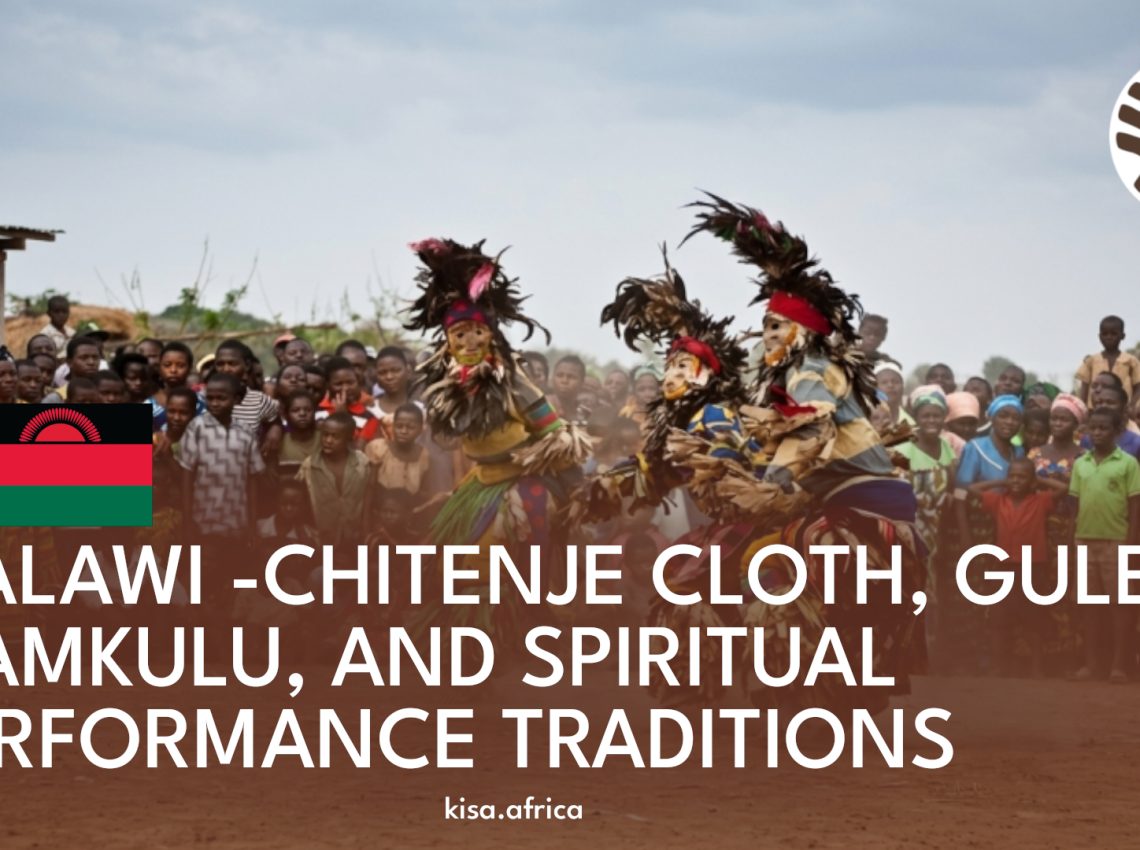
The fashion traditions of Malawi reflect a rich cultural history shaped by Chewa, Yao, Tumbuka, Ngoni, Lomwe, and other ethnic communities whose clothing systems evolved through spirituality, ceremony, trade, environment, and social identity. Fashion in Malawi historically functioned as far more than decoration — garments, hairstyles, beadwork, and ceremonial costumes communicated ancestry, maturity, religious meaning, and communal belonging.
Malawi’s warm climate influenced the development of lightweight wraps, bark cloth, woven materials, and breathable garments suited for agricultural life and seasonal weather. Traditional attire varied between regions and ethnic groups but wraps and textile layering remained common across many communities.
One of the most culturally influential groups in Malawi is the Chewa people, whose ceremonial systems helped shape some of Southern Africa’s most internationally recognized performance traditions.
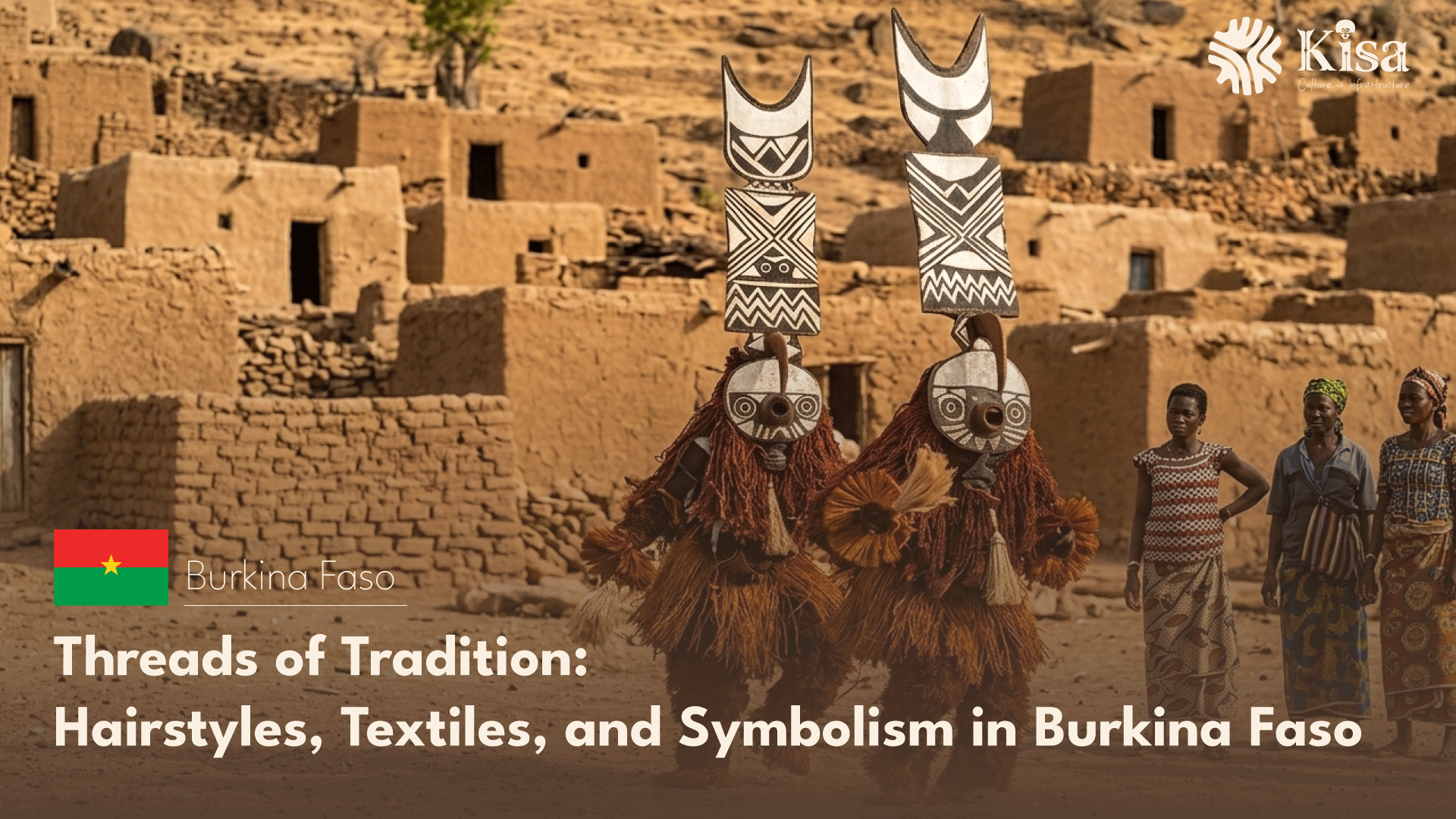
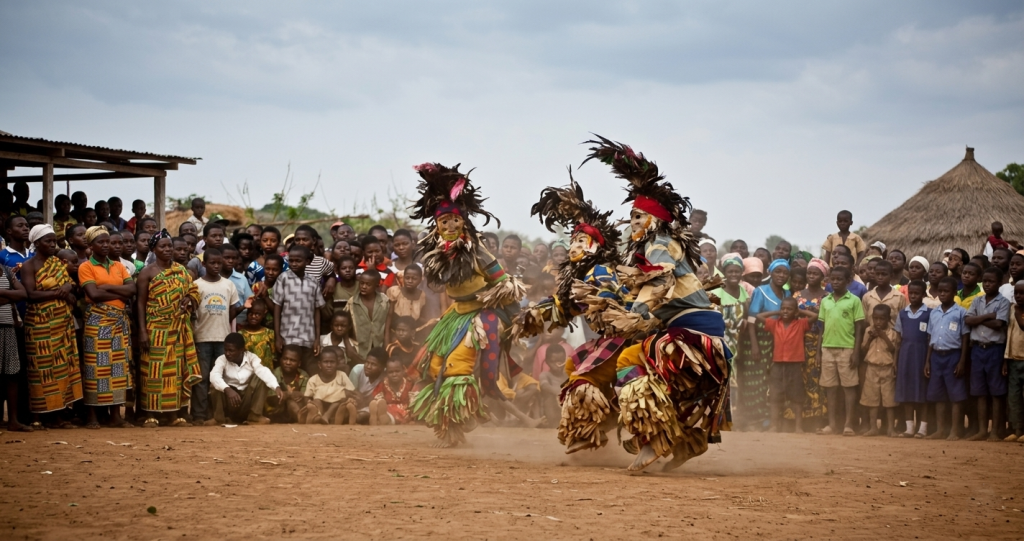
The Chewa became globally known for the Gule Wamkulu, a masked dance tradition involving elaborate costumes, spiritual symbolism, ancestral representation, and ritual performance. The term “Gule Wamkulu” is often translated as “The Great Dance,” but it represents a highly complex cultural institution tied to initiation societies, moral teaching, spirituality, and communication between the living and ancestral worlds.
Dance costumes used in Gule Wamkulu ceremonies are among the most visually striking in Africa. Performers wear large masks, layered garments, raffia coverings, animal imagery, painted surfaces, and symbolic costume elements designed to transform the dancer into a spiritual or ancestral figure.
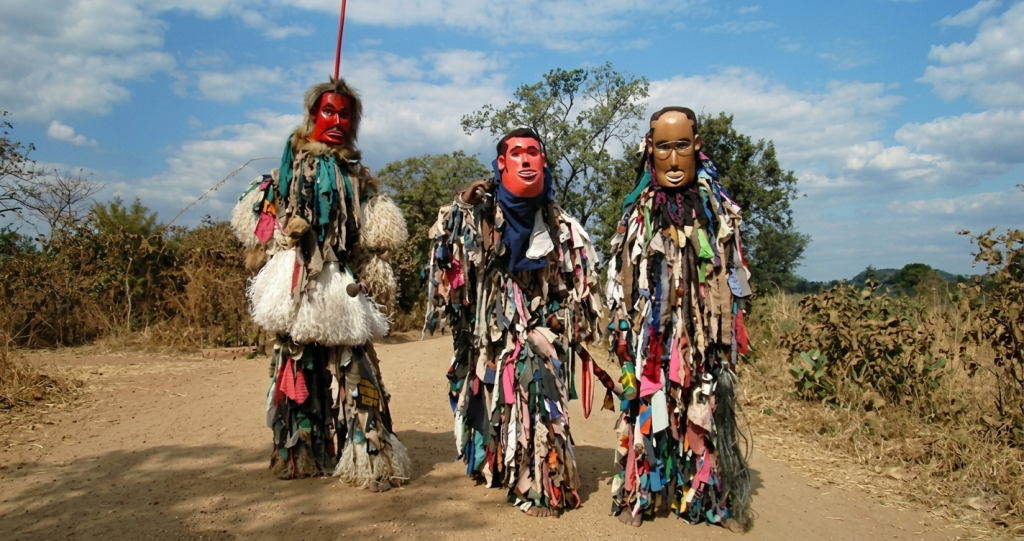
One fascinating aspect of Gule Wamkulu performance is that the costumes intentionally blur the line between human identity and spirit identity. During ceremonies, dancers are often understood not merely as people wearing masks but as temporary embodiments of spiritual forces, ancestors, animals, or moral characters.
The dramatic movement of raffia costumes, exaggerated masks, and rhythmic dance creates a transformation effect where ordinary appearance disappears into sacred performance.
Because of its extraordinary cultural importance, the Gule Wamkulu tradition was recognized by UNESCO as Intangible Cultural Heritage.
Traditional Malawian clothing also included bark cloth, beadwork, woven accessories, and ceremonial attire connected to initiation rites and social transitions.
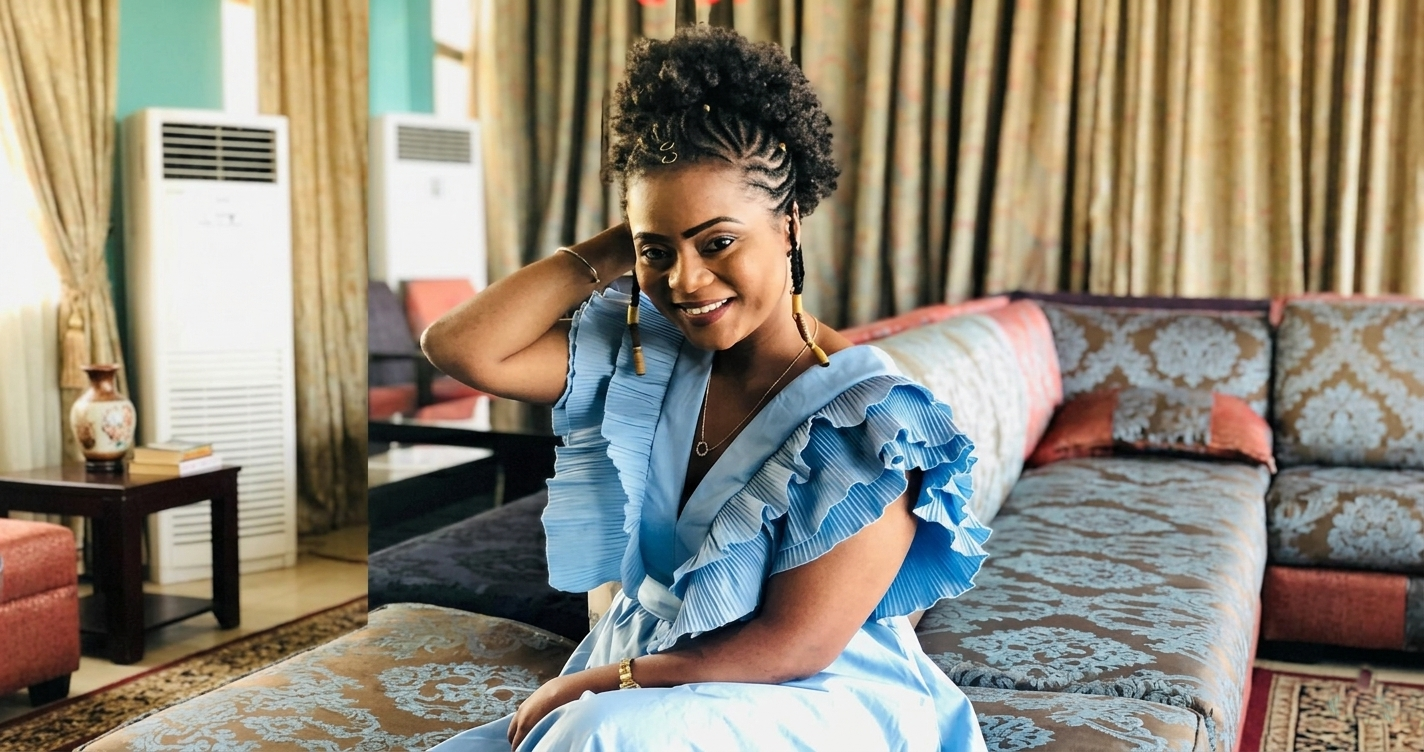
Beads historically communicated beauty, social position, age, and ceremonial participation. Necklaces, bracelets, waist beads, and decorative ornaments often carried symbolic meanings and were used during weddings, dances, and rites of passage.
Hair traditions throughout Malawi similarly reflected social identity and life stages.
Braiding, shaved hairstyles, sculpted hair arrangements, and carefully maintained styles communicated maturity, attractiveness, marital status, and participation in social transitions. Certain hairstyles were associated with adulthood ceremonies or preparation for marriage.
Hair care traditionally relied on oils, herbal treatments, natural fats, and plant-based products adapted to local climates. Hairdressing sessions also functioned as communal gatherings where women exchanged stories, songs, advice, and cultural teachings while styling hair together.
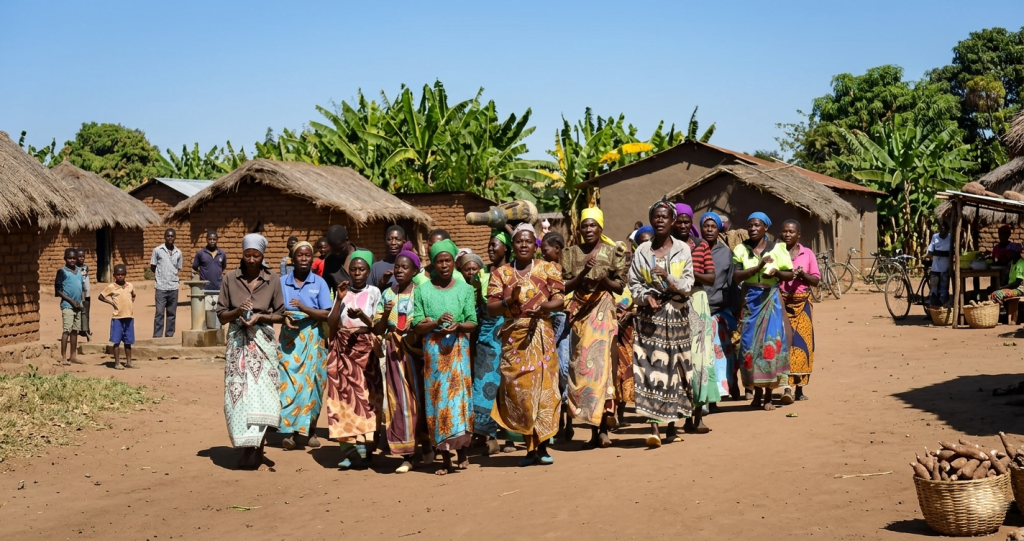
The Yao people, who have longstanding historical connections to Indian Ocean trade routes and Islam, contributed additional influences on Malawian dress traditions. Islamic modest wear styles, head coverings, embroidered garments, and imported textiles entered parts of Malawi through trade networks connecting East Africa to the coast.
The Ngoni people, whose ancestors migrated southward during the 19th-century upheavals linked to the Zulu expansion period, also influenced clothing and adornment traditions through beadwork, shields, and warrior-associated aesthetics.
One of the most important modern textiles in Malawi is the chitenje.
Chitenje cloth is a colourful printed fabric widely used throughout Malawi and neighbouring countries. The fabric serves many purposes simultaneously: clothing, baby carrying, head wraps, ceremonial attire, blankets, market carrying cloths, and household use.
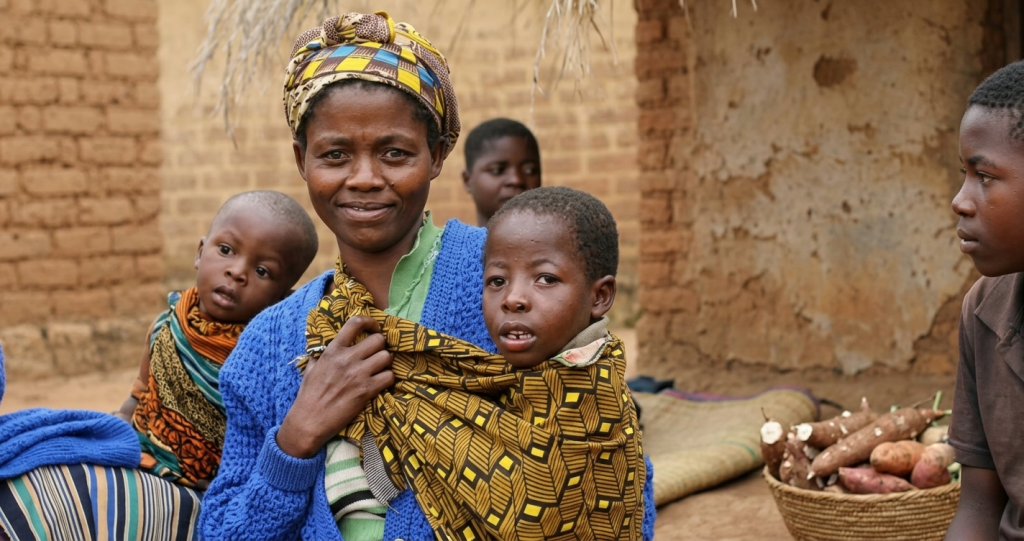
Women frequently wrap chitenje cloth around the waist or body, use it to carry children on their backs, or transform it into dresses and skirts. Chitenje fabrics often contain bold colours, floral patterns, geometric motifs, or symbolic designs reflecting both local aesthetics and broader regional textile traditions.
One remarkable aspect of chitenje culture is its versatility. A single cloth can function as fashion, childcare equipment, ceremonial wear, household utility, and social identity marker all at once.
Colonialism introduced European tailoring, missionary dress codes, school uniforms, and imported fabrics into Malawian society during the British colonial period. Western-style jackets, dresses, shirts, and urban tailoring gradually became integrated into city life.
However, Indigenous ceremonial traditions, textile identities, and performance aesthetics remained culturally important, especially in rural areas and during festivals, initiation ceremonies, and weddings.
Modern Malawi fashion now combines traditional and global influences.
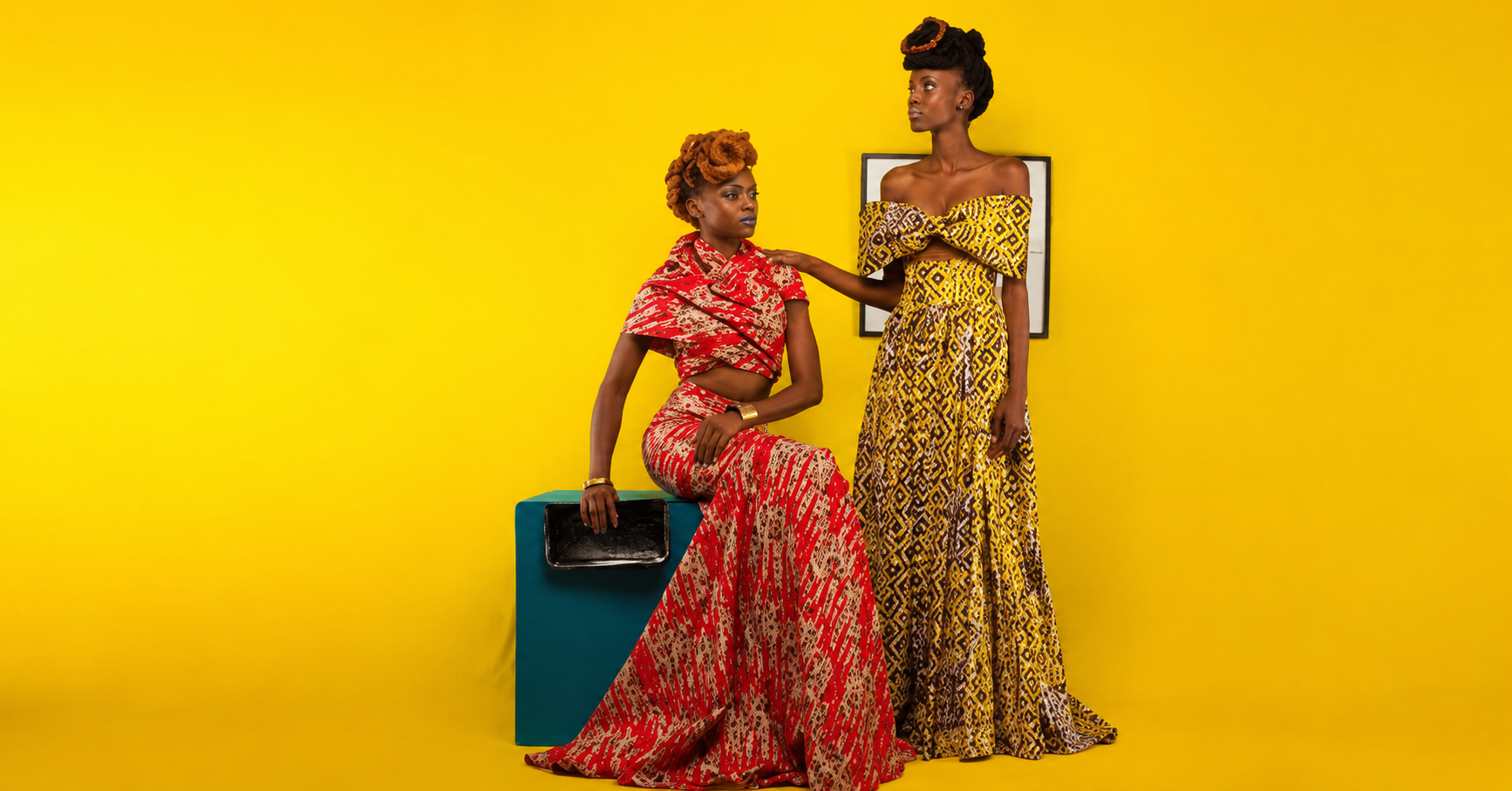
In cities such as Lilongwe and Blantyre, younger generations combine chitenje fabrics with denim, sneakers, natural hairstyles, Afro-modern tailoring, and global streetwear trends. Contemporary Malawian designers increasingly reinterpret traditional textiles for modern audiences while preserving local craftsmanship and cultural symbolism.
Another fascinating aspect of Malawian fashion is how deeply it remains tied to performance and spirituality. In traditions such as Gule Wamkulu, clothing is not passive decoration — it becomes transformation, ritual, and communication with ancestral worlds.
Fascinating Lesser-Known Facts About Malawian Fashion and Hair
- Gule Wamkulu costumes are designed to transform performers into spiritual beings or ancestors.
- The Gule Wamkulu tradition is recognized by UNESCO as Intangible Cultural Heritage.
- Chitenje cloth functions simultaneously as clothing, baby carrier, ceremonial fabric, and household textile.
- Raffia dance costumes create movement effects during spiritual performances.
- Hairstyles historically communicated maturity, marriage readiness, and social identity.
- Hairdressing gatherings served as spaces for oral storytelling and community bonding.
- Yao communities introduced Islamic influences through Indian Ocean trade connections.
- Modern Malawian designers increasingly reinterpret chitenje fabrics for contemporary fashion.
- Traditional performance culture remains highly influential in Malawian aesthetics.
SOURCES
Schoffeleers, J. M. (1976). The Meaning of the Gule Wamkulu. Zomba, Malawi: University of Malawi Press.
Rangeley, W. H. J. (1949). The Chewa people and their traditions. The Nyasaland Journal, 2(1), 1–15.
Eicher, J. B., & Ross, D. A. (1992). Dress and Identity. New York, NY: Fairchild Publications.
Arnoldi, M. J. (1995). African Material Culture. Bloomington, IN: Indiana University Press.
Picton, J., & Mack, J. (1989). African Textiles. London, England: British Museum Press.
Yoshida, K. (1993). Masks and performance traditions in Central and Southern Africa. African Arts, 26(2), 34–47.