

SÃO TOMÉ AND PRÍNCIPE- AFRO-PORTUGUESE ISLAND STYLE, CREOLE ELEGANCE, AND TROPICAL FASHION TRADITIONS
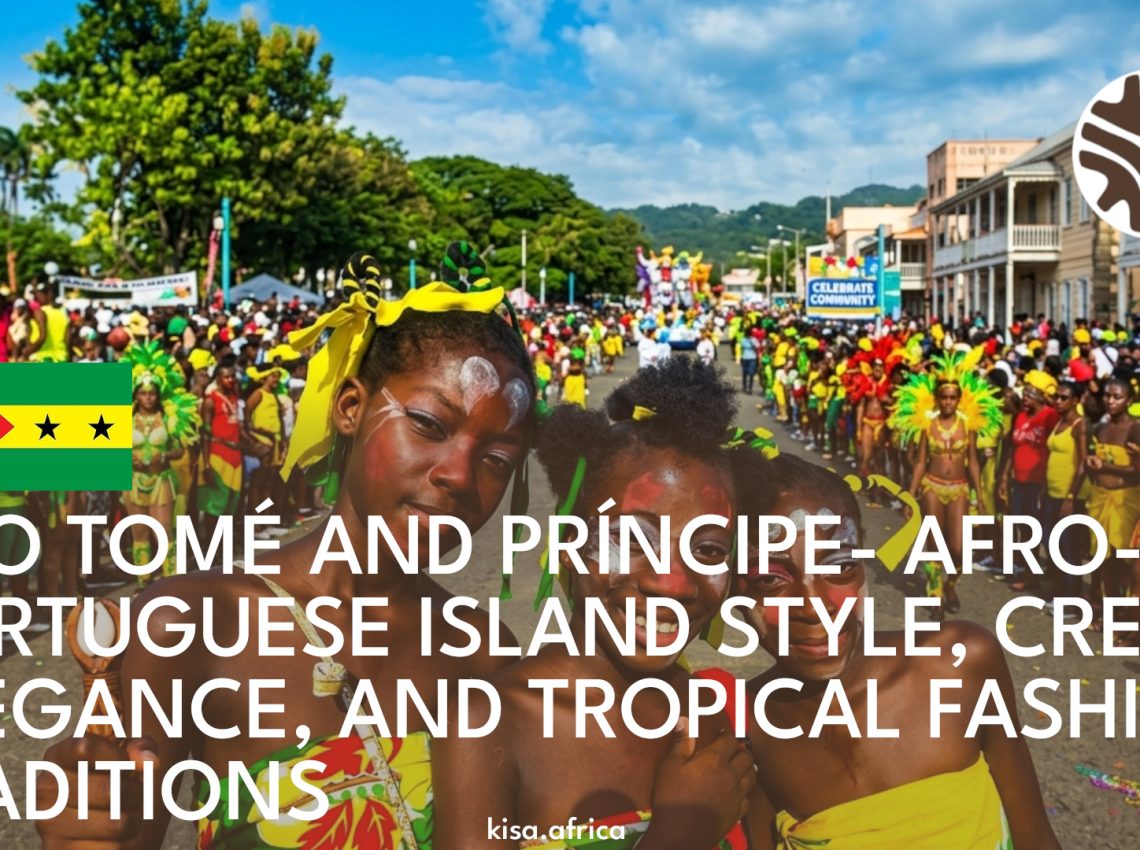
The fashion traditions of São Tomé and Príncipe developed through a unique blend of African heritage, Portuguese colonial influence, Atlantic trade networks and island life in the Gulf of Guinea. Because the islands remained relatively isolated compared to many mainland African societies, São Toméan culture evolved distinctive Creole aesthetics shaped by centuries of cultural fusion.
Fashion in São Tomé and Príncipe historically emphasized tropical practicality, elegance, rhythm, and adaptability to humid coastal climates. Clothing traditions reflected African textile customs while also incorporating Lusophone tailoring, Catholic ceremonial dress, and island-specific interpretations of beauty and style.
Unlike larger continental nations with hundreds of ethnic groups, São Tomé and Príncipe developed a more blended Creole identity over time. This cultural mixing deeply influenced fashion, music, dance, cuisine, language, and grooming traditions.
Traditional clothing on the islands emphasized lightweight fabrics and flowing silhouettes suited to tropical heat and humidity.
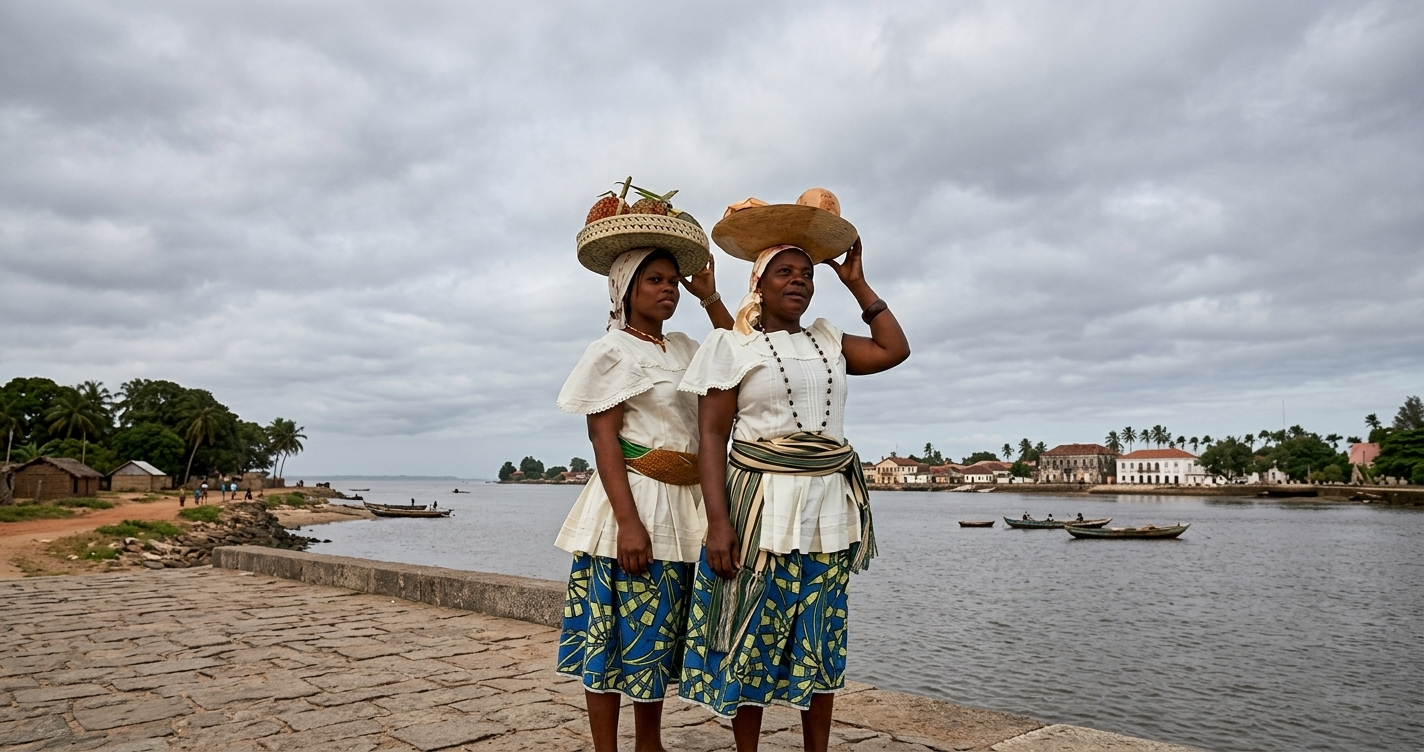
Women traditionally wore colourful wraps, patterned dresses, skirts, and headscarves combining African styling with European-inspired tailoring. Headwraps often served both decorative and practical purposes, protecting against sun and humidity while also symbolizing elegance and cultural identity.
Men commonly wore lightweight shirts, loose trousers, and garments adapted for agricultural labor, fishing communities, or ceremonial events.
Because São Tomé became heavily involved in plantation economies during Portuguese colonial rule, imported fabrics and European dress codes entered local society early. However, island communities gradually transformed these external influences into uniquely São Toméan styles.
One of the most fascinating aspects of São Toméan aesthetics is the preservation of Creole cultural identity.
The islands’ relative isolation helped preserve cultural forms blending:
- African heritage
- Portuguese colonial aesthetics
- Atlantic Creole traditions
- Tropical island practicality
Dance and music strongly influenced clothing design. Traditional dance garments were often created specifically to amplify movement, rhythm, and visual performance.
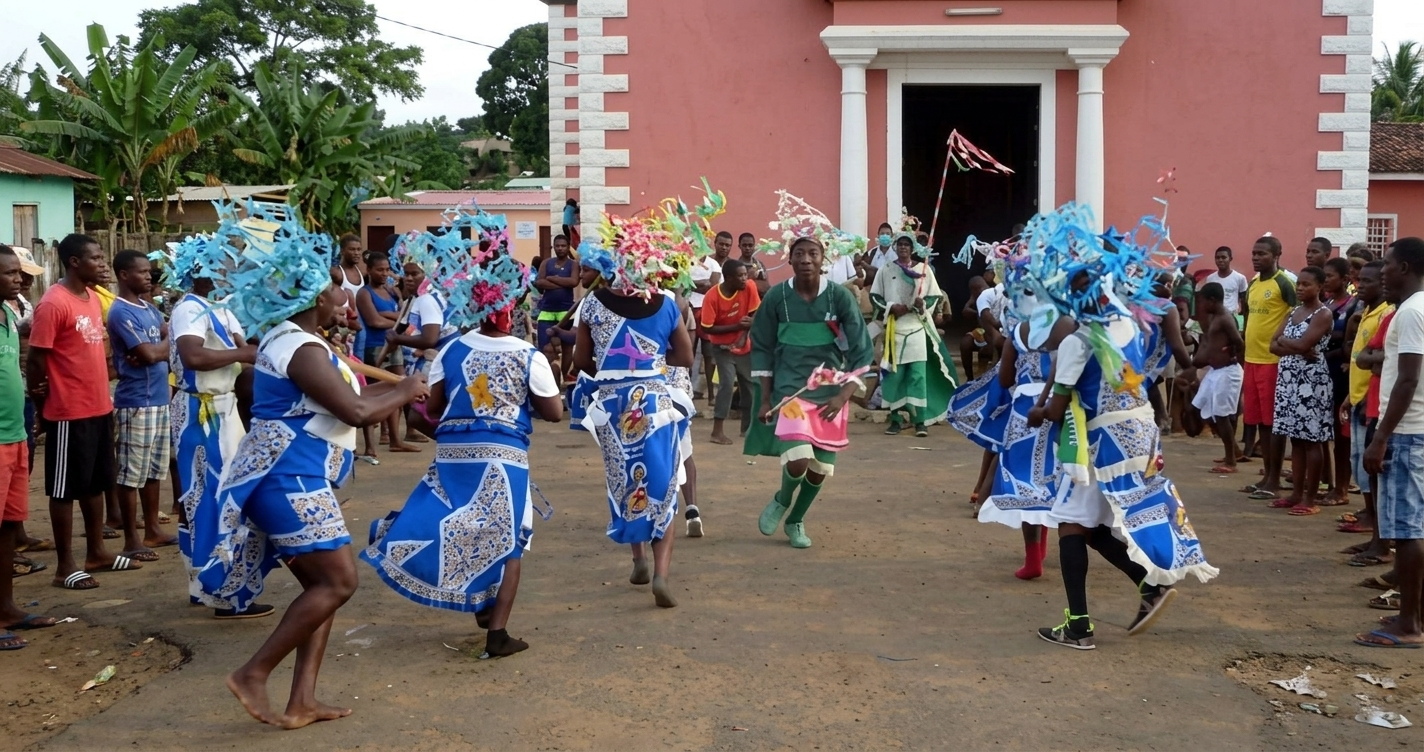
Flowing skirts, scarves, layered fabrics, and decorative accessories enhanced spinning, swaying, and coordinated dance movements during celebrations and ceremonies.
Hair traditions in São Tomé and Príncipe also reflect Afro-diasporic and tropical influences.
Braiding, wrapped hairstyles, natural curls, twists, and protective styles became widespread across the islands. Haircare traditions often relied on:
- Coconut oil
- Palm oil
- Herbal mixtures
- Tropical plant-based treatments
These practices protected hair from humidity, salt air, and intense tropical sunlight while maintaining shine and manageability.
Hairdressing also functioned socially as a communal activity where beauty practices, storytelling, and cultural knowledge passed between generations.
Portuguese colonialism significantly shaped formal fashion culture.
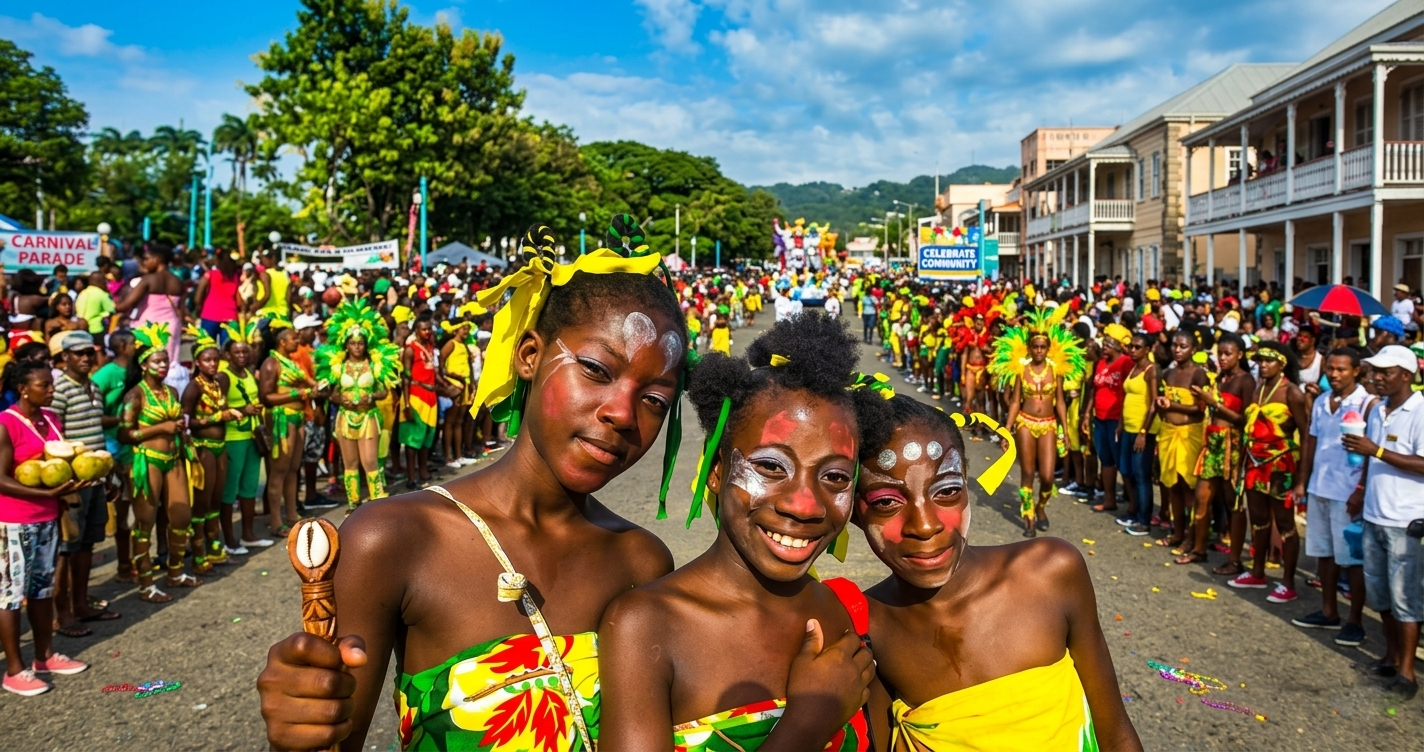
European tailoring introduced:
- Buttoned dresses
- Church attire
- Formal suits
- Lacework
- Structured garments
- Catholic ceremonial clothing
Yet these styles rarely remained purely European. São Toméan communities adapted imported garments using tropical fabrics, African-inspired colour palettes, and locally preferred silhouettes.
This blending process created a distinctive Afro-Portuguese island aesthetic unlike either mainland African or European fashion traditions.
Modern São Toméan fashion continues reflecting this cultural fusion.
Contemporary fashion in São Tomé and Príncipe increasingly combines:
- Afro-Portuguese aesthetics
- Resort fashion
- African prints
- Contemporary tailoring
- Natural hair culture
- Tropical minimalism
Because tourism plays an important economic role, modern fashion also incorporates relaxed coastal styles suited to island environments.
At the same time, younger generations increasingly participate in broader African fashion movements through music, social media, and Lusophone cultural exchange with countries such as:
- Angola
- Mozambique
- Cape Verde
- Portugal
- Brazil
This creates a broader transatlantic Afro-Lusophone fashion network connecting African, European, and South American influences.
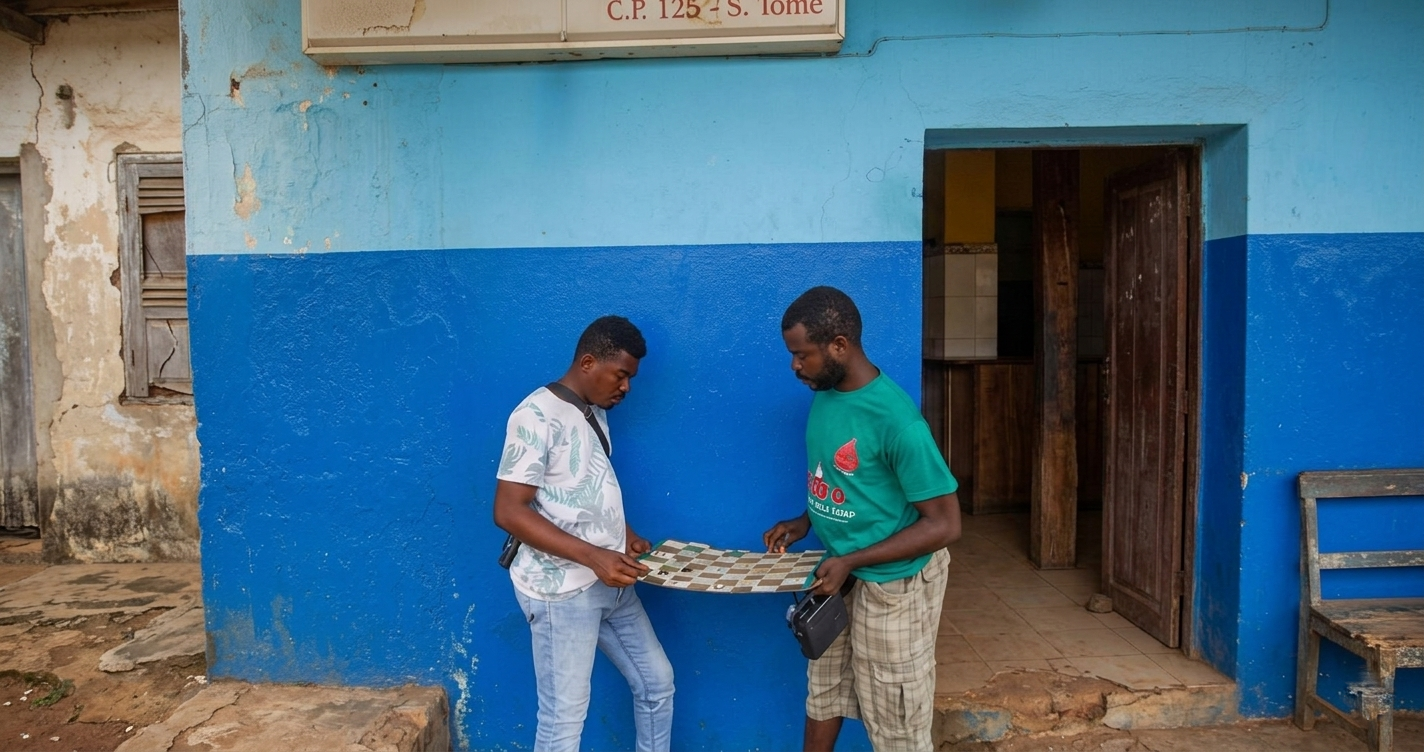
Modern São Toméan designers and artists increasingly celebrate:
- Creole identity
- Sustainability
- Tropical craftsmanship
- Afro-diasporic beauty
- Local textiles
- Island-inspired aesthetics
The result is a fashion culture balancing African heritage, Portuguese influence, and uniquely island-based creativity.
FASCINATING LESSER-KNOWN FACTS ABOUT SÃO TOMÉAN FASHION AND HAIR
- Island isolation helped preserve unique Creole aesthetics distinct from mainland Africa.
- Traditional dance clothing was designed to amplify rhythm and movement visually.
- Tropical climate strongly shaped lightweight clothing traditions.
- Coconut oil historically played a major role in haircare practices.
- São Toméan fashion reflects a fusion of African and Portuguese influences.
- Headscarves served both practical and symbolic purposes.
- Music and dance heavily influenced clothing design.
- Modern fashion increasingly blends resort aesthetics with Afro-modern identity.
- São Tomé belongs to a broader Lusophone cultural network linking Africa, Europe, and South America.
SOURCES
Newitt, M. (2009). The Portuguese in West Africa, 1415–1670. Cambridge, United Kingdom: Cambridge University Press.
Eicher, J. B., & Ross, D. A. (1992). Dress and Identity. New York, NY: Fairchild Publications.
Rovine, V. L. (2015). African Fashion, Global Style: Histories, Innovations, and Ideas You Can Wear. Bloomington, IN: Indiana University Press.
Havik, P. J. (2004). Silences and Soundbites: The Gendered Dynamics of Trade and
Brokerage in the Pre-Colonial Guinea Bissau Region. Münster, Germany: LIT Verlag.
Spring, C. (2012). African Textiles Today. London, England: British Museum Press.
Arnoldi, M. J. (1995). African Material Culture. Bloomington, IN: Indiana University Press.