
GUINEA-BISSAU- ISLAND CEREMONIES, SHELL ADORNMENT, BRAIDED TRADITIONS, AND LUSOPHONE-AFRICAN STYLE
The fashion traditions of Guinea-Bissau developed through a rich combination of mainland West African cultures, Atlantic coastal trade, island ceremonial systems, and Portuguese colonial influence. Despite being one of West Africa’s smaller nations, Guinea-Bissau contains remarkable cultural diversity shaped by Balanta, Fula, Mandinka, Papel, Manjaco, and Bijagós communities, each contributing distinct approaches to clothing, body adornment, and hairstyling.
Historically, clothing in Guinea-Bissau balanced practicality with symbolism. Tropical heat and humidity encouraged the use of breathable fabrics, loose garments, raffia fibres, and lightweight wraps suitable for coastal and island environments. At the same time, ceremonial attire often carried deeper meanings connected to spirituality, ancestry, rites of passage, and communal identity.
One of the most culturally distinctive regions in Guinea-Bissau is the Bijagós Archipelago, a group of islands off the Atlantic coast known for preserving highly unique ceremonial traditions.
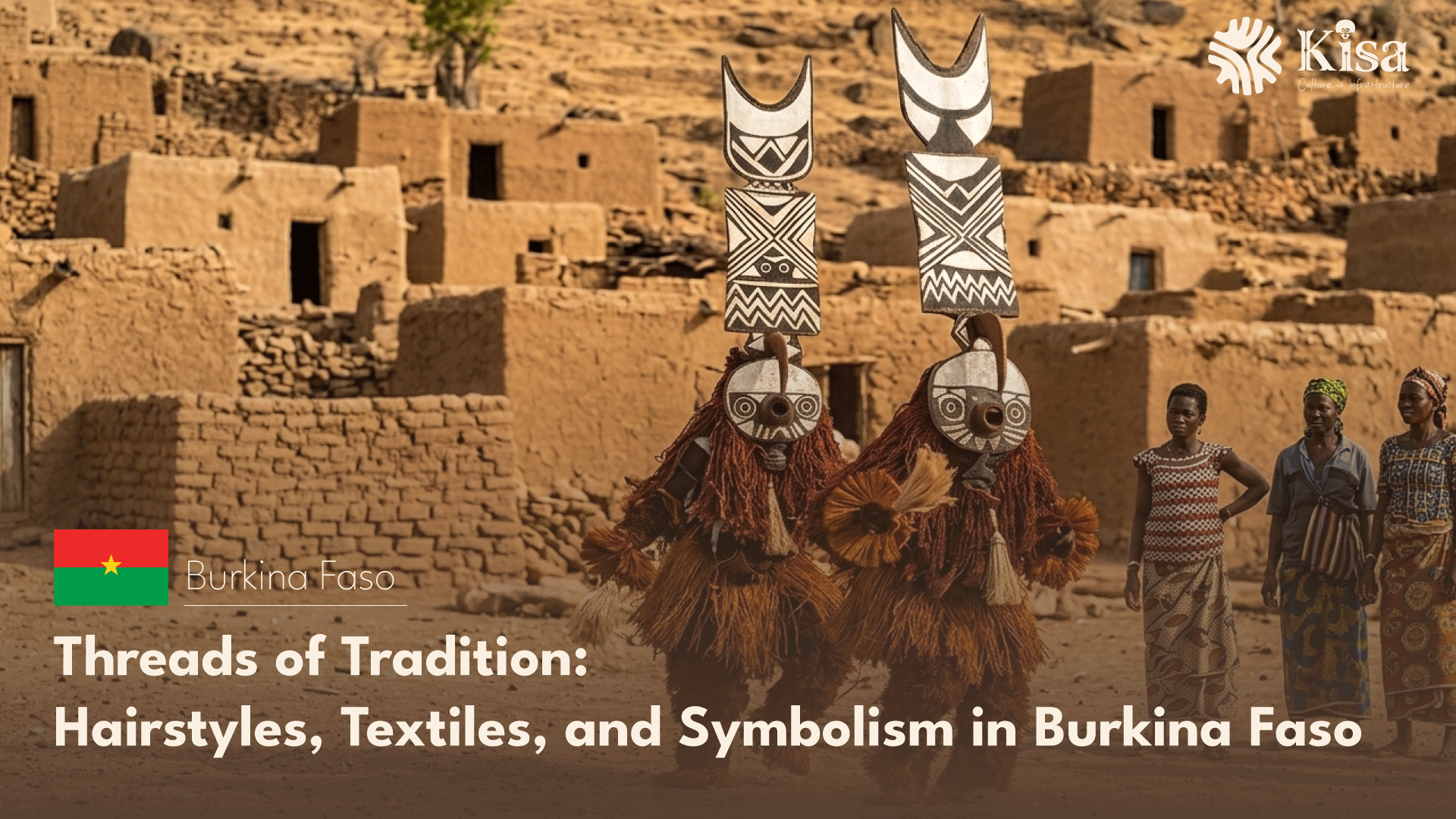
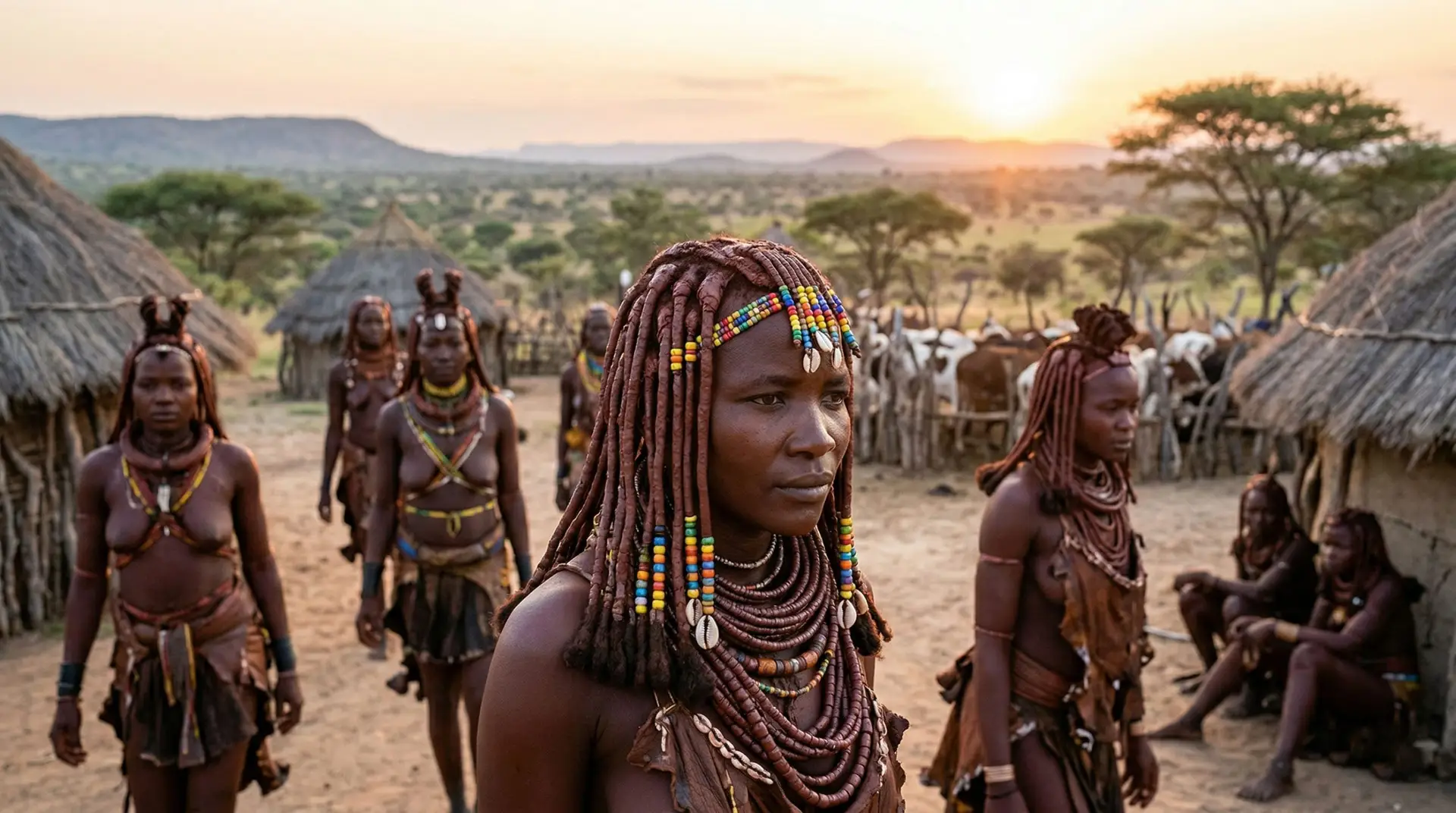
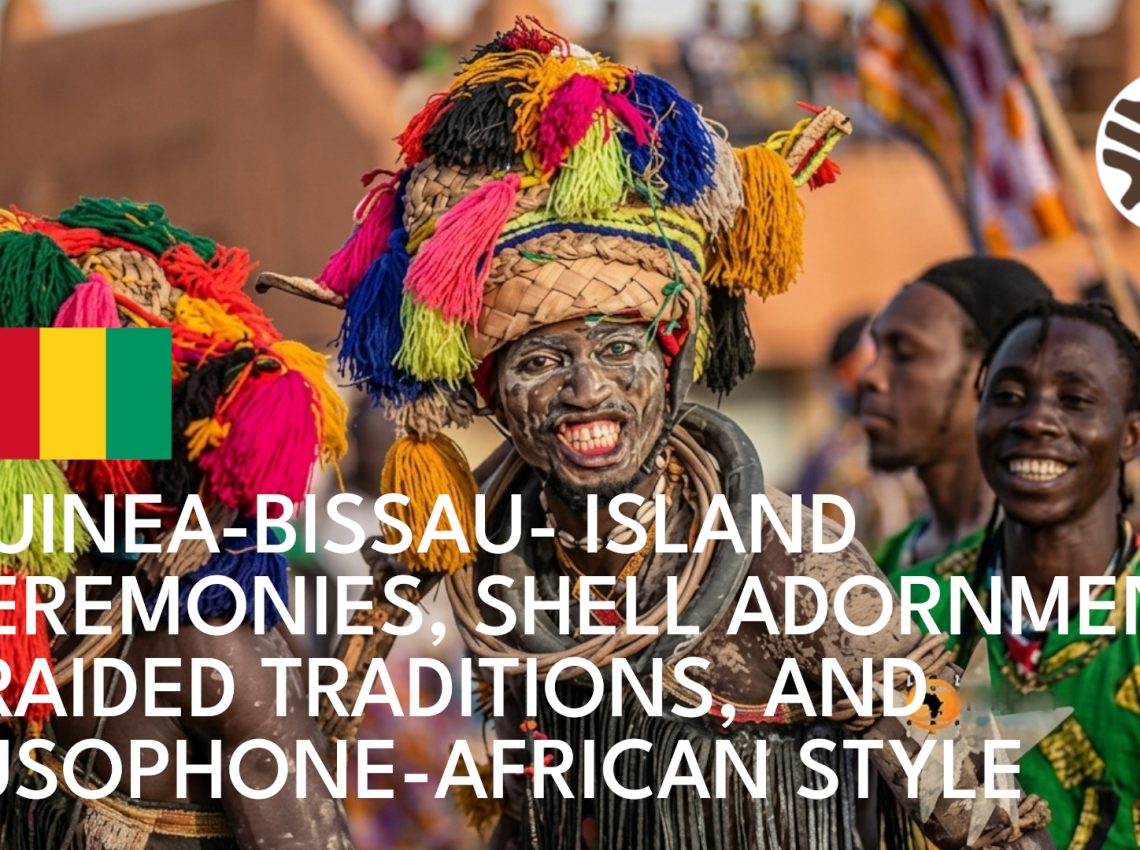
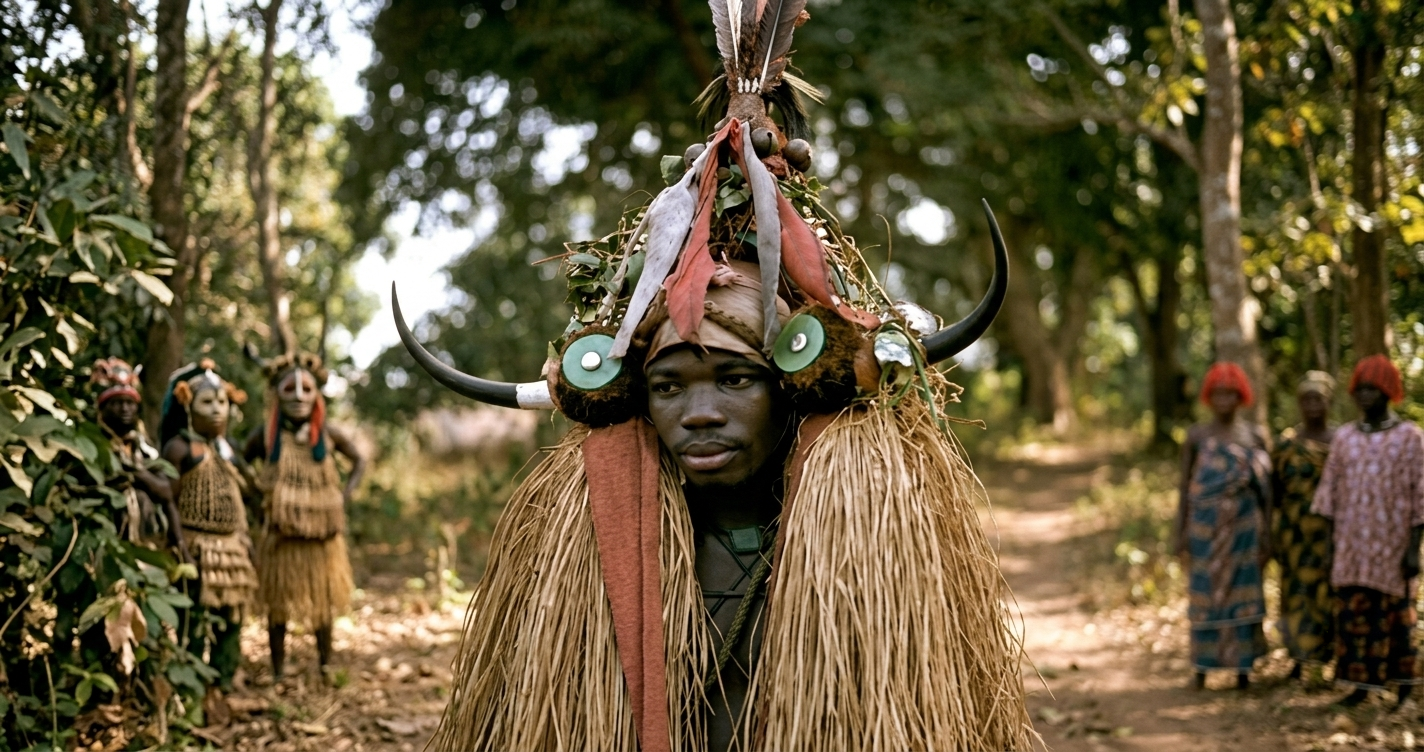
The Bijagós peoples developed ceremonial attire involving raffia garments, body paint, shell adornments, feathers, beads, and symbolic ornaments closely tied to spiritual belief systems and initiation ceremonies. Clothing in these contexts was not simply decorative it transformed the wearer into a participant within sacred ritual performance.
Body painting held especially important ceremonial functions. Painted patterns could symbolize spiritual protection, ancestral connection, transition into adulthood, or participation in initiation rituals. In some ceremonies, costume, dance, and movement worked together to blur the boundary between ordinary human identity and spiritual representation.
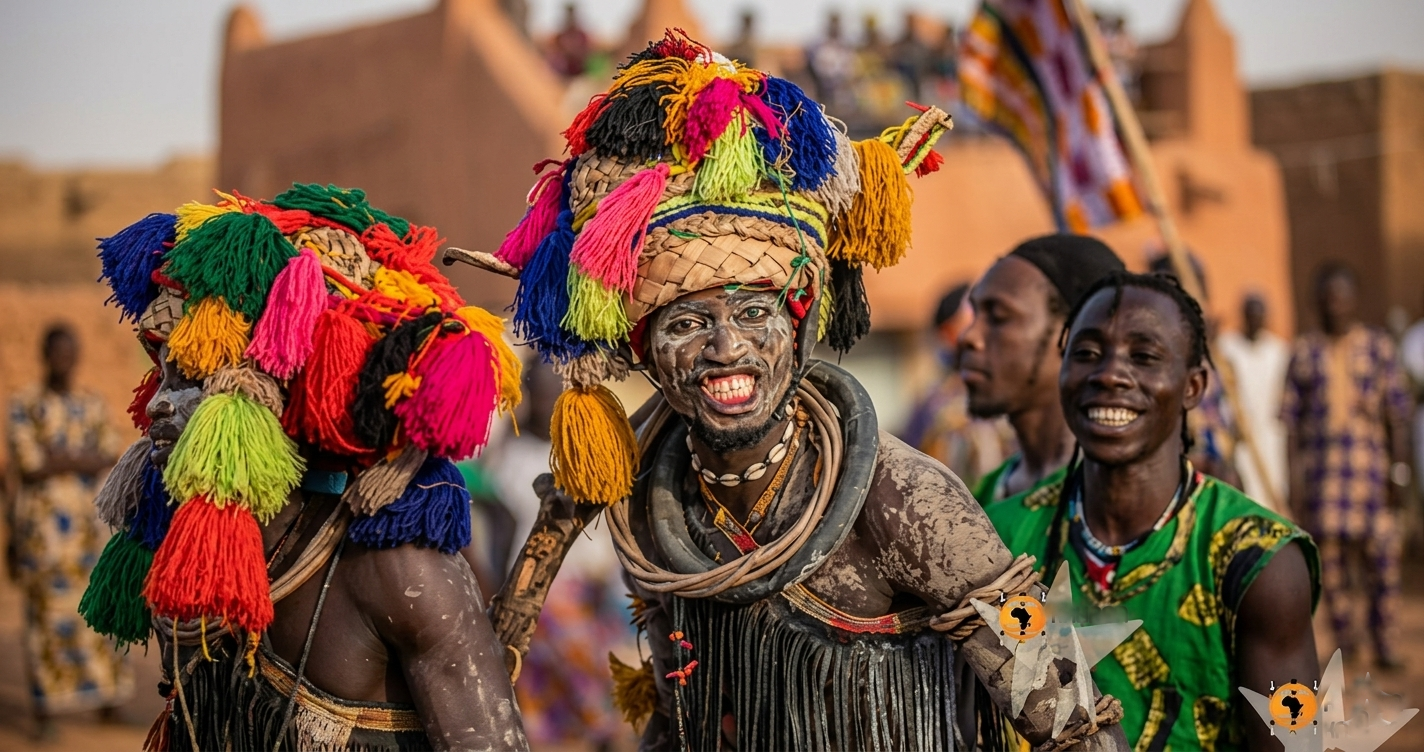
Shell adornments became particularly valued within some island communities. Cowrie shells and other marine materials symbolized wealth, fertility, prestige, and spiritual safeguarding. Because island societies maintained strong relationships with the ocean, marine materials naturally became integrated into ceremonial aesthetics and symbolic systems.
Another fascinating aspect of Bijagós ceremonial fashion is the use of movement itself as part of visual transformation. Dance costumes were designed to amplify bodily motion, creating dramatic effects during rituals and performances. Raffia fibres, layered textures, and rhythmic movement helped transform ordinary dance into a sacred communal experience.
Hair traditions throughout Guinea-Bissau also carried important cultural meaning.
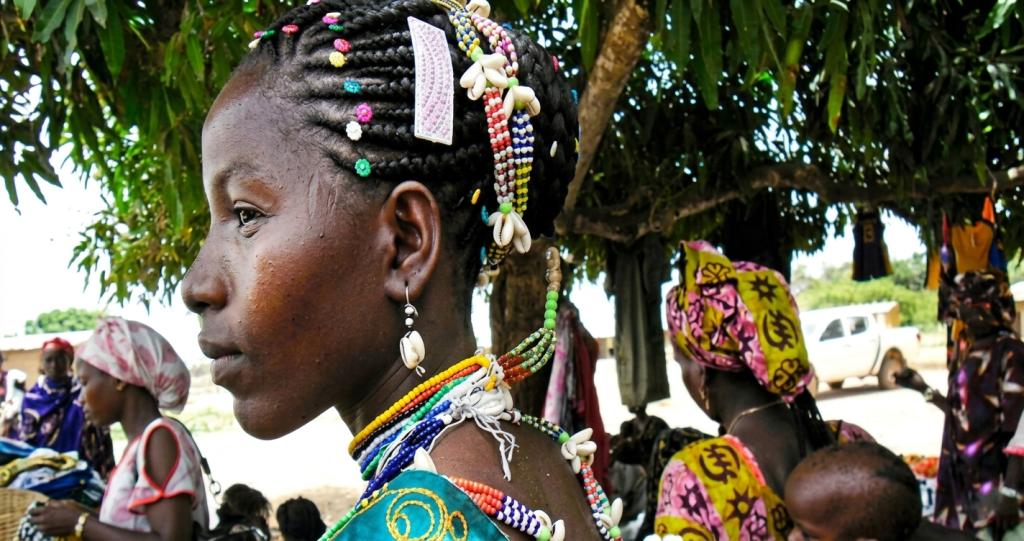
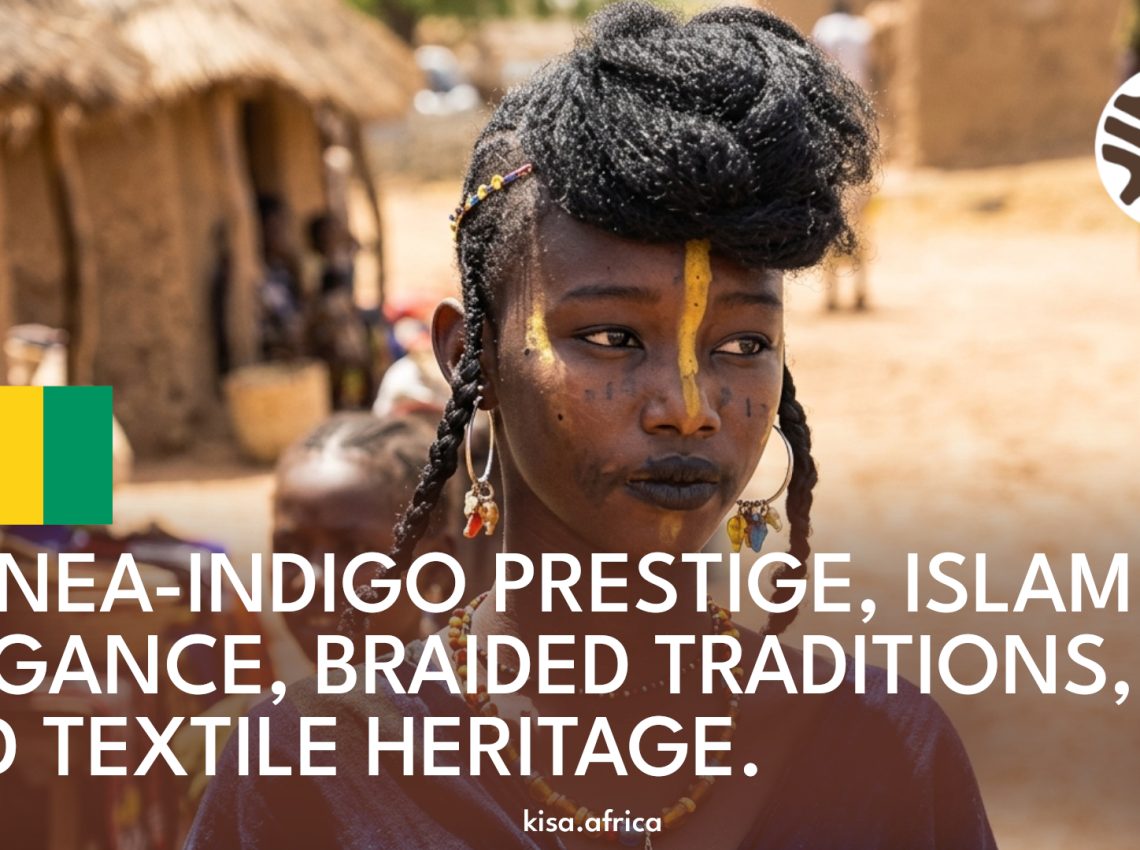
Braids, twists, sculpted hairstyles, and head wrap historically communicated maturity, beauty, marital status, and ethnic identity. Hairstyles often changed during important life transitions such as marriage, initiation, or motherhood. In many communities, carefully maintained hair symbolized dignity, discipline, and social belonging.
Women traditionally used oils, palm products, herbal infusions, and botanical treatments to protect hair from humidity and maintain scalp health. Hairdressing sessions became important social gatherings where women exchanged stories, songs, advice, and oral traditions while styling hair over many hours.
Head wraps also played major roles in fashion culture. Beyond aesthetics, wraps could signify age, ceremonial participation, religious identity, or social respectability. The tying techniques themselves sometimes reflected regional or ethnic variation, turning headwear into another form of visual cultural language.
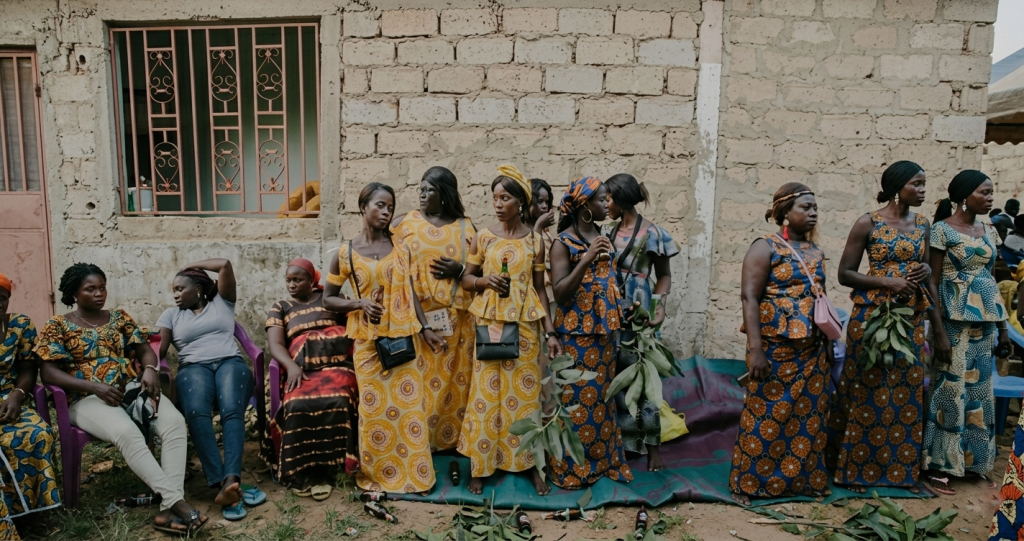
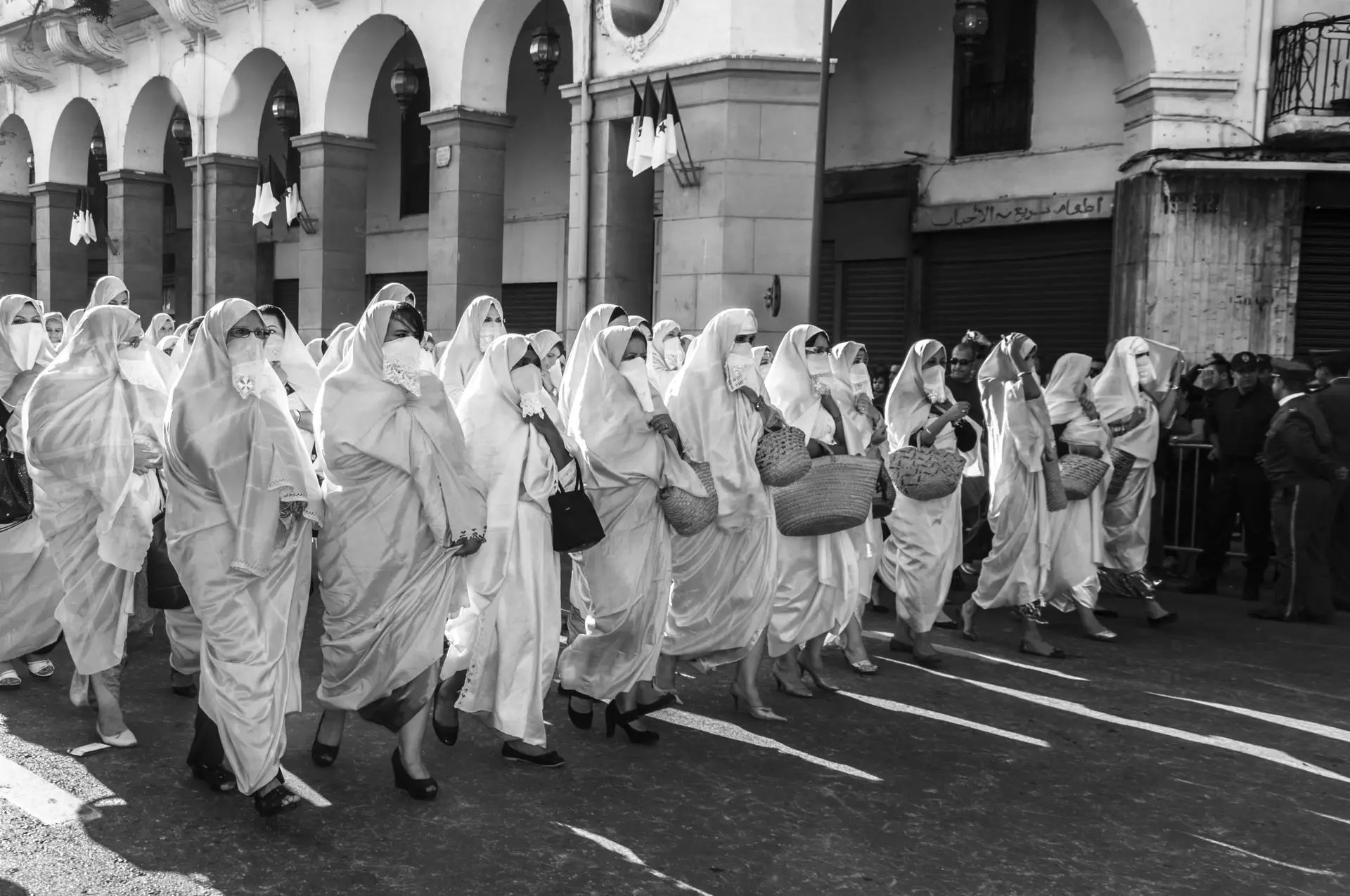
Mandinka and Fula influences contributed flowing robes, embroidered garments, and Islamic modest wear traditions connected to wider West African trade networks. Long tunics, loose wrappers, and decorative embroidery reflected both practical adaptation to climate and broader Islamic artistic influence spreading across West Africa over centuries.
Portuguese colonialism introduced another major layer to Guinea-Bissau’s fashion history. Unlike neighbouring countries colonized by Britain or France, Guinea-Bissau developed within a Lusophone cultural sphere connected to Portugal and other Portuguese-speaking regions.
European fabrics, tailored garments, Christian missionary clothing standards, and imported textiles gradually entered urban society. Tailored shirts, dresses, jackets, and European silhouettes became increasingly common during the colonial period, especially among urban populations and colonial administrators.
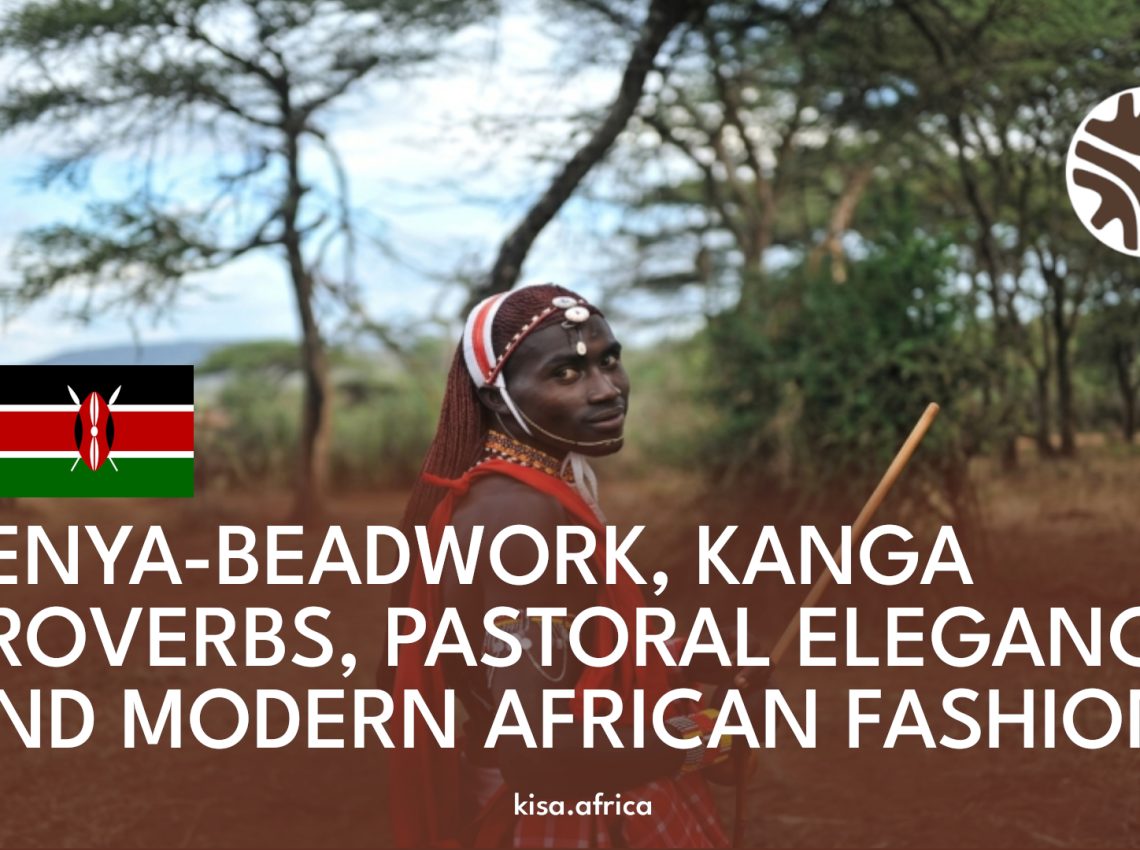
However, indigenous aesthetics remained highly influential, particularly during festivals, ceremonies, weddings, and ritual events. Traditional body adornment, woven materials, beadwork, and ceremonial garments continued functioning as powerful expressions of cultural identity despite colonial influence.
Modern fashion in Guinea-Bissau reflects this layered history.
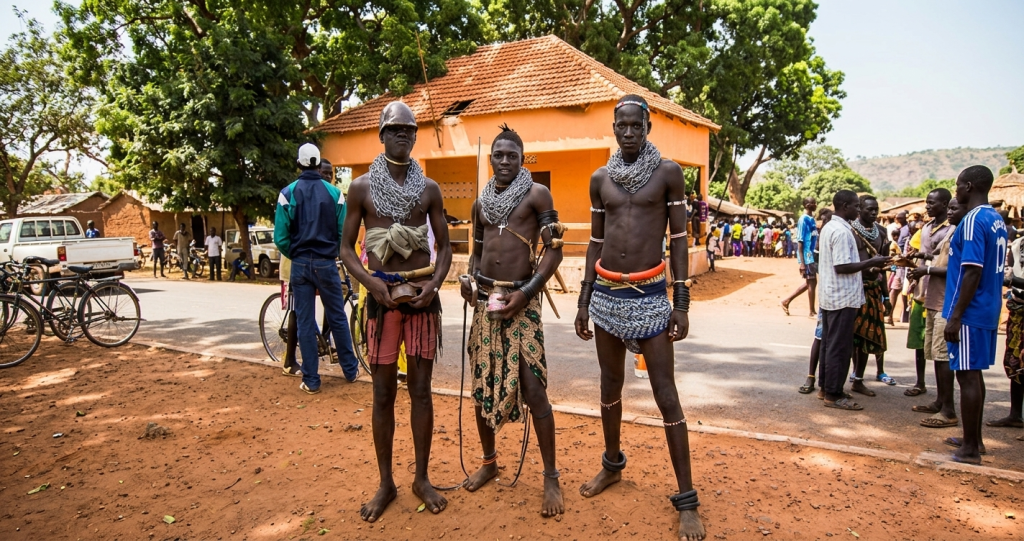
Today, younger generations blend West African prints, Lusophone influences, streetwear, contemporary tailoring, and Afro-modern aesthetics into evolving fashion identities. Sneakers, denim, sunglasses, and global music-inspired styles coexist with traditional fabrics, wraps, and ceremonial garments.
Urban fashion scenes in Bissau increasingly reflect broader African youth culture influenced by Afrobeats, hip-hop, social media, and pan-African creative movements. At the same time, festivals and cultural performances continue preserving older ceremonial traditions rooted in island and mainland heritage.
One especially interesting aspect of Guinea-Bissau’s fashion history is how strongly ritual performance shaped aesthetics. In many communities, clothing was not static but activated through movement, dance, music, and communal participation. Fashion therefore existed not only as appearance but as living performance embedded in spiritual and social life.
FASCINATING LESSER-KNOWN FACTS ABOUT GUINEA-BISSAU FASHION AND HAIR
- Bijagós ceremonial attire often represented ancestral and spiritual connections.
- Shell adornments symbolized wealth, prestige, fertility, and spiritual protection.
- Raffia costumes were designed to transform dance into sacred performance.
- Hairstyles communicated maturity, beauty, and participation in social transitions.
- Head wraps functioned as both fashion and social symbolism.
- Portuguese colonial influence introduced Lusophone tailoring traditions distinct from neighbouring countries.
- Hairdressing gatherings served as important spaces for storytelling and cultural education.
- Coastal and island environments strongly influenced lightweight clothing traditions.
SOURCES
Arnoldi, M. J. (1995). African Material Culture. Bloomington, IN: Indiana University Press.
Picton, J., & Mack, J. (1989). African Textiles. London, England: British Museum Press.
Eicher, J. B., & Ross, D. A. (1992). Dress and Identity. New York, NY: Fairchild Publications.
Crowley, E. (1990). Ritual performance and identity in West African island societies. African Arts, 23(4), 48–61.
Kriger, C. E. (2006). Cloth in West African History. Lanham, MD: AltaMira Press.
Forrest, J. B. (2003). Lineages of State Fragility: Rural Civil Society in Guinea-Bissau. Athens, OH: Ohio University Press.